How Much Beer per Person for a Party: A Complete Planning Guide
Plan on 6 to 8 beers per person for a typical 4-hour party if beer is the only drink option. Adjust downward by about 25-30% when serving wine and spirits alongside beer, since fewer guests will stick to beer alone. This guidance helps you avoid running out or overbuying.
Anyone organizing a party can use these simple calculations to estimate how much beer per person for a party is right for their event. You’ll find useful tips on factoring party length, guest habits, and drink options into your beer shopping list.
Key Takeaways
- For parties with only beer, plan 1.5-2 beers per person per hour to cover average consumption.
- Reduce beer total by 25-30% if wine and spirits are also served.
- Account for the party duration, as longer events increase overall drink needs significantly.
- Add a 20% buffer to avoid running out, especially at tailgates or major sports events.
- Include non-drinkers by subtracting them from your total guest count before calculating beer.
- Cases are usually more cost-effective than individual cans, especially at warehouse clubs like Costco.
How Much Beer to Buy per Person at a Party
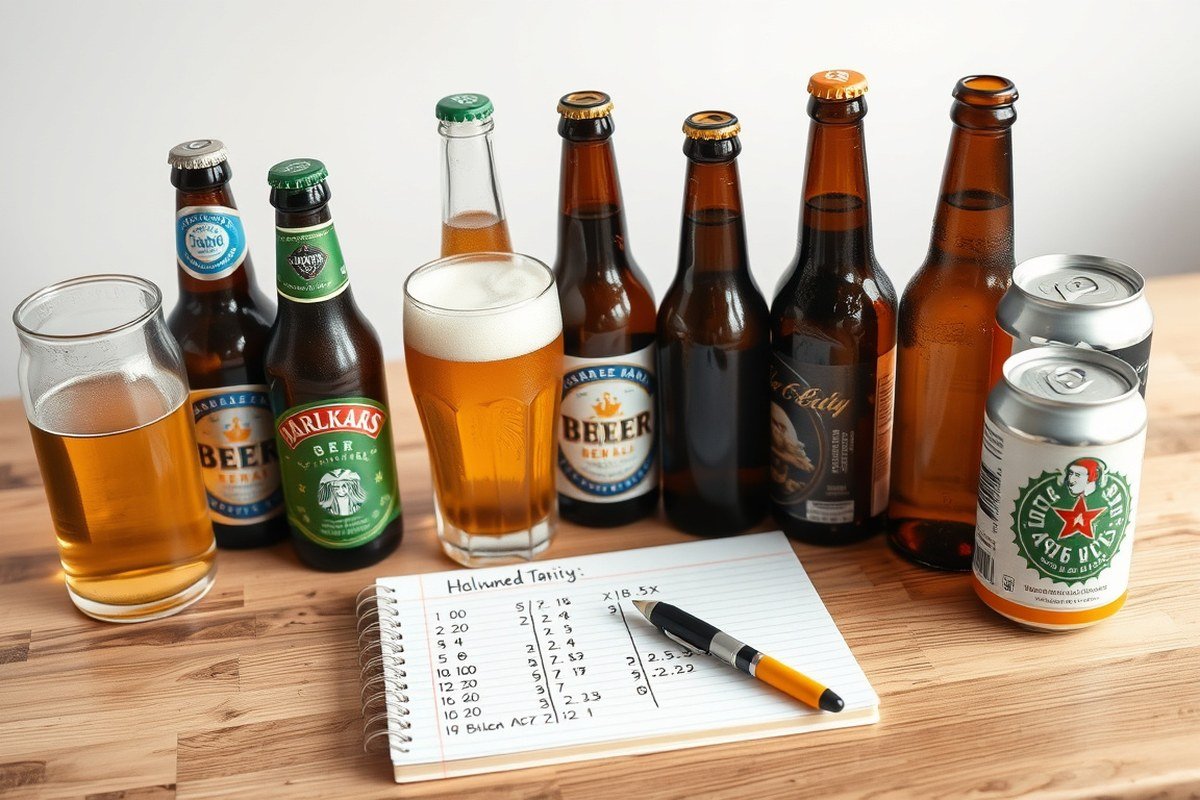
For parties that last around four hours with beer being the primary beverage, consider getting 6 to 8 beers for every guest. This is based on an average drinking rate of about one to two beers per hour per person. You can calculate the total by multiplying the headcount by the beers per guest. For instance, with 30 attendees expecting 7 beers each, plan for 210 beers overall.
It helps to round your total beer count up to the nearest common package size, such as a 12-pack or a 24-pack case. For instance, if your calculation comes to 48 beers, round up to 58 or 60 to cover any extra consumption or unexpected guests. Adding a 10-15% buffer also helps avoid running short during the party, especially if people drink faster than expected or the event runs longer.
Adjust your purchase based on the availability of other drink options. When wine and spirits are served, fewer guests will drink beer exclusively. In that case, reduce your beer quantity by 25 to 30 percent. So, for a 30-person party where beer is half of all drinks, you would calculate 30 guests × 4 hours × 1 drink per hour = 120 total drinks, then take 50% of that for beer, resulting in about 60 beers. You can then add a small buffer, buying around 70 beers total. Here’s a straightforward way to estimate your beer needs for a party: Total Beers = Number of Guests × Beers per Person
Pick beers per person based on the event length and drink options. For a 4-hour beer-only party, use 6 to 8 beers per guest. For mixed drinks parties, reduce that by 25-30%. After calculating, round up to convenient pack sizes plus a 10-15% buffer.
For example, if you have 25 drinkers heading to a 3-hour tailgate where beer makes up 70% of drinks, multiply 25 × 3 hours × 0.7 = 52.5 beers. Add 20% buffer for safety: 52.5 × 1.2 = 63 beers, which is about 3 cases of 24 cans each, since 3 cases provide 72 cans total. This avoids running short while keeping waste reasonable.
Using this method keeps your beer purchases aligned with guest consumption and party duration. Avoid buying exactly the calculated number of beers since parties often see fluctuations in drinking pace and guest count. Rounding your order and adding a buffer is a practical choice that helps your party run smoothly.
How Party Length and Guest Drinking Habits Affect Beer Quantities

Party length and how your guests drink are key factors in deciding how much beer you should buy. Longer events naturally lead to more drinks per person. Also, knowing whether your crowd tends to sip slowly or drinks heavily helps you avoid running short or wasting beer. Planning with these aspects in mind ensures you stock an amount that fits your event’s unique vibe.
Typical Drinking Rates per Hour
A general rule in America is that guests consume about one standard drink per hour at social gatherings. For beer, a standard drink usually means a 12-ounce bottle or can. Using this guideline helps keep alcohol consumption moderate and controlled. However, some guests will drink more while others drink less. Expect an average consumption rate of roughly 12 ounces per guest each hour as a baseline for most parties.
This one-drink-per-hour approach fits events where drinking is steady but not excessive. For example, at a 3-hour dinner party, plan for about three beers per drinking guest. If you serve just beer, this number might rise closer to two drinks per hour because guests focus on that beverage. Keeping track of drink pace helps avoid surprises and balances between overbuying and underbuying beer.
Adjusting for Party Duration
The longer the event, the more beer each guest tends to consume overall. Guests usually start with higher drinking rates during the first few hours then slow down as the evening progresses. Planning for a linear increase in beer quantity, adding one drink per person per hour, is a safe approach. For a 4-hour party, multiply 4 drinks by the number of drinking guests to estimate total beer needs.
Some party formats, such as game-day watch parties or casual outdoor barbecues, encourage steady drinking that matches the full length of the event, often 3 to 4 hours. In these cases, planning for two beers per person per hour may be reasonable, especially if beer is the primary alcoholic option. On the other hand, short events under 2 hours generally require fewer drinks per guest.
Plan for guests to start strong, but expect their drinking speed to slow after about three hours.
Estimating Based on Guest Drinking Levels
Guest drinking habits vary widely. Identifying whether your crowd leans toward slow sipping or heavier consumption changes your beer estimates. For slow drinkers, use around 0.75 drinks per hour, allowing for fewer drinks consumed or guests who switch between beer and other beverages. For heavier drinkers, plan closer to 1.25 drinks per hour or more.
Recognizing these patterns means observing your guests’ past behaviours or asking them beforehand. You might also adjust based on the occasion, weddings often have moderate drinkers, while celebrations like bachelor parties tend to include heavier drinking. When in doubt, err on the side of a small buffer beer supply rather than risking running dry.
Adjusting Beer Amounts When Serving Wine and Spirits
You can reduce beer quantities when you also serve wine and spirits by estimating the share of guests likely to choose each type of alcohol. Adjust your beer totals according to common preference splits and your crowd’s drinking habits. This keeps you from overbuying beer, saving money and space without leaving anyone without their preferred drink.
Typical Alcohol Preference Splits
Drinkers tend to divide their choices among beer, wine, and spirits differently depending on the event type and crowd. For a mixed crowd offering all three, roughly 40% choose beer, 35% wine, and 25% cocktails or spirits. Cocktail parties often see equal splits between beer and wine at 25% each, with half opting for spirits. Casual events like BBQs shift more toward beer, about 50%, while formal or large group settings favor a more balanced distribution around one-third each.
Knowing these splits helps you estimate how many guests will likely want beer so you can lower purchase amounts accordingly. The percentages you use must sum to 100% across beer, wine, and spirits or cocktails.
| Event Type | Beer % | Wine % | Spirits % |
|---|---|---|---|
| Cocktail Party | 25% | 25% | 50% |
| Mixed Crowd (Beer, Wine, Spirits) | 40% | 35% | 25% |
| Wine and Beer Only | 25% | 75% | 0% |
| Casual BBQ or Game Day | 50% | 30% | 20% |
| Large Group (New Recommendation) | 15% | 30% | 30% |
Adjust these percentages to fit the crowd you expect and the drinks you plan to provide. A crowd that drinks more beer than average calls for a higher beer percentage, and vice versa for wine or cocktails.
Calculating Beer Amounts Using Splits
Start with your total number of drinking guests and decide on a reasonable split based on your event type. Multiply the number of drinkers by the beer percentage to find the number of beer drinkers. Then multiply that by the event duration and your estimate of drinks per hour per guest. For example, if 50 guests drink, and you expect 40% beer preference over 4 hours with 1 beer each per hour, calculate:
- Beer drinkers: 50 × 0.40 = 20
- Total beers: 20 × 4 hours × 1 beer/hour = 80 beers
This approach reduces the beer amount compared to planning for all drinkers consuming only beer. Always make sure your preferred splits add up to 100% so the liquor share is the remainder after beer and wine.
Worked Example with Wine and Cocktail Options
Imagine hosting 20 guests for four hours, with 75% drinking alcohol. You estimate a split of 40% beer, 40% wine, and 20% cocktails or spirits. Step one is to find the active drinkers:
- 20 guests × 0.75 = 15 drinkers
Next, calculate the number of beer drinkers:
- 15 × 0.40 = 6 beer drinkers
Assuming one beer per drinker per hour for 4 hours:
- Total beer needed = 6 × 4 = 24 beers
For wine, use similar math but with standard wine servings (5 ounces) and cocktails by standard shot size. This method lets you plan more precisely, preventing overstock on any one type and ensuring your guests have adequate options.
Kegs vs Cases: Which Is Best for Your Party Beer
Choosing between kegs and cases for your party beer depends on the number of guests, budget, and serving setup. Kegs generally offer more servings at a lower cost per beer but require equipment and planning. Cases provide flexibility, easier storage, and less waste if your crowd is smaller.
Servings per Keg vs Cases
Standard keg sizes offer many more servings than cases, making them ideal for large, beer-focused events. Kegs come in several sizes, with the half-barrel keg being the most common, holding about 165 twelve-ounce servings. Cases usually come in packs of 24 beers, serving smaller groups more conveniently. Knowing the servings per option lets you match quantities to your guest count without excess or shortage.
For example, a half-barrel keg covers about 6.8 cases worth of beer. If you expect around 100 guests and plan for 1.5 to 2 beers per person in a mostly beer-drinking crowd, one keg might suffice, whereas cases would require nearly 7 packs.
Cost Comparison Based on Market Prices
Kegs generally cost 20-30% less per beer than cases. A half-barrel keg typically runs $150 to $250, resulting in roughly $0.91 to $1.51 per 12-ounce serving. In contrast, cases cost between $1.00 and $1.75 per beer. The savings become significant as the guest count rises and the budget tightens.
Cases offer a lower upfront cost but slightly higher price per serving. They come with the advantage of being returnable if unopened, reducing waste. Kegs usually require a deposit and cannot be returned once tapped, which adds to overall planning.
| Option | Cost | Servings | Best For | Leftover Risk | Returnable? |
|---|---|---|---|---|---|
| Cases (3×24) | $55, $75 | 72 | Most 50-guest parties | Low | Yes (unopened) |
| Half-Barrel Keg | $150, $250 + deposits | 165 | Beer-heavy crowds of 50+ | High under 130 pours | No once tapped |
| Batch Cocktails (2 gal) | $60, $100 | ~40 | Wow-factor per dollar | Low | Yes (unopened bottles) |
Price points vary by size and brand, so always compare local prices. Kegs are often worth it for crowds over 50 who drink mostly beer. Smaller parties or mixed-drink events may benefit more from cases.
Pros and Cons of Each Option
Cases of beer offer simple storage and handling with minimal equipment. You can refrigerate or chill cases as needed and only open what you need. This reduces leftover beer and fits well for parties where beer is not the sole drink choice or the guest count is under 50.
Kegs save money per serving and reduce packaging waste but demand more setup, a keg tap system, a way to keep the beer cold, and enough guests to finish the keg before it goes flat. Serving from a keg works best for longer events with a dedicated beer crowd. Kegs can waste product if not consumed quickly once tapped.
- Cases: Easy to store, serve, and return unopened packs. Low leftover risk and ideal for small to medium groups. Slightly higher cost per beer.
- Kegs: Most cost-effective per beer with fewer trips needed but require a tap setup, cooler space, and prompt consumption. Not ideal for small groups or mixed-drink parties.
Your choice depends on party size, the role of beer in your drink lineup, and your willingness to manage keg equipment and leftover risk. For mixed drinks or casual gatherings under 50 people, cases offer flexibility and simplicity. Save the kegs for big celebrations focused on beer where you can serve and enjoy it quickly.
Accounting for Non-Drinkers and Buffers in Beer Planning
Non-drinkers typically make up about 10% to 20% of guests at most parties. For example, at a gathering of 50 people, expect around 12 to 17 guests not to consume alcohol due to reasons such as designated driving, pregnancy, health, or personal choices. To adjust your beer purchase accordingly, multiply the total number of guests by the estimated percentage who will actually drink. A common baseline is 70% drinkers, but you should consider your crowd’s habits and preferences. Use this simple formula to find the number of drinkers: Number of Drinkers = Total Guests × Estimated % Who Drink
For instance, if you invite 40 people and expect 70% to drink, calculate 40 × 0.7 = 28 drinkers. This helps you avoid ordering too much beer that will go unused or too little that leaves some guests empty-handed.
A safety buffer adds extra beer to cover fluctuations like longer party durations, heavier drinkers, or unexpected guests. The standard approach is to calculate total drinks as the number of drinkers multiplied by (party hours + 1). That “+1” accounts for the first hour’s heavier drinking pace and allows some wiggle room if the party extends beyond the planned time.
After calculating drinks needed, add an additional 10% to 20% extra beer to cover unexpected needs without risking a mid-party run. While this buffer means slightly more cost upfront, it avoids the social downside of running out during the event.
- Estimate the percentage of guests who will drink (commonly around 70%).
- Calculate drinkers by multiplying total guests by this percentage.
- Calculate total drinks by multiplying drinkers by party hours plus one extra hour.
- Convert drinks into beer servings based on preferred drink breakdown.
- Add 10% to 20% extra beer as a buffer against unexpected fluctuations.
- Review your guest list for known non-drinkers or designated drivers to adjust percentages.
- Keep a few non-alcoholic beverage options ready for non-drinkers and sober-curious guests.
Always err on the side of ordering a bit more beer than your exact calculation to prevent a mid-party shortage that interrupts the fun.
Before finalising your beer order, revisit your guest list to confirm any attendees who won’t drink and adjust the percentage accordingly. This recalibration improves accuracy, especially if there are more designated drivers or pregnancy-related non-drinkers than average. Keep in mind that underestimating party length can cause you to run out quickly, so the buffer is essential. In small, tightly knit events, you might predict drinker percentages more precisely, while at larger or diverse gatherings, sticking to standard percentages and buffers is safer.
Choosing Beer Varieties and Quantities Right for Your Crowd
Choosing the right beer varieties and quantities for your party depends on your guests’ tastes and your budget. A balanced selection usually includes mostly light lagers, a smaller share of craft beers like IPAs, and a few specialty or seasonal options. This mix covers the preferences of casual drinkers and craft enthusiasts alike, making everyone feel welcome.
Light lagers such as Bud Light, Coors Light, and Miller Lite account for about half your beer supply. These are popular for a reason: their mild flavor and low bitterness appeal to a wide audience, including people who don’t usually drink beer. Splitting around 50% of your total beer order into light lagers helps keep costs down since these are generally less expensive per case. For the craft beer portion, plan on roughly 30% of the beer being IPAs or pale ales, which satisfy guests looking for stronger, hoppier flavors. The remaining 20% can be a variety mix of seasonal brews, wheat beers, or seltzers to add interest and accommodate different palates.
- 50% light lagers (Bud Light, Coors Light, Miller Lite)
- 30% IPAs or pale ales from local craft breweries
- 20% specialty or seasonal beers, wheat beers, or seltzers
- Buy multiple 6- or 12-packs instead of large single-style cases to offer variety
- Choose craft beers with standard ABV (about 5-7%) to keep drinking amounts consistent
- Consider local breweries for craft selections to support local business and start conversations
Seasonal beers offer a nice touch if you’re hosting during a recognized season or holiday. For example, pumpkin ales and spiced beers fit fall events, while lighter wheat beers or fruit-infused brews work well in summer. Specialty beers also make the party feel a bit more festive, especially with smaller groups or events celebrating an occasion. Keep in mind, higher-alcohol craft beers count as more than one drink per can, so adjust your purchase quantities accordingly to avoid running short or overspending.
Cost is a factor when picking varieties. Light lagers generally cost much less per case than craft or imported beers. Set your budget before you shop to avoid surprises. Craft beers from local breweries may cost two to three times as much per pack, but supplying a small, curated selection shows effort and helps keep your total beer quantity manageable. Offering a range from easy-drinking lagers to bold IPAs and seasonal treats creates an appealing lineup that suits most guests and the vibe of your event.
How to Plan Beer Quantities for Different Party Types
Tailoring beer quantities to your party type ensures you meet guest expectations without excess waste. Different occasions shape drinking pace, preferred beverage choices, and total consumption, so adjusting amounts based on these factors is key.
For example, a casual BBQ or game day usually leans heavily on beer, about 50% of total drinks consumed. Guests typically enjoy 4 to 5 drinks over a 3-4 hour timeframe. In contrast, weddings and showers favor wine, making beer just 20-30% of beverages served, with lower overall alcohol intake per guest if food and soft drinks are available. Longer events like tailgates demand planning for 6-8 drinks per person spread over 6 hours or more, leaning toward lighter or non-alcoholic options along with beer to keep guests comfortable.
| Party Type | Average Duration | Beer % of Total Drinks | Drinks per Person | Notes |
|---|---|---|---|---|
| Casual BBQ / Game Day | 3-4 hours | 50% | 4-5 | Beer-heavy; ice 1 lb per guest; chill beer 24 hrs ahead |
| Wedding / Shower | 4-5 hours | 20-30% | 3-4 | Wine-focused; balance beer and spirits; consider food pairing |
| Tailgate / All-day Event | 6+ hours | 50% or less | 6-8 | Lower ABV beer & non-alcoholic drinks; pacing slows naturally |
| Short Party (2-3 hours) | 2-3 hours | Varies | 3-4 | Less total consumption; adjust down based on crowd |
Start by estimating your total guests and determine their drinking habits. For a 50-person BBQ lasting 4 hours, planning 5 drinks per person focused 50% on beer means 125 beers total. One quarter-barrel keg contains roughly 165 12-oz beers, which covers this comfortably with extra variety provided by a few cases of different styles. For longer tailgate events, increase to 6-8 drinks per guest with a mix of regular and lower-alcohol beer plus soft drinks for hydration.
Adjustments for specialized crowds matter. Younger or sports-loving groups might consume more beer, so add 10-20% to your base count. More mixed-age or wine-preferring guests require reducing beer and adding wine or spirits. If the party is outdoors on a hot day, plan for extra ice, about a pound per guest, to keep beer cold and palatable.
Use these tailored estimates as a starting point. Monitor guest consumption early in the event for real-time adjustments. Having slightly more beer than calculated helps avoid running out, but oversupply leads to waste and higher costs. Plan chilling and storage accordingly; chilling beer at least one day before the event improves taste and enjoyment.
Storage, Chilling, and Serving Tips for Party Beer
To ensure beer stays fresh and tastes great throughout your party, start chilling it at least 24 hours before your guests arrive. Refrigeration is best for steady, thorough chilling, but if you’re short on time, use an ice-and-water bath in a cooler; it chills beer in about 30 to 45 minutes, much faster than ice alone. Keep your beer between 35°F and 38°F for optimal taste and refreshment.
During the event, maintaining a cold temperature is just as important as initial chilling. Use large coolers filled with a balanced mix of ice and beer, aim for roughly half ice and half bottles or cans. This arrangement chills drinks faster and helps keep them cold longer. Plan to replenish the ice every two hours to avoid warm beer, especially at outdoor or longer parties.
Estimate your ice supply based on about 1.5 to 2 pounds per person. For instance, for a group of 20, prepare between 30 and 40 pounds of ice. Using one or two sizable coolers suits most guest counts and beer quantities. Reserve drinking ice separately by choosing a cooler with a lid and scoop to keep it clean for guest cups.
Don’t let beer sit on a small pile of ice inside the cooler; mixing ice evenly around the beer cools it faster and keeps it colder longer.
- Start chilling beer in the fridge 24 hours before your party.
- For faster chilling, submerge beer in an ice-and-water bath for 30 to 45 minutes.
- Fill coolers about half with ice and half with beer for even cooling.
- Replenish ice in coolers every two hours to maintain cold temperatures.
- Use 1.5 to 2 pounds of ice for each participant to decide the amount of ice required.
- Use separate coolers for chilling beer and clean drinking ice.
- Keep coolers in a shaded area to reduce ice melting and maintain beer temperature.
Setting up your serving area with multiple coolers lets you rotate stock, keeping fresh, cold beer ready while you’ve got extra chilling in progress. Also, placing coolers off the ground on tables or stands helps insulate against heat. Expect to invest in sufficient ice and cooler space based on your guest count, and set reminders to add fresh ice at regular intervals to avoid any warm beer disappointments as the party moves along.
Your Step-by-Step Beer Buying Plan
This guide helps you quickly figure out how much beer to get for your party and make sure your guests have what they want.
- Before You Invite Guests: Estimate your total guest count and identify likely drinkers versus non-drinkers. This sets the base for how much beer to buy.
- Two Weeks Before the Party: Choose your beer types and quantities, considering your guests’ preferences and if you’re also serving wine or spirits. Confirming choices early prevents last-minute shortages.
- One Week Before: Decide between kegs or cases based on party size, budget, and space. This timing gives you options to order or return if needed.
- Four Days Before: Arrange chilling and storage to ensure beer is ready and served cold. Proper chilling improves taste and guest satisfaction.
- Day of the Party: Set up your serving area with enough coolers, taps, or bottles. Check for easy access and replenishment to keep the flow steady.
- During the Party: Monitor beer consumption and pace restocking as needed to avoid running out or waste.
- After the Party: Note what was left or what ran out to fine-tune your planning for future events.
Frequently Asked Questions
How Much Beer Should I Buy per Person for a Short 2-hour Party?
Plan for about 3 to 4 beers per person for a 2-hour event. Shorter parties require fewer drinks, but always add a small buffer as guests might drink faster or some may drink more.
How Do I Estimate Beer Needs for a Formal Sit-Down Dinner with Drinks?
Expect fewer beer drinkers at a formal dinner, about 25-30% of total drinks. Many guests may prefer wine or cocktails, so reduce beer quantities accordingly and check your guest preferences in advance.
Can I Reuse Leftover Beer from One Party for Another Event?
Yes, if unopened and stored in a cool, dark place, beer can last weeks. Opened beer loses carbonation quickly. Plan buying just enough to limit leftovers and store extras in the fridge if kept a few days.
How Much Beer Should I Provide for Guests Who Also Drink Wine and Spirits?
Reduce your beer amount by 25-30% compared to a beer-only party. With mixed drinks available, fewer will choose beer exclusively, so adjust beer quantities based on the proportion of drink types you expect.
What’s a Good Way to Calculate Beer Costs for a Large Party Budget?
Estimate $2 to $3.50 per person for beer at a party with a full bar. Multiply by guest count and adjust depending on whether beer is the main drink or one option among several.
How Do I Factor Non-Drinkers into My Beer Calculation for a Party?
Subtract about 10-20% from your total guest count to account for non-drinkers. This adjustment prevents overbuying and reflects more accurate consumption estimates.