Top 15 Best Water Filter That Removes Fluoride from Tap Water Now!
Tap water often contains fluoride, which some people try to reduce or remove using a water filter. A cheap or poorly designed filter might not effectively remove fluoride, leaving it in your drinking water despite the effort. Choosing the best water filter that removes fluoride from tap water means looking beyond simple carbon filters, which usually do not capture fluoride molecules well.
Filters that remove fluoride reliably often use activated alumina or reverse osmosis systems. Activated alumina filters typically reduce fluoride levels by 90% or more, but they require regular replacement to avoid clogging and diminished performance. Reverse osmosis units remove up to 95% of fluoride, but they can be bulky and waste some water during filtration.
A good fit with your faucet or under-sink setup and straightforward cleaning or cartridge replacement keep the system practical over time.
Need a Quick Check?
| Image | Product | Price |
|---|---|---|
Our Top Picks 1  | Clearly Filtered Pitcher | Check Price |
Our Top Picks 2  | Epic Nano XP Pitcher | Check Price |
Our Top Picks 3  | Epic Pure XP Fluoride Pitcher | Check Price |
Our Selected Top 15 Water Filter That Removes Fluoride from Tap Water You Can Trust
This list features reliable water filters designed to effectively reduce fluoride in tap water. Each review covers how well the filter performs, who it is best suited for, and highlights its main advantages and disadvantages to help you make an informed choice.
1. Clearly Filtered Water Filter Pitcher
Access to clean, safe drinking water is a daily concern, especially when fluoride and other harmful contaminants may be in your tap water. Ideal for anyone serious about reducing a wide range of impurities, this countertop water pitcher shines in removing more contaminants than typical filters, including fluoride, without stripping beneficial minerals.
Setup involves simply filling the pitcher and letting the filtration process work via manual pouring. Its manual power source means no plugs or batteries are needed, making it easy to move or store. The pitcher fits well on most counters and refrigerators.
Changing the filter every four months keeps it running efficiently, and the clear design makes it easy to keep an eye on water levels.
It tackles contaminants with an advanced filtration method that targets over 386 impurities, including lead, PFAS, and microplastics, achieving nearly complete removal of many harmful substances. The build quality feels solid, designed for frequent use. Most praise focuses on its thorough contaminant removal, while a common drawback is the filter replacement cycle, which some find somewhat frequent.
The strongest point is the filter’s ability to remove a very broad range of contaminants while retaining healthy minerals. Most find that needing to replace the filter every four months can feel frequent and adds ongoing cost.
People seeking thorough purification without electricity will appreciate this pitcher’s design and certifications. Those looking for larger capacity or less frequent filter changes might consider alternative systems.
Pros
- Removes 386+ contaminants including fluoride
- No electricity or batteries required
- NSF certified for safety and effectiveness
- Preserves beneficial minerals while filtering
Cons
- Filter replacement needed every 4 months
- Pitcher size may be bulky for small spaces
| Specification | Details |
|---|---|
| Purification Method | Affinity Filtration |
| Filter Life Cycle | 4 months |
| Installation Type | Countertop |
| Supported Water TDS Level Maximum (PPM) | 500 |
| NSF/ANSI Certifications | 42, 53, 401, 473 |
2. Epic Nano XP Water Filter Pitcher
Nanofiltration technology removes a wide range of contaminants, including fluoride and PFAS chemicals, making it ideal for health-conscious individuals. Epic Nano XP stands out by being NSF certified and independently tested for many harmful substances often found in tap water.
Setup involves simply filling the pitcher and waiting for water to filter through the Nano XP cartridge. The unit fits comfortably on a countertop and includes a change filter indicator to keep track of filter life. You’ll replace the filter every three months, ensuring fresh and clean water without complicated installation or maintenance.
Water tastes noticeably cleaner and safer thanks to the high-level contaminant reduction. The filter is made in the USA and builds on strong NSF certifications for quality and safety.
Users praise its thorough filter testing. Some mention that the pitcher may not hold as much water as larger models, which can require more frequent refilling.
Reviewers appreciate the thorough testing and certification for removing a wide array of harmful contaminants, providing confidence in the water’s safety. Some note the pitcher’s modest size means more frequent refills are needed, which can slow down access to larger amounts of filtered water.
People focused on reducing fluoride and a large spectrum of chemicals will find this filter effective and trustworthy. Those who prefer a higher water volume without frequent refilling might want to explore pitchers with greater capacity or other filtration systems.
Pros
- Reduces PFAS, lead, bacteria, viruses, and fluoride
- NSF certified and independently tested
- Includes filter change indicator
- Made in the USA with reliable construction
Cons
- Pitcher capacity smaller than some alternatives
- Replacement filters need changing every three months
| Specification | Details |
|---|---|
| Purification Method | Nanofiltration |
| Filter Life Cycle | 3 months |
| Container Type | Pitcher |
| Installation Type | Countertop |
| Supported Water TDS Level Maximum (PPM) | 1000 |
3. Epic Pure XP Fluoride Water Filter Pitcher
People looking for a reliable countertop water filter that tackles fluoride and other tough contaminants will find the Epic Pure XP Fluoride Water Filter Pitcher a solid choice. It suits anyone wanting clear, safer drinking water without complicated setups.
Its strongest feature is the thorough contaminant reduction, including PFAS, lead, and fluoride.
Setting it up is quick since it’s a simple, gravity-fed pitcher that doesn’t require any plumbing. Daily use just means filling it up and letting gravity do the work with ion exchange and nanofiltration handling the purification.
The filter lasts about three months before needing a replacement, so maintaining clean water is straightforward and predictable.
Performance-wise, the pitcher effectively reduces a wide range of contaminants beyond fluoride, such as chlorine and microplastics, backed by independent NSF certifications. The build feels sturdy, with quality materials made in Florida, USA. Most praise focuses on its dependable filtration, while the main complaint is the relatively short filter lifespan requiring regular changes.
The Epic Pure XP’s strongest praise centers on its broad contaminant removal capabilities backed by multiple NSF certifications and lab-tested results. A frequently mentioned downside is the filter’s relatively short lifespan of three months, which means recurring costs and maintenance.
Those looking for a straightforward, reliable pitcher-style filter that reduces fluoride and more will be happy with this product. People with very high TDS water or who want a filter that lasts longer might consider other options better suited for those needs.
Pros
- Reduces fluoride and forever chemicals effectively
- Easy countertop setup, no plumbing needed
- NSF certified and independently tested
- Filter covers bacteria, viruses, and other contaminants
Cons
- Filter needs replacing every 3 months
- Not suitable for water with TDS above 300 PPM
| Specification | Details |
|---|---|
| Purification Method | Ion Exchange, Nanofiltration |
| Installation Type | Countertop |
| Filter Life Cycle | 3 months |
| Power Source | Gravity-fed |
| Supported Water TDS Level Maximum (PPM) | 300 |
4. Alkanatur Alkaline Water Filter Pitcher

Alkanatur Alkaline Water Filter Pitcher stands out by removing fluoride and other contaminants without adding sodium, unlike many other alkaline pitchers. It suits anyone looking for a natural water filtration option that also raises pH to a mild alkaline level between 8.5 and 9.5 with added magnesium.
Its key strength is its patented bioceramic technology combined with strong contaminant removal.
Setup involves simply filling the freestanding pitcher with tap water and letting it filter through activated carbon, activated vegetable charcoal, and bioceramics. The pitcher requires minimal effort to use daily with a 3-month filter life before needing replacement. No installation beyond placing it on your countertop, and there’s no concern about sodium content since it uses no ion exchange resin.
It effectively removes over 99% of fluoride, PFAS, chlorine, heavy metals, and more, relying on certified processes under rigorous European standards. Built from natural materials and designed as a water purifier and alkalizer, it adds magnesium without softening the water with sodium. Most appreciate its thorough purification ability.
The most frequent drawback mentioned is the typical 3-month filter replacement interval.
The strongest praise highlights its ability to remove a wide range of contaminants, especially fluoride, while naturally raising the water’s pH without adding sodium. A common complaint concerns the need to replace the filter every three months, which may require ongoing attention and cost.
Those wanting a pitcher that delivers thorough chemical removal with no sodium added and natural alkalization will appreciate this filter. Users needing longer filter life or handling water with very high TDS levels may want to explore other filtration systems designed for those conditions.
Pros
- Removes over 99% fluoride, PFAS, chlorine, and more
- Alkalizes water to pH 8.5-9.5 naturally
- No sodium added thanks to patented bioceramic tech
- Freestanding pitcher easy to fill and use
Cons
- Filter must be replaced every 3 months
- Maximum supported TDS level only up to 500 PPM
| Specification | Details |
|---|---|
| Purification Method | Activated Carbon, Activated Vegetable Charcoal, Bioceramics patent, DOES NOT use Ion exchange |
| Filter Life Cycle | 3 months |
| Installation Type | Freestanding |
| Supported Water TDS Level Maximum (PPM) | 500 |
| pH Alkaline Range | 8.5-9.5 |
| Added Mineral | Up to 18mg/L magnesium, no sodium added |
5. [No Clear Brand/Product Name Provided]
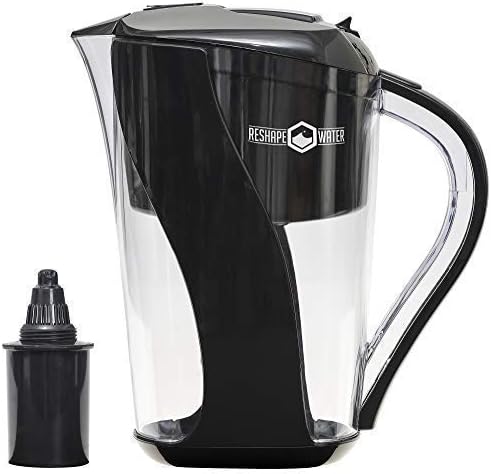
Replacement filters for a countertop pitcher designed to reduce fluoride and other contaminants at a good value. Suited for anyone wanting daily access to cleaner, alkaline tap water without breaking the bank. The biggest strength lies in cost-effectiveness with filters costing 25% to 33% less than comparable options.
Setup involves installing the filter in an ABS plastic pitcher, which feels sturdy and heavy duty. Each filter lasts up to 75 days, filtering at least 300 liters (79 gallons), making replacements straightforward and infrequent enough not to disrupt daily use.
The filtration method uses activated carbon combined with ion exchange and FIR balls to quickly improve taste and water quality on the countertop.
Filtration efficiently removes or reduces fluoride, chlorine, lead, and VOCs, while also alkalizing the water within minutes. The build quality of the plastic pitcher is solid and durable. The strongest praise is for the affordable replacement filters that last well while a common complaint concerns the pitcher’s size and weight, which some find a bit bulky.
Filters provide effective removal of fluoride and other contaminants while lasting up to 75 days, but some find the pitcher bulky for daily use. The build is solid, delivering reliable performance with affordable ongoing costs.
Ideal for those wanting lower fluoride levels and an alkaline boost without frequent expensive replacements. Not the best choice for small kitchens or users with very high TDS water levels requiring specialized filtration.
Pros
- Cost-effective replacement filters
- Removes fluoride, chlorine, lead, VOCs
- Alkalizes water within minutes
- Durable ABS plastic pitcher
Cons
- Pitcher can feel bulky and heavy
- Filter only supports water up to 300 PPM TDS
| Specification | Details |
|---|---|
| Filter Life Cycle | 75 days |
| Supported Water TDS Level Maximum (PPM) | 300 |
| Purification Method | Activated Carbon |
| Installation Type | Countertop |
| Container Type | Pitcher |
6. Epic Pure XP Water Filter Dispenser

Using the Epic Pure XP Water Filter Dispenser feels like having a steady supply of clean, great-tasting water right on your countertop. Sized for families or anyone who drinks a lot of water, its biggest advantage is holding a large 36-cup capacity that cuts down on constant refills and keeps filtered water ready whenever you need it.
Setup is pretty straightforward since the dispenser just sits on the counter and uses gravity to filter the water. The spigot makes pouring easy without needing to lift or move the whole container.
Its clear design lets you see when it’s time to refill, and the filter lasts about 3.5 months, which fits well into a monthly routine for most users.
The filter does a solid job reducing not only fluoride but also a wide range of contaminants like PFAS, lead, chlorine, microplastics, and even harmful bacteria and viruses. Being NSF certified adds confidence in its performance. Constructed from durable Tritan plastic, it feels sturdy, though some find it a bit bulky for smaller kitchens.
The Epic Pure XP is praised for holding plenty of filtered water ready to drink, making day-to-day use easy without constant refills. The most common issue mentioned is its larger size, which can feel cumbersome on smaller countertops or in kitchens with limited space.
Anyone wanting a reliable, high-volume fluoride filter that doubles as a dispenser will be happy with this product. Smaller households or those with limited counter space might prefer more compact filtration systems that take up less room.
Pros
- Large 36-cup capacity reduces refilling frequency
- Reduces fluoride and many other contaminants
- Easy pour spigot for convenient use
- Durable Tritan plastic container
Cons
- Bulky size may not fit small kitchen spaces
- Filter needs replacement every 3.5 months
| Specification | Details |
|---|---|
| Filter Life Cycle | 3.5 months |
| Container Type | Dispenser |
| Installation Type | Countertop |
| Purification Method | Ion Exchange, Nanofiltration |
| Special Features | Helps Reduce PFAS, Lead & Fluoride, NSF Certified Filter, Tritan Construction |
7. PUR Plus Faucet-Mount Water Filtration System

Great for anyone wanting to cut out fluoride and other contaminants straight from the tap, this faucet-mounted filter shines by delivering clean, better-tasting water with no fuss. Its standout feature is a genuine PUR Plus Filter that handles a broad range of chemicals and impurities, making it ideal for everyday use in typical home settings.
Installation takes just a few minutes by attaching directly to your faucet, which means no tools or plumbing skills needed. Day-to-day use is smooth because switching between filtered and unfiltered water is simple, and the filter change light takes out the guesswork by signaling when a replacement is due, keeping fresh water coming without interruptions.
The filtration performance is solid, reducing lead, microplastics, chlorine, and over 70 other impurities. Built with proven ion exchange technology, the system feels sturdy and reliable.
Praises often note the noticeably improved taste and odor of water, while a common gripe is the relatively short filter life of about three months or 100 gallons before needing a replacement.
Strong points include clear improvement in water taste and odor thanks to broad contaminant reduction, which many users noticed right away. A frequent downside is needing to change the filter every three months or after 100 gallons, which can add up in upkeep over time.
Good fit for anyone wanting straightforward fluoride and contaminant filtration without complicated setup. Those needing longer-lasting filters or who have very hard water with high TDS might want to explore other options better suited for heavy-duty use.
Pros
- WQA and NSF certified filtration
- Easy to install on most faucets
- Filter change indicator light
- Reduces over 70 contaminants including lead
Cons
- Filter lasts only up to 3 months
- Limited to water below 500 PPM TDS
| Specification | Details |
|---|---|
| Installation Type | Faucet Mount |
| Purification Method | Ion Exchange |
| Filter Life Cycle | 3 months |
| Supported Water TDS Level Maximum (PPM) | 500 |
| Change Filter Indicator | Yes |
8. Culligan ZeroWater 10-Cup Pitcher

Plastic construction with a simple countertop pitcher design suits those looking for a reliable and easy fluoride-removing water filter. Its standout feature is the 5-stage advanced filtration system removing 99.9% of dissolved solids, ensuring clean, safer drinking water without complicated installation.
Setup involves filling the 10-cup pitcher and waiting as water passes through the filter. The built-in TDS meter lets you test water quality at any time, while the change filter indicator helps keep track of when to replace it, approximately every two months.
Since it works without electricity and fits comfortably on most kitchen counters, daily use is straightforward and convenient.
The filtration effectively handles lead, chlorine, mercury, and PFAS chemicals, assuring thorough contaminant reduction. The pitcher feels lightweight and sturdy, though some mention the flow rate can be slow at 0.18 liters per minute.
The filter’s lifespan is decent but requires regular changing to maintain performance. The most praised feature is its powerful contaminant removal, while the slow flow speed is the main drawback noted.
Most users appreciate how thoroughly the filter removes harmful contaminants, giving confidence in tap water quality. The common complaint is the slow filtration speed, which can test patience during refills.
Anyone wanting a straightforward, effective fluoride and chemical filter for everyday drinking water will find this pitcher suitable. Those needing faster water flow or less frequent filter changes might look for alternative options.
Pros
- Removes 99.9% of dissolved solids
- Includes TDS meter for water quality checking
- Reduces lead and Total PFAS contaminants
- Lightweight, easy to handle pitcher design
Cons
- Slow flow rate at 0.18 liters per minute
- Filter needs replacement every two months
| Specification | Details |
|---|---|
| Purification Method | Activated Carbon, Ion Exchange |
| Filter Life Cycle | 2 months |
| Maximum Flow Rate | 0.18 liters per minute |
| Container Type | Pitcher |
| Installation Type | Countertop |
| Built In TDS Meter | Yes |
9. Waterdrop WFD-02W Water Filter Dispenser

A large 35-cup capacity water filter dispenser designed for families wanting to reduce fluoride in their tap water. It suits those who need a straightforward countertop filtration solution focused on removing over 90% of fluoride and common contaminants while providing better tasting water.
Setting it up is simple since it sits on your countertop without complicated plumbing. The dispenser uses a carbon block filter that needs replacement every two months, helping reduce unpleasant tastes and odors daily.
Filling it is easy, and having a large capacity keeps fresh water available for the whole household without constant refills.
The filtration quality effectively removes a wide range of impurities like fluoride, chlorine, and rust. The dispenser is sturdy and well-built, with a design focused on practicality rather than aesthetics.
Positive feedback highlights the water’s improved taste, while some users mention the filter life requiring regular changes as a downside.
Water taste noticeably improves due to fluoride and chlorine reduction, providing fresh, cleaner water. Regular filter changes every two months are necessary to maintain water quality, which some find inconvenient.
Ideal for households prioritizing fluoride removal and larger water capacity without extra plumbing work. Those wanting a more decorative or longer-lasting filter solution may want to explore other options.
Pros
- Reduces fluoride over 90%
- Large 35-cup water capacity
- Improves taste and odor
- Simple countertop installation
Cons
- Filter needs replacement every 2 months
- Dispenser design is functional, not stylish
| Specification | Details |
|---|---|
| Fluoride Reduction | Over 90% |
| Water Capacity | 35 cups |
| Installation Type | Countertop |
| Purification Method | Carbon Block |
| Filter Life Cycle | 2 months |
| Other Features | Chlorine Reduction, Multi Stage Filtration |
10. Home Master TMJRF2 Jr F2 Countertop Water Filter

Great for anyone needing fluoride removal at home, this countertop filter is designed to deliver high purity water with a focus on cutting down fluoride and other chemicals. Its biggest strength lies in efficiently removing up to 93 percent of fluoride while fitting neatly on any sinktop.
Setup requires just a few minutes, and the compact design means it won’t take up much space in your kitchen. Daily use is straightforward thanks to the portable unit’s lightweight build and simple installation. It runs off an adapter, making it easy to keep running without complex plumbing changes or extra equipment.
This filter uses a three-stage process combining activated alumina and granular activated carbon for thorough purification. It effectively removes fluoride, chlorine, and other substances, offering noticeably cleaner water. Many appreciate how compact and solidly built it is, though some note the flow rate peaks at only 1 gallon per minute, which might feel slow for larger households.
Many users praise how effectively the filter improves water taste and purity while occupying minimal counter space. The most frequent drawback mentioned is the modest flow rate, which can slow down water access during busy times.
Ideal for individuals or small families focused on reducing fluoride exposure without major installation hassles. Those needing faster water output or a non-powered unit might want to explore other options better suited to higher demand or off-grid use.
Pros
- Removes up to 93% of fluoride and chemicals
- Compact design fits easily on sinktops
- Simple installation takes only minutes
- Portable enough to travel with
Cons
- Relatively low maximum flow rate of 1 gpm
- Requires power adapter to operate
| Specification | Details |
|---|---|
| Purification Method | Activated Alumina, Granular Activated Carbon |
| Installation Type | Countertop |
| Maximum Flow Rate | 1 gpm |
| Operating Pressure Range | 20-100 psi |
| Power Source | Adapter |
| Supported Water TDS Level Maximum (PPM) | 2000 |
11. Waterdrop 15UA-PF Under Sink Water Filter System

Hard tap water with fluoride and other chemicals can be a real concern for anyone wanting cleaner drinking water at home. Designed for under-sink installation, this unit is great for people looking to cut down on fluoride and other common contaminants with minimal fuss.
Its biggest strength lies in filtering out a wide range of impurities without frequent filter changes.
Installation can be handled fairly easily and doesn’t require electricity since it uses mechanical water pressure. The accordion-style filter inside offers a large surface area that limits clogging and means you can go about six months before needing a replacement. It feels compact enough to fit under most sinks and provides a steady flow of water at 1.33 gallons per minute, suitable for daily kitchen use.
Performance-wise, it removes around 88.8% of fluoride along with over 80 other contaminants including chlorine and PFOA/PFOS. The build quality is solid, prioritizing durability and consistent filtration.
The best-loved feature is the long filter life thanks to the MicroSpine technology, while the most frequent complaint mentions the slightly reduced water flow compared to unfiltered tap water.
The filter consistently provides cleaner, fresher water by removing a broad range of contaminants, including fluoride, with an extended service life thanks to its large filtration surface. People appreciate this reliable purification, though some notice a reduction in water flow compared to unfiltered water.
Those wanting a low-maintenance, effective under-sink filter to improve tap water quality will be satisfied with this model. Anyone needing faster water flow or longer intervals between filter changes might want to explore other options.
Pros
- Removes 88.8% fluoride and over 80 impurities
- 20× larger filtration surface prevents clogging
- Simple mechanical installation under most sinks
- Six months filter lifespan reduces maintenance
Cons
- Water flow slightly slower than standard tap water
- Filter replacement needed every six months
| Specification | Details |
|---|---|
| Installation Type | Under Sink |
| Purification Method | Activated Carbon |
| Maximum Flow Rate | 1.33 gpm |
| Filter Life Cycle | 6 months |
| Lower Temperature Range | 35 °F |
| Upper Temperature Rating | 100 °F |
12. Waterdrop TSV-A Ultra Filtration Under Sink Water Filter

Delivers a 0.01μm ultra filtration system that reduces fluoride along with chlorine, lead, PFOA, and PFOS without needing electricity. Perfect for those wanting to keep natural minerals in their tap water while improving taste and safety.
Its compact design works well for kitchens with limited under-sink space.
Installation is straightforward with no drilling or extra faucet needed, just connecting directly to the standard cold-water line under the sink. The setup is entirely DIY and doesn’t produce wastewater. A filter life indicator helps remind when to replace, making daily use simple and organized without complicated maintenance.
Filtration works effectively to reduce contaminants including fluoride while leaving beneficial minerals intact. The durable build fits neatly in small spaces and saves significant under-sink room compared to older models. Most praise centers on the easy installation and clean water quality.
A common downside is the absence of power might limit some advanced filtration capabilities.
Many find the filter easy to install and appreciate the clean, fresh-tasting water it provides while maintaining minerals. Some users wish it had more advanced filtration options that require power, which this model does not offer.
Ideal for people looking for straightforward fluoride reduction with minimal installation hassles and no water waste. Those needing stronger filtration or suitability for well water may want to consider a different system.
Pros
- Does not reduce natural minerals in water
- Compact size saves 28.4% under-sink space
- No power or wastewater needed
- Simple, DIY installation process
Cons
- Limited filtration power without electricity
- Only suited for municipal tap water
| Specification | Details |
|---|---|
| Purification Method | Ultra Filtration |
| Filter Life Cycle | 12 months |
| Installation Type | Under Sink |
| Maximum Flow Rate | 2.1 gpm |
| Special Features | No drilling, Filter Life Indicator |
13. LCF Gravity-Fed Water Filter System

Anyone looking for a reliable water filter to remove fluoride from tap water will appreciate a large-capacity, gravity-fed system that suits households of around 4-6 people. Its biggest strength lies in sturdy construction with a food-grade 304 stainless steel chamber that resists rust and leaks, offering a trustworthy source of clean water.
Setup is straightforward thanks to its freestanding design and simple gravity-fed operation. You just fill the top cylinder, and clean water collects below without any complex plumbing. The 3-gallon capacity fits well for daily use, supplying enough filtered water for a small family or group.
Using activated carbon filtration keeps maintenance manageable, with a filter lifespan of about 2 years.
It consistently delivers on its promise to purify water, filtering contaminants including fluoride effectively. The unit’s all-in-one stainless steel chamber is durable and odorless, built to last without rusting.
Most praise centers on its solid build and clean design, while the main downside noted is its corded electric power source, which can limit placement options.
Many users praise the product for its sturdy, leak-proof stainless steel build that avoids rust and odors over long use. A frequent issue is the need for a corded electric power source, which can make it less flexible in kitchens without convenient outlets.
People valuing durability, large capacity, and straightforward filtration find this system a solid choice. Those needing a completely power-free or more compact unit might prefer other models better suited to small spaces or off-grid setups.
Pros
- Durable, rust-resistant 304 stainless steel chamber
- Large 3-gallon capacity suitable for 4-6 people
- Activated carbon purification method
- Comes with a 2-year warranty to ensure you’re covered.
Cons
- Requires electric power, limiting some placement options
- Relatively large size may take up counter space
| Specification | Details |
|---|---|
| Purification Method | Activated Carbon |
| Container Type | Cylinder |
| Installation Type | Freestanding |
| Filter Life Cycle | 2 years |
| Supported Water TDS Level Maximum (PPM) | 1000 |
| Power Source | Corded Electric |
14. Aquagear Water Filter Pitcher

Aquagear Water Filter Pitcher stands out for filtering 20 times more contaminants than typical pitchers, making it ideal for anyone wanting to remove fluoride and other harmful substances while keeping beneficial minerals. It suits people who prefer a hands-on, freestanding filtering option without losing healthy calcium and magnesium.
Setup is simple, with no installation needed, just fill the pitcher manually. It lasts three times longer than most filters, so you’re changing the cartridge only every six months or after 120 gallons.
The pitcher uses activated carbon and ion exchange methods to clean water, and it comes with a recycling program so you can send used filters back easily instead of throwing them away.
It’s built solidly with filter media made in the USA. The pitcher reliably removes lead, chlorine, microplastics, PFOA, PFOS, and more, while keeping water minerals intact.
Users appreciate how well it handles chlorine reduction, although some find the manual filling slower compared to faucet-mounted systems. The 6-month filter life is convenient but demands regular attention for best results.
Many appreciate the long-lasting filter and thorough removal of contaminants without stripping healthy minerals. Some find filling the pitcher manually slower than alternatives. Regular filter changes every six months require attention to keep water quality high. The included recycling option adds eco-friendly convenience.
Those wanting a dependable fluoride filter with minimal hassle will like this pitcher. It works well for people happy with manual operation and long-lasting filters. Users seeking instant water flow or less frequent maintenance might look at other options better suited to their lifestyle.
Pros
- Removes 20X more contaminants than typical pitchers
- Keeps good minerals like calcium, magnesium
- Filter lasts 3 times longer than standard ones
- Includes postage-paid recycling for filters
Cons
- Manual filling takes more time than faucet models
- Filter needs replacement every 6 months
| Specification | Details |
|---|---|
| Purification Method | Activated Carbon, Ion Exchange |
| Filter Life Cycle | 6 months |
| Powered By | Manual Operation |
| Supported Water TDS Level Maximum (PPM) | 500 |
| Special Feature | Chlorine Reduction |
| Installation Type | Freestanding |
15. Brita Large Elite Water Filter Pitcher

Brita Large Elite Water Filter Pitcher is designed to improve tap water quality by reducing common contaminants. It suits anyone seeking better tasting water while avoiding plastic waste, offering the convenience of a fridge-friendly size and easy filling.
Its standout feature is the electronic filter change indicator, which takes guesswork out of maintaining clean water.
Setup involves just filling the pitcher’s easy-fill lid and placing the 10-cup container in your fridge door or countertop. It fits most fridges without hassle, making daily refills quick.
The activated carbon filter works continuously, and the pitcher holds enough water to fill three 24-ounce reusable bottles, so it minimizes trips to the tap throughout the day.
Performance-wise, it reduces 99% of lead, chlorine taste and odor, cadmium, mercury, benzene, asbestos, and other contaminants. The build focuses on BPA-free materials, keeping harmful plastics out of your drinking water.
Users praise the electronic indicator for filter replacements as very helpful. The most common complaint is about the relatively slow flow rate of 0.05 gallons per minute, which can feel a bit sluggish during refills.
The electronic filter indicator gets high marks for making maintenance easy, removing guesswork about when to replace the filter. Many note the slower water flow during refills as a drawback that requires some patience.
This pitcher suits those who want consistent contaminant reduction and fridge compatibility without plastic waste. Those needing faster water flow or longer filter life might want to explore other models better tuned for speed or filter duration.
Pros
- Electronic filter change indicator
- Holds 10 cups of water
- BPA-free materials
- Fits most fridge doors
Cons
- Slow flow rate at 0.05 gallons per minute
- Filter lifespan limited to 6 months
| Specification | Details |
|---|---|
| Purification Method | Activated Carbon |
| Filter Life Cycle | 6 months |
| Maximum Flow Rate | 0.05 gpm |
| Container Type | Countertop |
| Upper Temperature Rating | 71 °F |
Best Water Filters That Remove Fluoride Compared
| Product | Purification Method | Installation Type | Filter Life Cycle | Supported Water TDS Level |
|---|---|---|---|---|
| Clearly Filtered Pitcher | Affinity Filtration | Countertop | – | 500 PPM |
| Epic Nano XP Pitcher | Nanofiltration | Countertop | 3 months | 1000 PPM |
| Epic Pure XP Fluoride Pitcher | Ion Exchange, Nanofiltration | Countertop | 3 months | 300 PPM |
| Alkanatur Alkaline Pitcher | – | Freestanding | – | – |
| Unknown Water Filter | Activated Carbon | Countertop | 75 days | 300 PPM |
| Epic Pure XP Dispenser | Ion Exchange, Nanofiltration | Countertop | 3.5 months | – |
| PUR Plus Faucet Filter | Ion Exchange | Faucet Mount | – | 500 PPM |
| Culligan ZeroWater Pitcher | Activated Carbon, Ion Exchange | Countertop | – | – |
| Waterdrop WFD-02W Dispenser | Carbon Block | Countertop | 2 months | – |
| Home Master TMJRF2 Countertop | Activated Alumina, GAC | Countertop | – | – |
| Waterdrop 15UA-PF Under Sink | Activated Carbon | Under Sink | – | – |
| Waterdrop TSV-A Under Sink | Ultra Filtration | Under Sink | – | – |
| LCF Gravity-Fed System | Activated Carbon | Freestanding | 2 years | 1000 PPM |
| Aquagear Water Pitcher | Activated Carbon, Ion Exchange | Freestanding | 6 months | 500 PPM |
| Brita Large Elite Pitcher | Activated Carbon | Countertop | 6 months | 500 PPM |
- Purification MethodAffinity Filtration
- Installation TypeCountertop
- Filter Life Cycle–
- Supported Water TDS Level500 PPM
- Purification MethodNanofiltration
- Installation TypeCountertop
- Filter Life Cycle3 months
- Supported Water TDS Level1000 PPM
- Purification MethodIon Exchange, Nanofiltration
- Installation TypeCountertop
- Filter Life Cycle3 months
- Supported Water TDS Level300 PPM
- Purification Method–
- Installation TypeFreestanding
- Filter Life Cycle–
- Supported Water TDS Level–
- Purification MethodActivated Carbon
- Installation TypeCountertop
- Filter Life Cycle75 days
- Supported Water TDS Level300 PPM
- Purification MethodIon Exchange, Nanofiltration
- Installation TypeCountertop
- Filter Life Cycle3.5 months
- Supported Water TDS Level–
- Purification MethodIon Exchange
- Installation TypeFaucet Mount
- Filter Life Cycle–
- Supported Water TDS Level500 PPM
- Purification MethodActivated Carbon, Ion Exchange
- Installation TypeCountertop
- Filter Life Cycle–
- Supported Water TDS Level–
- Purification MethodCarbon Block
- Installation TypeCountertop
- Filter Life Cycle2 months
- Supported Water TDS Level–
- Purification MethodActivated Alumina, GAC
- Installation TypeCountertop
- Filter Life Cycle–
- Supported Water TDS Level–
- Purification MethodActivated Carbon
- Installation TypeUnder Sink
- Filter Life Cycle–
- Supported Water TDS Level–
- Purification MethodUltra Filtration
- Installation TypeUnder Sink
- Filter Life Cycle–
- Supported Water TDS Level–
- Purification MethodActivated Carbon
- Installation TypeFreestanding
- Filter Life Cycle2 years
- Supported Water TDS Level1000 PPM
- Purification MethodActivated Carbon, Ion Exchange
- Installation TypeFreestanding
- Filter Life Cycle6 months
- Supported Water TDS Level500 PPM
- Purification MethodActivated Carbon
- Installation TypeCountertop
- Filter Life Cycle6 months
- Supported Water TDS Level500 PPM
How to Choose the Right Fluoride Water Filter
Consider factors like filtration effectiveness, certification, and maintenance requirements to ensure the water filter reliably removes fluoride without frequent replacements or hidden costs. Choosing the right specifications helps avoid wasted money on ineffective filters and prevents inconvenience from complicated upkeep.
Filtration Technology
Water filters designed to reduce fluoride often use specific media like activated alumina, bone char, or reverse osmosis membranes. Activated alumina works by adsorbing fluoride ions effectively but can also filter out other contaminants like arsenic and lead. Bone char, derived from animal bones, is another good option for fluoride removal but requires periodic regeneration to maintain effectiveness.
Reverse osmosis (RO) systems remove a broad range of contaminants beyond fluoride, including chlorine, heavy metals, and sediments, making them more comprehensive but sometimes slower.
A crucial aspect often overlooked is how frequently the filter cartridges need changing. Activated alumina and bone char filters usually require replacement or recharging every 6 to 12 months, depending on water quality and usage.
RO membranes last longer, often around 2 to 3 years, but pre-filters and post-filters in these systems may require more frequent changes. Choosing a filter with clear replacement guidelines and easily available cartridges helps avoid performance drops and keeps water quality consistent.
Flow Rate and Capacity
Daily water use varies a lot by household size, so the rate at which a filter produces water matters. Simpler fluoride filters often have flow rates between 0.2 to 0.5 gallons per minute, enough for small families but potentially slow for larger groups accustomed to quick faucet access. Reverse osmosis systems tend to filter water more slowly, sometimes as low as 0.1 to 0.3 gallons per minute, which can be a drawback if no storage tank is included.
Many units feature built-in or attachable reservoirs. These tanks typically hold 2 to 4 gallons, allowing filtered water to be ready on demand without waiting for real-time filtration.
A household with 3 to 5 people will benefit from a system with at least a 3-gallon capacity to meet daily hydration and cooking needs without constant refilling. Smaller systems or countertop models without tanks suit single users or couples better, as they handle lower volumes faster.
Installation and Compatibility
Not all water filters connect easily to existing plumbing setups. Some rely on simple faucet adapters that screw onto kitchen taps, which suits renters or those unwilling to modify plumbing.
Undersink installations usually require basic plumbing skills or professional help but provide a permanent, out-of-sight solution.
Water pressure varies across homes and can affect filtration performance. Filters built to operate between 30 and 100 psi handle most residential water supplies well. Systems listing compatibility with wide pressure ranges avoid reduced flow or damage over time.
It helps when manufacturers offer multiple adaptors to fit common pipe sizes and types (e.g., copper, PVC, PEX), ensuring compatibility without extra plumbing parts.
Build Quality and Materials
Materials used affect durability and health safety. Food-grade plastics that are BPA-free prevent chemical leaching into drinking water, which is critical for everyday use. Stainless steel or corrosion-resistant fittings and housings resist rust and degradation, especially in areas with hard or chlorinated water.
Filters that endure pressure surges without leaking avoid inconvenient water damage or the need for frequent repairs. Features like secure locking mechanisms on filter cartridges and reinforced seals help prevent leaks. Designs minimizing crevices also reduce the chance of bacterial growth or contamination developing inside the unit, making daily use more reliable and safer.
Maintenance and User Convenience
Replacing or cleaning filter cartridges regularly maintains removal efficiency, but some filters require awkward disassembly or tools, making this chore less pleasant. Units designed for quick snap-in replacements save time and reduce mess. Filters needing change every 6 to 12 months strike a balance between performance and maintenance hassle.
Filter status indicators add convenience by alerting users when it’s time to swap cartridges, ensuring no guessing or water quality decline. Space can be tight in kitchens, so compact filter designs or those that mount under the sink without large footprint contribute to smoother daily use.
Portability is a plus for smaller countertop filters or models used in rented homes where installing permanent units isn’t an option.
How to Effectively Maintain and Clean Fluoride-Removing Water Filters
Regular maintenance is essential to keep a fluoride-removing water filter working well. Most systems use filters or cartridges that need replacing every 6 to 12 months based on usage and water quality. Neglecting this can reduce fluoride removal efficiency and affect water taste.
Cleaning the exterior and pre-filters helps prevent clogging. For filters with activated alumina, backwashing or soaking according to the manufacturer’s instructions can extend their effectiveness.
Always use clean, filtered water during maintenance to avoid contaminant buildup.
Key steps for effective upkeep:
- Follow the replacement schedule strictly
- Flush the system after any filter changes
- Inspect seals and connections to prevent leaks
- Keep the unit dry when not in use for extended periods
Simple, consistent care prevents damage and ensures the system continues to reduce fluoride reliably.
Common Mistakes to Avoid When Using Fluoride Water Filtration Systems
One common mistake is assuming all filters remove fluoride equally. Many standard filters, including basic activated carbon, do not remove fluoride effectively.
Using a system without fluoride-specific media can lead to a false sense of security.
Another error is ignoring the filter replacement timeline. Overused filters can clog, lower flow rate, and fail to reduce fluoride below safe levels.
Also, bypassing recommended installation steps, such as proper sealing or pressure testing, can cause leaks or filter damage.
Avoid placing fluoride filters in areas exposed to freezing temperatures; expansion from freezing water damages porous filter materials. Lastly, mixing incompatible water softeners or chemicals can reduce filter life or interfere with fluoride removal.
Careful product selection and adherence to guidelines help maintain system effectiveness and avoid costly repairs.
Comparing Fluoride Removal Technologies: Reverse Osmosis vs. Activated Alumina
Reverse osmosis (RO) systems and activated alumina filters handle fluoride removal differently. RO membranes work by forcing water through a semipermeable barrier that blocks fluoride ions along with other contaminants. This method removes fluoride effectively but also strips beneficial minerals, which may affect taste.
RO units require storage tanks and periodic membrane replacement.
Activated alumina uses a porous filter media that adsorbs fluoride ions chemically. It retains minerals while selectively targeting fluoride.
These filters are generally simpler and use less water but demand regular regeneration or replacement when saturated.
Choosing between the two depends on water usage, desired taste, and maintenance willingness. RO offers broad contaminant removal beyond fluoride but at higher water waste and system complexity.
Activated alumina provides targeted fluoride removal with less installation space but requires careful monitoring of filter saturation.
People Also Asked
How Do I Know If a Water Filter Removes Fluoride?
Look for water filters that specify fluoride removal, typically using activated alumina or reverse osmosis technology. Reading product specs or certificates from testing organizations can confirm fluoride removal. Always check whether the filter targets fluoride specifically, as most common filters do not remove it.
Can Fluoride Filters Fit Standard Kitchen Faucets or Pitchers?
Some fluoride filters come as attachments for standard faucets, but many require specific installation or are built into pitchers. Always check compatibility with your faucet model before purchasing. Pitcher filters that remove fluoride usually need more frequent cartridge changes.
How Often Should I Replace a Fluoride Water Filter Cartridge?
Most fluoride filter cartridges need replacement every 3 to 6 months depending on water usage and fluoride concentration. Keeping track of days or filtering volume helps maintain effectiveness and water taste. Neglecting replacement reduces fluoride removal efficiency.
Are Fluoride Water Filters Safe for Drinking and Cooking Water?
Fluoride water filters designed for tap use are safe for drinking and cooking, as long as they come from reputable brands and are maintained properly. Always follow manufacturer instructions on filter changes and flushing new filters before first use.
What Are Common Problems with Fluoride Water Filter Systems?
Common issues include clogging from mineral buildup, reduced flow rate, and forgetting timely cartridge replacements. Incorrect installation can allow untreated water through. Regular cleaning and strict adherence to replacement schedules prevent most problems.
Conclusion
Choosing a water filter that removes fluoride from tap water depends mostly on how effectively it reduces fluoride, the filter’s lifespan, and how easy it is to maintain. Some filters need frequent cartridge changes, while others handle larger volumes before replacement.
Also consider the method of filtration, whether it’s reverse osmosis, activated alumina, or another type, since that affects both performance and cost.
Pick a filter that fits your available space and budget, and think about how much filtered water you need daily. Filters installed under the sink differ a lot from countertop units in size and installation complexity.
For a clearer look at options and details, review the comparison table and earlier sections where each type is discussed in more detail.