How to Use an Instant Pot: A Step-by-Step Guide for Beginners
Using an Instant Pot is straightforward and can transform how you cook by saving time and simplifying recipes. Start by plugging in the unit, adding your ingredients, sealing the lid properly, and selecting the appropriate setting such as pressure cook, sauté, or slow cook. After the cooking cycle completes, release the pressure safely either naturally or manually before opening the lid.
Instant Pots combine several appliances into one, including pressure cookers, slow cookers, rice cookers, and sauté pans, making it invaluable for busy home cooks. Getting comfortable with its buttons, timing options, and safety features will help you confidently prepare meats, grains, soups, and even desserts.
This guide covers the essential steps for using an Instant Pot, explains key functions and safety tips, provides advice on adjusting recipes, and walks through some common cooking programs. By the end, you'll have practical skills to start making meals efficiently and with ease.
Getting Started with Your Instant Pot

Understanding the Instant Pot Controls
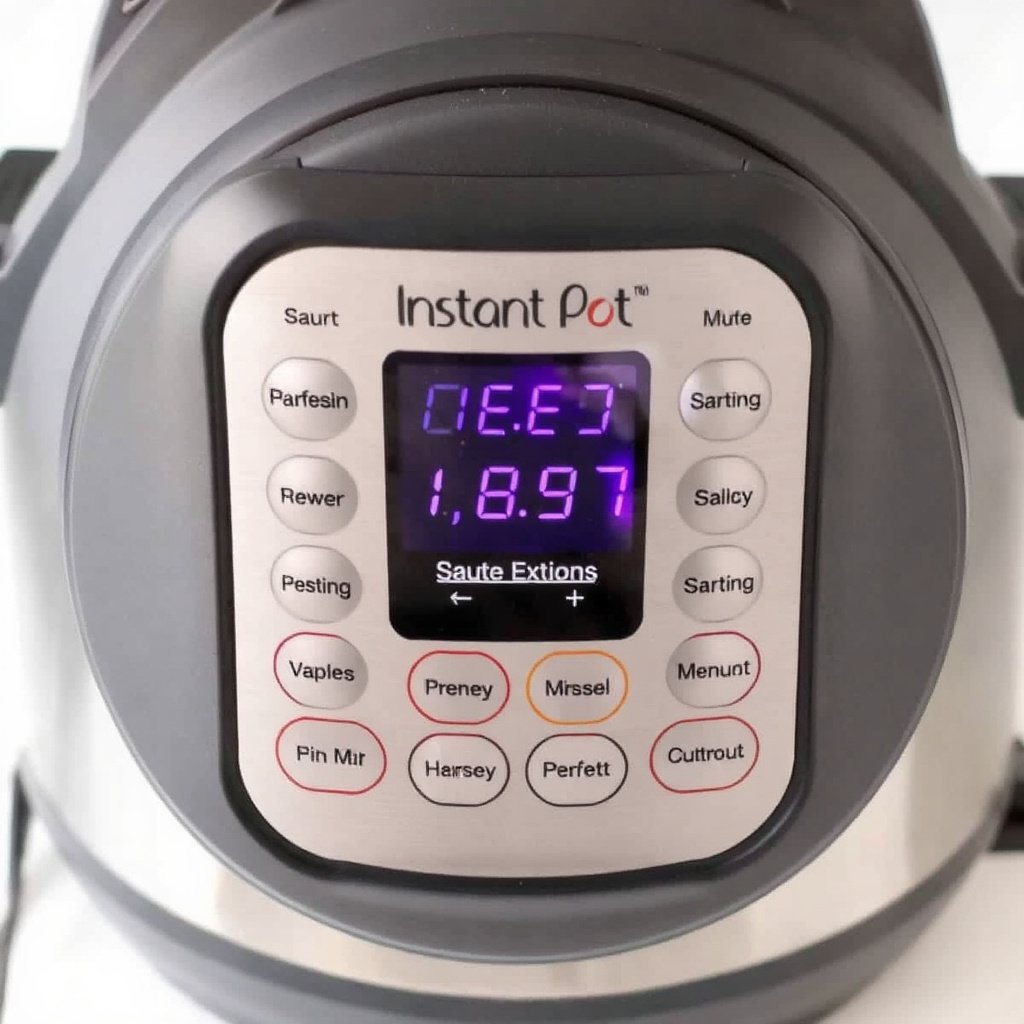
The Instant Pot’s control panel features buttons for specific functions like Soup, Meat/Stew, Bean/Chili, Poultry, and Rice, plus manual settings to adjust cooking time and pressure level. Knowing what each button does helps you choose the best program for your recipe.
Most models have a Start/Stop button and options for adjusting time increments, allowing flexibility if you want to customize beyond preset menus. The digital display will show countdowns and status messages.
Preparing and Adding Ingredients
Always use the stainless steel inner pot for cooking; never place ingredients directly into the heating base. Add liquid as most Instant Pot recipes require water or broth to create steam and build pressure.
Avoid overfilling the pot—do not exceed the 'Max' line, especially when cooking foods that expand or foam. Layer ingredients carefully, with dense items at the bottom and lighter ones on top.
Operating the Instant Pot Safely

Sealing the Instant Pot Lid Correctly
Place the lid on the pot and turn it clockwise until it locks securely. Check the silicone sealing ring inside the lid for any damage or debris before each use, ensuring a tight seal is possible to build pressure effectively.
The float valve will rise when the pot reaches pressure, signaling it is sealed and cooking has started. If the lid isn’t sealed properly, the pot won’t pressurize or cook as intended.
- Inspect sealing ring regularly
- Align lid handle with pressure valve before closing
Manual and Natural Pressure Release Methods
After cooking, you can release pressure manually by turning the steam release valve to the venting position. This method speeds up opening but requires caution to avoid burns from the hot steam.
Natural pressure release means letting the pot cool down until the float valve drops naturally. This is gentler on delicate foods and reduces splatter but takes longer, often 10 to 30 minutes.
- Manual release for quick access
- Natural release for soups and grains
Cooking Techniques and Recipe Adjustments
Using the Sauté Function Before Pressure Cooking
Sauté mode allows you to brown meats, soften vegetables, or reduce sauces directly in the Instant Pot prior to starting the pressure cooker. This step improves flavor and texture without extra pans.
The temperature can be adjusted from less to more hot, providing control similar to stove-top cooking. Remember to deglaze the pot with liquid to prevent burning and ensure even pressure build-up.
- Brown meats for richer taste
- Sauté onions and garlic first
For more on this, see our related guide: How to Use a Restaurant Gift Card: Simple Steps and Tips for Best Value.
Adapting Traditional Recipes for the Instant Pot
When converting stovetop or oven recipes, reduce cooking times substantially—pressure cooking is typically 1/3 or less of conventional times. Also, reduce liquids slightly as less water evaporates during pressure cooking.
Start with established Instant Pot recipes close to your desired dish to get a feel for timing and textures before experimenting. Gradually customize to your taste.
- Shorten cooking times
- Adjust liquid amounts
Cleaning and Maintenance Tips

Cleaning the Inner Pot and Accessories
The stainless steel inner pot is dishwasher safe and can be hand-washed with soapy water. Avoid metal scrubbers to preserve the surface and remove stuck-on food by soaking.
Accessories like the steaming rack and measuring cup should also be washed regularly to prevent residue buildup.
Maintaining the Sealing Ring and Steam Valve
Remove and wash the silicone sealing ring frequently to prevent odors and ensure a proper seal. Inspect it for cracks or tearing and replace every 12-18 months or as needed.
Clear the steam release valve by rinsing under warm water if you notice sluggish pressure release or build-up.
- Replace sealing ring annually
- Check steam valve regularly
Advanced Instant Pot Features and Accessories

Using Delay Start and Keep Warm Functions
Delay Start lets you set cooking to begin after a timer delay, useful for prepping meals ahead and having them ready at a specific time. It's helpful for busy schedules but avoid delaying cooking with perishable foods.
Keep Warm automatically maintains food temperature after cooking ends, making it convenient for serving later without drying or overcooking.
- Delay cooking start times
- Maintain serving temperature
For more on this, see our related guide: What Is a Porterhouse Steak? A Complete Guide to Identification, Buying, and Cooking.
Popular Instant Pot Accessories
Accessories like silicone egg bites molds, steamer baskets, or glass lids expand your cooking options. Specialty inserts help make yogurt, cakes, or desserts.
Using a glass lid accessory allows slow cooking or sautéing without pressure, broadening your usage beyond pressure cooking alone.
- Steamer baskets for veggies
- Egg bite molds
- Glass lids for slow cooking
Troubleshooting Common Instant Pot Issues

Handling Error Codes and Won’t Seal Problems
Error codes like 'Lid' or 'PC' indicate sealing or pressure problems. Verify the sealing ring is correctly placed and lid locked. Clean the vent pipe and valve if clogged or blocked by food.
Ensure there’s enough liquid inside, and the pot isn’t overfilled to prevent steam from escaping prematurely.
- Check sealing ring alignment
- Clear steam valve of debris
For further insight into how pressure cooking works and its benefits, the Wikipedia page on Instant Pot pressure cooking basics offers a thorough overview. Instant Pot pressure cooking basics.
Dealing with Burning or Food Sticking
The burn warning often happens if food sticks to the bottom and scorches. Use enough liquid and deglaze after sautéing. Avoid thick sauces before pressure cooking and layer heavier items below.
Stir ingredients after adding liquids and check for residue on the inner pot before use.
- Deglaze pot after sauté
- Add sufficient liquid
- Layer ingredients correctly
Instant Pot Cooking Modes Comparison
Here’s how the major Instant Pot cooking modes stack up for different meal types and cooking needs.
| Cooking Mode | Best Use Case | Approximate Cooking Time | Liquid Required |
|---|---|---|---|
| Pressure Cook | Stews, whole meats, legumes | 10-60 minutes | 1-2 cups for steam |
| Sauté | Browning and frying | 5-15 minutes | None or minimal |
| Slow Cook | Stews, casseroles | 4-8 hours | Variable, like slow cooker |
| Rice | White and brown rice | 10-20 minutes | Matched to rice type |
| Steam | Vegetables, seafood | 1-10 minutes | 1 cup recommended |
Frequently Asked Questions
Can I use an Instant Pot without liquid?
No, pressure cooking depends on steam created by liquid. Always add the minimum recommended liquid, usually at least one cup, to build pressure safely and cook effectively.
Is it safe to open the Instant Pot lid right after cooking?
You should not open the lid until the pressure is fully released and the float valve has dropped. Opening the lid under pressure is dangerous and can cause burns.
Can I brown meat directly in the Instant Pot?
Yes, use the sauté function to brown meat before pressure cooking. This adds flavor and texture without needing extra pans, simplifying cleanup.
How often should I replace the sealing ring?
Sealing rings wear down over time and can absorb odors. Replace them approximately every 12 to 18 months, or sooner if damaged or retaining strong smells.
Can I cook frozen food in the Instant Pot?
Yes, the Instant Pot excels at cooking frozen foods quickly due to pressure cooking. Just follow recommended times and add slightly more liquid if needed.
Key Takeaways
- Always use enough liquid and properly seal the Instant Pot lid before cooking.
- The sauté function enhances flavor by browning ingredients before pressure cooking.
- Natural and manual pressure release methods suit different recipes and safety needs.
- Regular cleaning and sealing ring maintenance keep your Instant Pot working reliably.
Conclusion
Knowing how to use an Instant Pot well requires understanding its controls, safety features, and the principles behind pressure cooking. By mastering the basics such as preparing ingredients properly, selecting the correct functions, and managing pressure release, you can make a wide range of meals faster than traditional methods. The Instant Pot offers multifunctionality that suits busy lifestyles by reducing hands-on time while delivering flavorful results.
If you often prepare soups, stews, rice dishes, or want to experiment with slow cooking and sautéing in one device, learning specific functions like the pressure cook and sauté modes will be most useful. Start with simple recipes using the best Instant Pot settings for beginners, then expand to more complex meals. Accessories like steam baskets or egg molds add versatility, making it easy to tailor your pot to your culinary preferences.
To get started, read your model’s manual carefully, practice with basic recipes, and keep safety in mind when sealing and releasing pressure. Soon, the Instant Pot can become an indispensable kitchen helper that simplifies daily cooking tasks. For more detailed information about pressure cooking technology and safety, consult reliable sources to deepen your understanding.