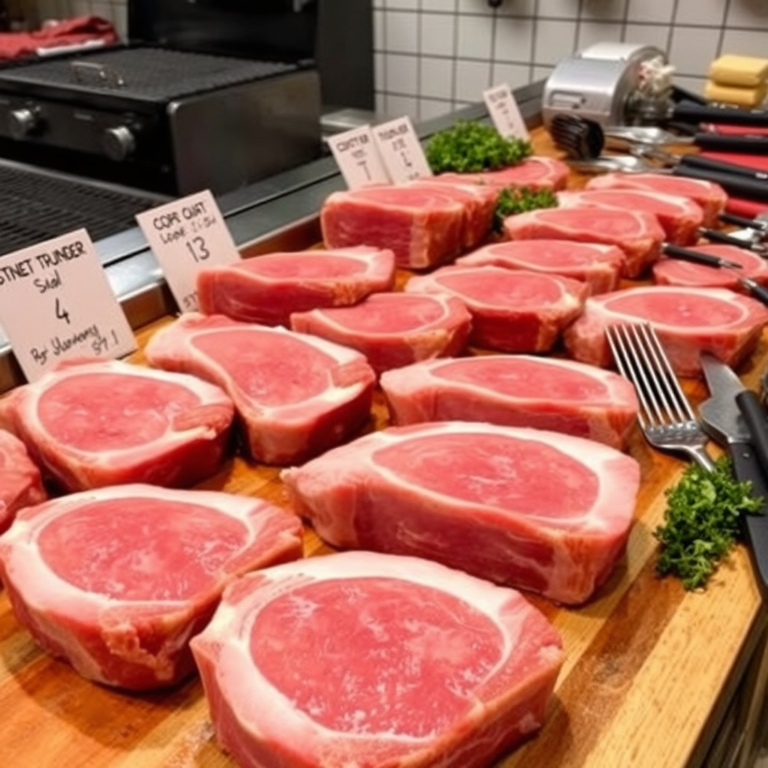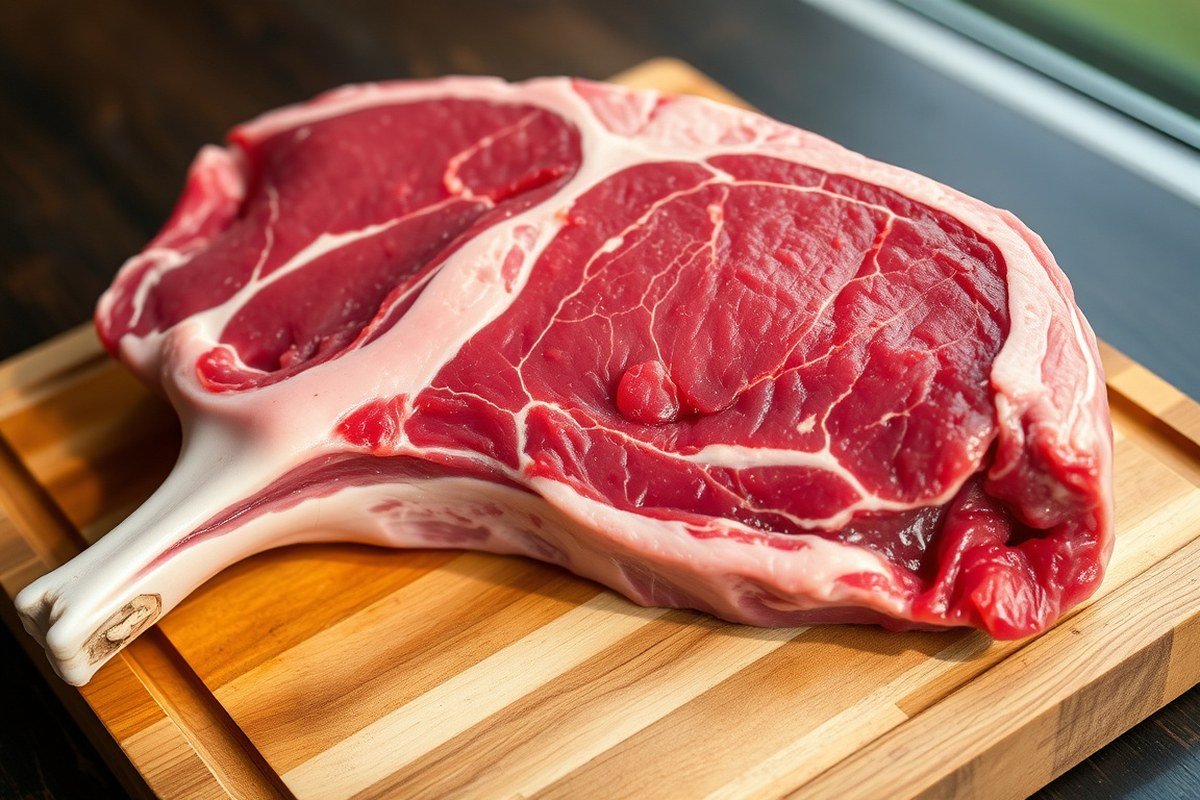
What Is a Porterhouse Steak? A Complete Guide to Identification, Buying, and Cooking
A porterhouse steak is a large cut of beef that combines two prized sections: the tenderloin and the strip steak, separated by a T-shaped bone. This steak is known for its tenderness and rich flavor, making it a top choice for steak lovers who want a full, satisfying meal. Understanding what is a porterhouse steak will help you recognize it at the butcher and cook it perfectly for the best taste.
This information is designed for home cooks and steak enthusiasts seeking clear details on identifying, buying, and cooking porterhouse steaks. You’ll learn how to distinguish it from similar cuts, what to look for when selecting quality meat, and tips to cook it medium-rare for ideal texture and flavor.
Key Takeaways
- A porterhouse steak features a filet section at least 1.25 inches wide, distinguishing it from a T-bone.
- Look for porterhouse steaks that are at least 1.5 inches thick to ensure quality and size.
- Expect porterhouse steaks to weigh between 1.5 and 3 pounds, often suitable for sharing.
- Store your porterhouse steak in the refrigerator for up to 48 hours before cooking.
- Cook porterhouse steaks to medium-rare, aiming for an internal temperature of 126, 130°F.
- Prices for porterhouse steaks typically range from $18 to $25 per pound, depending on quality and source.
What Is a Porterhouse Steak and Where Does It Come From?
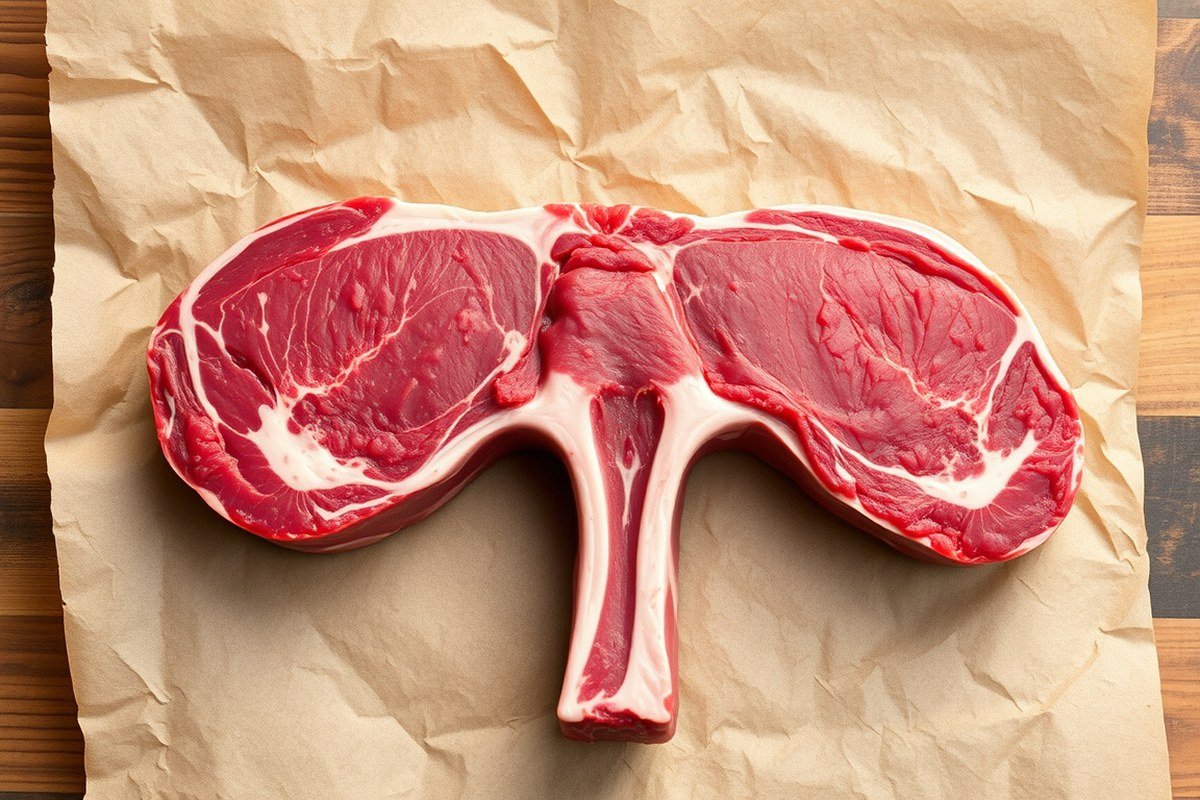
A porterhouse steak is a premium cut of beef taken from the short loin of the cow. It features two distinctive muscles separated by a T-shaped bone: the larger, firmer strip steak (also known as the New York strip) on one side, and the smaller, more tender filet mignon or tenderloin on the other. This combination offers two textures and flavors in one steak, making it a sought-after choice for steak lovers who want variety in a single cut.
The porterhouse comes from the short loin section, found near the back of the cow between the ribs and the sirloin. This area is valued because the muscles don’t get much exercise, making the meat especially tender with a smooth texture. The cut includes both tenderloin and strip steak portions, so it tends to be bigger and thicker than many other steaks. Usually, porterhouses are about 8 inches long and weigh between 1.5 and 3 pounds, with thicknesses around 1.5 inches or more, which affects cooking time and temperature.
The key physical feature that identifies a porterhouse is the distinctive T-shaped bone running through the center of the steak. On one side of this bone is the strip steak, with a firm, slightly chewy texture and rich beef flavor. On the other side is the tenderloin portion, which is noticeably smaller but extremely tender due to its muscle structure. The size of the tenderloin section is what distinguishes a porterhouse from a T-bone steak, the USDA specifies that to be a true porterhouse, the tenderloin must be at least 1.25 inches wide at its thickest point. Steaks that don’t meet this measurement are usually labeled as T-bones.
Because of its large size and thickness, a porterhouse steak often serves two people, providing a fulfilling portion of meat and different textures in each bite. When selecting a porterhouse, look for a steak that meets the minimum tenderloin width and thickness standards, as well as firm, bright red meat with good marbling. This cut typically costs between $18 and $25 per pound, reflecting its premium status and combination of cuts. The porterhouse offers a balance of tenderness, flavor, and size that sets it apart as one of the most iconic steakhouse cuts available for home cooking.
How to Tell Porterhouse Steak from T-Bone and Other Cuts
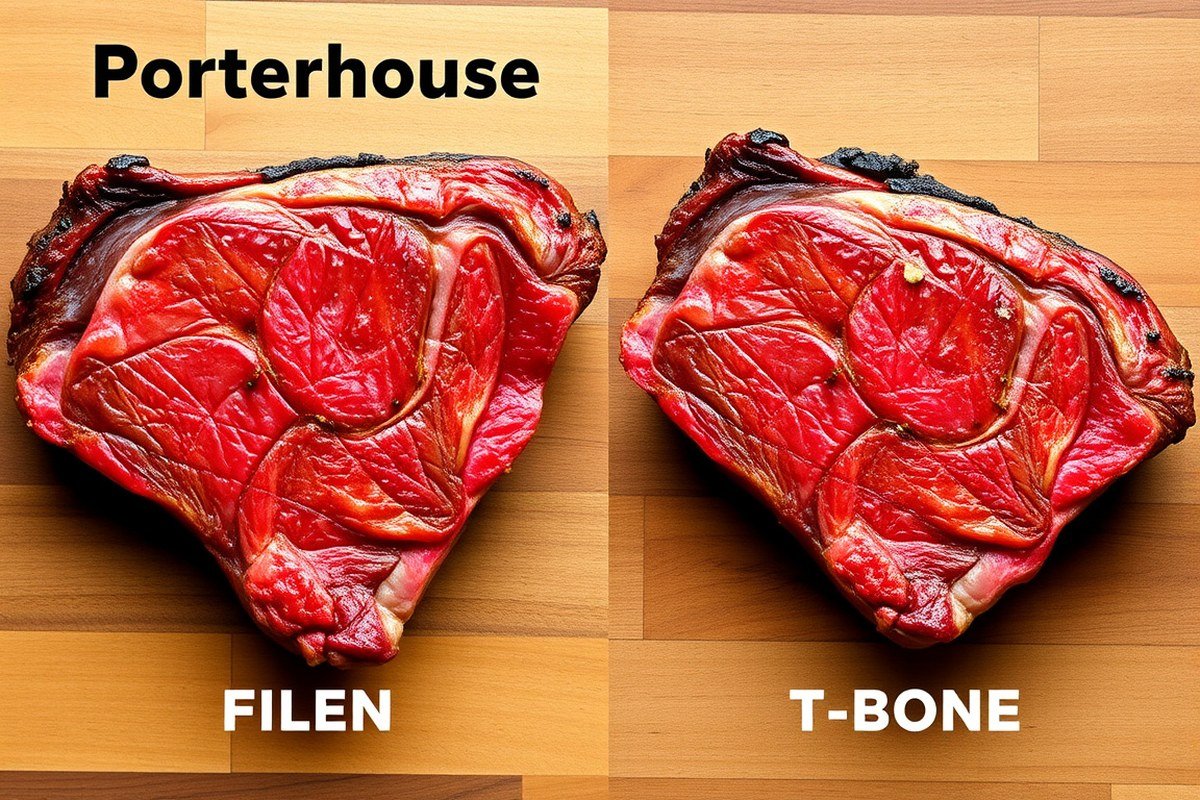
The porterhouse steak differs from the T-bone largely due to size and the amount of tenderloin present. USDA rules set strict minimums for the tenderloin section on a porterhouse, making it thicker and larger than a T-bone. Both contain the characteristic T-shaped bone and include a strip steak on one side and a filet tenderloin on the other, but the porterhouse offers more filet, creating a distinct eating experience.
USDA Standards for Porterhouse
The United States Department of Agriculture (USDA) sets clear size criteria to tell porterhouse steaks apart from T-bone steaks. For a porterhouse, the tenderloin side must measure at least 1.25 inches from the bone to the filet’s outer edge. T-bone steaks have a smaller tenderloin, with the width ranging from 0.5 inches up to but not reaching 1.25 inches. This size distinction guarantees that the porterhouse delivers a sizeable filet mignon alongside a generous strip steak, combining two prime cuts in one steak.
The porterhouse is typically cut thicker and larger compared to a T-bone, often weighing up to 2 pounds or more. USDA grading and inspection emphasize these dimensional requirements, helping buyers and sellers maintain consistency for customers expecting the defined porterhouse cut. Adhering to these guidelines is important if you want the texture contrast and portion balance that a porterhouse promises.
Filet Thickness and Width Requirements
Filet size is the key factor that differentiates porterhouse from T-bone steaks. A porterhouse must have a filet width of at least 1.25 inches, measured from the T-shaped bone outward. This larger filet portion provides the buttery tenderness associated with filet mignon, balancing the richer, firmer strip steak on the opposite side.
T-bone steaks have a filet portion between 0.5 and 1.24 inches wide. The smaller tenderloin means T-bone steaks often emphasize the strip steak more, offering a firmer texture and stronger beef flavor but less of the delicate filet. If the filet is under 0.5 inches, the cut may be classified as just a strip steak with bone.
Visual Differences Compared to T-Bone
At a glance, both porterhouse and T-bone steaks share the same iconic T-shaped bone. The clear visual clue distinguishing them is the size of the tenderloin on one side of the bone. Porterhouse steaks show a thick, roughly rectangular filet unlike the narrower version seen on T-bone steaks. The strip steak portion remains similar in size for both cuts.
Beyond filet width, porterhouse steaks tend to be thicker, usually 1.5 inches or more, while T-bones are often cut thinner. The porterhouse cut comes from the rear part of the short loin, close to the sirloin, which explains why it includes a more substantial tenderloin section. Many chefs appreciate this larger filet for its melt-in-your-mouth tenderness combined with the hearty chew of the strip portion.
| Cut | Filet Width (inches) | Typical Weight (lbs) | Bone Type | Taste & Texture |
|---|---|---|---|---|
| Porterhouse | ≥ 1.25 | 1.5 to 2+ | T-shaped | Large tender filet and firm strip; balanced tender and beefy |
| T-Bone | 0.5 to < 1.25 | 1 to 1.5 | T-shaped | Smaller tenderloin, more tender strip; firmer texture overall |
| Strip Steak (Bone-in) | Filet absent or negligible | Varies | Usually a different shaped bone or bone removed | Beefy, firm texture; no filet tenderness |
Be sure to measure filet thickness when buying porterhouse steaks to verify you’re getting the genuine cut instead of a T-bone; this makes a large difference in tenderness and flavor balance.
What to Look for When Buying a Quality Porterhouse Steak
Selecting a quality porterhouse steak means paying close attention to size, marbling, color, and the source. Each of these factors affects the steak’s flavor, tenderness, and cooking results. Proper inspection helps you pick a cut that delivers on the porterhouse’s signature two-steak experience with both tenderloin and strip steak portions.
Size and Thickness Guidelines
A porterhouse steak should be at least 1.25 inches thick according to USDA standards when measured from the tenderloin side. This thickness provides enough room to cook both the tenderloin and strip portions properly. The typical weight for a porterhouse hovers around 1 pound, but you can find larger cuts up to 32 ounces from specialty suppliers. Larger sizes work well for sharing or big appetites but require careful cooking to avoid uneven doneness between the two muscle types. The bone in the porterhouse also adds to the weight and helps with heat distribution during cooking, giving more flavor to the meat.
Marbling and Color Indicators
Good marbling is essential for porterhouse steaks because it improve juiciness and flavor. Look for fine intramuscular fat that weaves evenly through both the tenderloin and strip sections. The color should be bright red without brown spots or gray edges, which indicate freshness. The fat covering should be creamy white, not yellowish, a sign the beef is fresh and properly stored. Because the porterhouse combines two steaks, check that both sections have consistent quality so you don’t end up with one side tougher or less flavorful. Asking about the aging process from your butcher, such as 21- to 28-day wet aging, can also guide you toward a more tender and flavorful cut.
Recommended Online and Butcher Sources
Reliable porterhouse steaks come from reputable butchers and trusted online meat purveyors. Specialty companies like Chicago Steak Company offer premium porterhouse cuts known for quality and consistent sizing. When shopping online, verify the steak’s USDA code, 1173 is the official code for porterhouse, to ensure you’re getting the right cut and not a T-bone (1174). Local butchers can provide detailed information about the steak’s origin, aging, and whether hormones or antibiotics were used. Look for steaks that are wet-aged for around 28 days, which improves tenderness without extensively drying out the meat. Asking your butcher detailed questions about the cattle breed and feed can also lead you to higher-quality porterhouses, though these cuts may come at a higher price point. Remember, buying from a source with a good reputation for freshness and meat handling is critical because porterhouse steaks are large and more expensive, so you want to avoid waste from poor quality.
Porterhouse Steak Size, Weight, and Portioning Guide
A typical porterhouse steak weighs between 24 and 32 ounces, or 1.5 to 2 pounds, and measures about 1.5 to 2 inches thick. The key requirement for a genuine porterhouse is that the tenderloin portion must be at least 1 1/4 inches wide, which affects the overall size. This makes the steak a hearty portion that can comfortably serve two people, especially on special occasions when you want to indulge. For a single serving, plan on around 8 to 12 ounces per person, as porterhouse steaks combine both the tenderloin and strip steak sections, offering variety and richness in every bite.
Steak portions are typically measured as 3 ounces cooked, but because porterhouse steaks lose some weight during cooking, often about 20%, you should start with larger raw portions. For example, if you want a 6-ounce cooked serving, the raw steak should be about 7.5 to 8 ounces. Adjust your portions based on appetite and accompanying side dishes. Because of its size and bone content, a porterhouse steak is ideal for sharing, which also helps when cooking since smaller portions cook faster and more evenly.
When serving porterhouse, consider slicing it against the grain after cooking. This makes the steak easier to eat and lets guests sample both the tenderloin and strip sides. You can also serve it whole for a dramatic presentation, as the characteristic T-shaped bone looks impressive on the plate. If serving a large porterhouse for more than two people, cut the steak into separate portions, keeping the tenderloin and strip sections identifiable so diners can choose their preferred part. For smaller dinners, portioning a smaller porterhouse or opting for individual steaks might be easier to handle.
Properly portioning porterhouse can maximize enjoyment and minimal waste. For two diners, a full 24-ounce steak typically suffices. For three or more, plan additional sides or order multiple steaks to ensure everyone has enough. Remember that the bone accounts for a portion of the weight, usually around 15-20%, so account for that when estimating meat portions. This steak’s generous size and dual cuts make it a flexible choice whether you’re cooking for two hungry guests or a small group.
How to Cook Porterhouse Steak for Best Flavor and Texture
Cooking a porterhouse steak to bring out its best flavor and texture requires careful seasoning, proper temperature control, and strategic resting. Choose methods like reverse searing or using a cast-iron skillet for an even cook, aiming for a medium-rare doneness at about 130°F internal temperature. Rest the steak 5 to 10 minutes after cooking to allow juices to redistribute for a tender, juicy result.
Preparing and Seasoning the Steak
Start by removing the porterhouse steak from the refrigerator about 30 to 60 minutes before cooking to let it reach room temperature. This helps it cook more evenly and prevents the outside from overcooking while waiting for the center to heat through. Pat the steak dry with paper towels to ensure a good sear.
Season the steak generously with coarse salt and freshly ground black pepper just before cooking. The salt improve the natural beef flavor while the pepper adds a subtle bite. For extra flavor, you can also lightly rub the steak with a high-smoke-point oil like canola or grapeseed oil to promote browning without burning. Adding crushed whole garlic cloves and fresh rosemary sprigs during cooking infuses a fragrant aroma but remove them before serving.
Searing and Cooking Techniques
One of the best methods to cook a porterhouse steak is reverse searing. Start by placing the steak in a low oven (around 250°F) or on indirect heat of a grill until it reaches just below the target internal temperature, roughly 120 to 125°F for rare, 130°F for medium-rare, or up to 145°F for medium-well. This initial slow cooking ensures the steak warms through evenly before the intense searing.
Next, heat a cast-iron skillet on high until smoking hot to get the best sear, the caramelized crust locks in juices and builds flavor. Sear the steak for 1.5 to 2 minutes on each side, including the edges, to create a rich, brown crust. Monitor the internal temperature with a meat thermometer and flip the steak once halfway through. Depending on thickness, total cooking time can range from 20 to 25 minutes for medium-rare, adjusting up or down depending on your doneness preference.
Use a reliable instant-read meat thermometer to avoid overcooking and check temperature in the thickest part of the tenderloin side for accuracy.
Resting and Serving Tips
After removing the steak from heat, let it rest loosely tented with foil for at least 5 to 10 minutes. Resting allows carryover cooking to raise the internal temperature by about 5°F and helps the muscle fibers relax, so the juices are reabsorbed rather than spilled when cutting. This step is essential for a moist and tender steak.
Slice the porterhouse against the grain to ensure a tender bite, serving the two distinct sections separately: the strip loin on one side and the tenderloin on the other. You can complement the steak with simple sides like a pat of herb butter or a sprinkle of flaky sea salt to improve flavor without overpowering the natural beef taste.
Comparing Popular Cooking Techniques for Porterhouse Steak
| Cooking Method | Pros | Cons | Timing & Temperature | Results |
|---|---|---|---|---|
| Sous Vide | Ensures consistent doneness throughout both strip and tenderloin; retains juiciness; minimal risk of overcooking | Requires special equipment; longer cooking time | Set water bath to desired temperature (e.g., 130°F for medium-rare); cook 1 to 4 hours depending on thickness | Melt-in-your-mouth tenderness and even color; subtle flavor improve by finishing with a quick sear for a crust |
| Grilling | Classic smoky flavor; good for high-heat searing; bone adds flavor | May cook unevenly due to bone thickness; risk of flare-ups burning exterior; needs close attention | Preheat grill to high heat (450-500°F); cook 4-5 minutes per side for medium-rare; use indirect heat to finish thicker cuts | Complex beefy flavor with crisp crust; tenderloin and strip may finish at slightly different doneness |
| Oven Roasting (Reverse Sear) | Even cooking; good crust; easy temperature control; less hands-on time | Takes longer than direct grilling; initial cooking lacks sear flavor; requires a hot pan or broiler to finish | Roast at 275°F until internal temp reaches 120°F for medium-rare; then sear 1-2 minutes per side in hot pan; rest 10 minutes | Juicy interior with a nicely browned crust; balanced tenderness; best results when combined with pan searing |
| Pan-Searing | Quick crust formation; control over browning; suitable for indoor cooking | Harder to cook center evenly without burning exterior; small pan size limits steak thickness; requires oven finish for thicker cuts | Heat pan very hot (400°F+); sear 3-4 minutes per side; transfer to 400°F oven if steak is thicker than 1.5 inches to finish | Rich crust with a tender interior if done right; risk of uneven doneness; good for steaks up to 1.5 inches thick |
The choice of cooking method for your porterhouse steak affects tenderness, flavor, and ease of cooking. Sous vide offers unmatched tenderness and perfect doneness across the strip and tenderloin because it cooks the steak evenly at a precise temperature. You’ll need a sous vide device and patience for long cooking times, typically 1 to 4 hours, but it minimizes the chance of overcooking. After sous vide, a quick sear in a hot pan or grill improve flavor by creating a crust.
Grilling delivers a traditional smoky flavor and a satisfying crust from direct high heat. Preheat your grill to around 450-500°F, and cook 4 to 5 minutes per side for medium-rare. With the porterhouse’s thick bone, parts may cook unevenly, so moving the steak to indirect heat or using a two-zone fire helps prevent burning while finishing cooking through. It’s a hands-on method best suited for experienced cooks watching for flare-ups.
Oven roasting with a reverse sear method starts cooking the steak gently at a low temperature, usually around 275°F until the internal temperature hits about 120°F for medium-rare. Afterward, a sear in a very hot pan for 1 to 2 minutes per side builds a flavorful crust. Resting for 10 minutes lets juices redistribute. This method balances tenderness and crust development and is great for thick porterhouse steaks where even cooking is important.
Pan-searing works well for steaks up to 1.5 inches thick, using a very hot pan (400+°F). Sear for 3 to 4 minutes per side to develop a crust. Thicker steaks benefit from finishing in a 400°F oven to avoid burning the exterior while cooking through. Pan-searing offers control over browning flavors but can risk uneven doneness if not carefully managed because the high heat can overcook the strip before the tenderloin reaches temperature.
Each method has tradeoffs. Sous vide best guarantees tenderness with consistent results but takes longer and needs equipment. Grilling excels for bold smoky flavor but requires more attention and skill. Oven roasting with a reverse sear is a reliable way to cook thick porterhouses evenly with a great crust. Pan-searing is quick and convenient but better for thinner cuts or finishing after oven roasting or sous vide. Your cooking environment, time, and equipment will guide the best choice for your porterhouse steak.
Key Nutritional Benefits and Cost Factors of Porterhouse Steak
A typical serving of porterhouse steak, about 8 ounces cooked, offers roughly 460 to 500 calories. This depends on how it’s prepared, but most of those calories come from protein and fat, with very few carbohydrates. You’ll get around 20 to 25 grams of protein per serving, making it a solid choice if you’re aiming to build or maintain muscle. On top of protein, porterhouse steak supplies important minerals such as iron and zinc, which both support immune function and overall energy. It also contains B vitamins including B12, which is essential for nerve health and making red blood cells.
Because the porterhouse is essentially two steaks in one, the tenderloin on one side of the bone and the strip steak on the other, nutritional profiles vary slightly between those sections. The tenderloin tends to be leaner with slightly less fat but just as rich in protein. The strip side has a bit more marbling, contributing to its flavor and fat content. Both parts provide essential nutrients but in different balances, so the cut combines a rich nutritional profile overall.
Porterhouse steak tends to be on the higher end in terms of price compared to other cuts. This price reflects its size, tenderness, and the fact that it includes two premium cuts. The cut’s prestige in fine dining also adds to the cost, especially when buying prime grade or dry-aged versions. For fresh “choice” grade porterhouses, prices usually range between $15 and $25 per pound at retail grocery stores. Prices can be higher at specialty butcher shops or in restaurants, where a single serving may cost $30 to $50 or more.
When deciding on a porterhouse steak purchase, consider whether you want prime or choice grade. Prime will offer more marbling and richness but at a significant price increase. For home cooks wanting good quality without breaking the bank, choice grade provides excellent flavor and tenderness. Pay attention to the cut’s thickness; thicker steaks will yield better cooking results and often justify the higher price per pound.
| Nutrient per 8 oz Cooked Porterhouse | Approximate Amount |
|---|---|
| Calories | 460, 500 kcal |
| Protein | 20, 25 grams |
| Total Fat | 35, 40 grams |
| Iron | 2.5 mg |
| Zinc | 5 mg |
| Vitamin B12 | 2.5 mcg |
Choosing porterhouse steak comes down to balancing your desire for rich flavor and superior texture with the cost and cooking challenge. It can demand more attention in preparation because the tenderloin and strip cook slightly differently, but the gourmet quality and satisfying nutritional profile often make the investment worthwhile for steak enthusiasts.
Common Mistakes and Expert Tips for Perfect Porterhouse Steak
Many home cooks make the mistake of overcooking porterhouse steak, which causes the tenderloin side to dry out while waiting for the strip side to cook through. The porterhouse combines two different cuts with different thicknesses and textures, so it requires careful temperature management. To avoid this, use a two-zone cooking method on the grill: sear the entire steak over high heat for 2-3 minutes per side, then move it to indirect heat to finish cooking. Target an internal temperature of 130°F for medium-rare, as the steak will continue to cook while resting.
Another frequent error is neglecting to let the steak rest after cooking. Resting allows juices to redistribute, resulting in a juicier and more flavorful steak. After removing the porterhouse from heat, tent it loosely with foil and rest it for 5 to 10 minutes. Skipping this step often causes juices to run out when cutting, making the steak dry.
Choosing the right thickness is important for consistent results. A porterhouse should be at least 1.5 inches thick to tolerate high heat without overcooking the outer layers. Thin steaks cook quickly and easily dry out or become tough. Thicker cuts let you sear the outside while maintaining a tender and juicy interior.
To get restaurant-quality results at home, season your porterhouse generously with salt and freshly ground black pepper at least 40 minutes before cooking, or right before you start if pressed for time. Preheat your cast iron skillet or grill to very high heat to achieve a rich crust. Use a meat thermometer for precise doneness instead of guessing, especially since the tenderloin side cooks faster. After searing, finish thicker steaks in a preheated 400°F oven for 5-7 minutes if cooking indoors. Avoid frequently flipping the steak; one flip at mid-cooking is enough.
Rest your porterhouse steak properly after cooking to keep it juicy; avoid cutting it immediately to prevent losing valuable juices.
Freshness also affects the outcome. Cook your porterhouse within two days of purchase for best flavor. If buying online, opt for trusted suppliers like Meats by Linz that specialize in porterhouse delivery to ensure quality. Let the steak come to room temperature for 30-45 minutes before cooking to promote even heat distribution.
Keeping these tips in mind helps you manage the unique characteristics of the porterhouse cut. The goal is a balance between a well-seared crust, perfectly cooked tenderloin, and strip portions, resulting in an impressive steakhouse experience on your home grill or skillet.
Step-by-Step Action Plan for Cooking the Perfect Porterhouse Steak
Follow these steps to select, prepare, and cook a porterhouse steak that highlights its rich flavor and unique cut.
- Before shopping: Choose a porterhouse steak with a thick tenderloin section and bright red meat with good marbling to ensure tenderness and flavor.
- Day of purchase: Buy a steak weighing 1.5 to 2 inches thick and about 24 to 32 ounces for ideal portioning and cooking.
- One hour before cooking: Bring the steak to room temperature to promote even cooking throughout the cut.
- Preheat grill or pan: Heat to high for a sear, ensuring a caramelized crust forms without overcooking the interior.
- Cooking phase: Sear each side for about 3-4 minutes, then move to indirect heat or reduce the pan temperature to finish cooking to medium-rare (135°F internal temperature).
- Resting phase: Let the steak rest for at least 5 minutes after cooking so juices redistribute and the tenderloin and strip sections stay juicy.
- Before serving: Slice against the grain in the strip and tenderloin sections for the best tenderness and mouthfeel.
- After eating: Note how the meat’s texture and flavor matched your expectations to adjust cooking times and seasoning next time.
Frequently Asked Questions
How Thick Does the Filet Need to Be for a T-Bone to Qualify as a Porterhouse?
According to the USDA, the filet must be at least 1.25 inches thick for a T-bone to qualify as a porterhouse, ensuring a larger tenderloin portion than a T-bone. This thickness affects both texture and cooking time.
What Is the Average Weight of a Porterhouse Steak?
On average, a porterhouse steak weighs between 1.5 and 3 pounds, making it a large cut often shared between two people. Larger steaks offer a mix of tenderloin and strip loin for varied flavor and texture.
Why Do Many Steakhouses Recommend Sharing a Porterhouse Steak?
Because the average porterhouse can weigh around 2 pounds, it is often too large for one person. Sharing allows you to enjoy both the strip and tenderloin portions without overeating or waste.
How Does the Bone Affect Cooking a Porterhouse Steak?
The large bone in a porterhouse steak helps retain heat and adds flavor during cooking. It also means the meat cooks unevenly, so careful attention is needed to avoid overcooking thinner parts.
What Is the Typical Length of a Porterhouse Steak?
A porterhouse steak measures about 8 inches in length, though the bone occupies some of that. This length contributes to its visual appeal and provides room for both filet and strip sections.
What Thickness Should I Look for When Buying a Porterhouse Steak?
Look for porterhouse steaks at least 1.5 inches thick to get the best balance of tenderness and juiciness. Thinner cuts may cook too quickly and lose moisture.
Before You Go
Porterhouse steak stands out because it combines two prized cuts in one: the tenderloin and the strip. You can enjoy a flavorful, tender experience by making smart choices at purchase and following careful cooking steps. Pick your steak today with these tips in mind and prepare it to highlight its unique qualities.