How to Use a Slow Cooker: A Simple Guide for Delicious Meals
Using a slow cooker is straightforward: add your ingredients to the pot, set the temperature (usually low or high), and let it cook over several hours until your meal is ready. This method suits soups, stews, roasts, and more, allowing flavors to develop slowly without constant attention.
Slow cooking blends ingredients gently, making tougher cuts of meat tender and marrying flavors in a way quick cooking can’t. It’s ideal for busy days since you can prepare food in the morning and come home to a hot, ready meal.
This article will walk you through the basics of operating a slow cooker, safety considerations, cooking tips, common mistakes to avoid, and some simple recipe ideas. By the end, you’ll feel confident using your slow cooker to make flavorful dishes with minimal fuss.
Understanding Slow Cooker Basics
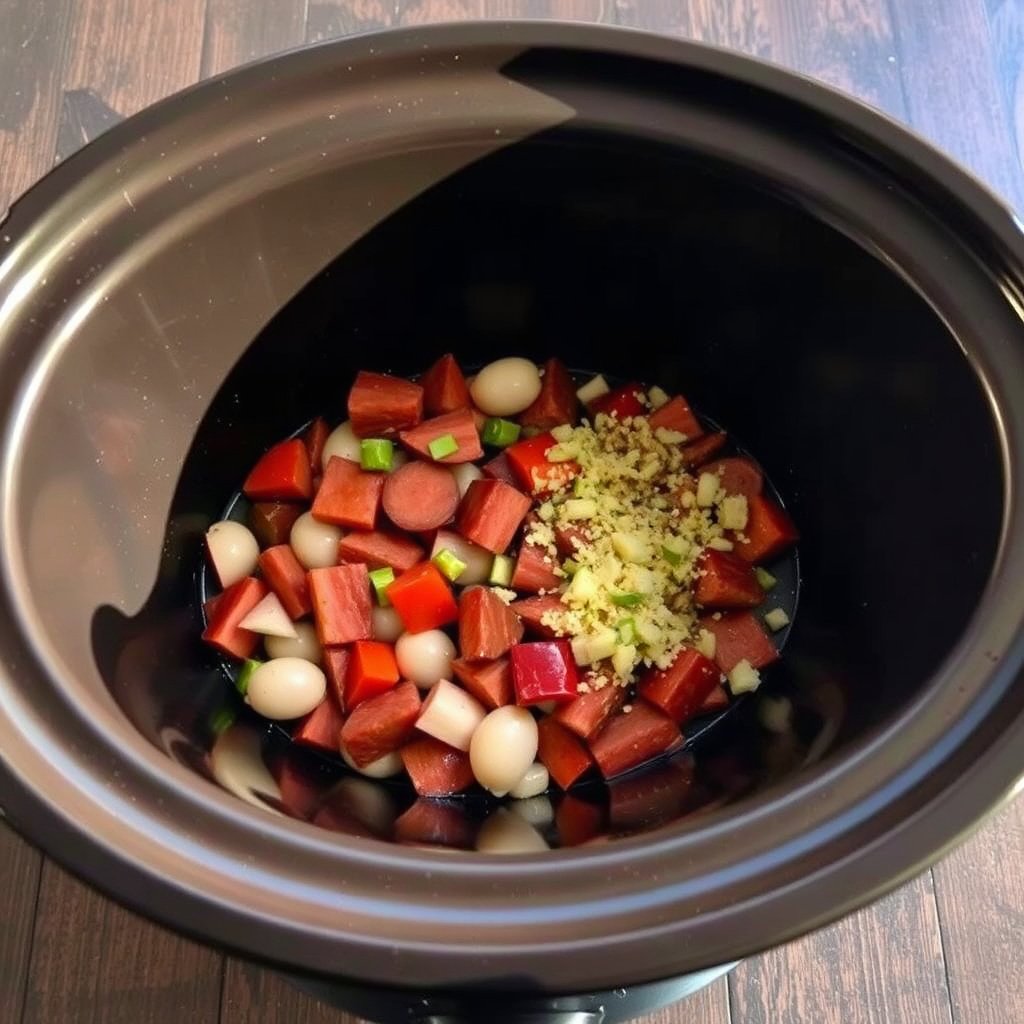
How a Slow Cooker Works
A slow cooker uses low, steady heat to cook food over several hours, typically between 4 to 10 hours depending on the setting. The ceramic pot traps steam and moisture, which softens tough ingredients like meat and dried beans without boiling them.
The device usually offers at least two settings—low and high—plus a warm function to keep food ready after cooking finishes. Low settings often run around 190°F (88°C), while high can reach about 300°F (149°C).
Key Parts of a Slow Cooker
Most slow cookers consist of a removable ceramic or porcelain pot, a heating base, a lid sealed tightly to lock in moisture, and control buttons or a dial for timing and temperature.
The removable pot makes cleaning simple, and the transparent lid helps monitor progress without lifting it. Some models include programmable timers or keep-warm options for convenience.
Preparing Ingredients for Slow Cooking
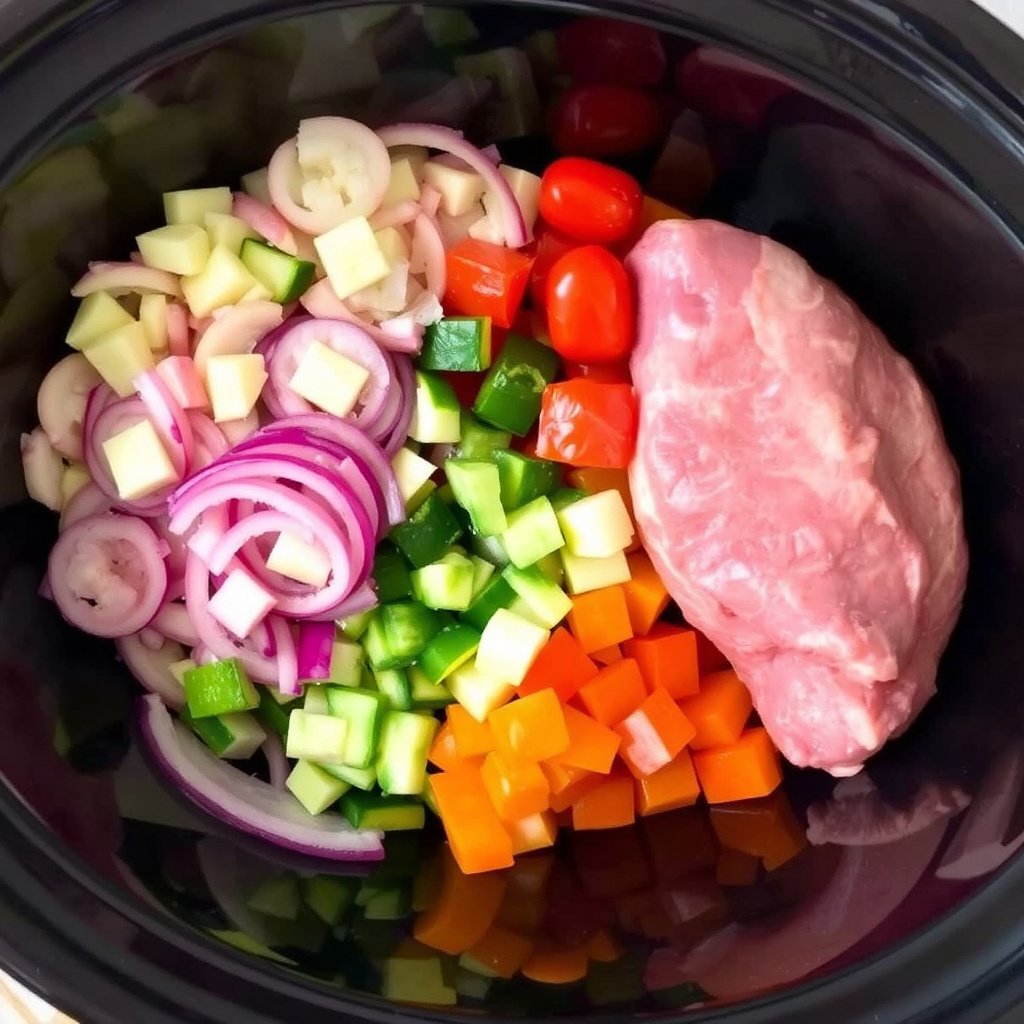
Prepping Meat and Vegetables
Trim excess fat from meat to avoid greasy results, and cut pieces uniformly to cook evenly. Browning meat before placing it in the slow cooker can add flavor but is optional.
Vegetables like carrots, potatoes, and onions go in raw and become tender during cooking. Dense vegetables take longer, so place them at the bottom where heat is strongest.
Liquids and Seasoning Tips
Slow cooking requires enough liquid to maintain moisture, but not so much that your dish becomes watery. Stocks, broths, sauces, or water work well; reduce liquids if adapting conventional recipes for a slow cooker.
Season foods appropriately since flavors meld over long cook times. Use herbs like thyme or bay leaves early; delicate spices like basil or parsley can be added near the end to retain brightness.
Operating Your Slow Cooker
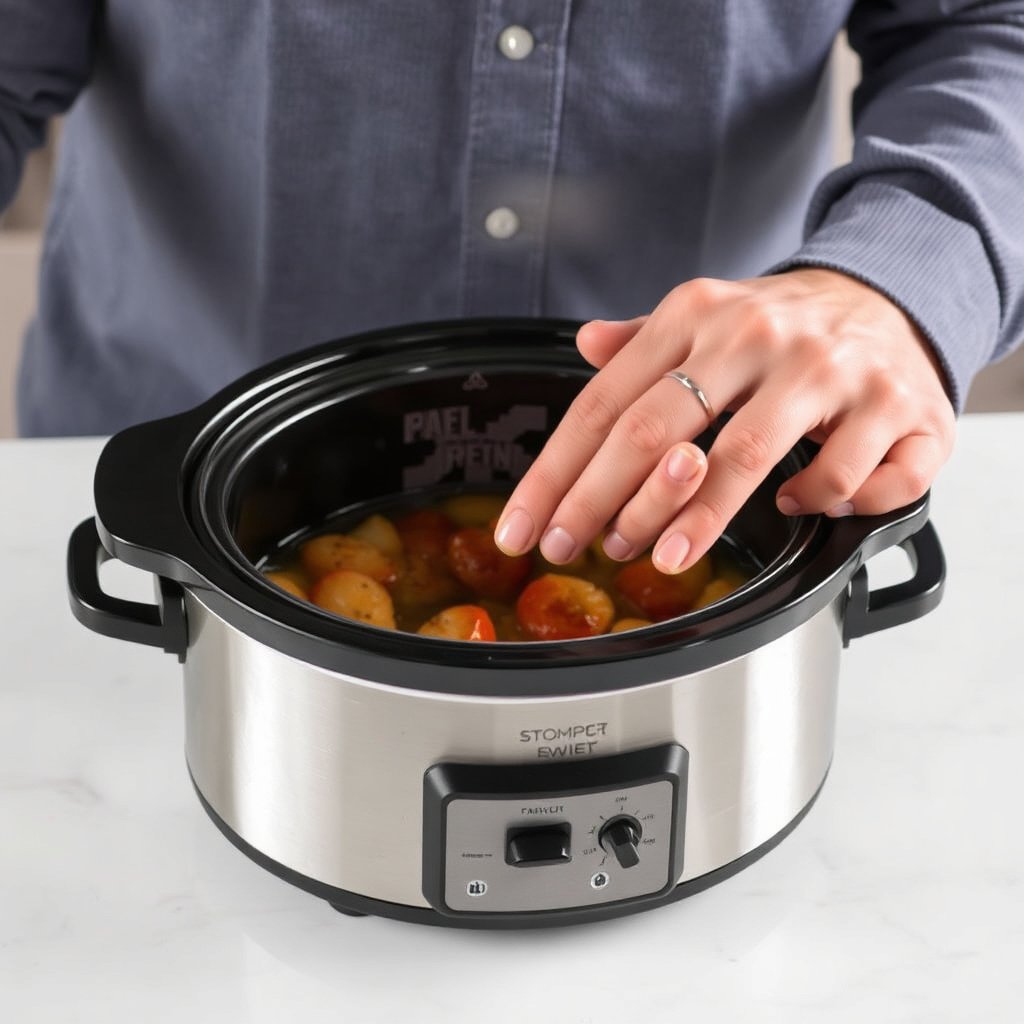
Setting the Temperature and Time
Select low or high depending on your recipe and schedule; low heat usually cooks for 6-8 hours, high for 3-4 hours. Avoid opening the lid during cooking because it drops temperature and increases time.
Many slow cookers include timers that automatically switch to warming after cooking, preventing overcooking and keeping meals ready without dryness.
For more on this, see our related guide: Your Guide to 5 Burner Gas Cooker: Choosing With Confidence.
Safety Considerations
Always thaw frozen meat fully before slow cooking to prevent bacteria growth. Keep your slow cooker on a stable, heat-resistant surface away from flammable items.
Clean the pot and lid thoroughly after use to avoid residue buildup. Inspect electrical cords and plugs for damage regularly, and never immerse the base in water.
Slow Cooker Recipes for Beginners
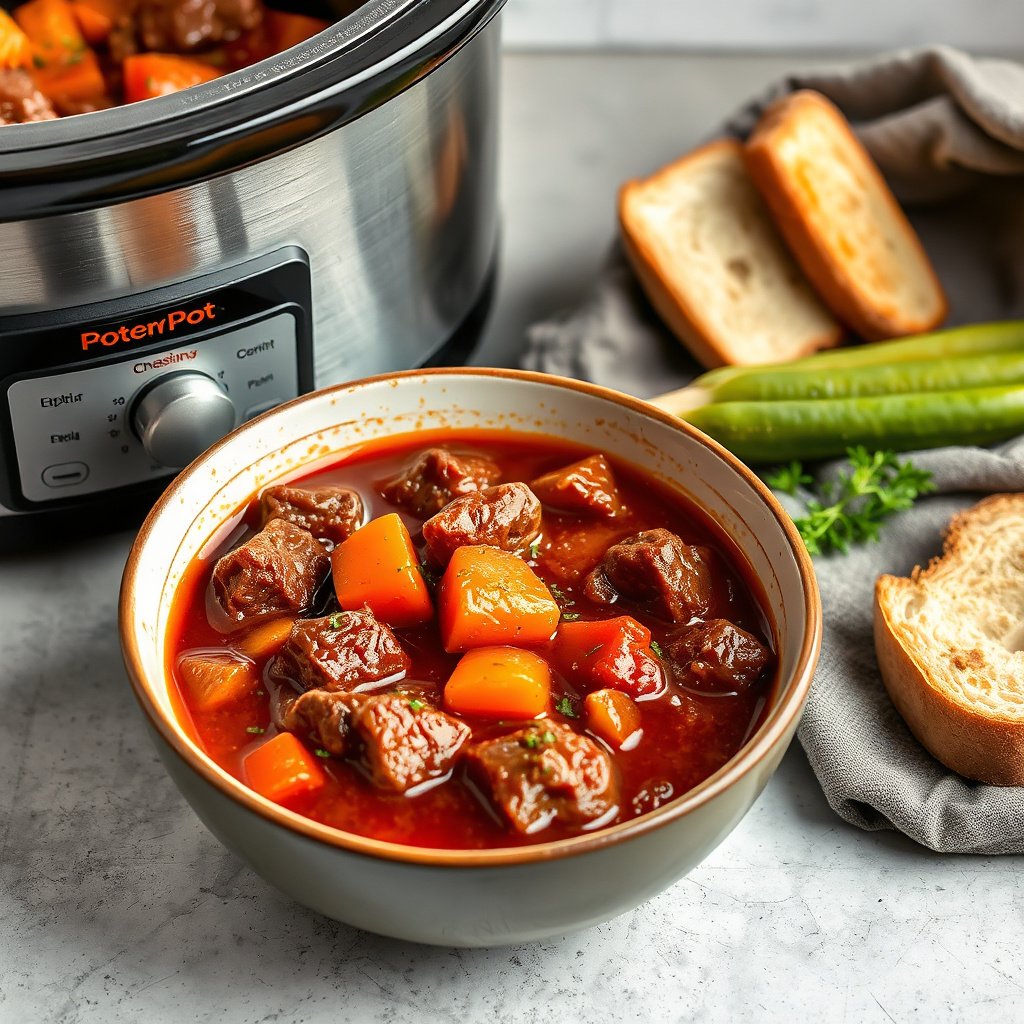
Simple Beef Stew
Combine cubed beef, chopped carrots, potatoes, onions, garlic, and beef broth in the pot. Season with salt, pepper, and bay leaves. Cook on low for 7-8 hours until meat and vegetables are tender.
This classic stew is forgiving, making it ideal for first-time slow cooker users, and the long cook time extracts deep flavors effortlessly.
Vegetarian Chili
Mix canned beans, diced tomatoes, corn, bell peppers, onions, garlic, chili powder, and cumin. Cook on high for 4-5 hours or low for 7-8 hours. The flavors develop richly without needing meat or complex steps.
This recipe suits those exploring slow cooker recipes for beginners wanting a healthy plant-based meal with minimal prep.
Common Mistakes When Using a Slow Cooker
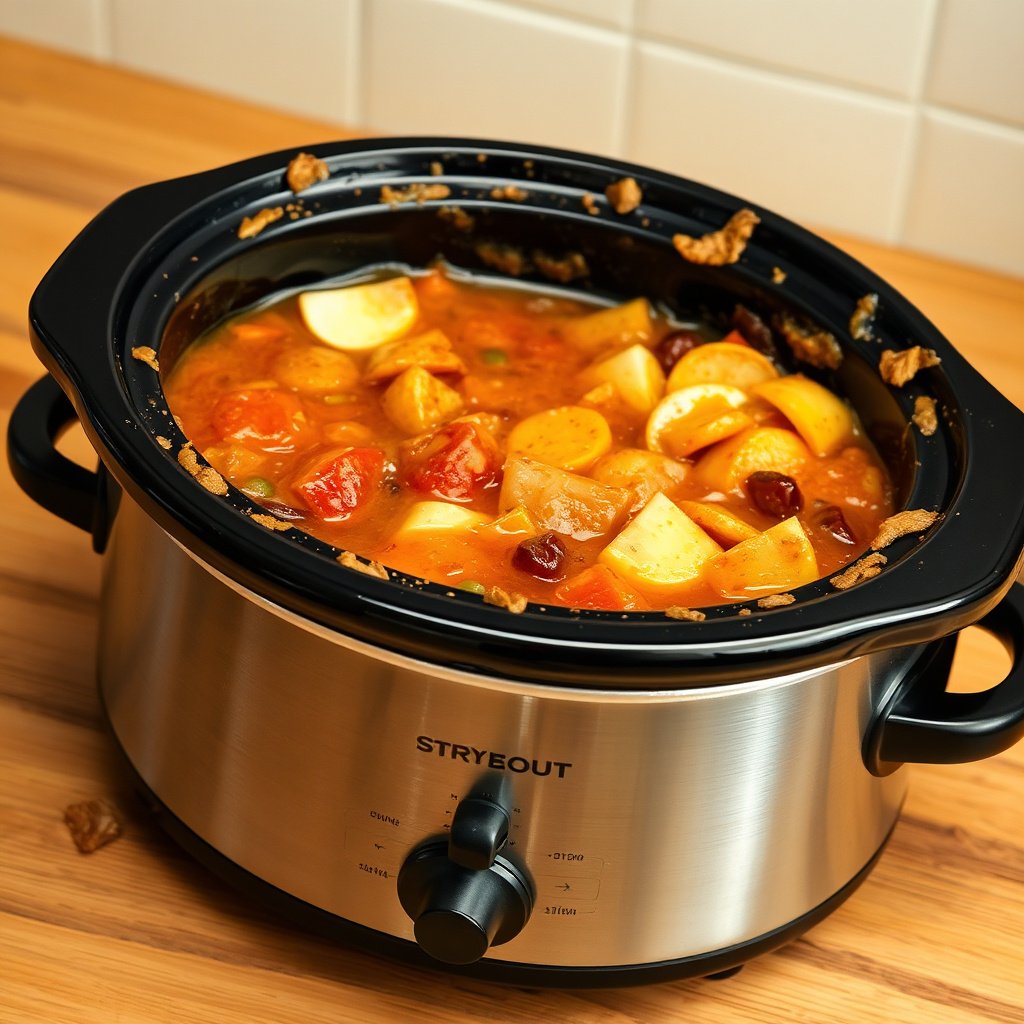
Avoiding Overfilling
Filling the slow cooker too full can prevent even cooking and cause spills. Generally, fill between half and two-thirds full to allow proper heat circulation and expansion during cooking.
On the flip side, cooking too little food in a large cooker may cause food to dry out or cook too quickly. Match pot size to recipe volume where possible.
For more on this, see our related guide: Induction Cooker vs. Electric Stove: Which Is Better?.
Don't Skip Browning Meat
While optional, browning meat before slow cooking adds caramelized flavor that enhances the dish significantly. Skipping this step may result in blander meals.
Use a hot skillet or broiler to sear meat quickly, then transfer to the slow cooker. This adds a depth of taste especially appreciated in beef or pork recipes.
Cleaning and Maintaining Your Slow Cooker
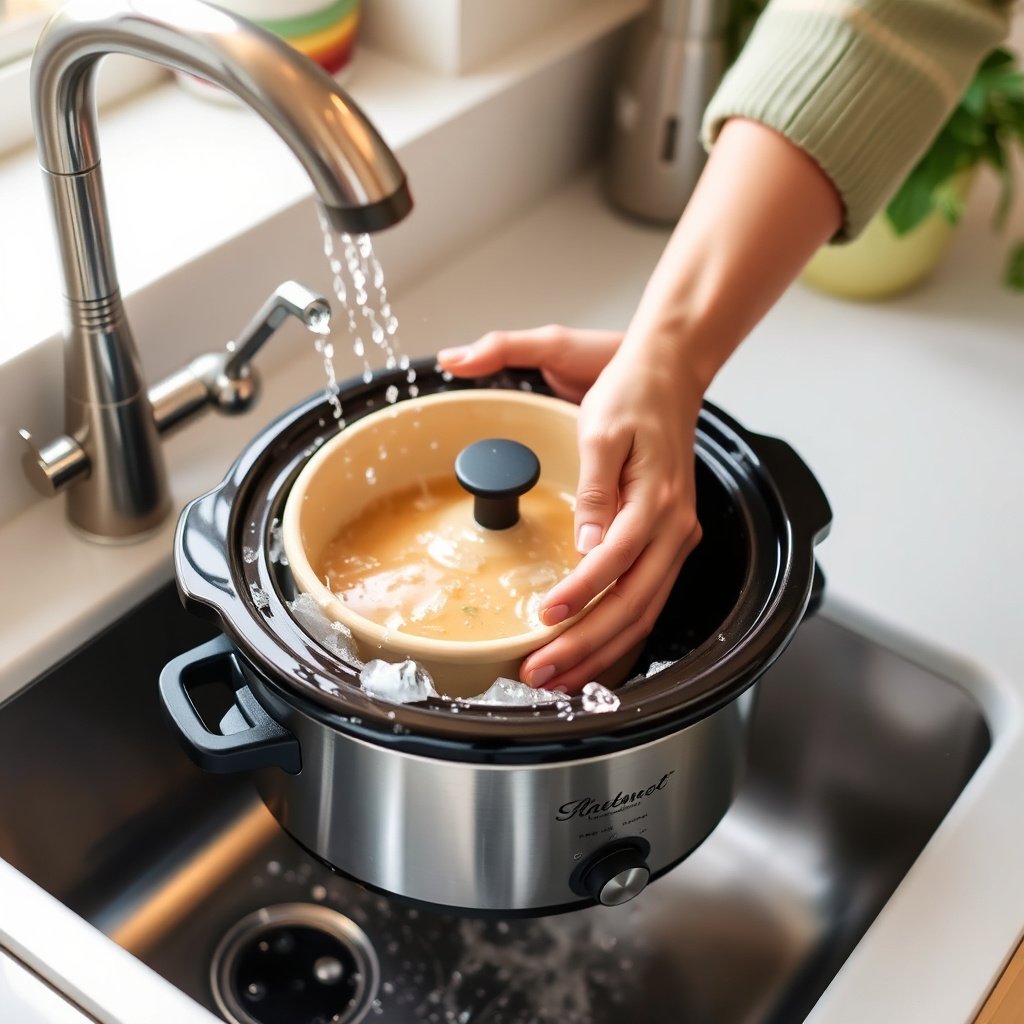
Proper Cleaning Techniques
Remove the ceramic pot and lid for hand washing or dishwasher cleaning. Use warm, soapy water and a soft sponge to avoid scratching the surface.
For stuck-on food, soak the pot before scrubbing, and avoid abrasive cleaners. Clean the heating base only with a damp cloth—never submerge.
For a detailed history and technical background on slow cookers, visit the Slow Cooker Wikipedia page. Slow Cooker Wikipedia page.
Regular Maintenance Tips
Check seals and knobs regularly for wear or damage. Store your slow cooker dry to prevent mold or odors.
If the heating base isn't working properly or smells unusually, consult the manufacturer or replace the unit for safety.
Slow Cooker Settings and Features Comparison
This table compares popular slow cooker types, their features, typical cooking times, and ease of use to help you find the right one for your needs.
| Type | Temperature Settings | Timer Feature | Typical Capacity | Ease of Use |
|---|---|---|---|---|
| Basic Crock-Pot | Low, High, Warm | No timer | 4-6 quarts | Very easy |
| Digital Slow Cooker | Adjustable temp (150-300°F) | Programmable timer | 6-8 quarts | Moderate |
| Multifunction Cooker | Slow cook, sauté, pressure cook | Advanced timer/control | 6 quarts | Moderate to complex |
| Manual Dial Slow Cooker | Low, High | No timer | 3-5 quarts | Very easy |
Frequently Asked Questions
Can I cook frozen meat in a slow cooker?
It’s best to thaw meat completely before slow cooking to avoid uneven cooking and reduce the risk of harmful bacteria forming.
How often can I open the slow cooker lid during cooking?
Opening the lid frequently releases heat and slows cooking, so it’s advisable to keep it closed until the end.
Do I need to add water for rice or pasta in a slow cooker?
Yes, adding enough liquid is necessary to properly cook rice or pasta; otherwise, they may dry out or burn.
Is it safe to leave a slow cooker on overnight?
Yes, slow cookers are designed to be left unattended for many hours, even overnight, as long as you follow safety guidelines.
Can I use my slow cooker for desserts?
Absolutely, slow cookers can be used to make desserts like puddings, cakes, and fruit crisps due to their gentle, consistent heat.
Key Takeaways
- Slow cookers use low, steady heat to tenderize ingredients over hours.
- Preparing ingredients properly and adding the right amount of liquid is essential.
- Avoid opening the lid during cooking to maintain temperature and timing.
- Cleaning and maintenance extend the life and performance of your slow cooker.
Conclusion
Using a slow cooker revolves around understanding its steady low-heat cooking method, correctly preparing ingredients, and following simple operational guidelines. This approach results in flavorful, tender meals that save you time and effort throughout your day. The slow cooker’s hands-off nature means you don’t need to monitor your food constantly, making it a practical addition to most kitchens.
If you prefer straightforward settings and minimal fuss, a basic or manual dial slow cooker offers great ease of use, while digital or multifunction cookers provide more control and versatility for elaborate recipes. Beginners will appreciate simple dishes like beef stew or vegetarian chili that showcase the benefits of slow cooking, producing rich flavors with little preparation. Choosing between models depends on your cooking style and the features you value most.
To get started, select a slow cooker size that fits your typical meal portions and try easy recipes suited for slow cooking. Remember to thaw meats properly, avoid overfilling your pot, and keep the lid closed during cooking. Proper cleaning makes your cooker ready for the next meal. With these practical steps, your slow cooker can become a dependable tool for consistently delicious, effortless home-cooked meals.