How to Use an Espresso Machine: A Step-by-Step Guide for Perfect Espresso
Using an espresso machine starts with the right preparation: filling the water reservoir, grinding fresh coffee beans to a fine consistency, tamping the grounds evenly, and then brewing the shot. This process delivers the rich, concentrated coffee espresso lovers expect.
Mastering how to use an espresso machine matters because it controls the flavor, strength, and crema of your espresso. Any missteps in tamping, water temperature, or grind size can produce weak or bitter results, so understanding the workflow helps you craft consistently excellent beverages.
This article will walk through essential steps including machine setup, dosing and tamping, brewing technique, and cleaning. Additionally, we’ll cover types of espresso machines and tips tailored for beginners looking for the best espresso machine for beginners.
Preparing Your Espresso Machine for Use
Filling and Heating the Machine
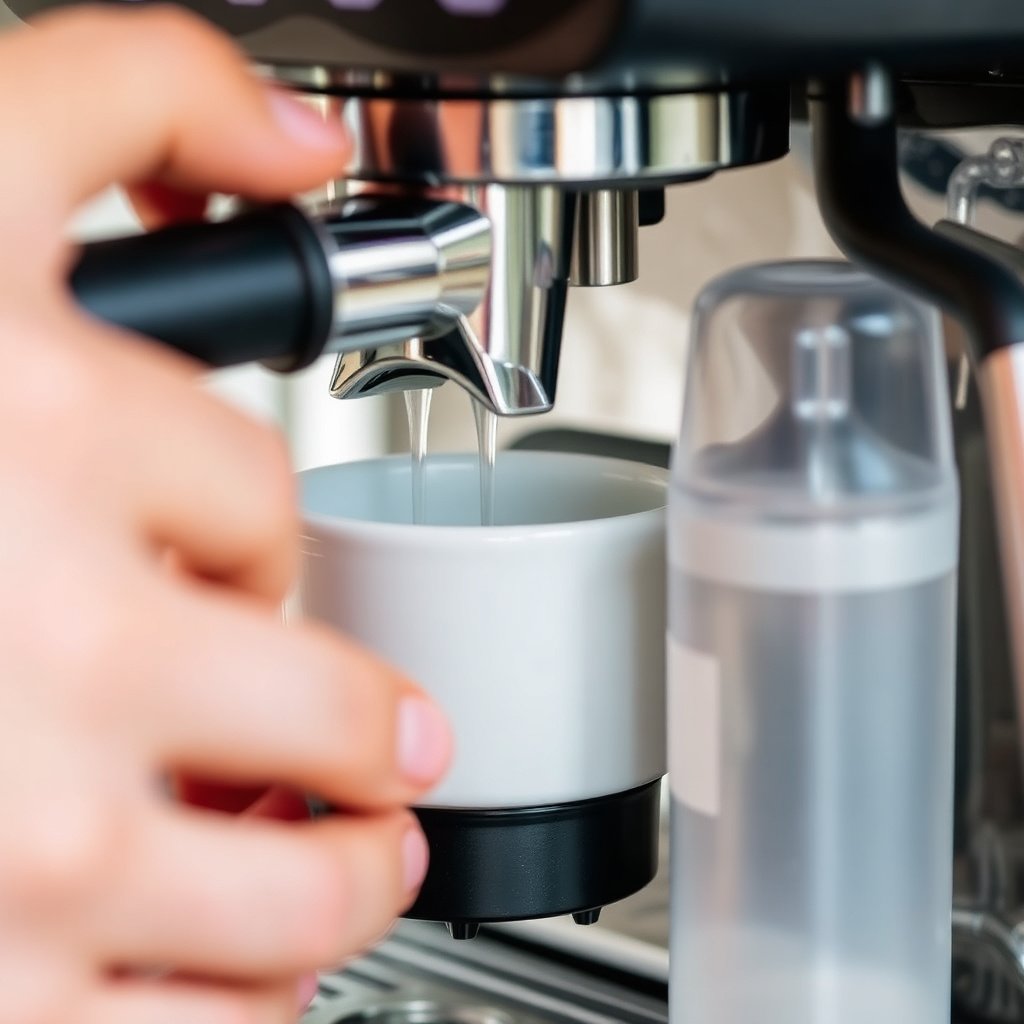
Begin by ensuring the water reservoir is filled with fresh, filtered water to avoid mineral buildup inside the machine. Plug it in and turn it on to allow the boiler or heating element to reach the appropriate brewing temperature, usually between 190°F and 205°F.
Some machines display a ready light or beep when warmed up. Preheating the group head by running a blank shot helps stabilize temperature, which is key for even extraction.
- Use filtered water to prolong machine lifespan
- Allow 10-15 minutes for full heat-up
- Run a rinse cycle before brewing espresso
Choosing and Grinding Coffee Beans
Select fresh whole coffee beans labeled for espresso. Grinding them just before brewing preserves flavor and aroma. The grind size should be fine and consistent, similar to table salt, for optimal water flow and extraction.
Adjust your grinder if the espresso flows too fast or too slow. A shot pulling too quickly indicates a too-coarse grind; too slowly, the grind is too fine.
- Use a burr grinder for uniform grounds
- Grind 18-20 grams for a double shot
- Store beans in an airtight container away from light
Mastering Dosing and Tamping for Espresso
Measuring and Distributing Coffee Grounds
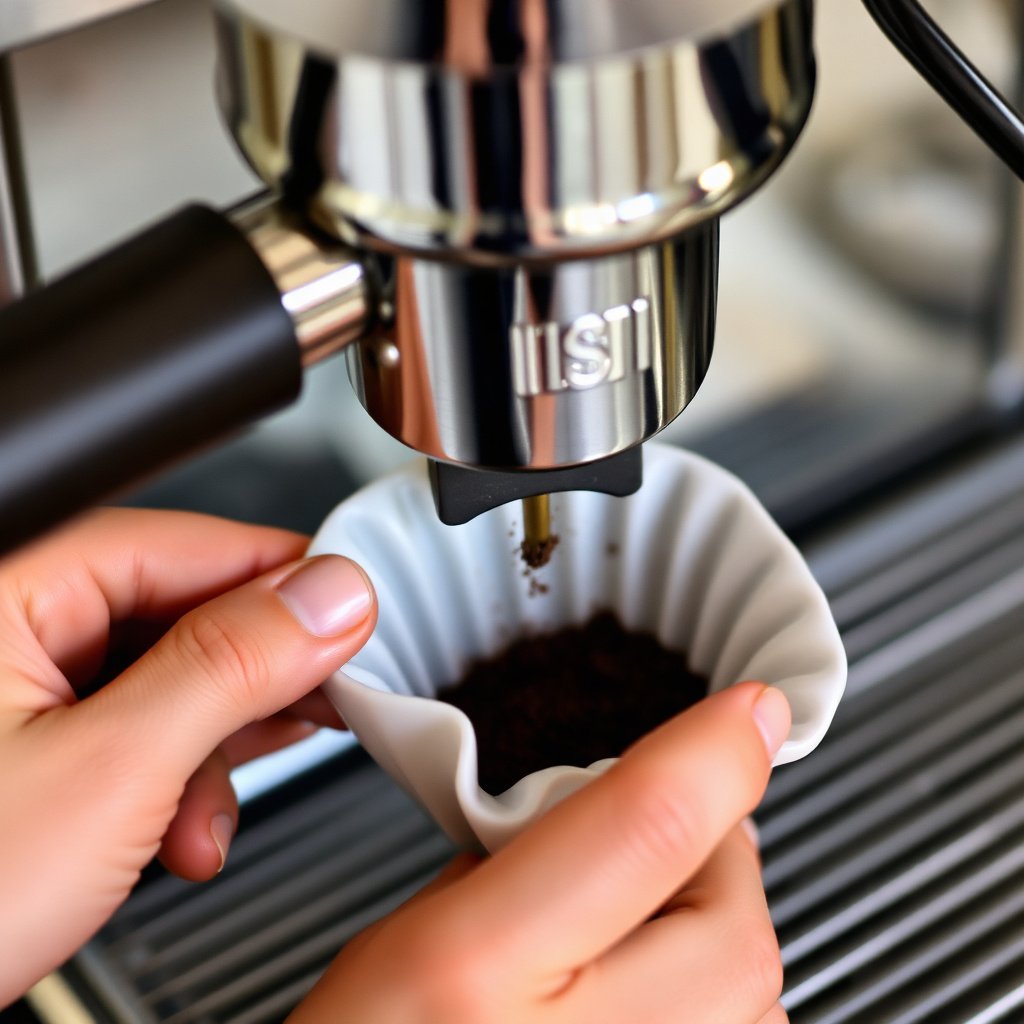
Use a scale to measure the correct dose of coffee grounds for your portafilter basket—typically 18 to 20 grams for a double shot. Even distribution of grounds before tamping prevents channeling during extraction.
Many baristas use a distribution tool or tap the portafilter gently to level the surface before pressing down with the tamper.
- Dose according to basket size
- Distribute grounds evenly before tamping
- Avoid compressing grounds too early to preserve fluffiness
For more on this, see our related guide: Most Expensive Kitchen Appliances: Luxury Choices for Upscale Kitchens.
Applying Consistent Tamping Pressure
Use a tamper with a flat base sized to fit your portafilter basket. Apply firm, even pressure—around 30 pounds of force—to compress the coffee into a flat, uniform puck. This ensures water resistance is balanced during the shot.
A level tamp with no cracks or holes prevents water from passing too quickly, which would under-extract flavors.
- Use a calibrated tamper if possible
- Check for an even puck surface
- Clean excess grounds from the rim before locking in portafilter
Pulling the Perfect Espresso Shot
Starting and Monitoring Extraction
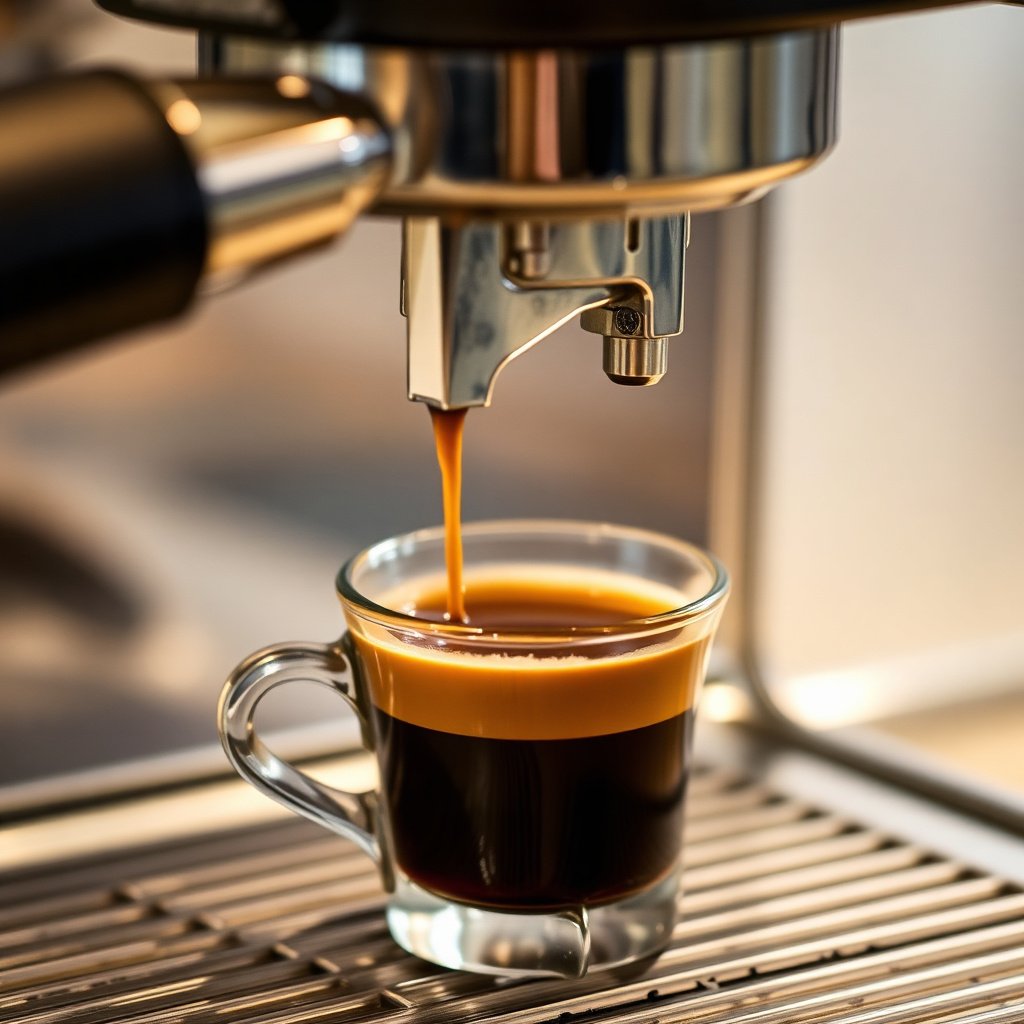
Lock the portafilter into the group head securely and start the shot immediately. Aim for an extraction time between 25 and 30 seconds for a double shot with about 2 ounces of liquid.
Watch for a slow, steady stream of espresso with a rich, caramel color and thick crema forming on top.
- Target 25-30 seconds extraction time
- Observe crema quality as an indicator
- Stop shot if flow is uneven or needle fluctuates wildly
Adjusting for Taste and Consistency
If the espresso tastes sour or weak, try a finer grind or increase dose. For bitter or burnt flavors, opt for a coarser grind or slightly reduce dose. Keep notes of timing, grind size, and dose to refine results over time.
Using the best espresso machine for beginners helps because many offer preset soak times, pressure, and temperature controls that simplify consistency.
- Adjust grind size based on shot taste
- Experiment with dose for preferred strength
- Maintain clean machine parts to avoid flavor contamination
Steaming and Frothing Milk for Espresso Drinks
Using the Steam Wand Correctly
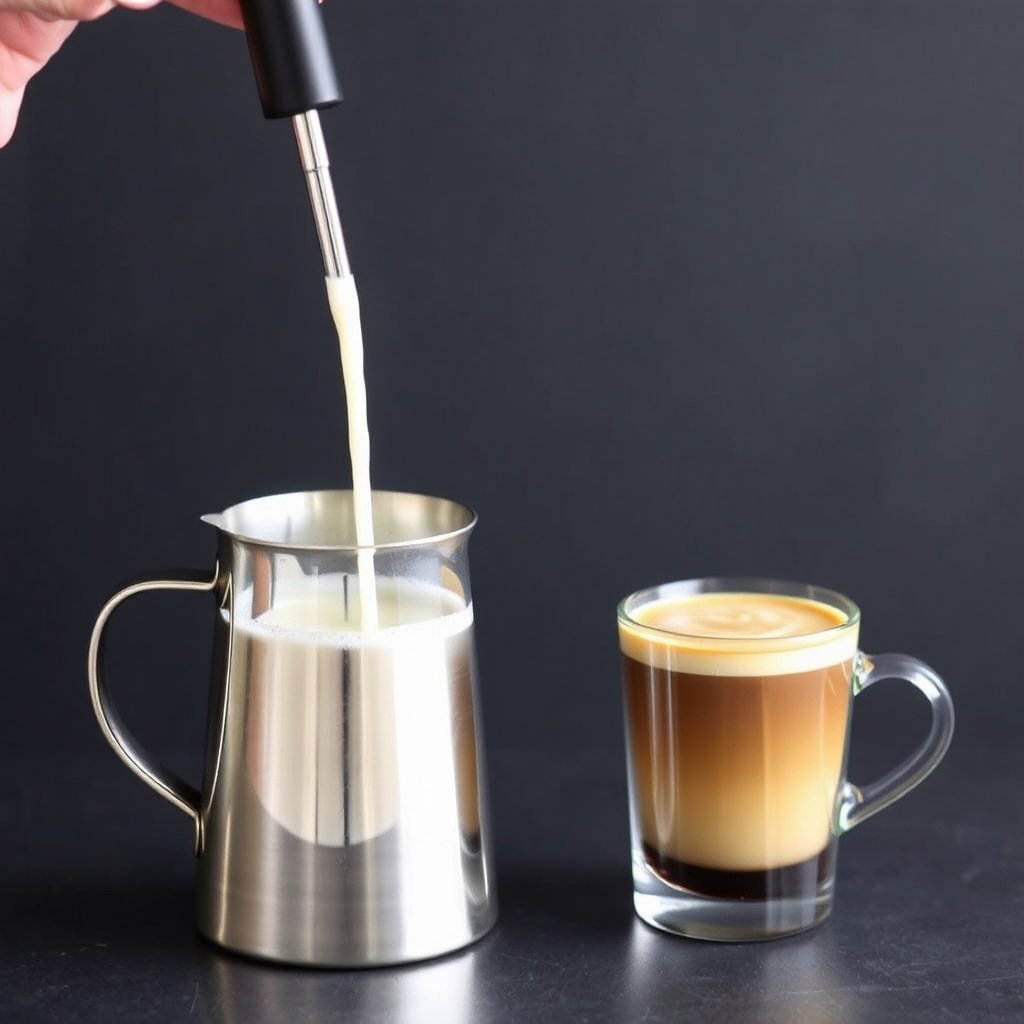
Purge the steam wand briefly to remove residual water, then submerge the tip just below the milk surface. Open the steam valve full to inject air, creating microfoam. Lower the pitcher gradually to froth milk smoothly.
Proper technique results in glossy, silky milk with tiny bubbles ideal for lattes or cappuccinos.
- Purge steam wand before use
- Position wand near side for vortex effect
- Avoid overheating milk beyond 150°F
For more on this, see our related guide: Luxury Kitchen Appliance Brands: A Complete Buying Guide.
Pouring and Texturing Milk
Tap and swirl the pitcher to remove bubbles and integrate foam. Pour milk slowly into the espresso, starting with a higher pour to mix and finishing with a lower pour for latte art.
Practice helps achieve velvety texture and precise control to make layered espresso drinks.
- Use cold milk for better froth
- Finish pouring close to cup surface
- Clean steam wand immediately after use
Cleaning and Maintaining Your Espresso Machine
Daily Cleaning Routines
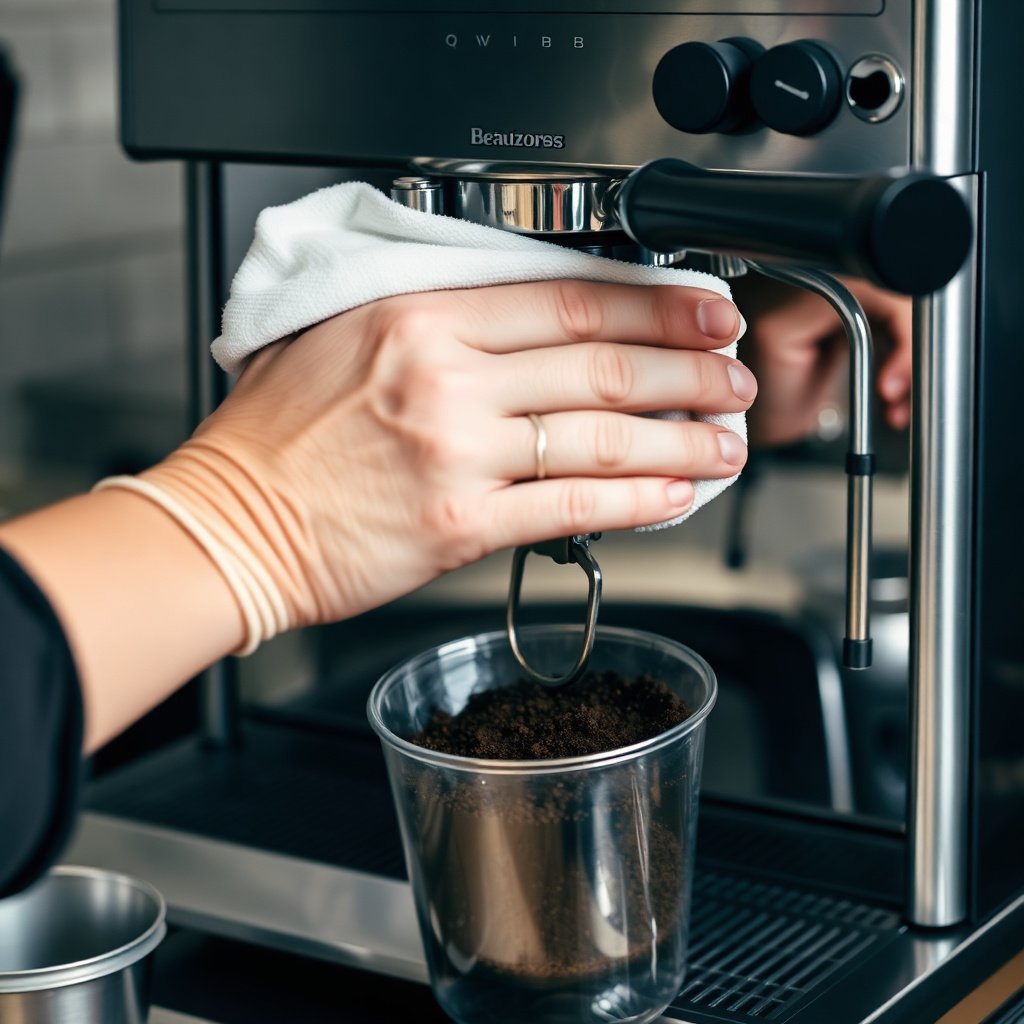
After each use, remove and rinse the portafilter and baskets. Backflush the group head with clean water or espresso machine cleaner to clear oils and buildup. Wipe the steam wand after every milk frothing session.
Thorough daily cleaning prevents flavor contamination and prolongs machine life.
- Rinse portafilter after each shot
- Backflush group head once daily
- Purge and wipe steam wand after use
For more detailed history and technical specs of espresso machines, see the Espresso machine Wikipedia page. Espresso machine Wikipedia.
Scheduled Deep Maintenance
Every few weeks, descale the machine to eliminate mineral deposits using manufacturer-recommended solutions. Replace water filters as instructed, and occasionally clean grinder burrs to keep consistency high.
Regular maintenance safeguards investment and maintains espresso quality.
- Descale using approved products
- Change water filters monthly
- Clean grinder burrs for uniformity
Espresso Machine Types Comparison
Here's a comparison of common espresso machine categories to help choose the best fit for your needs and skill level.
| Type | Ease of Use | Price Range | Best For | Features |
|---|---|---|---|---|
| Manual Lever | Low | $300-$2000 | Experienced users who enjoy control | Full manual control, no electronics |
| Semi-Automatic | Medium | $400-$2500 | Home enthusiasts wanting control + automation | Pump control, programmable shot times |
| Automatic | High | $600-$3000 | Beginners and busy users | Programmable dosing and shot volume |
| Super-Automatic | Very High | $1000-$5000 | Convenience seekers | Built-in grinder, automatic milk frothing |
| Pod/Capsule | Very High | $100-$600 | Casual drinkers, quick brewing | Premeasured pods, minimal cleanup |
Frequently Asked Questions
How often should I clean my espresso machine?
Daily rinsing and backflushing maintain cleanliness, while deep cleaning like descaling is recommended every 1-3 months depending on water hardness.
What grind size is best for espresso machines?
A fine grind, resembling table salt, allows proper extraction in 25-30 seconds; too coarse or fine affects taste and flow.
Can I use pre-ground coffee with an espresso machine?
While possible, freshly ground coffee always yields better flavor and crema; pre-ground risks staleness and inconsistent results.
Why does my espresso taste bitter or sour?
Bitterness often comes from over-extraction or burnt grounds; sourness may result from under-extraction or too coarse a grind.
What is the purpose of tamping coffee grounds?
Tamping compresses grounds evenly to ensure uniform water flow through the coffee puck for balanced extraction.
Key Takeaways
- Using fresh coffee and proper grind size is key for good espresso.
- Tamping evenly ensures a balanced extraction and rich flavor.
- Temperature and pressure control impact shot quality significantly.
- Regular cleaning prevents buildup that harms taste and machine function.
Conclusion
Understanding how to use an espresso machine starts with grasping the relationship between grind size, dose, tamping pressure, and brewing time. These elements combine to affect extraction quality, crema richness, and ultimately the flavor profile. The process involves both technical steps and sensory cues, including observing shot flow and taste adjustments. Consistency in preparation will produce better espresso over time, rewarding your attention to detail with superior coffee experiences.
For beginners interested in convenience without sacrificing taste, an automatic or super-automatic espresso machine is a practical choice. These machines manage many variables like temperature and shot volume automatically. Those wanting more involvement and control should consider semi-automatic or manual lever models, which allow fine-tuning but require more practice. Whichever machine you choose, using freshly ground beans and keeping the equipment clean will always make the biggest difference to the cup quality.
As you begin brewing espresso, start simple: focus on measured dosing, consistent tamping, and monitoring shot times. Adjust these variables based on flavor feedback. Using the best espresso machine for beginners can streamline this process as you build confidence. Take small steps, keep notes, and enjoy the journey to crafting your perfect espresso shot at home.