How to Store Fresh Pasta: Tips for Keeping It Perfectly Fresh
Storing fresh pasta properly is key to maintaining its delicate texture and flavor until you're ready to cook it. You can store fresh pasta in the refrigerator for short-term use or freeze it for longer preservation. The main goal is to prevent drying out or sticking together, which can compromise the quality.
Fresh pasta is highly perishable due to its moisture content and lack of preservatives, so keeping it fresh is essential for the best cooking results. Understanding the right storage techniques allows you to enjoy pasta with the ideal bite and flavor even days after making it or buying it fresh.
This article will guide you through various methods of storing fresh pasta, from refrigeration to freezing and even drying options. It also covers packaging tips and practices to keep your fresh pasta from sticking or spoiling.
Refrigeration Techniques for Storing Fresh Pasta
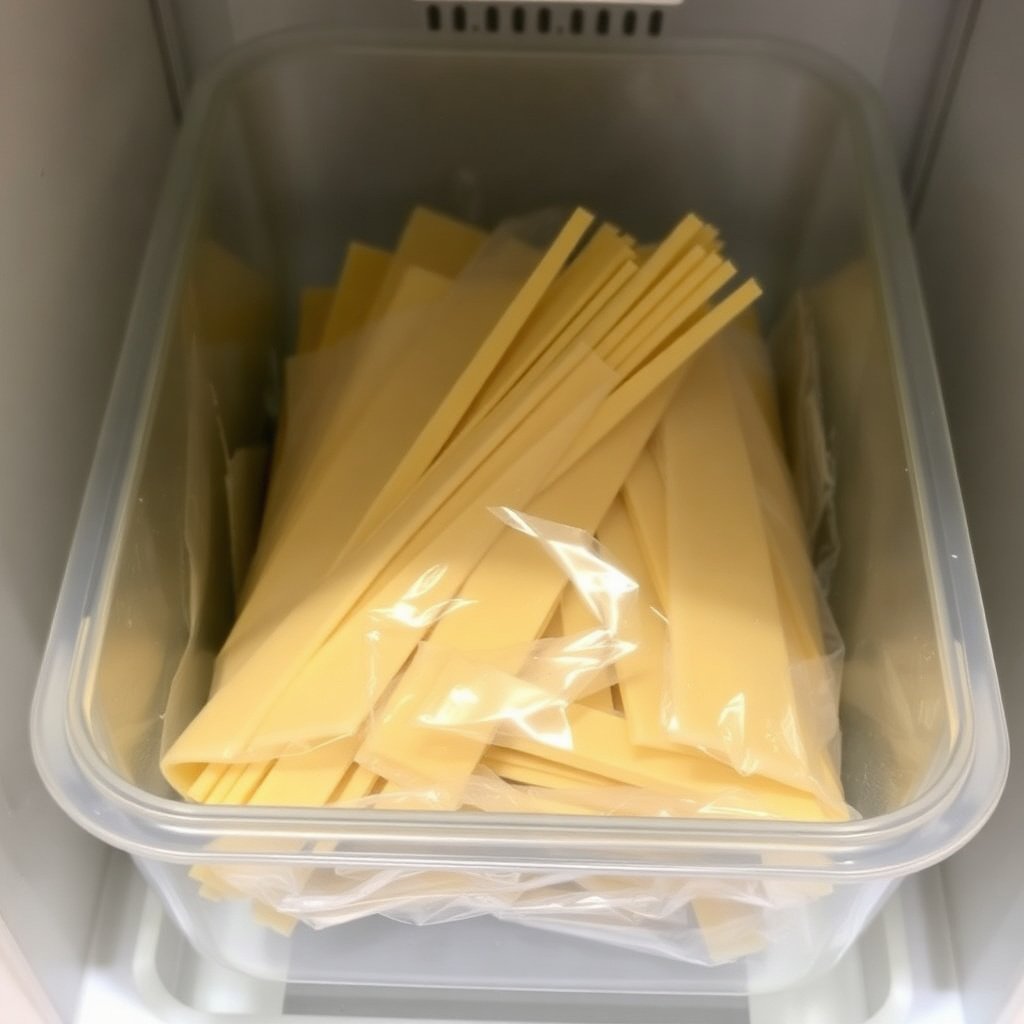
How to Refrigerate Fresh Pasta Safely
To refrigerate fresh pasta, lightly dust it with semolina or flour to avoid clumping, then place it in an airtight container or wrap it tightly with plastic wrap. This stops the pasta from drying out and prevents moisture from causing spoilage.
Store fresh pasta in the coldest part of the fridge, ideally at around 4°C (39°F), and use it within two days for the best texture. Beyond this, the pasta may start to lose its flavor and become tough or sticky.
Common Mistakes to Avoid When Refrigerating Fresh Pasta
Avoid letting fresh pasta sit out uncovered before refrigerating; exposure to air causes it to dry and harden, making it difficult to cook properly. Also, do not store pasta in loosely sealed bags that let moisture in, which can cause sogginess or bacterial growth.
Refrigerating pasta that's already sticking together without dusting can make it clump into unusable chunks. Proper preparation before chilling is vital to keep the pasta strands separate and maintain their shape.
Freezing Fresh Pasta for Long-Term Storage

Steps to Freeze Fresh Pasta Without Damage
Arrange fresh pasta in single layers on a baking sheet dusted with flour or semolina, ensuring strands don't touch to prevent sticking. Freeze the tray uncovered for about an hour until pasta is firm, then transfer to a heavy-duty freezer bag or airtight container.
Label the package with the date and store at -18°C (0°F) or below. Frozen fresh pasta retains good quality for up to two months, and can be cooked directly from frozen without thawing.
- Use flour or semolina to prevent clumping
- Freeze on a flat tray first
- Store in airtight bags with date labels
Avoiding Common Freezing Issues
Avoid freezing fresh pasta in a thick clump as it may freeze unevenly, leading to texture loss and sticky masses once thawed. Also, skip freezing fresh pasta mixed with sauce, as this reduces freezer life and can create soggy spots.
Be cautious with flimsy packaging that allows freezer burn, which dries out the pasta and affects flavor; use heavy-duty bags or containers designed for freezer storage.
Storing Fresh Pasta at Room Temperature

When and How to Store Fresh Pasta at Room Temperature
Fresh pasta can be left at room temperature for brief periods, typically up to two hours, especially if drying for later use. Spread the pasta out on a clean cloth or drying rack to air dry slightly without clumping.
This method is ideal when you plan to cook the pasta soon after or want to partially dry it for longer storage. However, it should not be left unrefrigerated longer than necessary to avoid bacterial growth.
For more on this, see our related guide: How to Make Homemade Pasta: A Complete Guide for Beginners.
Risks of Room Temperature Storage
Leaving fresh pasta at room temperature too long risks rapid bacterial spoilage due to the moisture content. Also, pests like flies may contaminate exposed pasta, so this method requires careful coverage once partially dried.
It is not recommended for long-term storage, as pasta left out can dry out unevenly, making cooking inconsistent and potentially ruining the texture.
Drying Fresh Pasta for Extended Storage
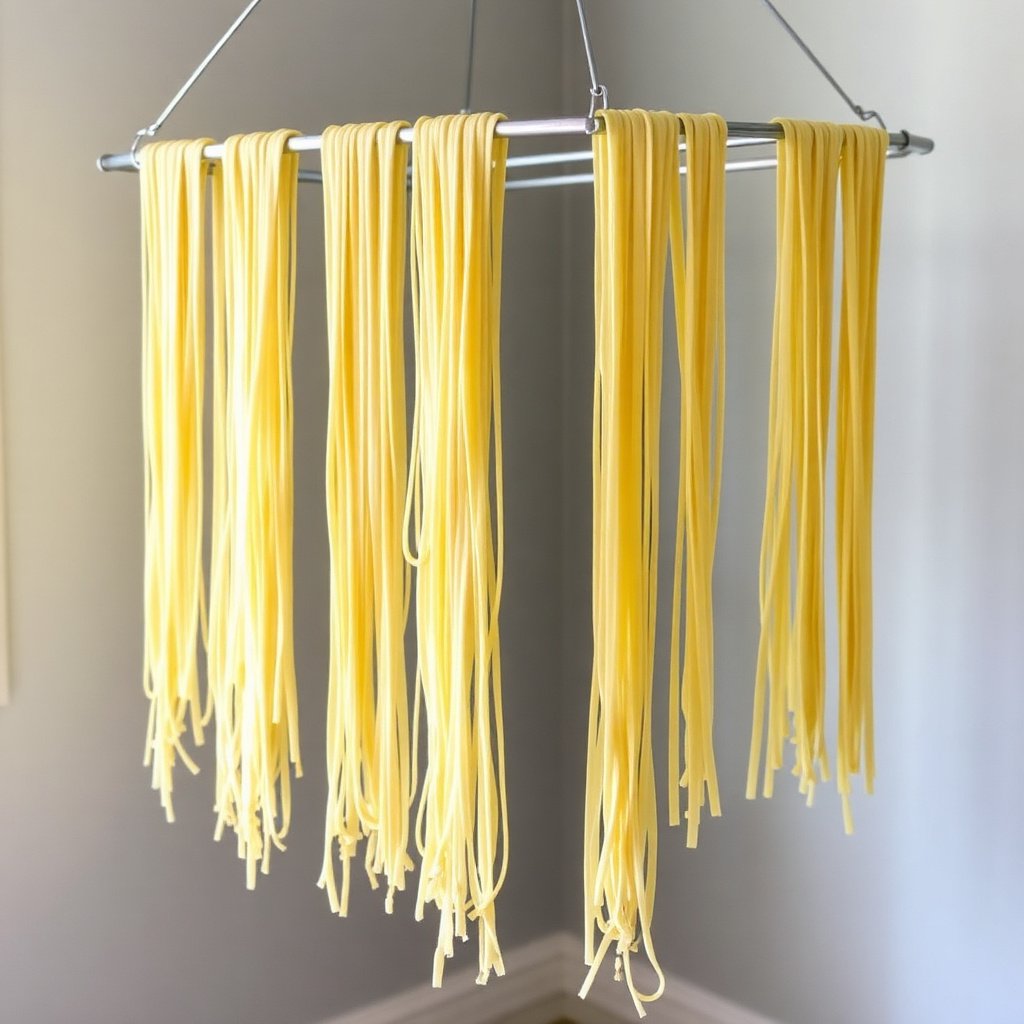
How to Dry Fresh Pasta Properly
To dry fresh pasta, hang the strands on a pasta drying rack or spread them on a floured surface in a cool, dry area with good air circulation. Drying times vary but generally take 12 to 24 hours until pasta is brittle enough to store.
Dry pasta should be stored in airtight containers once fully hardened to protect against moisture and insects. Drying pasta extends shelf life by removing moisture that encourages spoilage.
- Use pasta drying racks or clean cloths
- Dry in a cool, well-ventilated area
- Store fully dried pasta airtight
Limitations and When Drying Is Not Suitable
Drying is less suited for filled pasta like ravioli, which spoil easily or lose filling integrity when dried. Also, drying fresh pasta changes texture and taste compared to cooking fresh or frozen.
If you prefer the original tenderness and flavor of fresh pasta, refrigeration or freezing is preferable to drying.
Packaging Tips to Preserve Fresh Pasta Quality
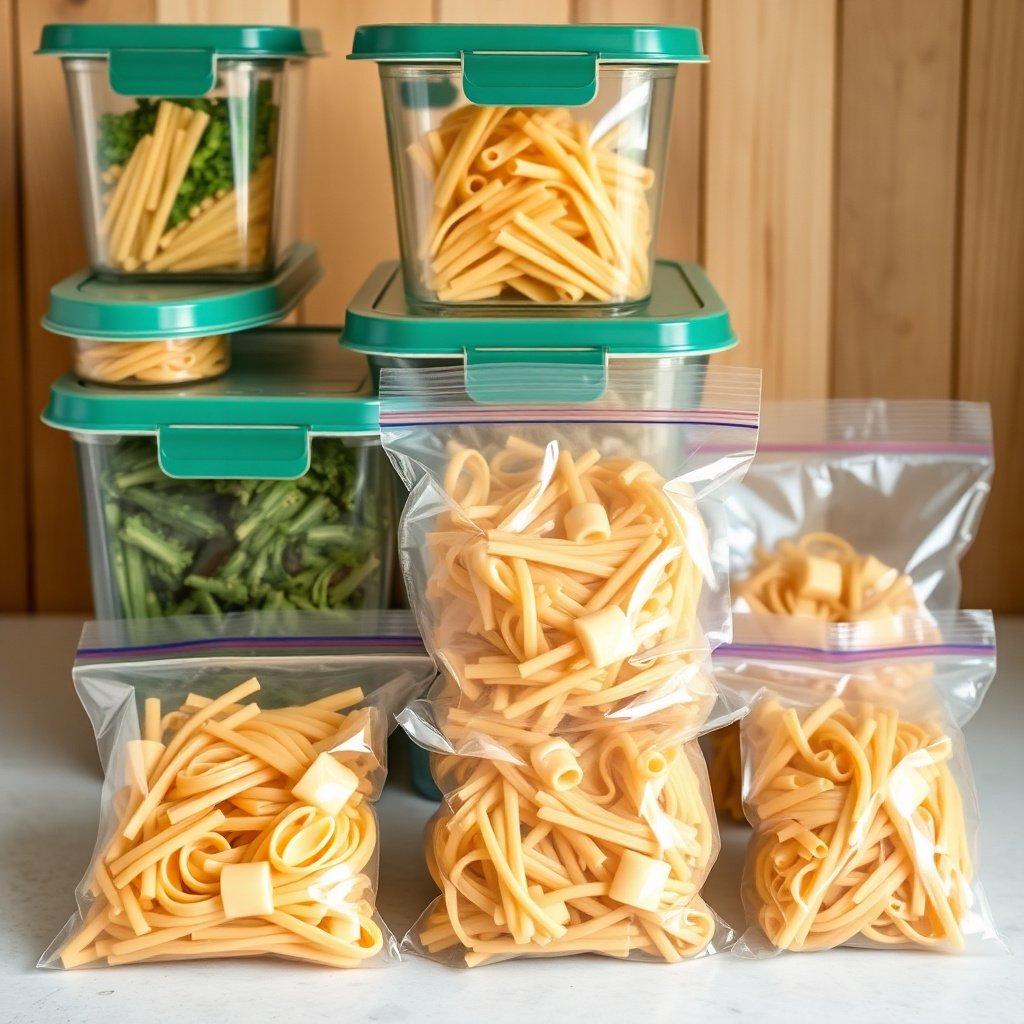
Best Materials for Packaging Fresh Pasta
Use airtight containers or vacuum-sealed bags to protect fresh pasta from exposure to air and moisture. Plastic containers with tight lids or resealable freezer bags work well for fridge and freezer storage.
For freezing, heavy-duty freezer bags with minimal air inside prevent freezer burn while maintaining pasta texture. Wrapping pasta in plastic wrap before placing in containers adds an extra moisture barrier.
- Airtight plastic containers
- Vacuum-sealed freezer bags
- Plastic wrap for added layer
For more on this, see our related guide: How to Make Homemade Pasta Dough: A Complete Guide for Perfect Fresh Pasta.
How to Pack Pasta to Avoid Clumping
Dust pasta with flour or semolina before packing to stop individual pieces from sticking. When arranging pasta for freezing, spread in single layers first to firm up before consolidating into bags or containers.
Packing fresh pasta loosely rather than tightly compressed prevents deformation, keeping strands or shapes intact for cooking.
Cooking Considerations Based on Storage Method

Cooking Fresh or Refrigerated Pasta
Fresh pasta stored in the fridge requires a shorter cooking time, usually 1 to 3 minutes, due to its moisture content. Cook in plenty of boiling salted water until tender but still firm to the bite.
Avoid overcrowding the pot to allow even cooking and prevent pasta from sticking together during boiling.
For more detailed information on pasta types and storage guidelines for fresh pasta, you can consult this reliable resource. storage guidelines for fresh pasta.
Cooking Frozen and Dried Pasta
Frozen fresh pasta can be cooked straight from the freezer by adding a minute or two to the usual fresh pasta cooking time. If using dried pasta, cooking times are longer, ranging from 7 to 12 minutes depending on thickness.
Always check doneness by tasting, as cooking times vary with thickness and storage method. Stir occasionally during cooking to avoid sticking.
Fresh Pasta Storage Method Comparison
This table summarizes the pros and cons of common fresh pasta storage options for quick reference.
| Storage Method | Shelf Life | Texture Preservation | Convenience | Recommended Pasta Types |
|---|---|---|---|---|
| Refrigeration | 1-2 days | Excellent for short-term freshness | High, easy access | All types except long-term storage |
| Freezing | Up to 2 months | Very good, maintains texture well | Moderate, requires freezing prep | Most fresh pasta, excluding filled ones with delicate fillings |
| Room Temperature | Up to 2 hours | Limited, risk of spoilage | Very high, no special prep | Drying pasta or brief storage only |
| Drying | Several weeks to months | Changes texture to firm and brittle | Low, requires drying time | Unfilled pasta like fettuccine, tagliatelle |
| Vacuum Sealing | Up to 2 months frozen, 3-4 days refrigerated | Best at reducing air exposure | Moderate, requires vacuum equipment | Fresh pasta for freezing and refrigeration |
Frequently Asked Questions
Can I store fresh pasta mixed with sauce?
Storing fresh pasta mixed with sauce is not recommended for long because the sauce can cause the pasta to become soggy and spoil faster. It's best to store pasta and sauce separately until ready to serve.
How long does fresh pasta last in the refrigerator?
Fresh pasta typically lasts 1 to 2 days in the refrigerator when stored properly in an airtight container with a dusting of flour to prevent sticking.
Is it necessary to dust fresh pasta with flour before storing?
Yes, dusting fresh pasta with flour or semolina before storing helps prevent strands or shapes from sticking together, making it easier to cook later without clumps.
Can I refreeze fresh pasta once it’s been thawed?
Refreezing fresh pasta is generally not advised as repeated freezing and thawing can degrade texture and increase risk of spoilage. Cook thawed pasta soon after defrosting.
Does drying pasta at home affect the taste?
Drying pasta changes its texture, making it firmer and sometimes altering the subtle flavor. It is a good option for longer storage but differs from the softness of fresh or frozen pasta.
Key Takeaways
- Store fresh pasta in the fridge for up to two days with a light dusting of flour.
- Freeze fresh pasta on trays first, then transfer to airtight bags for longer storage.
- Avoid leaving fresh pasta at room temperature beyond two hours to prevent spoilage.
- Drying pasta extends shelf life but changes texture and is unsuitable for filled varieties.
Conclusion
Deciding how to store fresh pasta hinges on how soon you plan to cook it and the type of pasta you have. For immediate use within a day or two, refrigeration with proper flour dusting works well to maintain original texture and flavor. If preparing for longer storage, freezing offers a reliable balance of preserving freshness without sacrificing quality when done properly.
Certain pasta types, like stuffed ravioli, benefit more from refrigeration or freezing rather than drying, which alters their texture significantly. For simple shapes like fettuccine or tagliatelle, drying is a practical option extending shelf life substantially. Packaging choices such as airtight containers, vacuum sealing, or wrapping tightly in plastic can further protect your pasta and prevent unwanted moisture or freezer burn.
Whichever technique you choose, remember that managing moisture and avoiding clumping are essential. Start by deciding on your cooking timeline, then select the storage strategy that fits best. Incorporating these methods will help your fresh pasta taste its best when it reaches your plate, saving time and reducing waste.