Types of Electric Ranges: A Complete Buying Guide
Shopping for an electric range can feel overwhelming, especially with so many options out there. Many people struggle with choosing the right one that fits their needs and their kitchen style. You’re not alone—finding a range that combines performance, style, and affordability can be tricky.
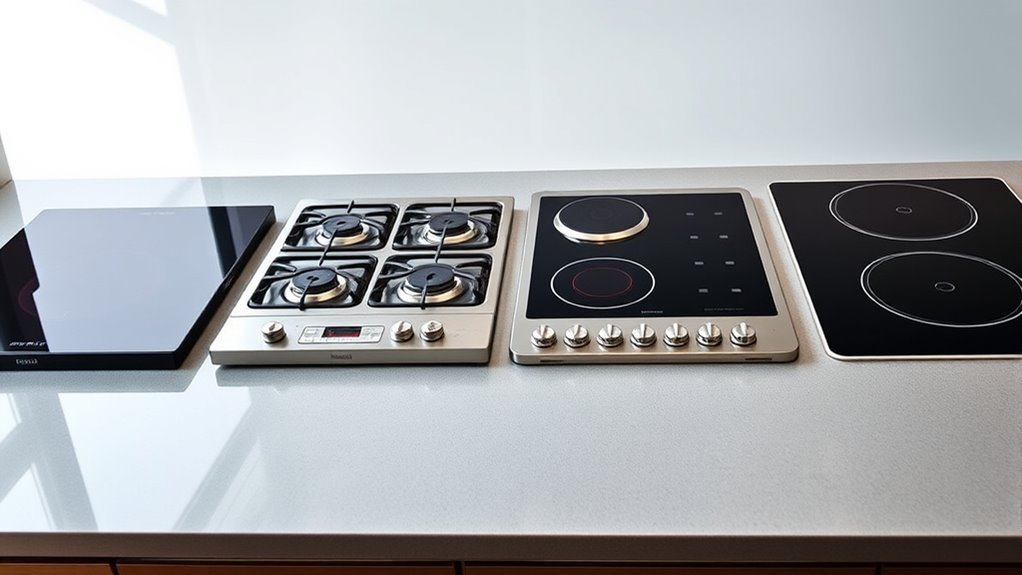
You’ll find three main types of electric ranges: coil, smooth-top, and induction. Coil ranges are durable and affordable but need regular cleaning. Smooth-tops offer a sleek look and even heating but can scratch easily. Induction ranges heat fast and save energy but require magnetic cookware.
When choosing, consider burner types, oven size, controls, and your kitchen layout.
If you want to know how to budget, evaluate energy use, or maintain your range, keep exploring to get all the details.
Key Takeaways
- Coil ranges are durable and affordable, featuring exposed heating elements. They require regular maintenance and quick spill cleanup to keep them in good shape.
- Smooth-top ranges offer even heating and easy cleaning thanks to their sleek glass-ceramic surface. However, they can be prone to scratches and may heat up more slowly.
- Induction ranges heat cookware directly using electromagnetic fields. They cook faster, are energy-efficient, and safe to use, but you’ll need compatible magnetic cookware.
- When choosing an electric range, consider burner types, oven size, control preferences, additional features, and your kitchen layout for the best fit.
- Also, think about your budget, energy efficiency, installation costs, and long-term savings to get the best value and performance from your range.
What Are the Main Types of Electric Ranges?
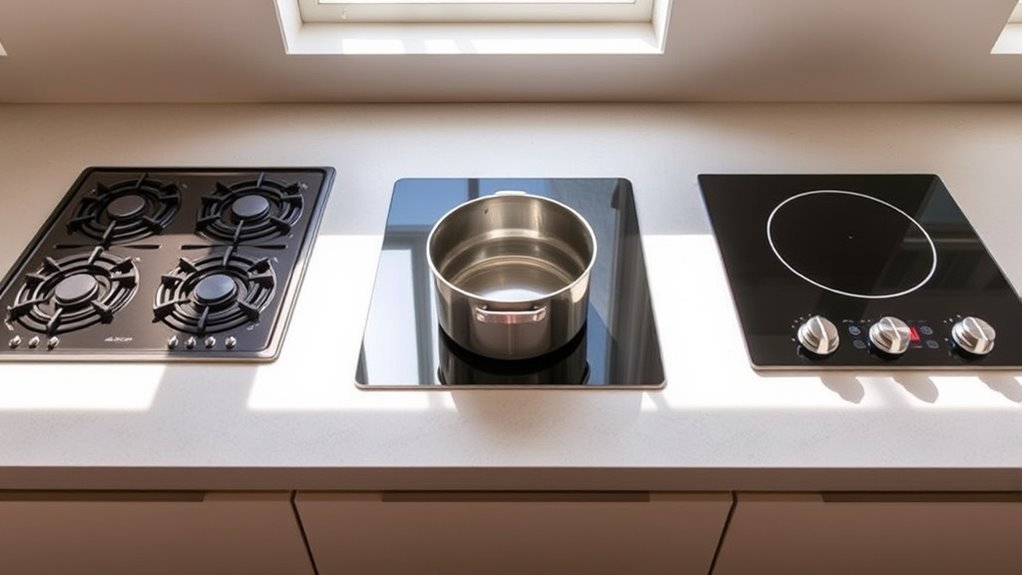
Although electric ranges come in various designs, you’ll find that most fall into a few main types based on their heating elements and features. The two primary categories are coil options and smooth top features.
Coil options are traditional electric ranges with exposed heating coils that heat up quickly and are easy to spot. You can usually adjust temperatures precisely, and these models tend to be more affordable.
On the other hand, smooth top features offer a sleek, glass-ceramic surface, which makes cleaning easier since there are no coils or crevices. These smooth tops distribute heat evenly and provide a modern look, but they require special cookware to avoid scratches.
When choosing between coil options and smooth top features, consider your cooking habits, cleaning preferences, and kitchen style. Understanding these main types helps you pick the electric range that fits your needs perfectly without getting overwhelmed by too many choices.
Pros and Cons of Coil Electric Ranges
Coil electric ranges are pretty popular because they’re durable and easy to clean, making them a dependable option in the kitchen. Plus, you don’t have to worry too much about delicate parts breaking down.
That said, when it comes to heating, they might not be as quick or efficient as some newer stove types. So, if you’re all about fast cooking and energy savings, you might want to explore other options. But overall, they’re a solid choice if you want something straightforward and long-lasting.
Durability and Maintenance
When you choose a coil electric range, you get a design that’s built to last and easy to maintain. Features like sturdy coil elements and simple construction mean fewer repairs over time.
To keep your range in good shape, it’s helpful to clean spills quickly and check the coils regularly for damage. This way, you can enjoy long-term durability without any hassle.
| Aspect | Pros | Cons |
|---|---|---|
| Longevity Factors | Durable coil elements | Coils can wear out over the years |
| Maintenance Tips | Easy to clean and replace parts | Needs regular coil checks |
| Overall Durability | Simple design reduces breakdowns | Surface can collect grime |
Heating Performance and Efficiency
Because coil electric ranges have exposed heating elements, they heat up quickly and transfer heat directly to your cookware. This means you get fast, responsive cooking, making it easy to control the temperature precisely for your recipes.
You can easily adjust the heat level, which helps prevent overcooking or burning. However, coil elements can sometimes cause uneven heat distribution, leading to hot spots that can affect how evenly your food cooks.
On the energy front, coil ranges are generally efficient and offer decent savings compared to older electric stoves. Still, their exposed coils can lose some heat to the surrounding air, making them slightly less efficient than smooth-top models.
Pros and Cons of Smooth-Top Electric Ranges
Although smooth-top electric ranges have a sleek, modern look, they come with some pros and cons you should keep in mind before buying. One big advantage is the easy-to-clean, flat surface that you can wipe down quickly without scrubbing around coils.
They also offer even heat distribution, which helps cook your food consistently. Plus, their streamlined design can really complement a contemporary kitchen aesthetic nicely.
On the flip side, smooth tops are more prone to scratches and cracks if you’re not careful with heavy or rough cookware. They can also take longer to heat up and cool down compared to coil elements, which might slow down your cooking.
You’ll want to avoid dragging pots across the surface to prevent damage. Knowing these pros and cons can help you decide if a smooth-top electric range fits your cooking style and kitchen needs.
What Makes Induction Electric Ranges Different and Better?
If you want faster cooking and greater energy efficiency, induction electric ranges stand out from other types. Their advanced induction technology uses electromagnetic fields to heat your cookware directly, making your cooking quicker and more precise. One of the biggest advantages of induction is energy savings because less heat is wasted compared to traditional ranges.
Induction safety is another key benefit. Since the cooktop itself doesn’t get hot—only the pan does—it reduces the risk of burns and accidental fires. This makes it a great choice if you have kids. Just keep in mind you’ll need compatible cookware made of magnetic materials like cast iron or stainless steel.
While induction ranges tend to cost more upfront, many people find the efficiency and cooking performance make it worth the investment. Plus, induction lets you cook a wide variety of dishes, from delicate sauces to high-heat searing, with exceptional control.
How to Compare Key Features of Electric Ranges
Choosing the right electric range means focusing on features that match your cooking style and kitchen needs. To do a thorough features analysis, you’ll want to explore the range specifications carefully. This helps you pinpoint what matters most for your kitchen setup and daily cooking habits.
Selecting the perfect electric range starts with understanding which features best fit your cooking style and kitchen needs.
Here’s how to compare key features effectively:
- Cooking Elements: Check the number, size, and type of burners or heating elements to suit your meal prep needs.
- Oven Capacity: Look for oven size and interior layout to ensure it fits your typical cooking volume.
- Control Type: Decide between knobs, touch controls, or smart interfaces based on what’s easiest for you to use.
- Additional Features: Consider convection settings, self-cleaning options, and safety features that make cooking more convenient.
Choosing an Electric Range Based on Your Cooking Style
Understanding the key features of electric ranges helps you choose one that matches your cooking style. First, think about what you like to cook. If you often need precise temperature control, induction ranges heat quickly and accurately.
For traditional cooking, coil or smooth-top electric ranges might be better. They offer consistent heat and are easy to clean up after.
Next, consider the dishes you make most often. Baking fans should look for ranges with even oven temperatures and convection options.
If you tend to multitask in the kitchen, ranges with multiple burners or flexible cooking zones can make your meal prep more efficient.
Matching an Electric Range to Your Kitchen Layout
When you’re choosing an electric range, it’s important to measure the space carefully. You want to make sure it fits comfortably in your kitchen without feeling cramped. Think about where you’ll place it so it’s easy to reach and there’s enough room to move around.
Also, consider how the range lines up with your other appliances and work areas. Getting the size and placement just right can really make cooking easier and your kitchen more efficient overall.
Space Requirements
When fitting an electric range into your kitchen, measuring the available space carefully ensures a smooth installation and a comfortable cooking experience. Make sure to consider your kitchen’s dimensions and layout so your new range fits perfectly without crowding other appliances or work areas.
Keep these key points in mind:
- Installation requirements: Look at the manufacturer’s guidelines for minimum clearance and ventilation needs.
- Appliance clearance: Leave enough space around the range to prevent heat damage and make access easy.
- Countertop space: Ensure there’s enough adjacent countertop area to prepare and safely handle hot cookware.
- Space optimization: Plan your layout to maximize efficiency without restricting movement or safety.
Appliance Placement
Although finding the perfect spot for your electric range can be tricky, placing it thoughtfully will make your kitchen flow better and work more smoothly.
Start by measuring your appliance carefully to ensure it fits well without crowding your workspace. Think about how the range’s location affects your kitchen workflow—ideally, it should be near prep areas, the sink, and the refrigerator to reduce unnecessary movement.
Avoid putting the range in tight corners or next to windows where drafts could interfere with cooking. Keep safety in mind by allowing enough clearance around the appliance for hot cookware.
Setting a Budget for Your Electric Range Purchase
Before shopping for an electric range, figure out how much you’re willing to spend. Setting a clear budget helps narrow your options and keeps you from overspending. It’s a good idea to compare prices across different brands and models to see what’s available within your range.
This comparison can also highlight features you might want to prioritize. Here’s how to set your budget effectively:
First, research the average prices for the type of electric range you’re interested in. This gives you a solid starting point.
Next, decide which features are must-haves and which are just nice to have. This way, you avoid paying extra for things you don’t really need.
Also, remember to include installation or delivery fees in your budget, as these can add up.
Finally, think about long-term savings from warranties or durable materials, which can save you money over time.
How to Evaluate the Energy Efficiency of Electric Ranges
When you’re trying to figure out how energy-efficient an electric range is, the first thing to do is look at how much energy it uses. Check its energy consumption details and see if it has any efficiency ratings. These ratings can give you a good idea of how well the appliance performs relative to its energy use.
Once you’ve got that info, it’s a smart move to compare a few different models. Look at their ratings side by side to find one that’s not only efficient but also budget-friendly in the long run. And don’t forget to think about the cooking technologies involved—things like induction or convection can make a big difference in how much energy you actually use during cooking. Choosing the right technology can really help you save on energy costs.
Understanding Energy Consumption
When you’re evaluating an electric range, understanding its energy consumption is key to making a cost-effective and eco-friendly choice. Focus on the main factors that influence how much power it uses while you’re cooking.
Check the wattage of the heating elements—lower wattage usually means less energy being used. Also, see how well the range retains heat, because better insulation helps cut down on energy waste.
Notice how quickly the range heats up. Faster heating can save power in the long run. Lastly, make use of features like timers and automatic shut-offs to prevent unnecessary energy drain.
Comparing Energy Efficiency Ratings
Although energy labels can seem confusing at first, they give you valuable insights to compare electric ranges quickly and easily. When checking energy efficiency, look for energy star ratings—they show which models use less electricity without losing performance.
These ratings help you compare cooking costs between different ranges. The higher the rating, the more energy you save over time, which means lower bills and a smaller carbon footprint.
Here’s a quick comparison to help you decide:
| Energy Star Rating | Estimated Annual Cooking Cost |
|---|---|
| High (4-5 stars) | $30 – $50 |
| Medium (2-3 stars) | $50 – $70 |
| Low (0-1 stars) | $70+ |
Choosing a range with better ratings can save you money and help protect the environment.
Impact of Cooking Technologies
Since different cooking technologies affect how efficiently electric ranges use energy, understanding their impact helps you make smarter choices. Technology advancements have improved how electric ranges distribute heat, which directly influences your energy consumption.
To evaluate energy efficiency, focus on how well the range supports various cooking techniques and minimizes heat loss. Consider these key factors:
- Induction technology uses magnetic fields for rapid, precise heating, reducing wasted energy.
- Convection ovens circulate hot air evenly, speeding up cooking times.
- Radiant elements offer steady heat but can be slower and less efficient.
- Smart controls adjust power based on cooking needs, optimizing energy use.
Maintaining and Cleaning Your Electric Range
Keep your electric range running smoothly and looking great by regularly maintaining and cleaning it. Start by wiping spills immediately with a damp cloth to prevent buildup. Use gentle cleaning agents designed for your range’s surface, whether glass, ceramic, or coil elements, to avoid damage.
Incorporate these cleaning tips into your routine: remove and soak drip pans, clean burner coils carefully, and avoid abrasive scrubbers that can scratch surfaces. For glass-top ranges, use a scraper to eliminate stubborn residues, then follow up with a special cleaner to restore shine.
Don’t forget to check and tighten any loose knobs or connections as part of your routine. This helps guarantee safety and keeps your range performing well. By sticking to this maintenance routine, you’ll extend your range’s lifespan and keep cooking efficient.
Regular attention prevents costly repairs and keeps your kitchen inviting. With proper care, your electric range will stay a reliable centerpiece for years to come.
Frequently Asked Questions
How Long Do Electric Ranges Typically Last?
Electric range lifespan typically ranges from 13 to 17 years, but you can extend it with proper care.
You’ll want to follow maintenance tips like cleaning the coils regularly, checking the wiring, and avoiding spills that could cause damage.
Don’t forget to replace worn-out parts promptly.
Are There Electric Ranges With Smart Home Integration?
Yes, around 35% of new kitchen appliances now include smart features, and electric ranges are no exception. You’ll find models that offer connectivity options like Wi-Fi and app control.
These features let you preheat your oven remotely or keep an eye on your cooking progress from your phone. Smart ranges make cooking more convenient and precise, fitting seamlessly into your smart home system.
You’ll enjoy hands-free control and alerts, which add more efficiency to your kitchen routine.
Can I Convert a Gas Kitchen to Use an Electric Range?
Yes, you can switch your kitchen from gas to electric, but there are some things to keep in mind. You’ll need to consider the electrical setup and make sure it can handle the new electric range.
That might mean upgrading your circuit breaker or installing a dedicated line for the range. It’s best to talk to a licensed electrician to do the job safely and make sure everything meets local codes.
What Safety Features Do Electric Ranges Offer?
Imagine a stove that senses when it’s too hot to touch. Electric ranges offer just that.
You’ll appreciate child safety locks that prevent little hands from turning burners on, giving you peace of mind. Plus, precise temperature control lets you cook without guesswork, avoiding overheating and burns.
These features work together to keep your kitchen safer, letting you focus on creating delicious meals without worrying about accidents or unpredictable flames.
Do Electric Ranges Require Special Electrical Wiring?
Yes, electric ranges often need special wiring to handle their power needs safely. You’ll usually require a dedicated 240-volt circuit with the right amperage to prevent overloads.
When planning your installation, pay close attention to these wiring requirements to make sure everything meets local codes and safety standards. If you’re not sure, it’s a good idea to hire a licensed electrician.
They can manage the installation and help you avoid potential hazards or costly mistakes.
Conclusion
Choosing the right electric range is like finding the perfect dance partner for your kitchen—someone who moves with your cooking style and fits your space effortlessly. Whether you prefer the classic coil’s reliable rhythm, the sleek smooth-top’s modern glide, or the induction’s lightning-fast steps, understanding their strengths helps you cook with confidence.
Keep your budget and energy goals in mind, and you’ll waltz through meal prep with ease and style every day. For a seamless cooking experience, selecting the best electric range that matches your needs is essential.