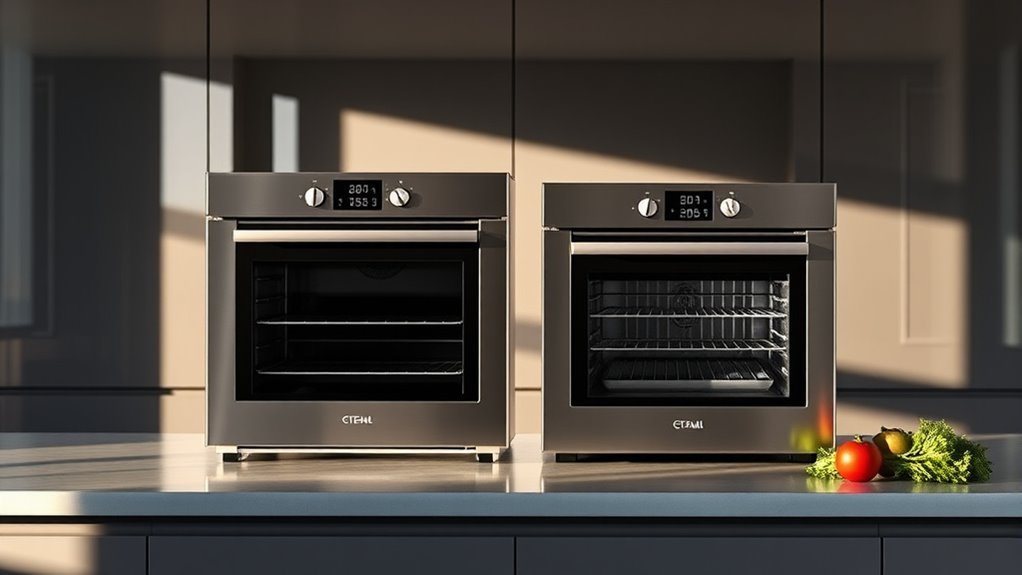
Oven and Steam Oven: A Complete Buying Guide
Are you overwhelmed by the countless oven options and unsure which one is right for your kitchen? You’re not alone—many people struggle with choosing the perfect appliance that fits their cooking style and space.
Luckily, understanding the differences can make your decision much easier.
You’ll want to choose between a traditional oven, which uses electric or gas heat for consistent baking and roasting with crispy results, and a steam oven, which cooks with moist steam to preserve nutrients and keep food tender.
Traditional ovens are energy efficient and great for browning, while steam ovens excel at steaming and maintaining moisture.
Consider your cooking style, kitchen space, and budget to find the best fit.
Understanding these key differences helps you pick the perfect oven for your needs.
Key Takeaways
- Traditional ovens use dry heat for baking and roasting, providing consistent temperatures and good browning. Steam ovens cook with moist heat, which helps preserve texture and nutrients.
- Steam ovens are great for vegetables, seafood, and moist dishes. On the other hand, traditional ovens are better for crispy textures and high-temperature roasting.
- When choosing, consider oven size, energy efficiency, cooking features, safety options, and how easy they are to maintain. Think about your cooking style and kitchen space.
- Installing a steam oven requires measuring your space, checking ventilation clearance, and considering water connections. This ensures it fits well and works properly.
- Prices vary a lot. Traditional ovens usually cost $300 to $1,500, while steam ovens range from $1,000 to over $3,000. Balance your budget with the features you want.
How Does a Traditional Oven Work?
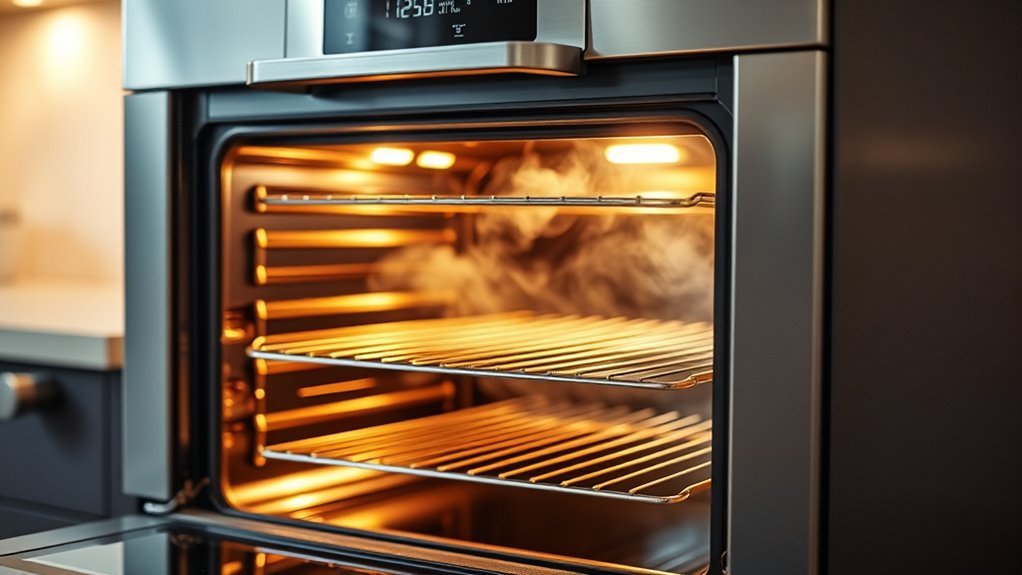
Although traditional ovens might seem simple, they use a straightforward heating method that guarantees your food cooks evenly. You’ll find that among oven types, traditional ovens rely on electric or gas heating elements that warm the air inside the cavity. This hot air circulates around your dish, transferring heat until your food reaches the desired temperature.
Because the heat source is either at the top, bottom, or both, you can control how your food cooks by adjusting the temperature and rack position. When considering cooking efficiency, traditional ovens perform well for most everyday tasks.
They maintain consistent heat, which helps bake, roast, and broil your meals effectively. However, they might take longer to preheat and cook compared to newer oven models with advanced features. Still, if you want reliable results without complexity, traditional ovens offer a solid balance between simplicity and efficiency.
How Does a Steam Oven Work?
When you turn on a steam oven, water inside heats up really quickly and turns into steam. This steam then fills the inside of the oven, surrounding your food completely.
Because of this, your food cooks evenly all around, and it stays nice and moist. Plus, steaming helps preserve more nutrients compared to other cooking methods. So, knowing how it works can help you appreciate why steam ovens are such a great choice for healthier, juicier meals.
Steam Generation Process
Since steam ovens rely on precise moisture control, understanding how they generate steam helps you get the best results. They heat water to a specific temperature, turning it into steam that surrounds your food evenly.
The water temperature is carefully regulated to produce consistent steam without overheating. This creates ideal cooking conditions that boost flavor retention and improve texture.
| Step | Description | Importance |
|---|---|---|
| Water Heating | Water heats to boiling point | Ensures enough steam forms |
| Steam Release | Steam is released into the oven | Keeps the cooking environment moist |
| Temperature Control | Maintains the right water temperature | Prevents overheating and preserves food quality |
Knowing how this works helps you see how steam ovens generate precise steam for better cooking results.
Cooking Mechanism Explained
Understanding how a steam oven works helps you make the most of its unique cooking capabilities. Unlike traditional ovens that use dry heat, a steam oven combines water vapor with controlled heat to cook food evenly.
This method improves heat distribution, ensuring your meals stay moist and flavorful without drying out. The gentle steam allows for versatile cooking techniques, from baking and roasting to reheating and proofing dough.
Because steam penetrates food more effectively, it reduces cooking times and preserves nutrients and texture. By mastering how your steam oven operates, you can try healthier recipes and enjoy tender, flavorful results every time.
Pros and Cons of Traditional and Steam Ovens
Although both traditional and steam ovens have their perks, the right choice depends on how you cook and the results you want. Traditional ovens are reliable and versatile, great for roasting and baking with crispy textures.
Steam ovens shine in enhancing flavor and keeping food moist, especially for vegetables and fish. They usually cost more and need more maintenance, while traditional ovens can sometimes dry out food.
| Feature | Traditional Oven | Steam Oven |
|---|---|---|
| Oven Efficiency | Consistent heat, energy efficient | Uses water, slightly less efficient |
| Cooking Techniques | Baking, roasting, broiling | Steaming, baking with steam |
| Flavor Improvement | Caramelization, browning | Boosts natural flavors, moisture |
| Food Texture | Crispy, browned exterior | Moist, tender interior |
| Maintenance | Easy to clean | Regular descaling needed |
Pick based on your cooking style and the results you prefer.
Which Cooking Tasks Are Best for Each Oven?
You’ll notice that traditional ovens are great for baking and roasting. They give you that nice crispy texture and even browning that’s hard to beat. Whether you’re baking bread, cookies, or roasting meats, these ovens do a fantastic job.
Steam ovens, on the other hand, are perfect for steaming vegetables and keeping dishes moist. They’re especially handy if you want to preserve nutrients and achieve a tender, juicy result. Knowing what each oven does best can really help you pick the right one for your cooking style and what you want to make.
Baking And Roasting Differences
When choosing between baking and roasting, the main difference is how heat interacts with your food. Baking uses steady, moderate heat to cook items evenly. It’s perfect for bread, cakes, and pastries.
Roasting involves higher temperatures, which help brown and caramelize the surface. This enhances flavor and texture in meats and vegetables.
Use your conventional oven for baking, where controlled heat ensures delicate results. For roasting, higher temperatures are key to developing that appealing crust.
Knowing these differences helps you set the right oven temperature so your dishes turn out just right. Both methods work well in your oven but serve different purposes based on the food and desired outcome.
Steaming Benefits And Uses
Since steaming preserves moisture and nutrients, it’s perfect for cooking delicate foods like fish, vegetables, and dumplings. This method boosts flavor and keeps nutrients intact, making your meals healthier and tastier.
Steaming also helps with food safety by cooking ingredients evenly without drying them out. Whether you’re preparing meals or trying out new recipes, steaming is a simple, effective way to keep food moist and maximize health benefits.
| Cooking Task | Best for Steaming Because… |
|---|---|
| Vegetables | Keeps vibrant color and crunch |
| Fish & Seafood | Maintains delicate texture |
| Dumplings & Buns | Prevents drying, keeps softness |
Use steaming to elevate your dishes easily and confidently.
Oven Versatility Comparison
Steaming offers great benefits for certain foods, but ovens provide a wider range of cooking options that suit different tasks. In terms of baking techniques, traditional ovens excel at browning, roasting, and crisping, giving you more control over texture and flavor.
Steam ovens, on the other hand, shine in cooking efficiency by preserving moisture and nutrients. They’re ideal for vegetables and delicate dishes that benefit from gentle cooking. If you want crispy crusts or caramelized edges, a conventional oven is your best bet.
However, steam ovens use less energy and are great for quick, healthy meals. Ultimately, your choice depends on your cooking style—go for an oven if you want versatility, or pick a steam oven if you prefer efficient, gentle cooking with better nutritional retention.
Essential Features to Consider When Buying an Oven
Choosing the right oven means focusing on a few key features that match your cooking style and kitchen space. Start by considering the cooking capacity—make sure it can handle the size and amount of meals you usually make.
A larger oven is great for families or if you like to entertain, while a smaller one is perfect for singles or couples. Next, check the energy efficiency rating to save on utility bills and be more eco-friendly.
Energy-efficient ovens not only cut costs but also keep temperatures steady for better cooking results. Other things to look at include easy controls, accurate temperature settings, and safety features like automatic shut-off.
Also, think about cleaning options. Self-cleaning ovens can save you time and effort. By focusing on these essentials, you’ll find an oven that fits your lifestyle and performs reliably for years to come.
How to Choose the Best Oven for Your Kitchen and Cooking Needs
Looking to pick the perfect oven for your kitchen? First things first, take a good look at the space you have available. You want to make sure whatever you choose fits comfortably without cramping your kitchen layout.
Next, think about what kind of cooking you do most often. Are you someone who loves baking cookies and cakes all the time? Or do you prefer roasting vegetables and grilling meats? Knowing your cooking style helps you select an oven that really suits your needs and makes your time in the kitchen more enjoyable.
Matching your oven to both your space and your cooking habits will definitely make a difference in how happy you are with your new kitchen addition.
Kitchen Space Considerations
Although ovens come in various sizes and styles, your kitchen’s available space plays a crucial role in choosing the right model. Take time to assess your kitchen layout to see where an oven can fit without disrupting the workflow or crowding other appliances.
Measure the size of the oven you’re considering and compare it with the space you have, including room for ventilation and door opening. Built-in ovens need precise dimensions, while freestanding models tend to offer more flexibility.
Don’t forget to evaluate your countertop space and cabinet arrangements. Make sure there’s easy access and safe operation when placing your oven. Aligning your choice with your kitchen layout helps create a functional, spacious, and efficient cooking area.
Paying attention to space details can help you avoid costly adjustments later on and ensure your new oven fits seamlessly into your kitchen.
Cooking Style Preferences
Since your cooking style directly impacts the types of dishes you prepare most often, it’s important to choose an oven that matches your culinary habits.
If you love roasting and baking, a conventional oven with even heat distribution will help you get great results. For those who enjoy experimenting with different flavors, a steam oven adds moisture and preserves nutrients, making it perfect for delicate dishes like fish or steamed vegetables.
If crispy textures are your thing, consider ovens with convection settings to circulate hot air evenly. Matching your oven to your cooking style ensures you get the best results every time, whether you’re baking bread, roasting meats, or steaming healthy meals.
Choosing the right oven helps turn your kitchen into a space where your favorite flavors truly shine.
Installation and Space Tips for Your Oven
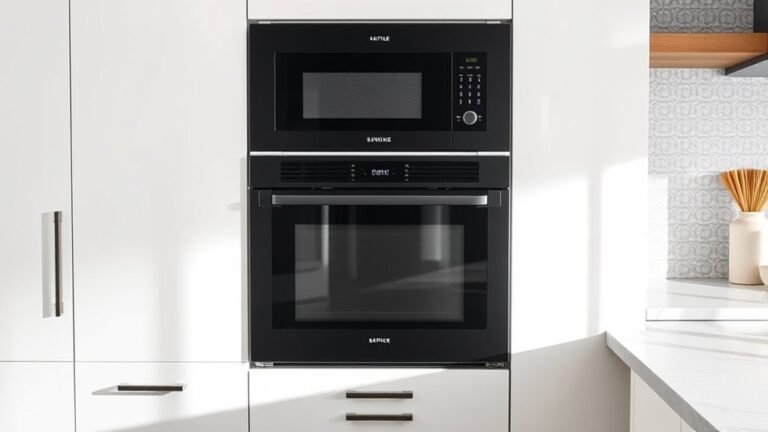
When you plan your oven installation, making sure there’s enough clearance and proper ventilation is key for safety and performance. Start by measuring the oven dimensions carefully to ensure your kitchen space can fit the unit without feeling crowded.
Check the specific installation requirements for your oven model, including electrical or gas connections, so you’re not caught off guard during setup. Leave enough room around the vents to prevent overheating and keep airflow flowing efficiently.
Always review your oven’s electrical or gas needs and ensure proper vent clearance for safe, efficient operation.
Position your oven at a comfortable height and in a spot that’s easy to access without blocking other kitchen tasks. If you’re installing a steam oven, keep in mind it might need extra space for water connections and steam release.
Taking these installation tips seriously will save you time and money, helping your oven last longer and work better. With some proper planning, your oven will fit smoothly into your kitchen, making your cooking experience safer and more convenient for years to come.
Easy Maintenance Tips for Traditional and Steam Ovens
Keeping your oven in prime condition doesn’t have to be complicated. Establish simple cleaning routines to prevent buildup and guarantee peak performance.
For traditional ovens, wipe spills promptly after each use and deep clean once a month to avoid stubborn stains. Steam ovens need special attention to their water reservoirs; empty and clean them weekly to prevent mineral deposits.
Pay attention to the maintenance frequency recommended in your oven’s manual. It varies by model but usually involves checking seals, fans, and filters every few months. Regularly inspect door seals to keep heat in and reduce energy waste.
For steam ovens, descale the system as advised to maintain steam quality. Avoid using harsh chemicals; opt for mild detergents and soft cloths to protect surfaces.
Price and Value Comparison of Ovens and Steam Ovens
Although steam ovens often come with a higher upfront cost compared to traditional ovens, they offer unique features that can justify the investment based on your cooking needs. When looking at budget options, traditional ovens tend to be more affordable and practical for everyday cooking.
If you’re after precision and healthy cooking, steam ovens provide great value despite the higher price. Brand choices also matter—some brands offer competitive prices on steam ovens with advanced features, while others focus on durable, cost-effective traditional models.
| Oven Type | Price Range | Value Highlights |
|---|---|---|
| Traditional | $300 – $1,500 | Affordable, versatile |
| Steam Oven | $1,000 – $3,000+ | Healthier cooking, precision |
| Budget Option | $300 – $700 | Basic features, reliable |
| Premium Brands | $1,200 – $3,000+ | Advanced tech, warranty |
Think about your priorities to find the best fit for your kitchen and budget.
Final Thoughts: Picking the Perfect Oven for You
Since your cooking style and budget vary, choosing the perfect oven means balancing features, price, and your specific needs. Start by considering different oven styles—traditional, convection, or steam ovens—each offers unique benefits depending on how you cook.
If you value faster cooking and even heat, convection might suit you. For healthier meals and moisture retention, a steam oven is ideal. Don’t forget to check energy efficiency ratings; an efficient oven saves you money and reduces your environmental footprint over time.
Also, think about size and capacity to match your household and typical meal prep. Finally, weigh the features you’ll actually use against the cost to avoid overspending on extras you don’t need.
Frequently Asked Questions
Can Steam Ovens Help Retain Nutrients in Vegetables?
Yes, steam ovens can help you retain more nutrients in vegetables compared to traditional cooking methods.
Steam cooking uses moist heat, which helps preserve water-soluble vitamins and minerals that often get lost during boiling or roasting.
When you use a steam oven, you’re applying gentle heat that minimizes nutrient loss, so your veggies stay more nutritious and flavorful.
If keeping nutrients intact matters to you, steam ovens are a smart choice in the kitchen.
Are Steam Ovens Suitable for Baking Bread?
Yes, steam ovens are great for baking bread because they create a moist environment that improves the bread’s texture.
This moisture helps develop a crisp, golden crust while keeping the inside soft and airy. When you use a steam oven, you can combine traditional baking with steam injection to get better oven spring and crust formation.
Do Steam Ovens Require Special Water Filters?
Steam ovens don’t always require special water filters, but you should check your model’s guidelines.
Using good water quality helps prevent mineral buildup and can extend your steam oven’s lifespan. If your water is hard or has impurities, adding a filter is a smart move.
Keep up with filter maintenance to avoid clogs and ensure your steam oven performs consistently. Taking these steps helps your oven work efficiently and last longer.
Can I Use My Existing Cookware in a Steam Oven?
You can use most of your existing cookware in a steam oven, but it depends on the material.
Stainless steel, glass, and silicone work well because they handle moisture without any damage.
Avoid cast iron or non-stick pans that aren’t steam-safe, as they might degrade or warp over time.
Always check your cookware’s manufacturer guidelines to be sure it’s suitable for steam cooking.
That way, you’ll get the best results without risking damage to your pots and pans.
How Do Steam Ovens Impact Energy Consumption Compared to Traditional Ovens?
Imagine you’re cooking veggies in a steam oven, cutting cooking time by nearly half compared to a traditional oven. Steam ovens boost energy efficiency by heating food faster and more evenly, which means you use less electricity overall.
Because they retain moisture, you don’t need to cook as long or at as high a temperature. You’ll save energy and enjoy meals ready quicker, making them a smart choice for eco-friendly cooking.
Conclusion
Choosing between a traditional oven and a steam oven isn’t just about cooking. It’s about elevating your kitchen experience. Traditional ovens bring classic warmth, while steam ovens add a modern twist with gentle, moist heat.
Think of it as picking the right partner for your culinary adventures. With the right features and care, either option can turn everyday meals into delightful moments.
So, trust your instincts and get ready to create magic in your kitchen. Whether you choose a traditional oven or a steam oven, both can help you craft delicious dishes and make cooking more enjoyable.