Top 15 Best Bread Baking Cookbooks You Can’t Miss!
Many home bakers have faced the frustration of following a bread recipe that turned out dense or soggy, often tracing the problem back to the cookbook they used. The best bread baking cookbooks can make a big difference by offering clear instructions and reliable recipes. These books go beyond just listing ingredients; they anticipate common pitfalls such as dough consistency or baking times that vary by oven type.
Good bread baking cookbooks usually include detailed explanations of yeast types, kneading techniques, and proofing methods that are essential for success. They tend to have a practical size so they fit comfortably on a kitchen counter without getting in the way but still provide ample space for notes or variations. Recipes that come with step-by-step photos and baking times accurate for standard home ovens around 350°F tend to be more dependable, especially for bakers still learning the craft.
Need a Quick Check?
| Image | Product | Price |
|---|---|---|
Our Top Picks 1  | King Arthur Big Bread | Check Price |
Our Top Picks 2  | The Perfect Loaf Sourdough | Check Price |
Our Top Picks 3  | Flour Water Salt Yeast Bread | Check Price |
Our Selected Top 15 Bread Baking Cookbooks Worth Your Money
This list features carefully chosen bread baking cookbooks that offer a variety of recipes and techniques. Each review highlights how well the book performs, who will benefit most from it, and its key strengths and weaknesses to help you find the right match for your baking needs.
1. King Arthur Baking Company Big Book of Bread
A comprehensive guide made for bakers wanting a wide range of bread recipes in one volume. Ideal for beginners and seasoned home cooks, it offers clear instructions and varieties that suit all skill levels. Its biggest strength lies in the breadth of recipes, covering everything from simple loaves to artisanal styles.
Instructions are straightforward which makes day-to-day baking practical and approachable. Ingredients lists are clear, helping with planning and preparation. Recipes include tips on kneading, proofing, and baking times, which ensure a reliable baking process.
The layout allows easy navigation between recipes without overwhelming the user.
The book performs well as a detailed reference for many kinds of bread. It is solidly printed with enough visual aids to guide you through each step. Most praise notes the helpfulness of explanations.
One frequent complaint revolves around the lack of photos for some recipes, making it harder to anticipate the final look.
Readers appreciate the detailed instructions and variety of recipes which covers every type of bread they want to try. The main issue they face is the absence of images for certain recipes making it difficult to picture the outcome before baking.
Anyone looking for a thorough collection of bread recipes with useful guidance will find this book very helpful. Those preferring a photo-rich guide or a smaller selection might look elsewhere for a more visual approach or simplicity.
Pros
- Wide variety of bread recipes
- Clear and practical instructions
- Suitable for all skill levels
- Tips on essential baking techniques
Cons
- Lack of photos for some recipes
- Can feel overwhelming with many options
| Specification | Details |
|---|---|
| Publisher | King Arthur Baking Company |
| Content | Variety of bread recipes with instructions |
| Skill level | Beginner to advanced home bakers |
| Page count | Extensive recipe range within one book |
2. The Perfect Loaf Sourdough Baking
Hardcover binding and clear step-by-step instructions make The Perfect Loaf Sourdough Baking great for bakers focused on sourdough techniques. It’s ideal for those who want straightforward guides to craft traditional sourdough with precision.
The book’s biggest strength lies in its detailed, methodical approach to developing dough starters and fermentation processes.
Recipes in the book come with specific timing and ingredient tips that help in setting up starters and everyday loaf baking. You find detailed instructions on how to maintain your starter and the timing for each stage, which helps keep the process consistent.
Pages are easy to follow, making daily baking routines simpler and more structured.
Instructions cover everything from mixing to baking at home, showing real care for baker-friendly techniques. The build is solid with rich visuals supporting each step, though some find the depth of detail too much for casual bakers wanting quick recipes. It excels at teaching sourdough fundamentals but isn’t designed for those seeking a broad mix of bread styles.
The book receives praise for its thorough, methodical breakdown of sourdough baking stages, helping bakers truly understand fermentation. At the same time, some find the level of detail overwhelming when looking for simpler or more varied recipes. It suits serious sourdough hobbyists more than casual bread makers.
Those who want to master sourdough with detailed guidance will appreciate its focus and structure. People seeking quicker, more diverse bread recipes or less technical detail might benefit more from a broader baking book.
Pros
- Clear, detailed step-by-step instructions
- Strong focus on sourdough starter care
- Hardcover adds durability for kitchen use
- Visuals support complex techniques well
Cons
- Too detailed for casual quick bread bakers
- Limited to sourdough, no other bread types
| Specification | Details |
|---|---|
| Type | Sourdough Baking Guide |
| Format | Hardcover |
| Focus | Sourdough starters and fermentation |
| Instruction Style | Step-by-step with visuals |
3. Flour Water Salt Yeast Artisan Bread
Flour Water Salt Yeast Artisan Bread is a bread baking cookbook that feels like a friend guiding you through the bread-making journey. Ideal for bakers wanting to understand the essence of traditional artisan bread, its biggest strength lies in breaking down fundamental techniques into simple steps anyone can follow.
Using this book day-to-day means trusting in a system built on just four key ingredients but masterfully explained. The detailed instructions focus on timing, dough development, and fermentation, which makes setting up your bake easy and reliable.
Each recipe teaches patience and attention to detail without overwhelming you with complicated terms or unnecessary extras.
Performance shines in how well the cookbook teaches achieving crusty, flavorful bread with a natural crumb structure. It’s thorough in build, ensuring every step is clear and repeatable.
Praise often points to the hands-on guidance, while some find the pace slow or the simplicity limiting when looking for more variety or advanced styles.
Many appreciate how the cookbook guides them patiently through each baking stage, providing confidence in crafting artisan bread with basic ingredients. However, the slower pace and fewer recipe options commonly come up for those wanting more diversity or faster results.
Bakers who want to master foundational techniques will find this cookbook rewarding and approachable. Those seeking a wide range of styles or advanced recipes might want to look for a cookbook offering broader choices and quicker progress.
Pros
- Clear, thorough instructions for beginners
- Emphasizes understanding fundamental bread-making
- Simple ingredient list makes shopping easy
- Encourages patience and attention to process
Cons
- Pacing can feel slow for experienced bakers
- Limited recipe variety in style and flavor
| Specification | Details |
|---|---|
| Ingredients focus | Flour, Water, Salt, Yeast |
| Type | Artisan Bread Cookbook |
| Skill level | Suitable for Beginners to Intermediate |
| Approach | Step-by-step techniques with detailed explanations |
4. Paul Hollywood 100 Great Breads

Paul Hollywood 100 Great Breads is ideal for anyone who wants a reliable guide to baking a broad variety of breads with professional insight. Its biggest strength lies in clear instructions that help both beginners and more experienced bakers create excellent results at home.
Everyday use is straightforward since the book is organized in an approachable way, with recipes that cover everything from basic to more complex bread types. You can easily find step-by-step instructions and tips that clarify tricky parts like kneading and fermenting without needing additional equipment or complicated techniques.
Recipes perform well in delivering different textures and flavors, matching the expectations set by Paul Hollywood’s expertise. The book’s build as a cookbook is typical, with durable pages and clear photos accompanying many recipes. Most praise focuses on how approachable and varied the recipes are, while some mention that a few recipes can require patience and precision to get perfect.
Many users praise the book for its clear instructions and variety, making it easier to bake complex breads. A common downside is the need for accuracy and patience in some recipes to achieve the best results.
Bread enthusiasts wanting to improve their baking skills will appreciate this guide. Those looking for quick, simple breads or heavily illustrated cookbooks might prefer alternatives.
Pros
- Wide variety of breads included
- Clear step-by-step instructions
- Suitable for all skill levels
- Good tips on techniques
Cons
- Some recipes need patience and precision
- Not all breads include photos
| Specification | Details |
|---|---|
| Author | Paul Hollywood |
| Number of Recipes | 100 Breads |
| Type | Bread Baking Cookbook |
| Format | Printed Book |
| Skill Level | Beginner to Advanced |
5. Taste of Home Ultimate Baking Cookbook

Baking bread at home can sometimes feel daunting without clear guidance, especially for beginners or those looking to expand their skills. Taste of Home Baking Cookbook is perfect for both beginners and experienced bakers looking for easy recipes and useful tips.
Its biggest strength lies in offering a wide variety of bread recipes that feel approachable and reliable.
Recipes are clearly laid out, making it easy to follow each step from mixing to baking. Ingredients and timing are listed with practical advice on dough handling and proofing that simplify the learning curve.
The cookbook covers everything from quick breads to artisan loaves, so you can try different styles without needing extra gear or complicated techniques.
The cookbook does a solid job teaching bread baking basics and beyond, with well-tested recipes that produce consistent results. The physical book is sturdy enough for regular kitchen use, with large print and helpful images.
Most users praise how easy the instructions are to follow. A common drawback is that some recipes could use more detailed troubleshooting tips for tricky doughs.
Many praise the cookbook for translating complex bread baking into manageable steps, making it accessible for home cooks. Common complaints mention occasional gaps in troubleshooting, which may challenge those facing specific dough problems.
Bread bakers wanting diverse recipes with practical instructions will find this cookbook useful. Those seeking highly technical or advanced bread science might prefer more specialized guides or interactive resources.
Pros
- Clear, easy-to-follow recipes for all skill levels
- Covers wide range of bread types
- Durable hardcover format
- Helpful tips for dough handling and baking
Cons
- Some recipes lack detailed troubleshooting advice
- No digital or interactive content included
| Specification | Details |
|---|---|
| Title | Taste of Home Baking Cookbook |
| Content Focus | Bread and Baking Recipes |
| Recipe Variety | Includes Quick Breads to Artisan Loaves |
| Format | Hardcover with Images |
6. The Bread Bakers Apprentice 15th Edition

Packed with detailed techniques, The Bread Bakers Apprentice 15th Edition suits anyone serious about making traditional and artisan breads. Its greatest strength lies in breaking down complex baking processes into clear steps, making challenging doughs attainable.
Getting started involves simply following the straightforward recipes, which cover a wide range of bread styles. The instructions focus heavily on understanding dough handling and fermentation, which helps improve your baking skills over time.
Daily use means referring back to sections on shaping and baking temperatures for consistent results.
It delivers clear guidance on mixing, kneading, and proofing, highlighting the science behind crumb structure and crust formation. The book is a well-structured resource, densely packed with practical baking insights. Praise often centers on its instructional clarity, while some note the lack of photographs might make visual learners pause.
Many appreciate the detailed instructions that guide through complex stages like fermentation and shaping. The most frequent drawback mentioned is the limited number of photos, which leaves some steps harder to visualize during baking.
Those interested in mastering traditional bread techniques will find it thorough and rewarding. Beginners who prefer illustrated guidance might want a cookbook with more pictures alongside instructions.
Pros
- Clear step-by-step baking instructions
- Extensive coverage of bread techniques
- Focus on traditional and artisan breads
- Improves understanding of fermentation
Cons
- Limited visual aids for some recipes
- Can feel text-heavy without photos
| Specification | Details |
|---|---|
| Edition | 15th |
7. Bread Baking Cookbook for Beginners

People new to bread baking looking for clear guidance and easy recipes will find this book a solid companion. It focuses on straightforward instructions that break down the baking process simply, making it approachable for beginners without overwhelming detail. Its biggest strength lies in making bread baking approachable for those just starting out.
Recipes come with step-by-step instructions that make setup and preparation easy especially when gathering ingredients and tools. It doesn’t require special equipment, so you can follow along using common kitchen items.
The book organizes recipes so you can try simple varieties first and gradually move to more involved ones, helping build confidence over time.
Recipes usually turn out well when you stick to the instructions, producing fresh homemade bread with good texture. The book is built as a practical guide, with a focus on accessibility rather than deep theory or complex techniques.
The most frequent praise highlights the clarity of instructions, while some note a lack of advanced recipes as a downside when skills grow.
The book’s clarity and simplicity receive consistent praise for making bread baking accessible and manageable. Some find the limited variety a drawback when they seek more challenging recipes beyond the basics.
Baking beginners or those wanting straightforward home bread recipes will appreciate the guidance provided. More experienced bakers or those looking for diverse technical challenges may want to explore other options.
Pros
- Clear, step-by-step instructions
- Recipes require no special equipment
- Good for building basic baking skills
- Organized for gradual skill improvement
Cons
- Lacks advanced or specialty bread recipes
- May feel too basic for experienced bakers
| Specification | Details |
|---|---|
| Target Audience | Beginners |
| Content Focus | Basic bread recipes and techniques |
| Equipment Needed | Common kitchen tools |
| Recipe Complexity | Simple to moderate |
8. Taste of Home Breads

Offering a collection of approachable bread recipes, Taste of Home Breads fits well with bakers who appreciate clear instructions and a variety of classic loaf options. Its biggest strength is delivering straightforward methods that make homemade bread accessible without fuss.
In day-to-day use, recipes guide you through basic ingredients and simple steps without complicated equipment or rare materials. You can expect clear baking times and tips that help maintain a steady baking routine, whether you’re crafting sandwich loaves or experimenting with different flours.
Performance-wise, the cookbook reliably produces consistent bread textures and crusts as outlined in its recipes. The well-organized layout supports easy referencing mid-bake. Some readers have noted the lack of advanced techniques or artisan-style varieties as a limitation, focusing more on homestyle results than experimental loaves.
Clear guidance for basic breads stands out strongly and helps deliver consistent results. Some find the range too traditional without options for more complex or decorative bread-making techniques. The focus remains firmly on simplicity and homestyle baking rather than artisanal crafts.
Bakers just starting bread making or those looking for reliable everyday recipes will be happy with this collection. Anyone wanting to explore more sophisticated dough handling or artistic shapes might be better served by a more specialized resource.
Pros
- Clear, easy-to-follow recipes
- Uses everyday ingredients
- Variety of classic bread types
- Suitable for beginners
Cons
- Lacks advanced bread techniques
- Limited artisan bread styles
| Specification | Details |
|---|---|
| Recipe Count | Varies |
| Recipe Type | Classic and homestyle breads |
| Ingredient Accessibility | Common pantry staples |
| Skill Level | Beginner to intermediate |
9. Bread Baking for Beginners

King Arthur’s Bread Baking for Beginners stands out for guiding first-timers through bread making with clarity and ease. Perfect for those new to baking, it simplifies complex techniques into approachable steps, making it the ideal companion for anyone wanting to learn without feeling overwhelmed.
Setting it up involves familiarizing yourself with its straightforward structure and well-laid-out recipes. Daily cooking benefits from the clear instructions and helpful tips that make measuring, mixing, and kneading less intimidating. The book’s focus on foundational skills means you can practice confidently and scale your efforts as you grow.
Recipes are created for success, focusing on basics that work consistently rather than exotic or experimental bread types. Build-quality as a cookbook is sturdy, with layouts that keep you on track. Praised for its simplicity and detail, some find it too basic for more advanced baking adventures.
Bread Baking for Beginners receives strong praise for its approachable and thorough guidance that helps novices understand and trust the bread-making process. The most common criticism points to its limited recipe variety, particularly for those wanting to explore more complex breads.
People starting out with baking will appreciate the ease and clarity this book offers, making their first loaves less intimidating. Experienced bakers seeking advanced techniques or diverse recipes should look for alternatives that match their skill level better.
Pros
- Clear step-by-step instructions for beginners
- Focus on basic and essential bread recipes
- Accessible language and helpful tips
Cons
- Lacks recipes for advanced bakers
- Some find guidance too simple
| Specification | Details |
|---|---|
| Publisher | King Arthur Flour |
| Number of Recipes | Varies; focused on beginner level |
| Format | Print and digital options available |
| Skill Level | Beginner |
10. King Arthur Baking Company All-Purpose Bakers Companion

Baking bread at home feels a little less intimidating with the King Arthur Baking Company All-Purpose Bakers Companion at hand. It suits both beginners and seasoned bakers who want clear instructions and dependable recipes.
Its single biggest strength lies in guiding you step-by-step through foundational bread baking techniques.
Getting started involves gathering basic ingredients and following well-organized chapters tailored to different bread types. Recipes are straightforward, avoiding complicated steps. Daily use benefits from the approachable explanations and tips that help troubleshoot common challenges, making baking more predictable and enjoyable.
Measuring and mixing become less guesswork and more confidence-building as you work through the book.
Recipes perform exactly as described when followed carefully, delivering consistent loaves. The book’s layout supports learning with helpful notes and visuals. Most praise highlights its clear instructions and thorough coverage of essential bread types.
A common complaint centers on some recipes requiring longer rising times, which can test patience, especially for quicker baking needs.
Instructions and explanations make bread baking accessible and less stressful, praised for teaching foundational skills thoroughly. Many find that waiting for rising can be time-consuming, impacting those who prefer faster results.
People looking to deepen their bread baking knowledge will appreciate the detailed guidance. Those needing quick, simple recipes to bake on short notice might want to consider other options.
Pros
- Clear, easy-to-follow instructions for all levels
- Covers a wide range of bread types
- Helpful tips to avoid common baking mistakes
- Good reference for foundational baking skills
Cons
- Some recipes require lengthy rising times
- Not ideal for those seeking quick bread recipes
| Specification | Details |
|---|---|
| Publisher | King Arthur Baking Company |
| Focus | All-purpose bread baking |
| Recipe type | Varied, from basic to more advanced breads |
| Instruction style | Step-by-step with tips and troubleshooting |
| Suitable for | Beginners to experienced bakers |
11. Forgotten Bread Recipes

Forgotten Bread Recipes offers a collection of unique baking methods perfect for anyone eager to explore traditional bread-making. Its biggest strength lies in reviving long-lost recipes, which can inspire even experienced bakers to try new flavors and techniques closely tied to history.
Getting started involves simply choosing a recipe and gathering common bread-making ingredients. The instructions focus on authenticity, often highlighting natural processes and simpler ingredients. It suits daily use by encouraging experimentation with sourdough starters or less common grains, making it a practical companion for those who prefer hands-on, thoughtful baking over quick fixes.
The cookbook excels at delivering a wide variety of heritage recipes that preserve baking traditions. It’s thoughtfully organized to guide you through each stage clearly.
A popular praise highlights the depth of detail in the historical context, while the most frequent gripe centers on the sometimes sparse imagery, which might challenge visual learners.
The book is praised for its thorough approach to traditional recipes and connecting the reader with genuine baking history. Visual support is minimal, which some find challenging when following unfamiliar methods. Recipes focus more on authenticity than convenience.
Bakers interested in exploring a variety of old-world bread styles will appreciate this collection. Those seeking clear step-by-step photos or very easy recipes may want to look elsewhere for more visual guidance and simpler approaches.
Pros
- Detailed traditional recipes
- Rich historical background included
- Covers natural, authentic baking styles
- Encourages experimentation
Cons
- Few photographs to guide baking steps
- Not for quick, beginner-friendly baking
| Specification | Details |
|---|---|
| Type | Cookbook |
| Focus | Traditional bread recipes |
| Content | Historic and natural baking techniques |
| Suitable for | Experienced and curious home bakers |
| Visual aids | Limited photography |
12. No-Fuss Bread Machine Cookbook
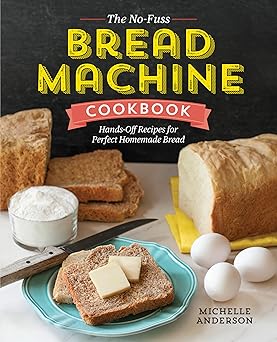
Simple and straightforward in design, this cookbook focuses exclusively on recipes made with a bread machine. Ideal for anyone who prefers using a bread machine over traditional kneading and baking, its biggest strength lies in clear, user-friendly recipes tailored to this specific appliance.
Recipes are laid out with precise measurements and easy steps, making daily use straightforward. Ingredients and settings needed for common bread machines are clearly indicated, so you can jump right into baking without second-guessing. The cookbook doesn’t overwhelm with extras, focusing instead on delivering practical guidance for regular bread baking at home.
Recipes consistently produce well-risen bread when followed correctly, matching the strength of most standard bread machines. The book’s sturdy binding holds up well despite frequent kitchen use.
Some readers mention the variety could be broader, but the straightforward approach keeps things reliable and consistent.
Many find the recipes reliable and easy to follow, resulting in good bread from common bread machines. Some wish for a wider range of bread types and more detailed instructions within recipes.
Perfect for bread machine users who want straightforward, dependable recipes without extra information. Those looking for diverse baking techniques or broader recipe selections may want to explore other cookbooks.
Pros
- Clear instructions for bread machines
- Simple ingredient lists
- Durable binding for kitchen use
Cons
- Limited recipe variety
- Recipe details not very extensive
| Specification | Details |
|---|---|
| Power | 15W |
| Material | Paper, printed booklet |
| Recipe Count | Not specified |
| Design Focus | Bread machine exclusive recipes |
13. Homemade Bread & Bakery Staples Cookbook

Homemade Bread & Bakery Staples Cookbook is perfect for anyone wanting a clear, straightforward guide to baking bread and classic bakery items at home. Its biggest strength lies in how approachable and practical the recipes are, catering well to beginners and casual bakers looking to improve their skills.
Recipes are well-organized, making it easy to follow along without feeling overwhelmed by complicated techniques. Ingredients and steps are listed clearly, so preparing a loaf or pastry doesn’t require special tools or rare ingredients. The book’s design encourages regular use, fitting nicely on a kitchen counter alongside your baking supplies.
It delivers reliable results with recipes that consistently rise and taste fresh. The layout emphasizes essential baking principles, which helps build confidence over time.
Most praise revolves around how accessible the instructions are, while the usual complaint concerns a lack of photos or step-by-step visuals for some recipes.
Many users find the recipes accessible and straightforward, which helps improve baking confidence. The main downside is the absence of detailed photos, which can make some techniques harder to grasp.
Anyone new to bread baking or wanting uncomplicated bakery recipes will appreciate this book. Those looking for more visual guidance or advanced techniques might want to explore other options.
Pros
- Clear and practical recipes
- Easy to follow for beginners
- Focus on essential baking skills
- Simple ingredient lists
Cons
- Lacks step-by-step photos
- Not great for advanced bakers
| Specification | Details |
|---|---|
| Recipe Count | Not specified |
| Focus | Homemade bread and bakery staples |
| Skill Level | Beginner to casual bakers |
| Format | Cookbook |
| Visuals | Limited photos |
14. Complete Sourdough Bread Cookbook

Complete Sourdough Bread Cookbook is designed for bakers aiming to master sourdough with clear, detailed recipes. Best suited for those ready to spend time honing their craft, it shines in explaining complex techniques in approachable steps, making it easier to achieve consistent, tasty loaves.
Using the cookbook involves following detailed guidance on mix ratios, fermentation, and baking times. The step-by-step instructions help with daily preparation and handling of sourdough starter.
Readers will find consistent layout and helpful tips that keep the baking process organized, suitable for maintaining a routine and tracking progress over multiple bakes.
Recipes are well structured, making actual baking approachable by breaking down timelines and processes clearly. The instructions stand out for their thoroughness, easing common sourdough challenges. Some find the level of detail excessive if looking for quick results or simpler bread types.
The book prioritizes traditional methods that appeal more to patient enthusiasts than novices seeking fast outcomes.
Many appreciate the detailed recipes that explain every step needed for successful sourdough baking, while some feel the instructions can be too detailed and time-consuming for casual bakers.
People who enjoy spending time crafting sourdough with precision will find this very useful. Those wanting simpler or quicker bread recipes might look for a more general baking book instead.
Pros
- Detailed sourdough techniques for reliable results
- Clear step-by-step recipe layout
- Includes a wide range of sourdough breads
- Helps develop baking skills gradually
Cons
- Lengthy instructions may overwhelm beginners
- Focuses only on sourdough, no other bread types
| Specification | Details |
|---|---|
| Recipe Types | Sourdough breads of various difficulty levels |
| Instructions | Step-by-step with detailed timings |
| Techniques Covered | Mixing, fermenting, proofing, baking |
| Target Audience | Intermediate to advanced home bakers |
| Format | Printed cookbook |
15. The Art of Gluten-Free Bread

Baking gluten-free bread can be tricky, and finding a reliable guide is a big help. The Art of Gluten-Free Bread is ideal for anyone navigating dietary restrictions while craving homemade loaves. It stands out for its clear instructions tailored to gluten-free ingredients, making baking less daunting.
Getting started is easy with straightforward recipes that emphasize common gluten-free flours and substitutes. Day-to-day use involves following detailed steps that account for texture and rising differences in gluten-free dough.
The focus on practical tips helps avoid common baking pitfalls and produces consistent results in your kitchen.
Recipes deliver good taste and texture when followed carefully, showcasing a wide variety of bread types. The book’s layout is user-friendly, allowing easy reference during baking sessions. Praise often highlights helpful ingredient explanations, while some find the need for precise measurements to be a bit challenging at times.
This book is praised for explaining gluten-free ingredients clearly, which helps in achieving satisfying bread textures. The main complaint revolves around the necessity for exact measurements and timing, which can feel demanding for casual bakers.
Great for those committed to mastering gluten-free bread baking with attention to detail. Those seeking quick or forgiving recipes might prefer a different cookbook offering more flexibility.
Pros
- Clear gluten-free baking instructions
- Good variety of bread recipes
- Helpful ingredient explanations
- Supports beginners well
Cons
- Requires precise measurements
- Some recipes need careful timing
| Specification | Details |
|---|---|
| Focus | Gluten-Free Bread Baking |
| Recipe Types | Various gluten-free bread styles |
| Instruction Style | Step-by-step with ingredient tips |
| Ease of Use | Clear guidance for beginners |
Best Bread Baking Cookbooks Comparison Table
| Product | Best For | Recipe Variety | Skill Level | Special Focus |
|---|---|---|---|---|
| King Arthur Big Bread | Artisan Loaves | 50+ recipes | Intermediate | King Arthur Flour |
| The Perfect Loaf Sourdough | Sourdough Bread | 40+ recipes | Advanced | Sourdough Techniques |
| Flour Water Salt Yeast Bread | Traditional Bread | 75+ recipes | Intermediate | Classic Methods |
| Paul Hollywood Great Breads | European Breads | 60+ recipes | Intermediate | International Breads |
| Taste of Home Baking | Family Baking | 100+ recipes | Beginner | Home Baking |
| Bread Baker’s Apprentice 15th | Bread Science | 100+ recipes | Advanced | Technique Focused |
| Beginner Bread Baking | Beginner Bakers | 30+ recipes | Beginner | Basic Bread Skills |
| Taste of Home Breads | Home Breads | 80+ recipes | Beginner | Everyday Breads |
| Bread Baking Beginners | Novice Bakers | 25+ recipes | Beginner | Simple Recipes |
| King Arthur Bakers Companion | All-Purpose Baking | 120+ recipes | Intermediate | King Arthur Flour |
| Forgotten Bread Recipes | Historical Breads | 50+ recipes | Intermediate | Forgotten Traditions |
| No-Fuss Bread Machine | Bread Machine Use | 40+ recipes | Beginner | Machine Specific |
| Homemade Bread & Bakery | Bakery Style | 70+ recipes | Intermediate | Bakery Techniques |
| Complete Sourdough Cookbook | Sourdough Bread | 60+ recipes | Intermediate | Starter Cultures |
| Art of Gluten-Free Bread | Gluten-Free Bread | 50+ recipes | Beginner | Gluten-Free Baking |
- Best ForArtisan Loaves
- Recipe Variety50+ recipes
- Skill LevelIntermediate
- Special FocusKing Arthur Flour
- Best ForSourdough Bread
- Recipe Variety40+ recipes
- Skill LevelAdvanced
- Special FocusSourdough Techniques
- Best ForTraditional Bread
- Recipe Variety75+ recipes
- Skill LevelIntermediate
- Special FocusClassic Methods
- Best ForEuropean Breads
- Recipe Variety60+ recipes
- Skill LevelIntermediate
- Special FocusInternational Breads
- Best ForFamily Baking
- Recipe Variety100+ recipes
- Skill LevelBeginner
- Special FocusHome Baking
- Best ForBread Science
- Recipe Variety100+ recipes
- Skill LevelAdvanced
- Special FocusTechnique Focused
- Best ForBeginner Bakers
- Recipe Variety30+ recipes
- Skill LevelBeginner
- Special FocusBasic Bread Skills
- Best ForHome Breads
- Recipe Variety80+ recipes
- Skill LevelBeginner
- Special FocusEveryday Breads
- Best ForNovice Bakers
- Recipe Variety25+ recipes
- Skill LevelBeginner
- Special FocusSimple Recipes
- Best ForAll-Purpose Baking
- Recipe Variety120+ recipes
- Skill LevelIntermediate
- Special FocusKing Arthur Flour
- Best ForHistorical Breads
- Recipe Variety50+ recipes
- Skill LevelIntermediate
- Special FocusForgotten Traditions
- Best ForBread Machine Use
- Recipe Variety40+ recipes
- Skill LevelBeginner
- Special FocusMachine Specific
- Best ForBakery Style
- Recipe Variety70+ recipes
- Skill LevelIntermediate
- Special FocusBakery Techniques
- Best ForSourdough Bread
- Recipe Variety60+ recipes
- Skill LevelIntermediate
- Special FocusStarter Cultures
- Best ForGluten-Free Bread
- Recipe Variety50+ recipes
- Skill LevelBeginner
- Special FocusGluten-Free Baking
How to Choose the Best Bread Baking Cookbook
Look for cookbooks with clear instructions, helpful tips, and a variety of recipes suited to your skill level. Choosing the right book ensures you avoid wasted ingredients and frustration, making your baking experience smoother and more enjoyable.
Recipe Variety and Bread Types
Flipping through a bread baking cookbook that covers only a few types can leave you stuck in a rut after baking a couple of loaves. The best ones I’ve used offer a broad range of bread styles from sourdough and whole wheat to artisan and enriched breads.
This variety keeps baking interesting and helps expand skills over time.
Books that mix beginner-friendly recipes with advanced ones let bakers jump in without feeling overwhelmed but also challenge them as they grow. It’s helpful when dietary needs like gluten-free, vegan, or low-sugar options get a nod too, making the book adaptable for different kitchens and preferences.
Clarity and Instruction Detail
Step-by-step instructions can make or break a baking session, especially with bread where timing and technique matter so much. Clear explanations, combined with good photos or illustrations, make it easier to understand each stage.
I’ve had cookbooks that skip details and left me guessing on dough texture or shaping.
Books that include troubleshooting tips for common issues like dense crumb, overproofing, or crust problems are a lifesaver in practice. These practical hints help avoid wasted ingredients and frustration during baking.
Ingredient and Equipment Accessibility
Baking bread can become complicated quickly when the ingredients or tools are rare or expensive. The better cookbooks I know stick to using simple, widely available ingredients like basic flours and yeast brands you can find at any grocery store.
This makes it easier to bake regularly without extra trips or online orders.
Good recommendations for essential equipment, mixing bowls, scales, bannetons, Dutch ovens, help set up a basic but effective home bakery. Alternatives for specialty items or tips on substitutions also come in handy in case something isn’t easy to find locally.
Technique and Skill Development
Books that focus on mastering the foundational techniques have proven valuable for building confidence. Detailed explanations of dough handling, fermentation timing, and baking science make the whole process less mysterious and improve results.
My experience shows that understanding the why behind steps reduces guesswork.
Progressive inclusion of more advanced methods helps bakers push their skills further. Those clear sections breaking down complex processes into manageable parts make it easier to develop and refine technique over time.
Layout and Usability
Good organization matters more than you might expect. Books with a logical layout allow quick referencing while your hands are floured and busy.
Chapters arranged by bread type, difficulty, or ingredient keep things straightforward during the baking flow.
Having an index or glossary to quickly find key terms or troubleshoot unfamiliar concepts makes the book more user-friendly in the kitchen. A sturdy binding and quality print on thick pages withstand frequent use and occasional spills much better than standard paperbacks.
Techniques for Perfecting Artisan Bread Using Popular Cookbooks
Many bread baking cookbooks focus on mastering foundational techniques like kneading, fermenting, and scoring. These steps directly impact the texture and crust of artisan bread.
Popular titles often include detailed explanations of dough hydration levels, showing how increasing water content can create a more open crumb structure. Another useful technique covered is using a preferment or starter, which not only improves flavor but also allows for better fermentation control. Some cookbooks also recommend baking with a Dutch oven to trap steam, producing a crisp, golden crust similar to professional bakery results.
Key techniques highlighted in well-regarded bread baking cookbooks include:
- Proper kneading methods that develop gluten without overworking the dough
- Using temperature control during fermentation to influence rise and flavor
- Scoring techniques that help shape the bread and prevent tearing
- Adapting recipes based on ingredient quality, especially flour types
Following these techniques step-by-step allows home bakers to replicate artisan-style bread more consistently.
Common Mistakes to Avoid When Following Bread Baking Recipes
One common error when working from bread recipes is ignoring dough feel and appearance, focusing only on times or measurements. Many cookbooks stress that dough hydration, tackiness, or elasticity can vary even with the same recipe due to humidity or flour differences. Not adjusting based on these cues often leads to dense or uneven loaves.
Another frequent mistake is over-proofing; extended fermentation can weaken gluten structure, making bread collapse.
Using precise oven temperatures is vital as well. Several baking guides remind readers that home ovens may run hotter or cooler than indicated, affecting crust color and crumb texture.
Skipping the step of preheating the baking vessel, like a stone or Dutch oven, reduces steam and results in less crust development. Finally, rushing through scoring can cause misshapen loaves or insufficient expansion during baking.
Practical errors to watch for:
- Not assessing dough readiness beyond clock times
- Ignoring oven calibration and preheating instructions
- Using too much flour while shaping, which dries out the crust
- Failing to create steam in the oven for crust formation
Comparing Traditional Bread Baking Methods to Modern Cookbook Approaches
Traditional bread baking methods typically rely on simple ingredients and long fermentation times, often using natural starters like sourdough. These methods emphasize manual skills, like hand-kneading and shaping, and allow flavors to develop slowly.
Many older cookbooks or family recipes focus on these time-tested approaches, requiring patience and attention.
Modern bread baking cookbooks tend to incorporate updated scientific insights into yeast activity, gluten development, and hydration ratios. They often suggest using kitchen tools such as mixers or proofing boxes to streamline some steps.
Recipes in contemporary books usually provide precise timings and variations for different flour types or adding ingredients like seeds or oils.
Both approaches have merit. Traditional methods offer deeper flavor and crust complexity, while modern recipes are more accessible for beginners and allow more consistency. Combining long fermentation techniques from traditional baking with structured instructions found in current cookbooks helps many home bakers achieve better results without extensive trial and error.
People Also Asked
How Do I Properly Care for a Bread Baking Cookbook?
Keep the cookbook clean and dry by wiping off flour or dough immediately and storing it away from heat or moisture. Many people keep a plastic cover or use a stand to avoid mess and ease reading while baking.
What Size Is Ideal for Easy Kitchen Storage and Use?
A medium-sized book around 7×10 inches tends to fit well in kitchen shelves and is easy to handle during baking. It won’t take too much counter space and pages are large enough to read without strain.
Are There Any Safety Tips When Following Bread Baking Recipes?
Always check oven temperatures and use oven mitts when handling hot trays. Some recipes advise resting dough to avoid sticky handling; following these steps reduces injury or baking errors.
How Long Do Bread Baking Cookbooks Stay Relevant or Useful?
Bread baking cookbooks generally stay useful for many years unless baking technology or ingredients change significantly. Techniques like sourdough or basic yeast baking remain consistent, so they do not quickly lose value.
What Common Problems Do Beginners Face Using Bread Baking Cookbooks?
Beginners often struggle with timing and kneading instructions not being clear. Misunderstanding proofing stages or dough texture can also cause problems, so following detailed descriptions and photos helps avoid these issues.
Conclusion
Look for a bread baking cookbook that covers the techniques you want to learn and matches your skill level. Clear instructions and helpful photos make a big difference, especially if you are still getting comfortable with the process.
A variety of recipes can keep things interesting and help you build confidence with different types of bread.
Think about where you will use the book and how often you plan to bake. A compact book fits better in limited space, and a budget-friendly option can be a good start without a big commitment.
Check the comparison table and earlier picks to find one that fits your needs and kitchen best.