Top 15 Best Fruit Trees to Grow Indoors for Fresh Harvests
Many people trying to grow fruit indoors end up with trees that struggle due to poor lighting or unsuitable pot size. The best fruit trees to grow indoors need the right balance of light exposure and container space to avoid root crowding and weak growth. Without these, even healthy seedlings can quickly become stunted or drop fruit prematurely, leaving you with a lot of extra effort and little reward.
A good indoor fruit tree usually requires at least six hours of bright, indirect sunlight or a dedicated grow light if natural light is limited. Pots should be large enough to support root development, typically around 12 to 16 inches in diameter for smaller fruit varieties.
Proper drainage is essential to prevent root rot, so look for containers with multiple drainage holes and well-draining soil to keep the tree healthy year-round.
Need a Quick Check?
| Image | Product | Price |
|---|---|---|
Our Top Picks 1  | Dwarf Bonsai Fruit Bundle | Check Price |
Our Top Picks 2  | Eureka Lemon Live Plant | Check Price |
Our Top Picks 3  | Meyer Lemon Live Plant | Check Price |
Our Selected Top 15 Fruit Trees to Grow Indoors Picks for Every Need
Explore a variety of fruit trees perfect for indoor gardening, with each one reviewed based on growth performance, care needs, and fruit yield. The reviews highlight who will benefit most from each tree and outline their strengths and potential drawbacks to help you make an informed choice.
1. Dwarf Bonsai Fruit Tree Seed Bundle
Dwarf Bonsai Fruit Tree Seed Bundle offers a variety of fruit seeds ideal for gardeners who enjoy starting plants from scratch. Perfect for indoor growers wanting an engaging and diverse fruit tree project, it shines in providing a mix of apple, lemon, cherry, and banana seeds that cater to different growing environments and preferences.
Setting up involves preparing suitable containers with loam soil and ensuring exposure to full sun. Daily care means moderate watering and attention to each seed type’s specific germination needs, such as cold stratification for apple and cherry or warmth for lemon and banana.
Managing these conditions helps maintain steady progress from seed to sprout in an indoor setting.
Seeds grow steadily given proper conditions, with blooms expected from summer to winter. Durability depends mostly on the care taken with soil moisture and sunlight.
The collection’s strong point is the rich variety for diverse fruit cultivation. The most frequent downside reported is the banana seeds’ slow and unpredictable germination compared to other varieties.
The standout feature is the exciting range of fruit seeds for various indoor growing conditions, bringing variety to any fruit growing hobby. The greatest challenge comes with banana seeds, which often take longer and are less predictable to sprout than others.
Anyone looking to start fruit trees from seed and interested in experimenting with different species will find this bundle rewarding. Those seeking quick results or a single, uniform plant type might prefer a more specialized or mature plant option instead.
Pros
- Includes 4 fruit varieties in one bundle
- Separate seed packs for easy organization
- Suitable for indoor and future outdoor planting
- Covers a range of growing conditions
Cons
- Banana seeds have slow, unpredictable germination
- Requires different care routines for each seed type
| Specification | Details |
|---|---|
| Fruit Varieties | Apple, Lemon, Cherry, Banana |
| Total Seeds | 100 |
| Sunlight Exposure | Full Sun |
| Soil Type | Loam Soil |
| Moisture Needs | Moderate Watering |
| USDA Hardiness Zone | Zones 4,5,6,7 and 8 |
2. Eureka Lemon Tree Live Plant
Lush and bright, the Eureka Lemon Tree brings a breath of fresh citrus greenery to any indoor space. Perfect for anyone new to gardening or looking to add natural vibrancy to kitchens, patios, or balconies, it stands out with year-round blooms and easy care.
Its biggest strength is creating a lively atmosphere while purifying the air around it.
Setting it up requires placing it in a spot with partial shade, where it can soak up enough indirect sunlight without getting too much harsh light. Day-to-day care involves occasional watering and monitoring its leafy growth, which stays thick and healthy throughout the year.
Its perennial nature means it keeps coming back, making it a low-maintenance pick for indoor growers.
Performance-wise, it blooms consistently across seasons and contributes fresh oxygen indoors, effectively serving both decorative and air-purifying roles. The build of the grafted tree ensures stability and resilience as a living plant. Most users praise how it livens up a space, yet some wish it could tolerate more intense sun exposure without leaf scorch.
The most appreciated aspect is the vibrant, fresh greenery and continuous blooming it offers throughout the year, making indoor spaces feel alive and bright. Common feedback notes the need to avoid strong sunlight, as the leaves can get scorched if placed in direct sun exposure for long periods.
Anyone wanting a low-effort, attractive indoor fruit tree that also cleans indoor air would find this a fitting choice. Those living in sunnier climates or who want to place it outside in direct sun might want to consider other options better suited to stronger light.
Pros
- Produces fresh citrus greenery all year
- Suitable for beginners and indoor spaces
- Improves air quality while decorating
- Thrives in partial shade
Cons
- Needs careful sunlight management to avoid leaf damage
- Limited to indoor use, not ideal for full sun outdoor patios
| Specification | Details |
|---|---|
| Indoor Outdoor Usage | Indoor |
| Sunlight Exposure | Partial Shade |
| Expected Blooming Period | Year Round |
| Special Features | Air Purification |
3. Meyer Lemon Tree Live Plant
Great for kitchen gardeners who want fresh lemons year-round, this compact plant fits well in indoor spaces and delivers fragrant blooms alongside fruit. Its biggest strength lies in producing tasty Meyer lemons that add a vibrant twist to cooking and drinks.
Setting it up requires a spot with full sun, making a sunny windowsill ideal. Moderate watering keeps it healthy without fuss.
The tree adapts smoothly to container growth, so it fits comfortably even in limited indoor areas. Seasonal blooms signal fruit is on the way, giving a nice visual cue throughout spring.
It consistently produces flavorful lemons suited for a variety of uses, blending sweet-tart notes perfectly. The build supports easy container growing, with loam soil recommended for the best outcome. Flower and fruit appearance vary by season, which some enjoy but others find unpredictable.
The tree thrives in USDA zones 9-11, limiting its outdoor use in colder climates.
The plant regularly produces flavorful lemons with lovely blooms, which many appreciate. Some find the seasonality of fruit and flowers unpredictable, as it depends heavily on conditions and timing.
Ideal for indoor gardeners with sunny spots who want fresh fruit for everyday cooking. Those lacking sufficient sunlight or living outside USDA zones 9-11 may want to consider other plants better suited to their environment.
Pros
- Produces fragrant blossoms and edible lemons
- Compact size fits small indoor spaces
- Sweet-tart lemons great for cooking and drinks
- Adapts well to container growing
Cons
- Requires full sun for best fruit production
- Limited outdoor use in colder USDA zones
| Specification | Details |
|---|---|
| Expected Blooming Period | Spring |
| Sunlight Exposure | Full Sun |
| Indoor Outdoor Usage | Indoor |
| Soil Type | Loam Soil |
| Moisture Needs | Moderate Watering |
| USDA Hardiness Zone | 9-11 |
4. Grand Nain Live Banana Tree 4 Pack

Grand Nain Live Banana Trees come in a compact size within 2-inch pots, designed for easy transplanting and handling. Ideal for those wanting a small-space indoor garden with a tropical touch, their high-yield nature stands out as their biggest advantage, producing large clusters of sweet, flavorful bananas.
Setup involves placing them in loam soil with regular watering and full sun exposure, best planted in spring. Their low-maintenance requirement makes daily care straightforward, while pet friendliness ensures safety around animals.
They can grow vigorously indoors, offering a tropical vibe without demanding constant attention or large areas.
These plants grow quickly and can reach up to 8 feet in height, fulfilling their role as productive fruit bearers. The build quality appears solid and healthy, nurtured with care before shipping.
The most appreciated feature is the large fruit yield. A common drawback is their need for full sun, which limits placement options inside many homes.
Grand Nain plants are known for producing a high yield of sweet bananas and growing quickly. The main concern revolves around their need for full sun, making indoor placement challenging unless you have a very bright space or can move them outdoors regularly.
Those aiming to add a productive tropical fruit tree to a sunny garden or bright indoor spot will find these banana trees rewarding. People without access to consistent strong sunlight or who want strictly indoor plants should consider other options better suited to low-light indoor environments.
Pros
- Produces large clusters of flavorful bananas
- Grows vigorously and quickly
- Compact and easy to handle pots
- Low maintenance and pet friendly
Cons
- Requires full sun, limiting indoor placement
- Designed for outdoor use, not true indoor growth
| Specification | Details |
|---|---|
| Indoor Outdoor Usage | Outdoor |
| Expected Plant Height | 8 feet |
| Soil Type | Loam Soil |
| Moisture Needs | Regular Watering |
| Sunlight Exposure | Full Sun |
| Expected Blooming Period | Summer |
5. Mixed Fruit Seeds Pack

Mixed Fruit Seeds Pack offers a wide variety of fruit seeds perfect for anyone looking to grow multiple dwarf fruit trees indoors or on small balconies. Its greatest appeal lies in the multi-seed variety, allowing you to cultivate lemon, apple, blueberry, orange, and cherry trees all from one pack.
Setting up the seeds is straightforward during the planting period from spring to fall, making it flexible for different schedules. These seeds thrive best in full sunlight and are well suited for container gardening, adapting easily to various soil types like sandy or clay soils.
You can maintain these plants indoors with minimal fuss, especially since they’re low-maintenance perennials.
The seeds produce plants that perform solidly once established, bringing a pleasing mix of ornamental and edible qualities to small spaces. The seed count is generous, with over 150 seeds included. Users praise the adaptability to different soil conditions and the quality taste of the fruits grown.
Some note that the plants require consistent full sun to flourish fully, which can be limiting indoors depending on your setup.
Many find the large variety and adaptability to different soils the best strengths of this seeds pack, providing a rewarding planting experience with delicious fruits. A common drawback is the need for plenty of full sunlight, which may be hard to ensure indoors without supplemental lighting.
Gardeners with access to bright indoor spaces or balconies will appreciate the diversity and ease of care. Those with limited sunlight or very small areas might want to find fruit plants better suited to low-light conditions or more compact spaces.
Pros
- Contains five different fruit seed varieties
- Suitable for container gardening and small spaces
- Non-GMO traditional varieties with good taste
- Adapts well to various soil conditions
Cons
- Requires consistent full sun exposure to thrive
- Indoor growth limited by available natural light
| Specification | Details |
|---|---|
| Indoor Outdoor Usage | Indoor, Outdoor |
| Sunlight Exposure | Full Sun |
| Expected Planting Period | Spring to Fall |
| USDA Hardiness Zones | 3 through 8 |
| Seed Quantity | Over 150 seeds |
6. Russian Pomegranate Tree Live Plant

Ideal for outdoor gardens, the Russian Pomegranate Tree offers tasty fruit with minimal care. Perfect for those looking to grow a self-pollinating tree that doesn’t require extra hands for fruit production. Its easy maintenance and attractive flowers make it a solid choice for warm climates.
Setting it up involves planting in sandy soil with full sun exposure, ideally in spring. It thrives with little to no watering needed, making daily care simple.
Pollination happens on its own, so there’s no need to worry about cross-pollinating partners. It blooms fragrantly in spring and attracts pollinators, adding life to the garden.
The tree reliably produces large, rich red pomegranates by mid to late September, starting from a relatively young age. Growing up to 10 feet tall, it tolerates drought well and can purify the air around it.
A common downside is that it isn’t meant for indoor growing, fitting best in outdoor landscapes.
The tree consistently delivers fresh, large pomegranates while requiring minimal watering and attention. A frequent limitation is its outdoor-only suitability, making it unsuitable for indoor gardeners.
Gardeners in warm USDA zones wanting a low-maintenance fruit tree will appreciate this plant. Those looking to grow fruit indoors should consider other options better adapted to enclosed environments.
Pros
- Self-pollinating, no extra trees needed
- Low water requirement
- Produces large, edible fruit early
- Attracts pollinators with fragrant blooms
Cons
- Not suitable for indoor growth
- Can grow up to 10 feet tall
| Specification | Details |
|---|---|
| Sunlight Exposure | Full Sun |
| Moisture Needs | Little To No Watering |
| Expected Plant Height | 10 feet |
| Soil Type | Sandy Soil |
| Expected Blooming Period | Spring |
| USDA Hardiness Zone | 6, 7, 8, 9 |
7. Pomegranate Tree Live Plant
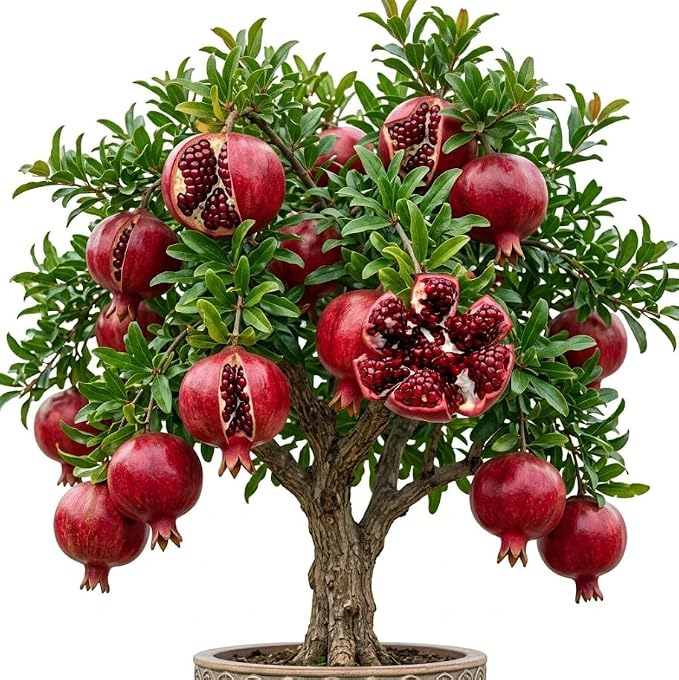
Trying to grow fruit indoors can be a challenge with space and light, but a compact pomegranate tree fits nicely in smaller areas like patios or containers. It’s perfect for someone who wants a blend of fruit production and a pretty decorative plant without taking up much room.
Setting it up means placing the plant where it can soak up full sun, as it thrives best with plenty of light. Keeping the soil well-drained but consistently moist is key, so watering regularly while avoiding waterlogging is part of everyday care. Its compact size, about 10 to 14 inches when you get it, makes it easy to manage in spring or summer planting periods.
The pomegranate plant grows steadily into a small fruit-bearing shrub that reaches about 10 feet outdoors in warm climates and blooms year-round in tropical zones. It’s sturdy in well-draining sandy loam soil and handles outdoor conditions well in USDA zones 9 to 11.
Most people note how well it adapts in smaller garden spaces, but the need for strong sun exposure might limit indoor success unless near a bright window.
The plant is praised for adapting to small garden spaces and producing fruit while remaining decorative. The main complaint revolves around its need for full sun, which limits its success indoors without enough natural light.
Gardeners in warm climates with access to sunny patios or outdoor containers will appreciate it most. Those looking to grow fruit strictly indoors or in low-light conditions might find better options elsewhere.
Pros
- Compact size ideal for containers and small spaces
- Produces edible pomegranate fruits
- Low-maintenance with regular watering
- Decorative shrub appearance
Cons
- Requires full sun exposure to thrive
- Not suitable for indoor growing in low light
| Specification | Details |
|---|---|
| Expected Plant Height | 10 feet |
| Indoor/Outdoor Usage | Outdoor |
| Sunlight Exposure | Full Sun |
| Soil Type | Well-draining Sandy Loam Potting Mix |
| Moisture Needs | Regular Watering; Keep Soil Consistently Moist But Well-drained |
| USDA Hardiness Zone | 9-11 |
8. Bonsai Peach Tree Seeds

Fast sprouting and easy care make Bonsai Peach Tree Seeds a great pick for new bonsai growers or anyone with limited space who wants fresh fruit indoors. Its biggest strength lies in producing miniature peach trees that fit nicely inside and bear sweet peaches for years.
Setting these seeds up is straightforward, requiring just partial sunlight, which works well in many indoor spots that get some natural light. Growing them in small containers suits tight spaces perfectly, and instructions are simple to follow, making daily care manageable without much fuss.
Watching the seeds sprout quickly adds to the satisfaction of growing your own fruit indoors.
These seeds reliably grow into healthy miniature peach trees that produce fruit, offering long-term enjoyment. The build, meaning the quality of the seeds themselves, matches their promise of authenticity and high standards.
Most people praise the fast growth and fruit production, while some find the need for partial sun limits placement options indoors.
Many find the fast sprouting and consistent fruit production very rewarding, offering a lasting indoor bonsai experience. One challenge noted is the need for partial sunlight, which can restrict where the tree grows well inside a home.
People looking for a straightforward project with tasty fruit in small spaces will appreciate this seed set. Those without good natural light or in colder zones outside the range might want to consider alternatives that are less light-dependent or suited to different climates.
Pros
- Easy to grow for beginners
- Fits well in small indoor spaces
- Produces sweet homegrown peaches
- High-quality, authentic seeds
Cons
- Requires partial sunlight indoors
- Limited to specific USDA zones
| Specification | Details |
|---|---|
| Sunlight Exposure | Partial Sun |
| USDA Hardiness Zone | Zones 4,5,6,7 and 8 |
| Plant Type | Miniature Peach Bonsai |
| Growth Speed | Fast-Growing |
9. Fruit Seeds 8 Variety Pack

Anyone keen on starting a variety of fruit plants from seeds will appreciate this pack of heirloom fruit seeds. Ideal for both beginners and experienced gardeners who want to grow different melons, watermelons, strawberries, and ground cherries outdoors with a good chance of success.
Its biggest strength is the diversity of high-yield fruit varieties in one pack.
Starting the seeds requires spring planting in loam soil with regular watering and full sun exposure. Growing them outdoors ensures they get the sunlight they need, while their disease resistance and drought tolerance simplify daily care. The seeds have high germination rates, making setup straightforward.
Regular watering and attention during spring to fall help get the best results from each plant variety.
The seeds germinate reliably and grow into productive fruit plants about 12 inches tall. They thrive best in USDA zones 4-10, attracting pollinators.
One highlight is the disease resistance that reduces plant loss, yet the pack is not suited for indoor growing despite the attractive fruit types it includes. The main complaint revolves around the outdoor-only usage, limiting indoor gardening options.
Seeds in this set reliably germinate and grow into healthy, productive plants that resist diseases well. The pack’s limitation to outdoor use stands out as the clearest drawback, especially for those looking to grow fruit indoors.
Gardeners with outdoor space and access to full sun will find this pack fulfilling for varied homegrown fruit, while anyone aiming to grow fruit trees or plants indoors might need to consider other options more suited to indoor conditions.
Pros
- Includes 8 heirloom fruit seed varieties
- High germination rate for easy growing
- Disease resistant and drought tolerant plants
- Attracts pollinators, aiding fruit development
Cons
- Suitable only for outdoor growing
- Requires full sun, limiting some garden spots
| Specification | Details |
|---|---|
| Expected Plant Height | 12 inches |
| USDA Hardiness Zone | 4-10 |
| Sunlight Exposure | Full Sun |
| Moisture Needs | Regular Watering |
| Expected Planting Period | Spring |
10. Clementine Mandarin Live Plant

A small Clementine Mandarin tree perfect for growing indoors or on a balcony, standing about 2-5 inches tall in a pot. Ideal for anyone wanting an easy-to-care-for fruit tree that produces plenty of tasty clementines. Its main strength lies in thriving well in containers with the right light, making it great for limited spaces.
Setting up involves placing the tree in partial sun, either inside near a bright window or outdoors on a patio. The tree needs low maintenance and enjoys the occasional watering routine.
Its loose-skinned fruit is a real plus, easy to peel and ideal for quick snacks. During winter, packaging includes heat packs and insulation to keep it safe during delivery.
Produces a generous harvest of sweet clementines when given the right conditions. The evergreen foliage adds a fresh look all year, and spring brings fragrant blossoms that brighten up any space. The pot and plant are sturdy, but some reviewers note that fruiting depends a lot on consistent care and light, so patience is necessary.
It’s a reliable indoor citrus option.
The tree reliably produces generous fruit harvests when given enough partial sun and consistent care, making the sweet and easy-to-peel clementines a highlight. Some find the outdoor classification limiting for indoor growing, indicating fruit production might not meet expectations without proper light.
This plant suits those who can provide a bright spot and prefer low-maintenance fruit trees. Ideal for balcony or patio growers. Anyone lacking adequate natural light or who wants a purely indoor plant should consider options designed specifically for indoor environments.
Pros
- Highly adaptable to container growing
- Easy-to-peel fruit perfect for kids
- Fragrant blooms in spring
- Evergreen glossy leaves year-round
Cons
- Requires consistent light for good fruit yield
- Designed mainly for outdoor use
| Specification | Details |
|---|---|
| Indoor Outdoor Usage | Outdoor |
| Sunlight Exposure | Partial Sun |
| Maintenance | Low |
| Plant Height | Approximately 2-5 inches tall |
11. Orange Tangerine Live Tree
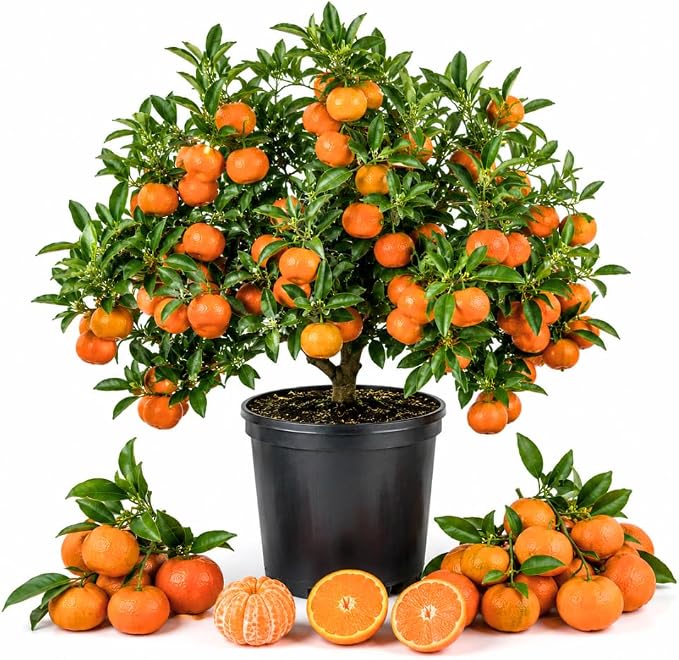
Orange Tangerine Live Tree delivers bright, sweet tangerines and attractive foliage, perfect for anyone wanting to grow fruit indoors or in a container. Its biggest strength is producing fragrant white flowers alongside juicy fruit in a compact, easy-to-manage size.
Unpacking is simple since it arrives well-rooted in a 1 gallon pot. Placing it in a sunny spot and ensuring the soil drains well keeps it happy.
It needs moderate watering to stay healthy, and its low-maintenance nature means daily care is minimal without sacrificing its growth or fruit quality.
Growing up to 5 feet tall, this tangerine tree thrives under full sun with moderate watering. It produces consistently sweet, juicy fruit accompanied by glossy green leaves and fragrant blooms. Most praise highlights its rewarding fruit yield while some note it’s best suited for USDA Zones 9-11 or cozy container spaces in cooler climates.
The tree is praised for its consistent production of bright, sweet tangerines and fragrant flowers that brighten any space. The most common complaint mentions the limitation of growing it mainly in warmer USDA zones or in containers in cooler areas, which restricts full outdoor planting options.
Anyone living in suitable climate zones or with space for container gardening will find this tangerine tree rewarding. Those in cooler regions without container options might want to consider fruit trees that tolerate lower temperatures better.
Pros
- Produces sweet, juicy tangerines
- Attractive glossy green leaves
- Fragrant white flowers add charm
- Low maintenance, easy to grow
Cons
- Not shipped to California
- Best suited for USDA Zones 9-11 only
| Specification | Details |
|---|---|
| Indoor Outdoor Usage | Indoor, Outdoor |
| Sunlight Exposure | Full Sun |
| USDA Hardiness Zone | 9-11 |
| Expected Plant Height | 5 feet |
| Soil Type | Well drained soil |
| Moisture Needs | Moderate Watering |
12. Red Pomegranate Live Plant

Growing a Red Pomegranate Live Plant indoors or in a sunny spot outdoors brings a touch of nature with minimal upkeep. It fits well with anyone who wants a fruit tree that doesn’t demand much water or constant care. Its low maintenance and drought tolerance make it especially appealing for busy plant lovers.
Setup is straightforward since the plant arrives as an established soil plug, just 4-6 inches tall, ready to take root. It prefers full sun and moderate watering during its early growth, becoming easier to care for as it matures.
Using well-draining soil like sandy or loamy varieties helps keep it stable and healthy.
The plant delivers juicy, sweet red pomegranates from spring to fall, doing well in USDA Zones 7-11. It thrives with moderate water, and once settled, it handles drier spells without much fuss. It’s appreciated for producing large, flavorful fruit, though it needs enough light and space to flourish fully.
The strongest praise highlights its ability to produce large, juicy fruit while demanding little water once mature. A common issue is the need for consistent full sun and outdoor placement, which limits its versatility indoors. It performs best when given conditions that mimic its natural environment.
People who want a low-trouble fruit tree suited for an outdoor space in USDA Zones 7-11 will appreciate this plant. Those looking for an indoor indoor fruit tree or one that can grow well in low light should consider other options more tailored to those conditions.
Pros
- Low maintenance once established
- Produces large, sweet pomegranate fruit
- Thrives in sandy or loamy soil
- Drought-tolerant mature plant
Cons
- Requires full sun for best growth
- Only suited for outdoor use
| Specification | Details |
|---|---|
| Indoor Outdoor Usage | Outdoor |
| Sunlight Exposure | Full Sun |
| USDA Hardiness Zone | 7-11 |
| Moisture Needs | Moderate Watering |
| Blooming Period | Spring to Fall |
13. Sweet Tangerine Tree Live Plant

Sweet Tangerine Tree Live Plant fits anyone looking to grow a fragrant, fruit-bearing tree in their garden or on a sunny patio. Its biggest strength is producing sweet, juicy oranges while requiring relatively low maintenance for an outdoor citrus tree.
Setting up involves placing the tree where it can get full sun, ideally outdoors in USDA Zones 9 through 11. Use well-draining soil and water it moderately, letting the top inch dry out between waterings.
At 2 to 3 feet tall in a 1-gallon pot, it’s manageable to move if needed but thrives best with plenty of sunlight and proper drainage to avoid overwatering stress.
It consistently produces fragrant white blossoms before bearing sweet fruit, fulfilling its main purpose well. The tree’s structure suits outdoor settings perfectly, though it is not recommended for indoor use.
Reviewers appreciate the fragrance and taste of the fruit, with some pointing out it struggles outside those warm zone limits. Maintenance is straightforward, but keeping it healthy in cooler climates can be challenging.
This tree reliably blooms and bears sweet fruit with minimal fuss when kept in warm, sunny, outdoor environments. Many note the pleasant scent of its blossoms, which complements the flavorful harvest. However, it does not do well indoors or in cooler climates, limiting where it can be grown successfully.
Gardeners in warm regions looking for a manageable citrus tree to grow outside will appreciate its low maintenance and fruit quality. Those in colder zones or wanting an indoor fruit tree should explore options tailored to those conditions instead.
Pros
- Produces sweet, juicy orange fruits
- Fragrant white blossoms add nice aroma
- Low maintenance for an outdoor fruit tree
- Compact 2 to 3 feet height fits patios
Cons
- Not suitable for indoor growing
- Doesn’t thrive outside USDA Zones 9-11
| Specification | Details |
|---|---|
| Height | 2 to 3 feet tall |
| Pot Size | 1-gallon pot |
| Sunlight Exposure | Full Sun |
| USDA Hardiness Zone | 9-11 |
| Soil Type | Well Drained Soil |
| Moisture Needs | Moderate Watering |
14. Meyer Lemon Tree Live Plants 2 Pack

A pair of live Meyer lemon trees comes potted and ready for growing indoors, suited for people who want sweet, fragrant lemons without needing a large garden space. Their key appeal lies in producing bright yellow fruit and fragrant white flowers, adding both scent and a splash of color to indoor settings.
Setting up the trees involves placing them where they get partial sun, such as near a sunny window, and ensuring the soil drains well to avoid waterlogging. They thrive in sandy soil with moderate watering, so keeping an eye on soil moisture is important.
Blooming happens during spring and summer, so some patience is needed before enjoying the lemons.
The trees typically grow up to 8 feet tall, delivering juicy lemons that carry a pleasantly sweet aroma. They perform well for indoor growing within USDA zones 3-10, adapting easily to different home environments. Some find the size challenging to manage indoors, but most appreciate the lively scent and fruit they produce regularly.
The most praised feature is the sweet, juicy lemons combined with fragrant flowers that brighten indoor spaces. Common challenges include managing the tree’s height and ensuring the soil drains well to prevent root issues. Patience is necessary for seeing blooms since they appear mainly in spring and summer.
A person looking to enjoy fresh lemons indoors and willing to provide moderate care will likely be very satisfied. Those with limited space or difficulty in controlling plant size might prefer a smaller or dwarf variety to avoid pruning hassles.
Pros
- Produces sweet, fragrant fruit
- Fragrant white flowers add indoor appeal
- Suitable for container planting
- Thrives in USDA zones 3-10
Cons
- Can grow up to 8 feet, may require pruning
- Needs well-draining sandy soil
| Specification | Details |
|---|---|
| Expected Blooming Period | Summer, Spring |
| Sunlight Exposure | Partial Sun |
| Expected Planting Period | Spring |
| USDA Hardiness Zone | 3-10 |
| Expected Plant Height | 8 feet |
| Soil Type | Sandy Soil |
| Moisture Needs | Moderate Watering |
15. Navel Orange Tree Live Plant

Bright, sweet fruit on a pretty tree is the first thing that stands out when you see the Navel Orange Tree Live Plant. It suits gardeners living in warm USDA zones 8–11 and anyone wanting to grow citrus indoors where there’s plenty of sunlight.
Its biggest strength is adapting to container growth while delivering real orange flavor.
Setting it up indoors means placing it in a spot with full sun, like near a south-facing window or a sunny patio. Watering needs some attention, soil should dry slightly between waterings to avoid overwatering.
Regular pruning keeps the height manageable, usually between 8 and 12 feet. It’s well suited to balconies and containers where sunlight is not limited.
The tree reliably produces ripe oranges and adapts well to indoor growing with enough light. Its build as a live plant depends entirely on proper care and watering, so while it can thrive inside, low light or too much water will harm it. Praised for flavorful fruit, a common complaint is that it cannot be shipped to California, limiting availability for residents there.
Produces flavorful oranges when given enough sun and properly watered. Common issue is limited availability due to no shipping to California. Tree size requires regular pruning to maintain indoor space.
Perfect for anyone with a bright, sunny indoor area in USDA zones 8–11 looking for fresh citrus. Not ideal for those in cooler climates or lacking sufficient light or space for a tall plant.
Pros
- Produces sweet, ripe oranges indoors
- Grows well in containers with pruning
- Suitable for patios and balconies
- Thrives in bright, full sun
Cons
- No shipping to California
- Needs careful watering to avoid root problems
| Specification | Details |
|---|---|
| Suitable USDA zones | 8–11 |
| Mature Height | 8–12 feet with pruning |
| Sunlight Exposure | Full Sun |
| Watering | Regular, soil dries slightly between watering |
| Planting options | Patios, balconies, outdoor gardens, containers |
Best Fruit Trees to Grow Indoors Comparison Table
| Product | Indoor Use | Sunlight Exposure | Size/Height | Special Features |
|---|---|---|---|---|
| Dwarf Bonsai Fruit Bundle | – | Full Sun | – | – |
| Eureka Lemon Live Plant | Indoor | Partial Shade | – | Air Purification |
| Meyer Lemon Live Plant | Indoor | Full Sun | – | Compact |
| Grand Nain Banana 4 Pack | Outdoor | Full Sun | 8 feet | Low Maintenance |
| Mixed Fruit Seed Pack | Indoor, Outdoor | Full Sun | – | – |
| Russian Pomegranate Plant | Outdoor | Full Sun | – | Air Purification |
| Standard Pomegranate Plant | Outdoor | Full Sun | 10 feet | Freshly Sprouted |
| Bonsai Peach Tree Seeds | – | Partial Sun | – | – |
| Fruit Seeds 8 Variety | Outdoor | Full Sun | – | Low Maintenance |
| Clementine Mandarin Plant | Outdoor | Partial Sun | – | Low Maintenance |
| Orange Tangerine Tree | Indoor, Outdoor | Full Sun | 5 feet | Low Maintenance |
| Red Pomegranate Plant | Outdoor | Full Sun | – | Low Maintenance |
| Sweet Tangerine Plant | Outdoor | Full Sun | – | Low Maintenance |
| Meyer Lemon 2 Pack | – | Partial Sun | 8 feet | – |
| Navel Orange Live Plant | – | Full Sun | – | – |
- Indoor Use–
- Sunlight ExposureFull Sun
- Size/Height–
- Special Features–
- Indoor UseIndoor
- Sunlight ExposurePartial Shade
- Size/Height–
- Special FeaturesAir Purification
- Indoor UseIndoor
- Sunlight ExposureFull Sun
- Size/Height–
- Special FeaturesCompact
- Indoor UseOutdoor
- Sunlight ExposureFull Sun
- Size/Height8 feet
- Special FeaturesLow Maintenance
- Indoor UseIndoor, Outdoor
- Sunlight ExposureFull Sun
- Size/Height–
- Special Features–
- Indoor UseOutdoor
- Sunlight ExposureFull Sun
- Size/Height–
- Special FeaturesAir Purification
- Indoor UseOutdoor
- Sunlight ExposureFull Sun
- Size/Height10 feet
- Special FeaturesFreshly Sprouted
- Indoor Use–
- Sunlight ExposurePartial Sun
- Size/Height–
- Special Features–
- Indoor UseOutdoor
- Sunlight ExposureFull Sun
- Size/Height–
- Special FeaturesLow Maintenance
- Indoor UseOutdoor
- Sunlight ExposurePartial Sun
- Size/Height–
- Special FeaturesLow Maintenance
- Indoor UseIndoor, Outdoor
- Sunlight ExposureFull Sun
- Size/Height5 feet
- Special FeaturesLow Maintenance
- Indoor UseOutdoor
- Sunlight ExposureFull Sun
- Size/Height–
- Special FeaturesLow Maintenance
- Indoor UseOutdoor
- Sunlight ExposureFull Sun
- Size/Height–
- Special FeaturesLow Maintenance
- Indoor Use–
- Sunlight ExposurePartial Sun
- Size/Height8 feet
- Special Features–
- Indoor Use–
- Sunlight ExposureFull Sun
- Size/Height–
- Special Features–
How to Choose the Right Indoor Fruit Tree
Consider factors like the tree’s size, light requirements, and fruiting season to match your indoor space and lifestyle. Choosing the right tree prevents wasted effort, reduces maintenance issues, and ensures you enjoy fresh fruit without unexpected problems.
Tree Size and Growth Habit
I’ve had experience with indoor trees that quickly outgrow their space, forcing constant relocation or heavy pruning. Knowing the mature height and spread makes a big difference. A tree expected to reach 6 feet tall in a confined corner often becomes frustrating, especially if branches spread wide.
Compact or dwarf varieties generally stay under 4 feet, fitting well on shelves or small tables.
Pay attention to the growth habit, some trees grow upright with minimal side branching, making them easier to fit in narrow spots. Others have sprawling or bushy shapes, requiring more horizontal room.
Growth rate also matters; fast growers need more trimming and careful monitoring, while slow growth usually means less frequent maintenance. A moderate growth rate combined with a manageable shape reduces hassle and fits better into living spaces.
Light and Temperature Requirements
Many fruit trees struggle without enough light indoors. Standard room lighting often falls short, which leads to weak stems and poor fruit development.
Trees that handle lower light levels or thrive in bright, indirect light work best in most homes. Consider placing them near south or west-facing windows for several hours of natural light.
Temperature stability indoors is another practical factor. Some types handle a narrow range of 65-75°F well, while others tolerate cooler or warmer spots.
Avoid putting trees near drafts or heating vents that cause sudden changes. Supplemental grow lights might be necessary, especially during darker months, to keep fruit production steady and foliage healthy. Look for options sold with around 3000-4000 lumens and a spectrum favoring red and blue wavelengths for best results.
Fruit Yield and Quality
Indoor fruit production tends to be lower than outdoor, making it important to choose varieties known to fruit reliably inside. Some trees might flower but fail to set much fruit due to space or light limitations. Expect modest yields; 5 to 15 small fruits per season is common for many indoor types.
Fruit size and taste also vary. Smaller-sized fruit tends to ripen faster and suits indoor harvesting better.
Quick ripening helps prevent overripeness before picking. Varieties with consistent fruiting habits indoors cut down on disappointment and wasted care. Reviewing real user reports or nursery information on fruit quality indoors can guide selections toward better everyday satisfaction.
Care and Maintenance Needs
Routine care quickly shows its effects. Trees requiring frequent pruning can become a burden, especially in limited indoor spaces.
Watering needs also vary; some dislike soggy soil and prefer drying out between waterings, while others need steadier moisture. Fertilizing monthly or every two months typically keeps trees healthy without overfeeding.
Indoor trees can fall prey to common pests like spider mites, aphids, or scale. Choosing types with natural resistance or those easier to inspect and treat will ease ongoing maintenance.
Repotting frequency depends on growth; many need a new pot every two to three years. Trees that tolerate root disturbance without shock simplify this task. Lightweight potting mixes aid root health and simplify watering routines.
Pot and Root System Compatibility
The root system’s compatibility with pots is crucial. Trees with aggressive roots quickly become root-bound if the pot is too small, causing poor health and stunted growth.
Starting with a container at least 12 inches in diameter and depth usually provides room to grow for small indoor trees.
Drainage is essential; pots need multiple drainage holes and well-draining soil to prevent root rot. Heavy clay pots offer stability but are hard to move, while plastic or lightweight ceramic pots ease repositioning. Some trees develop deep taproots requiring deeper pots, while others have fibrous roots that are less demanding.
Root structure influences how stable the tree is indoors and where it can be placed without tipping over or damaging floors.
Best Practices for Caring for Indoor Fruit Trees to Maximize Yield
Maintaining healthy indoor fruit trees requires consistent attention to their specific environmental needs. These trees thrive in bright, direct sunlight for at least six hours a day, so placing them near a south-facing window often works best.
Transparent pots or grow lights can supplement natural light during darker months.
Watering should strike a balance; the soil must stay moist but not soggy. Overwatering many indoor fruit trees leads to root rot.
Using well-draining soil and pots with drainage holes helps prevent waterlogging. Humidity matters as well, so occasional misting or a humidity tray can keep leaves healthy, especially in dry indoor climates.
- Regular feeding with a balanced fertilizer during the growing season supports fruit development.
- Pruning encourages branching and improves air circulation inside the canopy.
- Pollination may require hand-pollinating flowers if there are no natural pollinators indoors.
Following these steps improves fruit yields and keeps trees vigorous all year round.
Comparing Dwarf Fruit Tree Varieties Ideal for Indoor Growth
Dwarf fruit trees offer manageable sizes that fit well in limited indoor spaces. Their compact root systems require smaller pots and less soil but still produce a surprising amount of fruit.
Popular varieties include lemon, fig, and calamondin orange trees, all known for adapting to indoor conditions.
Lemon trees provide fragrant blossoms and bright fruit, thriving in warm, sunny spots. Fig trees tolerate lower light levels compared to other fruit trees, making them good for rooms without full sun. Calamondin oranges deliver small, sour-edged fruit often used for cooking, and their small leaves are attractive year-round.
- Caring for these varieties typically involves managing water carefully, less is more for many dwarf species.
- They benefit from regular pruning to maintain size and promote flowering.
- Choose dwarf trees grafted onto rootstocks suited for container growth; this reduces maintenance.
Selecting the right dwarf variety depends on light availability and personal preferences for fruit type and tree appearance.
Common Mistakes to Avoid When Growing Fruit Trees Indoors
A common mistake with indoor fruit trees is neglecting their light requirements. Many varieties need several hours of direct sunlight daily, and insufficient light weakens the tree and limits fruit production.
Avoid placing trees too far from windows or in shaded corners.
Overwatering regularly causes root damage and invites fungal issues. Soil should dry slightly between watering sessions, so test moisture with a finger or moisture meter rather than sticking to a fixed schedule.
Standing water in saucers can also harm roots.
Another frequent error is failing to provide enough airflow and circulation. Stagnant air can encourage pests and disease.
Position trees where there is gentle air movement, and prune crowded branches to improve ventilation.
- Ignoring soil quality by using garden soil instead of a free-draining potting mix leads to poor root health.
- Not considering pollination needs means flowers may drop without setting fruit in indoor environments.
- Over-fertilizing can burn roots and prevents proper fruiting.
Correcting these missteps supports stronger growth and better harvests from indoor fruit trees.
People Also Asked
How Much Light Do Indoor Fruit Trees Need Daily?
Indoor fruit trees generally need about 6 to 8 hours of bright, indirect sunlight per day. Position them near south- or west-facing windows to maximize natural light but avoid direct harsh sunlight, which can scorch the leaves.
Are Indoor Fruit Trees Safe for Pets and Children?
Many indoor fruit trees are safe for pets and children, but some, like citrus trees, may have leaves or fruit that cause mild irritation if ingested. Always check the specific tree’s safety profile and keep fruit out of reach until ripe.
What Size Do Indoor Fruit Trees Typically Grow To?
Indoor fruit trees usually grow between 3 and 6 feet tall, depending on the variety and pruning. Regular trimming helps maintain a manageable size and encourages fruit production within indoor space constraints.
How Often Should I Water an Indoor Fruit Tree?
Water indoor fruit trees when the top inch of soil feels dry to the touch. Avoid overwatering by ensuring the pot has good drainage to prevent root rot; usually watering once a week is sufficient, but this varies with humidity and temperature.
What Pests Commonly Affect Fruit Trees Grown Indoors?
Common pests include spider mites, aphids, and scale insects. Regularly inspect leaves and stems for small webbing or sticky residue, and consider using insecticidal soap or neem oil to control infestations before they spread.
Conclusion
Choosing the best fruit tree to grow indoors depends mostly on how much space you have, the amount of natural light your room gets, and how much maintenance you are ready to do. Some fruit trees need more sunlight or regular pruning.
Others can handle lower light but produce smaller fruit. Think about what fits your home environment and how much time you want to spend caring for the tree.
Pick a tree that matches your available space and budget to avoid frustration later. When you plan to use the fruit often, choose a tree that produces reliably and thrives indoors. Review the comparison table and the detailed picks above to find the right balance for your needs before making a decision.