Top 15 Best Mixer for Making Bread Dough You Can’t Miss!
Kneading bread dough with the wrong mixer can be frustrating; the motor might struggle, or the bowl might be too small to handle the thick, heavy dough. Using the best mixer for making bread dough cuts down on the effort and prevents overheating or uneven kneading. Bread dough puts a lot of strain on mixers, so a weak machine often overheats or slows down during the process, leading to inconsistent results and wasted time.
A good mixer for bread dough usually has a powerful motor, often at least 300 watts, to handle dense dough without bogging down. The bowl size matters too, around 4 to 6 quarts gives enough room to mix enough dough for most home bakers.
Sturdy metal construction for the beaters and bowl means it won’t wear out or bend over time. Easy-to-clean parts, like dishwasher-safe bowls and attachments, save time after baking, and a secure locking mechanism keeps the motor and bowl firmly in place during the tough kneading process.
Need a Quick Check?
| Image | Product | Price |
|---|---|---|
Our Top Picks 1  | Bosch Universal Mixer | Check Price |
Our Top Picks 2  | Martha Stewart Tilt Mixer | Check Price |
Our Top Picks 3 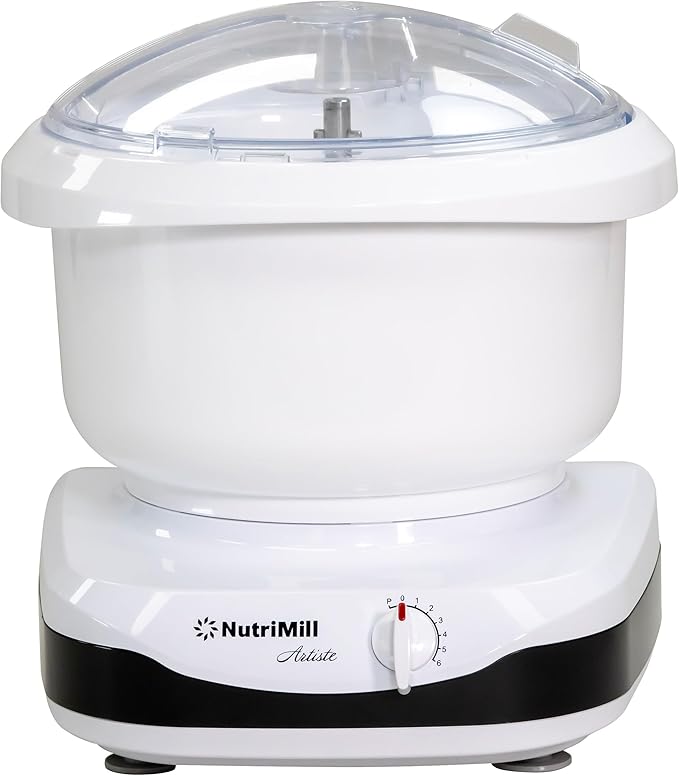 | NutriMill Artiste Mixer | Check Price |
Our Selected Top 15 Mixer for Making Bread Dough You Can Trust
This list features reliable mixers designed specifically for bread dough, highlighting their performance and suitability for various baking needs. Each review covers key strengths and potential drawbacks, helping you find the best fit based on functionality, capacity, and ease of use.
1. Bosch Universal Plus Stand Mixer
Mixing bread dough is easy with this stand mixer, built for anyone who bakes large batches or handles heavy doughs. Its real strength lies in the powerful transmission that can handle up to 15 pounds of whole grain dough without breaking a sweat.
Setting it up is straightforward since the lightweight 6.5-quart bowl is easy to grip and dishwasher safe. Adding ingredients is simple thanks to the bottom drive design.
The removable drive shaft makes cleaning less of a chore, and dual beaters handle everything from whipping egg whites to shredding cooked chicken, which adds versatility in daily baking and cooking tasks.
The belt-driven transmission provides excellent torque and never seems to strain, whether kneading dough or mixing large cookie batches. The solid construction feels durable, though the plastic bowl may not be as sturdy as metal alternatives. The most common praise highlights its power, while some criticize the plastic parts for feeling less professional.
The mixer is praised for its powerful belt-driven transmission that can handle very heavy doughs, making it reliable for serious bakers. The plastic bowl and certain plastic components sometimes draw criticism for lacking the feel of more durable materials, which can be a drawback for those expecting metal parts.
Great for people who regularly bake large quantities or heavy doughs and want reliable power with easy cleaning. Those looking for a mixer with metal bowls or a fully metal build might consider other options better suited to their preferences.
Pros
- Powerful enough for 15 pounds of whole grain dough
- Lightweight, dishwasher safe 6.5-quart bowl
- Easy to add ingredients with bottom drive
- Includes multiple attachments for versatile use
Cons
- Plastic bowl may feel less sturdy over time
- Some plastic parts feel less professional
| Specification | Details |
|---|---|
| Brand Name | Nutrimill |
| Model Name | MUM6N10UC-DE |
| Number of Items | 1 |
| Manufacture Year | 2018 |
| Unit Count | 1 Count |
| Included Components | Dough Hook, Mixer Base with Sturdy 6.5 Quart Mixing Bowl, NutriMill Dough Hook Extender, Splash Ring with Mixing Bowl Lid, Wire Whips with Plastic Whip Driver |
2. Martha Stewart Tilt-Head Stand Mixer
Great for anyone who needs a reliable mixer that tackles bread dough with ease, this one stands out for its generous bowl and flexible speed settings. It suits home bakers looking to make large batches without frequent stops or struggles.
Setting up is straightforward with the tilt-head design, letting you quickly add ingredients or swap attachments while mixing. The 5.3-quart stainless steel bowl is roomy enough for bread dough and bigger projects like cookie batches. Switching between the dough hook, whisk, and flat beater happens without hassle, and the 12 speeds let you adjust from gentle folding to vigorous mixing.
It handles heavy doughs smoothly thanks to the powerful motor and well-crafted dough hook. The mixer feels solid and sturdy on the countertop, built to last through repeated use. The strongest praise highlights its excellent capacity and consistent performance.
Some users mention the mixer being a bit noisy during intensive mixing sessions.
The mixer gets praise for its roomy bowl and reliable handling of dense bread dough, helping make large recipes without strain. Noise from the motor when mixing thick dough is often noted as a downside. Everyday use involves easy transition between attachments and consistent speed control.
Home bakers with space for a larger stand mixer and a need for regular bread dough mixing will find it well suited. For those in tight kitchens or looking for an ultra-quiet option, a more compact or quieter model may be better.
Pros
- Large 5.3-quart bowl handles big batches
- Three versatile attachments included
- Twelve speed settings for precise control
- Tilt-head design simplifies access and cleaning
Cons
- Can be noisy during heavy dough mixing
- Relatively bulky on the countertop
| Specification | Details |
|---|---|
| Bowl Capacity | 5.3QT Stainless Steel |
| Attachments Included | Stainless Steel Whisk, Dough Hook, Flat Beater with Silicone Edge |
| Speed Settings | 12 Optimized Speeds |
| Design | Tilt-Head |
| Model Number | CC010829-001 |
3. NutriMill Artiste Electric Stand Mixer
Heavy-duty stainless steel construction makes this mixer a solid choice for anyone serious about baking large batches of bread dough. It suits home bakers who need a large capacity and powerful motor to handle hefty kneading jobs without the appliance moving around.
Its strongest point is the direct bottom drive motor, which delivers consistent power without the wobble that tilt-head mixers sometimes have.
Setting up feels straightforward with the 6.5 quart bowl that twists into place securely. The suction cup feet keep the mixer steady even while working through 8-pound dough batches, which makes it easy to leave it running without worrying about it sliding. The included dough hook is extended in length, so it reaches deep to work through thick doughs, and the easy open cover lets you add ingredients mid-mix without stopping everything.
The mixer excels at handling large, dense batches of dough thanks to that powerful motor and solid bottom drive system. Its build uses stainless steel parts where it counts, promising durability over time.
Most praise goes to how stable and powerful it feels during heavy kneading, though some users mention the mixer is somewhat bulky and takes up quite a bit of counter space.
The strongest praise highlights the heavy-duty power and stability while mixing large dough batches without any “walking” problems. Common issues focus on the mixer’s bulkiness in small kitchens and a limited one-year warranty, factors to consider depending on space and long-term needs.
Anyone who frequently bakes bread in large volumes will appreciate how well it handles heavy dough and stays put. Those with limited counter space or looking for a longer warranty might want to explore smaller or different models better suited to their setup.
Pros
- Handles dough batches up to 8 pounds comfortably
- Suction cup feet prevent mixer from moving during use
- The stainless steel drive boosts durability
- Easy to add ingredients via bowl cover window
Cons
- Takes up substantial counter space due to size
- Only a one-year manufacturer’s warranty
| Specification | Details |
|---|---|
| Bowl Capacity | 6.5 Quart Easy Grip Bowl |
| Motor Type | Bottom Drive Mixer Base |
| Dough Hook | Extended length Dough Hook |
| Included Accessories | Lid with Easy Access Window, Wire Whips with Metal Whip Driver |
| Model Number | NMA6001-BLK |
| Manufacturer | NutriMill |
4. Commercial Dough Maker with Ferment Function

Strong motor power stands out immediately with this mixer, perfect for those who often bake bread at home or in small businesses. It suits anyone needing reliable dough preparation and fermentation without switching appliances.
The automatic ferment function takes one big worry out of kneading and proofing bread dough, keeping things simple and consistent.
Setting it up is straightforward since everything needed comes included: a dough maker, dumpling maker, egg separator, measuring cup, and spoon. Daily use is convenient, once the dough is mixed, the machine switches into fermentation mode, maintaining temperatures between 77-100°F. This hands-off process saves time and ensures the dough gets the right conditions.
Its 250W motor handles thick dough comfortably without overheating or slowing down.
Mixing and kneading performance is very steady, producing smooth, elastic dough ready for baking. The build quality feels solid enough for frequent use, with durable components that don’t feel cheap. The main praise revolves around the fermentation feature, which works well automatically after kneading.
A common complaint focuses on the size of the unit, which may occupy considerable counter space and feels a bit bulky for small kitchens.
The automatic fermentation function works exactly as described, keeping dough soft and properly proofed without manual intervention. Most users appreciate this convenience. The unit’s bulkiness is the most frequent downside mentioned, requiring enough storage or countertop room to accommodate its size.
Home bakers who value a dedicated dough machine that kneads and ferments automatically will find this very useful. Those with limited kitchen space or needing a lighter, more compact mixer may want to explore smaller options instead.
Pros
- Powerful 250W motor handles heavy dough well
- Automatic fermentation keeps dough at ideal temperature
- Includes useful accessories for versatile food prep
- Easy setup and operation for daily baking
Cons
- Bulky size takes up noticeable counter space
- May feel heavy and less portable
| Specification | Details |
|---|---|
| Brand Name | HaiiuzHi |
| Model Number | HZ-008 |
| Motor Power | 250W |
| Temperature Range (Fermentation) | 77-100°F (25-38°C) |
| Included Components | Dough Maker, Dumpling Maker, Egg Separator, Measuring Cup, Measuring Spoon |
| Manufacture Year | 2025 |
5. AIZIYO DoughChief Electric Dough Maker

Ideal for home bakers focused on bread and sourdough, the AIZIYO DoughChief Electric Dough Maker stands out by replicating hand kneading to produce soft and elastic dough without unnecessary wear. It suits anyone wanting bakery-quality dough with less manual effort.
Setup involves attaching the removable S-shaped dough blade, included with convenient extras like a measuring cup and egg separator. The mix-pause-mix program runs automatically, so you can trust it to take care of kneading while you manage other baking tasks.
Cleanup is straightforward thanks to detachable parts, making daily use simple and practical.
Performance excels at developing gluten naturally, which benefits bread, pizza, and pasta dough. The build feels solid and designed for consistent results. Praise often highlights the hand-kneading simulation as a key advantage.
Common critiques point to occasional noise during operation, but nothing that disrupts use significantly.
The hand-kneading simulation program is widely praised for creating superior dough texture and elasticity. Some find the machine louder than expected during operation, though it does not affect performance.
Bakers focused on making bread, pizza, or pasta dough regularly will appreciate the natural gluten development and practical accessory set. Those sensitive to noise or seeking explicit power specs might want to explore other options.
Pros
- Simulates hand kneading for better dough texture
- Removable dough blade for easy cleaning
- Includes useful baking accessories
- Consistent kneading without overworking dough
Cons
- May produce noticeable noise while running
- Lacks specific power rating information
| Specification | Details |
|---|---|
| Brand Name | AIZIYO |
| Model Name | 804-7L White |
| Model Number | White-7qt |
| Included Components | dumpling tool, egg separator, measuring cup, measuring spoon |
| Manufacture Year | 2024 |
| Unit Count | 1 Count |
6. Ooni Halo Pro Spiral Dough Mixer

Kneading bread dough at home can be tough on small mixers, but this one is designed for serious dough work. Best for home bakers aiming to make bakery-quality bread or pizza dough, the Ooni Halo Pro Spiral Dough Mixer’s main strength is its professional-grade spiral mixing technology that improves gluten structure for better texture and taste.
Setting it up means attaching the removable bowl and picking from four different tools, including a spiral dough hook. You can adjust speed precisely with 58 settings from 60 RPMs to over 1,000, which helps control the kneading process across various dough types. It handles whisking and beating tasks too, making it versatile beyond bread dough.
The spiral mixer combined with a rotating bowl and breaker bar really develops the dough well, producing stronger gluten networks. It’s solidly built, holding up under heavy dough loads. The most praised feature is how much better the dough turns out compared to typical home mixers; the biggest gripe tends to be its weight and size, which could be cumbersome for smaller kitchens.
The Ooni Halo Pro Spiral Dough Mixer delivers dough with noticeably stronger gluten for better bread and pizza textures. Most users appreciate the professional-quality results from home use, though the size and weight make it somewhat bulky to move or store.
Perfect for dedicated home bakers who want reliable bakery-style dough every time. Those with limited kitchen space or looking for a lightweight, simple mixer might prefer a smaller or less powerful model.
Pros
- Professional spiral mixing for strong gluten development
- 58 adjustable speed settings for precise control
- Multiple attachments for mixing, whisking, and beating
- Removable bowl for easy handling and cleaning
Cons
- Relatively heavy and large, not ideal for small kitchens
- Higher price point than basic home mixers
| Specification | Details |
|---|---|
| Brand Name | ooni |
| Model Name | Ooni Halo Pro Spiral Mixer – Charcoal Grey |
| Number of Items | 1 |
| Included Components | Four Attachments, Mixer, Removable Bowl |
| Model Number | UU-P31300 |
7. Electric Dough Maker with Ferment Function

7.4 Qt capacity makes this dough maker great for daily home baking, especially for those who want to skip manual kneading. Ideal for bread, pizza, pasta, and other doughs, its biggest strength is the built-in fermentation function that keeps dough proofed perfectly through different seasons.
Setting it up is straightforward with dual knobs for mixing and fermentation time, adjustable in 1-minute increments. The clear display shows all settings without confusion. The heating base keeps a steady warmth between 77–100°F, working well for both summer and winter fermentation modes, so dough rises consistently all year round.
Mixing and proofing dough with this machine feels reliable because the 304 stainless steel bowl and blade hold up well with regular use. The heating base is solid and durable. Most people praise the fermentation feature but sometimes mention the need for manual checks on dough consistency since the machine doesn’t fully automate kneading and rising.
The fermentation function with steady, adjustable warmth is the feature users appreciate the most, enabling consistent dough rising in any season. A common complaint is that the machine does not knead dough completely by itself, so manual intervention is sometimes necessary.
People who want convenient dough proofing and don’t mind some hands-on kneading will get a lot from this machine. Those looking for a mixer that automates every step of bread-making might want to consider other options.
Pros
- Large 7.4 Qt bowl fits various dough sizes
- Precise fermentation temperature control
- Clear display with easy-to-use knobs
- Stainless steel heating base and bowl included
Cons
- Does not fully automate kneading process
- Manual dough checks still needed for best results
| Specification | Details |
|---|---|
| Brand Name | HaiiuzHi |
| Model Name | Dough Mixer With Winter & Summer Fermentation |
| Unit Count | 1 Count |
| Item Highlight | Dough Mixer with Stainless Steel Heating Base, 304 Steel Bowl & Removable Lid |
| Model Number | FM-M816 |
8. Kitchen in the Box Small Stand Mixer

Great for singles or couples who bake bread occasionally, this compact stand mixer fits right into small kitchens without taking up much space. Its biggest strength is the light weight combined with a well-sized 3.2Qt bowl, perfect for handling bread dough in limited kitchens.
Setup is straightforward with its tilt-head design that makes attaching the bowl and accessories easy. The anti-splash lid helps keep flour and dough from getting everywhere during mixing. Daily use requires little effort since it’s easy to clean and store away due to its small size and weight under 7lbs.
Kneading dough works smoothly for small batches thanks to the included dough hook, and the 3.2Qt stainless steel bowl holds enough for bread making by one or two people. The build feels solid for the price but not heavy-duty for very large batches. Most praise revolves around its compact design and ease of cleaning, while the main complaint involves limited power for very thick dough.
Lightweight and compact design receives strong positive feedback for making bread dough manageable in small kitchens. People appreciate the easy cleanup but often mention it struggles with dense or large dough batches.
Ideal for anyone baking small amounts of bread or living in cramped spaces. Those baking large or heavy dough batches regularly might find it inadequate and should consider a more powerful mixer.
Pros
- Compact size saves counter and storage space
- Easy tilt-head design for quick setup
- Anti-splash lid minimizes mess
- Multiple color options available
Cons
- Not powerful enough for very thick dough
- Small bowl limits batch size
| Specification | Details |
|---|---|
| Model Number | SC-627 |
| Capacity | 3.2Qt stainless steel bowl |
| Weight | Less than 7lbs |
| Dimensions | 12.9*7*10.2 In |
| Included Components | Whisk, Beater, Dough Hook, Mixing Bowl |
9. KitchenAid Classic Tilt-Head Stand Mixer

Durable metal construction and 10-speed control make the KitchenAid Classic Tilt-Head Stand Mixer great for home bakers focused on bread dough. It suits those needing a reliable mixer that can handle moderately heavy doughs while offering easy access to the bowl.
Its standout feature is the tilt-head design for convenient ingredient addition and cleaning.
Setting the mixer on the countertop is simple, thanks to its sturdy build and moderate size. The 4.5-quart stainless steel bowl holds enough dough for several loaves, and the tilt-head locks in place during mixing to keep things stable.
Switching between the flat beater, coated dough hook, and wire whip matches the task, while 10 speed options offer control from stirring to whipping.
The mixer mixes dough thoroughly across 59 touchpoints around the bowl, producing consistent results. It handles bread dough well, especially batches around 28g each on the flat beater, although very heavy or large doughs might push its limits.
Sturdy metal parts mean long-lasting use. Some users mention the 4.5-quart bowl size as restricting for very large batches, but for typical home baking, it’s sufficient.
Mixing performance is consistent and thorough due to 59 contact points around the bowl. The tilt-head makes adding ingredients easy while locked in place during mixing. Users appreciate the durable metal construction but sometimes find the bowl size limiting for bigger baking jobs.
Home bakers making moderate-sized bread doughs will find this mixer reliable and versatile. Those needing to prepare very large or heavy doughs might want to explore models with larger bowls and more powerful motors.
Pros
- Sturdy metal body built to last
- Tilt-head design for easy ingredient addition
- 59 touchpoints provide thorough mixing
- Includes three useful attachments
Cons
- 4.5-quart bowl might be small for large batches
- Not ideal for extremely heavy doughs
| Specification | Details |
|---|---|
| Brand Name | KitchenAid |
| Model Name | Classic Series |
| Number of Speeds | 10 Speeds |
| Bowl Capacity | 4.5 Quart Stainless Steel Bowl |
| Included Components | Flat Beater, Coated Dough Hook, 6-Wire Whip |
| Construction | Durable Metal |
10. AIZIYO DoughChief Electric Dough Mixer

AIZIYO DoughChief Electric Dough Mixer 804-7L Red stands out by combining mixing and fermenting functions, making it ideal for anyone wanting better bread dough rise without complicated setups. Its ability to maintain a constant temperature for fermentation makes it especially useful for beginners aiming for consistent results.
Setting up the mixer is straightforward, and it comes with handy extras like an egg separator, measuring cup, and spoon. The S-shaped mixing blade follows a smart mix-pause-mix pattern, closely mimicking hand kneading. Daily use feels controlled since you can mix and proof dough in one device, which simplifies the bread-making routine significantly.
Performance-wise, the dough mixer handles kneading and fermentation smoothly, folding and stretching dough to develop gluten naturally. The build feels solid, giving confidence for regular use.
The most common praise focuses on how well it manages fermentation at a steady temperature, while a noted downside is the machine’s bulk which takes up counter space.
The product receives strong praise for maintaining consistent fermentation temperature, ensuring better dough rise and texture. A common concern is its size, which can be a challenge in smaller kitchens due to the mixer’s bulk.
People wanting reliable fermentation combined with mixing in one device will appreciate this dough mixer. Those with limited counter space or looking for a smaller footprint might want to look for a more compact alternative.
Pros
- Mix and ferment functions combined in one machine
- Smart S-shaped blade mimics hand kneading
- Constant temperature control for fermentation
- Includes useful measuring accessories
Cons
- Bulky design occupies significant counter space
- Limited color option with only the red model
| Specification | Details |
|---|---|
| Brand Name | AIZIYO |
| Model Name | 804-7L Red |
| Included Components | Egg separator, measuring cup, measuring spoon |
| Item Type Name | Dough mixer |
| Part Number | 804-7L Red |
11. KitchenAid Bowl-Lift Stand Mixer

Mixing dough feels easier and more stable with the KitchenAid Bowl-Lift Stand Mixer. Perfect for anyone who bakes bread frequently and needs serious power and control.
Its standout feature is the bowl-lift design, which holds the bowl firmly, making it safer and sturdier during heavy kneading.
Setting up involves locking the bowl firmly into place with the 3-point locking system. Changing attachments is straightforward and the 11 speeds let you dial in exactly the right mixing power. It’s impressively versatile, letting you gently fold ingredients or crank up power for thick dough without risking splatter or mess.
The mixer manages heavy dough with ease thanks to its power that is twice as strong as similar tilt-head models. Its solid metal build feels durable and steady on the countertop.
The main praise calls out the strong motor and stable bowl, while some mention the mixer’s weight can make it less portable and a bit bulky to store.
Mixing power and bowl stability stood out as the clearest benefits in daily use, making kneading bread dough less of a chore. The mixer’s weight and size sometimes made it difficult to move or store in smaller kitchens. The metal build reassures on durability despite these concerns.
This mixer suits anyone serious about baking bread or large batches and who has enough countertop space for a heavier, stationary machine. Those needing a lightweight or compact mixer might want to look at the tilt-head alternatives.
Pros
- Strong 2x power for heavy dough
- Stable 3-point locking bowl
- Varied speeds for precise control
- Includes three versatile attachments
Cons
- Heavier and bulkier than tilt-head models
- One-year warranty may feel short
| Specification | Details |
|---|---|
| Model Name | KitchenAid 5.5 Quart Bowl-Lift Stand Mixer |
| Bowl Capacity | 5.5 quart stainless steel bowl |
| Speeds | 11 Distinct Speeds |
| Included Attachments | Flat beater, dough hook, wire whip |
| Warranty | 1 Year Replacement Plan – Stand Mixer – $19.95 |
12. Kitchen in the Box Stand Mixer

Kitchen in the Box Stand Mixer fits perfectly for anyone baking regularly for their family thanks to its generous 6.5-quart capacity. It stands out with its solid bowl and handy dual handles, making larger dough batches manageable without strain.
Setting up this mixer is simple, and the ample capacity means you won’t juggle small batches. The dual handles on the stainless steel bowl make it easier to lift and shift around for adding ingredients or removing the dough. It comes with three main attachments, the aluminum dough hook for kneading, the flat beater for cookie dough and batters, and the whisk for whipping cream or eggs, so it covers a range of baking tasks with a single machine.
The upgraded aluminum dough hook gives the mixer steady power for kneading bread dough. The stainless steel bowl is sturdy and feels durable enough for long-term daily use.
Among common praises, many highlight the convenience of the handles and attachment versatility, while the most frequent complaint focuses on the overall weight of the machine, which can be bulky to move around.
The mixer’s most praised feature is the roomy 6.5-quart stainless steel bowl with dual handles that make handling heavy dough easy. On the downside, its weight can be cumbersome for those needing to move it often around the kitchen. The mixer’s attachments cover basic baking needs well.
Bakers making regular, family-sized batches of bread dough or pastries will appreciate the capacity and sturdiness offered here. Those with limited counter space or who prefer a lightweight option might want to explore other stand mixers better suited for portability.
Pros
- Generous 6.5-quart stainless steel bowl
- Dual handles for easier bowl lifting
- Three attachments for mixing, kneading, and whisking
- Durable materials including stainless steel and aluminum
Cons
- Heavier weight makes it less portable
- Only one machine unit included, no extras
| Specification | Details |
|---|---|
| Brand Name | Kitchen in the box |
| Model Name | Stand mixer |
| Capacity | 6.5 QT |
| Included Components | Machine unit |
| Item Highlight | Stainless Bowl, Dough Hook, Whisk & Beater with Splash Lid |
13. Bella STIR Tilt-Head Stand Mixer

Stainless steel and a lightweight design make this mixer practical for everyday kitchen use. Perfect for home bakers looking for steady power and precise speed control, it stands out for handling bread dough with its 500-watt motor and 12-speed settings. It balances ease of use with dependable mixing performance.
Setup involves attaching the stainless steel bowl and choosing from the included paddle, dough hook, or balloon whisk. The soft-touch speed control lets you gently increase speed without splatter, making it manageable even for thick doughs. The suction cup base keeps it stable on countertops, and its lightweight frame means you can store it away easily when not in use.
The full-coverage planetary mixing method ensures ingredients reach every part of the 5.3-quart bowl for even dough consistency. The motor is strong enough to knead bread dough effectively, and the bowl’s handle is convenient for pouring and lifting. Some users mention it could be louder than expected, but most appreciate its sturdy build and steady operation.
Cleaning is straightforward given the detachable components.
The mixer is praised for its stable, even mixing thanks to the full-coverage planetary action and soft-speed control. However, noise during operation is a common point of concern among users. Despite this, the machine handles bread dough well without tiring the motor or losing speed control.
This mixer suits home bakers needing a solid, easy-to-move appliance with good capacity. Those wanting a quieter or heavier-duty machine might consider other options.
Pros
- Soft-touch speed control minimizes splatter
- Stable suction cup base prevents movement
- Generous 5.3-quart bowl with handle
- Lightweight for easy storage and handling
Cons
- Motor can be noisy during heavy mixing
- Noisy operation noted in customer feedback
| Specification | Details |
|---|---|
| Motor | 500-Watt |
| Speeds | 12 |
| Bowl Capacity | 5.3 Qt Stainless Steel |
| Design | Lightweight with suction cup base |
| Attachments | Balloon Whisk, Paddle, Dough Hook |
14. Electric Tilt-Head Stand Mixer

A powerful 800W motor and a 7.5QT capacity make this mixer a good match for anyone who bakes bread regularly or in large batches. The largest draw is its ability to handle dough up to 2.6kg, perfect for family-sized loaves without struggling through tough kneading.
Getting started is straightforward with the tilt-head design that lets you easily attach the included dough hook, flat beater, or wire whisk. The 12-speed digital display offers precise control, and the one-touch timer means you can set it and walk away without worrying about overmixing. Cleaning takes some time due to the large bowl but nothing complicated.
The strong motor easily kneads dense bread doughs, and the sturdy build feels reassuringly stable while using it. Most reviews note how quietly it runs for its size, though some mention the mixer can get hot when working with very heavy dough batches for a long time. It’s solid and designed to last.
The strongest praise is for its ability to knead large, heavy doughs efficiently without slowing down. A common complaint points out the mixer can become warm when handling dense dough over extended periods. Despite this, it’s built sturdy and runs quietly for a mix of power and comfort.
This mixer suits those who regularly bake large quantities or family-sized bread batches and want a machine that keeps up. Users who prioritize compact size or quicker bowl cleanup might look at smaller or less bulky options.
Pros
- Large 7.5QT bowl holds big batches
- Powerful 800W motor handles heavy dough well
- 12-speed digital control with timer
- Includes essential mixing attachments
Cons
- Can get warm during long, heavy kneading sessions
- Large bowl makes cleaning a bit cumbersome
| Specification | Details |
|---|---|
| Motor Power | 800W |
| Mixing Bowl Capacity | 7.5QT |
| Maximum Dough Capacity | 2.6kg / 5.7lbs / 91.7oz |
| Speed Settings | 12 adjustable speeds |
| Included Components | Dough hook, flat beater, splash guard, wire whisk |
| Model Number | SM30310A |
15. Razorri Electric Dough Maker

Perfect for anyone wanting consistent, high-quality dough without constant attention, the Razorri Electric Dough Maker simplifies bread making with its smart controls and automatic programs. It stands out for mimicking the traditional dough process with precise timing and adjustable kneading and fermentation settings to suit a variety of recipes.
Setting up the dough maker is straightforward thanks to its microcomputer control system, allowing you to customize kneading from 5 to 90 minutes and fermentation from 5 to 120 minutes. Daily use is convenient as it mixes intermittently, replicating manual kneading, and keeps the dough at a constant temperature to ensure even rising without extra monitoring.
Its performance in dough preparation is reliable, providing consistent texture and well-risen results. The stainless steel bowl is sturdy and easy to clean, while the intelligent timing helps avoid over- or under-kneading. Most praise highlights the steady temperature fermentation feature, whereas some users note that cleaning around the stuffing blade can be a bit tricky.
The consistent dough texture from precise intermittent mixing and constant temperature fermentation gets the highest praise. Some find the cleaning process cumbersome due to the stuffing blade design.
Those baking bread frequently and wanting customizable dough preparation will appreciate this machine. People prioritizing easy cleaning or requiring more included components might prefer alternatives.
Pros
- Adjustable kneading and fermentation times
- Constant temperature fermentation for even rising
- Microcomputer control for automatic program selection
- Durable stainless steel bowl included
Cons
- Cleaning around the stuffing blade can be difficult
- Single item package may require additional accessories
| Specification | Details |
|---|---|
| Model Name | Fresco |
| Model Number | DM07 |
| Fermentation Time | 5 to 120 minutes |
| Knead Time | 5 to 90 minutes |
| Bowl Material | Stainless Steel |
Best Mixers for Making Bread Dough Comparison
| Product | Capacity | Included Components | Speeds | Bowl Material |
|---|---|---|---|---|
| Bosch Universal Mixer | 6.5 Quart | Dough Hook, Dough Extender | – | Mixing Bowl |
| Martha Stewart Tilt Mixer | – | Dough Hook, Whisk, Beater | – | – |
| NutriMill Artiste Mixer | 6.5 Quart | Dough Hook, Wire Whips | – | – |
| Commercial Dough Maker | – | Dough Maker, Dumpling Tool | – | – |
| AIZIYO DoughChief Maker | 7 Quart | Dumpling Tool, Egg Separator | – | – |
| Ooni Halo Pro Mixer | – | Four Attachments, Removable Bowl | – | – |
| Electric Dough Maker | – | Dough Mixer, Stainless Bowl | – | 304 Steel |
| Kitchen in the Box Mini | – | Whisk, Beater, Dough Hook | – | Mixing Bowl |
| KitchenAid Classic Mixer | – | Dough Hook, Attachments Compatible | 10 Speeds | Metal |
| AIZIYO DoughChief Mixer | – | Egg Separator, Measuring Tools | – | – |
| KitchenAid Bowl-Lift Mixer | 5.5 Quart | Dough Hook, Flat Beater | 11 Speeds | Stainless Steel |
| Kitchen in the Box Mixer | – | Dough Hook, Whisk, Beater | – | Stainless Bowl |
| bella STIR Tilt Mixer | 5.3 Quart | – | 2 Speeds | – |
| Electric Tilt-Head Mixer | – | Dough Hook, Flat Beater | – | – |
| Razorri Dough Maker | 6.5 Quart | Dough Maker, Stainless Bowl | – | Stainless Steel |
- Capacity6.5 Quart
- Included ComponentsDough Hook, Dough Extender
- Speeds–
- Bowl MaterialMixing Bowl
- Capacity–
- Included ComponentsDough Hook, Whisk, Beater
- Speeds–
- Bowl Material–
- Capacity6.5 Quart
- Included ComponentsDough Hook, Wire Whips
- Speeds–
- Bowl Material–
- Capacity–
- Included ComponentsDough Maker, Dumpling Tool
- Speeds–
- Bowl Material–
- Capacity7 Quart
- Included ComponentsDumpling Tool, Egg Separator
- Speeds–
- Bowl Material–
- Capacity–
- Included ComponentsFour Attachments, Removable Bowl
- Speeds–
- Bowl Material–
- Capacity–
- Included ComponentsDough Mixer, Stainless Bowl
- Speeds–
- Bowl Material304 Steel
- Capacity–
- Included ComponentsWhisk, Beater, Dough Hook
- Speeds–
- Bowl MaterialMixing Bowl
- Capacity–
- Included ComponentsDough Hook, Attachments Compatible
- Speeds10 Speeds
- Bowl MaterialMetal
- Capacity–
- Included ComponentsEgg Separator, Measuring Tools
- Speeds–
- Bowl Material–
- Capacity5.5 Quart
- Included ComponentsDough Hook, Flat Beater
- Speeds11 Speeds
- Bowl MaterialStainless Steel
- Capacity–
- Included ComponentsDough Hook, Whisk, Beater
- Speeds–
- Bowl MaterialStainless Bowl
- Capacity5.3 Quart
- Included Components–
- Speeds2 Speeds
- Bowl Material–
- Capacity–
- Included ComponentsDough Hook, Flat Beater
- Speeds–
- Bowl Material–
- Capacity6.5 Quart
- Included ComponentsDough Maker, Stainless Bowl
- Speeds–
- Bowl MaterialStainless Steel
How to Choose the Best Mixer for Bread Dough
Choosing a mixer with a strong motor and sturdy build ensures it can handle thick bread dough without overheating or breaking down. The size and attachments also matter, as they affect mixing efficiency and dough consistency. Picking the right features helps avoid frustration and costly replacements over time.
Motor Power and Torque
Many stand mixers struggle to power through dense bread dough, causing the motor to stall or overheat. Motors rated around 300 watts or higher tend to handle heavy dough more reliably.
Torque is just as crucial because dense dough demands strong twisting force to knead properly without stressing the motor. Machines with low torque may slow down dramatically under load, leading to uneven kneading and a longer mixing time. Higher torque motors also prevent overheating during those long dough-kneading sessions.
In daily use, a mixer with sufficient motor power and torque feels consistent, no sudden slowing or strange noises, even tackling stiff batters or large dough masses. A motor below 250 watts often feels underpowered. Look for models that specify both wattage and torque figures or mention heavy-duty kneading capability to avoid disappointment.
Bowl Capacity and Size
Making larger quantities of dough quickly leads to overflow in smaller bowls, and that messes with kneading performance. A standard bowl size ranges from 4 to 7 quarts; 5-quart models handle most family-sized bread batches without spilling.
Going smaller than 4 quarts means regular dough overflow, especially with hydrated or sticky doughs. Bigger bowls, around 6 to 7 quarts, are ideal for those who bake multiple loaves or larger batches at once but require more countertop space. That space requirement can be a hassle in kitchens with limited room.
The bowl shape also matters; deeper, narrower bowls keep dough better contained than wide, shallow ones. Counting on a bowl that fits your typical dough quantities reduces cleanup and frustration during peak baking times.
Build Quality and Materials
Repeated kneading of heavy bread dough quickly exposes the weaknesses in build quality. Mixers made with metal gears and die-cast aluminum bodies resist wear far better than those with some thin plastic parts.
The attachments should be sturdy too; plastic dough hooks often bend or wear down, while metal hooks maintain shape and pressure kneading after long use. Nonslip feet or a heavy base prevent the mixer from shifting or walking during mixing. This stability feels vital when working with thick dough, which can cause jittery movement if the base is too light.
Models with flimsy plastic or cheap metal parts become frustrating over time, sometimes requiring repairs or replacements due to broken components from heavy use. Investing in solid materials saves headaches down the line.
Ease of Cleaning
Cleaning a mixer after dealing with sticky dough can be tedious without thoughtful design. Detachable bowls and attachments that are dishwasher safe noticeably cut down cleanup time. Smooth surfaces on bowls and mixers prevent dough fragments from clinging stubbornly, making rinsing easier.
Some mixers have crevices or awkward angles around the mixing head that trap dough, forcing extra scrubbing. Models designed with fewer nooks reduce that problem significantly.
Easily accessible knobs and attachment points speed up disassembly and reassembly, so cleanup does not eat into prep time. Tough dough residue left behind often means more vigorous cleaning each time, so prioritizing simple, dishwasher-safe parts makes a real difference over many baking sessions.
Speed Settings and Control
Mixing bread dough requires different speeds during the process, starting slow for initial combining, then ramping up for kneading. Mixers offering multiple speed settings, typically between 6 and 10, allow this variation and help avoid overworking or under-kneading the dough. Controls should respond promptly to speed changes; lagging knobs or buttons make adjustments frustrating and inconsistent.
Steady speed maintenance under load also matters a lot to prevent uneven mixing or motor strain. Some lower-end mixers slow down when dough thickens, resulting in poor dough development.
Having a control system that keeps speeds consistent and easy to modify on the fly leads to smoother dough handling and better results in every batch.
Tips for Achieving the Perfect Bread Dough Consistency with Your Mixer
Getting the dough’s consistency right depends a lot on how your mixer is set up and operated. Start by adding the liquid ingredients slowly while the mixer runs on a low speed to ensure the flour absorbs moisture evenly.
Using the dough hook attachment makes kneading easier and mimics hand-kneading better than other attachments. Watch the dough as it comes together; it should form a ball and pull cleanly away from the bowl’s sides without sticking excessively. Overmixing can make the dough tough, so stop kneading once it’s elastic but still slightly tacky.
Some bread types need a softer dough, while others call for firmer textures, be ready to adjust flour or liquid amounts accordingly. Constantly checking the dough’s feel during mixing avoids common issues like overly dry or sticky dough that can affect bread volume and crumb.
How to Properly Clean and Maintain Your Bread Dough Mixer
Cleaning your mixer immediately after use prevents dough residue from hardening and clogging moving parts. Remove the dough hook and other attachments and soak them in warm, soapy water to loosen stuck dough. Wipe the mixer bowl with a damp cloth, and use a small brush to clean crevices around the attachment hub.
Avoid submerging the mixer base in water to protect the motor. Regular maintenance includes checking the beaters and dough hook for wear or damage to maintain effective kneading.
Occasionally, tighten any loose screws or parts to prevent wobbling. Lubricate any accessible moving parts, as directed by the manufacturer, to keep the mixer running smoothly.
Proper cleaning and upkeep extend the mixer’s life and keep bread dough preparation consistent.
Comparing Stand Mixers and Hand Mixers for Bread Dough Preparation
Stand mixers offer consistent power and hands-free operation, which is particularly helpful when kneading dense bread dough that requires extended mixing. Their dough hook attachments are designed for mixing and kneading with less effort.
Hand mixers are lighter and cheaper but usually lack the torque needed to work thick dough, leading to slower mixing and more strain on the user’s wrists. For occasional bread baking where small dough batches are made, a hand mixer can suffice. However, heavy or frequent bread making demands the strength and stability of a stand mixer to ensure proper gluten development.
Stand mixers also tend to have larger bowls, allowing easier working with bigger batches, which is less practical with most hand mixers.
People Also Asked
How Do I Properly Clean and Maintain a Stand Mixer?
Properly cleaning a stand mixer involves wiping down the bowl and attachments right after use to prevent dough buildup, followed by handwashing removable parts. Avoid immersing the mixer base in water and wipe it clean with a damp cloth to protect the motor. Regularly check for any dough stuck in crevices near the attachment hub and clean it out.
What Size Mixer Is Ideal for Making Large Batches of Dough?
A 5 to 7-quart mixer is usually ideal for making large batches of dough, as it provides enough capacity for multiple loaves without overworking the motor. Choosing a mixer with a higher wattage motor allows it to handle heavier dough consistently. Keep in mind that larger bowls are also easier to manage and reduce mess during mixing.
Is It Safe to Leave the Mixer Running Unattended?
It is not safe to leave a mixer running unattended because dough can suddenly increase the load on the motor or the bowl can shift and cause the attachment to loosen. Constant monitoring helps prevent accidents, especially at higher speeds or with dense dough. Staying close allows for quick adjustment if things don’t go as expected.
What Attachments Are Compatible for Kneading Bread Dough Effectively?
A dough hook is the best attachment for kneading bread dough because it mimics hand kneading and prevents overworking the gluten. Some mixers also offer spiral dough hooks that handle tougher dough more efficiently. Avoid using flat beaters or whisks, which are more suitable for batters and may strain the mixer on thick dough.
How Long Do Typical Stand Mixers Last with Regular Bread Making?
Stand mixers typically last around 7 to 10 years with regular bread making, assuming proper use and maintenance. Keeping gears lubricated and avoiding overheating during long kneading sessions helps extend the machine’s life. The motor’s endurance can vary based on the mixer’s build quality and how often it is pushed to full capacity.
Conclusion
Choosing a mixer for bread dough mainly comes down to having enough power to handle thick dough, a sturdy build that lasts over time, and attachments that suit your baking needs. Speed settings also matter since kneading requires a different pace than mixing. Make sure the mixer feels balanced and stable while running.
Think about your kitchen space and how often you plan to bake bread before deciding on size and price. A less expensive model works fine for occasional use, but frequent bakers might want a more durable option.
Check the comparison table and the detailed picks above to help match the right mixer to your needs.