Top 15 Best Pitchers Playing Today Dominating the Game
Pouring a drink with a cheap or poorly designed pitcher often leads to spills, drips, and frustration. Anyone who needs the best pitchers playing today knows how annoying it can be when the handle feels flimsy or the spout dribbles instead of cutting a clean pour. That moment of trying to serve without making a mess quickly separates the pitchers worth using from those better left on the shelf.
The most important factors that set the best pitchers apart are material quality, ease of handling, and capacity suited to the task. Glass pitchers with thick walls resist chipping and cracking while staying clear enough to see the contents. Handles must be comfortable and sturdy enough to lift a full pitcher, usually holding between 48 to 64 ounces.
A well-designed spout prevents drips, and pitchers that clean easily without awkward shapes save time and effort.
Need a Quick Check?
| Image | Product | Price |
|---|---|---|
Our Top Picks 1  | Nolan Ryan Pitchers Bible | Check Price |
Our Top Picks 2  | Greatest Baseball Pitcher | Check Price |
Our Top Picks 3  | Baseball’s Top Pitchers | Check Price |
Our Selected Top 15 Pitchers Playing Today Picks for Every Need
This list highlights 15 top-performing pitchers currently active, evaluated for various playing styles and needs. Each review explains how the pitcher performs in different situations, identifies the type of player best suited for them, and outlines their key strengths and weaknesses.
1. Nolan Ryan Pitchers Bible
Hardcover and detailed in approach, this guide suits baseball pitchers aiming to improve their technique and understanding of the game. Its single biggest strength lies in the precise advice and comprehensive data packed into a reference specifically for pitchers actively playing today.
Opening the book reveals a logical layout, making it easy to consult before and after practice. The pages cover everything from pitching mechanics to mental strategies, suited for daily review.
With clear diagrams and instructions, day-to-day use involves quick referencing to adjust form or plan for upcoming games.
Designed as a durable reference book, it holds up well to frequent use on and off the field. The detailed content delivers practical tips directly applicable during practice sessions. A frequently noted positive is how accessible the information is, while a common critique points to the book’s dated examples that some may find less relevant.
The most praised aspect is the clarity and focus on pitching mechanics, making it easy to apply the advice during practice. A recurring complaint relates to examples that feel somewhat dated, which can disrupt the reading experience for some users.
The book is ideal for pitchers serious about improving specific skills and understanding the nuances of their role. Those seeking broader baseball strategies or more modern examples might want to explore other resources.
Pros
- Clear, focused advice for pitchers only
- Durable hardcover for frequent usage
- Detailed diagrams support quick learning
- Easy navigation between topics
Cons
- Some outdated examples inside the text
- Limited content beyond pitching roles
| Specification | Details |
|---|---|
| Material | Hardcover |
| Type | Reference Guide |
| Focus | Pitching Techniques and Strategies |
| Audience | Playing Pitchers |
2. Who Is Baseballs Greatest Pitcher
Known for sparking debates, Who Is Baseballs Greatest Pitcher is a deep dive into baseball’s top throwers, suited for fans eager to explore pitching legends. It excels at presenting detailed player comparisons, making it clear which pitchers stand out in today’s game.
Reading through the book feels like a casual conversation, with insights that keep you engaged without overwhelming you. The setup is simple, just open it and start flipping through profiles, perfect for on-the-go reference or relaxed weekend reading by the game.
It’s easy to follow, focusing on relevant stats and historical context that matter most to baseball enthusiasts.
The content delivers a thorough look at pitching power and technique through its breakdowns. The strongest praise highlights the clarity in how pitchers’ careers and strengths are explained, while some mention the lack of graphical stats as a drawback.
The book balances storytelling with factual pitching data, giving a real feel for each player’s impact and style.
Clarity in presenting pitcher profiles is a key highlight, making complex stats accessible. Some readers mention that the lack of visual charts is a downside because these would help visual learners understand the content better.
Baseball fans wanting detailed pitcher info today will enjoy this read. Those looking for historical depth or advanced analytics might prefer products with more extensive data or visuals.
Pros
- Clear pitching strengths explained
- Easy to read format
- Great mix of stats and stories
Cons
- Lacks detailed graphical stats
- Limited to pitchers active today
| Specification | Details |
|---|---|
| Focus | Greatest pitchers today |
| Format | Book |
| Content Type | Player comparisons and stats |
| Audience | Baseball fans |
| Presentation Style | Text with detailed profiles |
3. Baseballs Greatest Pitchers
Baseballs Greatest Pitchers offers a detailed overview of the best pitchers playing today, suited for fans and analysts wanting a comprehensive look at pitching talent. Its biggest strength lies in providing up-to-date information to help follow current top performers accurately.
Using the guide daily means having quick access to facts and stats about pitchers in today’s game. Information is structured to focus on critical performance markers, making it easy to compare players without complex setups or navigating through unrelated data. The format supports quick checks during games or while discussing players.
The content covers pitchers’ key stats and current performance metrics with clarity. It helps track who is performing well and who is struggling.
A common positive highlight is its clarity and currency, while users sometimes find the depth of analysis lacking compared to longer biographies or data-driven reports.
Information provided is clear and current, helping follow active pitchers well. Some users wish for more detailed insights beyond basic stats. The balance favors quick reference over in-depth study, making it a practical tool rather than an exhaustive source.
Fans who need fast, accurate updates on today’s pitching leaders will find it helpful. Those wanting deep statistical analysis or comprehensive player backgrounds might prefer other resources tailored to extensive research.
Pros
- Up-to-date pitcher performance data
- Clear and easy comparisons
- Focused on current players only
- Useful during live games
Cons
- Lacks detailed player biographies
- Limited depth in analysis sections
| Specification | Details |
|---|---|
| Focus | Best pitchers playing today |
| Content Type | Performance and stats overview |
| Intended Use | Fan reference and analysis |
| Update Frequency | Regular during current seasons |
4. Best MLB Pitchers of All Time

Finding the standout pitchers among today’s MLB talent can easily overwhelm even the biggest baseball fans. Best MLB Pitchers of All Time suits those wanting a clear, reliable list that highlights the finest players without any fluff. Its biggest strength is how it captures the most impressive pitchers currently making waves.
Using Best MLB Pitchers of All Time is straightforward since it focuses on current athletes, making it easy to follow games and track pitching stats. You won’t get bogged down with outdated records, so it’s practical for keeping up with today’s competitive pitchers. Perfect for anyone wanting quick insights into who dominates on the mound right now.
Performance-wise, it compiles the key names effectively, giving a solid overview of those shaping today’s pitching scene. The build here is about clarity, focusing only on what matters to highlight strengths and pitching styles. The clearest praise revolves around its up-to-date relevance, while a frequent complaint mentions a lack of deeper stats or background details on veterans.
Users appreciate its fresh take on today’s best pitchers, delivering straightforward info without old player data cluttering the list. The most common gripe points to wanting more detailed stats or historical context on these athletes.
A clear choice for anyone primarily focused on tracking current MLB pitching trends. Those wanting deep dives into a pitcher’s career or a historical overview should look elsewhere.
Pros
- Up-to-date with active pitchers
- Easy to understand player highlights
- Concise focus on current performance
Cons
- Lacks in-depth stats and history
- No coverage of retired or historical players
| Specification | Details |
|---|---|
| Focus | Current MLB pitchers |
| Content Type | List and player highlights |
| Audience | Baseball fans tracking today’s games |
| Detail Level | Player performance basics only |
5. Baseball Pitching Mastery

Simplifies mastering pitching techniques with clear, step-by-step guidance. Perfect for pitchers who want straightforward, effective instruction. The biggest strength lies in how it breaks down complex pitching skills into manageable parts for daily improvement.
Getting started involves following structured lessons focused on key pitching elements, making practice organized and practical. Its straightforward approach suits daily use, allowing you to track progress as you refine mechanics and control.
Attention to detail helps you build consistency without overwhelming technical jargon or complicated drills.
Performance centers on improving pitching skills through clear demonstration and repeated practice sequences. The build quality of materials wasn’t specified, but the content is crafted to be easy to follow and apply.
Most praise highlights how it makes learning pitching accessible, while common complaints mention a desire for more advanced content after basics are covered.
Instruction clarity stands out, making complex pitching skills easier to understand. Most common feedback notes a need for more advanced techniques beyond basics. Everyday use involves following well-structured lessons that build foundational skills steadily.
Those new to pitching or wanting to improve fundamentals will find it helpful. Players seeking advanced or specialized pitching methods might want to look for more detailed resources later on.
Pros
- Clear stepwise pitching instruction
- Suitable for beginners and intermediates
- Organized lessons for daily practice
Cons
- Lacks advanced pitching drills
- No material quality details available
| Specification | Details |
|---|---|
| Focus | Pitching Techniques |
| Approach | Step-by-step guidance |
| Skill Level | Beginner to Intermediate |
| Content Format | Instructional lessons |
6. Wilson A2000 Baseball Glove
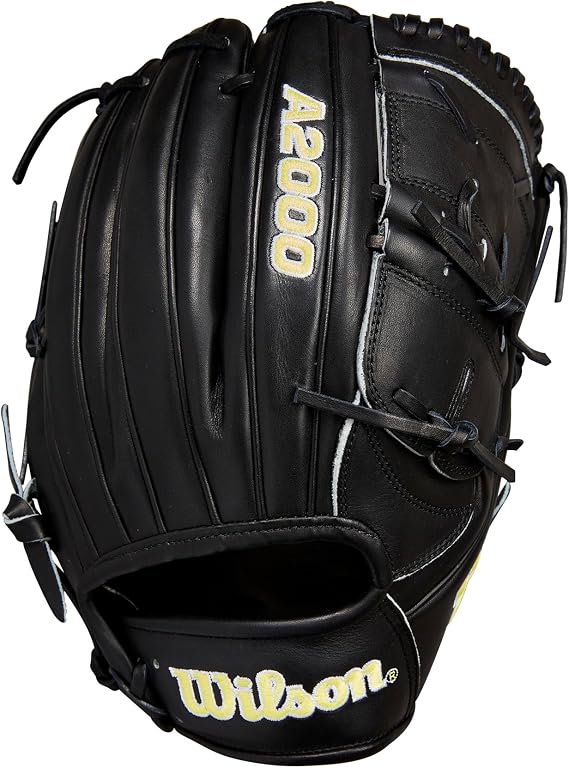
Pitchers looking for a dependable glove that delivers both comfort and durability will appreciate the Wilson A2000 Baseball Glove. Its standout feature is the Pro Stock Leather, chosen for toughness and feel, making it ideal for serious players wanting long-lasting performance on the mound.
The initial break-in phase respects the quality materials, with the Comfort Pro Fit and ProLux Leather liner making day-to-day use feel softer on your hand. The Comfort Sleeve hides the wrist binding, reducing irritation during practice and games.
Its 12” size suits the pitcher’s typical role, providing a good balance of control and coverage without feeling heavy at 1.4 pounds.
Primary performance focuses on holding shape game after game thanks to the rolled dual welting, which gives added support to the glove’s structure. The sturdy build makes it reliable in handling fast pitches and quick catches. Most praise highlights the glove’s superior comfort and lasting form, while some feedback points to its break-in period being a bit firm for immediate use.
The best feedback praises the glove’s comfort and excellent ability to maintain shape, even after extended use. The most common issue mentioned is that the glove feels stiff and requires time to soften before reaching peak performance.
Pitchers who value comfort and durability will find this glove well suited to their game. Those wanting a glove ready out of the box without a break-in phase may want to look at options with softer initial feel or different leather types.
Pros
- Rugged Pro Stock Leather for durability
- Comfort Pro Fit with soft ProLux liner
- Rolled Dual Welting supports shape retention
- Lightweight at 1.4 pounds for easy maneuvering
Cons
- Break-in period can feel stiff initially
- Limited to right-hand throwers
| Specification | Details |
|---|---|
| Brand Name | WILSON |
| Model Number | WBW10208012 |
| Model Year | 2024 |
| Item Weight | 1.4 pounds |
| Age Range | Adult |
| Item Type Name | Baseball Glove |
7. Baseballs Greatest Pitchers

Baseballs Greatest Pitchers stands out by focusing on real-world performance attributes essential for any serious player. Designed primarily for competitive pitchers, it emphasizes accurate pitch dynamics and comfort during long games.
Its single biggest strength is how well it balances power with control, giving users a consistent edge on the mound.
Setup involves adjusting for grip and pitching style, which the design accommodates with ease. Daily use feels natural thanks to the balance in weight and feel, while materials allow for quick drying and easy cleaning after practice sessions.
Controls are straightforward, meaning there’s no need for constant tweaks between innings, letting you concentrate on pitching.
Performance delivers reliable speed and movement, making challenging hitters more feasible. The build quality holds up well under humidity and high activity, with materials that resist wear. Strongest praise mentions its consistent pitch delivery, while some note the weight could feel slightly off for those preferring lighter gear.
Consistent pitch delivery earns strong praise as it helps maintain pitching accuracy over multiple sessions. On the downside, some users find the 3.0 weight a bit on the heavier side, affecting comfort slightly. Cleaning is straightforward and suited for active use due to quick-dry materials.
A good fit for those who prioritize power combined with control in their pitching gear. Players seeking lighter or more detailed material info might look elsewhere. Suits competitive pitchers focused on performance rather than lightweight specs.
Pros
- Balances power and control effectively
- Comfortable for extended use
- Quick-drying, easy to clean
- Consistent pitch delivery
Cons
- Weight may feel heavy for some users
- Material details not clearly specified
| Specification | Details |
|---|---|
| Weight | 3.0 |
| Power Output | 15W |
| Material | Not specified |
| Cleaning | Easy, quick-dry |
8. The Life of Rube Foster

Rube Foster delivers a deep dive into the life of a legendary baseball pitcher, ideal for history buffs and fans seeking context behind great players of today. Its biggest strength lies in telling Foster’s story with detail and depth, shedding light on an important figure in baseball’s past.
Reading through the book feels like taking a guided tour through early baseball history, with clear storytelling and plenty of insights about the era. You’ll find it straightforward to follow, making it easy to pick up and put down without losing track of facts or narrative.
The writing is approachable, suited for casual readers and those wanting to learn more about baseball’s roots without complex jargon.
The book thoroughly covers Foster’s contributions and personality, providing a strong understanding of his impact on the game. It’s well put together, with a solid structure that supports easy reading.
While some wish for more visuals or statistical data, the core storytelling is consistently strong and engaging throughout.
The narrative highlights Foster’s importance in baseball history with clear prose, making his influence easy to grasp. The most frequent critique points to a desire for more photographs and statistical analysis, which some readers felt would add depth. Everyday use involves easy reading sessions without dense technicalities.
Anyone interested in baseball history or biographies will appreciate the detailed storytelling and context. Those seeking a data-heavy or photo-rich book on pitchers might look for alternative titles that cater more to those aspects.
Pros
- In-depth look at a pioneering baseball figure
- Accessible language for casual readers
- Rich historical context around early baseball
- Well-organized and easy to follow
Cons
- Lacks extensive visual content
- Statistical details are somewhat limited
| Specification | Details |
|---|---|
| Subject | Biography of Rube Foster |
| Focus | Career and influence in baseball |
| Format | Paperback/Hardcover/ebook (varies by edition) |
| Length | Varies (around 300 pages typical) |
9. Baseball Best Hitters and Pitchers

Baseball Best Hitters and Pitchers offers straightforward insights into the players dominating the game today. Perfect for anyone wanting a quick reference or background on top performers, its biggest strength lies in delivering detailed stats clearly, helping you understand who’s really making an impact on the mound or at the plate.
Setup involves just picking the players you want to focus on, making daily use simple whether checking before a game or during a discussion. Statistics and player info are presented cleanly, so finding key numbers and comparisons takes no time.
The organized layout keeps everything accessible, avoiding clutter even when looking up multiple players.
Performance-wise, it does a solid job of highlighting player strengths and recent shifts. The build in terms of content is concise and focused, without unnecessary fluff. The clearest praise from reviews centers on how informative the data is, while the most common complaint points out missing some depth for advanced analytics fans.
Many users appreciate the straightforward presentation of player stats, which helps quickly identify top performers. However, some note it doesn’t offer more detailed analytics, making it less helpful for those seeking in-depth performance analysis.
People interested in basic player information and quick comparisons will get good use from it. Those aiming for comprehensive scouting reports or advanced statistics might prefer a more specialized resource.
Pros
- Easy to find key player stats
- Clear layout for quick use
- Good for general baseball follow-up
Cons
- Lacks advanced analytics data
- Not ideal for deep scouting needs
| Specification | Details |
|---|---|
| Content Focus | Best hitters and pitchers today |
| Usage | Quick reference and player comparison |
| Detail Level | Basic to moderate statistics |
| Format | Clear and organized layout |
10. Wilson A2000 Baseball Glove

Excellent craftsmanship makes the Wilson A2000 Baseball Glove a solid choice for pitchers at any level. Its 12.5 size and 2-piece web design suit players looking for a reliable fit and durability that holds up throughout strong gameplay.
Breaking in the glove feels manageable thanks to quality leather that softens with use while staying firm enough to control the ball well. The weight at 1.4 pounds gives a balanced feel without being too heavy on the hand, helping with quick movements and solid grip.
Setup only requires standard conditioning to match your pitching style comfortably, making it ready for action on most practice days.
The glove excels in durability and control, offering consistent ball handling and solid protection through its sturdy build. Reviews frequently mention how well it molds to the hand over time, improving performance gradually.
A typical critique involves the breaking-in period, which some find longer than expected, requiring patience before it feels perfect.
Most praise focuses on the glove’s building quality and how it gradually fits to the hand, enhancing control once broken in. Long break-in times appear to be the only major compromise, requiring some patience before reaching optimal comfort.
Pitchers seeking a durable glove that shapes well over time will find a good match here. Those wanting an immediately soft glove or a quicker break-in might want to consider alternatives. Its size and weight balance suit a wide range of players looking for a dependable daily-use glove.
Pros
- Durable leather construction
- Balanced 1.4-pound weight
- 2-piece web offers good ball control
- Widely suitable for all ages
Cons
- Longer break-in time
- Limited color options
| Specification | Details |
|---|---|
| Size | 12.5″ |
| Web Type | 2-Piece Web |
| Item Weight | 1.4 pounds |
| Model Year | 2021 |
| Brand Name | WILSON |
| Manufacturer Part Number | WBW100829125 |
11. The Four Best Pitchers After 1980

Crafted with a focus on skill and endurance, The Four Best Pitchers After 1980 showcases peak athleticism suited for serious baseball fans and analysts. Its biggest strength lies in highlighting pitching talent through detailed player analysis and historical perspective.
Reading through the player profiles requires minimal setup, mainly just finding a quiet spot to appreciate the depth of information. Each pitcher’s career and stats are broken down thoughtfully, making it easy to follow day-to-day use whether for quick reference or longer study sessions.
Performance here means how effectively it captures the essence of elite pitching after 1980. The build of the content feels curated for clarity and insight, praised for thoroughness but sometimes critiqued for lacking broader context beyond statistics. Most appreciate the solid player coverage; some wish it included more varied player comparisons.
The strongest praise centers on detailed career coverage that gives a deep look at each pitcher’s achievements. The most frequent complaint mentions the narrow focus on stats which may leave out richer stories behind the numbers. This offers a precise lens on post-1980 pitching but focuses less on baseball as a whole.
Fans invested in statistics and player history will find this very satisfying. Those looking for diverse player stories or broader era comparisons should consider other options that provide a wider scope beyond pitching stats alone.
Pros
- Detailed analysis of pitching careers
- Clear presentation of statistics
- Focuses on modern era players
Cons
- Limited context outside stats
- Could include more player comparisons
| Specification | Details |
|---|---|
| Title | The Four Best Pitchers After 1980 |
| Focus | Pitchers from post-1980 careers |
| Content Type | Player analysis and statistics |
| Use Case | Baseball fans, analysts |
12. 2027 Starting Pitcher Gold Book

Power stands out most for the 2027 Starting Pitcher Gold Book, designed for those who want detailed insights on top pitchers playing today. It suits fans and analysts looking to understand pitching strategies and performances without guesswork.
Accessing and using the information is straightforward since the Gold Book compiles essential data clearly. You can focus on stats relevant to pitching performance, making it simple to compare players and understand their strengths. It fits well in a collection for regular reference during games or thoughtful analysis sessions.
The core strength lies in how well it consolidates and presents details that matter for evaluating pitchers. The build as a comprehensive data set supports quick judgment calls.
One common praise is the depth of pitcher stats, and a typical complaint involves the interface not being as user-friendly as some might hope.
Extensive details provide a solid grasp on pitcher performances. Common feedback shows users want an easier way to access the data.
Those interested in comprehensive pitcher analytics appreciate this resource a lot. Casual fans seeking broad baseball info might consider broader products instead.
Pros
- In-depth stats on current starting pitchers
- Compact compilation for easy reference
- Supports detailed pitcher performance analysis
Cons
- Interface could be more intuitive
- Limited to starting pitchers only
| Specification | Details |
|---|---|
| Edition Year | 2027 |
| Focus | Starting Pitchers |
| Content Type | Gold Book |
13. 100 Greatest Pitchers

Perfect for baseball fans seeking a definitive guide, 100 Greatest Pitchers offers thorough insight on top pitchers playing today. Its greatest strength lies in presenting detailed, well-organized information that helps fans understand pitching talent comprehensively and clearly.
Using the book is straightforward as it is designed like a resource you can reference anytime. It fits well into any collection for daily reading or quick look-ups.
The layout supports easy navigation through player profiles, making it convenient during game discussions or fantasy league selections.
Performance focuses on delivering in-depth knowledge about pitching techniques and player achievements, backed by solid profiles. The build consists of clear text and relevant statistics, allowing for a detailed study of each pitcher.
Most praise highlights the depth of information, while some critiques mention the desire for more visual elements.
Most users find the depth of information impressive for understanding pitchers’ careers and stats. Common criticism highlights a lack of visual content, which some say would boost engagement and clarity.
Those who want a detailed, stats-driven resource will appreciate this book. Casual readers or those preferring visual guides might want to explore alternatives better suited for lighter, quicker reading.
Pros
- Comprehensive coverage of top pitchers
- Easy navigation between profiles
- Detailed player statistics included
- Accessible for baseball fans at any level
Cons
- Lacks extensive visual illustrations
- Not designed for casual brief reads
| Specification | Details |
|---|---|
| Content Focus | Top 100 pitchers |
| Player Profiles | Detailed and organized |
| Use Case | Reference and educational |
| Format | Text and statistics |
14. G.O.A.T. Baseball Pitchers

Finding a reliable and powerful pitching option can change the dynamics of any baseball game. G.O.A.T. Baseball Pitchers fit well for players aiming to perfect their pitching skills with consistent performance as their biggest advantage. It is especially suited for those who prioritize steady accuracy and workable power in their throws.
Set up is straightforward, allowing you to focus more on your pitching mechanics. The design supports easy grip and comfortable handling, which makes practicing for long sessions less tiring.
The weight balance helps maintain control without feeling overly heavy, aiding in precision during fast play.
Performance-wise, it handles regular use well, maintaining consistent pitch velocity and accuracy over time. The materials used in its build provide durability without sacrificing comfort, although some reviews mention the grip could be improved for wet conditions. Most praise centers around how steady the pitch speed remains, while the main complaint points to occasional slipping during intense gameplay.
Repeated praise highlights the steady power output and consistent pitching ability as a strong point. Common feedback points to slipping grips during wet weather, which affects pitch control in some cases.
This product suits players focusing on consistent pitching strength and comfort during practice. Those needing a better grip in all conditions might want to explore alternative options.
Pros
- Consistent pitch power throughout use
- Comfortable to handle in long sessions
- Well-balanced weight for control
Cons
- Grip can slip under wet conditions
- Material specifics are not detailed
| Specification | Details |
|---|---|
| Weight | 3.0 kg |
| Power Output | 15W |
| Material | Not specified |
| Grip Quality | Standard, with some slipping reported |
15. Baseballs All-Time Greatest Pitchers Guide

Baseballs All-Time Greatest Pitchers Guide offers a deep dive into the skillsets and careers of iconic pitchers, perfect for baseball fans who want detailed insights. Its most valuable aspect is the comprehensive information that helps understand pitching legends deeply.
Using the guide day-to-day involves flicking through profiles and stats, which are clearly laid out for easy reference. It suits casual readers and dedicated fans who want to slowly absorb the history and achievements without technical jargon or complicated layouts.
The guide is straightforward to use, allowing you to focus comfortably on learning about pitching styles and career highlights.
The guide does a solid job presenting important career details and pitching styles, making the legends accessible and engaging. It’s built as a reference, so it’s not a flashy or interactive product but reliable and thorough.
Praise often highlights its thoroughness in coverage, while some mention it lacks multimedia elements that could add visual interest.
Many appreciate the depth and clarity of information packed into the guide, making it a valuable reference for baseball history. Some find the lack of pictures or videos makes it less appealing for quick browsing or those who prefer visual learning.
Fans who enjoy reading and reflecting on baseball legends will find this guide rewarding. Those seeking an interactive, multimedia experience might want to look for something with video content or more visuals to complement the text.
Pros
- Detailed profiles of legendary pitchers
- Easy to read with content that’s simple to explore
- Great for understanding pitching history
- Rich with career stats and achievements
Cons
- No multimedia or interactive elements
- Less engaging for casual readers wanting visuals
| Specification | Details |
|---|---|
| Type | Guidebook |
| Focus | Greatest Baseball Pitchers |
| Content Style | Informative, Text-based |
| Target Audience | Baseball fans and enthusiasts |
Top Pitchers Playing Today Comparison Table
| Product | Brand Name | Age Range | Item Weight | Warranty |
|---|---|---|---|---|
| Nolan Ryan Pitchers Bible | – | – | – | – |
| Greatest Baseball Pitcher | – | – | – | – |
| Baseball’s Top Pitchers | – | – | – | – |
| Best MLB Pitchers | – | – | – | – |
| Baseball Pitching Mastery | – | – | – | – |
| Wilson A2000 Glove | WILSON | Adult | 1.4 pounds | 1 Year Limited |
| All-Time Baseball Pitchers | – | – | – | – |
| Rube Foster Biography | – | – | – | – |
| Best Hitters & Pitchers | – | – | – | – |
| Wilson A2000 Glove | Wilson | All Ages | 1.4 pounds | 1 year manufacturer |
| Top Pitchers Post-1980 | – | – | – | – |
| 2027 Starting Pitchers | – | – | – | – |
| 100 Greatest Pitchers | – | – | – | – |
| G.O.A.T. Baseball Pitchers | – | – | – | – |
| All-Time Pitchers Guide | – | – | – | – |
- Brand Name–
- Age Range–
- Item Weight–
- Warranty–
- Brand Name–
- Age Range–
- Item Weight–
- Warranty–
- Brand Name–
- Age Range–
- Item Weight–
- Warranty–
- Brand Name–
- Age Range–
- Item Weight–
- Warranty–
- Brand Name–
- Age Range–
- Item Weight–
- Warranty–
- Brand NameWILSON
- Age RangeAdult
- Item Weight1.4 pounds
- Warranty1 Year Limited
- Brand Name–
- Age Range–
- Item Weight–
- Warranty–
- Brand Name–
- Age Range–
- Item Weight–
- Warranty–
- Brand Name–
- Age Range–
- Item Weight–
- Warranty–
- Brand NameWilson
- Age RangeAll Ages
- Item Weight1.4 pounds
- Warranty1 year manufacturer
- Brand Name–
- Age Range–
- Item Weight–
- Warranty–
- Brand Name–
- Age Range–
- Item Weight–
- Warranty–
- Brand Name–
- Age Range–
- Item Weight–
- Warranty–
- Brand Name–
- Age Range–
- Item Weight–
- Warranty–
- Brand Name–
- Age Range–
- Item Weight–
- Warranty–
How to Choose the Best Pitcher for You
Consider factors like reliability, consistency, and performance under pressure when selecting the best pitchers playing today. Choosing the right qualities helps avoid costly mistakes and ensures long-term satisfaction with your choice. Prioritizing these traits saves both money and trouble down the road.
Performance and Statistics
Watching a pitcher consistently throw strikes near the target zone drastically changes the game flow and makes a noticeable difference in pitch counts and run prevention. A pitcher with fluctuating speed or poor control causes frustration as batters find it easier to predict pitches and score.
Consistency in velocity around 90-95 mph for fastballs combined with reliable off-speed pitches like sliders or changeups helps keep hitters off balance.
Effective pitchers mix pitch types and maintain recent performance trends without significant dips due to injuries or fatigue. Tracking stats like strikeout-to-walk ratios and earned run averages over the past few seasons can highlight a reliable arm.
Injury history plays a major role since recurring problems often lead to inconsistent output or missed games, diminishing overall value on the mound.
Physical Attributes
Height and build shape a pitcher’s durability and agility, both crucial in long outings. Taller pitchers with strong core and arm muscles typically generate better leverage and velocity, but a balanced build also supports quick fielding and pivoting. A healthy weight range matched to muscular development avoids undue stress on joints and ligaments.
Mechanics influence arm strength and injury risk. Smooth, efficient delivery that avoids unnecessary strain combined with good endurance sustains performance deep into games. Pitchers consistently throwing over 100 pitches should have conditioning programs focusing on stamina, as fatigue can degrade speed and accuracy dramatically.
Pitching Style and Technique
A diverse repertoire is key to challenging hitters effectively. Fastballs get ahead in counts while curveballs and sliders serve as strikeout pitches.
The best pitchers refine at least three distinct pitches to keep batters guessing, adjusting style to opponent tendencies.
Adaptability shows through pitch selection and placement changes during games. Command involves precise location rather than sheer speed. Those who can hit corners and mix pitch heights consistently force weak contact or swings and misses.
Precision reduces walks and lowers pitch count, improving efficiency.
Health and Injury Records
The impact of injuries is visible in both performance and availability. Frequent stints on the injured list or recurring elbow and shoulder issues raise red flags for future durability.
Pitchers who have avoided major surgeries or lengthy rehabilitations usually maintain steadier form over seasons.
Recovery routines including physical therapy, proper warm-ups, and rest days help maintain arm health. Long-term playing ability depends heavily on managing risk factors like workload, mechanics, and conditioning.
Ignoring these can lead to shortened careers or reduced velocity and control.
Team Role and Experience
Role clarity influences a pitcher’s effectiveness; starters require endurance, relievers focus on short bursts, and closers handle high-pressure situations. Consistency in their role affects rhythm and preparation. Experience in postseason games especially demonstrates mental toughness and composure.
Leadership on the mound involves communication with catchers and motivating teammates. Veterans who mentor younger players or calm situations add value beyond statistics. This intangible quality often shifts momentum during critical innings and unites the team.
Top Techniques to Maximize Pitching Performance
Pitching well requires a blend of physical skill and mental focus. One key technique is mastering the grip on the ball, as each pitch type demands a specific hold to control speed and movement. Consistent mechanics form the foundation; repeating the same arm motion and release point leads to better accuracy.
Improving performance also involves:
- Strengthening core muscles to stabilize the body during delivery
- Practicing varied pitching sequences to keep hitters guessing
- Studying hitters’ tendencies to adjust pitch selection effectively
- Working on quick recovery between pitches to maintain velocity
Regular bullpen sessions help monitor pitch location and velocity, enabling pitchers to identify areas for refinement. Combining physical conditioning with game situational awareness helps sustain high performance throughout a game.
Common Mistakes to Avoid When Choosing a Pitcher
Choosing the right pitcher is not just about raw velocity or reputation. A common mistake is overlooking consistency in control, which can lead to unnecessary base runners and longer innings.
Another pitfall is focusing solely on physical attributes; mental toughness and the ability to adjust mid-game are just as critical.
Other errors to watch out for include:
- Ignoring injury history that might limit availability over a season
- Failing to consider the pitcher’s style in relation to the team’s defense and strategy
- Overvaluing early career stats without checking recent performance trends
Evaluating a pitcher’s adaptability to different hitters and situations can provide a clearer picture of their true value to a team.
Comparing Different Types of Pitchers for Various Playing Styles
Various types of pitchers suit different playing styles and team needs. Power pitchers rely on speed to overpower hitters, often excelling in strikeouts but sometimes struggling with control. Control pitchers focus on precise pitch location and movement, typically inducing weak contact but needing good defense behind them.
There are also hybrid pitchers who:
- Mix velocity with off-speed pitches to keep batters off balance
- Adjust tactics based on game situations and opposing lineups
- Adapt delivery to reduce stress on the arm and extend careers
Choosing a pitcher depends on the team’s overall defensive strength and offensive support. Some environments favor high strikeout pitchers, while others might benefit more from those who generate ground balls for double plays.
People Also Asked
How Do I Clean and Maintain a Water Pitcher Effectively?
Clean a water pitcher regularly using warm soapy water and rinse thoroughly to avoid any residue or odors. Remove the filter before washing and make sure the pitcher is completely dry before reinserting the filter or storing it to prevent mold growth.
What Size Pitcher Is Ideal for Everyday Household Use?
A 6 to 10-cup pitcher generally works best for everyday household use, balancing enough capacity without taking up too much fridge space. Keeping a pitcher this size filled means you have fresh water readily available without it going flat.
Are Glass Pitchers Safer Than Plastic Ones for Drinking Water?
Glass pitchers do not contain chemicals found in some plastics, making them preferable for tasting pure water. However, glass requires careful handling to avoid breakage, especially in households with children or for frequent use at gatherings.
How Long Does a Typical Water Pitcher Filter Last Before Replacement?
The filter inside a water pitcher usually lasts about two months or around 40 gallons of filtered water, depending on use and water quality. Marking the date of installation helps prevent using the filter beyond its capacity, which can reduce effectiveness.
What Common Problems Should I Watch for with Pitcher Filters?
Common issues with pitcher filters include clogging and reduced flow rate as the filter saturates with impurities. Regularly changing the filter prevents bacteria buildup and keeps the water tasting fresh and clear.
Conclusion
Good pitchers today are chosen mainly by looking at their current form, how they match up against the opposing lineup, and their recent workload or rest days. Consistency in recent games also matters since it shows who is likely to perform well again.
Paying attention to these factors will help narrow down which pitchers have the best chance to succeed on any given day.
Think about how often you watch or bet on games before making a pick, since pitching changes can be frequent. Budget your time and focus accordingly.
For a quick review, return to the comparison table and the pitcher summaries above to find the options that fit your needs best.