How to Choose Wine Glasses: A Practical Guide for Every Wine Lover
Choosing the right wine glasses can elevate your wine tasting experience by enhancing the flavor, aroma, and overall enjoyment of different wines. The main factor in how to choose wine glasses is understanding that the shape, size, and material of the glass will influence how the wine interacts with air and your senses. Specific glasses are designed to complement red, white, sparkling, or dessert wines, making your choice meaningful rather than arbitrary.
The significance of selecting suitable wine glasses goes beyond aesthetics; it directly affects how the wine's bouquet is presented and how its flavor is perceived. Different varietals express unique characteristics best appreciated through the glasses designed specifically for them. Using the right glass can highlight nuances like acidity, tannins, and bouquet that might otherwise go unnoticed.
This guide will explore various aspects including glass shapes tailored for wine types, materials and craftsmanship, the importance of stem length and bowl size, practical maintenance tips, and how to match glasses with your personal preferences and occasions. By covering these factors, you’ll be equipped to confidently select wine glasses that suit your drinking habits and enhance every pour.
Understanding Wine Glass Shapes and Their Impact
Red Wine Glass Shapes
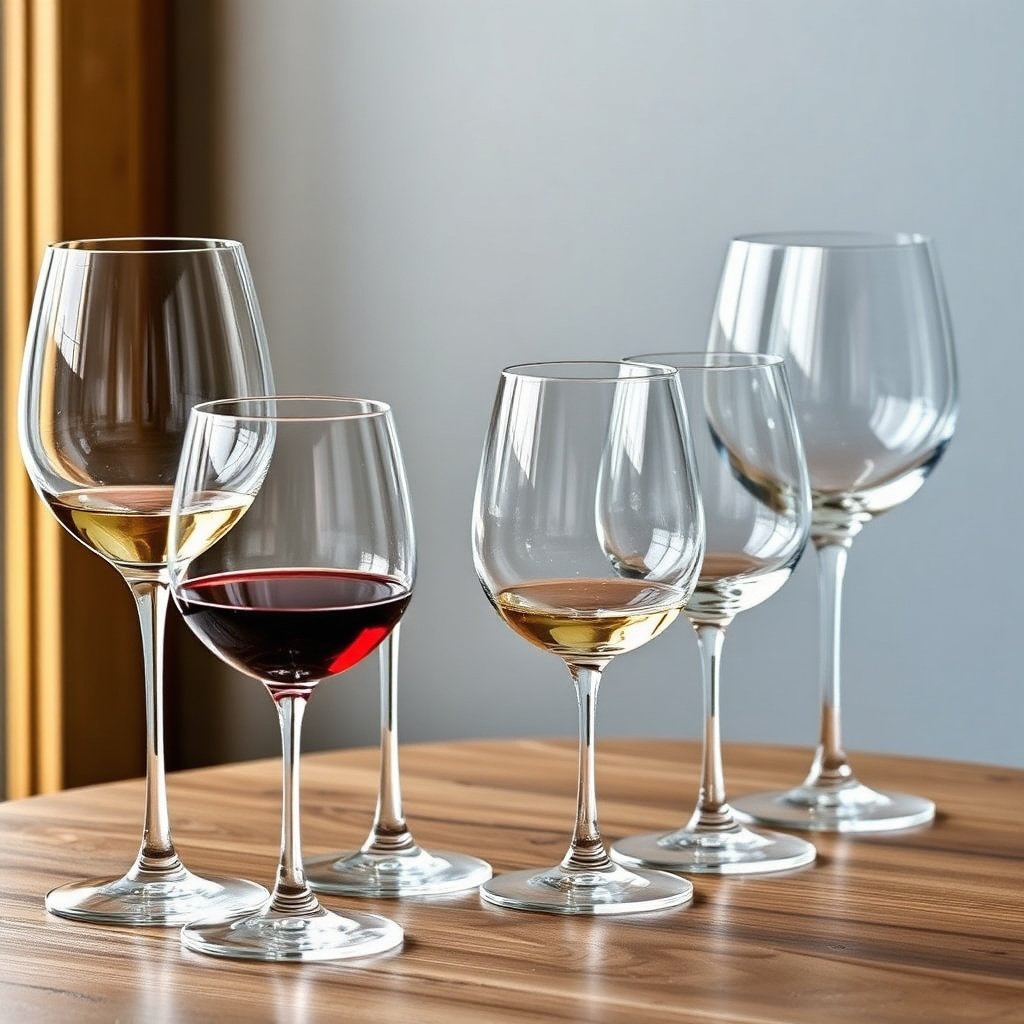
Red wine glasses generally have larger, rounder bowls designed to allow more air contact with the wine. This aeration softens tannins and unleashes the wine’s aromas and flavors. Varietals like Cabernet Sauvignon and Merlot flourish in these glasses, as the broad surface assists in tempering the wine’s boldness.
Within red wine glasses, slight variations exist: Bordeaux glasses have tall bowls suited for full-bodied reds, whereas Burgundy glasses are wider and more open to direct the wine toward the tip of your tongue where sweetness is detected.
- Bordeaux glasses: tall, narrow bowls
- Burgundy glasses: wider, larger bowls
White and Sparkling Wine Glass Shapes
White wine glasses are typically smaller than those for red wines. The narrower bowl preserves floral aromas and directs the wine to the more acidic parts of your palate, highlighting freshness. Sparkling wine glasses, often flutes, minimize surface area to preserve carbonation and encourage bubble retention.
However, some wine enthusiasts favor tulip-shaped sparkling wine glasses, which offer a better aroma experience while still maintaining some effervescence due to their narrow top.
- White wine glasses: smaller, narrow bowls
- Sparkling wine flutes: tall, slim shapes
- Tulip-shaped glasses: aromatic alternative for sparkling
Materials and Craftsmanship of Wine Glasses
Glass vs. Crystal
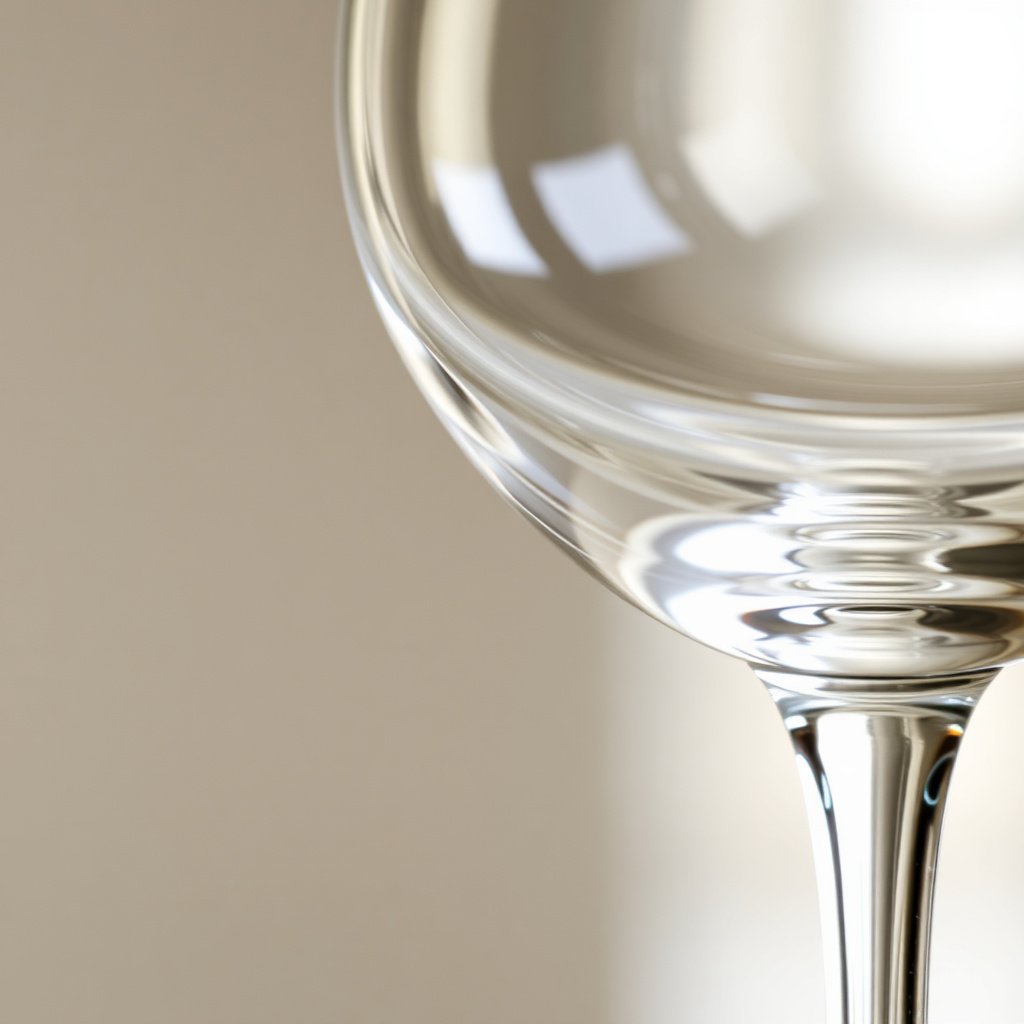
Crystal glasses, often handmade, are prized for their thin rims, clarity, and lightness, allowing wine to flow smoothly and enhancing sensory perception. Glass wine glasses tend to be thicker and heavier with less brilliance but offer better durability at an affordable price.
While crystal glasses are generally preferred for fine wine tasting, casual settings or everyday use might warrant opting for glass varieties designed for shock resistance or dishwasher safety.
- Crystal: thin rims, lightweight, exquisite clarity
- Glass: thicker, affordable, more durable
Rim Thickness and Its Effect
The rim thickness plays a subtle but significant role in how wine reaches your palate. Thin rims improve the flow and reduce any distraction when tasting, delivering wine smoothly to the tongue. Thicker rims can interrupt this experience and slightly alter flavor perception.
Many premium wine glasses emphasize rim finesse, which is why handmade options focus heavily on minimal rim thickness without compromising strength.
Stem Length and Bowl Size Considerations
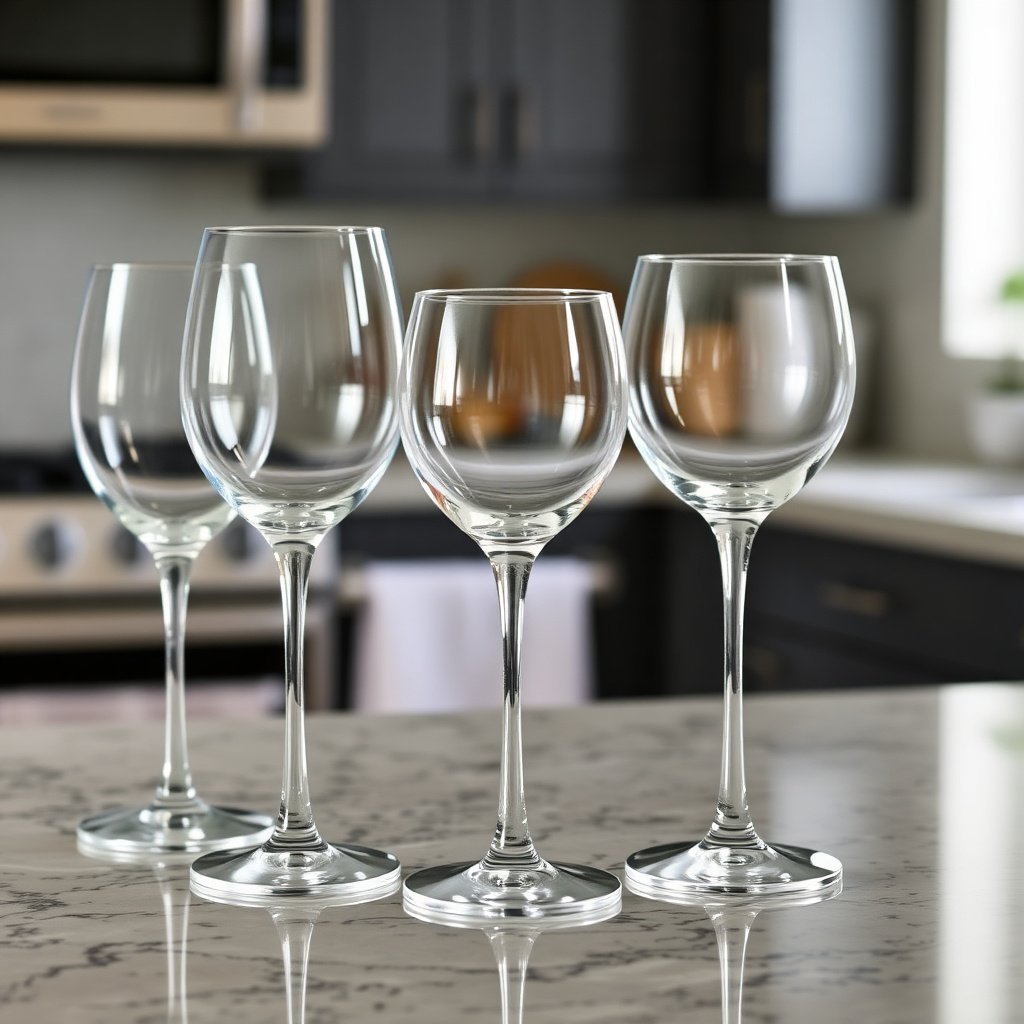
Why Stem Length Matters
The stem serves to keep your hand away from the bowl, preventing temperature transfer from your fingers to the wine, which might affect its taste. Longer stems allow for elegant holding but are more fragile. Short stems or stemless glasses are popular for casual use but risk warming the wine.
Stem length also influences aesthetics and balance; consider your typical usage environment to choose the best option for comfort and style.
- Long stems: cooler wine, elegant hold
- Short stems: stability, casual use
- Stemless: modern style, less temperature control
For more on this, see our related guide: How to Pair Wine with Steak: Complete Guide with Expert Tips & Tables.
Bowl Size and Shape Impact on Aroma
Bowl size affects how aromas accumulate. Larger bowls allow more swirling, releasing volatile compounds vital for proper scent profiling. However, overly large bowls can diffuse aromas too broadly, while too small bowls may restrict bouquet development.
The shape of the bowl also directs vapor flow. For example, a tulip shape narrows at the rim to concentrate scents toward your nose, enhancing tasting.
Practical Wine Glass Maintenance and Durability
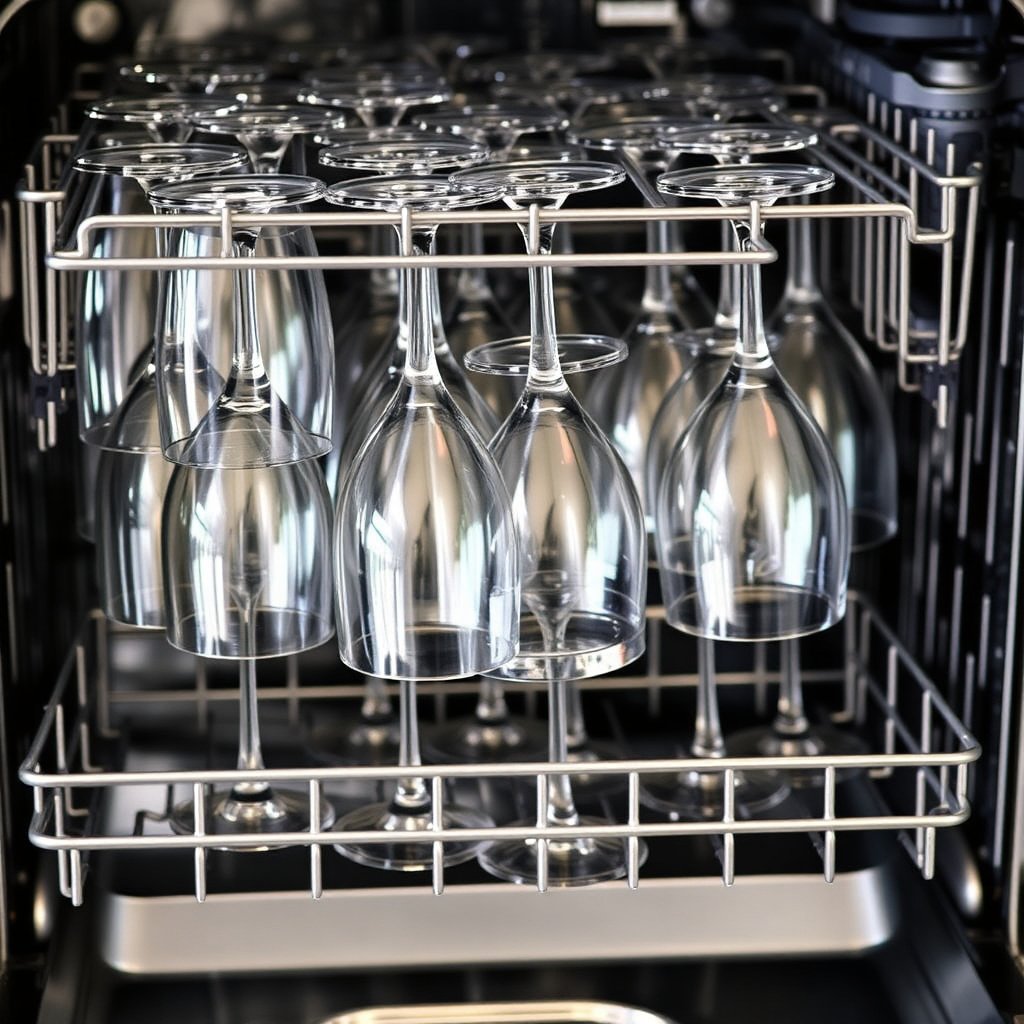
Cleaning Tips for Longevity
Proper cleaning preserves clarity and prevents cloudiness or etching. Hand washing with mild detergent and warm water is safest for delicate crystal glasses. Avoid abrasive sponges. For dishwasher use, position glasses securely with spaced separation and choose gentle cycles.
Regular polishing with a microfiber cloth maintains a sparkling appearance and prevents water spots, retaining the elegance of your glassware.
- Hand wash preferred for crystal
- Use gentle dishwasher cycles if necessary
- Dry and polish with microfiber cloth
Assessing Durability and Breakage Risk
Thin rims and stems enhance tasting experience but increase breakage risk. Tempered glass options offer a compromise, providing sturdier construction without a major sacrifice in presentation quality.
Choosing glasses with reinforced rims or opting for specially designed casual glasses can avoid frequent replacement while still maintaining satisfactory functionality.
- Tempered glass for better break resistance
- Reinforced rims minimize chipping
- Consider use environment when selecting glass type
Selecting Wine Glasses for Different Occasions
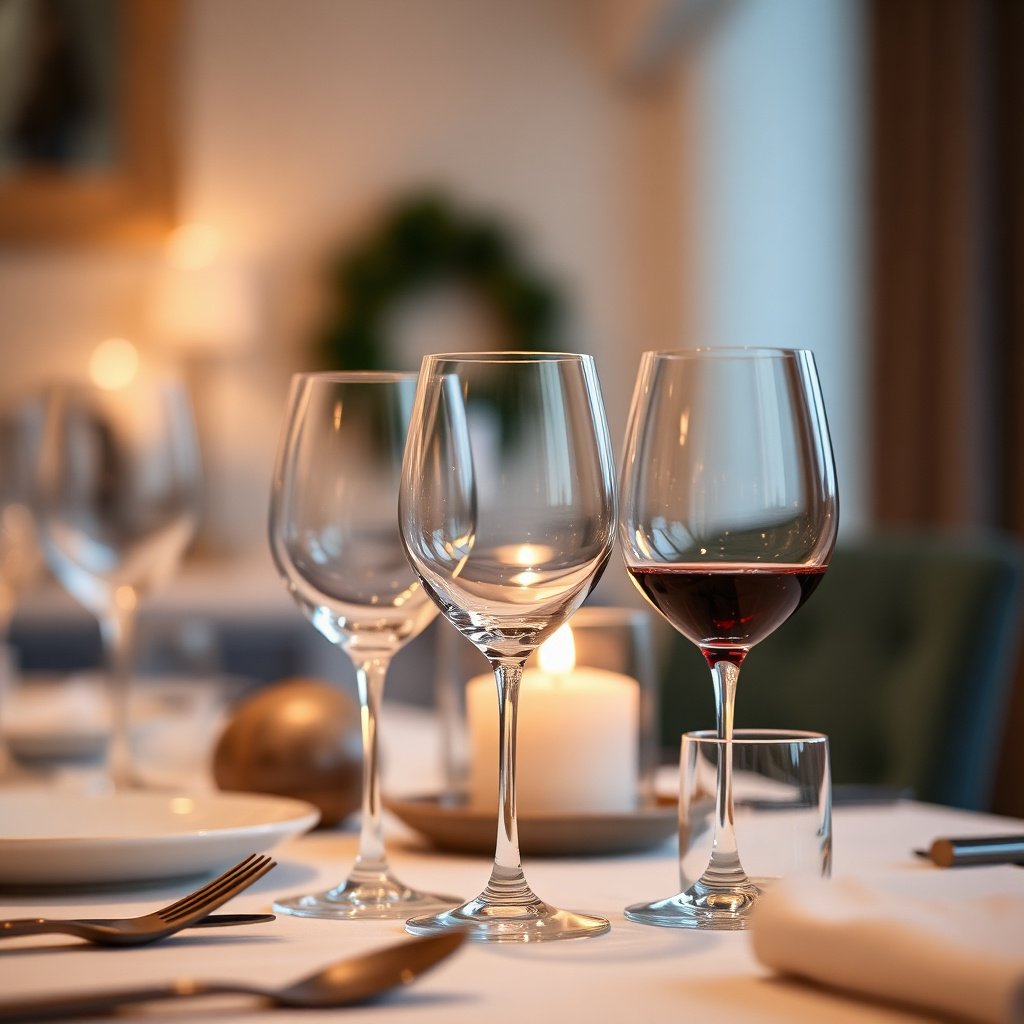
Formal Wine Tastings and Events
At formal tastings, using specialized glasses such as Bordeaux or Burgundy shapes made from fine crystal elevates the experience and respect for the wine. These glasses emphasize subtle nuances and promote appreciation of complex wines.
Presentation matters in formal settings, so uniform sets with delicate features and proper glassware types for each wine style enhance professionalism.
For more on this, see our related guide: What Is the Best Wine for Pizza? Proven Pairings That Impress.
Casual and Everyday Wine Drinking
For daily use or casual gatherings, durability and ease of maintenance may outweigh optics. Stemless glasses or robust glass models provide convenience without constant breakage concerns. Mixed-use sets with versatile shapes accommodate different wine types without requiring a vast collection.
Selecting glasses that balance function and affordability is key for informal occasions.
How to Choose Wine Glasses for Your Personal Preferences
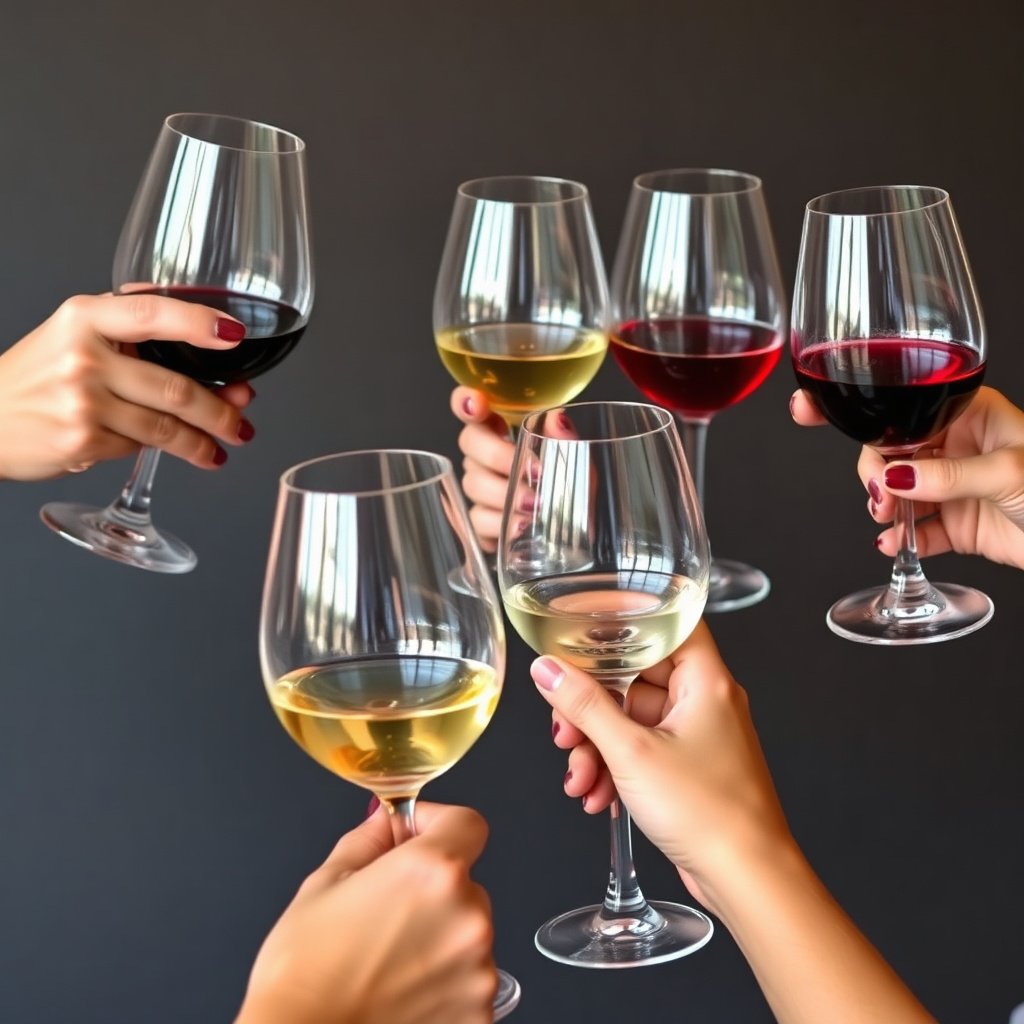
Matching Glasses to Wine Drinking Habits
If you primarily enjoy red wines, prioritize glasses with larger bowls and thinner rims to maximize aroma and flavor. White wine enthusiasts benefit from smaller bowls to maintain crispness and temperature. Those who favor sparkling wines will appreciate flutes or tulip shapes that sustain bubbles and concentrate aromas.
Understanding your typical consumption helps narrow down your options from the broad wine glass market.
For more detailed information on the history and types of wine glasses, visit wine glassware details at Wikipedia. wine glassware details at Wikipedia.
Stylistic Choices and Aesthetic Appeal
The look and feel of wine glasses affect user satisfaction—you might prefer elegant crystal for special occasions or modern stemless designs for everyday appeal. Color, etching, and brand also influence your buying decision, especially if you entertain frequently or want a cohesive table setting.
Balancing personal style with function yields the most rewarding investment in wine glassware.
Wine Glass Types Category Comparison
Here’s a comparison of popular wine glass types highlighting their suitability, durability, and price ranges.
| Category | Best For | Durability | Price Range |
|---|---|---|---|
| Bordeaux Glasses | Full-bodied red wines | Fragile | $25 – $100 |
| Burgundy Glasses | Light to medium reds | Fragile | $30 – $120 |
| White Wine Glasses | White wines, crisp and aromatic | Moderate | $15 – $80 |
| Sparkling Wine Flutes | Champagne and sparkling wines | Moderate | $20 – $90 |
| Stemless Glasses | Casual drinking, versatile | Durable | $10 – $50 |
| Tempered Glasses | Everyday use, durability focused | Highly durable | $10 – $40 |
Frequently Asked Questions
Can one type of wine glass be used for all wines?
While one glass can suffice, using specialized shapes for reds, whites, and sparkling wines enhances aroma and flavor. Universal glasses exist but don’t highlight nuances as effectively.
Do wine glasses affect the taste of the wine?
Yes, glass shape and rim thickness can influence how aroma molecules and flavors are delivered to your palate, altering perceived taste.
Are crystal glasses better than regular glass for wine?
Crystal glasses often have thinner rims and better clarity, improving tasting experience, but regular glass offers more durability and affordability.
How should I clean delicate wine glasses to avoid damage?
Hand wash gently with mild detergent and avoid abrasive materials. Dry with a microfiber cloth to prevent water spots and preserve shine.
Is stemless wine glassing less appropriate for fine wines?
Stemless glasses may warm wine faster and limit aeration, making them less ideal for fine wines but suitable for casual drinking.
Key Takeaways
- Wine glass shape profoundly affects aroma and flavor expression.
- Crystal glasses offer thin rims and superior clarity but are more fragile.
- Stem length helps control wine temperature and influences holding comfort.
- Maintenance and durability concerns guide choices between glass types.
Conclusion
Selecting wine glasses involves balancing technical factors like bowl shape and rim thickness with practical concerns such as durability and cleaning ease. Recognizing how different glasses interact with various wine types gives you an advantage in appreciating wine’s subtleties. While expert tasters might insist on specific glasses for each varietal, many wine enthusiasts will find a few well-chosen shapes suffice for their collection. Understanding the trade-offs helps you make choices aligned with your drinking style and occasions.
For formal tastings or serious enthusiasts, investing in distinct Bordeaux and Burgundy glasses made of fine crystal will maximize the wine’s aroma and complexity. White wine drinkers should look for smaller bowled glasses that preserve freshness, while sparkling wine lovers can enjoy flutes or tulip-shaped glasses that maintain effervescence. If you prefer casual gatherings, stemless or tempered glass options provide resilience and versatility without compromising enjoyment. Tailoring your selection to your personal habits and entertaining style ensures satisfaction across settings.
Ultimately, how to choose wine glasses is about improving your interaction with wine in an everyday context or elevating special moments. Start with one type tailored to your preferred wine style, assess what fits your lifestyle and budget, then expand gradually. Regular care and mindful handling will preserve your glassware for years. By applying these considerations thoughtfully, you’ll enrich your wine experiences and savor every sip more fully.