How to Choose a Stove with Microwave Above for Your Kitchen
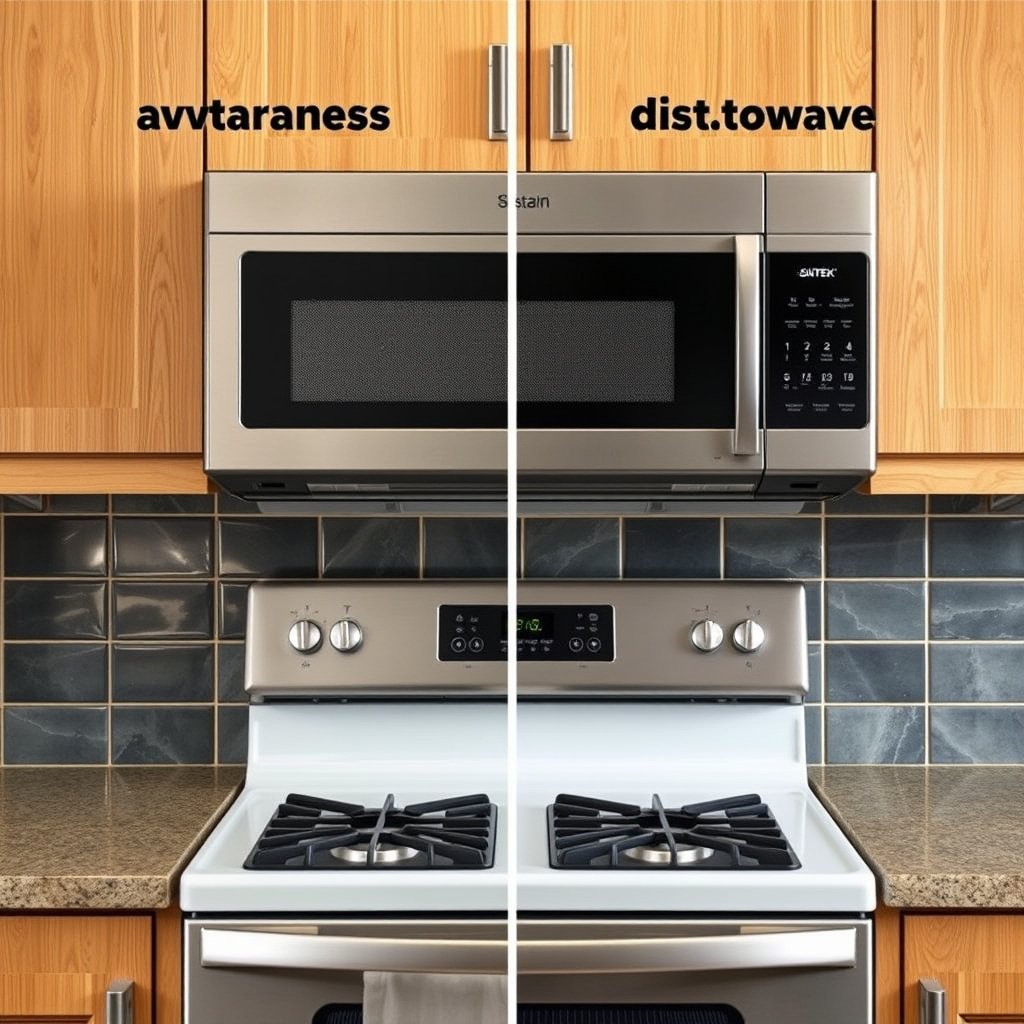
A stove with microwave above is a space-saving kitchen appliance that combines a cooking range with an over-the-range microwave installed directly above it. This setup allows you to cook and reheat food efficiently while utilizing vertical space, ideal for kitchens with limited counter area.
Many homeowners prefer this design because it consolidates two essential appliances, streamlining meal prep and freeing up valuable countertop surface. The microwave usually features ventilation capabilities, replacing the traditional range hood and improving airflow while cooking on the stove below.
This guide will cover key factors like appliance dimensions, ventilation types, installation considerations, and the pros and cons of different models. Additionally, we’ll explore various stove with microwave above combos, focusing on functionality, safety, and convenience to find the best fit for your kitchen.
Understanding the Layout of a Stove with Microwave Above

Typical Dimensions and Space Requirements
Standard stoves are usually 30 inches wide, and over-the-range microwaves are sized to match this width, generally between 24 and 30 inches wide. The combined setup requires at least 27 to 30 inches of vertical space and about 15 to 18 inches of clearance between the stove top and the microwave bottom for safety.
When planning, you must consider the microwave's depth too, as it should not extend too far beyond the stove’s front edge. Proper measurements ensure the microwave doesn’t obstruct cooking or create hazardous conditions while handling hot pots and pans.
- Standard stove width: 30 inches
- Microwave width usually 24-30 inches
- Recommended 15-18 inches clearance above stove
- Microwave depth should not overhang stove excessively
Ventilation Types Within Over-the-Range Microwaves
Many microwaves installed above stoves double as range hoods, providing ventilation either through external ducting or recirculation. Ducted vents expel smoke, steam, and odors outside, offering better air quality.
Recirculating models filter air with charcoal or carbon filters before releasing it back into the kitchen. While easier to install, they are generally less efficient at removing cooking fumes and require regular filter replacement.
- Ducted vent: directs air outdoors
- Recirculating vent: filters and reuses air
- Filter maintenance needed for recirculating types
- Ducting installation may require professional help
Installation Considerations for Stove with Microwave Above

Electrical and Plumbing Setup
Most stoves require a dedicated 240-volt circuit, while the microwave typically uses a standard 120-volt outlet. It’s important to ensure your kitchen wiring can support this combined setup without overloading circuits.
Neither stoves nor microwaves usually need plumbing connections, but ventilation ducting must be routed properly to meet building code requirements and optimize performance.
- Stove typically needs 240V electrical circuit
- Microwave requires 120V outlet
- Separate circuits recommended for safety
- Vent ducting installation must follow codes
Mounting Height and Safety Guidelines
For user safety, the microwave should be mounted so that its bottom is around 15 to 18 inches above the stove surface. This clearance avoids heat damage and gives adequate space for cooking.
Ensure that mounting hardware is rated for heavy appliances and that the installation wall can support the combined weight of the stove and microwave.
- Maintain 15-18 inch clearance above stove
- Use approved mounting brackets
- Confirm wall support capacity for heavy units
- Avoid installing microwave too high for accessibility
Functional Features of Stoves with Microwaves Mounted Above

Microwave Controls and Cooking Features
Modern over-the-range microwaves often include sensor cooking, multiple power levels, and convection options. These features allow versatile cooking from simple reheating to baking and roasting.
User-friendly controls with digital displays and pre-programmed settings make operation intuitive, especially when multitasking between the stove and microwave functions.
- Sensor cooking for automatic time adjustment
- Convection feature for expanded cooking
- Multiple power levels and timed cooking
- Easy-to-read digital control panels
Stove Burner Types and Performance
Stoves paired with microwaves above come in gas, electric coil, and smooth-top electric ranges. Gas burners provide rapid heat and precise temperature control, while electric cooktops offer easier cleanup with a smooth surface.
Consider your cooking style and kitchen energy supply when choosing the stove type. Some models also offer dual-element burners for increased flexibility.
- Gas burners with instant heat
- Electric coil stoves for budget options
- Smooth-top electric stoves for easy cleaning
- Dual-element burners for versatile cooking
Pros and Cons of Using a Stove with Microwave Above
Advantages of Over-the-Range Microwave Stoves
Combining stove and microwave in one vertical space saves valuable countertop area, ideal for small kitchens or apartments. It consolidates two appliances with a streamlined look, improving kitchen aesthetics.
Integrated microwave vents replace the range hood, reducing overall appliance clutter and improving air quality with built-in exhaust systems.
- Space-saving design for small kitchens
- Efficient use of vertical kitchen space
- Microwave doubles as ventilation hood
- Modern look and kitchen organization
Potential Drawbacks and Limitations
The height of over-the-range microwaves can be challenging for shorter users, making it harder to reach hot food safely. Installation may require professional help due to electrical and venting complexities.
Recirculating vents are less effective than ducted systems, and some microwaves have smaller interiors compared to countertop models, limiting reheating large dishes.
- Accessibility issues for shorter users
- Installation complexity and cost
- Recirculating vents less efficient
- Smaller microwave cavity than countertop units
Popular Brands and Models of Stoves with Microwave Above

High-End Models with Advanced Features
Brands like GE Profile, Samsung, and LG offer premium stove and microwave combos featuring convection microwaves, precise burners, and smart controls compatible with home automation systems.
These models often provide better build quality, larger microwave interiors, and better ventilation performance, suitable for homeowners wanting professional-grade appliances.
- GE Profile with convection microwave
- Samsung smart stove and microwave combos
- LG models with Wi-Fi connectivity
- Enhanced ventilation and self-cleaning ovens
Budget-Friendly Options with Solid Reliability
Brands like Whirlpool, Frigidaire, and Magic Chef offer more affordable stove and microwave combos that cover basic cooking needs without many extra features. These are good for budget-conscious buyers or secondary kitchens.
While simpler, these models are easy to operate and generally reliable, especially when paired with professional installation for ventilation.
- Whirlpool reliable mid-range options
- Frigidaire basics with solid performance
- Magic Chef affordable stove-microwave combos
- Less complicated controls for ease of use
Maintenance and Safety Tips for Stove with Microwave Above
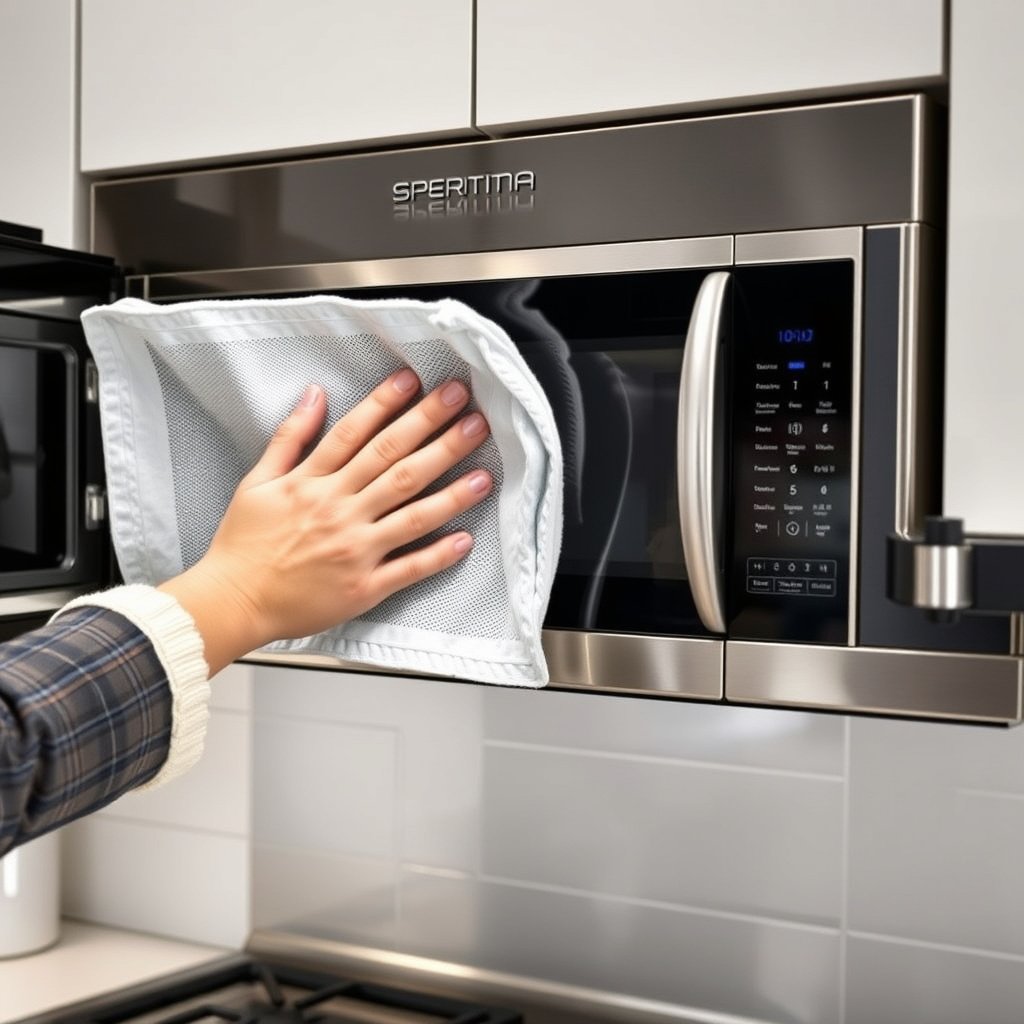
Cleaning the Microwave and Ventilation System
Filters in over-the-range microwaves should be cleaned or replaced monthly to maintain airflow and trap grease effectively. Metal mesh filters often require washing, while charcoal filters need replacement.
Regularly wipe down microwave interiors with appropriate cleaners to avoid buildup, and clean stove burner surfaces and grates to prevent flare-ups and maintain efficient heating.
- Clean or replace microwave filters monthly
- Use non-abrasive cleaners for interiors
- Wipe stove burners and grates after use
- Inspect ventilation ducts yearly
For additional background on over-the-range microwaves, you can refer to this detailed article. Over-the-range microwave article on Wikipedia.
Safety Practices to Follow While Using Combined Appliances
Always ensure the microwave door seals properly before use to avoid radiation leaks. Never place heavy items on top of the microwave, as this can affect mounting stability.
Keep flammable materials away from the stove and microwave vents and avoid using oversized cookware that may interfere with ventilation or cause spills.
- Check microwave door seals regularly
- Avoid placing heavy objects on microwave top
- Maintain clear space around vents
- Use cookware sized appropriately for stove burners
Comparison of Stove with Microwave Above Categories
Below is a comparison of common categories for stoves with microwaves above, highlighting size, ventilation, and features to help you decide.
| Category | Typical Price Range | Ventilation Type | Microwave Features | Ideal Use |
|---|---|---|---|---|
| Gas stove with ducted microwave | $900-$1500 | Ducted vent | Convection, sensors | Serious home cooks needing strong ventilation |
| Electric smooth-top stove with recirculating microwave | $700-$1200 | Recirculating vent | Basic microwave functions | Small kitchens with limited ducting options |
| Budget coil stove with basic microwave | $500-$900 | Recirculating vent | Simple cooking modes | Rental or seasonal use without extra features |
| High-end smart stove and microwave combo | $1500-$2500 | Ducted or recirculating | Wi-Fi enabled, advanced programming | Tech-savvy users wanting modern features |
Frequently Asked Questions
Can I install any microwave above my stove?
Not all microwaves are designed for over-the-range installation. It’s important to use models specifically built for this purpose, as they include ventilation features and mounting hardware.
Is over-the-range microwave ventilation effective?
Over-the-range microwaves can provide effective ventilation, especially with ducted vents. Recirculating models are less efficient and require frequent filter maintenance.
What clearance is recommended between stove and microwave?
Most manufacturers recommend 15 to 18 inches of clearance between the stove top and microwave bottom to ensure safety and usability.
Are there safety risks with mounting a microwave above a stove?
When installed correctly with proper clearance and mounting, these combos are safe. Avoid installing the microwave too high or on weak walls to prevent accidents.
Can I replace just the microwave above the stove?
Yes, you can replace the microwave if the new unit fits the existing space and venting setup. Always check compatibility and installation requirements.
Key Takeaways
- Stove with microwave above saves counter space and combines cooking functions.
- Proper clearance and ventilation type are critical for safety and performance.
- Choose between ducted and recirculating vents based on kitchen setup.
- Consider user height and accessibility when selecting the appliance.
Conclusion
Choosing a stove with microwave above requires balancing kitchen space, cooking needs, and ventilation options. Accurate measurements and understanding clearance guidelines ensure a safe setup that integrates seamlessly into your kitchen layout. Prioritize ventilation type—ducted vents provide the best air quality, while recirculating models offer flexibility when external ducting is unavailable.
If you frequently cook with high heat or strong aromas, a gas stove combined with a ducted over-the-range microwave is advisable for powerful extraction. For smaller kitchens or rentals, electric smooth-top stoves paired with recirculating microwaves offer compact solutions. High-end models with smart features suit those wanting modern convenience and connectivity.
Before purchasing, assess your kitchen’s infrastructure and your cooking habits, and consider professional installation to manage electrical and venting requirements safely. This well-planned approach will deliver a functional, stylish stove with microwave above system that elevates your culinary space.