What Is a Cooktop? The Complete Answer
Are you tired of struggling with bulky ranges that take up too much space or don’t quite fit your kitchen’s style? Many people find choosing the right cooktop overwhelming with so many options out there. You’re not alone—finding a sleek, efficient solution can make a big difference in your cooking experience.
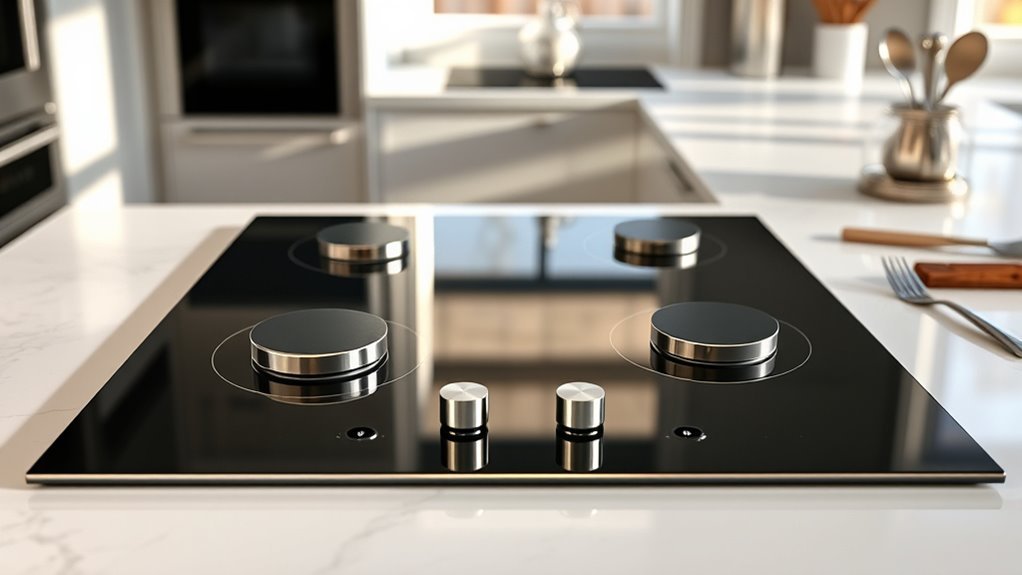
A cooktop is a flat surface that heats your pots and pans directly, using gas, electric, or induction technology to fit your cooking style.
Unlike ranges, cooktops are installed separately on countertops, offering a sleek look and flexible kitchen layouts. They heat quickly, provide precise control, and come with safety features like automatic shut-off.
Choosing the right cooktop depends on your needs and space, and you’ll find plenty more helpful tips as you investigate options.
Key Takeaways
- A cooktop is a flat cooking surface installed on countertops for heating pots and pans using gas, electric, or induction technology.
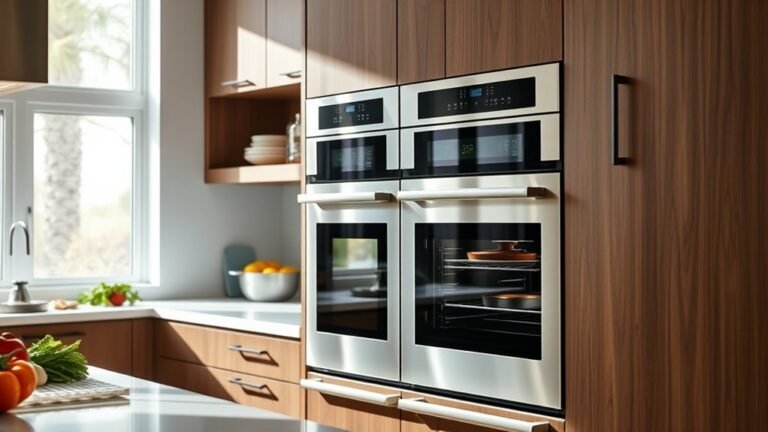
- Unlike ranges, cooktops don’t include ovens and need a separate wall oven installed nearby.
- They come in gas, electric, and induction options, each offering different heating methods and surface materials like ceramic glass or stainless steel.
- Cooktops provide energy efficiency and safety features like automatic shut-off. They also require careful installation with proper ventilation and heat clearance.
- Regular maintenance involves cleaning with mild solutions, promptly addressing stains, and troubleshooting common issues like gas leaks or electrical faults.
What Is a Cooktop and How Does It Work?
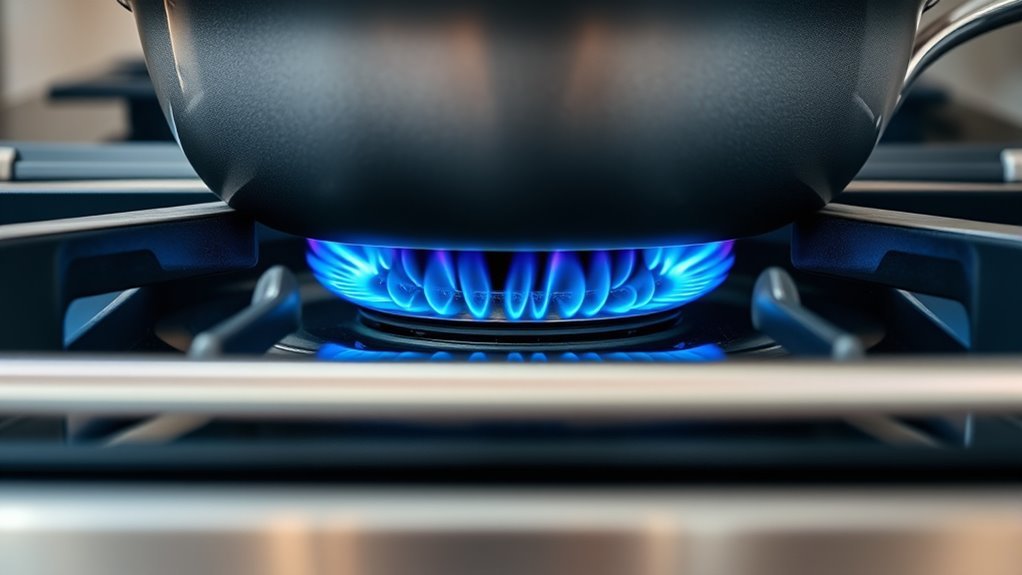
A cooktop is the flat surface where you place your pots and pans to cook food. When you use a cooktop, you’re directly heating your cookware, either with gas flames or electric elements beneath the surface.
If you opt for induction technology, the cooktop uses electromagnetic fields to heat only the pot or pan, making it incredibly efficient and fast. This method also keeps the cooktop surface cooler, which increases safety.
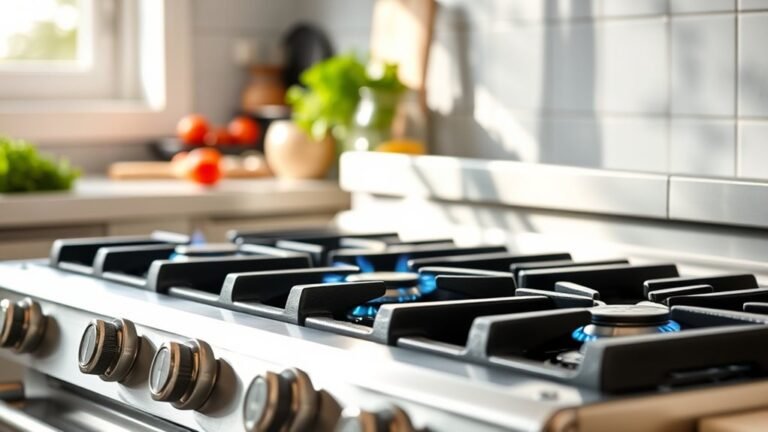
On the other hand, gas cooktops offer excellent gas efficiency by providing immediate heat control and distributing flames evenly. You can quickly adjust the heat level to suit your cooking needs, which helps save energy and enhances cooking precision.
Gas cooktops deliver quick, precise heat control with efficient flame distribution for energy-saving cooking.
Whether you choose electric, induction, or gas cooktops, understanding how each works helps you select the best option for your kitchen and cooking style.
Key Functional Differences Between Cooktops and Ranges
When you’re trying to decide between a cooktop and a range, you’ll see some pretty clear differences in how they’re designed and installed. Cooktops sit right on your countertop, so they blend in seamlessly with your kitchen surface. On the other hand, ranges are all-in-one units that combine the cooktop with an oven below, making them a bit more substantial in size.
You’ll also notice that the way the cooking surface is set up and where the controls are located can change the way you use each appliance. Cooktops usually have controls on the front or side, giving you easy access, while ranges have controls that are integrated into the front panel of the unit. These differences can really influence your cooking style and how you set up your kitchen.
Design and Installation Differences
Although cooktops and ranges both serve as cooking surfaces, their design and installation vary a lot, which affects how you set up your kitchen. Cooktops have a sleek, built-in look that matches modern design trends, while ranges combine a cooktop and oven in one appliance.
When installing, cooktops need specific cutouts in your countertops and usually require a separate wall oven. Ranges, on the other hand, just need a single space, making installation simpler.
Understanding these differences can help you plan your kitchen layout more effectively.
Cooking Surface and Controls
Because cooktops and ranges handle cooking surfaces and controls differently, understanding these differences can help you pick the best option for your kitchen. Cooktops come in various surface types—gas, electric coil, smooth ceramic, or induction—giving you more choices for how you cook.
They’re installed separately from ovens, so you can customize your kitchen layout to suit your needs. Control panels on cooktops are usually on the front or side, making adjustments easy and precise.
On the other hand, ranges combine the cooking surface and oven in one unit, with controls typically located on a back panel. If you want more control over your kitchen design and prefer specific surface types or control placements, a cooktop might be the better choice.
Cooktop Benefits Compared to Other Appliances
While many cooking appliances offer convenience, a cooktop gives you unmatched control and flexibility right at your fingertips. You benefit from superior energy efficiency because cooktops heat faster and waste less energy compared to traditional ranges.
Their cooking versatility lets you choose from gas, electric, or induction models, matching your preferences perfectly. Safety features like automatic shut-off and cool-to-touch surfaces add peace of mind.
Plus, cooktops often excel in design aesthetics, blending seamlessly with your kitchen decor. Here’s a quick comparison:
| Benefit | Cooktops vs Other Appliances |
|---|---|
| Energy Efficiency | More efficient due to direct heating |
| Cooking Versatility | Offers multiple fuel type options |
| Safety Features | Advanced safety like child locks |
Considering these points, cooktops stand out as a smart choice for cooks who value performance, style, and safety without increasing installation costs.
Cooktop Installation and Space Requirements
Installing a cooktop requires careful planning to make sure it fits your kitchen space and follows safety standards. First, measure your countertop area to ensure the cooktop dimensions will fit properly. Most cooktops come in standard widths like 30 or 36 inches, but always double-check the specific measurements before buying.
Next, review the installation guidelines provided by the manufacturer. These will tell you about the necessary clearances around the cooktop for ventilation and heat protection. You’ll also find instructions on how to secure the cooktop to your countertop and the required electrical or gas connections.
Make sure your countertop material can handle the heat, and leave enough space for proper airflow to prevent overheating. Avoid placing the cooktop too close to walls or cabinets to keep things safe and easy to use. By following these tips and considering the cooktop’s size carefully, you’ll create a practical and safe cooking area that fits your kitchen perfectly.
Different Types of Cooktops and How They Work
Once you’ve picked the perfect spot and setup for your cooktop, it’s helpful to understand the different types available and how they work.
Gas cooktops are great for gas efficiency and precise heat control. They heat up quickly and give you quick responsiveness for your cooking.
Gas cooktops offer efficient fuel use and precise, fast heat control for responsive cooking.
Electric cooktops offer versatility with sleek, smooth surfaces that are easy to clean and look stylish in any kitchen.
Induction cooktops use advanced technology to heat pots directly, which keeps the surface cooler and makes them safer. They also cook faster and distribute heat evenly.
When choosing, think about how each type matches your cooking style, energy needs, and safety concerns. Gas models respond quickly, electric options are simple, and induction provides efficiency and safety.
Knowing these differences helps you pick a cooktop that fits your kitchen and lifestyle perfectly.
Cooktop Surface Materials: Pros and Cons
Because your cooktop surface affects both functionality and kitchen style, choosing the right material matters. Ceramic glass tops give a sleek look and a smooth surface, making cleanup easy. They work well with induction because the smooth surface allows magnets to interact directly for faster heating. But, ceramic glass can scratch or crack if you’re not careful with heavy pots or cast iron cookware.
Stainless steel surfaces are durable and resistant to heat and stains, giving your kitchen a professional vibe. They handle heavy cast iron pans well but can show smudges and fingerprints easily, so regular cleaning is needed. Cast iron cookware works great on most surfaces but needs caution on ceramic glass to avoid damage.
When choosing your cooktop surface, think about durability, maintenance, and compatibility with your cookware. This will help you find the best fit for your cooking style and kitchen design.
Essential Cooktop Features for Safety, Size, and Performance
Choosing the right cooktop surface sets the stage, but you also need to evaluate features that impact safety, size, and overall performance. Pay close attention to safety features like automatic shut-off and child locks to prevent accidents. Size considerations are essential, ensuring the cooktop fits your kitchen layout and meets your cooking needs without overcrowding your space.
Performance standards matter too. Look for models that offer consistent heat distribution to cook food evenly and energy efficiency to reduce power consumption. A well-designed user interface makes controlling temperature and settings straightforward, so you can focus on cooking without hassle.
Choosing the Right Cooktop for Your Kitchen
How do you find the perfect cooktop that matches your kitchen and cooking style? Start by thinking about what you prefer and how you cook every day.
Induction technology offers faster, more precise heat and uses less energy. It’s great if you want quick results and efficiency. But traditional gas or electric cooktops might fit your budget better.
Next, look at the styles and installation options. Built-in models give your kitchen a sleek look but need professional setup. Portable or drop-in units are flexible if you move often or have limited space.
Keep these points in mind:
- Cooking efficiency vs. energy use: Induction works really well but needs compatible cookware.
- Kitchen style: Pick a design that matches your overall look.
- Budget and installation: Balance initial costs with long-term savings and how easy it is to set up.
Maintaining and Cleaning Your Cooktop
You’ll want to give your cooktop a quick clean every day to stop any stubborn buildup and keep it looking fresh. When those tough stains do show up, using the right cleaning methods can make them much easier to wipe away without damaging your cooktop. Regular maintenance isn’t just about keeping it shiny—it also helps it run smoothly for longer, so it’s worth the little effort!
Daily Cleaning Tips
Since cooktops are exposed to spills and splatters every time you cook, keeping them clean daily helps prevent buildup and makes maintenance easier. Incorporate spot cleaning into your routine to avoid stubborn residue.
Wiping down your cooktop after each use keeps it spotless and extends its lifespan. Use a soft cloth or sponge with warm, soapy water for gentle cleaning.
Make sure to dry the surface thoroughly to prevent water spots and streaks. Avoid abrasive tools that can scratch the finish during your daily maintenance.
Removing Tough Stains
Stubborn stains can challenge even the most diligent cooktop maintenance routine. In terms of tough stain removal, you’ll want to act promptly to avoid buildup.
Start by applying a specialized cooktop cleaner or a mixture of baking soda and water to the affected area. Let it sit for a few minutes to loosen the grime.
Then, use a non-abrasive scrubber or a soft cloth to gently scrub the stain in circular motions. Avoid harsh tools that might scratch the surface.
For burnt-on residue, a razor blade scraper held at a 45-degree angle can be effective but use it carefully.
These cleaning techniques will help you tackle stubborn spots without damaging your cooktop, keeping it pristine and ready for your next cooking session.
Maintaining Cooktop Longevity
After tackling tough stains, keeping your cooktop in top shape means regular care and smart habits. This proactive approach greatly extends your cooktop’s lifespan and helps you avoid costly repairs. Focusing on preventive maintenance is key to preventing buildup and damage.
Here’s how you can keep your cooktop in great shape:
- Clean spills immediately with a soft cloth to prevent stains and corrosion.
- Use manufacturer-approved cleaners to protect the surface and internal parts.
- Regularly inspect burners and electrical connections to ensure everything’s working efficiently.
Troubleshooting Common Cooktop Problems and Solutions
When your cooktop isn’t working properly, it can disrupt your entire cooking routine. Start by checking for electrical issues like faulty wiring or a tripped breaker, which often cause ignition failure or control panel malfunctions.
If you have a gas cooktop, always inspect for gas leaks. Never ignore a gas smell and call a professional immediately. Uneven heating or burner malfunction might result from clogged burners; use simple cleaning hacks to clear debris and improve performance.
Overheating problems often stem from poor ventilation or incorrect installation. Review installation tips to guarantee proper setup. Surface damage, such as cracks or discoloration, can affect both safety and efficiency, so address these promptly.
Regular maintenance prevents many of these issues, but when troubleshooting, focus on safety first. If problems persist, don’t hesitate to contact a certified technician to keep your cooktop running smoothly and safely.
Frequently Asked Questions
Are Cooktops More Energy-Efficient Than Traditional Stovetops?
Yes, cooktops are generally more energy-efficient than traditional stovetops because they offer better cooking efficiency and lower energy use. You’ll find that induction cooktops, in particular, heat food faster and waste less energy by directly heating the cookware.
This means you’ll save on energy bills and cook meals quicker. Gas stovetops tend to lose more heat, so if you want to boost your kitchen’s energy efficiency, switching to a cooktop is a smart move.
Can I Use Induction Cooktops With Any Type of Cookware?
You can’t use just any cookware on an induction cooktop because it depends on the material. Your pots and pans need to be magnetic, like cast iron or certain stainless steels, to work properly.
This ensures efficient heat transfer and lets you enjoy the benefits of induction cooking, like faster heating and energy savings. To check, just see if a magnet sticks to the bottom of your cookware before using it on an induction cooktop.
How Do Cooktop Warranties Typically Work?
Cooktop warranties usually last between one to two years, but it’s a good idea to check the exact duration before you buy. They generally cover defects in materials and workmanship, but not damage caused by misuse or accidents.
Make sure to read the coverage details carefully so you know what’s included and what’s not. Some manufacturers also offer extended warranties if you want extra protection.
If something goes wrong during the warranty period, you can get repairs or replacements at no cost to you.
What Are the Environmental Impacts of Different Cooktop Types?
Oh, nothing says environmental sustainability like burning fossil fuels in your kitchen! Gas cooktops emit more greenhouse gases and rely on natural gas, which isn’t the cleanest energy source.
Electric cooktops might seem greener, especially if your electricity comes from renewables, but if powered by coal or gas plants, they’re not so eco-friendly either.
Are There Portable Cooktop Options for Small Kitchens or Travel?
Yes, you’ll find plenty of portable options perfect for small kitchens or travel convenience. Electric and induction cooktops come in compact, lightweight models that you can easily pack or store.
These portable options let you cook anywhere—whether in a tiny apartment, a camper, or a hotel room. Plus, they’re energy-efficient and quick to heat, making them ideal for on-the-go cooking without sacrificing performance.
Conclusion
Think of your cooktop as the heart of your kitchen—a glowing hub where flavors come alive and creativity sparks. Choosing the right one fuels more than just meals; it powers moments and memories.
With the right care and safety features, your cooktop doesn’t just cook food. It kindles joy and connection. So, pick wisely, maintain regularly, and let your cooktop be the flame that brightens every gathering and every day.