What Is Millersburg PA Known for? 8 Key Attractions and Local Highlights
Millersburg, PA is known for its historic ferry crossing the Susquehanna River, charming 19th-century landmarks, and scenic river views. Visitors and locals appreciate the blend of strong community traditions and outdoor activities. This small borough offers a rich heritage, with spots like the Millersburg Railroad Station on the National Register of Historic Places and access to popular trails.
Whether you’re exploring local history, enjoying cultural events, or seeking natural beauty along the Susquehanna River, Millersburg has distinct attractions worth experiencing. This article outlines the highlights that define Millersburg’s character and what makes it a memorable destination.
Key Takeaways
- The historic Millersburg Ferry provides a unique way to cross the wide Susquehanna River and experience the area’s heritage.
- Millersburg Railroad Station, dating back to the 1800s, is a notable landmark representing the borough’s transportation past.
- Local cultural events showcase Millersburg’s strong community spirit and historical traditions.
- Exploring trails near Millersburg offers access to the natural surroundings, including parts of the Appalachian Trail nearby.
- Market Street along Pennsylvania Route 147 connects Millersburg to neighboring towns, improving accessibility for visitors.
- The Susquehanna River’s shallow, wide stretch near Millersburg is ideal for fishing and riverfront recreation.
What Makes Millersburg PA Famous: The Historic Millersburg Ferry
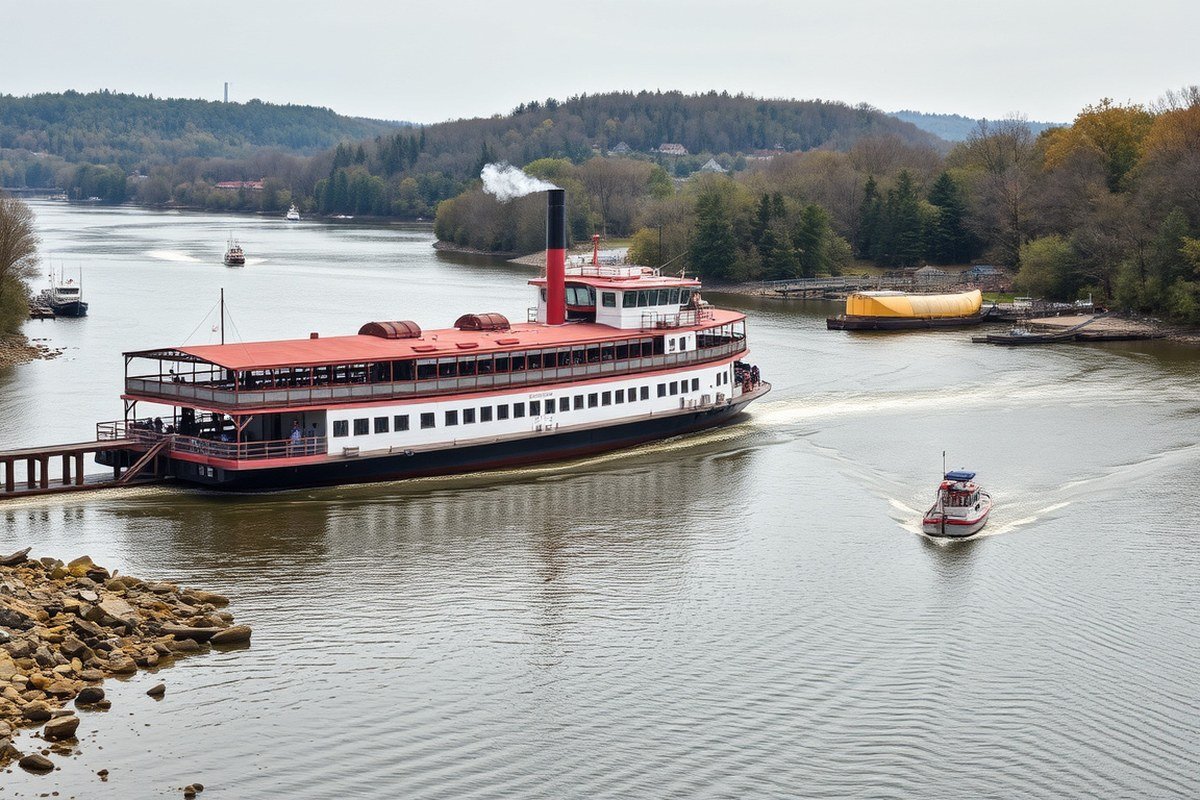
The Millersburg Ferry is the final ferry on the Susquehanna River that runs entirely on the power of the river’s current. It has been operating since the early 1800s and uses reaction ferry technology, making it one of the few such ferries still in operation after more than 180 years. This ferry is notable for its ongoing role as a river crossing and has been listed on the National Register of Historic Places since 2006, along with the Queen Anne style Millersburg Passenger Rail Station nearby.
Unlike ferries with engines, the Millersburg Ferry operates using the natural flow of the Susquehanna River in a clever and eco-friendly way. The ferry is attached to a fixed cable stretched across the river. By angling the ferry with the current, the force of the flowing water pushes the ferry across the river without the need for motors or fuel. Step-by-step, the operator guides the ferry to catch the river’s current at an angle, generating enough sideways force to move it from one bank to the other. This technique is known as a reaction ferry system and requires precise control to maintain the ferry’s course along the cable while transporting vehicles and passengers safely.
The ferry runs from Millersburg on the east bank to the western shore, located at 25 Ferry Road, Millersburg, PA 17061. It serves as both a practical crossing and a living museum piece, offering visitors a glimpse of how river travel worked centuries ago. It typically operates seasonally, from spring through fall, when river conditions are safest. The exact visiting hours can vary depending on weather and river levels, so checking ahead with the Millersburg Ferry Boat Association or local sources before planning your trip is advised. There is a small fee for vehicles and passengers, with prices varying slightly by season and vehicle size.
This ferry stands out from others in the United States because it remains one of the few reaction ferries still in operation and is perhaps the last of its kind on such a large river. Its use of the river’s current rather than engines makes it both environmentally friendly and historically significant. For visitors, the experience combines transportation and education, showing how early river crossings were powered by natural forces. The ferry’s setting along the scenic Susquehanna River adds to its charm, making the crossing both historic and picturesque.
Historic Landmarks That Define Millersburg’s Heritage

Millersburg’s heritage is proudly displayed through its historic landmarks including the Millersburg Railroad Station, the Area Historical Society Museum, and several important 19th-century buildings. These sites tell the story of Millersburg’s development as a canal and railroad town, offering visitors a hands-on experience of the town’s past. Exploring these landmarks provides insight into how Millersburg grew economically and culturally over the years.
Millersburg Railroad Station History and Architecture
The Millersburg Railroad Station dates back to the 1800s and stands as a key symbol of the town’s railroad history. It was a important hub connecting Millersburg to larger trade routes, facilitating the transport of goods and passengers in an era when railroads powered economic growth. Architecturally, the station reflects the style common to railroad buildings of the period, with preserved wooden details and period-specific design elements. Visitors interested in historic transportation find the station a must-see because it offers a vivid glimpse into railroad life in 19th-century Pennsylvania.
Preserved as a historical landmark, the station is not only important for its architecture but also for its role in shaping the town’s economic fortunes. It serves as a reminder of how the railroad helped Millersburg establish connections beyond its river location.
Key Exhibits at the Historical Society Museum
The Millersburg Area Historical Society Museum provides an in-depth look at the town’s past, focusing on its canal era and industrial development. Exhibits showcase artifacts, photographs, and stories about the Susquehanna River’s influence on Millersburg and the rise of local industries during the 19th and early 20th centuries. Visitors can see tools, household items, and canal-related equipment that help bring the past to life.
This museum serves as an educational center where you can deepen your appreciation for Millersburg by understanding the everyday lives of its early residents. It is well worth the modest admission fee, often $5 or less, and offers friendly staff who can guide you to exhibits that match your interests. The museum is especially helpful for visitors who want to explore the social and economic forces that shaped this small Pennsylvania town.
Other Notable Historic Buildings and Their Significance
Millersburg also has several other historic buildings that enrich its heritage. The Millersburg Opera House is a notable venue that dates back to the late 19th century, recognized for its Victorian architecture and ongoing role in local arts and performances. Guided tours are sometimes available here, giving insights into the building’s architecture and cultural importance.
Other registered historic sites and markers around town highlight Millersburg’s growth as both a railroad and river town. These structures and plaques connect visitors to the timelines of Millersburg’s founding and its important community milestones. Together, these landmarks map out a story of industrial growth, cultural development, and community resilience.
Check the opening hours of museums and historic sites before visiting, especially outside of peak tourist seasons, as hours can vary or change without much notice.
Exploring Millersburg’s Natural Surroundings and the Susquehanna River
Millersburg is surrounded by lush natural areas and the scenic Susquehanna River, offering a range of outdoor experiences. These include parks for picnics and walking, river activities like kayaking and fishing, and trails that connect visitors to the Appalachian Mountains and diverse wildlife habitats. The town’s position near water and forested landscapes creates a perfect base for immersing yourself in nature.
Parks and Green Spaces in and Around Millersburg
The area around Millersburg features several parks and natural green spaces that invite exploration and relaxation. One notable site is the Ned Smith Center for Nature and Art, which spans over 500 acres of trails and streams. It provides both educational programs and easy access to the outdoors. Also, the local game lands and nearby state parks contribute varied environments from wooded trails to riverside areas. Below is a comparison table of key parks and trails near Millersburg to help you choose where to go based on your preferences for activities, scenery, and accessibility:
| Park/Trail | Size (acres) | Main Features | Cost | Accessibility |
|---|---|---|---|---|
| Ned Smith Center for Nature and Art | 500+ | Trail network, art galleries, educational center | Free to low admission for events | Easy, parking available |
| Lykens Valley Game Lands | Varied | Wildlife habitats, birdwatching, hunting allowed seasonally | Free | Moderate, some rustic access roads |
| Local Riverside Parks | Small to mid-size | Picnic areas, river access | Free | Easy |
Each park offers opportunities to spot local wildlife such as songbirds, waterfowl, and small mammals. Early mornings and late afternoons are best for birdwatching, especially in spring and fall migration seasons. Bringing binoculars and a field guide can enrich the experience.
Recreational Activities on the Susquehanna River
The Susquehanna River shapes much of the outdoor life in Millersburg. Its calm stretches and scenic views invite kayaking, canoeing, and fishing. The river hosts a variety of fish species including bass and catfish, making it a favorite spot for local anglers. Kayaking trips can range from short paddles around Millersburg to longer excursions exploring the river valley.
A popular activity is taking the historic Millersburg Ferry across the river, which lets you enjoy the water on an iconic wooden-stern paddle-wheel boat. The ferry follows a route carefully cleared of obstacles by a submerged wall, ensuring a safe and smooth crossing about one mile long. This ferry continues operating as the last of its kind in the United States. Recommended outdoor activities on the Susquehanna River include:
- Kayaking or canoeing along calm river sections
- Fishing from the shoreline or small boats
- Taking the Millersburg Ferry ride for sightseeing
- Birdwatching near the riverbanks
- Picnicking at riverside parks with views
Preparing for these activities means wearing appropriate safety gear like life jackets, checking weather and water conditions in advance, and ensuring you have permits for fishing when required.
Nearby Hiking Trails Including the Appalachian Trail
The Appalachian Trail lies just a few miles north of Millersburg. This famous trail stretches over 2,190 miles from Georgia to Maine, with nearby sections offering scenic overlooks of the Susquehanna River valley. Hiking parts of this trail provides a chance to experience the region’s rugged beauty firsthand.
In addition to the Appalachian Trail, the extensive network of trails at the Ned Smith Center and in Lykens Valley offer easier day hikes rich with wildlife observing possibilities. Trails here are well-marked and vary from short loops to longer treks through forest and along streams. Lykens Valley is especially known for its diverse wildlife, including deer, foxes, and numerous bird species.
Planning your hike involves choosing trails that fit your fitness and time constraints. Carry water, wear sturdy shoes, and bring a map or use a GPS app. The best hiking conditions are in spring through fall, while winter trails may be icy or snow-covered.
Cultural Events and Community Traditions That Highlight Millersburg’s Character
Millersburg’s cultural calendar pulses with seasonal events that bring the community together and showcase local traditions. In spring and summer, Millersburg Community Park serves as a lively gathering spot where festivals celebrate area culture and community spirit. Hosting everything from music performances to food fairs, the park becomes a hub for residents and visitors alike to connect and enjoy warm-weather festivities. These events often take place from late May through September, with times commonly set on weekends to maximize attendance.
The town square, around Market Square Park, offers a classic New England village atmosphere that hosts numerous events. The gazebo at the center comes alive during annual celebrations featuring local artisans, crafts, and foods. Weekly or biweekly farmers markets around the park provide fresh seasonal produce, homemade goods, and a chance to chat with local growers and craftspeople. The Millersburg Farmers Market is especially popular for sourcing fresh vegetables, baked goods, and unique handmade items from May through October, usually operating on Saturday mornings. Visiting early ensures the best selection and a chance to engage with the community.
Art and entertainment take center stage at the Millersburg Opera House, an intimate cultural venue hosting plays, concerts, and community performances year-round. Checking their event schedule before your visit can highlight unique historical plays or musical showcases that reflect Millersburg’s local heritage. Ticket prices vary depending on the performance but typically range from $10 to $30. The Opera House fosters local talent and keeps regional culture vibrant, making it a must-stop for those interested in the arts scene.
Community traditions also thrive through events at the Millersburg Area Middle/High School. Throughout the year, the school sponsors sports games, art shows, and community gatherings open to the public. These events strengthen ties among residents and provide insight into youth activities and local values. School events usually carry minimal or no admission costs and are well-attended by families and neighbors.
Seasonal highlights include harvest festivals in the fall, where local wineries and breweries host tastings and special events. These occasions offer a chance to sample area wines and craft beers while enjoying live music and food from local purveyors. The winery tastings often start in September and continue through October, with small fees or complementary tastings with purchases. This blend of agriculture, community, and celebration exemplifies what makes Millersburg’s cultural life unique.
To make the most of Millersburg’s cultural offerings, plan your visit around the peak festival seasons in spring, summer, and fall. Checking local event calendars online or contacting the Millersburg Borough office can provide precise dates and times. Many community events are family-friendly and offer opportunities to immerse yourself in local traditions, arts, and flavors. Costs vary from free farmers markets and park events to modest ticket prices at cultural venues, making these experiences accessible for most visitors. Participating in these events not only supports local businesses but also creates lasting memories of Millersburg’s welcoming atmosphere.
Millersburg’s Local Economy and Demographics Today
Millersburg, Pennsylvania, has a population of about 2,530 people, with all residents being U.S. Citizens according to recent census data. The community shows some ethnic diversity with notable numbers of White (Hispanic) residents and those identifying with two or more races, adding to the town’s welcoming atmosphere. This demographic mix supports a tight-knit community where local schools and events provide good opportunities to meet neighbors and engage in local life.
Employment in Millersburg centers primarily around Health Care and Social Assistance, which employs 228 residents, followed by Retail Trade with 150 workers, and Manufacturing employing 140 people. These sectors reflect the town’s balance of service, commercial, and industrial jobs. Median earnings vary by industry, with Construction and Public Administration offering higher wages, at approximately $85,000 and $84,000 respectively, while Education and Health Care offer median earnings close to $66,000 for men.
Housing in Millersburg includes a mix of single-family homes and some rental properties, affordable compared to larger cities nearby. The local housing market is stable, making it accessible for new residents and families looking to settle. Living here means you enjoy a slower pace than in urban centers while staying connected through commuting options.
About 30 miles away, Harrisburg attracts many Millersburg residents for work, alongside some commuting to Sunbury. This proximity lets people enjoy small-town living while accessing broader job markets and services. Transportation options vary but include personal vehicles as the primary mode due to limited public transit. Travel time to Harrisburg typically ranges around 40 to 50 minutes depending on traffic.
The community is known for being friendly and welcoming. Residents take pride in maintaining a safe and inclusive environment, which is important for both longtime and new inhabitants. Participating in school events or community programs helps newcomers feel connected and integrated into local culture. For those wanting to experience the authenticity of the area, visiting local markets or community gatherings is an easy way to start.
Check local school event calendars and community bulletin boards to find opportunities to meet residents and learn about Millersburg’s community life firsthand.
Shopping, Dining, and Local Businesses in Millersburg
Millersburg’s Main Street is the heart of local shopping and dining, offering a charming mix of boutiques, eateries, and unique small businesses. You can stroll down the street and find shops selling handmade crafts, local art, seasonal goods, and home décor, ideal for finding one-of-a-kind gifts. Supporting these family-run shops helps sustain the town’s economy and preserves its welcoming community spirit.
For food lovers, Millersburg features casual, family-run restaurants where you can enjoy classic American comfort food. The Millersburg Ferry Boat Restaurant stands out with its riverside location, serving dishes while you take in views of the Susquehanna River. Nearby cafes and diners offer local specialties, making an afternoon or evening spent tasting small-town flavors easy and enjoyable.
Visitors who enjoy wine and craft beer have options just a short drive from town. Local wineries and craft breweries bring fresh, small-batch flavors to the region. These spots provide tasting rooms and often host events, which makes for a fun way to experience Millersburg’s local drink scene and meet the makers behind the beverages.
- Visit local boutiques on Main Street for handmade crafts and seasonal décor
- Dine at the Millersburg Ferry Boat Restaurant for comfort food with river views
- Check out family-run diners for classic local dishes
- Explore nearby wineries for tastings and tours
- Sample craft beers at local breweries hosting regular events
- Stop by grocery and hardware stores for essentials and local products
- Plan a picnic at Millersburg Township Park using takeout from local eateries
To support Millersburg’s small businesses, start with a relaxed walk along Main Street, making time to browse and chat with shop owners. Many stores accept cash and cards, with prices for crafts and décor generally ranging from $10 to $50. Dining costs vary, with meals typically between $10 and $20 per person, depending on where you eat. Checking local event calendars can help you find special shopping days or food festivals, which often feature unique products and tastings.
Obtaining a printed or digital map of Millersburg’s business types and locations will make your visit more efficient. This can be found at the local visitor center or town website. Planning your stops by category, for example, shopping first, then dining, followed by a brewery visit, lets you experience the town’s offerings without backtracking. This approach maximizes your time and supports a broader range of local business owners during your trip.
Accessibility and Transportation Options to and Within Millersburg
Millersburg is accessible primarily by road, with major highways connecting it to nearby cities and regions. The borough lies just off Pennsylvania Route 147, which runs north-south along the Susquehanna River and links Millersburg to Harrisburg, about 25 miles to the south. This makes it convenient for visitors traveling by car, as Harrisburg serves as a regional hub with multiple highway connections, including Interstate 81 and Interstate 83. Route 22 is also nearby, providing east-west access across central Pennsylvania. These routes make Millersburg reachable within a 30 to 40-minute drive for most travelers coming from Harrisburg or Hershey, where lodging options like hotels and motels are more plentiful.
Public transportation options directly within Millersburg are limited, as the borough does not have a local transit system or bus network. Visitors relying on public transit often need to coordinate travel through Harrisburg or other surrounding cities first and then use a taxi or ridesharing service for the final leg. This limited public transit capacity is why many travelers prefer to drive or rent a car when visiting Millersburg.
Parking in Millersburg is generally available near key attractions and downtown areas, but spaces can fill up during popular events or weekends. Visitors should arrive earlier in the day to secure convenient parking spots. Since the town is small, walking between attractions, shops, and restaurants is practical and pleasant, reducing the need for additional transport within the borough itself.
The nearest airports to Millersburg are Harrisburg International Airport (MDT), roughly 30 miles south, and the smaller Capital City Airport, closer for private or regional flights. Harrisburg International offers commercial flights connecting to major hubs and is the best option for air travelers planning an extended stay or day trip. From the airport, car rentals and shuttle services are available to reach Millersburg. Because Millersburg has limited on-site accommodations, visitors often stay overnight in Harrisburg or Hershey, where a range of hotels with varied price points can be found.
Millersburg’s location along Route 147 and near larger highways supports a wide range of trip plans. It suits day trips from major nearby cities due to reasonable drive times and direct route access. For extended stays, staying in Harrisburg or Hershey and driving to Millersburg daily is a practical solution, especially for those interested in exploring this borough’s historic sites and nearby outdoor activities. Planning your visit includes checking parking availability, arranging reliable transportation for day trips, and booking hotels in advance during peak visiting seasons to ensure smooth travel.
Outdoor Adventures Near Millersburg: Hiking, Fishing, and Exploring Trails
You can enjoy a variety of outdoor adventures near Millersburg, including hiking, fishing, and exploring scenic trails. The Susquehanna River offers excellent spots for fishing and kayaking, while nearby trails suit different skill levels. Planning a visit to the Appalachian Trail from Millersburg is straightforward with local access points and helpful amenities.
Top Nearby Hiking and Biking Trails
The State Game Lands around Millersburg provide several well-maintained hiking trails suitable for all skill levels. For an easy to moderate challenge, the Millersburg Rail Trail offers just under 3 miles of flat, scenic path, great for biking and walking. Hikers looking for steeper terrain can explore the more rugged trails in nearby Bald Eagle State Forest, about 20 minutes east, where trails vary from 2 to 6 miles with moderate elevation changes.
Trail conditions change seasonally, so pack appropriate gear such as sturdy boots and layered clothing. Spring and fall offer the most comfortable temperatures, averaging 55 to 70°F, while summer often brings humidity above 80%.
- Millersburg Rail Trail: 2.8 miles, flat, easy
- Bald Eagle State Forest trails: 2 to 6 miles, moderate difficulty
- State Game Lands hiking paths: varied distances, mixed difficulty
- Nearby Shikellamy State Park trails: 1 to 4 miles, easy to moderate
- Local bike paths for casual riders within Millersburg town limits
Many trailheads have parking areas with basic restroom facilities. Local bike shops often rent equipment if you prefer not to bring your own.
Fishing and Kayaking Locations on the Susquehanna River
The Susquehanna River running through Millersburg is ideal for fishing and launching kayaks. Popular spots include Barking Dog Access and the Millersburg Ferry landing, which offer easy river access and decent parking. Fishing enthusiasts find bass, catfish, and walleye commonly in these waters, especially from spring to early fall.
Kayak rental services and guided tours operate seasonally from May through September, providing gear and expert advice. Self-guided paddling is available anytime, but river currents near Millersburg can vary, so checking recent river conditions before heading out is recommended.
- Choose a launch site like Barking Dog Access for easy water entry
- Check local rental shops for kayak or fishing gear availability
- Wear a life jacket and bring a waterproof bag for essentials
- Stay aware of weather changes, especially wind speed on the river
- Follow state fishing regulations, including licensing and catch limits
Always wear a US Coast Guard, approved life jacket when kayaking on the Susquehanna River for your safety.
Connecting to the Appalachian Trail from Millersburg
The Appalachian Trail lies within driving distance northeast of Millersburg, accessible via Route 11 near Duncannon, roughly 15 miles away. To reach it, drive east on US-22 then north on PA-147 toward Duncannon and park at designated trailheads like the Petersburg Access. Hikers can enjoy both short day hikes and longer sections along this iconic 2,190-mile trail.
Early spring through late fall offers the safest and most comfortable hiking conditions on the Appalachian Trail. Bring trail maps or download GPS routes beforehand. There are no entry fees, but overnight camping requires following the trail’s permit system. An informational visitor center in Duncannon provides updates on trail conditions and local accommodations.
Wildlife Viewing and Safety Advice
The diverse outdoor areas near Millersburg are home to white-tailed deer, wild turkeys, various songbirds, and small mammals like rabbits and raccoons. Birdwatchers often spot hawks and owls in the forested areas. Fishing and boating may reveal sightings of turtles and waterfowl along the Susquehanna River banks.
To stay safe, carry insect repellent to protect against ticks and mosquitoes, especially from late spring through early fall. Hiking with a partner and informing someone of your plans improves safety in more remote parts of the state game lands. Respect wildlife by keeping a distance and never feeding animals.
- Bring binoculars for better distant wildlife viewing
- Wear bright clothing to be visible to hunters during hunting seasons
- Keep pets on a leash to avoid disturbing local wildlife
- Store food securely to avoid attracting bears or other animals
- Check local hunting seasons and avoid hiking in game-heavy areas then
Keep to established trails to reduce encounters with wildlife and minimize environmental impact.
Planning Your Visit to Experience Millersburg
Use this step-by-step plan to get the most out of your time in Millersburg, PA.
- Day 1: Start by visiting the Millersburg Ferry to enjoy a historic ride across the Susquehanna River and capture photos. You’ll know this worked when you feel a real connection to local history and have great pictures.
- Day 2: Tour key historic landmarks like the Millersburg Historic District and local museums to deepen your understanding of the town’s heritage. Confirm success by spotting architectural details unique to Millersburg.
- Day 3: Walk or bike along trails near the Susquehanna River and explore nearby parks to enjoy Millersburg’s natural beauty. You’ll feel accomplished when you’ve spotted wildlife or found a favorite scenic spot.
- Week 1: Time your trip to coincide with a local event or festival, such as the annual Millersburg Area Food Bank fundraiser, to experience community traditions firsthand. Your measure: feeling welcomed by locals and tasting regional foods.
- Week 2: Check out local shops and restaurants in the downtown area to support the economy and sample unique offerings. Know it worked when you find a memorable souvenir or favorite meal.
- Before You Leave: Use local transit or parking options to explore areas outside the town center, ensuring you see lesser-known attractions. You’ll see success by discovering hidden gems not on the usual tourist path.
Frequently Asked Questions
What Is Millersburg PA Known for Besides the Millersburg Ferry?
Millersburg is also known for its vibrant seasonal festivals that bring the community together, showcasing local culture and traditions. These events support local businesses and offer visitors a chance to experience the town’s strong community spirit.
How Did Millersburg Develop Historically Around the Susquehanna River?
Millersburg grew as a river town thanks to its location on the Susquehanna River, which was important for trade and transport. The river shaped the town’s economy and culture, especially with the ferry service and nearby railroads.
What Unique Heritage Sites Can Visitors Explore in Millersburg?
Visitors can explore the historic Millersburg Railroad Station and other landmarks listed on the National Register of Historic Places. These sites tell stories about the town’s role in transportation and its 19th-century growth.
How Does Millersburg’s Local Economy Reflect Its History Today?
Millersburg’s economy blends historic tourism with small local businesses, including shops and dining. Residents benefit from a stable median household income and a growing appreciation for the town’s cultural roots.
What Are Common Outdoor Activities Besides Hiking and Fishing Near Millersburg?
People also enjoy boating on the Susquehanna River and birdwatching around Wiconisco Creek. These activities highlight the natural surroundings and provide peaceful ways to experience local wildlife.
How Accessible Is Millersburg for Visitors Relying on Public Transportation?
Millersburg is accessible by Pennsylvania Route 147 and offers the historic Millersburg Passenger Rail Station. These connections help visitors reach the town easily while exploring the region’s history.
The Bottom Line
Millersburg stands out for its blend of historic charm, natural beauty, and community spirit centered around the Susquehanna River. Spending time exploring its ferry, landmarks, and local events reveals why this small Pennsylvania town remains special. Plan your visit with these steps to connect deeply with Millersburg’s unique character and enjoy a meaningful experience.