How to Remove Smell From Kitchen Sink: A Step-by-Step Guide
Getting rid of unpleasant smells from your kitchen sink is a common struggle many people face. If you’ve ever been greeted by a foul odor every time you open the drain, you’re not alone.
Fortunately, there are simple steps to freshen things up and keep your sink smelling clean.
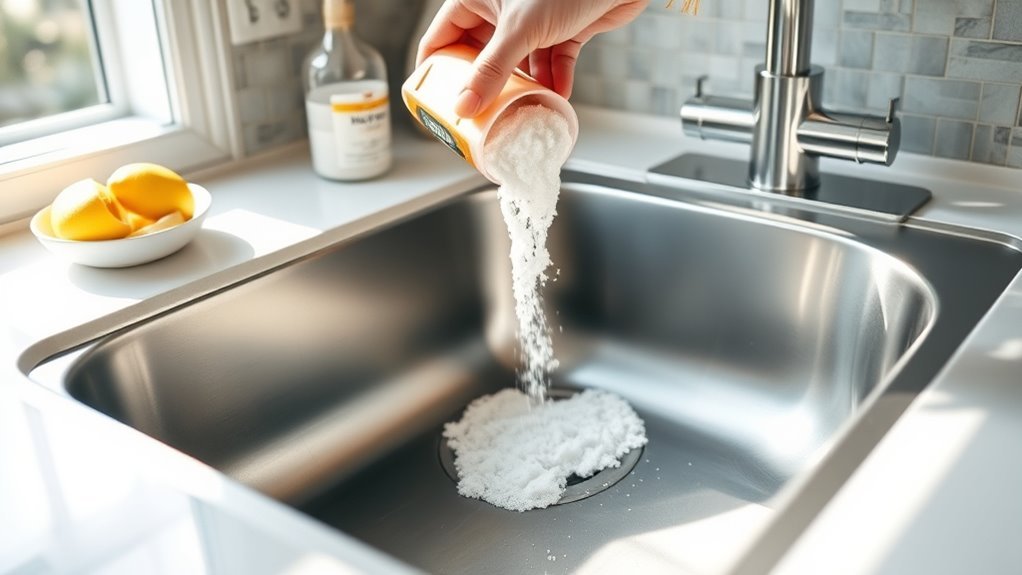
To remove smells from your kitchen sink, start by clearing out any trapped food and debris. Pour a mixture of baking soda and vinegar down the drain, and let it fizz for about 10-15 minutes.
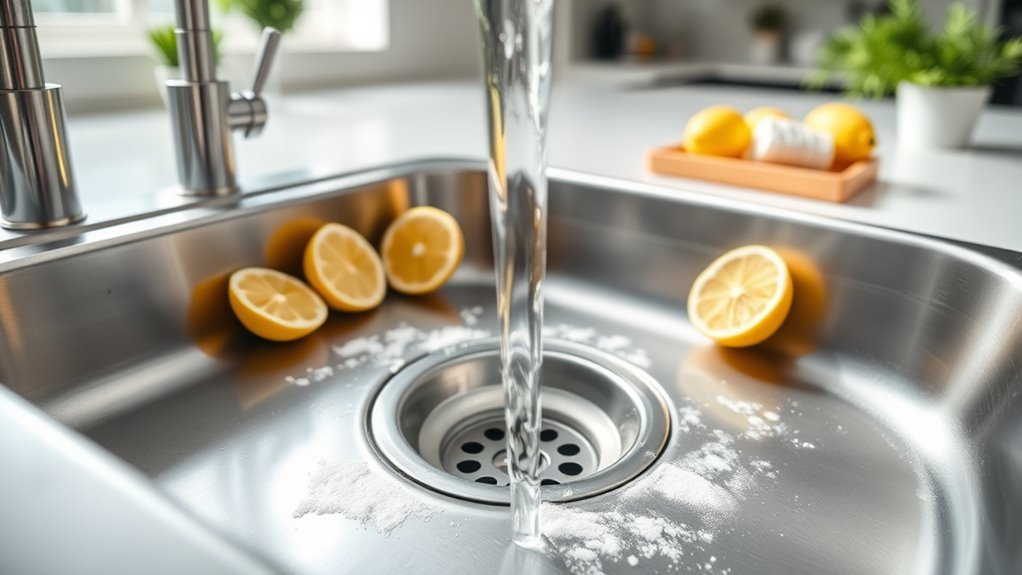
Then flush with hot or boiling water.
Clean the basin and faucet with mild detergent or lemon juice. Regularly run cold water during disposal use and avoid greasy waste to prevent buildup.
Keep up with these steps, and you’ll soon enjoy a fresh-smelling sink.
There’s more you can do to maintain and deepen cleanliness.
Key Takeaways
- Clear food debris and trapped particles from the sink and garbage disposal before cleaning.
- Pour a baking soda and vinegar mixture down the drain. Let it fizz for 10–15 minutes, then flush with hot or boiling water.
- Regularly clean the sink basin, faucet, and splash guard using mild detergent or lemon juice to remove residue and odors.
- Run cold water before, during, and after using the disposal to flush particles and prevent buildup.
- Perform weekly and monthly maintenance by repeating cleaning steps and treating the drain with baking soda and vinegar to keep your sink fresh.
Why Does Your Kitchen Sink Smell Bad?
Although your kitchen sink might seem clean, it can develop bad smells from trapped food particles, grease buildup, and stagnant water in the drain. These odor sources thrive in the moist environment of your sink, making poor sink hygiene a common culprit behind unpleasant smells.
A seemingly clean kitchen sink can harbor odors from trapped food, grease, and stagnant water due to poor hygiene.
When food scraps get stuck in the drain or garbage disposal, they start to decompose, releasing foul odors. Grease and soap scum also build up on the drain walls, trapping bacteria that create a strong smell over time.
You might not realize it, but even small amounts of stagnant water left in the drain can harbor bacteria and mold, contributing to the odor problem. Maintaining proper sink hygiene means regularly cleaning and flushing your sink to prevent buildup.
Understanding these odor sources helps you figure out why your kitchen sink smells bad and lays the foundation for effective odor removal.
How to Check Your Sink and Garbage Disposal for Odors
Now that you know what causes bad smells in your kitchen sink, it’s time to inspect your sink and garbage disposal for odor sources. Start by checking the drain and the area around the sink for any standing water or food debris. These spots often hide odor-causing buildup, so look closely under the sink and around the drain stopper.
Next, examine the garbage disposal by running cold water and turning it on briefly. Listen for any unusual noises or signs of clogging where food might be stuck. If you notice any foul smells, turn off the disposal immediately and inspect inside with a flashlight.
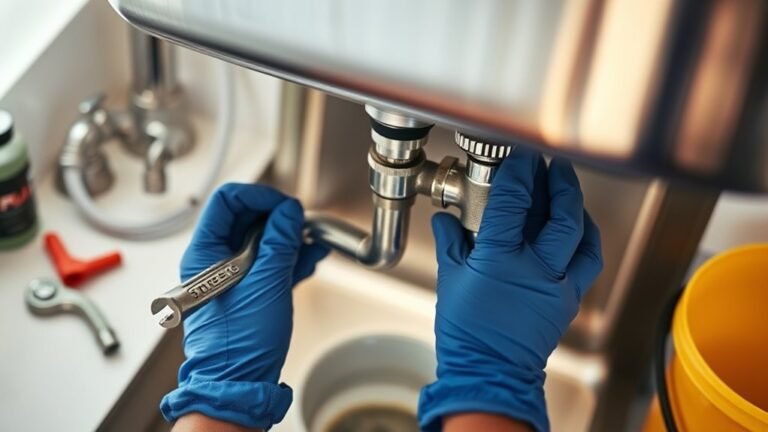
Don’t forget to check the splash guard and rubber flaps, as trapped particles here can cause odors. Finally, inspect the P-trap under your sink since buildup or leaks in this area are common sources of bad smells.
A thorough sink inspection helps you catch problems early and keeps your kitchen smelling fresh.
Simple Steps to Clean Kitchen Sink Odors
You’ve probably noticed that kitchen sink odors often come from leftover food bits and buildup in the drain or garbage disposal. It’s pretty common, but the good news is, you can easily tackle these smells with some simple cleaning tricks.
One of the best methods is using baking soda, vinegar, and hot water. These ingredients work together to break down gunk and eliminate odors. So, let’s walk through some easy steps to make your sink smell fresh again.
Common Odor Causes
When food particles and grease get trapped in your kitchen sink’s drain or garbage disposal, they start to break down and release unpleasant odors. These trapped food bits contribute to drain buildup and create a breeding ground for bacteria.
Grease buildup makes things worse by coating the pipes, which makes it harder for water to flow freely. Plumbing problems, like slow drains or leaks, can cause stagnant water to stay, making bad smells worse.
Over time, stagnant water encourages mold growth, adding a musty odor to your sink area. Knowing what causes these odors helps you figure out the problem and deal with it effectively.
Recognizing the source is the first step toward a fresh, odor-free kitchen sink.
Effective Cleaning Methods
Anyone can tackle kitchen sink odors effectively by following a few simple cleaning steps. Start by clearing the sink and removing any debris from the drain.
Next, pour a mixture of baking soda and vinegar down the drain. This combo helps break down grime and supports odor elimination. Let it fizz for about 10 minutes before flushing with hot water.
For a thorough clean, scrub the basin and faucet with a mild detergent or lemon juice to remove residue that traps smells. Don’t forget to clean the sink strainer and disposal if you have one, as trapped food particles can cause odors.
Repeat these steps weekly to keep your kitchen sink smelling fresh and prevent odors from building up over time.
Using Natural Ingredients to Freshen Your Kitchen Sink
Want to keep your kitchen sink smelling fresh without any harsh chemicals? You can do that easily with some natural ingredients like baking soda and vinegar. Baking soda is great at deodorizing because it neutralizes any odors lingering around, making your sink smell clean and fresh.
And then there’s vinegar, which is a fantastic natural cleaner. It helps break down grime and soap scum, leaving your sink sparkling and smelling nice. Together, these two simple ingredients can really make a difference in keeping your kitchen sink fresh and inviting.
Baking Soda Deodorizing Method
Sprinkle a generous amount of baking soda into your kitchen sink to start neutralizing unpleasant odors naturally. Baking soda works by absorbing odors rather than just masking them, making it an effective and eco-friendly deodorizing agent.
After sprinkling, let it sit for about 15 minutes to maximize odor absorption. You can gently scrub the sink with a sponge to help the baking soda reach all surfaces and break down residue causing smells.
Finally, rinse thoroughly with warm water to wash away the baking soda and trapped odors. This simple method keeps your sink fresh without harsh chemicals, making it safe for your pipes and the environment.
Repeat this process weekly to maintain a clean, odor-free kitchen sink effortlessly.
Vinegar Cleaning Benefits
Although baking soda tackles odors effectively, vinegar adds another layer of freshness by cutting through grease and disinfecting your kitchen sink naturally.
Vinegar’s acidic nature helps break down buildup and kills bacteria that cause unpleasant smells.
When you pour vinegar down the drain, it dissolves grime and neutralizes odors without harsh chemicals.
If vinegar’s strong scent isn’t your thing or you want to try alternatives, lemon juice or diluted hydrogen peroxide work well too.
These natural options offer similar cleaning and deodorizing benefits, keeping your sink fresh and hygienic.
Using vinegar or its alternatives regularly helps prevent odor buildup, so your kitchen sink stays inviting and clean without relying on synthetic products.
Deep Clean and Deodorize Kitchen Sink Drain Pipes
When drain pipes get clogged with food particles and grease, they often start to smell bad in your kitchen. To fix this, deep cleaning and deodorizing your sink drain pipes is really important for keeping them in good shape and smelling fresh.
Start by pouring a mixture of baking soda and vinegar down the drain and let it fizz for 15 minutes. After that, flush with boiling water to clear out any built-up grime. Doing this regularly helps keep your pipes clean and odor-free.
Here’s a simple routine to follow:
| Step | Action |
|---|---|
| 1. Remove debris | Clear visible particles manually |
| 2. Baking soda | Pour ½ cup into the drain |
| 3. Vinegar | Add ½ cup, wait 15 minutes |
| 4. Boiling water | Flush to dissolve residue |
| 5. Routine check | Do this weekly to prevent odors |
Following this easy routine will help your kitchen sink pipes stay clean and smelling fresh with consistent maintenance.
How to Fix and Prevent Kitchen Sink Garbage Disposal Odors
Want to get rid of those pesky garbage disposal odors? First, it’s a good idea to figure out what’s causing them—things like food buildup or lingering moisture can really contribute to that unpleasant smell. Once you know what’s behind it, using some simple cleaning tricks can make a big difference and freshen things right up.
And don’t forget, a little regular maintenance can go a long way in keeping those odors at bay. Just some easy habits will help prevent the smells from creeping back in, so your kitchen stays fresh and clean.
Common Disposal Odor Causes
Because food particles often get trapped in your garbage disposal, unpleasant odors can develop quickly if you don’t clean it regularly. The main cause of these smells is disposal buildup—layers of food residue stuck to the blades, walls, and drain pipes.
Over time, this organic matter decomposes, creating a foul stench that spreads throughout your kitchen. Another common culprit is grease and oil, which cling to surfaces and trap bacteria, making odor problems worse.
Small bits of food can also get caught in the rubber splash guard or the drain’s crevices, turning sour. If you ignore these issues, the smell will only get worse.
Knowing these common disposal odor causes helps you take the right steps to fix and prevent bad smells in your kitchen sink.
Cleaning Methods That Work
Three simple cleaning methods can quickly eliminate and prevent kitchen sink garbage disposal odors. Keeping your sink clean is the best way to stop bad smells from coming back.
Start by running cold water and grinding ice cubes with a little salt. This helps clean the blades and loosen any stuck debris.
Next, pour half a cup of baking soda followed by a cup of vinegar down the drain. Let it fizz for 10 minutes before flushing with hot water.
Finally, grind citrus peels like lemon or orange. They leave a fresh scent and help break down buildup.
Here are four effective cleaning methods:
- Ice and salt grinding
- Baking soda and vinegar fizz
- Citrus peel grinding
- Regular cold water rinse during and after use
These steps will keep your sink fresh and odor-free.
Preventive Maintenance Tips
Although cleaning can eliminate odors temporarily, regular preventive maintenance is key to keeping your kitchen sink garbage disposal smelling fresh long-term. Start by running cold water before, during, and after using the disposal to flush out food particles.
Avoid putting fibrous, starchy, or greasy waste down the drain, as these can cause buildup and odors. Incorporate ice cubes and citrus peels into your routine—they help sharpen blades and naturally deodorize.
Regularly check and clean the splash guard and disposal mouth to remove trapped debris. Using baking soda and vinegar monthly can also help by breaking down residue and neutralizing smells.
When and How to Use Commercial Cleaners Safely
Whenever you decide to use commercial cleaners to tackle odors in your kitchen sink, it’s important to follow safety guidelines carefully. Different types—like enzymatic, bleach-based, or acidic cleaners—work for various odor sources, but using them improperly can cause harm or damage.
To guarantee safe usage, keep these steps in mind:
- Read labels thoroughly to understand the cleaner’s purpose and warnings.
- Wear gloves and ensure proper ventilation to protect your skin and lungs.
- Never mix different commercial cleaner types because chemical reactions can be dangerous.
- Use the recommended amount and follow timing instructions to avoid residue buildup or damage to your pipes.
Daily Tips for Keeping Your Kitchen Sink Smelling Fresh
Keeping your kitchen sink smelling fresh doesn’t require complicated routines. By adopting simple kitchen habits, you can prevent odors before they start. Always rinse food scraps down the drain thoroughly and avoid letting them sit in the sink.
Wipe down the sink basin daily with a mild cleaner or a vinegar-water solution to remove residue that can cause smells. Running hot water after each use helps flush away lingering particles.
For odor prevention, use a small amount of baking soda weekly. Sprinkle it in the drain, then pour hot water to neutralize any buildup. Don’t forget to clean your sink strainer regularly to avoid trapped debris.
Avoid leaving wet sponges or dishcloths in the sink, as they can contribute to bad smells. By making these easy steps part of your kitchen habits, you’ll keep your sink fresh and inviting every day without extra effort.
Preventing Mold and Bacteria in Your Kitchen Sink
Prevent mold and bacteria growth in your kitchen sink by keeping it dry and clean. Staying on top of mold prevention and bacteria control helps you avoid bad odors and potential health issues. Here’s how you can keep your sink fresh and safe:
- Dry the Sink After Use: Wipe down your sink with a clean cloth or paper towel to remove excess moisture, which can lead to mold growth.
- Clean Regularly: Use a mild disinfectant or vinegar solution to scrub your sink at least twice a week, especially in areas prone to buildup.
- Avoid Food Residue: Rinse dishes well and dispose of food scraps properly to prevent leftover particles from becoming bacteria hotspots.
- Keep Drain Clear: Periodically flush your drain with hot water and baking soda to break down organic matter and keep bacteria levels low.
When to Call a Professional for Kitchen Sink Odors
How do you know when a stubborn kitchen sink odor signals a problem beyond simple cleaning? If you’ve checked the drain trap, run water, and used baking soda and vinegar without success, it might be time to call a professional.
Persistent smells could mean hidden issues like clogged pipes, mold inside the plumbing, or damaged seals that regular cleaning won’t fix. A professional cleaning can thoroughly inspect your sink and pipes using specialized tools to find the exact source of the odor.
They can also address problems like deep blockages or sewer gas leaks that pose health risks. If the smell comes back quickly after cleaning or you notice slow drainage or gurgling sounds, don’t hesitate to seek expert help.
Acting promptly will save you frustration and prevent costly damage down the line.
Frequently Asked Questions
Can Certain Foods Cause Persistent Kitchen Sink Odors?
Yes, certain foods can cause persistent kitchen sink odors, especially if you don’t clean up properly. When food debris gets stuck in your garbage disposal, it can rot and create bad smells.
You’ll want to avoid letting fibrous or starchy scraps linger because they contribute to garbage disposal issues. Regularly flushing your sink with hot water and using disposal cleaners can help keep those odors from sticking around and keep your kitchen smelling fresh.
Does the Type of Sink Material Affect Odor Buildup?
Think of your sink material as the stage where odor’s drama unfolds. Yes, the type of sink material affects odor buildup—porous materials like natural stone trap odors more than stainless steel or porcelain.
You’ll want to focus on regular sink maintenance to keep smells at bay. Non-porous surfaces make odor prevention easier, so choosing the right material can save you from stubborn smells and extra cleaning down the line.
How Do Hard Water Deposits Impact Sink Smells?
Hard water deposits can trap food particles and bacteria, making odor management tougher for your sink. When minerals build up, they create rough surfaces where grime hides, leading to unpleasant smells.
To keep your sink fresh, you’ll need to regularly clean and remove these deposits using vinegar or a descaling agent. This helps stop odors before they start and keeps your kitchen hygienic.
Don’t let hard water deposits ruin your sink’s freshness!
Can Kitchen Sink Odors Affect Indoor Air Quality?
You might not realize it, but when you notice kitchen sink odors lingering, they can actually affect your indoor air quality. Those odor sources release particles that mix with the air you breathe.
If your air circulation is poor, these smells stick around longer, making the whole room feel stuffy or unpleasant.
Are There Specific Tools for Odor Removal in Tight Sink Areas?
Yes, you’ll find specific tools designed for odor elimination techniques in tight sink areas. A flexible drain brush and a small plumber’s snake are great for cleaning those hard-to-reach spots where grime tends to build up.
You can also use a wet/dry vacuum to suck out debris. Incorporating these tools into your plumbing maintenance routine helps you tackle odors effectively and keep your sink smelling fresh without any hassle.
Conclusion
Now that you know how to remove smell from your kitchen sink, you’re ready to keep those odors at bay before they become a real problem. Regular cleaning and natural fresheners can do wonders for keeping your sink smelling fresh as a daisy.
A little effort goes a long way, so don’t wait until the smell gets worse. If things get out of hand, it’s a good idea to call in a professional. Your kitchen will thank you for taking care of it!