How to Clean a Glass Top Stove: A Step-by-Step Guide
Many people struggle with keeping their glass top stove spotless. It’s frustrating when spills and stains seem to resist cleaning, making your kitchen look dull and uninviting. Don’t worry—you’re not alone, and with a few simple steps, you can restore its shine and keep it looking new.
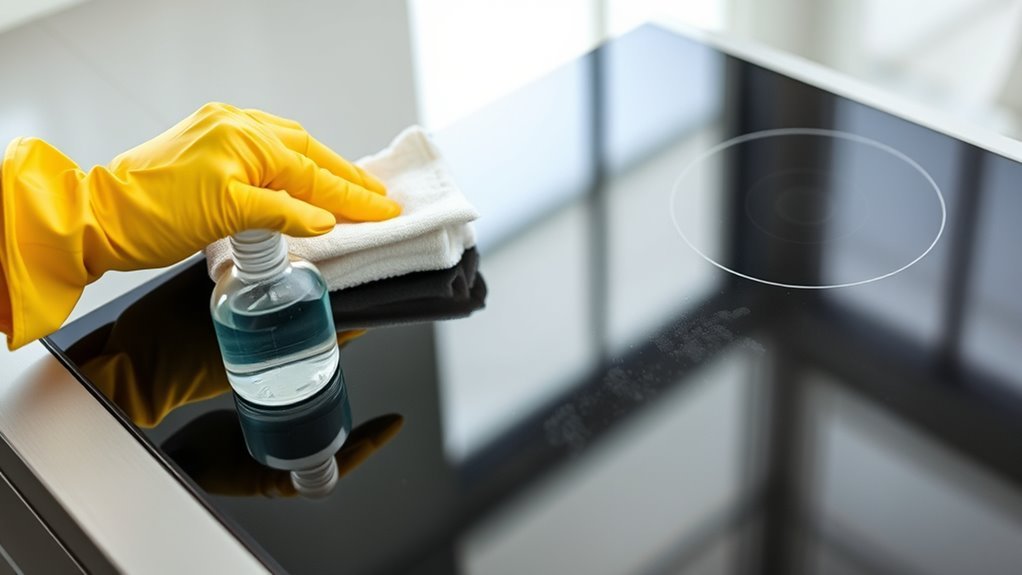
To clean your glass top stove, start by making sure it’s completely cool and remove any loose debris. Use non-abrasive sponges and cleaners made for glass tops, avoiding harsh chemicals or steel wool.
Gently scrub everyday spills with a soft cloth and tackle tough grime with vinegar and baking soda plus a plastic scraper.
Don’t forget to clean under burner elements and knobs carefully. Keep up with regular cleaning to maintain its shine and learn how to protect your stove long term.
Key Takeaways
- Make sure the stove is completely cool and all cookware is removed before you start cleaning.
- Use non-abrasive sponges, microfiber cloths, and glass stove scrapers to clean safely.
- For stains, try gentle, glass-specific cleaners or natural solutions like vinegar and baking soda.
- Gently scrape baked-on grime with a plastic scraper at a low angle, then wipe with a damp cloth.
- Finish by drying thoroughly with a soft, lint-free cloth to prevent streaks and keep the glass shiny.
Best Tools and Cleaners for Glass Top Stoves
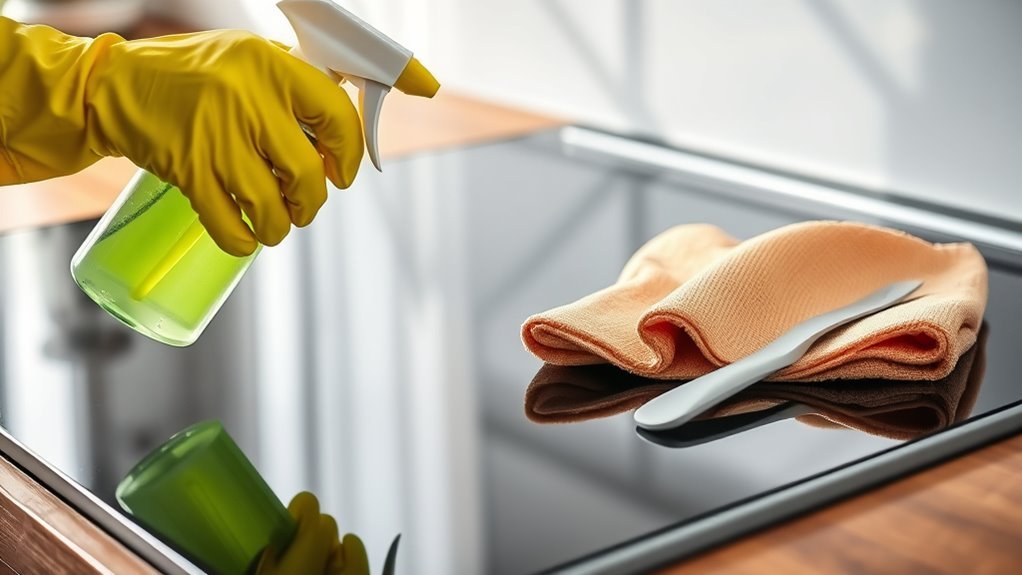
To keep your glass top stove spotless, you’ll need the right tools and cleaners. Don’t fall for common cleaning myths like using abrasive pads or harsh chemicals, which can scratch or damage the surface. Instead, opt for non-abrasive sponges, microfiber cloths, and a dedicated scraper designed for glass stoves.
When comparing products, look for cleaners specifically formulated for glass tops—they effectively dissolve grease without leaving residue. You might see many product comparisons online, but the best cleaners combine gentle ingredients with effective stain removal.
Avoid ammonia-based or bleach cleaners, as they can harm the finish. Also, steer clear of steel wool or rough scrubbers that can dull the glass. Using the right tools and products not only keeps your stove gleaming but also extends its lifespan.
With this knowledge, you’ll clean smarter, not harder, dispelling cleaning myths and choosing what truly works.
Preparing Your Glass Top Stove for Cleaning
Before you start cleaning, make sure your glass top stove is completely cool. This helps prevent burns and stops you from damaging the surface.
Proper surface prep is key to a good cleaning. First, remove any loose crumbs or debris with a soft cloth or brush. Clear off all cookware and utensils so you have easy access.
Next, check your cleaning schedule. Regular maintenance makes stubborn stains easier to remove and keeps your stove looking new. Sticking to a routine also helps prevent buildup and extends the stove’s life.
Avoid using abrasive materials that can scratch the glass. Instead, choose gentle tools specifically recommended for glass tops. Also, make sure your cleaning area is well-lit so you can see spots and residues clearly.
Removing Everyday Spills and Stains Safely
Dealing with everyday spills and stains can be a bit tricky, but it’s nothing you can’t handle. First, try to figure out what caused the mess—that way, you can choose the best way to clean it up. When you’re ready to clean, go for gentle, non-abrasive cleaners that won’t scratch or damage your glass top.
Then, just scrub carefully using a soft cloth or sponge. No need to be rough—you want to clean it without leaving any scratches behind. It’s all about being gentle and patient, and your glass will stay looking good as new!
Identifying Common Stains
Everyday spills like grease splatters, sugary drips, and water spots can quickly dull your glass top stove’s surface. To clean effectively, you need to identify stain types first. Knowing what you’re dealing with helps with stain prevention and guarantees you choose the right cleaning approach.
| Stain Type | Cause | Prevention Tip |
|---|---|---|
| Grease | Oil splatters from cooking | Wipe spills immediately |
| Sugary Drips | Spilled sauces, syrups | Avoid letting spills caramelize |
| Water Spots | Hard water residue | Dry surface after cleaning |
Recognizing these common stains early helps you address them safely and keep your stove shining without damage.
Safe Cleaning Solutions
Three simple cleaning solutions can effectively tackle most spills and stains on your glass top stove without causing damage. You don’t need harsh chemicals—eco-friendly options and homemade solutions work wonders while keeping your kitchen safe and fresh.
Try these gentle yet powerful methods:
- A mix of white vinegar and water, perfect for cutting grease and leaving a streak-free shine.
- Baking soda paste, ideal for lifting stubborn stains without scratching the surface.
- Mild dish soap diluted in warm water, great for daily cleaning and removing light spills.
These solutions help you maintain your stove’s sleek look while protecting the glass. Using homemade solutions not only saves money but also reduces exposure to harmful chemicals.
You’ll feel satisfied knowing your cleaning routine is safe, simple, and effective.
Gentle Scrubbing Techniques
Start by gently scrubbing spills and stains with a soft cloth or non-abrasive sponge to protect your glass top stove from scratches. If stubborn spots remain, use gentle abrasives like a baking soda paste—mix baking soda with a bit of water—and apply it carefully.
Let it sit for a few minutes before scrubbing softly in circular motions. Avoid harsh scrubbing pads that can damage the surface. For tougher stains, consider using a razor blade scraper designed for glass tops, held at a 45-degree angle to safely lift residue without scratching.
Always finish by wiping the stove clean with a damp cloth and drying it thoroughly. These gentle scrubbing techniques keep your stove spotless without causing damage.
Tackling Tough Baked-On Grime on Glass Top Stoves Without Scratching
When you’re faced with stubborn baked-on grime on your glass top stove, it’s super important to use cleaning tools and products that won’t scratch the surface. You want to get rid of that gunk without causing any damage, right? Picking the right cleaners and tools really makes a difference and can make the whole cleaning process way easier.
Safe Cleaning Materials
Although tough baked-on grime can be stubborn, you can remove it effectively without scratching your glass top stove by choosing the right cleaning materials. You want to protect your stove’s surface while tackling messes, so avoid harsh scrubbing tools and harmful chemicals.
Instead, consider these safe options:
- Soft microfiber cloths that gently lift dirt without scratching
- Eco-friendly options like vinegar and baking soda, which clean powerfully and naturally
- Homemade solutions that combine gentle ingredients for a cost-effective, non-toxic clean
These materials help you maintain your stove’s sleek finish and keep your kitchen safe from harsh chemicals. By choosing gentle but effective cleaning aids, you’ll enjoy a spotless stove without worrying about scratches or damage.
Stick to these trusted tools to clean with confidence every time.
Effective Grime Removal
Even if baked-on grime feels impossible to remove, you can tackle it effectively without damaging your glass top stove. Different grime types, like burnt food residues or greasy splatters, need specific approaches.
For stubborn baked-on grime, start by soaking a damp cloth with warm water and a mild cleaner. Lay it over the affected area for 10-15 minutes to soften the residue.
Gently scrape with a plastic scraper at a low angle to avoid scratches. Avoid abrasive tools or harsh chemicals that could damage the surface.
Maintaining a consistent cleaning routine—wiping spills immediately and doing a thorough clean weekly—prevents grime buildup. This makes removal much easier.
Cleaning Under Burner Elements and Knobs Safely
Since grime and spills can build up under burner elements and knobs, it’s important to clean these areas carefully to avoid damage. Start by unplugging the stove or turning off the power at the circuit breaker to ensure safety.
Carefully lift the burner elements without forcing them to prevent electrical issues. When cleaning knobs, gently pull them straight off and soak them in warm, soapy water. Use a soft cloth or toothbrush to scrub away stuck-on dirt.
Remember these key points for safe and effective cleaning: always make sure the stove is completely cool and powered off to avoid burns or shocks. Avoid harsh chemicals that can harm the burner elements or knobs. Dry every part thoroughly before reassembling to prevent moisture damage.
Using Natural Cleaners for a Chemical-Free Shine
When you want to keep your glass top stove spotless without exposing it to harsh chemicals, natural cleaners offer an effective and safe alternative. Simple ingredients like white vinegar, baking soda, and lemon juice work wonders.
For example, mix equal parts vinegar and water in a spray bottle to tackle grease and grime. Sprinkle baking soda on stubborn spots, then spray the vinegar solution to create a gentle fizz that lifts residue without scratching. Lemon juice adds a fresh scent and extra cleaning power.
Using these natural alternatives not only cleans effectively but also aligns with eco-friendly tips by reducing chemical waste. You’ll avoid harmful fumes and protect your indoor air quality. Plus, these ingredients are budget-friendly and easy to find.
Preventing Streaks and Residue After Cleaning
If you want to keep your glass top stove looking spotless, it’s all about choosing the right cleaner. You’ll want something that’s gentle enough not to damage the surface but still tough enough to get rid of dirt and grime.
And don’t forget about your cloths! Always opt for soft, lint-free ones. They help prevent scratches and stop any little fibers from sticking around after you’re done cleaning.
Once you’ve wiped everything down, be sure to dry the surface thoroughly. This step is key to avoiding streaks and residue, leaving your stove shiny and spotless!
Choose The Right Cleaner
Although many cleaners promise a spotless finish, choosing the right one is key to avoiding streaks and residue on your glass top stove. Picking a cleaner that fits your needs ensures your stove looks great without extra effort.
You can choose from eco-friendly options that protect your health and the environment, giving you peace of mind. There are also commercial products made for tough stains, quickly banishing stubborn grime.
Or, opt for gentle formulas that keep your stove’s glossy surface intact without causing damage or dullness. Whatever your choice, the right cleaner makes all the difference.
Use Soft, Lint-Free Cloths
Since glass top stoves show every streak and smudge, using soft, lint-free cloths is essential for a spotless finish. When you clean, reach for soft cloths that won’t scratch the surface or leave behind fibers.
Avoid rough towels or paper towels, which can cause tiny scratches and leave lint residue that’s tough to remove. Instead, use microfiber or cotton cloths labeled lint-free to guarantee a smooth, streak-free shine.
Gently wipe the surface in circular motions or follow the grain of the glass to lift dirt without pushing it around. Using the right cloths helps you maintain the stove’s sleek look and makes your cleaning more effective.
This leaves your glass top stove gleaming and free from streaks or residue.
Dry Thoroughly After Cleaning
One key step many overlook is drying your glass top stove thoroughly after cleaning to avoid streaks and residue. Proper drying techniques are essential for preventing moisture, helping your stove stay spotless and shiny.
After wiping down, don’t rush—take your time to dry every inch carefully. Use a clean, dry microfiber cloth to gently buff the surface until it gleams. This final step can really make a difference in how your stove looks and stays hygienic.
Remember:
- Patience during drying prevents streaks and water spots
- Using the right cloth minimizes lint and residue
- Thorough moisture prevention extends your stove’s lifespan
Recommended Cleaning Frequency for Glass Top Stoves
Regularly cleaning your glass top stove helps keep it looking sleek and working well. To do that, follow the recommended cleaning intervals.
Regular cleaning keeps your glass top stove looking sleek and functioning smoothly.
After each use, wipe up spills and splatters to prevent buildup. For a deeper clean, aim for a weekly routine using suitable cleaners and tools.
This regular schedule helps prevent stubborn stains and extends your stove’s lifespan. If you cook often, consider spot-cleaning daily to avoid tough residue.
If you use your stove less, a thorough clean every week or two should be enough. Staying consistent ensures you won’t need harsh scrubbing later, which could damage the surface.
Common Mistakes to Avoid When Cleaning Your Glass Top Stove
Although cleaning your glass top stove might seem straightforward, it’s easy to make mistakes that can scratch or damage the surface. One common error is neglecting proper cleaning frequency, which can lead to stubborn stains that become hard to remove.
Another frequent issue comes from falling for cleaning myths—like using abrasive cleaners or scrubbers—that can leave permanent marks. To keep your stove spotless without causing damage, avoid these common pitfalls:
- Using harsh chemicals or steel wool that scratch the glass
- Waiting too long between cleanings, which allows burnt-on residue to form
- Believing that using more cleaning products will give better results
Maintaining Your Glass Top Stove’s Shine Long Term
To keep your glass top stove looking shiny and new, establish a simple cleaning routine that fits your lifestyle. Consistent long-term care prevents buildup and keeps the surface gleaming.
Using protective coatings designed for glass stoves can add an extra layer of defense against stains and scratches. This makes maintenance easier and helps your stove stay in top shape.
Here’s a quick guide to maintaining your stove’s shine:
| Task | Frequency |
|---|---|
| Wipe spills promptly | After each use |
| Use protective coatings | Every 1-2 months |
| Deep clean with stove cleaner | Monthly |
| Avoid abrasive tools | Always |
Stick to these habits, and your glass top stove will stay spotless and scratch-free for years. Remember, gentle care and protective coatings are key to preserving that polished look without extra effort.
Frequently Asked Questions
Can I Use a Razor Blade to Scrape off Burnt Food?
Yes, you can use a razor blade technique to scrape off burnt food, but you need to be careful. Hold the blade at a 45-degree angle and gently scrape without pressing too hard to avoid scratching the glass.
Make sure the stove is cool before you start. Use a proper scraper designed for glass tops for better safety and effectiveness. Always keep your fingers away from the blade to prevent cuts.
Work slowly and carefully to protect both yourself and the surface. Taking your time will help you get rid of the burnt food safely and efficiently.
Is It Safe to Clean a Glass Top Stove While It’s Still Warm?
No, you shouldn’t clean a glass top stove while it’s still warm. It’s best to wait until the surface cools down completely for proper care and safety.
Cleaning when hot can cause burns and might damage the glass by creating cracks or streaks. Once it’s cool, you can safely wipe away spills and burnt food without risking injury or harming your stove’s surface.
Patience is key. Waiting until it’s cool ensures the best results and keeps you safe.
How Do I Fix a Glass Top Stove That Has Cracks?
You might think of sealing a crack in your glass top stove like patching a delicate windowpane, but repair on these stoves is tricky and often unsafe. Small scratches might be smoothed out, but cracks usually require replacement to ensure safety and proper functioning.
Trying DIY fixes can cause more damage or even hazards. It’s best to contact a professional or order a manufacturer-approved glass top replacement.
This way, you keep your stove safe and working efficiently without risking further damage.
Can Dishwasher Detergent Be Used to Clean Glass Top Stoves?
You shouldn’t use dishwasher detergent to clean your glass top stove because its effectiveness is limited and it can leave a residue that’s hard to remove.
Instead, try alternative cleaning solutions like a mixture of baking soda and water or a specialized glass stove cleaner. These options break down grease and grime without damaging the surface, keeping your stove sparkling clean without the risk dishwasher detergent might pose.
What Should I Do if the Stove’s Surface Becomes Cloudy or Etched?
You know what they say: prevention is better than cure. If your stove’s surface becomes cloudy or shows etching, start by gently scrubbing with a baking soda paste to tackle the damage.
Avoid harsh scrubbing tools because they can make things worse. For stubborn cloudy spots, use a specialized glass stove cleaner.
Regular maintenance will help keep your stove looking clear and shiny, preventing future issues with cloudiness or etching.
Conclusion
Cleaning your glass top stove doesn’t have to be a chore. It can be quick, gentle, and even calming. With the right tools, mild cleaners, and a bit of patience, you’ll wipe away grime, remove stains, and bring back that shiny look.
Just remember to avoid harsh scrubbing, clean regularly, and treat your stove with care. Like a finely tuned instrument, your stove will give you both beauty and great performance every time you cook.
Keep your glass top stove shining and safe with simple, consistent cleaning.