How Much to Fit a Kitchen? The Complete Answer
Many homeowners find themselves overwhelmed when trying to figure out how much to fit a kitchen. With so many options and variables, it’s easy to feel lost or unsure if you’re making the right choices.
You’re not alone — navigating costs can be tricky, especially when aiming for a balance between style and budget.
Fitting a kitchen can cost anywhere from a few thousand dollars for basic laminate cabinets to tens of thousands for high-end materials and custom designs. Your budget depends on size, layout, cabinetry, appliances, and labor, with specialist work raising prices.
Smart planning helps balance style and cost while avoiding hidden fees and common budgeting mistakes. Prioritize essentials and efficient storage to control spending.
Keep going to uncover practical tips and how to tailor your budget seamlessly.
Key Takeaways
- Kitchen fitting costs can vary a lot depending on materials, labor, size, layout, and the appliances you choose. Prices can range from a few thousand to much higher amounts.
- Bigger kitchens and custom cabinets tend to be more expensive, especially if you need plumbing, electrical work, or structural changes.
- Labor usually makes up about 20-35% of the total cost. Specialist tasks and design fees can also add to your budget.
- When planning your budget, be sure to include all materials, installation, hidden fees, and some extra money for surprises to avoid overspending.
- To save money, consider options like laminate countertops, engineered wood cabinets, doing some tasks yourself, and focusing on essential features rather than luxury extras.
How Much Does It Cost to Fit a Kitchen?

How much does it cost to fit a kitchen? The answer really depends on the materials you choose and the scope of your project.
Basic fittings with laminate cabinets and standard appliances might only cost a few thousand dollars. But if you go for high-end stuff like solid wood cabinets, stone countertops, and premium appliances, the price can go way up.
It’s important to budget carefully, considering not just the materials but also labor and installation costs. If upfront expenses seem daunting, renovation financing can help spread out the costs over time and make it more manageable.
Before you start, make a list of your priorities and decide where you’re willing to compromise or spend more. Choosing durable, quality materials can save you money later by reducing the need for repairs or replacements.
With good planning and smart financing, you’ll get a kitchen that fits your style and your budget.
How Size and Layout Affect Kitchen Fitting Costs
Your kitchen’s size and layout really influence the overall fitting costs. Larger kitchens tend to be more expensive because they need more materials and labor. If your space is spacious, you’ll likely face higher costs for flooring, wiring, plumbing, and cabinetry installation.
On the other hand, smaller kitchens usually cost less to fit. But they might require custom solutions, which can affect the price. The layout’s efficiency also matters. A well-planned layout can cut down installation time and reduce costly adjustments.
If your layout needs moving plumbing or electrical connections, expect costs to go up. Open-plan kitchens might require more structural work, adding to the expenses. Compact, efficient layouts can save you money by making the best use of space without a lot of remodeling.
How Cabinetry Choices Impact Kitchen Fitting Costs
Cabinetry plays a major role in determining your kitchen fitting costs. The cabinet styles you choose can greatly affect the price. Custom cabinets, for example, tend to cost more than stock or semi-custom options.
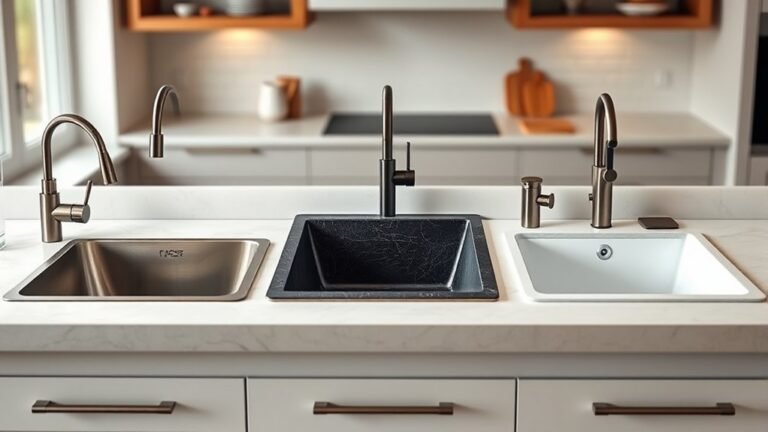
Material choices also impact your budget. Solid wood is usually pricier than MDF or laminate, but it offers greater durability. Installation techniques matter too. Frameless cabinets generally require more precise fitting and can increase labor costs compared to framed cabinets.
Don’t forget to compare brands. Some offer better warranties or higher-quality finishes that justify a higher price. Balancing style, material, and installation complexity helps you control costs while achieving the look you want.
How Appliances Affect Kitchen Fitting Costs
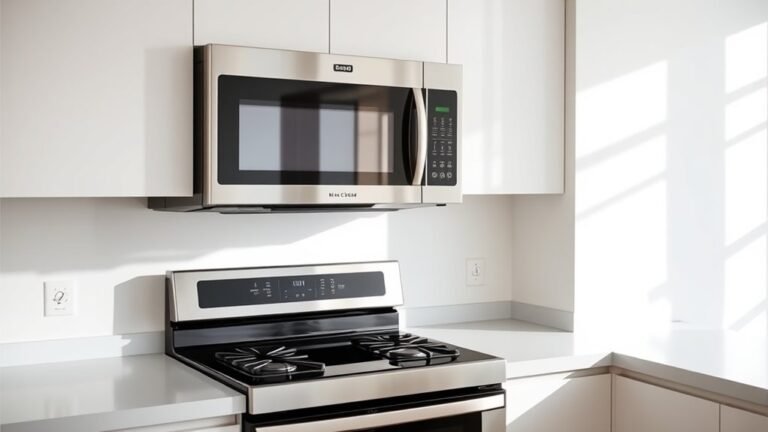
When you’re planning your kitchen fit, the kind of appliances you pick can really influence how much everything costs. For example, high-end or built-in appliances tend to be more expensive, and they can also be trickier to install. So, it’s a good idea to think about both how much you’ll pay for the appliances themselves and how complex the installation might be — it all adds up.
Appliance Types and Pricing
Choosing the right appliances can really impact how much you spend fitting your kitchen. When picking appliance brands, think about energy efficiency to save on utility bills and boost resale value.
Models with smart technology might cost more upfront but can offer convenience and long-term savings. Pay close attention to warranty options to protect your investment.
Make sure the size fits your kitchen layout to avoid expensive adjustments later. Installation requirements vary by appliance type and can affect initial costs, but they’re separate from fitting complexity.
Keep maintenance costs in mind; some brands or technologies might need pricier upkeep. By balancing these factors—brands, energy efficiency, smart features, warranties, installation, size, and maintenance—you can manage your kitchen fitting expenses without sacrificing quality or function.
Installation Complexity Impact
Since appliances vary widely in their installation needs, they can significantly impact your kitchen fitting costs.
You’ll face installation challenges with more complex appliances like built-in ovens or integrated refrigerators, which often need custom fittings and precise measurements.
These challenges can extend the labor time and increase your expenses. When planning your kitchen, consider design aspects that account for appliance size, placement, and ventilation.
For example, installing a gas hob involves extra safety measures compared to an electric one, which can affect costs.
The more intricate your appliances are, the more specialized expertise you’ll need, driving up fitting costs.
What You’ll Pay for Kitchen Labor and Design Fees
When you’re planning a kitchen fit-out, it’s helpful to get a sense of how the labor costs usually break down. These can really vary depending on the complexity of the project and where you’re located. It’s a good idea to ask for detailed estimates so you know exactly what you’re paying for.
Then there are the design fees, which can also differ a lot. Sometimes they’re included in the overall price, and other times they’re charged separately. Knowing whether these are part of the package or an extra upfront cost can help you plan your budget better. Being aware of these details makes the whole process less stressful and helps you avoid surprises down the line.
Typical Labor Cost
Labor costs for fitting a kitchen often make up a big part of your budget, usually between 20% and 35% of the total project price. You’ll see that typical rates change depending on where you live, how complex the job is, and the experience of the contractor.
Labor rates also vary if you need plumbing, electrical work, or custom cabinetry installed. To help you plan, here are some key factors that influence those costs:
- Scope of work: Simple installations cost less than full renovations.
- Regional differences: Urban areas tend to have higher labor rates.
- Specialist skills: Electricians and plumbers usually charge more than general laborers.
Knowing these factors will help you get a good idea of what to expect and avoid surprises when fitting your kitchen.
Design Fee Breakdown
Understanding the typical labor costs gives you a solid foundation to evaluate the additional fees involved in fitting a kitchen. Design fees often cover consultations, custom plans, and layout revisions, which are influenced by current design trends.
Knowing these charges helps you implement smart budgeting strategies and avoid surprises. Here’s a breakdown of common design fees:
| Service | Typical Cost Range | Notes |
|---|---|---|
| Initial Consultation | $50 – $150 | Usually credited if hired |
| Design Plan Creation | $500 – $2,000 | Depends on kitchen size |
| Revisions & Updates | $100 – $500 | Based on complexity |
| Project Management Fee | 5% – 15% of total | Optional, guarantees smooth flow |
Hidden Costs to Watch Out for When Fitting a Kitchen
Although fitting a kitchen might seem simple, unexpected costs can pop up and blow your budget. These hidden expenses often sneak in during installation, so it’s important to be prepared.
Unexpected charges usually come from things you might not think of at first. For example, structural changes like removing walls or reinforcing floors can quickly add up.
Plumbing and electrical work also tend to cost more if you need to upgrade or move pipes and wiring.
Plus, waste disposal and site clearance aren’t always included in the initial quote. Getting rid of old units and debris can catch you off guard.
How to Save Money Without Sacrificing Kitchen Quality
When planning your kitchen fit, you can save money by focusing on key features without sacrificing quality. Use budget-friendly materials like laminate or engineered wood that look great but cost less.
Think about DIY projects for tasks like cabinet assembly or painting. This cuts down on labor costs and gives you more control over the quality.
Smart choices help balance cost and durability. Here’s a quick guide:
| Cost-Saving Option | Benefit |
|---|---|
| Laminate Countertops | Affordable and easy to clean |
| Engineered Wood Cabinets | Durable and budget friendly |
| DIY Painting | Saves on labor and adds a personal touch |
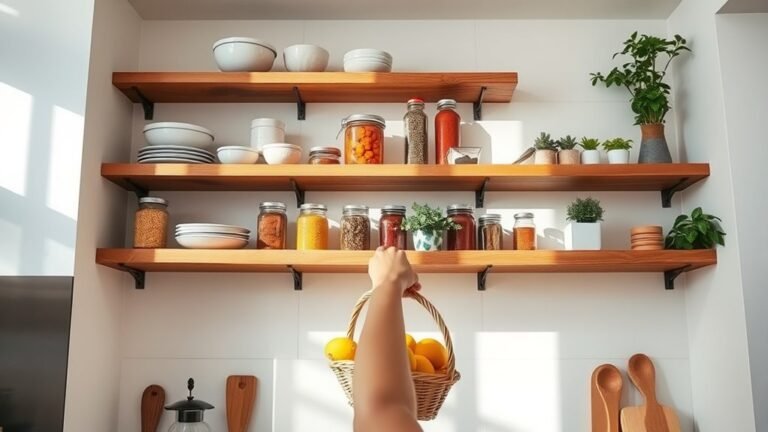
| Open Shelving | Cuts down on cabinet costs |
How to Plan Your Kitchen Budget Step-by-Step
Before you start choosing materials or appliances, it’s important to clearly outline your kitchen budget. This helps you avoid overspending and keeps your project moving smoothly. First, use budgeting tools to estimate costs for cabinets, countertops, appliances, and labor. These tools give you a realistic idea of what to expect.
Next, think about your financing options, like a personal loan, credit card, or a home improvement loan. Knowing your borrowing limits helps you plan smarter and stay within your means.
Follow these steps to plan your budget:
- Make a list of all expected costs, including hidden fees like delivery or installation.
- Prioritize spending on quality essentials and see where you can cut costs.
- Set aside a contingency fund for surprises or unexpected expenses.
Common Mistakes That Increase Kitchen Fitting Costs
Planning your kitchen budget carefully sets a strong foundation, but even the best plans can be undermined by common mistakes that drive up fitting costs. One major pitfall is design mistakes. Overcomplicated or impractical layouts can create inefficiencies that increase labor and material expenses.
Poor material choices also inflate costs, especially if you pick expensive options without considering durability or how easy they are to install. Budgeting errors often happen when you underestimate the full scope, leading to unexpected expenses that catch you off guard.
Choosing the wrong contractor is another mistake. It can cause delays and extra charges, adding to your overall costs. Timing issues, like scheduling conflicts or rushing the job, also lead to unnecessary expenses.
Measurement inaccuracies are costly too. They result in wasted materials and the need to reorder, which adds to your budget. By being thorough and realistic, you can avoid these pitfalls and keep your kitchen fitting within budget.
Final Tips for Staying on Budget When Fitting Your Kitchen
Want to stay on budget while fitting out your kitchen? Start by focusing on the must-have features first—things you really can’t do without. Once those are sorted, you can think about adding any extras if your budget allows. It’s also a good idea to get quotes from multiple suppliers. That way, you can compare prices and find the best deal without compromising on quality. And don’t forget to set aside a little extra money, just in case unexpected costs come up along the way. Better to be prepared than caught off guard!
Prioritize Essential Features
When fitting your kitchen on a budget, focus on essential features to avoid overspending on unnecessary extras. Prioritize elements that improve functionality and help you make the most of your space.
Concentrate on what you use daily instead of trendy or luxury add-ons. Think about efficient storage solutions that maximize every inch and keep things organized.
Choose durable surfaces that can handle regular use without needing constant replacement. Stick to essential appliances that meet your needs without going overboard.
Compare Supplier Quotes
How can you guarantee you get the best value for your kitchen fit? Start by making detailed supplier comparisons. Don’t just accept the first quote; gather multiple estimates to understand the market range.
When you evaluate quotes, look beyond the price. Check what’s included—materials, labor, warranties, and timelines. Compare these factors carefully to avoid surprises later.
Pay attention to any hidden fees or exclusions that could inflate costs. Supplier comparisons also help you gauge reliability and quality by reading reviews or asking for references.
Plan For Contingencies
Although you’ve planned carefully, unexpected costs can still come up during your kitchen fit. That’s why contingency planning is so important. You need some budget flexibility to handle surprises without stress.
Set aside at least 10-15% of your total budget as a contingency fund. This will cover unforeseen expenses like hidden plumbing or electrical problems, delays that need temporary fixes, or last-minute upgrades.
Keep a close eye on your spending as the project moves along, and check your contingency fund regularly. Don’t use it for non-urgent wants—only for genuine surprises.
Frequently Asked Questions
What Are the Best Materials for Kitchen Countertops?
You’ll find granite versus quartz are top choices for kitchen countertops because both offer great durability and style. Granite’s natural look appeals if you want unique patterns, while quartz provides more consistency and is non-porous, making it easier to maintain.
If you’re on a budget, laminate offers impressive durability for its price, resisting scratches and stains well. Choosing the right material really depends on your style, how much maintenance you’re willing to do, and your budget.
How Do I Choose the Right Kitchen Lighting?
You choose the right kitchen lighting by focusing on layers. Start with pendant lights over islands or dining areas for style and task lighting.
Add under-cabinet lighting to brighten countertops, making food prep easier and safer. Consider the kitchen’s size and natural light, then pick fixtures that match your design.
Don’t forget dimmers. They give you control over brightness and mood, helping your kitchen stay functional and inviting.
What Kitchen Styles Are Currently Trending?
You’re stepping into a world where cozy meets sleek. Modern farmhouse vibes blend rustic charm with fresh updates.
You’ll find minimalist design stealing the spotlight thanks to its clean lines and airy feel. Open concept layouts keep things flowing, making your kitchen the heart of your home.
Embracing these trends lets you create a space that’s inviting yet effortlessly stylish. It’s all about balancing comfort with contemporary flair.
How Often Should I Remodel My Kitchen?
You should consider remodeling your kitchen every 10 to 15 years, which aligns with the typical kitchen lifespan. Remodeling frequency depends on how well your kitchen holds up and if your needs change.
If appliances or cabinets start showing wear or your style feels outdated, it’s time to update. Staying on top of remodeling helps maintain functionality and keeps your kitchen fresh and efficient for daily use.
What Are Eco-Friendly Kitchen Fitting Options?
You can choose eco-friendly kitchen fitting options by selecting sustainable appliances that use less energy and water, helping to reduce your environmental impact. Green cabinetry made from reclaimed wood or bamboo also supports the fight against deforestation.
Look for low-VOC paints and finishes to improve indoor air quality. By picking these materials and appliances, you’ll create a kitchen that’s not only stylish but also better for the planet.
Conclusion
Fitting your kitchen is like painting your dream—each brushstroke, from layout to appliances, shapes the final masterpiece.
By understanding costs and avoiding common pitfalls, you hold the palette to blend style and budget seamlessly.
Stay sharp, plan carefully, and you’ll cook up a space that’s both beautiful and affordable.
Remember, a well-fitted kitchen isn’t just an expense, it’s an investment in the heart of your home.
When it comes to how much to fit a kitchen, knowing the essentials helps you make smarter choices.