Oven Heating Element Replacement: A Complete Buying Guide
Is your oven not heating evenly or failing to glow like it used to? You’re not alone—many people struggle with this frustrating problem. Luckily, replacing the oven heating element can restore your appliance’s performance and make cooking enjoyable again.
If your oven heats unevenly or the element doesn’t glow, it’s time to replace it. First, unplug your oven and measure the element’s length and shape to find a match with the right wattage and connectors.
Buy from trusted suppliers, and carefully follow safety steps during installation. Keep the element clean and check connections for problems.
Whether you prefer DIY or professional help, you’ll find key tips and troubleshooting advice to guarantee your oven heats perfectly again.
Key Takeaways
- Check for uneven heating, visible damage, or test continuity with a multimeter to identify faulty heating elements.
- Measure the element’s length, shape, wattage, voltage, and connector type so you can find compatible replacements.
- Understand the types: bake elements heat from the bottom, broil elements provide top heat, and convection elements circulate hot air.
- Buy from trusted suppliers or local stores, compare prices, and follow safety steps during installation.
- Keep your oven working well by cleaning it regularly, inspecting for damage, and always disconnecting power before handling elements.
How to Identify a Faulty Oven Heating Element
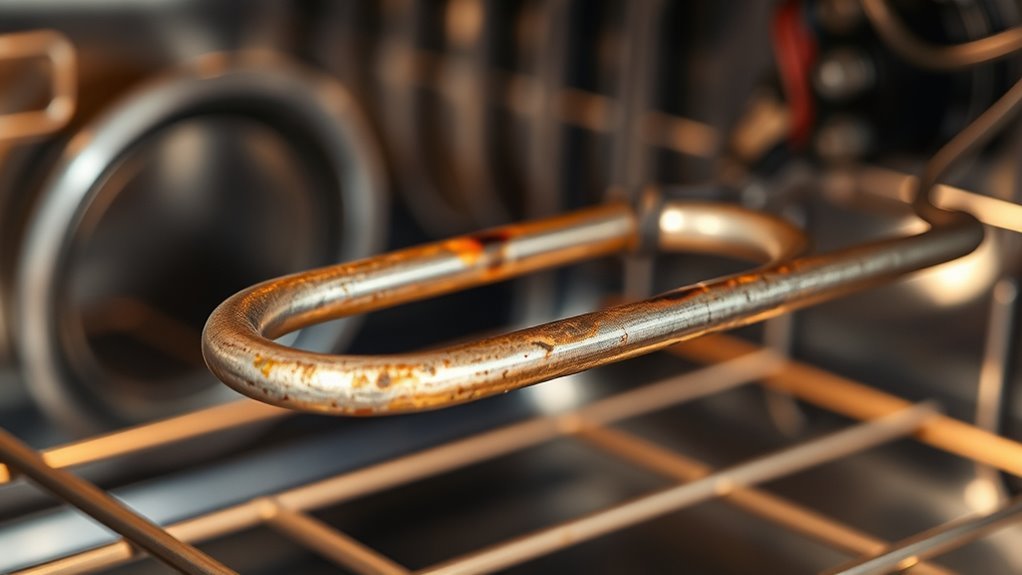
How can you tell if your oven’s heating element is failing? First, look for obvious signs like uneven heating, longer cooking times, or your oven not reaching the right temperature. You might also notice the element won’t glow red when the oven’s on, or see visible damage such as breaks, blisters, or cracks. These are clear signs that the element needs checking.
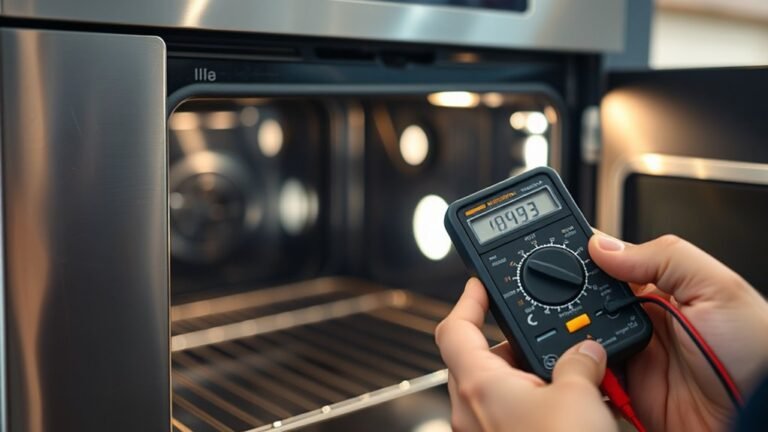
To be sure, testing the element is important. Use a multimeter to check its continuity. Disconnect the oven from power, remove the element, and test both ends. If the multimeter shows no continuity, the element is faulty and needs replacing. Testing helps avoid unnecessary replacements and makes sure you’re fixing the real problem.
How to Measure and Match Your Oven Heating Element
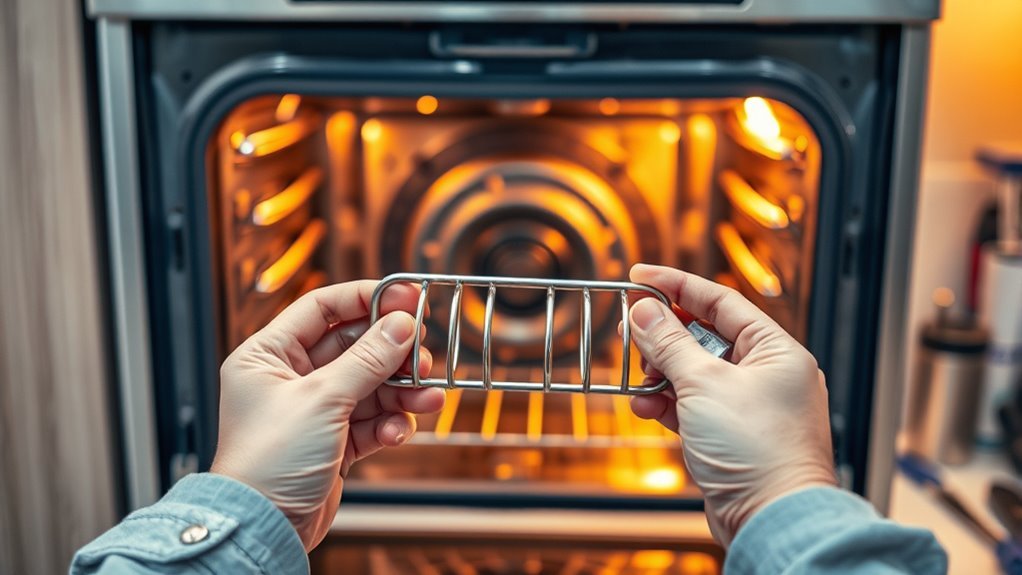
Before buying a new oven heating element, you’ll need to measure it accurately to confirm a proper fit and function. Start by unplugging your oven for safety. Use a tape measure or ruler to determine the length of the element from tip to tip, excluding mounting brackets.
Note the shape—straight or curved—as this affects compatibility. Next, check the element specifications printed on the part or in your oven’s manual, including wattage and voltage ratings. These details verify your new element matches your oven’s requirements.
When measuring, use precise techniques: measure twice to avoid errors and record both length and width if applicable. Also, inspect the connector type and terminal placement since these vary between models.
What Are the Different Types of Oven Heating Elements?
Now that you know how to measure your oven heating element, let’s take a quick look at the different types you might come across. Each kind is designed for a specific purpose, whether it’s baking, broiling, or just general heating. Getting familiar with these options will help you pick out the right replacement when you need it.
Common Oven Element Types
There are three main types of oven heating elements you’ll come across: bake elements, broil elements, and convection elements. Each one has a specific purpose and varies in how it’s designed and where it’s placed inside the oven.
Bake elements are usually at the bottom and provide even heat for cooking. Broil elements are at the top and give intense, direct heat. Convection elements work with a fan to circulate hot air for consistent temperatures.
When shopping for replacements, pay attention to the materials used in these elements. Most are made from durable metal alloys like nichrome, which resist heat and corrosion.
Knowing these different types and materials helps you pick the right part. That way, your oven will work efficiently and last longer.
Function of Each Element
Each oven heating element plays an essential role in cooking by delivering heat in specific ways to achieve the desired results. The main types include bake, broil, and convection elements, each designed for different heat distribution.
Bake elements provide even, bottom-up heat, while broil elements deliver intense top heat for browning. Convection elements work with fans to circulate heat, boosting energy efficiency and ensuring uniform cooking.
When replacing elements, follow installation tips carefully to stay safe and get the best performance. Knowing troubleshooting methods can help you quickly identify faulty elements.
Regular maintenance like cleaning and inspection can extend the life of your elements. Comparing performance between types helps you choose the right one for your cooking style and energy needs.
This way, your oven stays efficient and ready to deliver great results every time.
Must-Have Features in Oven Heating Element Replacements
When you’re picking out a replacement heating element, it’s really important to make sure it matches your oven model. You don’t want any fit issues that could cause trouble down the line.
Also, go for elements made from durable materials—they’ll keep things safe and last longer. And don’t forget to check that the element heats up efficiently, so your oven stays in top shape and cooks just right every time.
Compatibility With Oven Models
How do you guarantee your replacement oven heating element fits perfectly and functions safely? Start by checking oven brand compatibility. Different manufacturers design elements with unique connectors and shapes, so choosing one specifically made for your oven brand guarantees a proper fit and optimal performance.
Next, focus on element size specifications. Measure the original element’s length, width, and terminal type accurately to match the replacement. Even small size differences can cause installation issues or inefficient heating.
Don’t rely on universal parts if precision is key for your oven’s operation. By prioritizing oven brand compatibility and matching element size specifications, you’ll avoid common pitfalls.
This ensures your new heating element works flawlessly, extending your oven’s lifespan and keeping your cooking consistent.
Material Durability And Safety
Although choosing a compatible oven heating element is important, you also need to focus on material durability and safety to ensure it lasts long and performs well.
Look for heating elements made from high-quality metals like nickel-chromium alloys. These resist corrosion and can handle high temperatures without breaking down.
Using durable materials helps your replacement last longer and stay reliable over time. Plus, always check that the heating element meets recognized safety standards to avoid hazards like electrical shorts or overheating.
Elements certified by organizations like UL or ETL give you extra peace of mind. By prioritizing strong materials and verified safety, you protect your oven and your home.
This ensures safe operation and helps you avoid frequent replacements or repairs. Focusing on these factors makes for a smarter, safer investment in your oven’s heating element.
Efficient Heating Performance
To get the best results from your oven, you’ll want a heating element that delivers consistent, efficient heat. Efficient heating performance ensures your oven heats up quickly and keeps even temperatures, which is key for perfectly cooked meals.
When choosing a replacement, look for elements designed with energy efficiency in mind. This helps reduce power use without sacrificing heat output.
Heating consistency prevents hot spots and uneven cooking, so your dishes come out just right every time. By selecting an element that balances energy efficiency and reliable heating, you’ll save on energy bills and enjoy better cooking results.
Don’t overlook this feature—your oven’s performance depends on a heating element that heats efficiently and evenly throughout the cooking cycle.
Where to Buy Reliable Oven Heating Elements
When you need a reliable oven heating element, choosing the right source can make all the difference in performance and longevity. Start by exploring trusted suppliers who specialize in appliance parts; they often provide quality assurance and warranty options.
Online marketplaces offer a wide selection and competitive prices, but be sure to read customer reviews to gauge reliability and fit. Local retailers can be a convenient option if you want immediate access and personalized advice.
Always compare prices across these sources to guarantee you’re getting the best deal without sacrificing quality. Pay close attention to warranty terms, as they protect your investment and reflect the seller’s confidence in their product.
How to Replace Your Oven Heating Element in 7 Easy Steps
Finding the right heating element is only part of the process; replacing it correctly guarantees your oven works safely and efficiently. Start by unplugging the oven to ensure safety during the repair.
Gather your tools: a screwdriver, needle-nose pliers, and a multimeter if you want to test the element first. Open the oven door and locate the heating element, usually at the back or bottom.
Use the screwdriver to remove the screws holding the element in place. Gently pull the element forward to expose the electrical connections. Carefully disconnect the wires using pliers, noting their positions so you can reconnect them correctly.
Attach the new heating element’s wires in the same way. Secure the element with screws, close the oven door, and plug the appliance back in. Finally, test the oven by turning it on to confirm the new element heats properly.
Following these steps helps ensure a smooth replacement with minimal hassle.
Safety and Installation Tips for Oven Heating Elements
Although replacing an oven heating element might seem straightforward, you should prioritize safety and proper installation techniques to avoid electrical hazards and guarantee your oven works efficiently.
First, always unplug your oven or switch off the circuit breaker before starting. Use gloves to protect your hands from sharp edges and avoid touching the terminals directly.
Always disconnect power and wear gloves to protect yourself before handling oven heating elements.
Follow the manufacturer’s installation guidelines carefully, making sure the new element fits securely and connects properly to the wiring. Check for any signs of damage on the new element before installation.
Avoid forcing parts into place, which can cause damage or poor contact. Once installed, double-check all connections and secure the element firmly to prevent movement.
After reassembling, restore power and test the oven to confirm the element heats evenly. By following these safety precautions and installation tips, you reduce risks and ensure your replacement is safe and successful.
Common Replacement Problems and How to Fix Them
Even with careful installation, you might run into some common problems during or after replacing your oven heating element. One key sign that something’s wrong is if the new element doesn’t heat up, which usually points to a loose connection or faulty wiring.
Double-check that the element is securely plugged into the terminal block and that no wires are damaged. If your oven trips the circuit breaker, inspect for short circuits or exposed wires.
Another issue you might see is uneven heating. This can happen if the element is partially damaged or not compatible with your oven model. Try testing the element with a multimeter to see if it has proper continuity.
If the problem continues, make sure the thermostat and control board aren’t the cause. Addressing these issues quickly helps ensure your oven heats efficiently and safely after replacement.
How to Maintain Your Oven Heating Element for Longer Life
Want your oven heating element to last longer? Just give it a good clean regularly. That way, you prevent any buildup of grime or debris that can cause damage over time. It’s a simple step that really makes a difference.
Also, try not to overheat the oven or run it empty at high temperatures. These habits can put unnecessary stress on the element and shorten its lifespan. A little extra care goes a long way in keeping your oven working smoothly.
Regular Cleaning Tips
Because grease and food residue can build up on your oven heating element, regular cleaning is essential to keep it working efficiently and extend its lifespan.
Start by unplugging the oven and letting the element cool completely. Use a soft cloth or sponge with mild soap and warm water to gently wipe away any grime.
Avoid abrasive cleaners or scrubbing pads, as they can damage the element’s surface. For stubborn spots, a paste of baking soda and water works well—apply it, let it sit for 15 minutes, then wipe clean.
Perform these cleaning techniques monthly or after any spills to prevent buildup. By keeping your heating element clean, you’ll guarantee consistent heat distribution and reduce the risk of premature failure.
Avoiding Overheating Damage
Although your oven heating element is designed to handle high temperatures, pushing it beyond its limits can cause damage that shortens its lifespan. Overheating makes the element weaken, warp, or even burn out prematurely.
To avoid overheating damage, don’t preheat your oven longer than necessary. Also, avoid setting temperatures higher than what your recipes recommend. Be mindful of blocked vents or faulty fans that can trap heat and create hotspots.
Regularly inspect the element for discoloration or blistering, which are signs of overheating. Using cookware that reflects heat properly also helps maintain even heating.
When to Call a Professional vs. DIY Oven Heating Element Replacement
How do you know when replacing your oven’s heating element is something you can handle yourself versus when it’s better to call in a professional? If you’re comfortable working with basic tools and following safety precautions, DIY tips can guide you through a straightforward element replacement.
Simple issues like visible breaks or burn marks on the element are often manageable on your own. But if you notice electrical problems beyond the element itself, like faulty wiring or circuit issues, it’s best to get professional help.
Professionals have the expertise to diagnose complex faults and ensure safe, code-compliant repairs. Also, if you’re unsure about disconnecting power or handling electrical parts, don’t risk it.
Calling a professional not only keeps you safe but also gives you peace of mind with a warranty on their work. Think about your confidence level and how complicated the problem is before deciding whether to DIY or call in a pro.
Frequently Asked Questions
Can I Use a Universal Heating Element for Any Oven Model?
You can’t always rely on universal compatibility when choosing a heating element for your oven. Different heating element types vary in size, shape, wattage, and connection style.
While some universal elements might fit multiple models, it’s best to check your oven’s specifications to confirm proper function and safety.
Using the wrong element can lead to poor performance or damage, so always verify compatibility before buying or installing one.
How Much Does a Typical Oven Heating Element Replacement Cost?
Replacing an oven heating element can cost anywhere from $20 to $100, but don’t be surprised if labor pushes it higher. While the part itself is often affordable, factors like your oven model and whether you do it yourself or hire a pro really matter.
For installation tips, always unplug the oven first and handle the elements carefully—they’re fragile. Doing it yourself saves money but needs patience and caution to avoid damage or injury.
Are There Energy-Efficient Oven Heating Elements Available?
Yes, you can find energy-efficient oven heating elements designed to boost energy savings while cooking. These elements use advanced materials that heat up quickly and maintain consistent temperatures, reducing your oven’s energy consumption.
Plus, they often come with improved element durability, meaning they last longer and withstand frequent use better than standard elements. Choosing one helps you save on energy bills and avoid frequent replacements, making it a smart upgrade.
Do Heating Elements Affect Cooking Times or Temperature Accuracy?
You don’t want your meal to be either undercooked or burnt, do you? Heating elements directly impact cooking times and temperature accuracy. If your element’s faulty, you’ll face temperature fluctuations that ruin cooking consistency.
When the heat isn’t steady, your dish won’t cook evenly, leading to frustration and wasted food. So, keeping your heating element in good shape guarantees your oven performs reliably, giving you perfectly cooked meals every time.
Can a Faulty Heating Element Damage Other Oven Components?
Yes, a faulty heating element can damage other oven components. When the heating element’s lifespan ends, you might notice signs of failure like uneven heating or sparks.
If you ignore these signs, the faulty element can cause electrical issues or stress the oven’s wiring and thermostat. To keep your oven safe and working well, replace the heating element as soon as you see any signs of failure.
Conclusion
So, you’ve mastered identifying, measuring, and even picking the perfect oven heating element—who knew it could be that easy? Just remember, despite all the DIY confidence, sometimes that “simple” replacement can turn into a smoke signal for help.
But hey, if you do call in a pro, at least you’ll have done your homework. After all, nothing says “I’ve got this” like knowing when to pass the torch, literally!