How to Choose the Lowest Wattage Microwave Oven for Energy Efficiency
If you want a microwave that consumes minimal electricity, the lowest wattage microwave oven typically ranges between 600 and 700 watts. These models save energy while providing sufficient power for basic reheating, defrosting, and simple cooking tasks. Choosing one reduces your electricity bills and carbon footprint significantly.
Low wattage microwaves have grown popular as consumers seek greener appliances and lower household energy costs. Although they cook food more slowly than higher wattage models, their efficiency and convenience still meet everyday needs, especially in small kitchens or dorm rooms.
This article will guide you through what defines wattage in microwaves, explain how low wattage ovens perform compared to standard ones, explore ideal uses, review major features to look for, compare categories, and finally answer common questions about selecting the best low wattage microwave oven.
Understanding Microwave Wattage and Energy Consumption
What Microwave Wattage Means
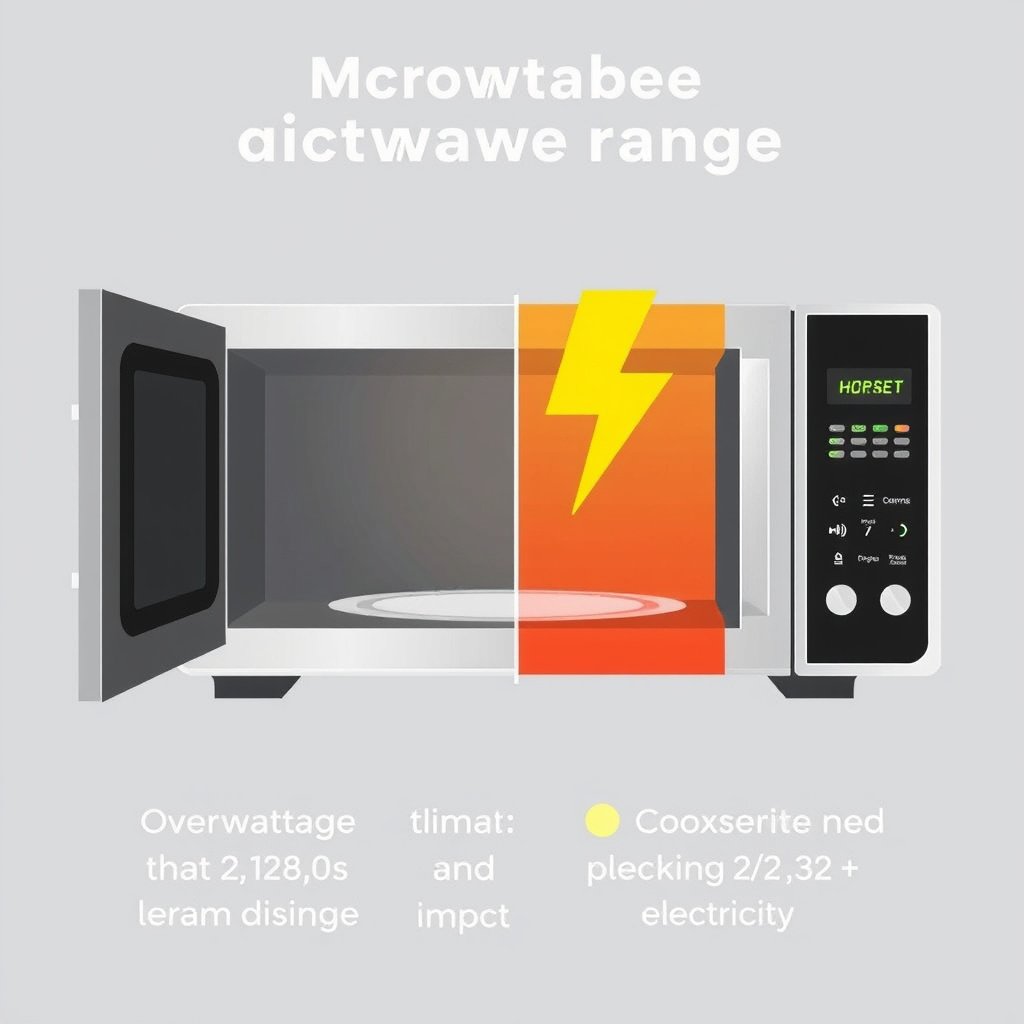
Microwave wattage indicates the power output microwave radiation produces for cooking food. Lower wattage means less electrical energy converts into microwave energy, leading to longer cooking times but less energy used per minute.
Most household microwaves range from 600 to 1200 watts, with higher wattages cooking food faster but consuming more electricity. Low wattage microwaves, typically 600 to 700 watts, strike a balance by reducing power consumption at the cost of longer cooking.
Energy Efficiency Comparison
Low wattage microwaves use noticeably less electricity, ideal for users wanting to minimize energy bills or match minimal kitchen power needs. Despite longer cook times, total energy usage is often less than high wattage microwaves because they operate steadily at lower power.
Energy efficiency ratings and standby power consumption also affect total usage. Some low wattage models have advanced inverter technology for more consistent cooking at reduced power, enhancing efficiency beyond wattage rating alone.
Performance Differences in Lowest Wattage Microwave Oven Models
Cooking Speed and Power Levels
Lower wattage microwaves take longer to heat and cook food compared to higher wattage counterparts due to less microwave energy. Expect reheating to take about 20-40% longer than a typical 1000-watt model.
Most low wattage microwaves feature multiple power levels, allowing flexible cooking choices that help balance energy use with food types. These models excel at gentle reheating and delicate defrosting without overcooking.
- Reheat leftovers evenly
- Defrost frozen items carefully
- Cook simple meals without rushing
Cooking Capacity and Size
Low wattage microwaves are often compact-sized, with interior capacities between 0.5 and 1.0 cubic feet. Their smaller size fits well in apartments, offices, or dorm rooms where usage frequency is lower.
Though smaller than full-sized models, many still accommodate standard plates and containers for daily reheating and small meal preparation. Their limited power suits occasional cooking rather than fast or large meals.
Key Features to Look for in a Low Wattage Microwave Oven
Power Control and Settings
Adjustable power levels are essential in low wattage microwaves for customizing cooking processes without overheating. Look for models with at least 5 power settings ranging from defrost to high heat.
Preset cooking modes such as popcorn, beverage, and reheat simplify meal prep and optimize energy use efficiently. Programmable timers also prevent energy waste by avoiding prolonged cook cycles.
- Multiple power levels for versatility
- Preset cooking functions
- Automatic shut-off timers
Safety and Convenience Features
Safety features like child lock and auto shutoff protect users, especially in homes with children. These are common even in budget low wattage microwaves.
Convenience options such as easy-to-clean interiors, turntable functions, and compact designs enhance daily use. Portability may also be a priority for small living spaces.
- Child safety lock
- Removable turntable
- Compact design
Applications Best Suited for a Lowest Wattage Microwave Oven
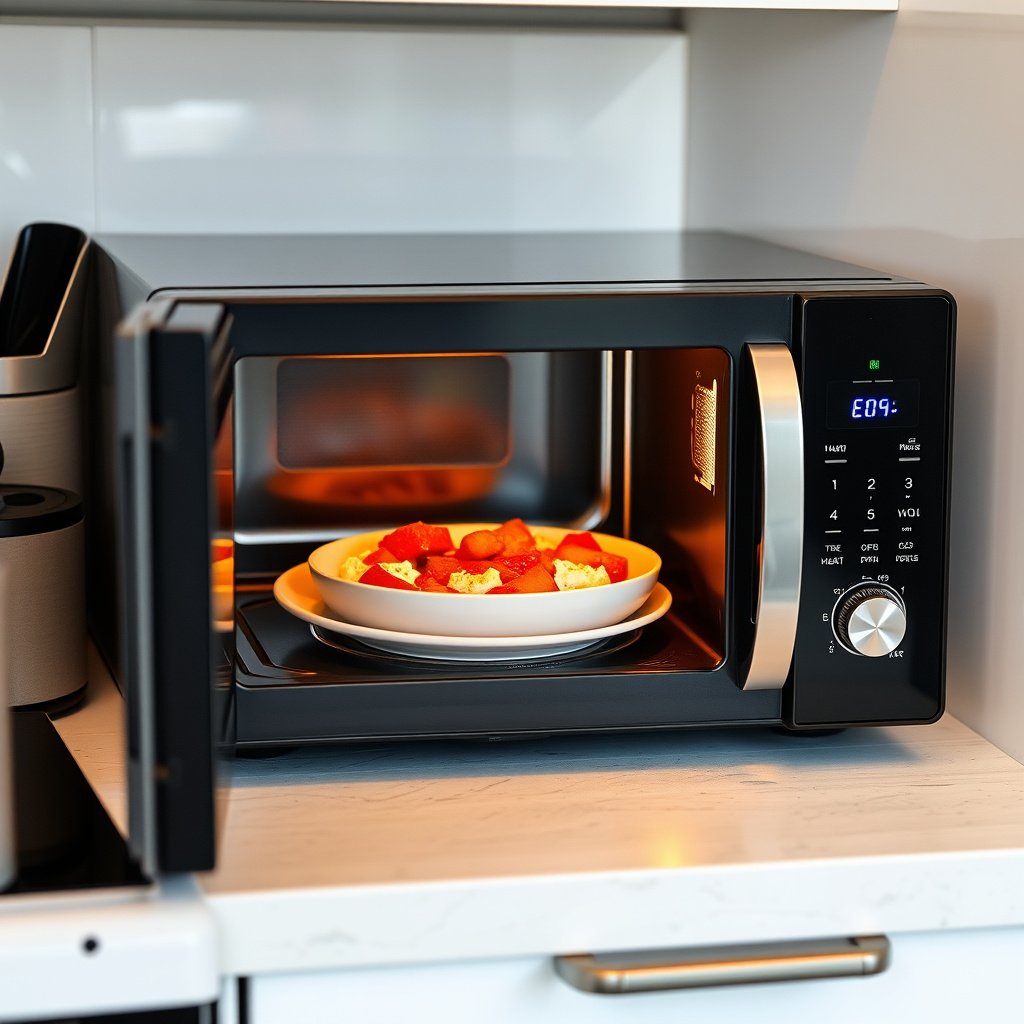
Dormitory and Small Apartment Use
Lowest wattage microwaves are perfect solutions for dorm rooms and small living spaces where power lines or outlets may limit appliance wattage. Their smaller footprint and reduced electricity draw are a good match for limited kitchens.
They perform essential functions like quick reheats, popcorn making, and simple meal cooking without overtaxing the power supply or causing circuit issues common with higher wattage models.
Energy-Conscious Household Cooking
Environmentally aware consumers benefit from low wattage microwave ovens by reducing their carbon footprint and utility expenses. Though slower, these microwaves handle everyday reheating and meal prep sustainably.
Families with modest microwave demands who want to minimize peak power usage and standby energy waste will find these models a practical energy-saving choice.
Comparing Lowest Wattage Microwave Oven Categories
Countertop Low Wattage Microwaves
These are the most common and affordable category, generally with wattage between 600-700. They require no installation and can easily move between locations, ideal for renters or temporary use.
Models range in capacity from 0.5 to 0.9 cubic feet. They prioritize portability and simplicity over advanced cooking features but often include basic presets and power control.
Built-In and Over-the-Range Low Wattage Models
Less common due to installation complexity and usually higher wattage ratings, some built-in models do maintain lower power outputs for specific kitchen setups. These options integrate with cabinetry or venting systems.
They offer enhanced aesthetics but at a price premium and often larger physical dimensions, reducing the availability of ultra-low wattage units in this category.
Maintenance and Longevity Tips for Low Wattage Microwave Ovens
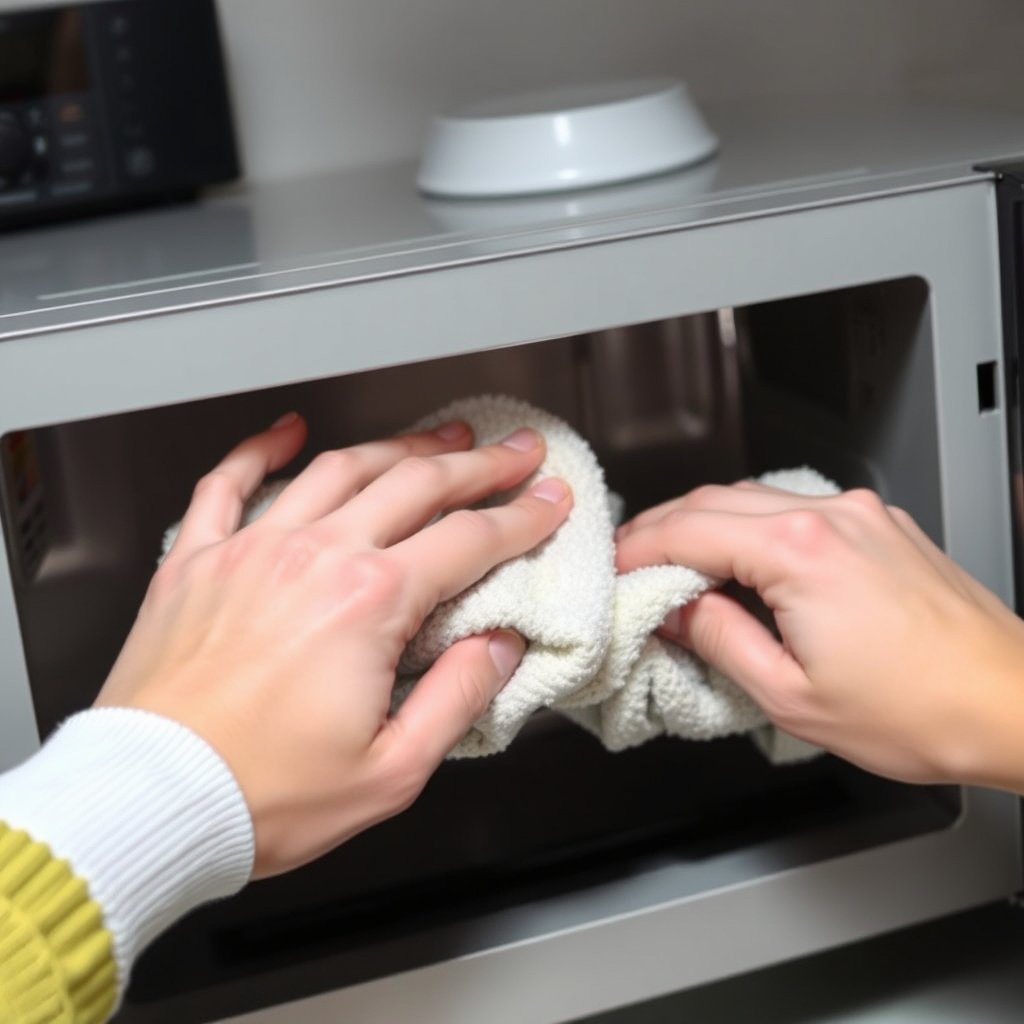
Cleaning and Care Recommendations
Keep the interior clean using mild cleaning agents and a damp cloth after spills to avoid odor absorption and food residue buildup that can reduce efficiency.
Avoid abrasive cleaners or rough scrubbing as these damage interior surfaces. Regularly remove and wash turntables, and wipe control panels gently to preserve functionality.
To learn more about how microwave wattage impacts cooking performance, check this detailed explanation. microwave oven wattage explanation.
Extending Microwave Lifespan
To maintain longevity, avoid running the microwave empty or overloading it with heavy dishes that strain turning mechanisms. Use recommended wattage settings for foods rather than max power constantly.
Routine inspections of door seals, hinges, and electrical cords help catch minor issues before failure, keeping your microwave operating efficiently for years.
Lowest Wattage Microwave Oven Categories Comparison
Here is a table comparing common categories of low wattage microwave ovens by size, wattage, and ideal use case.
| Category | Typical Wattage | Capacity (cu ft) | Best For |
|---|---|---|---|
| Compact Countertop | 600-700 W | 0.5 – 0.9 | Small kitchens, dorm rooms, portability |
| Mid-size Countertop | 700-900 W | 0.9 – 1.2 | Household use with moderate energy savings |
| Built-in Models | 600-800 W | 0.8 – 1.2 | Integrated kitchens with design focus |
| Over-the-Range | 700-900 W | 1.0 – 1.2 | Space-saving with ventilation, less common low wattage |
Frequently Asked Questions
Is a low wattage microwave oven slower than others?
Yes, lower wattage microwaves cook food slower since they deliver less microwave energy, making them ideal for reheating but less suitable for fast cooking.
Can I use a lowest wattage microwave oven for cooking meals?
You can cook simple meals, but complex or large dishes may take longer to prepare. These microwaves are best for reheating, defrosting, and basic cooking.
Does a low wattage microwave save electricity?
They may take longer but often use less total energy.
Are low wattage microwaves more affordable?
Yes, most low wattage models tend to be less expensive due to simpler technology, smaller size, and fewer advanced features.
What size microwave is best for small spaces?
Compact low wattage microwaves with capacities around 0.5 to 0.7 cubic feet fit best in dorms, offices, or small kitchens.
Key Takeaways
- Lowest wattage microwaves range from 600 to 700 watts, balancing energy use and basic cooking needs.
- They take longer to cook but significantly reduce electricity consumption and utility costs.
- Ideal for small spaces, dorms, and energy-conscious users focusing on reheating and defrosting.
- Multiple power levels and safety features enhance versatility and convenience in low wattage models.
Conclusion
Choosing the lowest wattage microwave oven revolves around balancing energy efficiency with your specific cooking needs. Lower wattage models like those between 600 and 700 watts reduce power consumption considerably but require longer cooking times. Understanding how wattage affects performance helps you select a microwave that fits your lifestyle, whether that's minimal reheating or occasional light meal prep. Energy-efficient microwave ovens become a practical choice for kitchens where saving electricity matters most without giving up microwave convenience.
For small households, dormitories, or anyone aiming to lower their energy footprint, compact countertop microwaves with wattage in the lower range offer an efficient, affordable solution. These models typically come with multiple power settings to tailor cooking intensity and preset functions to simplify operation. Built-in and over-the-range microwaves rarely match the lowest wattage range, but mid-size low wattage countertop ovens may serve those needing more capacity with moderate energy savings. Selecting features like child locks, easy-clean interiors, and timers further enhances usefulness and safety.
If you prioritize steady, energy-saving appliance use over quick cooking times, investing in a low wattage microwave oven can reduce your electricity bill and smooth out peak power usage. Start by assessing your kitchen space and typical food preparation habits, then narrow your choices to those rated in the 600 to 700 watt range. Test models when possible to judge cooking speed and convenience features firsthand. Through this approach, you’ll find a microwave perfectly suited to your everyday needs and your home’s energy goals.