How to Choose the Right Power Cord for Your Dishwasher
Selecting the proper power cord for your dishwasher is essential to guarantee safe operation and compliance with electrical codes. The right power cord must match your dishwasher’s voltage and amperage requirements, connect securely to your home's wiring, and suit the installation environment to prevent hazards.
Dishwashers typically require a dedicated circuit rated for 120 volts and 15-20 amps, but power cords can vary in length, gauge, and plug type. Choosing an unsuitable cord can cause overheating, electrical shorts, or appliance malfunction, so understanding your dishwasher's specifications and your home’s configuration matters.
This article will guide you through identifying dishwasher electrical requirements, comparing different cord types, installation tips, safety considerations, and how to troubleshoot common issues when selecting a power cord for your dishwasher.
Understanding Dishwasher Electrical Requirements
Typical Voltage and Amperage Specifications
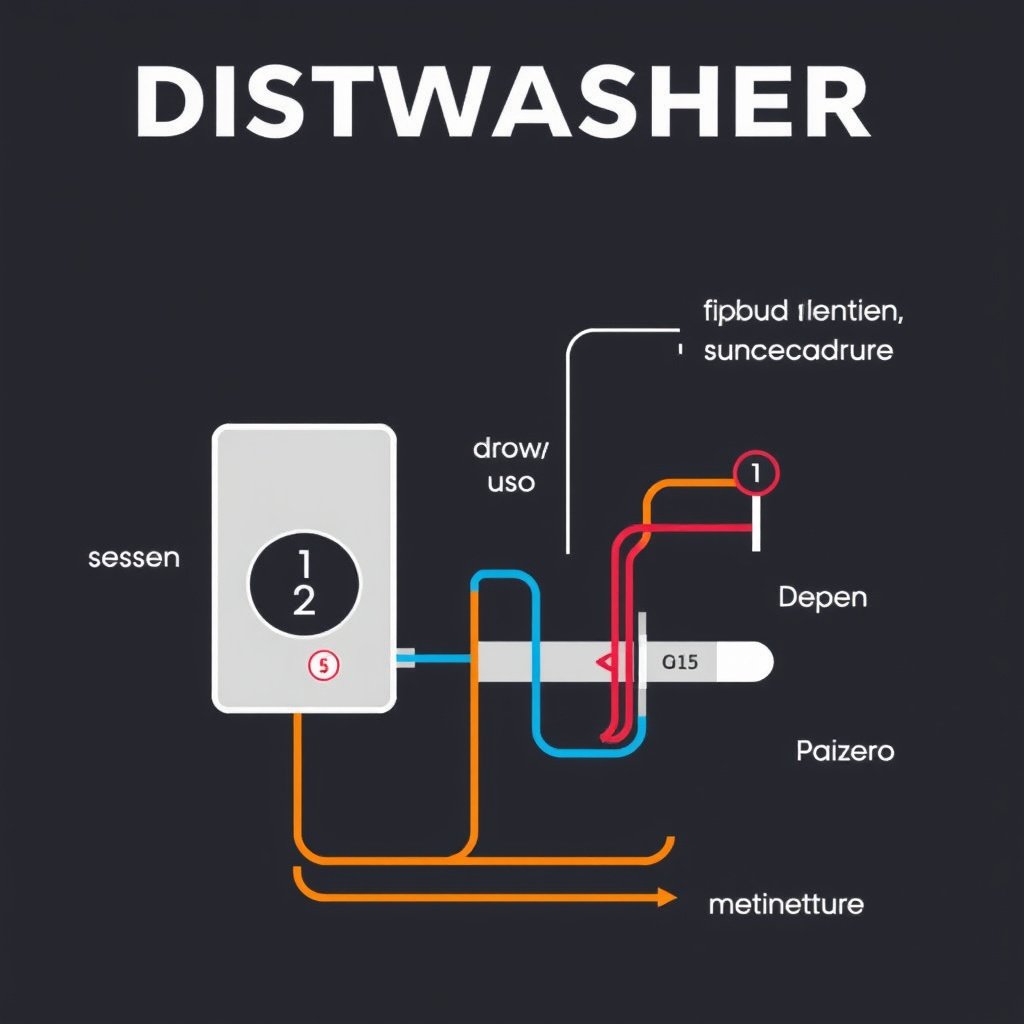
Most standard home dishwashers operate on a 120-volt circuit with a current draw between 10 and 15 amps, often requiring a dedicated 15- or 20-amp breaker. Checking the appliance’s label or manual provides exact voltage and amperage needs to ensure compatibility with your power cord.
Using a cord that does not match the electrical rating can lead to overheating or reduced performance. The cord gauge should be adequate to handle the amperage without excessive voltage drop, typically 14 or 12 AWG wire for most dishwashers.
Electrical Safety Codes and Regulations
Local building codes and the National Electrical Code (NEC) require dishwasher installations to have a properly rated cord and connection method. These codes specify wire gauge, circuit breaker sizing, and the type of cable used to minimize fire risks and ensure circuit integrity.
Compliance includes using a power cord with an appropriate plug type or hardwiring the dishwasher per manufacturer instructions. Understanding these guidelines helps prevent safety violations and electrical hazards.
Types of Dishwasher Power Cords
Corded with Plug Versus Hardwired Options
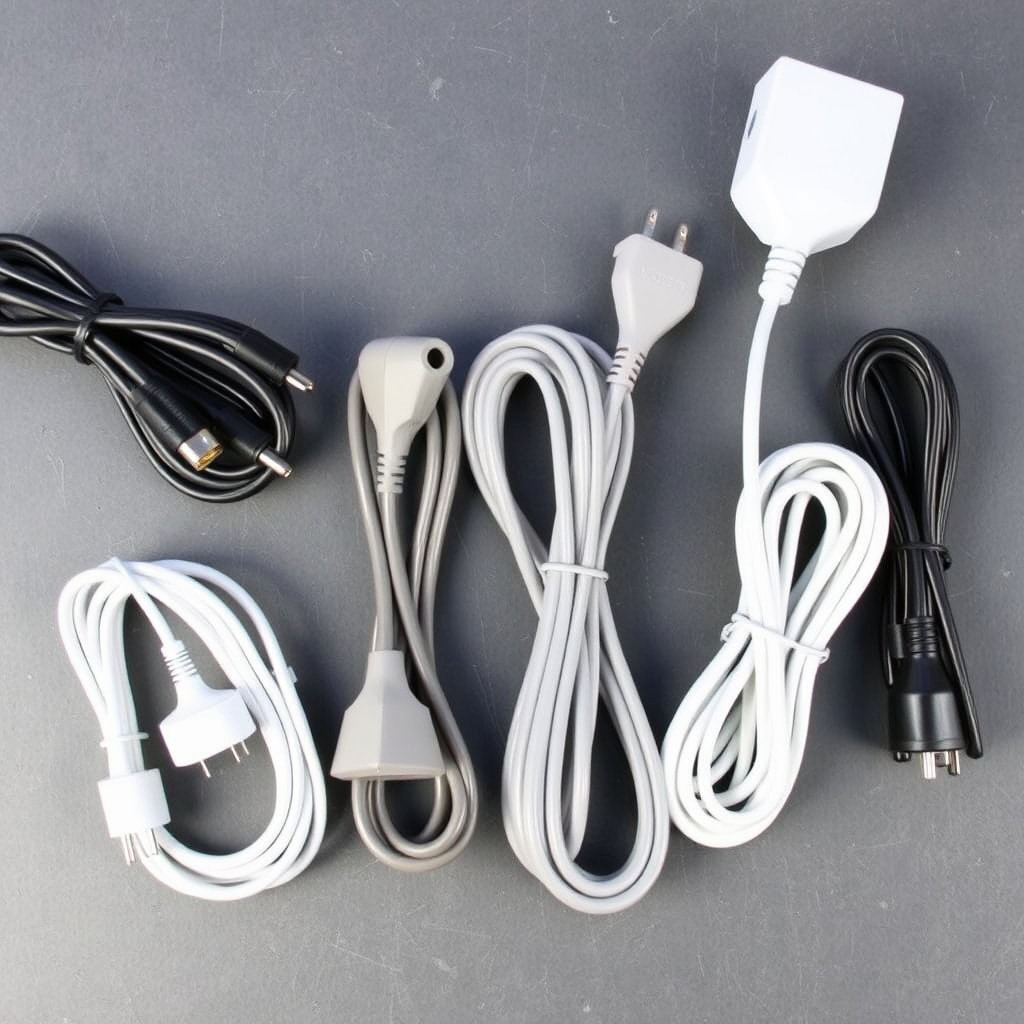
Dishwashers may come with a power cord featuring a plug that connects to a dedicated outlet or be designed for hardwired connection directly into your home's wiring. Plugged cords offer easier installation and replacement, while hardwired units provide a permanent connection preferred in some jurisdictions.
Choosing between plug-in and hardwired options depends on local codes, your kitchen setup, and the dishwasher model. Hardwired connections often require a junction box and proper strain relief in the cord assembly.
Cord Lengths, Wire Gauges, and Materials
Power cords come in various lengths, typically ranging from 4 to 10 feet, with wire gauges from 14 AWG to 12 AWG. Longer cords require thicker wires to prevent voltage drop, while shorter cords minimize excess cable clutter behind the appliance.
Copper conductors are standard for dishwasher cords due to durability and conductivity. Some cords feature strain relief boots to protect against bending or stress at connection points, extending the cord's lifespan.
- Common cord lengths: 4ft, 6ft, 8ft, 10ft
- Typical wire gauges: 14 AWG (for up to 15 amps), 12 AWG (for 20 amps)
- Copper conductor for optimal conductivity
- Strain relief features for durability
Installation Considerations for Dishwasher Power Cord

Proper Connection to Dishwasher and Outlet
When installing a power cord, ensure the cord's wiring matches the dishwasher terminals, usually color-coded for hot, neutral, and ground wires. Follow the manufacturer’s wiring diagrams to connect securely, and tighten all connections to avoid loose contacts.
The outlet or junction box should be correctly rated and located within reach of the cord. Avoid using extension cords for dishwashers; if additional length is required, select a certified power cord designed for dishwasher use.
Routing and Securing the Cord
The power cord must be routed to prevent damage from heat, moisture, or sharp edges. It should be secured to avoid kinks and strain, often with cable clamps or ties behind the dishwasher or under cabinets.
Avoid running the cord across floors or through areas where it may be pinched. Proper routing extends the cord’s life and maintains electrical safety.
Safety Tips for Dishwasher Power Cord Use
Grounding and Circuit Protection
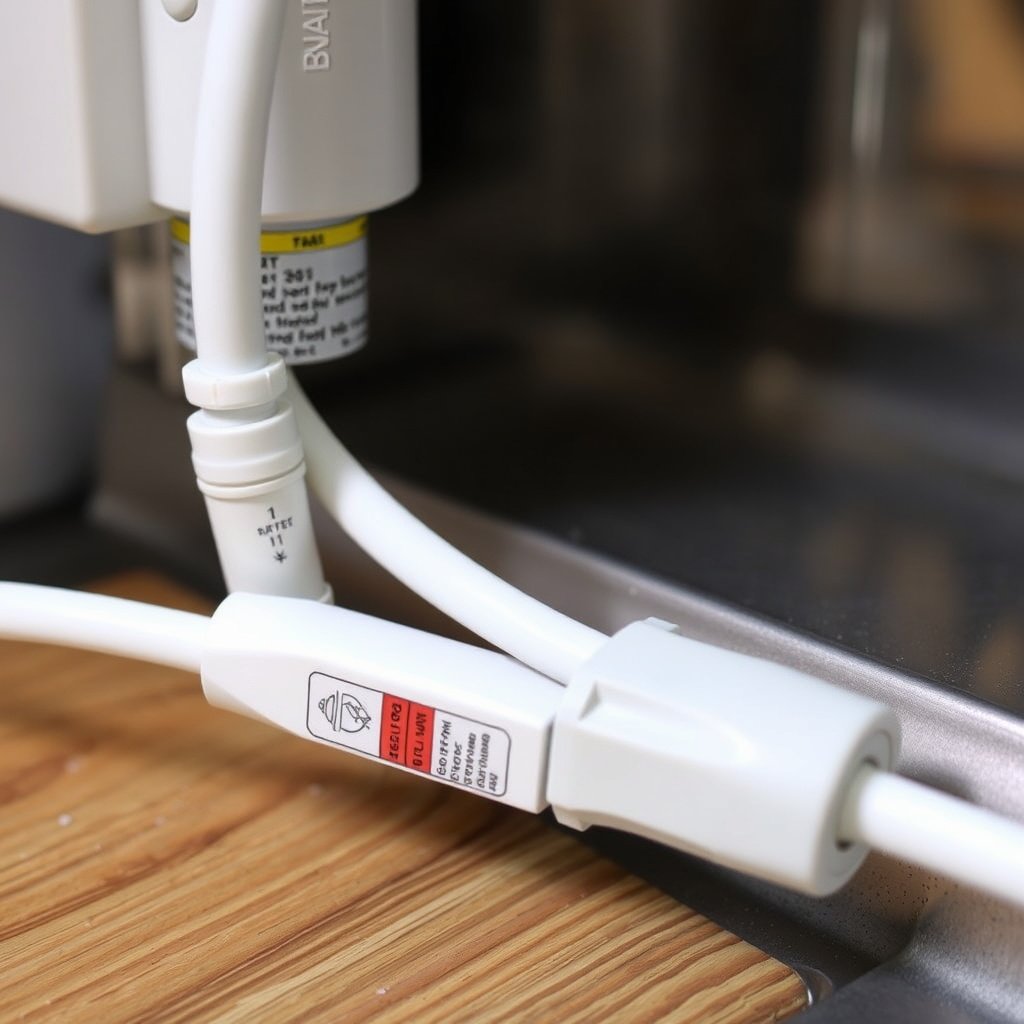
Ensuring your dishwasher power cord is properly grounded prevents electric shock hazards. The ground wire connects to the metal chassis of the dishwasher and the grounding system of your home’s electrical panel.
Installing a circuit breaker with appropriate amperage provides overcurrent protection and trips the circuit if an electrical fault occurs, enhancing household safety.
Signs of Cord Wear and Replacement Timing
Inspect the power cord regularly for cracks, fraying, discoloration, or stiff spots. These signs indicate insulation breakdown or internal damage, increasing the risk of shorts or fires.
Replace the power cord immediately if damage is detected, using cords meeting the dishwasher’s specifications to maintain safe operation.
- Visible cracks or frayed insulation
- Discoloration near plug or connectors
- Loose or exposed wiring
- Stiffness indicating aging material
Troubleshooting Power Cord Issues
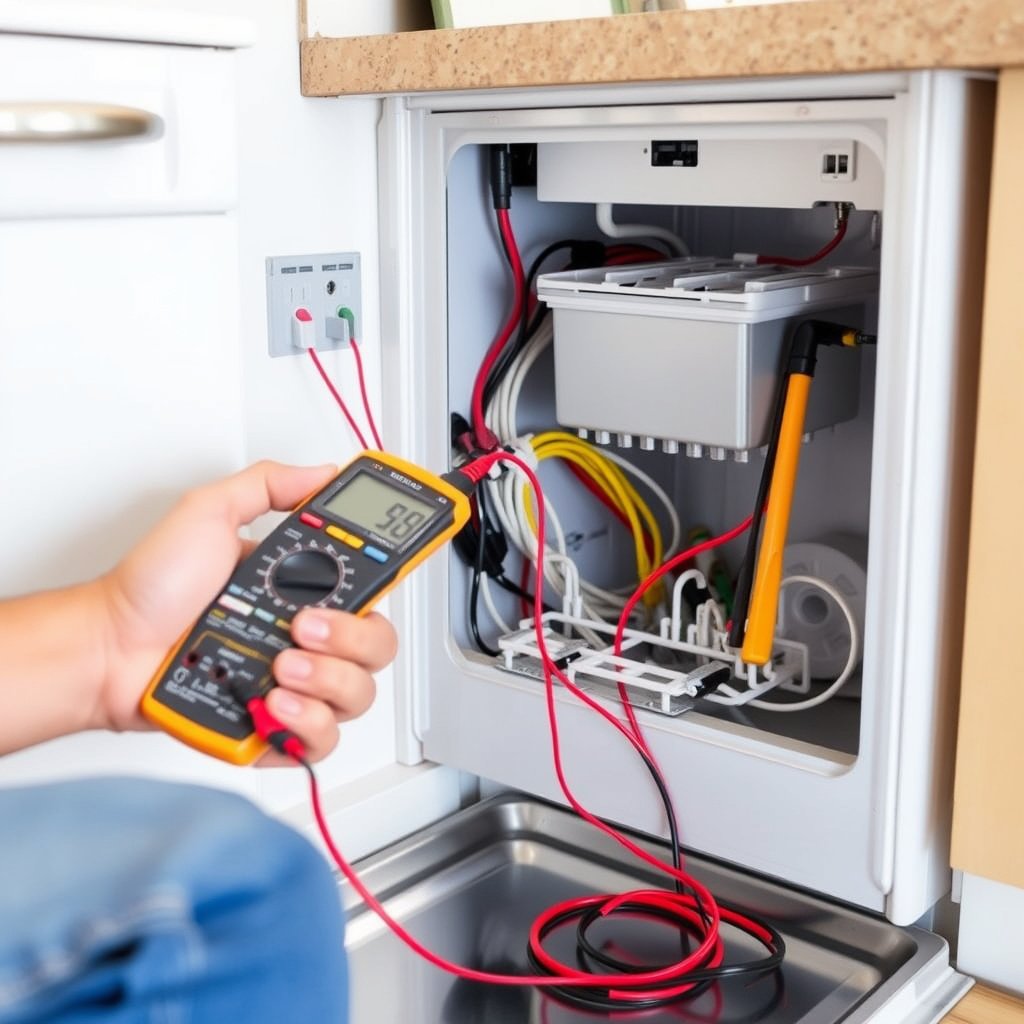
Diagnosing No Power or Intermittent Operation
If your dishwasher fails to power on or cycles intermittently, the power cord could be faulty or improperly connected. Use a multimeter to test for continuity and voltage at the plug and dishwasher terminals.
Check the breaker panel to confirm the circuit hasn’t tripped. Tighten connections and ensure the cord plug fits snugly in the outlet.
For more details on electrical specs and requirements for dishwashers, refer to the dishwasher electrical requirements section on Wikipedia. dishwasher electrical requirements.
When to Call a Professional Electrician
Issues involving wiring faults, hardwired dishwasher connections, or persistent power problems warrant professional electrical assistance to avoid unsafe repairs.
Electricians have the tools and knowledge to swap power cords, install proper outlets, and verify compliance with electrical codes, ensuring your dishwasher operates reliably and safely.
Dishwasher Power Cord Categories Comparison
Here’s a comparison of common dishwasher power cord types, highlighting key features to help you select the best fit for your appliance and kitchen setup.
| Cord Type | Length Options | Wire Gauge | Installation Method | Typical Use Case |
|---|---|---|---|---|
| Standard Plug-In | 4-8 ft | 14 AWG | Plug into dedicated outlet | Most residential dishwashers |
| Heavy-Duty Plug-In | 6-10 ft | 12 AWG | Plug into dedicated outlet | Dishwashers with higher amperage needs |
| Hardwired Cord | Varies | 12-14 AWG | Direct wiring through junction box | Permanent installations, code required |
| Cord with Strain Relief Boot | 6-8 ft | 14 AWG | Plug or hardwired | Enhanced durability in tight spaces |
Frequently Asked Questions
Can I use an extension cord for my dishwasher?
Using extension cords with dishwashers is not recommended because they can cause voltage drops and overheating. It's safer to use a dedicated power cord of adequate length designed specifically for dishwasher use.
How do I know the correct wire gauge for my dishwasher power cord?
The wire gauge depends on the dishwasher’s amperage rating; 14 AWG is typical for up to 15 amps, while 12 AWG suits 20 amps. Check your appliance specifications to select the proper gauge.
Is it better to hardwire my dishwasher or use a power cord with a plug?
Both options are acceptable depending on local electrical codes and kitchen setup. Plugged cords offer easy replacement; hardwiring provides a permanent, secure connection often preferred in built-in installations.
What should I do if my dishwasher power cord shows signs of damage?
If you notice cracks, fraying, or discoloration, replace the power cord immediately using a suitable cord meeting your dishwasher’s electrical requirements to prevent safety hazards.
Can I replace my dishwasher’s power cord myself?
Replacing a dishwasher power cord can be a DIY task if you understand electrical safety, follow manufacturer instructions, and comply with local codes. Otherwise, hiring a professional is safer.
Key Takeaways
- Match your dishwasher power cord’s voltage and amperage to appliance specifications.
- Choose between plug-in or hardwired power cords based on installation and local codes.
- Inspect cords regularly for damage and replace promptly when needed.
- Proper installation and routing prevent electrical hazards and prolong cord life.
Conclusion
Choosing the right power cord for your dishwasher involves balancing appliance electrical demands with installation logistics and local safety codes. The main factors include ensuring the correct voltage, amperage, and wire gauge align with your dishwasher's requirements. Both plug-in and hardwired cords have pros and cons that should be evaluated based on your kitchen layout and code compliance. Inspection and maintenance of the cord prevent risks such as shorts or fires, making safety paramount during selection and installation.
For most residential dishwashers drawing under 15 amps, a standard 14 AWG, 4 to 8-foot plug-in power cord suits well, offering straightforward installation with a dedicated outlet. Higher-amperage dishwashers may need 12 AWG heavy-duty cords to handle greater current safely. Hardwired connections are suitable for permanent setups and where local codes mandate them, providing secure, stable power that is less prone to accidental unplugging. Evaluating these options against your household’s wiring and dishwasher specs will guide you toward the best choice.
Ultimately, start by consulting your dishwasher’s manual and identifying your home’s electrical setup, then select a power cord that meets the machine’s electrical requirements and fits your installation style. If unsure, professional electricians offer reliable installation to guarantee safety and code adherence. A properly selected and installed dishwasher power cord ensures years of efficient, trouble-free operation.