Front Load vs. Top Load Washer: Which Is Better?
Many people struggle with choosing the right washing machine for their needs. With so many options out there, it can feel overwhelming to find the perfect fit for your laundry routine.
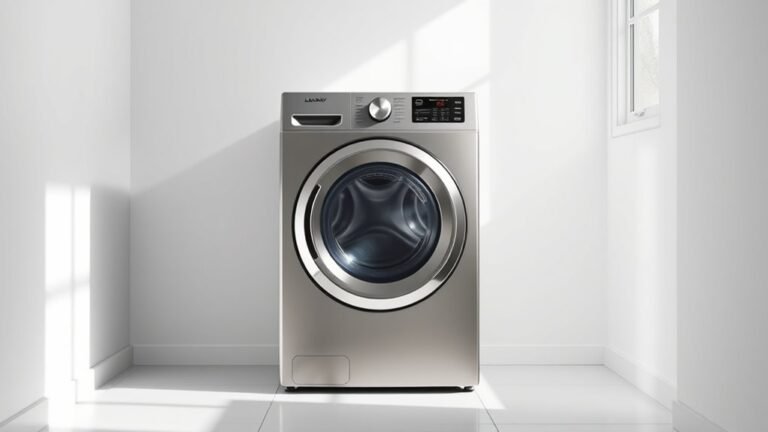
If you want better fabric care, energy savings, and space efficiency, a front load washer is your best bet. It uses less water, spins faster to reduce drying time, and fits well in tight spaces.
On the other hand, if you prefer quicker cycles, easier loading, and the ability to add clothes mid-cycle, a top load washer might suit you better.
Keep exploring to find the right fit based on your lifestyle and laundry needs.
Key Takeaways
- Front load washers give you a better clean and take better care of fabrics with gentler tumbling and higher spin speeds that cut down on drying time.
- Top load washers are easier to load and let you add clothes mid-cycle, but they usually use more water and energy.
- Front load washers save space because they can be stacked with dryers and fit into narrow areas. Top loaders need more vertical and operational space.
- Front load washers use less water and energy, which means lower utility bills, even though they often cost more upfront.
- Top load washers are great for quick loads and easier maintenance, while front loaders are better for delicate fabrics and larger, more efficient loads.
How Front Load and Top Load Washers Differ
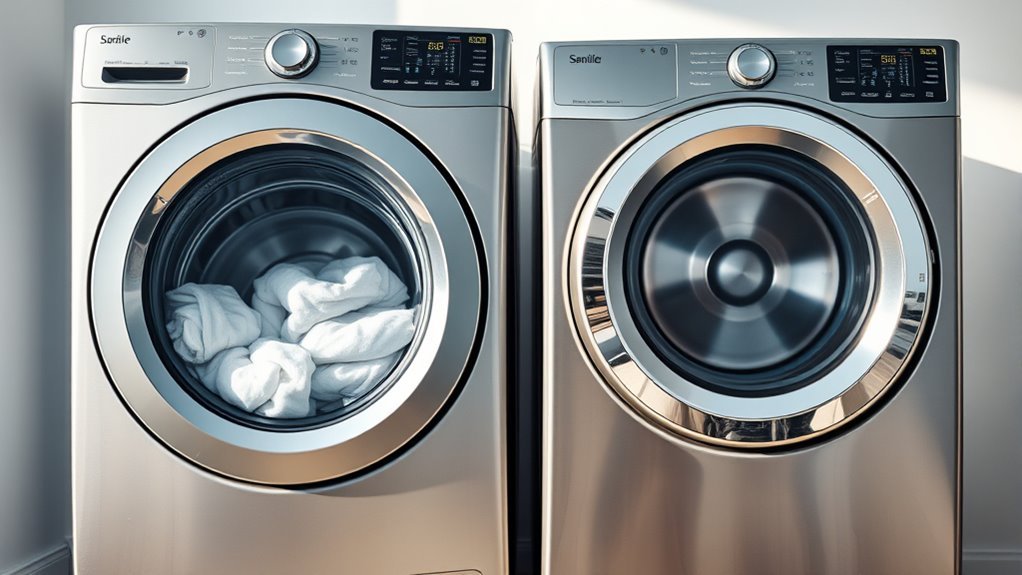
Although both front load and top load washers clean your clothes effectively, they differ quite a bit in design and how they work.
Front load washers have a horizontal drum that spins clothes through water using gravity and tumbling, which is gentler on fabrics and uses less water. They also tend to have higher spin speeds, which gets more water out and cuts down on drying time.
Top load washers are easier to load and unload since you don’t have to bend down. Many use an agitator to move clothes around, which can be better for heavily soiled items. Plus, they often have quicker cycle times and make it easy to add clothes mid-cycle.
Knowing these differences helps you pick a washer that matches your laundry habits and preferences, without worrying about space or installation right now.
Space and Installation Needs for Front and Top Load Washers
Now that you understand how front load and top load washers work differently, it’s important to think about their space and installation needs for your laundry setup.
Front load washers usually fit into tighter spaces since they can be stacked with dryers, making them a good choice if space is limited. Just keep in mind they need extra clearance for the door to swing open fully, so measure carefully before buying.
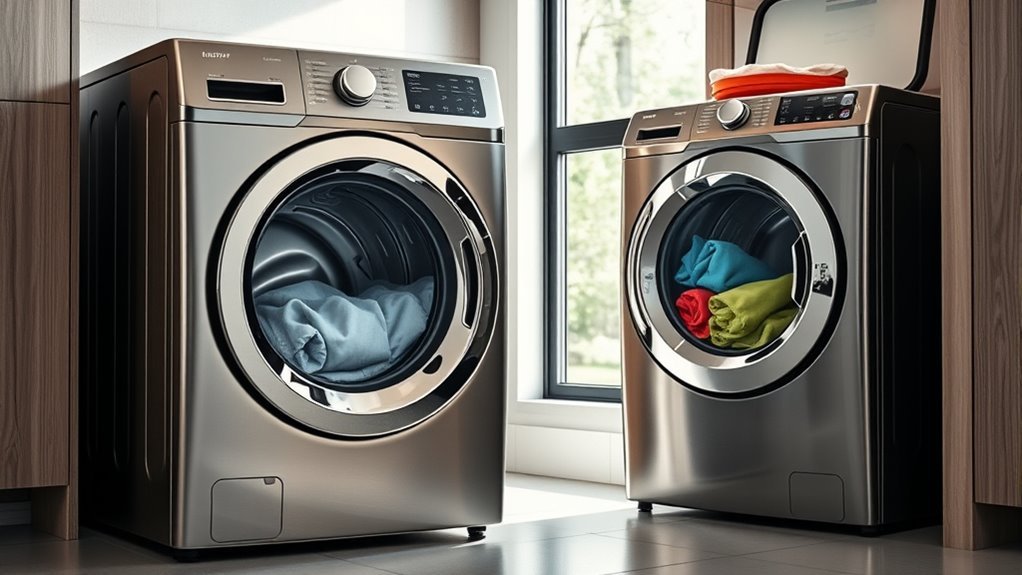
Front load washers save space by stacking with dryers but require door clearance for easy access.
Top load washers generally need more vertical space because of the lid opening. They are usually easier to install, just needing standard water hookups and power, with less concern about leveling.
If your laundry area has limited vertical space or you can’t accommodate the door clearance of front loaders, a top load washer might be a better fit. Consider your room’s size and setup to choose the washer that best matches your space and installation needs.
Cleaning Performance: Front Load vs Top Load Washers
When you compare cleaning performance, front load washers usually give a deeper clean. Their tumbling action uses less water and more agitation to get rid of dirt. This advanced technology helps clothes rub against each other, making stains easier to remove without harsh scrubbing. You’ll notice front load washers are especially good on tough stains and heavily soiled items.
Top load washers, on the other hand, depend on an agitator or impeller to move clothes through water. They can clean well but typically use more water. This can dilute the detergent and sometimes make stain removal less thorough. But they often complete cycles faster, which might be a plus if you’re in a hurry.
In the end, if you care most about stain removal and fabric care, a front load washer is probably your best bet. It offers deep cleaning while being gentler on your clothes, helping them stay fresh longer.
Energy and Water Usage: Front Load vs Top Load
When you’re trying to decide between a front load and a top load washer, it’s a good idea to think about how much water each one uses and how energy-efficient they are. These things can really add up and impact your utility bills in the long run.
Water Consumption Comparison
Many washers vary a lot in how much water they use per cycle, and understanding these differences can help you make a smarter choice for your household.
Front load washers generally use less water than top load models, which can really cut down your water use and help the environment. Here’s what you should know:
- Front load washers use about 15-30 gallons per load, while top load washers can use 30-45 gallons.
- Using less water means less energy is needed to heat it, which is better for the environment.
- Picking a front load washer can support water conservation efforts, especially in areas with drought or water restrictions.
Energy Efficiency Ratings
Choosing a washer that uses less water can help lower your energy bills and reduce your environmental impact.
When comparing front load and top load washers, look for energy efficiency labels and Energy Star ratings. These help you find models that use less electricity.
Front load washers tend to get higher Energy Star ratings because they use less water and run longer, but at lower temperatures, which saves energy.
Top load washers, especially older ones, often score lower on energy efficiency because they use more water and electricity during cycles.
Focusing on machines with strong energy efficiency labels means your laundry routine is more eco-friendly.
Paying attention to these ratings helps you make smarter choices that conserve resources without sacrificing cleaning power.
Impact on Utility Bills
Although front load washers generally use less water and energy than top load models, your utility bills mainly depend on how often and how much laundry you do.
You can save a lot on utilities with a front loader, but only if you’re mindful of your laundry habits.
- Front loaders use less water per cycle, which helps lower your water bills over time.
- They spin faster, removing more water and reducing drying time, saving electricity.
- The more frequently and the larger the loads you do, the more you stand to save. Infrequent or small loads won’t give you the same benefits.
Ease of Use and Accessibility Compared
When you consider ease of use and accessibility, front load and top load washers each have their own advantages that can impact your laundry routine.
Top load washers often come with user-friendly features like easy-to-reach controls and a design that lets you add clothes mid-cycle without bending over. This makes them a solid choice if you want a straightforward, accessible setup.
On the other hand, front load washers are designed with accessibility options that benefit those with limited mobility. Thanks to their waist-high doors and ergonomic controls, you won’t have to lean in as far, which reduces strain.
Plus, front loaders usually have larger door openings, making it easier to load bulky items like blankets.
In the end, your choice depends on what user-friendly features and accessibility options matter most to you—whether it’s the convenience of loading from the top or the ergonomic benefits of a front-facing design.
Maintaining Front Load vs Top Load Washers
Sure! Here’s a more conversational version of your text:
—
Keeping both front load and top load washers clean is super important to prevent mold and funky odors. Just a quick wipe of the seals now and then, and leaving the door open after you’re done, can really make a difference. It’s those small habits that help keep your washer smelling fresh and working its best. Let’s go over some simple tips to keep your washer in tip-top shape!
Cleaning Tips
Since front load and top load washers have different designs, maintaining their cleanliness requires specific approaches. To keep your washer running smoothly and improve washing efficiency, follow these key cleaning tips:
- Detergent Selection: Use high-efficiency detergent for front loaders to prevent residue buildup. This helps with stain removal and fabric care. Top loaders handle regular detergent well.
- Cycle Options: Run a cleaning cycle every month. Front load washers often have a “tub clean” cycle, while top loaders benefit from a hot water and bleach cycle to reduce grime.
- Maintenance Tips: Regularly wipe seals and dispensers to avoid buildup. This helps prevent noise and maintains load capacity. Proper upkeep ensures your washer performs at its best and lasts longer.
Preventing Mold Build-up
Keeping your washer clean goes beyond just detergent and cycle choices. It also means tackling mold build-up, especially in damp areas.
For effective mold prevention, focus on controlling humidity by keeping the laundry area well-ventilated. After each wash, wipe down the door seal thoroughly to remove moisture and leftover detergent, which can harbor mold.
Adjust your detergent usage to avoid excess suds that can contribute to dampness. Incorporate regular maintenance, like running a hot water cycle with vinegar or a washer cleaner once a month.
Use drying techniques such as leaving the door open after use to let the interior air out. These ventilation tips and consistent care help prevent mold and keep your washer fresh and efficient.
Front Load vs Top Load Washer Cost and Ownership
How much will you really spend on a front load versus a top load washer? Doing a cost analysis helps you understand not just the purchase price but the long-term ownership benefits too.
Front load washers tend to have a higher upfront cost but offer energy efficiency and water savings that cut down on utility bills over time.
Front load washers cost more initially but reduce utility bills through energy and water efficiency over time.
Top load washers usually cost less initially but may use more water and electricity, which can add up over the years.
Consider these three key factors in your cost analysis:
- Initial Price: Top load washers are generally more budget-friendly at the start.
- Operating Costs: Front load washers save money on water and energy, helping lower your bills.
- Maintenance and Durability: Front load models might need more care to prevent mold but often last longer, giving you better value.
Weighing these costs against your household needs will help you choose the best washer for your investment.
Best Washer for Your Laundry Needs and Lifestyle
What washer suits your lifestyle best depends on your daily habits and laundry demands. If you prefer quick, straightforward loads and don’t mind a bit of noise, a top load washer might fit your routine perfectly. It’s especially handy if you often add forgotten clothes mid-cycle.
On the other hand, if you care about water efficiency and gentle fabric care, a front load washer aligns well with those laundry preferences. It’s ideal for handling delicate items and larger loads without wearing out your clothes.
Consider appliance longevity too. Front loaders generally last longer due to their design and fewer moving parts. But proper maintenance can extend any washer’s lifespan.
Think about how often you do laundry, the types of fabrics you wash, and your space constraints. Matching these factors with your laundry preferences will help you pick a washer that not only meets your needs but also stands up to the test of time.
Choosing the Right Washer for Your Home and Budget
Anyone shopping for a washer needs to balance space, budget, and features to find the best fit for their home. When choosing the right washer, consider your budget constraints carefully since washer features can vary widely and impact the price. You want a model that meets your needs without overspending.
Here are three key points to guide your decision:
- Space Availability – Measure the area where your washer will go. Front load washers often stack with dryers, saving floor space. Top loaders may require more clearance.
- Essential Washer Features – Prioritize features that matter most to you, like energy efficiency, wash cycles, or quick wash options. Avoid paying extra for features you won’t use.
- Budget Constraints – Set a clear budget range upfront. Compare models within that range, balancing durability and performance to get the best value.
Final Tips for Buying a Front Load or Top Load Washer
Before you settle on a washer, take a moment to think about the space you have. You want to make sure it’ll fit comfortably in your laundry area without feeling cramped.
Also, don’t forget to check out the energy efficiency ratings. Choosing a more efficient model can help you save money on utility bills in the long run.
All these little details can really make a difference in how happy you are with your new washer.
Space And Installation
Although both front load and top load washers offer great cleaning, their space needs and installation requirements can be quite different. When choosing, keep these key points in mind to make the most of your space and ensure proper setup.
Front load washers usually have a larger depth but take up less width, so they fit well in narrow spaces. Top load washers need more vertical clearance for the lid to open easily.
If you’re short on space, front load models can often be stacked with a dryer, saving valuable floor area. This is a handy option if you have limited room.
Top load washers are generally easier to install since they require less specialized setup. Front load washers need a level floor and proper drainage to prevent vibrations.
Energy Efficiency Considerations
When choosing between a front load and top load washer, think about how each one affects your energy bills and the environment. Front load washers usually save more energy and have higher efficiency ratings because they use less water and spin faster to remove more moisture.
Top load washers tend to use more water and energy, but they can be quicker for small loads.
| Feature | Front Load Washer | Top Load Washer |
|---|---|---|
| Energy Savings | High | Moderate |
| Efficiency Ratings | Usually better | Usually lower |
| Water Usage | Low | Higher |
Picking a washer with strong efficiency ratings can help you save money and reduce your environmental impact over time.
Frequently Asked Questions
Can Front Load Washers Cause Mold or Mildew Buildup?
Yes, front load washers can cause mold or mildew buildup if you don’t follow proper washing tips.
To prevent this, leave the door open after each use to allow air to circulate. Wipe down the rubber gasket regularly and avoid leaving wet clothes inside for too long.
Using the right detergent and running a monthly cleaning cycle also helps prevent mold, keeping your washer fresh and odor-free.
Are Top Load Washers Better for Washing Bulky Items?
Back in the days of the Model T, you’d want a top load washer for bulky comforters because it offers better washing efficiency with large, heavy items. You can toss in your thick blankets without worrying about space constraints.
Top loaders usually have more room and use an agitator that moves clothes around vigorously, helping you get those bulky comforters cleaner without much hassle. So, you’ll find them more convenient for heavy loads.
Do Front Load Washers Require Special Detergent?
Yes, front load washers do require special detergent types, specifically high-efficiency (HE) detergents. You should use these because they produce fewer suds, which helps keep the washer running smoothly and prevents residue buildup.
Using regular detergent can cause excess suds, which can reduce cleaning performance and even damage your machine. To keep your front loader in top shape and get the best wash results, always choose the right detergent designed for front load washers.
How Noisy Are Front Load Vs Top Load Washers?
You’ll find front load washers generally produce about 10 decibels less noise than top load models, making them quieter during cycles. If noise levels bother you, front loaders are a better choice.
However, they sometimes have vibration concerns, especially on uneven floors, so you’ll want to guarantee proper installation. Top load washers tend to be noisier but vibrate less.
You can reduce noise by placing your washer on a sturdy, level surface either way.
Can I Stack a Dryer on Top of a Front Load Washer?
Yes, you can stack a dryer on top of a front load washer, but you’ll need to make sure your dryer is compatible with stacking options made for your washer model.
Most front load washers have stacking kits available to securely attach the dryer. Always check the manufacturer’s guidelines to confirm dryer compatibility and safety.
This setup saves space and helps keep your laundry area organized. Just be sure to follow the installation instructions carefully!
Conclusion
Choosing between a front load and top load washer depends on your space, budget, and laundry habits. You might worry front loaders take longer to wash, but their energy and water savings often make up for it. Plus, they clean clothes gently and thoroughly.
If you want efficiency and better cleaning, a front load is worth considering. Just pick the one that fits your lifestyle and home best. You really can’t go wrong either way!