What Is a Shrimp Scampi? A Complete Guide with Tips and Variations
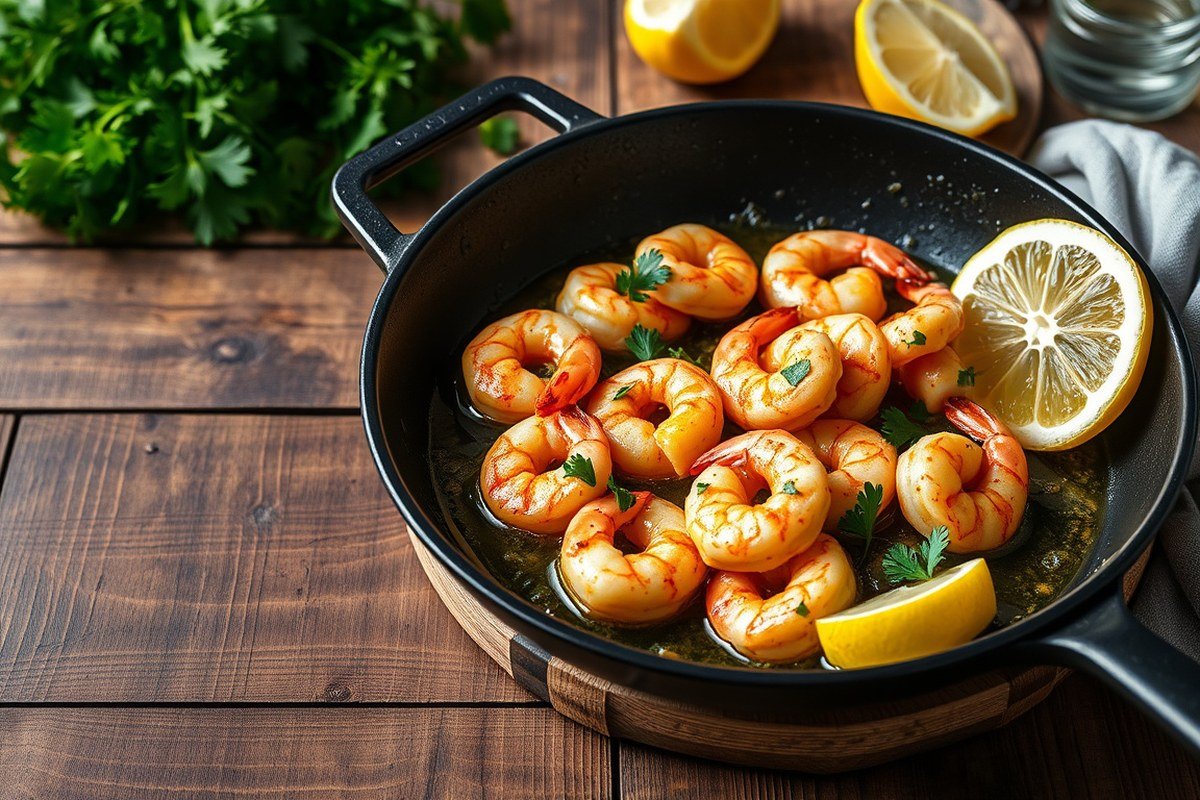
Shrimp scampi is a simple Italian-American dish featuring shrimp sautéed in a sauce of garlic, butter, olive oil, lemon juice, and white wine. It typically serves as a quick and flavorful meal, often paired with pasta or crusty bread. The key to great shrimp scampi lies in cooking the shrimp just until they turn pink and opaque, preserving their tenderness and flavor. This explanation suits home cooks and seafood lovers wanting to master classic shrimp scampi or customize it with tasty variations.
This overview covers the essential ingredients that define shrimp scampi, offers clear cooking steps to avoid overcooking shrimp, and highlights common mistakes to watch for. You’ll also learn how to store leftovers safely and simple adjustments for healthier versions without losing the dish’s core appeal. This information aims to help you confidently prepare shrimp scampi that tastes fresh and delicious every time.
Key Takeaways
- Use large peeled shrimp (1 1/4 to 2 pounds) for best texture and flavor in shrimp scampi.
- Sauté garlic and onion until translucent (2-3 minutes) before adding shrimp for a rich base flavor.
- Cook shrimp in a very hot skillet about 2 to 3 minutes per side until just pink and opaque.
- Simmer white wine and lemon juice for 1-2 minutes to reduce and concentrate flavors without overcooking shrimp.
- Soaking the shrimp in a combination of olive oil and garlic for 15 to 30 minutes improve their taste before you cook them.
- Store leftover shrimp scampi in the refrigerator for up to 4 days in an airtight container.
What Exactly Is Shrimp Scampi and Its Origin
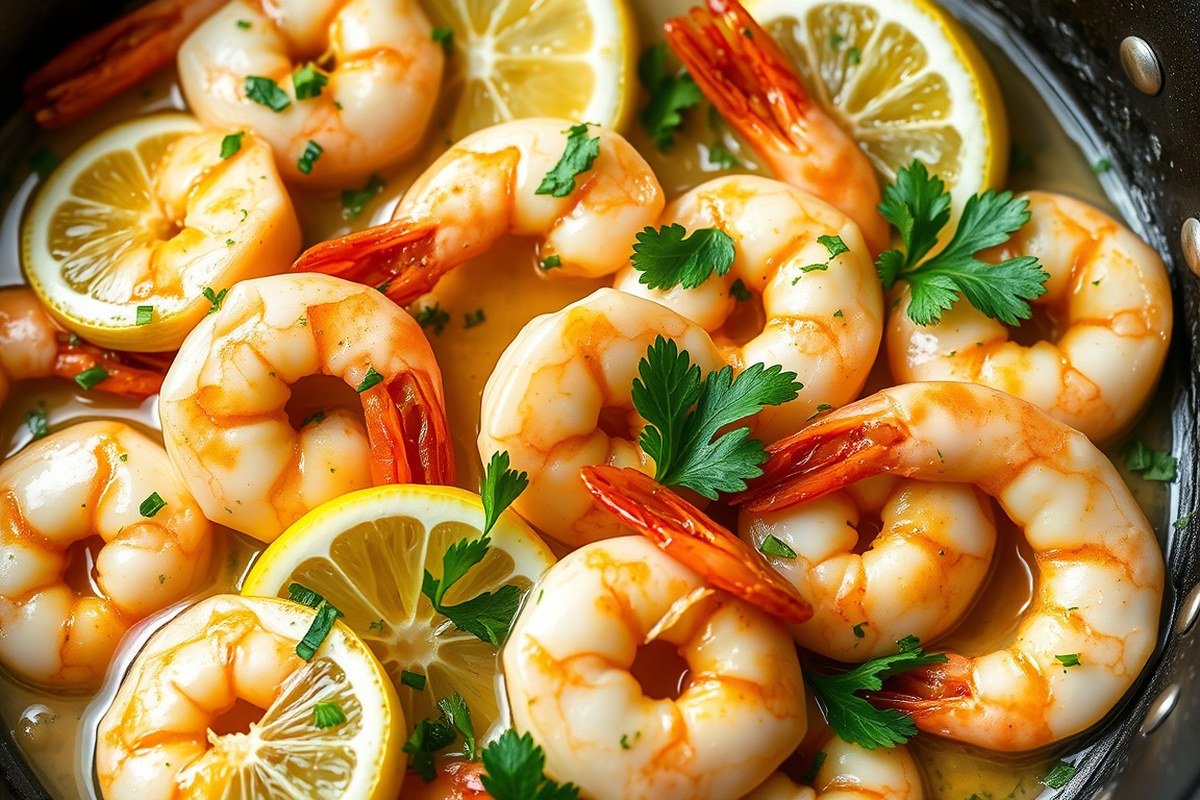
Shrimp scampi is an Italian-American dish featuring shrimp cooked in a rich sauce made from garlic, butter, and white wine. The name “scampi” originally refers to langoustines, small lobster-like crustaceans popular in Italy and other parts of Europe. Because langoustines are hard to find and expensive in the United States, Italian immigrants substituted shrimp in the same garlic-butter preparation, creating what is now known as shrimp scampi.
The term “scampi” itself can cause confusion since it does not mean shrimp at all. It identifies the type of shellfish used in the original Italian dish, langoustines, and sometimes refers to the style of preparation involving garlic, butter, and wine. Over time, the dish evolved in the U.S. To distinguish the shrimp version from its Italian predecessor, leading to the label “shrimp scampi.”
Authentic Italian scampi dishes use langoustines, which are smaller and more delicate than shrimp. Langoustines provide a different texture and flavor that is less firm and slightly sweeter. However, the scarcity and cost of langoustines in North America led home cooks and restaurants to adopt shrimp as a practical and affordable alternative. This substitution is why shrimp scampi has become a classic American seafood dish with Italian origins.
Preparing shrimp scampi involves quickly sautéing peeled and deveined shrimp in olive oil or butter heated until very hot, usually around 3 minutes, combined with minced garlic and a splash of white wine or lemon juice for acidity. The dish is traditionally served poured over pasta, but it can also be enjoyed on its own or with bread. The simplicity of the ingredients illustrates why shrimp scampi stays popular, as it balances bold garlic flavors with buttery richness.
The evolution from langoustine-based scampi to shrimp scampi represents how immigrant cuisines adapt based on locally available ingredients. This switch allowed the dish to flourish across American tables, despite not using the original seafood. Shrimp scampi today is recognized as a distinct dish that honours its Italian roots while embracing practical substitutions. Knowing this background helps you appreciate the dish’s flavors and the reasons behind the choice of shrimp over langoustines in most recipes you’ll encounter.
Key Ingredients That Make Classic Shrimp Scampi
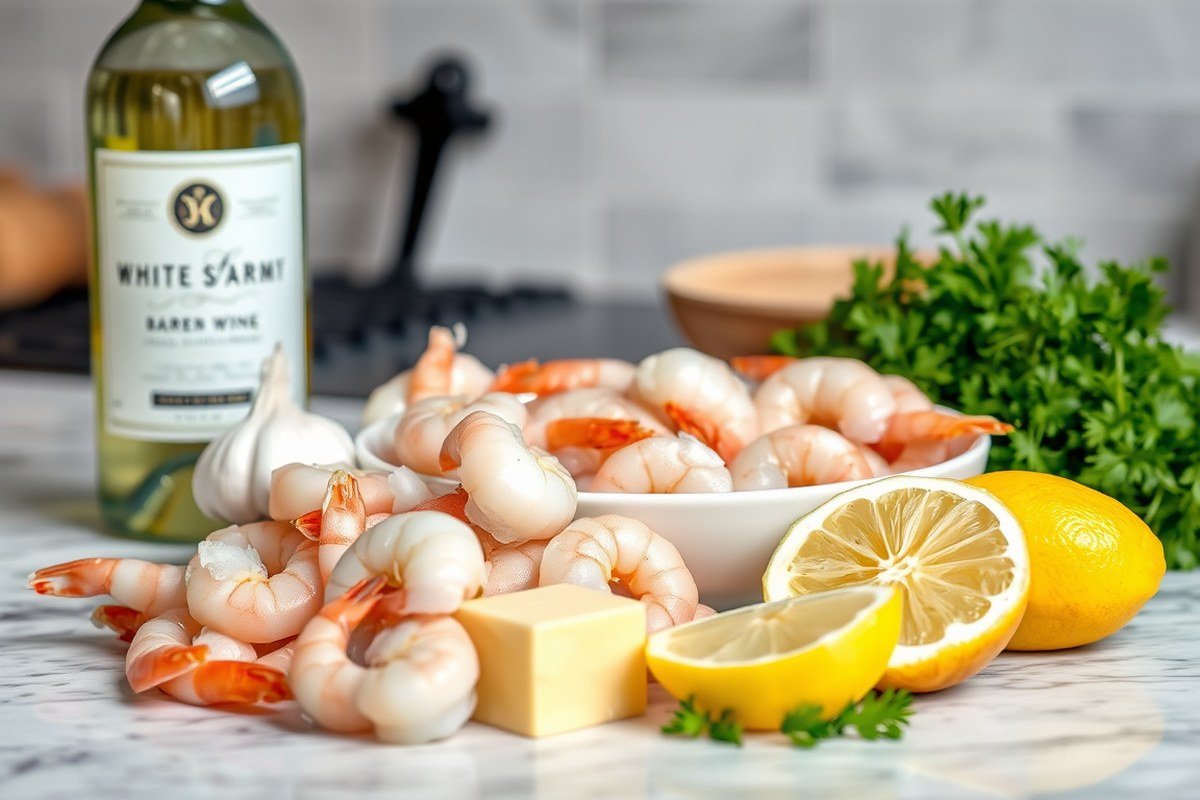
Shrimp scampi features a simple yet distinctive combination of ingredients that create its classic flavor. At its core are large shrimp sautéed in a sauce made from garlic, butter, olive oil, white wine, lemon juice, and a pinch of red pepper flakes. These ingredients work together to balance richness, acidity, and a touch of heat, defining the dish’s bright and savory character.
Garlic is essential, with roughly five minced cloves used to infuse the oil and butter with deep aromatic notes. It should be cooked gently to avoid bitterness while releasing its flavor. Butter contributes creaminess and richness, melting into the shrimp and sauce to coat every bite. Olive oil helps moderate the butter’s intensity and adds a subtle fruity depth.
White wine, typically about a third of a cup, is important for adding acidity and complexity. If you don’t have white wine on hand, you can substitute an equal amount of low-sodium chicken broth mixed with a teaspoon of lemon juice or white wine vinegar. These alternatives bring acidity without overpowering the dish.
Lemon juice brightens the sauce with fresh citrus tang, usually from half a lemon, improving the seafood’s natural sweetness. Red pepper flakes, used sparingly between ¼ and ½ teaspoon, provide gentle heat that balances the richness of butter and the brightness of lemon, adding a subtle kick. Fresh parsley adds color and a mild herbaceous note at the end.
- 1¼ pounds large shrimp, peeled and deveined
- 5 garlic cloves, minced
- ⅓ cup extra virgin olive oil
- ⅓ cup dry white wine (or chicken broth + lemon juice)
- 4 tablespoons unsalted butter
- Juice of ½ lemon
- ¼ to ½ teaspoon red pepper flakes
- ¼ cup chopped fresh parsley
Each ingredient has a precise role: garlic flavors the fat, butter adds richness, olive oil smooths the sauce, white wine or its substitute adds acidity, lemon juice lifts the dish, and red pepper flakes introduce warmth. Combining these in the right order, sautéing garlic briefly in butter and olive oil before adding wine or broth, ensures the flavors develop without burning.
Overcooking shrimp or burning the garlic will ruin the flavor and texture, so cook garlic until just golden and add shrimp last, letting wine reduce for about 1 to 2 minutes.
Butter melting into the wine and lemon juice emulsifies the sauce, helping it cling to the shrimp and pasta if used. Parsley sprinkled last finishes the dish with freshness and a pop of color. Adjust red pepper flakes based on your tolerance for heat; adding them early in the cooking process helps release their flavor fully.
Step-by-Step Instructions to Cook Shrimp Scampi Perfectly
Cooking shrimp scampi perfectly means cooking the shrimp just until they turn pink and opaque, while balancing the sauce’s garlic, butter, lemon, and white wine flavors. It usually takes about 15 to 20 minutes total from prep to finish. Overcooked shrimp become tough and dry, so timing and attention are key.
Preparing Ingredients in Advance
Start by peeling and deveining fresh or thawed shrimp, which ensures even cooking and a better texture. Mince your garlic finely as it’s the flavor backbone and should blend smoothly into the sauce. Measure out butter, olive oil, fresh lemon juice, and dry white wine beforehand for faster cooking.
Have your pasta ready if using, angel hair cooks quickly and pairs well with the delicate sauce. Prep fresh parsley for garnish and set out salt, black pepper, and red pepper flakes for seasoning adjustments during cooking.
Cooking Shrimp and Making the Sauce
Use a large skillet to cook shrimp in batches if needed to avoid overcrowding, which can cause steaming instead of searing. Heat olive oil and 2 tablespoons of butter over medium heat. Add garlic and sauté for 1 to 2 minutes until fragrant but not browned.
Cook shrimp in the skillet for about 2 to 3 minutes per side, tossing occasionally, just until they turn pink and opaque. Removing shrimp promptly prevents toughness. Next, add ½ cup dry white wine and 2 tablespoons lemon juice, simmering for about 2 minutes to reduce slightly and meld flavors. Season the sauce with salt, pepper, and a pinch of red pepper flakes, tasting throughout to keep the balance, too much salt or acidity can overpower shrimp, while too little makes the dish bland.
Finishing and Serving Tips
Return cooked shrimp to the skillet and toss in remaining 2 tablespoons of butter to enrich the sauce and coat the shrimp evenly. This finishing step also helps keep the shrimp juicy. If you’re serving over pasta, toss it with the sauce before plating to distribute flavors fully.
Sprinkle chopped parsley for freshness and a pop of color. Serve immediately so the shrimp stay tender and the sauce maintains its silky texture. Leftovers should be refrigerated within 2 hours and reheated gently to avoid overcooking.
- Peel and devein 1 pound of shrimp, then pat them dry to release moisture.
- Heat 2 tablespoons olive oil and 2 tablespoons butter in a large skillet over medium heat.
- Add 4 cloves minced garlic and sauté for 1-2 minutes without browning.
- Add shrimp and cook 2 to 3 minutes per side until opaque and pink, stirring occasionally.
- Pour in ½ cup dry white wine and 2 tablespoons lemon juice; simmer 2 minutes to reduce.
- Season with salt, pepper, and a pinch of red pepper flakes, tasting and adjusting.
- Return shrimp to skillet, add 2 tablespoons butter, and toss to coat evenly.
- Serve immediately over cooked angel hair pasta or your preferred choice, garnished with parsley.
Variations and Substitutions for Shrimp Scampi Recipes
Shrimp scampi recipes often vary in how they are prepared and what ingredients they feature, including options without wine and baked or broiled versions. Adjusting the recipe can affect flavor and cooking method. Substitutions make the dish flexible for different tastes and dietary needs.
Making Shrimp Scampi Without Wine
Wine plays a key role in shrimp scampi by adding acidity and depth of flavor. You can skip it by simmering shrimp shells in water or broth for about 10 minutes to extract flavor, then using that liquid instead. This mimics the complexity wine brings without alcohol.
Without wine, add a splash of lemon juice or a teaspoon of white wine vinegar toward the end to maintain brightness. Cooking time generally stays the same, about 4-5 minutes for shrimp to turn opaque. Avoid relying solely on broth, as it can make the sauce heavier or less vibrant.
Baked and Broiled Shrimp Scampi Options
Baking or broiling shrimp scampi is a practical alternative to stovetop cooking that keeps hands free and reduces splatter. To bake, arrange shrimp in a butter, garlic, and herb marinade, then cook uncovered at 375°F for 8-10 minutes until shrimp are pink and firm. Broiling is faster, place shrimp under high heat (about 500°F) for 4 to 6 minutes, turning once if needed for even cooking.
Both methods produce a slightly different texture. Baking yields more tender shrimp and a less concentrated sauce, ideal with crusty bread for dipping. Broiling can give shrimp a slight char that adds smoky notes but requires attention to avoid overcooking. Avoid pre-cooking the shrimp; raw is best to keep them juicy.
Ingredient Substitutions Explained
Some substitutions change the dish’s character, so consider flavor and texture before swapping ingredients. Garlic remains essential, but you can reduce it for a milder taste.
Butter can be partially or fully substituted with olive oil to cut saturated fat, which works well but results in a less creamy sauce. For herbs, parsley and basil provide freshness; you can swap basil for tarragon or oregano for a different aroma. Linguine or fettuccine pasta works equally well if angel hair is unavailable or too delicate.
Leaving the shrimp tail on improves presentation and adds flavor. Removing it reduces cooking time slightly but may sacrifice visual appeal. The table below summarizes common ingredient substitutions along with their impact on flavor and preparation:
| Ingredient | Substitution | Flavor/Texture Impact | Preparation Notes |
|---|---|---|---|
| White Wine | Lemon juice, white wine vinegar, or shrimp shell broth | Maintains acidity and brightness; less complex without wine | Simmer shells for 10 minutes to enrich broth |
| Butter | Olive oil | Less creamy; fruitier and lighter sauce | Use comparable amounts; avoid overheating olive oil |
| Angel Hair Pasta | Linguine or fettuccine | Thicker noodles hold sauce well; more chew | Cook pasta according to package instructions |
| Basil | Tarragon or oregano | Different aroma; less sweet and fresh | Add herbs at end to preserve flavor |
| Shrimp with Tail | Deveined, tail-off shrimp | Less flavorful and visual appeal; faster to eat | Adjust cooking time by 1-2 minutes less |
Substitutions offer ways to adapt shrimp scampi to what you have on hand or dietary preferences without losing the key characteristics of the dish. Experimenting with these changes lets you customize scampi to your taste and kitchen setup.
Common Mistakes in Shrimp Scampi and How to Avoid Them
Overcooking shrimp is the most common mistake when making shrimp scampi. Shrimp cook very quickly, usually in just 2 to 3 minutes per side depending on their size. They turn pink and opaque when done; anything longer makes them tough and rubbery. Avoid crowding the pan by cooking shrimp in two batches. This ensures even heat distribution and better control over cooking time.
Uneven cooking often happens when the pan’s heat is too high or inconsistent. Use medium to medium-high heat rather than maximum heat. It helps the shrimp cook through evenly without burning the garlic or butter. Adding shrimp stock or lemon juice after cooking helps bring the flavors together, but remove the pan from the heat immediately after simmering this mixture for about 30 seconds. Here is a checklist to prevent common errors and get the best results:
- Start with raw, peeled shrimp and dry them well before cooking
- Use medium heat and avoid overcrowding the pan by cooking in two batches
- Cook each batch for 2 to 3 minutes per side until shrimp turn pink and opaque
- Add garlic to melted butter before the shrimp to infuse flavor without burning it
- Remove shrimp as soon as they are cooked and keep warm while finishing the sauce
- Simmer lemon juice and shrimp stock for about 30 seconds off heat before combining
- Toss cooked pasta with the shrimp scampi sauce immediately before serving
Pull shrimp from the fridge just before cooking to take the chill off but keep them cold to prevent bacteria growth. Letting shrimp sit at room temperature too long leads to uneven cooking and potential food safety issues. Ready your ingredients beforehand so the cooking process moves smoothly without delays.
Cook shrimp on medium heat for 2 to 3 minutes per side and remove immediately once pink to avoid a rubbery texture.
If you overcook shrimp, rescue them by quickly tossing with a splash of olive oil and lemon juice off the heat to add moisture and brightness. Shredding the shrimp and mixing with pasta can also help distribute texture. Patience with heat control and timing gives you the tender, garlicky shrimp scampi that’s quick to prepare and flavorful.
Best Side Dishes and Pasta Pairings for Shrimp Scampi
Shrimp scampi pairs exceptionally well with pasta, creating a satisfying and balanced meal. Choose pasta types that are light and able to soak up the buttery, garlicky sauce without overwhelming the dish. Angel hair pasta is a popular choice because it cooks quickly and complements the delicate shrimp without competing for attention. Other suitable options include linguine and spaghetti, which provide a bit more bite and substance while still allowing the shrimp and sauce to shine.
Along with pasta, serving fresh crusty bread is a classic way to make the most of the scampi sauce. The bread lets you enjoy every bit of the flavorful butter and garlic mixture. For those seeking variety beyond pasta and bread, polenta offers a creamy alternative that balances the textures nicely. It adds a subtle sweetness and a smooth mouthfeel that contrasts well with the savory shrimp.
To create a complete meal, include side dishes with flavors or textures that contrast the rich and buttery scampi. Light, fresh sides help prevent the meal from feeling too heavy. A crisp green salad with a vinaigrette or steamed vegetables like asparagus or broccoli provides that refreshing counterpoint. You can even serve lemon wedges on the side to improve the lemony acidity in the scampi sauce.
| Pasta or Side | Why It Works | How to Serve |
|---|---|---|
| Angel Hair Pasta | Light, cooks quickly, soaks up sauce | Cook 2-3 minutes; toss with shrimp and sauce |
| Linguine or Spaghetti | More substantial texture, still complements sauce | Cook 8-10 minutes; plate pasta topped with shrimp scampi |
| Crusty Bread | Ideal for dipping into buttery sauce | Serve fresh or lightly toasted alongside |
| Polenta | Creamy alternative, contrasts textures | Spoon warm polenta onto plate, top with shrimp scampi |
| Steamed Vegetables (Asparagus, Broccoli) | Light, adds freshness and crunch | Steam until tender-crisp; season lightly with salt |
| Green Salad with Vinaigrette | Brightens meal with acidity and freshness | Use mixed greens, dress just before serving |
For lighter or healthier side options, focus on steamed or raw vegetables and salads topped with a simple lemon or balsamic dressing. These choices reduce overall calorie and fat intake while improving the meal’s flavor profile. Avoid heavy side dishes like creamy potatoes or rich cheeses, which can overpower the shrimp’s delicate taste and the scampi’s buttery sauce.
How to Store and Reheat Shrimp Scampi Safely
Shrimp scampi should be refrigerated within two hours after cooking to prevent bacterial growth. Stored properly in an airtight container, it will keep for up to 3 days in the fridge. Beyond that, the quality and safety might decline, particularly because shrimp is highly perishable. If you don’t plan to eat it within this time frame, freezing is a better option.
Freezing shrimp scampi can extend its shelf life to about 2 months without a big loss of flavor or texture. Use a freezer-safe container or a heavy-duty freezer bag, squeezing out as much air as possible to avoid freezer burn. Label the package with the date so you know when to use it. Thaw frozen shrimp scampi in the refrigerator overnight to keep it safe and minimize texture changes.
- Cool shrimp scampi to room temperature within 2 hours of cooking before storing
- Use airtight containers or resealable freezer bags for storage
- Store in the refrigerator for up to 3 days or freezer for up to 2 months
- Thaw frozen scampi in the fridge overnight, never at room temp
- Reheat gently over low heat on the stove or in short bursts in a microwave
- Add a splash of water, broth, or olive oil when reheating to prevent drying
Reheating shrimp scampi without drying the shrimp is a common challenge. Shrimp cooks quickly and can become rubbery if overheated. The best practice is to reheat it gently and quickly. Using the stove, warm it over low heat while stirring often. Adding a small amount of liquid, such as broth, water, or a little olive oil, helps keep moisture in and prevents the shrimp from toughening. When using a microwave, heat in short increments of 20 to 30 seconds, stirring in between. This avoids uneven heating and overcooking. Avoid reheating shrimp scampi multiple times as this increases the risk of spoilage and texture loss.
Making Shrimp Scampi Healthier Without Losing Flavor
You can make shrimp scampi healthier by cutting down on butter and oil and adding flavorful ingredients that don’t add many calories. Simple swaps and techniques help keep the sauce rich and tasty without the extra fat. Using fresh herbs, lemon juice, and broth balances the dish and improve shrimp’s natural flavor.
Reducing Butter and Oil
Butter adds classic richness to shrimp scampi, but it also brings saturated fat and calories. One way to lower those is to replace some or all of the butter with olive oil, which contains healthier monounsaturated fats. Using a combination can maintain the buttery flavor while reducing total fat. Cooking shrimp in a mix of one tablespoon butter and one tablespoon olive oil balances flavor and heart health.
Start by heating the oil and butter over medium heat, so the butter doesn’t burn while you sauté garlic and shrimp. You can also reduce the total fat by extending the sauce with low-sodium chicken or vegetable broth, which adds volume and moisture without extra calories.
- Use 1 tablespoon butter and 1 tablespoon olive oil instead of 2 tablespoons butter
- Extend sauce with ¼ to ½ cup low-sodium broth
- Marinate shrimp 15, 30 minutes in olive oil and garlic for flavor without more butter
- Cook shrimp quickly over medium heat to keep them juicy, preventing the need for extra fat
Careful not to overcook shrimp; they become tough and dry, which may tempt you to add more sauce or fat to compensate.
Using Alternative Liquids Instead of Wine
Traditional shrimp scampi includes white wine in the sauce, adding acidity and depth. If you prefer to reduce alcohol or calories, alternatives can achieve a similar effect. Low-sodium chicken broth or vegetable broth makes a mild, savory base to replace wine without compromising moisture. Adding a splash of lemon juice along with the broth restores brightness to the sauce.
Combine ¼ to ½ cup broth with 1 to 2 tablespoons fresh lemon juice in place of ½ cup white wine. This swap keeps the sauce flavorful and slightly tangy but lowers alcohol content and calories. Avoid broth with high sodium to keep the dish light and better for heart health.
Adding Fresh Herbs and Citrus for Flavor Boost
Amplify flavor without fat by increasing fresh herbs and lemon juice. Garlic is essential, and adding herbs like oregano, thyme, or chopped chives brings complexity. Each herb changes the taste slightly, so pick one or two you enjoy. Herbs also contribute antioxidants, which complements healthier cooking.
Improve brightness with extra lemon zest and juice. Increasing lemon juice by about 1 to 2 tablespoons boosts acidity and balances richness from oils and butter substitutes. Fresh lemon zest adds aromatic oils that improve the dish’s overall aroma and freshness.
- Add 1 to 2 tablespoons fresh lemon juice to sauce
- Use 1 teaspoon lemon zest for extra aroma
- Include 1 to 2 tablespoons chopped oregano, thyme, or chives
- Finish dish with fresh parsley for color and mild flavor
- Use plenty of garlic, 2 to 3 cloves minced, for signature scampi taste
Too much lemon juice can overpower the sauce; add it gradually and taste as you go to maintain balance.
Step-by-Step Action Plan to Make Shrimp Scampi Today
Follow these steps to cook shrimp scampi that’s flavorful and perfectly done.
- Before you start: Gather fresh shrimp, garlic, butter, olive oil, lemon, white wine (optional), and parsley. Make sure shrimp is peeled and deveined for best texture.
- Prep time (10 minutes): Mince garlic and chop parsley finely. This prep work ensures even cooking and maximum flavor release.
- Cooking phase (5-7 minutes): Heat olive oil and half the butter in a pan, add garlic and sauté until fragrant but not browned. You’ll see garlic turning light golden, signaling it’s ready.
- Shrimp cooking (3-4 minutes): Add shrimp and cook until pink and opaque, about 2 minutes per side. You’ll know it’s done when shrimp curl and show no translucency.
- Sauce finishing (2 minutes): Pour in lemon juice, white wine if using, and remaining butter. Stir and let sauce reduce slightly. The sauce should thicken lightly and coat the shrimp nicely.
- Finishing touch: Sprinkle chopped parsley and season with salt and pepper to taste. Give the dish a final stir and serve immediately over your choice of pasta or side.
- Serving suggestion: Plate with a wedge of lemon for extra brightness. Look for vibrant color and a buttery, garlicky aroma as signs of success.
Frequently Asked Questions
What Does the Term “Scampi” Mean in Shrimp Scampi?
Scampi originally refers to langoustines but in the US, it describes a garlic butter shrimp dish. The term now means the style more than the specific seafood used.
Is Shrimp Scampi Traditionally Made with Shrimp Only?
No, it’s often made with langoustines or prawns but shrimp is common in the US. Shrimp scampi treats “scampi” as a cooking style rather than specific seafood.
What Size Shrimp Works Best for Shrimp Scampi?
Medium to large shrimp is best for shrimp scampi to ensure quick cooking and good texture. Larger shrimp hold up well in the garlicky butter sauce.
How Long Should I Cook Shrimp for Perfect Scampi?
Cook shrimp about 3 minutes in a very hot skillet until just opaque. Overcooking makes shrimp rubbery, so watch carefully.
Which White Wine Pairs Best with Shrimp Scampi?
A crisp, dry white wine works best to complement the garlic butter sauce and shrimp. Sauvignon Blanc or Pinot Grigio are good choices.
Can Shrimp Scampi Be Made with Chicken or Other Meats?
Yes, some variations use chicken or other shellfish but classic scampi refers to shrimp or langoustines. These changes alter traditional flavors.
Key Points to Remember
Shrimp scampi brings together simple ingredients with a few easy steps to create a dish full of bright, buttery flavor. Trying this recipe yourself helps build confidence in timing and seasoning, so you get it just right. Choose your favourite pasta or vegetable side to complete the meal, and enjoy the fresh taste you made from scratch. Start by preparing the ingredients today, and you’ll soon have a trusted go-to recipe for any occasion.