What Is a Convection Oven? The Complete Answer
Are you tired of unevenly cooked meals or spending too much time in the kitchen? Many people struggle with traditional ovens that don’t quite deliver the perfect results.
If you’re looking for a way to cook faster, more evenly, and with less hassle, a convection oven might be just what you need.
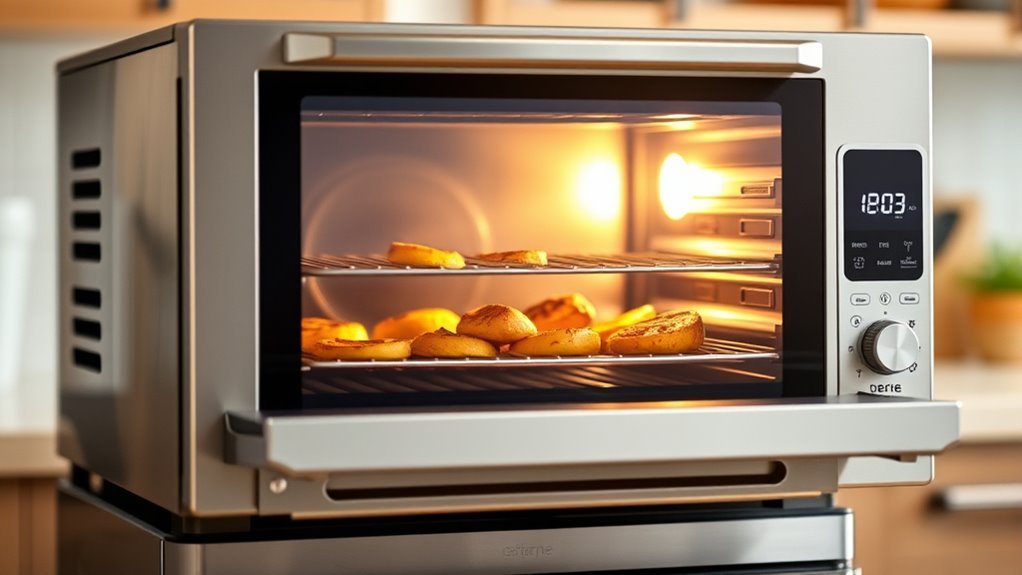
A convection oven uses a fan to circulate hot air around your food, cooking it faster and more evenly than a regular oven. This means you can reduce cooking times and temperatures while getting better browning and consistent results.
It’s great for roasting, baking, and toasting, and it saves energy too.
If you want to master cooking with one, understanding how to adjust times, temperatures, and best practices will help you get the most out of it.
Key Takeaways
- A convection oven uses a fan to circulate hot air, making cooking faster and more even than traditional ovens.
- It gets rid of hot spots by spreading heat evenly, which is great for roasting, baking, and toasting.
- When using a convection oven, you should cut down cooking times and temperatures by about 25% to avoid overcooking.
- The benefits include saving energy, getting better browning, keeping nutrients intact, and making meats and vegetables more tender.
- To get the best results, use low-sided pans, avoid overcrowding, and clean the oven regularly to keep it working well.
What Is a Convection Oven and How Does It Work?
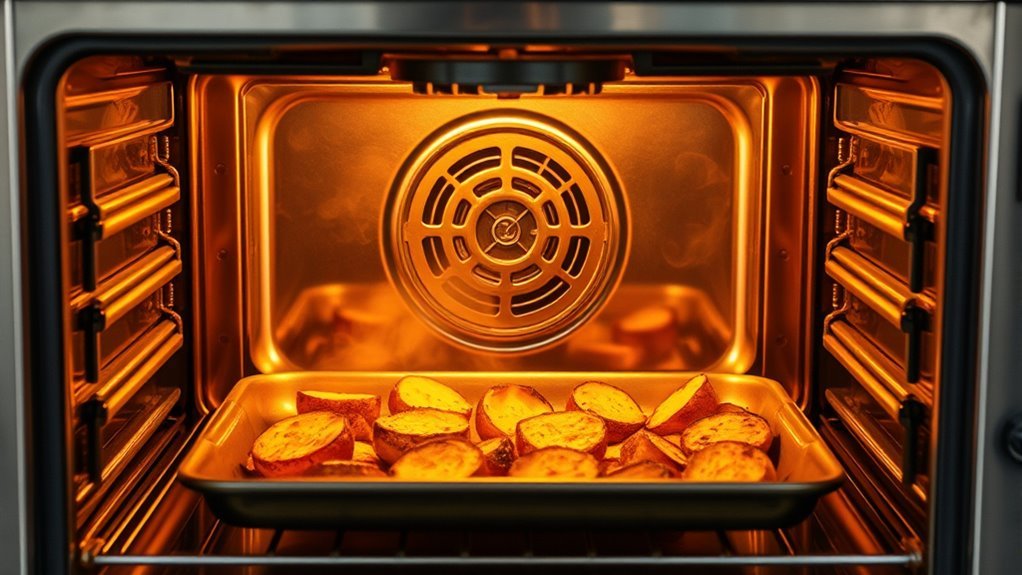
A convection oven uses a fan to circulate hot air around your food, cooking it more evenly and quickly than a traditional oven. When you use one, you’ll notice that its features, like the built-in fan and exhaust system, constantly move heated air inside the oven cavity.
This steady airflow eliminates hot spots, so your dishes cook uniformly. Convection ovens are great for roasting, baking, and toasting, where even heat distribution really matters.
Thanks to these features, you can often cut down on cooking times and lower temperatures compared to conventional ovens. That saves energy and helps keep your food moist.
Choosing a convection oven means getting a versatile appliance that can handle multiple dishes at once without mixing flavors. The circulation also creates crispier exteriors on meats and baked goods.
How Is a Convection Oven Different From a Regular Oven?
You’ll notice that a convection oven has a fan inside, which helps circulate hot air around your food. In contrast, a regular oven mainly relies on natural heat rising from the heating elements. Because of this fan, a convection oven can cook things a lot faster and more evenly.
Air Circulation Mechanism
Although both convection and regular ovens use heat to cook food, convection ovens circulate hot air with a fan. You won’t find this fan in traditional ovens.
This fan helps improve airflow inside the oven. By constantly moving the hot air around, it ensures heat is distributed evenly, preventing hot or cool spots.
You’ll notice that this steady air circulation helps cook food more uniformly compared to a regular oven, where heat rises and can stay stagnant.
Understanding how air circulates in a convection oven helps you see why it maintains consistent temperatures. This results in reliable cooking every time.
This difference in airflow is what truly sets convection ovens apart from standard ones.
Cooking Time Differences
The way a convection oven circulates air doesn’t just affect temperature consistency—it also changes how quickly your food cooks. With the fan speeding up heat transfer, your dishes often cook faster than in a regular oven.
Because of this, you’ll need to make some adjustments to avoid overcooking or drying out your meals. Typically, reducing the cooking time by about 25% works well, but you might also consider lowering the oven temperature slightly.
When using recipes designed for conventional ovens, keep an eye on your food’s progress and adjust as needed. These small tweaks help ensure your meals turn out just right, without guesswork.
Temperature Distribution Effects
Because a convection oven uses a fan to circulate hot air evenly around your food, it distributes temperature more consistently than a regular oven. This means you get better cooking results with less guesswork.
The improved temperature control helps avoid hot spots that can cause uneven cooking. Your dishes will cook more uniformly, which is especially helpful for baked goods and roasts.
Here’s a quick comparison:
| Feature | Convection Oven |
|---|---|
| Air Circulation | Fan circulates hot air |
| Temperature Distribution | Even and consistent |
| Cooking Consistency | High |
| Hot Spots | Minimal |
| Temperature Control | Precise and steady |
With these benefits, you can count on a convection oven to deliver predictable results every time.
Benefits of Cooking With a Convection Oven
You’ll see that your meals cook a lot faster in a convection oven because it distributes heat evenly. That means your food gets cooked all the way through without those annoying hot spots or parts that stay undercooked. It’s pretty great for making sure everything turns out just right.
And the best part? It uses less time and energy, so it’s not only quick but also an efficient choice for your kitchen. Cooking becomes easier and more eco-friendly all at once!
Faster Cooking Times
Although it might seem subtle at first, convection ovens speed up your cooking by circulating hot air evenly around your food. This means you’ll enjoy faster meal prep, saving you time in the kitchen.
Whether you’re roasting a chicken or baking cookies, convection ovens cut down on cooking times compared to traditional ovens. The faster baking process helps you serve meals quickly and frees up your oven for other dishes.
You’ll notice recipes often need lower temperatures or shorter cooking times when using a convection oven, so be sure to adjust accordingly. Embracing this tech means you can cook more efficiently without sacrificing quality.
Even Heat Distribution
When hot air circulates evenly inside a convection oven, it eliminates hot spots that can cause uneven cooking. This even heat distribution helps your dishes cook consistently, so you won’t end up with some parts undercooked and others overdone.
You’ll notice baked goods browning more uniformly, and roasted meats developing a better crust. This reliable heat circulation makes cooking more efficient by reducing the need to rotate pans or adjust racks in the middle of cooking.
As a result, you can trust your oven to deliver predictable, professional-quality results every time. By maintaining a steady temperature throughout the oven chamber, convection ovens give you greater control over your recipes, making cooking more precise and enjoyable.
Energy Efficiency Benefits
Because convection ovens circulate hot air more efficiently, they use less energy to cook your food thoroughly. This means you enjoy significant energy savings without sacrificing cooking quality.
Here’s how the cooking efficiency of a convection oven benefits you:
- Reduced Cooking Time: Faster heat transfer means your meals cook quicker, which cuts down on oven usage and saves energy.
- Lower Cooking Temperatures: You can often reduce the temperature by 25°F, saving energy while still getting great results.
- Even Heat Distribution: The fan circulates hot air evenly, preventing hot spots and making the most of the heat throughout.
Drawbacks of Using a Convection Oven
Even though convection ovens cook faster and more evenly, they do have some downsides you should keep in mind. For example, they might not work well with certain delicate baked goods, which can dry out or cook unevenly.
Some users find the learning curve a bit steep because they need to adjust their recipes or cooking times. It can take a bit of experimenting to get perfect results.
Maintenance is another aspect to consider. The fan and exhaust system need regular cleaning to prevent buildup and keep everything running smoothly.
What Types of Food Cook Best in a Convection Oven?
You’ll notice that baked goods turn out beautifully golden and evenly cooked when you use a convection oven. It’s really great for things like cookies, muffins, and bread — they all bake up just right.
And when it comes to roasting meats, a convection oven is fantastic. It cooks everything evenly and helps keep the meat juicy and tender. Plus, your vegetables come out with that perfect crispy edge without losing moisture, making them extra delicious.
Baked Goods Perfection
Several types of baked goods benefit greatly from a convection oven’s even heat and consistent airflow. Using this oven, you’ll notice improvements in texture and browning thanks to precise baking techniques and adjusted ingredient ratios.
Here are three baked items that do especially well in a convection oven:
Cookies: The airflow guarantees even baking, giving you crisp edges and chewy centers without overbaking.
Pastries: Puff pastries and croissants rise beautifully as the hot air crisps each layer evenly.
Cakes: Convection ovens help cakes bake uniformly, preventing soggy spots. You might need to tweak ingredient ratios or reduce bake time slightly.
Roasting Meats Evenly
Baked goods aren’t the only items that benefit from a convection oven’s consistent heat and airflow. When roasting meats, these features help you achieve even cooking throughout.
By circulating hot air, convection ovens eliminate hot spots, allowing your meat to cook uniformly without needing to rotate it constantly. This means you can expect better meat tenderness and juiciness.
Using proper roasting techniques, like adjusting temperature and cooking time, helps you avoid overcooking the exterior while the inside remains underdone. Whether you’re roasting beef, pork, or poultry, a convection oven improves browning and caramelization, boosting flavor and texture.
Crispy Vegetables Benefits
Crisping vegetables in a convection oven brings out their natural sweetness and gives you a satisfying crunch you’ll love. This method locks in flavor and improves texture without needing a lot of oil.
Convection ovens help preserve the nutrients in vegetables by cooking quickly and evenly. That means you get all the health benefits without sacrificing taste or quality.
Here’s why you should use a convection oven for vegetables:
- Improved Texture: The circulating hot air crisps the outside while keeping the inside tender.
- Nutrient Retention: Faster cooking times help reduce nutrient loss compared to boiling or steaming.
- Even Cooking: No more soggy spots—your vegetables roast evenly for consistently delicious results.
Using a convection oven makes healthier, tastier vegetables simple and effortless.
Features You’ll Want in a Convection Oven
When choosing a convection oven, you’ll want features that improve cooking speed and even heat distribution. Look for energy-saving options like efficient insulation and adjustable fan speeds to cut down on power use without losing performance.
These features help you cook meals faster and keep your utility bills in check. User-friendly controls are just as important—they make setting temperatures and timers easy so you won’t waste time guessing or adjusting mid-cook.
They speed up cooking and simplify temperature and timer settings, saving you time and energy.
Digital touchscreens or clearly labeled dials make it simple to operate, especially if you’re new to convection cooking. Additional features like multiple rack positions let you cook several dishes at once without uneven results.
A built-in temperature probe can also be useful for precise cooking. All these elements combine to make your convection oven a smart, efficient appliance that fits your style and saves you time and energy every day.
Tips for Perfect Cooking With a Convection Oven
Choosing the right features sets you up for success, but mastering your convection oven’s unique cooking style really brings out its best. To perfect your results, you’ll want to adjust your techniques and make thoughtful recipe changes.
Here are three essential tips:
- Use low-sided pans. They let hot air circulate evenly, so your food browns and crisps up nicely.
- Avoid overcrowding. Make sure there’s space between items so the convection fan can do its job without blocking airflow.
- Monitor early and often. Since convection ovens cook faster, check your food a little before the suggested time to avoid overcooking.
How to Adjust Cooking Times and Temperatures for a Convection Oven
To get the most out of your convection oven, you’ll need to adjust both cooking times and temperatures compared to a regular oven. Since convection ovens circulate hot air evenly, food cooks faster and more efficiently.
Maximize your convection oven’s efficiency by adjusting cooking times and temperatures for faster, more even results.
For cooking adjustments, lower the temperature by about 25°F (14°C) from what a recipe calls for in a traditional oven. This helps prevent overcooking or burning.
When it comes to time, reduce your cooking time by roughly 25%. For example, if a dish usually takes 40 minutes, start checking it around 30 minutes.
Keep in mind these are general guidelines. Different recipes and oven models may need slight tweaks.
Always monitor your food closely the first few times you cook with convection. This way, you can find the perfect balance and make the most of your oven’s speed and even heat distribution.
How to Clean and Maintain Your Convection Oven
Regularly cleaning and maintaining your convection oven helps it run smoothly and last longer. Keeping it in good shape not only makes it look better but also prevents burnt-on residue that can impact flavor and performance.
Here are three key tips:
- Clean the interior often. Use a gentle, non-abrasive cleaner and a soft cloth to wipe down the walls and racks after each use. Stay away from harsh chemicals that could damage the fan or heating elements.
- Check and clean the fan. Dust and grease can build up on the convection fan, reducing airflow. Gently clean it every few months to keep the circulation working properly.
- Inspect the door seals. Make sure the gasket is intact and free of debris to keep the heat inside. Replace it if you see cracks or signs of wear.
Is a Convection Oven Right for Your Kitchen?
Wondering if a convection oven fits your cooking style and kitchen needs? To decide, think about convection oven types and your space considerations. If you often bake or roast, a convection oven can speed things up and give you even results.
But if your kitchen is small, a compact countertop model might be a better fit than a full-sized built-in. Here’s a quick look at your options and how they impact space:
| Convection Oven Types | Ideal Usage | Kitchen Space Considerations |
|---|---|---|
| Built-in | Frequent baking | Requires permanent installation |
| Countertop | Small batches | Portable, saves space |
| Wall-mounted | Multi-tasking | Saves floor space |
| Toaster oven convection | Quick snacks | Compact, limited capacity |
Think about your cooking habits and your kitchen layout. Picking the right convection oven can boost efficiency without sacrificing space or convenience.
Frequently Asked Questions
Can Convection Ovens Be Used for Dehydrating Food?
Yes, you can use convection ovens for dehydrating food. They provide benefits like even heat distribution and efficient airflow, which help speed up the drying process compared to traditional ovens.
When using a convection oven for dehydration, keep the temperature low and leave the door slightly ajar to let moisture escape. This method works well for drying fruits, vegetables, and herbs without needing a dedicated dehydrator.
Are Convection Ovens More Energy-Efficient Than Microwave Ovens?
Imagine waiting for your meal, watching the clock tick slower than you’d like. Convection ovens usually use more energy because they run longer than microwave ovens, which cook food in minutes.
While convection ovens give even cooking and better browning, microwaves are faster and more efficient. So, if you’re looking to save energy and cut down on cooking time, your microwave is often the better choice.
Do Convection Ovens Require Special Bakeware?
You don’t necessarily need special bakeware for convection ovens, but choosing the right materials can make a difference. Since convection ovens rely on even heat distribution through a fan, metal pans like aluminum or stainless steel work best because they conduct heat well.
Avoid using glass or ceramic if you want crispier results, as they don’t distribute heat as evenly. So, picking your bakeware wisely will help you get the most out of your convection oven.
Can You Use a Convection Oven for Canning or Preserving?
If you tried canning tomatoes in your convection oven, you’d quickly learn it’s not ideal. You shouldn’t use a convection oven for canning because it can’t maintain the precise, steady temperatures needed for safety.
Preserving techniques rely on controlled heat to prevent bacterial growth, which convection ovens can’t guarantee. Instead, stick to traditional water bath or pressure canners to make sure your preserves are both safe and delicious.
How Does Altitude Affect Cooking in a Convection Oven?
You’ll need to make altitude adjustments when cooking in a convection oven because higher altitudes affect air pressure and boiling points.
This means your cooking times might need to be longer, even with the efficient heat circulation convection ovens provide. Lower air pressure can cause food to cook faster on the outside but stay undercooked inside.
Conclusion
Think of your convection oven as a skilled dance partner, gracefully swirling hot air around your food to create perfectly cooked meals every time. Just like in a dance, timing and technique matter—you’ll need to adjust temperatures and cooking times to stay in step.
With a little practice, this kitchen companion will enhance your cooking, turning everyday dishes into culinary performances you’ll be proud to serve. Welcome the rhythm and enjoy the delicious results. Using a convection oven can truly elevate your cooking game.