What Are the Best Historic Towns in Pennsylvania: Complete Guide with Top Picks & Tips
The best historic towns in Pennsylvania offer a rich blend of colonial charm, architectural beauty, and stories from America’s past. Notable places like Philadelphia’s Old City and Saint Peters Village let you walk through centuries of history and experience authentic early American life. These towns combine well-preserved buildings, engaging museums, and scenic surroundings to make history come alive.
Travelers and history lovers will find detailed descriptions of the top historic towns, along with tips on tours, accommodations, and dining. This guide highlights both famous and hidden gems across Pennsylvania, ensuring you can tailor your visit to explore heritage sites that match your interests and schedule.
Key Takeaways
- Visit Philadelphia’s Old City for a top-rated historic walking tour featuring over 10 must-see historic sites.
- Saint Peters Village offers a unique glimpse into small-town life from more than 100 years ago.
- New Hope features over 200 years of history with a famous main street highlighted in many publications.
- Plan your visit to Wellsboro to combine history with stunning natural beauty at Pennsylvania’s Grand Canyon.
- Choose towns near natural attractions like Lake Wallenpaupack for both heritage and outdoor experiences.
- Explore special interest towns that showcase industrial heritage, Native American history, or Amish culture.
Top 10 Historic Towns in Pennsylvania You Must Visit
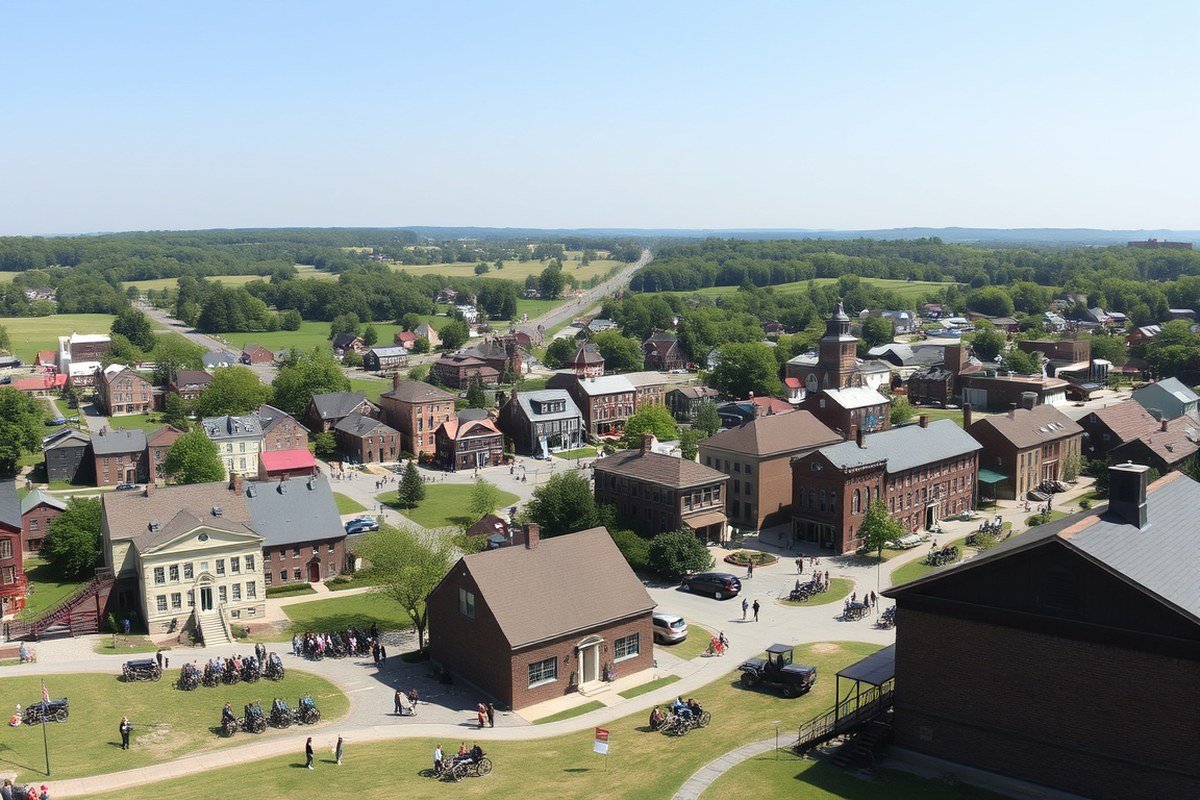
Pennsylvania’s historic towns offer a unique chance to explore America’s past through well-preserved architecture, significant battlefields, and charming streets. Gettysburg tops the list, famous for the 1863 Civil War battle, drawing visitors eager to walk the fields where history was made. The town’s tree-lined streets and 19th-century buildings add to the immersive experience. Valley Forge serves as a powerful reminder of Revolutionary War struggles, preserved as a national historic park that visitors can explore on foot and by guided tours, showcasing the harsh winter encampment of 1777-1778.
Germantown blends colonial history and cultural depth, offering more than just historical markers but also a vibrant neighborhood to discover. Saint Peters Village provides a rare look at daily life in a 19th-century Pennsylvania mining town, complete with original structures and quaint shops. Ligonier adds to the list with its historic amusement park, Idlewild Park, founded in 1878, perfect for combining leisure with history. The East Broad Top Railroad in Pennsylvania impresses as the oldest narrow-gauge railroad in the U.S. And the only surviving three-foot gauge common carrier east of the Rockies, running tourist rides that give a tangible taste of industrial-era travel. Here’s a comparison table outlining some top historic towns in Pennsylvania, what makes them special, and typical visitor activities:
| Town | Historical Significance | Unique Features | Suggested Activities |
|---|---|---|---|
| Gettysburg | Key Civil War battlefield (1863) | 19th-century architecture, battlefields | Battlefield tours, museums, historic town walks |
| Valley Forge | Revolutionary War winter encampment (1777-78) | National historic park, monuments | Hiking, guided history tours, reenactments |
| Germantown | Colonial and Revolutionary War history | Cultural neighborhood, historic homes | Museum visits, historic walking tours |
| Saint Peters Village | 19th-century mining village | Original buildings, vintage shops | Strolling, shopping, photography |
| Ligonier | Historic amusement park from 1878 | Idlewild Park, old-time fun | Park rides, historical exhibits |
| East Broad Top Railroad | Oldest narrow-gauge railroad in the U.S. | Historic train rides, industrial heritage | Train excursions, mining history tours |
These towns differ in the kinds of history they preserve and how visitors experience it. Gettysburg and Valley Forge focus on major wars that shaped the nation, which means their tours and museums are extensive and may require several hours or a full day to explore. Smaller places like Saint Peters Village and Germantown offer more leisurely visits focused on architecture and daily life rather than battles. Admission varies; national parks like Valley Forge typically charge a modest entry fee or parking fee, while small towns and parks often allow free access.
Choosing a town depends on your interests, Civil War history buffs might spend multiple days in Gettysburg, while casual visitors might enjoy the mix of history and amusement at Ligonier. Lesser-known towns like Saint Peters Village provide quieter, less crowded experiences for those who want to avoid the busiest spots. Highlighting Revolutionary War history means exploring national parks and monuments, whereas industrial heritage or cultural stays call for railroad trips or neighborhood walks.
Historical Background and Architectural Highlights of Top Towns
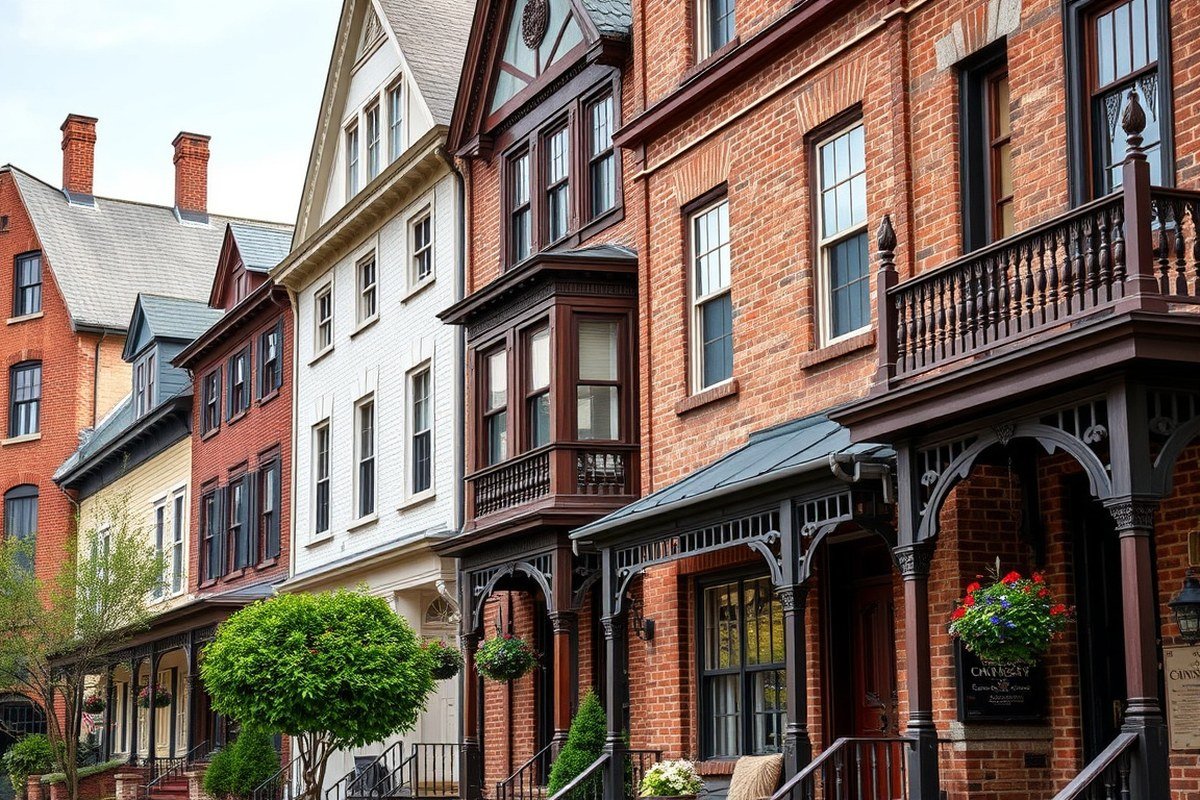
Pennsylvania’s historic towns tell stories from several centuries through their preserved buildings and cultural landmarks. Many of these towns date back to the 18th and 19th centuries, featuring architectural styles like Colonial, Federal, Victorian, and unique Moravian and German influences. These towns serve as living museums where you can explore the state’s colonial roots, industrial development, and native heritage through well-maintained sites and museums.
Colonial and Federal Architecture in Early Settlements
Many historic towns in Pennsylvania were founded in the 1700s, with architecture reflecting Colonial and Federal styles that emphasize symmetry, simplicity, and classical details. Philadelphia’s Old City offers a prime example, where cobblestone streets and 18th-century buildings showcase the city’s role in America’s founding. Walking tours through districts with restored townhouses, churches, and government buildings give you a sense of life from the Revolutionary era. Tickets for guided walking tours typically start around $44 per adult, which grants access to multiple sites over a few hours.
Smaller towns such as Lititz and Franklin also feature Colonial and Federal architecture. Franklin, founded in the late 1700s, preserves many buildings related to early American industry and settlement patterns. Its historic district is listed on the National Historic Register, making it a window into the past of northwestern Pennsylvania’s development.
Moravian, German, and Victorian Influences
Towns like Bethlehem and Harmony highlight Pennsylvania’s diverse cultural heritage, especially German and Moravian communities. Bethlehem, in particular, preserves Moravian architecture with buildings that often feature gambrel roofs, minimal ornamentation, and functional design adapted from 18th-century European styles. It is also a candidate for the UNESCO World Heritage list, reflecting its international cultural significance.
Harmony showcases Germanic heritage with quaint brick and stone buildings and holiday architecture dating to the early 1800s. The Victorian era’s decorative flair appears in parts of these towns and others like Gettysburg, where ornate trim, steep gables, and colorful facades represent industrial-era prosperity. Exploring these areas often involves visiting historic districts, where self-guided walking paths mark important landmarks free of charge or small museums with $5 to $10 admission.
Industrial Heritage in Northern and Western Towns
Pennsylvania’s growth during the Industrial Revolution left a strong mark on towns such as Bethlehem, Franklin, and others in the northwestern region. Bethlehem’s steel mills drove the economy for decades, and the town preserves this legacy in museums and industrial sites open to visitors. Franklin is well documented for its 19th-century lumber industry, with a National Historic Register District dedicated to this chapter of its past. These towns combine historic mill buildings, worker housing, and museums explaining the social and economic impacts of industry.
Old Mill Village, dating to more than 50 years as a preserved heritage site, offers educational programs and tours showing you exactly how mills operated in the 19th century. Admission is generally nominal, and some programs run on weekends or by special appointment, so checking schedules in advance maximizes your visit.
Native American and Early European Settlement Landmarks
Some Pennsylvania towns highlight Native American history alongside early European settlement stories. Erie, established around a French fort in the mid-1700s, sits on Lake Erie’s shore and serves as a critical site blending Native and French colonial histories. Walking paths and museums here explain the strategic importance of this lakeport, which changes the narrative beyond industrial and colonial architecture.
Visiting these towns involves stopping at historical societies or local museums that often provide artifacts and detailed exhibits on Native American life and European interactions. Admission fees vary but often support preservation efforts for these cultural sites.
Key Museums and Landmarks to Explore
Historic towns typically offer a range of museums and landmarks to deepen your connection to the past. Moravian Bethlehem provides access to historic homes, churches, and churches that tell stories of religious communities from the 18th century. In towns like Lancaster, the Amish Village offers an immersive experience into Pennsylvania Dutch Country with exhibits and tours about Amish life and traditions. This can cost around $10 to $15 per person, which supports educational programs.
In Philadelphia, the Old City Historic Walking Tour includes over 10 top sites such as Independence Hall and the Liberty Bell. These landmarks are often free or low-cost to visit but planning ahead is essential due to popular demand. Other towns have preserved districts where cobblestone streets and original buildings create an authentic atmosphere, perfect for leisurely exploration at no cost.
Plan visits on weekdays or during shoulder seasons to avoid crowds and ensure guided tour availability in busy towns like Philadelphia and Bethlehem.
How to Experience History: Tours, Museums, and Attractions
Experiencing Pennsylvania’s historic towns through tours, museums, and attractions helps you grasp their rich past in a memorable way. Guided walking tours, key museums, yearly heritage events, and self-guided resources provide various ways to explore and connect with local history. These options suit different interests and schedules while improving your understanding of each town’s unique story.
Guided Walking Tours
Many historic towns in Pennsylvania offer guided walking tours that bring history to life through knowledgeable local guides. In Gettysburg, for example, you can join a 2-hour guided history bus tour of the battlefield led by a National Park guide for $44 per adult. These tours explain the significance of key battle sites and how they shaped the outcome of the Civil War. Walking tours in smaller towns like Mifflinburg provide a more intimate experience as you stroll through streets lined with well-preserved 19th-century buildings and hear stories of local craftsmanship and daily life.
Booking guided tours in advance is recommended, especially during peak travel seasons and weekends, because tours often fill quickly. Private and luxury tours are available at higher prices, offering personalized experiences for groups up to 15 people. These tours often include stops at historic landmarks that are otherwise hard to find or access independently.
Key Museums and Historic Sites
Exploring museums in these historic towns deepens your insight into their past. Gettysburg’s museums like the Gettysburg Museum of the Civil War and the Seminary Ridge Museum offer detailed exhibits on military strategies, personal stories, and artifacts from the battle. The Gettysburg Heritage Center provides an overview of the town’s transformation through time, enriching your visit with context beyond the battlefield.
The National Canal Museum highlights the industrial heritage in the Delaware & Lehigh National Heritage Corridor, showcasing how canal transportation helped drive economic growth in Pennsylvania. Many historic towns feature local heritage centers where you can learn about early settlers, Native American heritage, or Amish culture. Admission costs vary but typically range from $10 to $20 per adult, with some offering discounts for seniors or children. Checking each museum’s website for hours and ticket details helps you plan your visit efficiently.
Annual Heritage Events and Festivals
Timing your visit to coincide with annual heritage events can make your trip more engaging. Towns like Gettysburg often host reenactments of key battles, which provide a vivid, educational experience that appeals to all ages. These events allow you to see historical uniforms, weapons, and battlefield tactics in action, sometimes accompanied by lectures and interactive displays.
Mifflinburg and other small towns celebrate local crafts, traditions, and food during festivals held throughout the year. Participating in these events offers a chance to meet local artisans, taste historic recipes, and enjoy community hospitality. Planning ahead to attend these festivals can add a lively layer to your exploration of historical sites, but keep in mind they can draw large crowds and affect accommodation availability.
Self-Guided Tour Apps and Resources
If you prefer flexibility, self-guided tour apps and printed resources allow you to explore at your own pace. Gettysburg offers a self-guided driving and walking tour bundle starting at $20 per group, making it affordable for families or friends traveling together. These bundles include detailed maps, historical descriptions, and suggested routes that cover significant landmarks without the need for a guide.
Self-guided tours work well if you want to spend more time at specific sites or avoid group schedules. Some apps even provide audio narration and photographs to improve your understanding as you move through the town. The downside can be limited real-time interaction or answers to questions, so preparing a list of specific sites you want to explore before heading out can optimize your experience.
Where to Stay and Dine for a True Historic Experience
Staying and dining in historic Pennsylvania towns offers more than just comfort; it improve your connection to the past. Choose accommodations that preserve the local character, such as the Harry Packer Mansion Inn. Built in 1874, this inn provides a scenic view of the town and an authentic colonial-era atmosphere, making your stay part of the historical experience. Lodging in similar period buildings or converted historic homes often comes with period décor and modern amenities that respect the original architecture.
To complement your stay, seek out dining options that feature local and traditional Pennsylvania fare. Many historic towns have mom-and-pop diners or family-owned restaurants serving artisanal dishes made from regional ingredients. For instance, enjoying a plate of Pennsylvania Dutch pretzels, scrapple, or shoofly pie connects you with the area’s cultural and culinary heritage. Also, pair your meals with locally brewed craft beers or Pennsylvania wines available in town to further deepen your authentic experience. Planning your visit with the right lodging and dining choices requires a checklist approach to ensure you fully experience the town’s historic ambiance:
- Book accommodations in historic inns or guesthouses at least 30 days in advance during peak seasons, especially spring through fall.
- Choose lodging with visible historic features, exposed brick, period fireplaces, or antique furnishings.
- Reserve dinner at established local restaurants known for traditional Pennsylvania dishes or farm-to-table menus.
- Include a visit to local bakeries or markets specializing in regional baked goods and crafts.
- Walk or bike around town after dining to appreciate the ambiance and aid digestion.
- Check seasonal hours for historic homes or inns, as some might close during winter months.
Cost varies based on location and season. Historic inns typically charge $100 to $250 per night, with higher rates during holidays. Dining costs range from casual $10 to $20 meals at mom-and-pop diners up to $50 or more at upscale restaurants housed in historic buildings. Early reservations can secure better rates and availability.
Choosing lodging and dining thoughtfully enriches your visit beyond sightseeing. Staying in a place like Harry Packer Mansion Inn or a similar historical property brings history to life through architecture and ambiance. Enjoying local specialties like Pennsylvania Dutch foods and supporting small-town bakeries creates a meaningful connection with the community’s heritage. Ignoring these options risks missing the deeper historic flavor of your chosen town and ending the day at generic hotels or chain restaurants that lack context.
Planning Your Visit: Best Times and Practical Tips
The best time to visit Pennsylvania’s historic towns generally falls between late spring and early fall, from May through October. During these months, you’ll experience milder weather ranging from the mid-60s to mid-80s Fahrenheit, which is ideal for walking tours and outdoor events. Fall is especially popular due to the colorful foliage and harvest festivals in places like Lancaster and Lititz. Winter visits are possible but come with colder temperatures and shorter daylight, which can limit some activities.
Most historic towns in Pennsylvania are accessible by car, which gives you the flexibility to explore the surrounding countryside and nearby attractions at your own pace. Roads are well-maintained and scenic, passing through forests and picturesque small towns. Public transportation options vary; larger towns such as Philadelphia and Lancaster have bus and train connections. Smaller towns may require a vehicle or arranged shuttle service.
To fully enjoy the historic sites without rushing, plan to spend at least two to three days per town. This allows time to visit museums, historic houses, and local landmarks, as well as participate in guided tours or special events. If you plan to visit multiple towns, allocate additional travel time and overnight stays to avoid long day trips.
- Check the weather forecast ahead to dress appropriately for outdoor activities.
- Wear comfortable walking shoes; many historic districts feature cobblestone streets and uneven surfaces.
- Book accommodations in advance, especially during peak seasons like fall.
- Carry a physical or digital map of the town to navigate easily without depending solely on mobile service.
- Bring cash for small local businesses that may not accept cards.
- Respect private property and follow local guidelines in Amish and rural communities.
Rural historic towns often have lower traffic and quieter streets but can be less well-lit and have fewer late-night services compared to cities. Stay aware of your surroundings, use well-traveled routes, and charge your phone fully before heading into more remote areas. Driving at dusk or night should be done with caution due to wildlife or less visible signage.
Carry a small first aid kit and water bottle when exploring off-the-beaten-path locations, as nearby services may be limited.
Comparing Well-Known vs. Lesser-Known Historic Towns
Well-known historic towns like Gettysburg offer a deep dive into prominent events and national significance. Gettysburg is famous for the key Civil War battle fought there and Abraham Lincoln’s Gettysburg Address. Its historic downtown area preserves many buildings from that era, creating a setting where history feels immediate. Visiting Gettysburg often means seeing major museums, memorials, and large guided tours, which may require advance tickets and can be busy during peak seasons.
Smaller towns such as Lititz or Wellsboro provide a different experience. Lititz is frequently listed among Pennsylvania’s most beautiful towns, known for its well-preserved streets and local charm rather than a single historic event. Wellsboro, meanwhile, is famous for its proximity to Pine Creek Gorge, commonly called Pennsylvania’s Grand Canyon, combining history with striking natural beauty. These towns offer fewer crowds and a quieter atmosphere, which makes them appealing to travelers seeking a relaxed pace and local culture alongside history.
Hidden or lesser-known towns like Eagles Mere in northeastern Sullivan County offer yet another option. Eagles Mere’s small size and scenic location create a peaceful, authentic small-town environment. These kinds of places show how history and nature blend in Pennsylvania beyond the more widely visited landmarks. They tend to have fewer large-scale attractions, which means lower costs for lodging and dining, but also fewer guided tours and less infrastructure aimed at tourists.
Comparing these types of towns can help you decide what fits your travel style and interests. Below is a table that highlights key differences to consider when choosing between well-known historic towns and smaller, lesser-known communities in Pennsylvania.
| Feature | Well-Known Historic Towns (e.g., Gettysburg) | Smaller/Lesser-Known Towns (e.g., Lititz, Wellsboro, Eagles Mere) |
|---|---|---|
| Historical Significance | Sites of major national events and figures | Local or regional historic sites with cultural charm |
| Size and Population | Larger, more developed with tourist infrastructure | Small towns with fewer residents and less commercial development |
| Attractions | Museums, guided tours, memorials, historical landmarks | Local museums, historic districts, natural landmarks like Pine Creek Gorge |
| Crowds and Tourism | Higher visitor numbers, especially on holidays and weekends | Quieter, less crowded, suitable for relaxed visits |
| Costs | Potentially higher; lodging and tickets can be more expensive | Often more affordable accommodations and dining |
| Experience | Immersive, focused on well-documented history | Intimate, combines history with local culture and nature |
Selecting a well-known historic town suits travelers who want a complete historical overview with strong educational resources and accessibility. You’ll find ample parking, guided tours, and a range of lodging within these towns, but expect higher prices and crowds. Smaller historic towns require more planning for accommodations and attractions since fewer tours and facilities are available. However, the slower pace and authentic local vibe make these destinations worthwhile for visitors who want to combine history with a peaceful setting or outdoor activities like hiking near the Grand Canyon of Pennsylvania.
Historic Towns with Notable Natural Beauty Nearby
Several historic towns in Pennsylvania offer a rich blend of cultural heritage and access to striking natural surroundings, perfect for visitors who want to experience both in one trip. One standout example is Jim Thorpe, often called the “Switzerland of America” for its dramatic mountainous backdrop and preserved Victorian architecture. This town sits in the Lehigh Gorge State Park area, where you can hike, bike, or raft on the Lehigh River. The town hosts the Annual Fall Foliage Festival, showcasing local crafts and history while visitors enjoy colorful forest views. Walking tours of Jim Thorpe’s historic district cost around $10 to $20 and usually last one to two hours, allowing time to explore heritage sites and then head outdoors.
Another town worth visiting is Lancaster, located near the scenic Pennsylvania Dutch Country. Lancaster combines colonial and industrial history with rolling farmlands and covered bridges visible in the surrounding countryside. To immerse yourself, attend the Lancaster County Winterfest in January, which highlights local crafts, music, and culinary traditions rooted in the area’s history. You can explore historical farms and take guided tours that start for about $15 per person, giving you both a historical and natural perspective of the region. The town’s proximity to state parks like Susquehannock State Park provides hiking opportunities amid woodlands and river views.
Bedford, a town rich in colonial and Civil War history, offers access to the nearby Buchanan Trail Scenic Byway and Blue Knob State Park. Blue Knob, Pennsylvania’s second-highest peak at 3,146 feet, features hiking, skiing, and panoramic vistas. Bedford hosts the annual Bedford County Heritage Days Festival where craftsmen, reenactors, and historians come together to celebrate the region’s past. The festival often requires a small admission fee around $5 or less and includes live music, food vendors, and demonstrations. This event links the town’s built heritage with the natural features surrounding it.
Stroudsburg, nestled in the Pocono Mountains, gives a historic small-town feel with plenty of natural escapes. The town dates back to the 18th century and offers access to the Delaware Water Gap National Recreation Area, a vast park with waterfalls, hiking trails, and wildlife watching. Stroudsburg’s annual Autumn Glory Festival features craft vendors, historic home tours, and nature walks. Participating in events like this usually costs under $10 and helps visitors connect with both local history and the area’s natural landscape.
Combining history with natural beauty adds depth to your visit in these towns. You get a chance to walk the same streets where past generations lived while enjoying outdoor activities that let you appreciate the landscapes that shaped their way of life. Planning your trip during cultural events like festivals or heritage days improve the experience. These events often include tours, craft demonstrations, and performances that explain historical significance while giving you a front-row seat to the local traditions influenced by the surrounding environment.
Special Interest Historic Towns: Industrial, Native American, and Amish Heritage
Pennsylvania’s historic towns offer distinct stories tied to the state’s industrial rise, Indigenous heritage, and Amish traditions. Visiting these towns helps you connect with unique aspects of American history through well-preserved sites, museums, and cultural events centered around these themes.
Industrial Heritage Towns
Towns like Bethlehem and Jim Thorpe (formerly Mauch Chunk) highlight Pennsylvania’s industrial past, especially from the 18th and 19th centuries. Bethlehem played a significant role in steel production and the labor union movement, with sites like the Bethlehem Steel complex showcasing this legacy. Jim Thorpe’s Mauch Chunk Museum & Cultural Center displays artifacts related to coal mining, railroads, and the town’s industrial boom, offering hands-on exhibits and local history tours. Visiting these towns often involves guided tours that cost between $10 and $20 per person, making it accessible for history lovers. You can explore mills, factories, and workers’ housing to understand the social and economic impact of industrialization on Pennsylvania.
Timing your visit during local heritage festivals is ideal. Bethlehem hosts SteelStacks events celebrating the town’s industrial roots with live music, movie screenings, and exhibits from May through October. These events provide immersive cultural experiences that go beyond static museum visits.
Native American Historical Sites
Pennsylvania preserves critical Native American history in towns such as Ambridge and areas near Pittsburgh, where early Native communities lived before European settlement. The Hopewell Culture National Historical Park displays important artifacts from prehistoric Indigenous peoples, with preserved earthworks dated back 2,000 years. Also, the Carlisle Indian Industrial School site tells a difficult chapter of Native American history as a boarding school aimed at assimilating Indigenous children during the late 19th and early 20th centuries. Interpretive centers and exhibits here provide educational context but approach with sensitivity due to the trauma associated with this history.
Visiting these sites usually requires some walking and may include guided tours lasting 30 to 90 minutes. There are often no entrance fees or low costs around $5. Many sites also hold annual Powwows or cultural events that celebrate Native American traditions. Check event calendars in advance to experience authentic music, dance, and crafts that help keep these heritages alive.
Amish Country Towns
Lancaster stands at the heart of Pennsylvania Dutch Country, known for its strong Amish presence. This area offers a window into simple rural life, self-sufficient farming, and traditional craftsmanship dating back to 18th-century German immigrants. You can explore Amish farms, markets, and shops offering handmade quilts, furniture, and baked goods. Horse-drawn buggy rides provide a unique way to experience the countryside at a slower pace, typically costing around $30 for 45 minutes.
To fully appreciate Amish culture, attend events like the Lancaster County Fair or autumn harvest festivals, which feature folk music, handmade goods, and local foods. While touring, respect Amish privacy and customs by following photography guidelines and avoiding intrusive questions. Many tours include meals with classic Pennsylvania Dutch recipes, giving you a taste of history along with the sights.
Plan visits during low tourist seasons in Amish Country to enjoy quieter experiences and better access to small shops and farms.
How to Choose the Right Historic Town for Your Interests
Choosing the right historic town in Pennsylvania depends largely on your specific interests in history and what type of experience you want. Towns vary by their historical focus, from Civil War battlefields to colonial settlements or industrial heritage. Identifying your top interests helps you prioritize which town offers the most meaningful visit for you.
Start by deciding the era or theme that fascinates you most. For instance, if Civil War history draws you in, Gettysburg’s battlefield and museum tours provide a vivid look at the 1863 battle that shaped the nation. Alternatively, colonial history lovers might prefer York’s Colonial Complex, which features restored 18th-century buildings like the Golden Plough Tavern. If industrial history or mining boomtowns attract you, smaller towns with preserved factories or mining sites will offer unique insights.
Family-friendliness is another factor to consider. Towns with open spaces, picnic areas, and easy walking routes, such as those with parks and memorials, better suit families with children. Some towns also offer interactive museums or reenactments designed to engage younger visitors. Here’s a decision guide to help you choose based on your interests and travel style:
- Focus on a historical theme (e.g., Civil War, colonial era, industrial boom) to narrow your choices.
- Consider the town’s accessibility, select places with clear walking tours, guided options, or shuttle services if mobility is a concern.
- Check family-friendly amenities like picnic pavilions, open green spaces, and interactive exhibits.
- Look for towns offering a range of attractions (museums, historic buildings, memorials) to get a fuller experience.
- Factor in the time you have available, smaller towns can be explored in a day, while more extensive sites may require multiple days.
- Review local events calendar for reenactments or festivals that match your visit to improve your experience.
Assessing these points requires some research before your trip, but it pays off by matching your visit with what you’ll find most engaging. Costs vary depending on tours and attraction entry fees, commonly ranging from $5 to $25 per site. Look for combination tickets to save money if you plan to visit several attractions. Positive results mean feeling personally connected with the history, enjoying comfortable logistics, and engaging the whole group, especially if children are involved.
Choosing without a clear interest can lead to less satisfying visits, such as missing the highlights that define a town’s historic identity or feeling overwhelmed by too many unrelated sites. Tailoring your selection to your passion ensures every step you take has context and meaning, making your historic Pennsylvania journey rewarding.
Hidden Gems and Off-the-Beaten-Path Pennsylvania Historic Towns
Some of Pennsylvania’s most rewarding historic towns remain under the radar, offering peaceful settings without the crowds common in better-known spots. Doylestown, for example, holds a wealth of cultural treasures like the Mercer Museum, which showcases pre-industrial American artifacts, and Fonthill Castle, a striking concrete mansion designed in the early 1900s. These sites provide a unique glimpse into local history and craftsmanship that larger cities often cannot match in intimacy.
New Hope is another lesser-known treasure, known primarily for its vibrant art galleries and eclectic shops housed in historic buildings. Here, you experience a blend of history and contemporary culture along the Delaware River. Spending time in these towns allows you to connect with Pennsylvania’s history on a more personal level and explore at your own pace without heavy tourist traffic.
To uncover these hidden gems, specific strategies help you get the most out of your visit. First, plan weekday trips or off-season visits in spring or fall when the weather is mild, around 55-70°F, and the towns are less crowded. Check local event calendars; small towns often host craft fairs, historical reenactments, or guided walking tours that are well worth joining.
- Use local visitor centers to find brochure maps highlighting overlooked landmarks and local eateries.
- Talk to shop owners and historians who often share stories or recommend spots not in guidebooks.
- Rent a bike or take self-guided walking tours to easily explore various neighborhoods at your own speed.
- Combine visits to nearby natural sites, like hidden waterfalls, to balance history with outdoor attractions.
- Reserve accommodations in historic inns or bed-and-breakfasts for immersive stays reflecting the town’s character.
- Bring a camera and notebook to document your discoveries, especially in less-documented areas.
Cost tends to be lower in these towns than in more popular tourist destinations, with museum entry often under $15 and local meals generally priced between $10 and $25. This makes it feasible to explore deeply without a large budget. Good results mean a memorable visit filled with unique stories, quiet streets, and a sense of stepping back in time.
Potential pitfalls include limited public transportation and shorter business hours, so plan your arrival and departures carefully. Some towns may have fewer dining options after 7 p.m., so secure reservations or confirm hours ahead. Avoid weekends during holidays when even small towns can become unexpectedly busy. Adopting these tips ensures a richer, more authentic historic adventure away from the usual tourist paths.
Your Quick-Start Action Plan to Explore Pennsylvania’s Best Historic Towns
Start your journey through Pennsylvania’s rich past with these practical steps that help you pick and visit the perfect historic town based on your interests and timing.
- Today: List your interests in history, architecture, or culture to guide your town choice. Confirm you have a clear idea of what historic aspects excite you most.
- This week: Research towns that match your interests using travel guides or official tourism sites. Ensure you find at least three towns with appealing features or events.
- Next week: Check the calendar for special tours, festivals, or seasonal events in your chosen towns. Mark dates when these experiences are available and feasible for your schedule.
- A month before travel: Book accommodations that improve your historic experience, such as inns in heritage districts. Verify your bookings align with your visit dates and preference for historical ambiance.
- Two weeks before: Plan your itinerary including must-see museums, walking tours, and dining spots with historic charm. Confirm operating hours and any reservation requirements for attractions and restaurants.
- Day before departure: Pack appropriate clothing and gear for outdoor walks and weather conditions. Double-check reservations and travel arrangements to ensure a smooth start.
- During your visit: Take guided tours or use self-guided apps to deepen your understanding. Reflect on each experience to adjust your plans if you want to explore further or shift focus.
Frequently Asked Questions
What Makes Saint Peters Village a Unique Historic Town to Visit in Pennsylvania?
Saint Peters Village offers a rare glimpse into life from over 100 years ago, preserved in its buildings and layout. It’s a quiet spot where you can walk the same streets frequented by residents in the early 1900s.
How Do Pennsylvania’s Historic Towns Blend History and Modern Culture?
These towns preserve their past through architecture and museums while supporting vibrant arts scenes and local businesses. You’ll find lively community events alongside historic tours.
What Types of Architecture Can You Expect to See in Pennsylvania’s Historic Towns?
You’ll find architectures that span Colonial, Federal, Victorian, and Art Deco styles. Each town displays a historical snapshot of American design tied to the period it developed.
Are There Historic Towns in Pennsylvania That Offer Outdoor Activities Nearby?
Yes, many historic towns are surrounded by natural beauty, providing hiking, biking, and scenic spots. This adds an active way to enjoy history and nature together.
Do Historic Towns in Pennsylvania Offer Unique Dining Experiences?
Many feature restaurants serving traditional Pennsylvania Dutch fare and contemporary dishes in historic buildings. Dining becomes part of the heritage experience.
What Can Visitors Expect from Tours and Museums in Pennsylvania’s Historic Towns?
Tours and museums provide deep insights into local history, industry, and culture. They often include guided walks and interactive exhibits to engage visitors.
Before You Go
Choosing the right historic town in Pennsylvania brings its unique stories and atmosphere to life, making your visit memorable. Focus on the specific heritage elements that fascinate you most to enrich your experience. Start by picking one town and scheduling your visit to uncover its unlocked past and charming surroundings.