What Is the Best Light Beer? A Complete Guide to Top Choices and How to Pick
Bud Light stands out as the best light beer overall right now, balancing a smooth taste with just 110 calories and 4.2 percent ABV. It suits drinkers wanting a familiar, easy-to-drink option without high alcohol content. You will find clear comparisons of top light beers across calories, alcohol levels, and flavor profiles to help you pick your perfect match.
This information works well for casual beer drinkers and health-conscious consumers searching for lighter options. It covers differences between light and regular beers, the best affordable brands, and what to consider based on occasions and taste preferences.
Key Takeaways
- Choose Bud Light for a widely available, balanced light beer with moderate alcohol and calories.
- Busch Light offers one of the lowest calorie counts at 95 calories with a slightly higher ABV of 4.5 percent.
- Miller64 is best if your priority is very low calories rather than fuller lager flavor.
- Craft light beers can provide more flavor variety compared to mainstream macrobrews.
- Light beer generally costs less per can but is often sold in larger packs.
- Higher carbonation in some light lagers can increase refreshment but may affect flavor perception.
Which Light Beer Is the Best Overall Right Now?
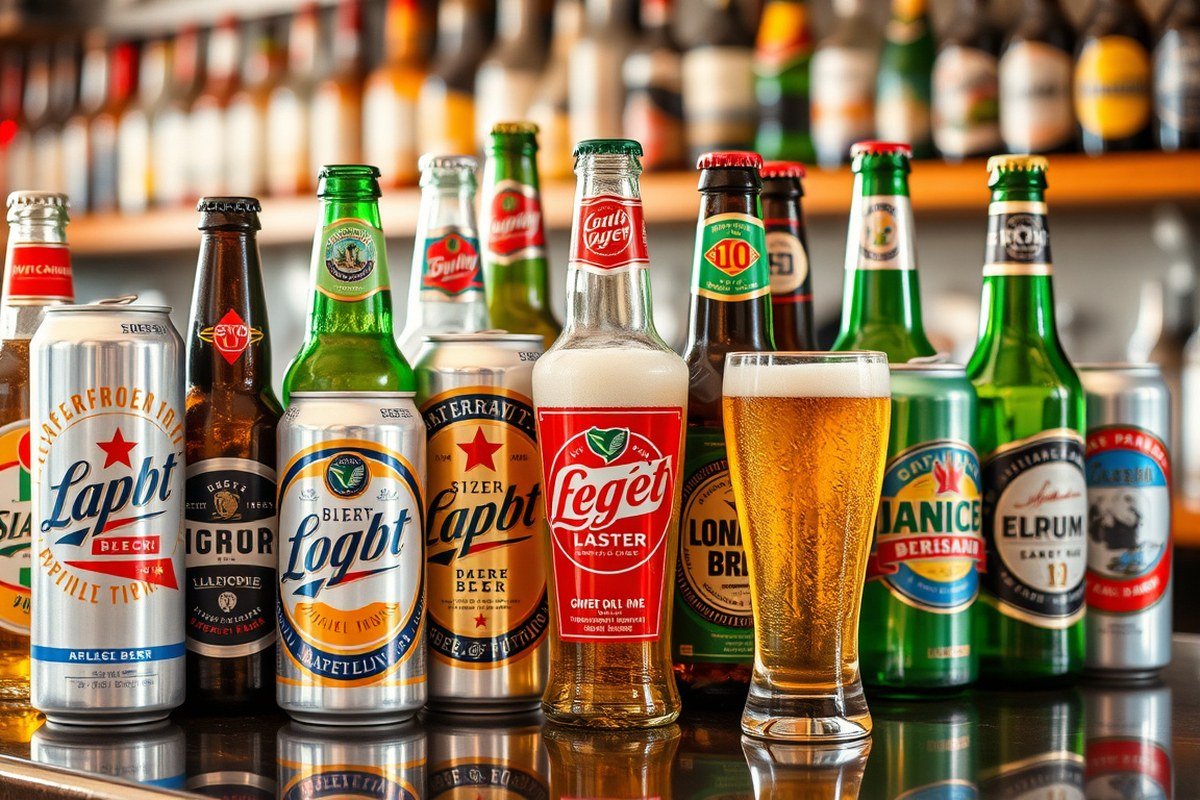
The best light beer overall right now combines flavor, calories, availability, and price into a balanced choice you can enjoy regularly. Miller Lite stands out in this category for its ability to offer a pronounced beer flavor while keeping calories low at just 96 per 12 fluid ounces. This makes it a top pick for drinkers who want a satisfying taste without too many calories.
While Coors Light and Bud Light are more popular across the U.S., each has tradeoffs. Coors Light is widely available and affordable, generally priced around $19.99 for a 24-pack, but it has less flavor, often designed to be consumed very cold to mask its taste. Bud Light, the best-selling beer in America at 110 calories and 4.2% ABV, offers reliable consistency but comes with higher calories compared to Miller Lite. Bud Light’s broad popularity is more related to distribution and marketing than to taste superiority.
Sam Adams Light offers a richer flavor profile but has 119 calories and a 4.3% ABV, which is noticeably more than most other light beers, pushing it further from the typical light beer calorie range. Its price and availability lean toward regional rather than national, mostly popular on the East Coast. Michelob Ultra provides another angle with just 95 calories and a lighter flavor emphasizing drinkability over robustness.
To decide the best light beer for you, consider a simple rule: prioritize flavor first, then calories, and finally availability and price. For example, if you want the most flavor for your calorie count, Miller Lite is your best bet at 96 calories and a full beer character. If you are more concerned with calories and maximum refreshment, consider Michelob Ultra or Busch Light, which have calories in the mid-90s or less. For a broader distribution where you can buy anywhere, Bud Light and Coors Light offer convenience and competitive pricing near $18 to $20 for 24-pack cases. Here is a comparison of popular light beers covering taste, calories, price, and availability to guide your choice:
| Brand | Calories (per 12 fl oz) | ABV (%) | Price (24-pack) | Flavor | Availability |
|---|---|---|---|---|---|
| Miller Lite | 96 | 4.2 | $18.99 | Pronounced beer flavor | Wide |
| Coors Light | 102 | 4.2 | $19.99 | Light, mild flavor | Wide |
| Bud Light | 110 | 4.2 | $18.99 | Balanced but less flavor | Wide |
| Sam Adams Light | 119 | 4.3 | Varies | Richer flavor | Regional (East Coast) |
| Michelob Ultra | 95 | 4.2 | $20.00 | Light and smooth | Wide |
| Busch Light | 95 | 4.5 | Less than $18 | Clean and crisp | Wide |
The best light beer suits your priorities. Miller Lite balances taste and calories well and remains affordable and widely available, making it the overall leader for many drinkers. More health-conscious consumers might prefer Michelob Ultra or Busch Light for fewer calories, while those after stronger distribution and name recognition might lean toward Bud Light or Coors Light. Pay attention to how these beers taste at your preferred serving temperature, usually around 38 to 42 degrees Fahrenheit, to ensure the best drinking experience.
How Are Light Beers Different from Regular Beers?
Light beer is technically defined by its lower calorie content and reduced alcohol by volume (ABV) compared to regular beer. Typically, light beers contain between 90 and 110 calories per 12-ounce serving, while regular beers often range from 150 to 200 calories or more. The ABV of light beers usually falls between 3.3% and 4.3%, which is lower than the average 5% or higher seen in many standard beers. This balance of fewer calories and moderate alcohol is achieved by adjusting the malt profile and fermentable sugars during brewing, making light beer less dense without sacrificing all flavor.
Brewing light beer involves modifying the malt bill and fermentation process to reduce residual sugars, which in turn lowers calories. Malted barley contributes to the beer’s body and sweetness, so brewers use less malt or adjuncts such as rice or corn to maintain a lighter body and reduce caloric content. The fermentation might be more complete to convert more sugars into alcohol and CO2, but the overall malt complexity is simpler. This brewing style is usually based on lagers, which ferment at cooler temperatures (around 45, 55°F) with bottom-fermenting yeast strains, producing clean and crisp profiles typical of light beers. However, not all light beers are lagers. Some craft breweries have introduced light IPAs or other styles that maintain lower calories and ABV while offering more hop character.
Light beer’s malt profile differs from regular beers by emphasizing lower residual sweetness and a thinner mouthfeel. For example, Michelob Light features a malty sweetness with aromatic hops like Hallertau and Spalt, but it remains subtle compared to fuller regular lagers. Corona Light also delivers a mild sweetness and citrus notes with 99 calories and 4.1% ABV, illustrating how flavor can persist even with fewer calories. On the other hand, beers like Miller64 push calories down to 64 per 12 ounces by further reducing malt complexity and alcohol content to 4.0% or less. The tradeoff often involves some loss of depth in flavor and body, which is why some drinkers find light beers less satisfying.
Light beer is not automatically healthier than regular beer. Calorie reduction helps if you watch weight or aim to moderate alcohol intake, but the nutritional difference is mostly in calories and alcohol, not vitamins or minerals. Carbohydrate content can also be lower, typically around 3 grams per 12-ounce serving compared to higher amounts in regular beers. Alcohol consumption should always be moderate, and no beer style removes risks associated with drinking. Using light beers can be a better choice for those prioritizing fewer calories or lower alcohol but does not eliminate the need to drink responsibly.
Try tasting a variety of light beers to find one with flavor you enjoy; lower calories often mean less intensity, so consider whether you prefer a light lager or a lighter craft IPA style for balance.
Popular Light Beer Brands Compared by Calories, ABV, and Price
Choosing the right light beer often comes down to balancing calories, alcohol content, and price. Calories matter if you’re watching your intake, while ABV (alcohol by volume) affects how strong your beer feels. Price is a key factor if you’re stocking up for a party or regular consumption. Below is a table comparing some of the most popular light beer brands, showing calories per 12-ounce serving, ABV percentages, and estimated retail prices for 24-packs. This gives you a clear side-by-side look at how they compare in these key areas.
| Name | Price (24-Pack) | Calories (per 12 oz) | ABV (%) |
|---|---|---|---|
| Bud Light | $18.99 | 110 | 4.2 |
| Miller Lite | $21.99 | 96 | 4.5 |
| Michelob Light | $18.99 | 134 | 4.3 |
| Coors Light | $19.99 | 102 | 4.2 |
| Sam Adams Light | $26.00 | 142 | 4.2 |
| Corona Light | $27.00 | 109 | 4.5 |
| Amstel Light | $26.99 | 96 | 4.2 |
| Yuengling Light | $18.99 | 98 | 3.8 |
| Natural Light | $16.99 | 95 | 4.2 |
Looking at calories, Miller Lite, Amstel Light, and Natural Light are among the lowest, ranging from 95 to 96 calories, which makes them good options if minimizing calorie intake is a priority. Michelob and Sam Adams Light are higher on the calorie scale, with 134 and 142 calories respectively, reflecting a bit more malt or flavor complexity.
Most brands hang around the 4.2% ABV mark, but Miller Lite and Corona Light offer slightly higher alcohol content at 4.5%. Yuengling Light has the lowest ABV here at 3.8%, providing a lighter buzz. Prices also vary, with Natural Light the most affordable at about $17 for a 24-pack, while Corona Light and Sam Adams Light are at the higher end near $27.
Choosing the best light beer comes down to what balance you want between lower calories, higher alcohol, and cost. Keep in mind that prices can vary based on location and store promotions. Also, some beers might be hard to find depending on your region. Comparing this data lets you quickly identify which brands align best with your preferences and budget.
Which Light Beers Offer the Best Flavor Experience?
Some light beers manage to deliver a satisfying flavor and mouthfeel even with fewer calories. Brands like Amstel Light and Miller Lite stand out among widely available options for balancing taste and lightness. For craft beer fans, select craft light beers offer more distinct flavors while keeping calories low, making them worthwhile to explore if flavor ranks high on your list.
Top Flavored Macro Light Beers
Amstel Light is often recommended for drinkers seeking a full-flavored light beer that is widely available in 2026. It has a slightly higher taste complexity than many American light beers while maintaining about 95 calories and 3.5% ABV per 12-ounce serving. Miller Lite is another strong entry, delivering more beer flavor with roughly 96 calories and 4.2% ABV, making it a solid choice if you want a light beer that doesn’t taste watered down.
Bud Light Lime, while still light, introduces a citrus note that distinguishes it from the blandest light beers. This option has around 110 calories per 12 ounces, offering a flavor twist that can appeal when you want something more refreshing and lively but still low in alcohol.
Craft Light Beers Worth Trying
Craft breweries rarely produce nationally distributed light beers, but the Boston Beer Company’s Sam Light attempts to bring some personality to the category. At roughly 98 calories per 12 ounces, it tries to balance craft beer character with lightness, though some drinkers would expect more flavor from a craft label.
Sunday Beer Co.’s Light & Tight exemplifies a craft light beer that delivers excellent flavor and bright carbonation. This beer stands apart from many macro light options by preserving complexity in its low-calorie format. It offers a hoppy and crisp profile that often appeals to craft enthusiasts searching for a light yet satisfying beer experience without excess calories.
Flavor Profiles to Consider
Light beers typically aim for a crisp, clean taste with mild malt sweetness and low bitterness. Expect these profiles:
- Amstel Light: smooth maltiness with subtle hop bitterness, medium carbonation
- Miller Lite: moderately bready malt, low-to-medium hop presence, light body
- Bud Light Lime: citrus forward with mild malt backbone, refreshing finish
- Sam Light: light malt base with slight citrus and floral notes typical of craft styles
- Sunday Beer Co. Light & Tight: hoppy, bright, with noticeable carbonation and crisp finish
Choosing between these depends on your flavor preference and situation. For casual drinking where balanced flavor and availability matter, Amstel or Miller Lite works well. If you want a light beer with a twist, try Bud Light Lime or a craft option like Sunday Beer Co. For more distinctive tastes. Expect less complexity than regular beers but more than watery or bland options often labeled as light beers.
What to Consider When Choosing a Light Beer for Your Needs
Choosing the best light beer depends largely on what matters most to you. Calorie count is a priority, so check the label for calories per serving. Most light beers range between 90 and 110 calories per 12-ounce serving. A beer with fewer calories usually means lower alcohol by volume (ABV), which might mean a lighter flavor. Flavor ranks higher on your list, so look for beers with a balance of malt sweetness and moderate bitterness, though these might have slightly more calories and higher price.
Price is another key factor. Light beers like Natural Light offer the lowest cost, often under $17 for a 24-pack, making them ideal if you’re on a budget or buying in bulk. Options like Miller Lite or Heineken Light typically cost around $17 to $19 per 24-pack and provide better taste profiles and wider availability at bars or stores. Distribution matters because a beer with limited availability can be tough to find regularly, limiting your consistent choice. Before buying, always check the label for several key details:
- Calories per 12-ounce serving to control calorie intake.
- ABV percentage to gauge alcohol strength and expected flavor.
- Serving size to ensure calorie and ABV information is for a standard 12-ounce amount.
- Ingredients or brewing notes, if listed, for hints about taste, like added protein or hops.
- Price per pack or per bottle to compare cost-effectiveness.
- Availability indicated on seller’s site or local retailer to confirm easy access.
- Expiration or packaging date to ensure freshness.
Set your priorities by creating a simple decision rule: If calories matter most, pick a beer with fewer than 100 calories and an ABV closer to 3-4%. Taste is the focus, so select beers known for better flavor like Miller Lite or Heineken Light, even if their calories and price are slightly higher. For occasions where cost and volume are important, like parties or casual gatherings, Natural Light or Keystone Light may suit you best.
Don’t assume all light beers taste the same; checking the specific calorie and ABV on the label helps avoid surprises.
Matching your choice to the occasion and budget creates a tailored approach to buying light beer. Knowing what you want helps you find a beer that fits your health goals, taste preference, and wallet without guesswork.
How Do Craft Light Beers Compare to Mainstream Macrobrews?
Craft light beers often offer more variety in flavor and ingredients than mainstream macrobrews, but they can differ widely in calories and alcohol by volume (ABV). Mainstream brands typically focus on consistency and approachability, while craft options might appeal more to those looking for unique tastes or subtle complexity. Your choice depends on whether you prioritize flavor depth or familiar, predictable profiles.
Craft Light Beer Advantages
Craft light beers tend to experiment with malt and hop combinations, giving them fuller flavor despite their lighter body. For example, Five Boroughs’ City Light outperformed many macrobrews in tastings by presenting a balance of crispness and character. Many craft breweries use specialty grains or local ingredients that add nuances you won’t find in national brands. This makes them appealing if you want something different from the standard light beer experience.
Craft light beers often maintain moderate ABV levels between 3.5% and 4.5%, comparable to macros but occasionally offering slightly higher alcohol content or lower calories, depending on the recipe. These beers usually range from 90 to 110 calories per 12 ounces, slightly higher than some macro options but still light compared to regular beers. The tradeoff is that craft light beers may not be as widely distributed or priced as competitively, sometimes costing $1 to $2 more per bottle or can.
Key Macrobrew Light Beers
Mainstream light beers like Coors Light, Bud Light, and Miller Lite dominate the market largely because of their broad availability and consistent taste. These brands typically hover around 95 calories and have an ABV near 4.0%. Their appeal lies in a mild flavor profile that pairs well with many foods and suits casual drinkers who want a light, refreshing beer without strong bitterness or complexity.
Coors Light, for example, scored surprisingly well in blind tastings, demonstrating how reliable these macrobrews can be for drinkers who prefer a clean, crisp palette. Since these beers are brewed in massive quantities, they are more affordable, widely available in most stores and bars, and often come in larger pack sizes that reduce the cost per serving. If cost and ease of access matter most, classic light macro beers remain a strong choice.
Choosing Between Craft and Macro
Choose craft light beers when you want to explore subtle flavor differences and support smaller brewers. Aim to buy locally or shop at stores with a broad craft beer selection since distribution can be limited. Sampling multiple options from different breweries over time helps you understand the flavor profiles you like best, such as fruit-forward, maltier, or more hoppy variations.
Stick to mainstream macrobrew light beers if you need a consistent, low-cost drink with moderate calories that pairs with a wide range of occasions, like casual hangouts, tailgating, or large parties. These beers reliably maintain the light, crisp taste most drinkers expect without surprises in texture or intensity. In situations where you want a drink with a little more character for food pairing or to impress friends who appreciate brewing craft, a well-chosen craft light beer can bring value. For everyday or high-volume drinking where price and convenience take priority, a major macrobrew is likely the better fit .
Tips for Tasting and Evaluating Light Beers Like a Pro
Tasting and evaluating light beer takes more attention than just cracking open a cold one. By looking closely at its appearance and aroma, then carefully tasting its flavors and finish, you can better judge what suits your preferences. This process helps you spot well-made beers and avoid those that feel watery or artificial.
Step 1: Look and Smell
Start by pouring your light beer into a clear glass to observe its color and clarity. A good light beer often has a pale straw to light gold hue and should be clear rather than cloudy. The head should be modest but present, showing some carbonation. Next, give it a gentle swirl to release aromas and take a deep sniff. Light beers often have subtle scents, including hints of malt, fresh bread, mild hops, or citrus.
Pay close attention to specific notes rather than just a generic “beer” smell. For example, a citrusy and piney hop aroma indicates care in brewing, while faint malt sweetness signals balance. A lack of aroma or a skunky scent suggests poor quality or improper storage.
Step 2: Taste and Note Flavors
Take a moderate sip, letting the beer coat your tongue so you can detect various flavors. Focus on these elements:
- Body: Is the beer very light and watery, or somewhat fuller despite being light?
- Malt: Notice any sweetness or grainy notes like bread or cereal.
- Hops: Taste for bitterness, citrus, pine, or floral tones.
- Balance: See if malt and hops complement each other without one overpowering.
- Distinctiveness: Decide if it tastes mild and simple or if it has appealing complexity.
A well-made light beer, like Busch Light, manages to bring enough real beer flavor without heaviness. Flavors should be clean and crisp rather than flat or artificial. For example, a light beer with bright citrus and pine hop notes and a light malt base often scores well in tastings.
Step 3: Notice Finish and Mouthfeel
The finish is what lingers after you swallow. Evaluate if the finish is crisp and clean, somewhat bitter, or dull and watery. A good light beer will have a clean bitter finish that invites another sip rather than leaving an unpleasant aftertaste. Also, pay attention to mouthfeel, the texture and carbonation. It should be light-bodied but not thin or flat.
Look for a brisk carbonation level that lifts the flavor and refreshes you. If a light beer feels overwhelmingly watery or syrupy, it probably lacks quality malt or balance, which affects your enjoyment over multiple drinks.
Common Flaws to Avoid
Light beers can easily fall into pitfalls that spoil the tasting experience. Avoid beers that:
- Appear dull, flat, or have little to no head when poured.
- Have musty, stale, or skunky aromas indicating improper storage or old ingredients.
- Taste excessively watery, lacking malt or hop character.
- Carry off-putting artificial flavors, such as too much lime flavor in lime variants.
- Have a finish that is sticky, overly sweet, or leaves a chemical aftertaste.
Noticing these flaws helps you rule out beers that don’t hold up well in quality or taste, even if they are widely available. Approaching light beers with this structured tasting process can help you discover the ones that best fit your palate.
Which Light Beers Are Best for Specific Occasions or Diet Goals?
For weight loss or calorie-conscious drinking, Amstel Light and Miller64 stand out as optimal choices. Amstel Light offers a low-calorie option while maintaining decent beer flavor. Miller64 provides an even lighter profile with roughly 64 calories per 12-ounce serving, making it ideal when you prioritize minimal calorie intake over lager complexity. Consuming these light beers during your diet can help keep your daily caloric limit in check without completely giving up beer’s enjoyment.
Casual social drinking or long events also benefit from light beers since they keep intoxication levels lower compared to heavier brews like IPAs or stouts. For gatherings such as backyard barbecues, game days, or parties, beers like Busch Light fit well. Busch Light is popular for drinking games due to its light and easy-drinking nature, but drinking responsibly remains key. These beers’ lighter body means you can enjoy several over a longer period without quick fullness or overwhelming bitterness, helping you stay refreshed throughout the event.
Pairing light beer with food requires selecting styles that complement rather than overpower your meal. Light lagers such as Amstel Light or Bud Light typically pair well with grilled chicken, seafood, and light salads because their crisp and clean taste balances these milder flavors. For spicier dishes like Mexican or mildly seasoned Asian food, the subtle maltiness and lower bitterness of most light beers prevent clashing with the spices. Serving light beer chilled to about 38, 45°F improve its refreshing quality alongside your meal.
For your drinking sessions, buying light beer in 12- to 24-pack cases proves cost-effective, as these are common packaging sizes. Such quantities support social occasions or multi-hour events where multiple drinks might be consumed. Expect prices to vary depending on brand and location, but mainstream light beers usually offer affordable options under $15 for a 24-pack. Opening beers directly from cans or bottles fits the casual setting, though pouring them into a glass can accentuate aroma and appearance if preferred.
Always pace yourself when drinking light beer over extended periods to avoid unintended intoxication; lower alcohol content does not mean you can drink unlimited amounts safely.
Your Quick-Start Plan to Pick the Best Light Beer for You
Use this simple plan to find a light beer that fits your taste, budget, and lifestyle within a couple of weeks.
- Day 1: Choose one light beer from different brands to try based on your calorie and price preferences. Note how each tastes to you.
- Day 3: Compare the alcohol by volume (ABV) of your initial picks and decide if you want something lighter or stronger. Adjust your selection accordingly.
- Week 1: Visit a local store or brewery to try a craft light beer if you usually drink mainstream brands. Pay attention to unique flavors.
- Week 2: Taste-test your top two beers in relaxed settings. Evaluate flavor, aftertaste, and how you feel drinking them (refreshing or too light).
- After Week 2: Reflect on how each beer fits your drinking occasions and health goals. Pick your favorite as your go-to light beer.
- Monthly check-in: Rotate new light beers with your favorite to keep your experience fresh and discover potential new bests.
Frequently Asked Questions
What Is the #1 Selling Light Beer?
Bud Light is the #1 selling light beer in America, popular for its 110 calories and 4.2% ABV. Its widespread availability makes it a go-to choice for many drinkers.
What Is the Lightest, Smoothest Beer?
Busch Light is one of the lightest and smoothest, with only 95 calories and 4.5% ABV. Its crisp taste makes it a refreshing option if you want a lighter beer without less flavor.
What Is a Great Light Beer?
Miller Lite is a great light beer for those who want traditional lager flavor with fewer calories. It balances taste and lightness well, making it a solid everyday choice.
What Is the Most Healthy Light Beer?
Miller64 is often seen as the most healthy light beer because it has very low calories compared to others. Choose it if calorie count is your top priority.
What Is the Best Light Beer for a Smooth Taste?
Molson Canadian Light offers a smooth, floral flavor with a clean, dry finish at 120 calories and 3.9% ABV. It’s a good fit if you want taste without heaviness.
How Many Calories Are in an Average Light Beer?
Most light beers have around 90 to 120 calories, making them a lower-calorie alternative to regular beers. This range helps you manage intake while enjoying beer.
Wrapping Up
Choosing the best light beer depends on balancing taste, calories, and cost to match your preferences. Gradually sampling different options helps you learn what suits your palate and needs. Start with a few choices today and pay attention to how each one feels and tastes to you. This hands-on approach will guide you to enjoy light beer without compromising flavor or your goals.