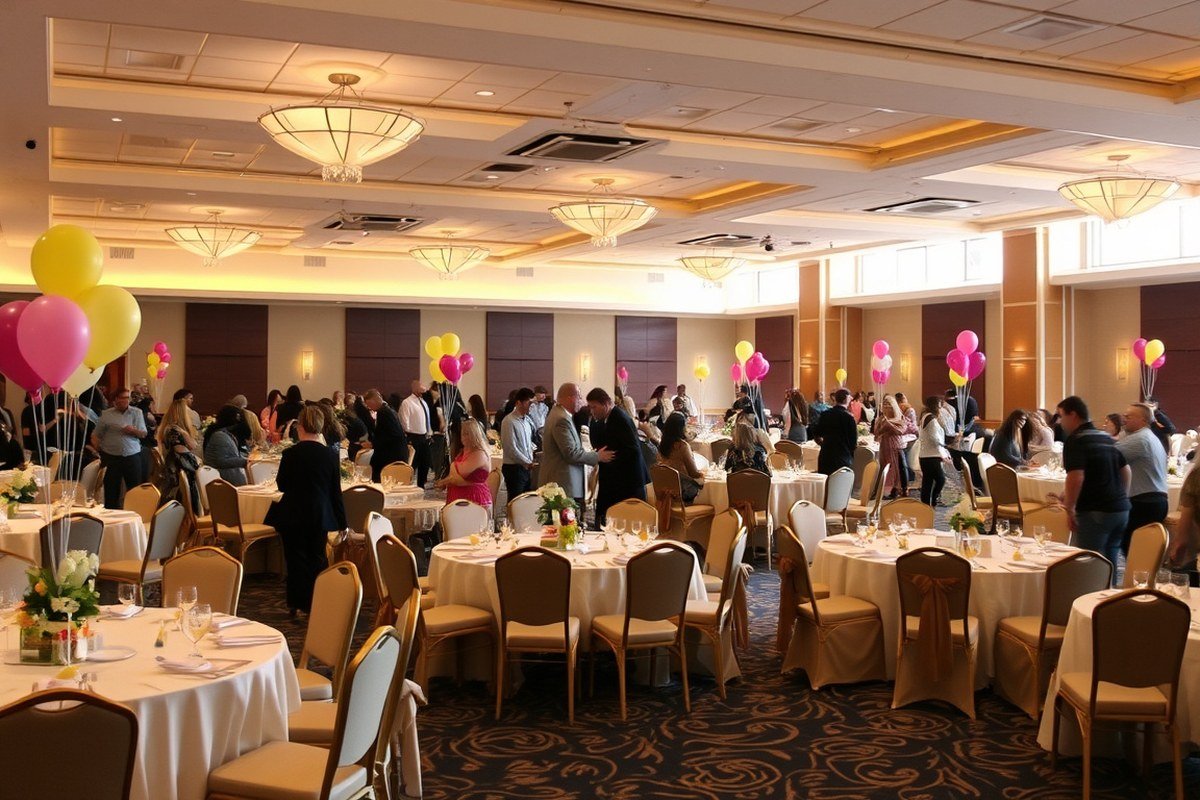
How to Plan a Party for 80 People: 9 Steps for a Smooth, Memorable Event
Planning a party for 80 people starts with setting a clear budget, choosing a suitable venue, and creating a guest list that reflects your event’s tone. Early preparation, about 6 to 8 weeks ahead, ensures smooth coordination of food, drinks, invitations, and entertainment. This approach helps you host a balanced, enjoyable gathering without last-minute stress.
This advice suits anyone organizing medium-sized celebrations like milestone birthdays or holiday parties. You’ll find practical steps and tips covering venue choice, catering plans, guest management, and ways to keep your event memorable and comfortable for all attendees.
Key Takeaways
- Set your budget first, aiming for $30-$60 per person, and reserve 10-15% for unexpected expenses.
- Book a venue that comfortably fits 80 guests and supports your party style, such as casual mingling or seated dining.
- Send invitations 6 to 8 weeks in advance, allowing guests two weeks to RSVP for better planning accuracy.
- Invite 20-30% more guests than your target to account for typical RSVP rates of about 60% attendance.
- Plan catering to provide variety and enough quantity, factoring at least one drink and meal option per guest.
- Organize seating and layout with guest comfort and easy movement as priorities to improve the party flow.
1. How to Start Planning a Party for 80 Guests Effectively

The very first step to plan a party for 80 guests is to set the date. Choosing the date early, ideally 6 to 8 weeks before the event, gives you enough lead time to book venues, vendors, and send invitations. Pick a date that works well for the majority of your guests, avoiding major holidays or busy weekends to increase attendance. If many attendees will travel from out of town, consider setting the date 8 to 10 weeks ahead and send a “save the date” notice early.
Next, define your guest list to estimate the number of attendees accurately. Start by listing all the people you want to invite, keeping the total close to 80 to match your target. It helps to give key hosts or family members a strict limit on how many additional guests they can bring. Keep in mind some guests might bring a plus one. To manage expectations and avoid overcrowding, finalize the list before sending invitations.
Establishing a realistic budget comes immediately after setting the date and guest count. Planning a party for 80 people typically costs between $30 and $80 per person, depending on the type of venue, food, drinks, and entertainment you choose. Begin by setting your overall spending limit and allocate portions to key areas like catering, venue rental, and decorations. Starting your budget early ensures you avoid surprises and helps you make clear choices that fit your financial goals.
Creating your guest list first also helps prevent common mistakes such as inviting too many people for the space or overspending on services. Use event planning software or a shared document to keep track of invitations, RSVPs, and catering numbers as your plans progress. Avoid waiting too long to book the venue and vendors, as popular spots can fill quickly, especially with a guest count of 80.
Taking these initial steps properly means you’ll have a solid foundation. You’ll know exactly how many people expect to attend, when the party happens, and how much you can spend, which makes all other planning parts more manageable. Planning for 6 to 8 weeks allows a comfortable buffer to organize everything smoothly and respond to unexpected changes, like guest cancellations or last-minute additions.
2. Choosing the Best Venue for 80 People

Choosing the right venue for 80 guests means balancing size, atmosphere, accessibility, and cost carefully. A venue too small feels cramped, while too large can make the gathering lose its personal touch. Venues that comfortably fit 80 people typically allow 10 to 12 square feet per person, suggesting a minimum space of 800 to 1,000 square feet dedicated to guest areas. For a sit-down dinner, seating arrangements are important and will often require more space to include tables and aisles for easy movement.
Budget plays a significant role when selecting a venue. For example, milestone celebrations for around 50 guests might cost anywhere from $2,500 to $5,000 for the venue and related expenses, which could scale up with more guests or added amenities. Smaller, more casual venues or home rentals might cost between $300 to $500 but often come with trade-offs around professionalism and convenience.
| Venue Type | Capacity Range | Typical Cost Range | Atmosphere | Accessibility & Parking |
|---|---|---|---|---|
| Banquet Hall | 50 to 200 | $2,000 to $5,000 | Formal, structured | Usually ample parking, wheelchair accessible |
| Restaurant Private Room | 40 to 100 | $1,000 to $3,500 | Cozy, casual to semi-formal | Varies, often limited parking |
| Community Center | 50 to 150 | $300 to $1,200 | Neutral, flexible space | Accessible, generally free or low-cost parking |
| Outdoor Venue (Park or Backyard) | 30 to 100+ | $0 to $800 (permit fees) | Relaxed, informal | Depends on location, could require shuttle |
| Hotel Ballroom | 50 to 300+ | $3,000 to $10,000+ | Elegant, upscale | Usually excellent parking and accessibility |
Accessibility is critical for your guests’ comfort, especially if you expect older attendees or anyone with mobility challenges. Verify that entrances, restrooms, and main party areas are wheelchair accessible. Parking availability matters too, venues in busy areas might not offer adequate free parking, which could require arranging shuttles or valet services.
The party’s flow benefits from venues that allow separate zones for seating, mingling, and entertainment. Creating distinct areas encourages guest interaction and prevents congestion. Consider whether your venue’s layout supports a mix of seating and open lounge spaces where guests can move freely and comfortably.
Reserve your venue at least 6 to 8 weeks in advance, and keep a 10, 15% budget buffer for unexpected costs like extra seating or last-minute equipment rentals.
Choosing your venue means weighing which factors matter most to you: an intimate vibe, a strict budget, or easy access for all guests. Prioritize the venue’s size to match your guest list closely and make sure the environment aligns with your party’s tone, whether casual or formal. Arranging a venue with a well-planned layout promotes a lively, enjoyable atmosphere that guests will appreciate.
3. How to Plan Food and Drinks for 80 Guests
Planning food and drinks for 80 guests requires balancing convenience, variety, and budget. Choose between catered or DIY based on your time and skills. Estimate food at 600 to 800 grams per person for buffets, and plan drinks at 2 drinks per guest in the first hour, then 1 drink per hour after.
Catering Styles: Buffet, Plated, Cocktail
Buffets support large gatherings by letting guests serve themselves and sample various dishes. Plan for each person to eat between 600 and 800 grams, including side dishes. Plated meals offer a more formal feeling but require greater organization and can increase catering expenses. Cocktail parties focus on finger foods and snacks, which encourage mingling and suit casual events. Catering costs typically fall between $30 and $60 per guest based on the service style.
DIY can work if you have helpers and enough time. Catering simplifies planning by handling cooking, serving, and cleanup. Consider your venue’s kitchen facilities and the theme of your party when deciding your style. For example, a garden party might suit a buffet with fresh salads, while a milestone birthday may call for a plated dinner to honor the guest of honor.
Alcohol and Non-Alcoholic Drink Planning
Estimate about 0.75 liters of non-alcoholic beverages and 0.5 liters of alcoholic drinks per guest during your event. Begin by offering two drinks per person in the first hour and then one drink per hour following that. This approach helps manage both supply and budget. Offering a variety of beer, wine, and a signature cocktail ensures you cater to different preferences.
Offer mocktails, quality sodas, and non-alcoholic beers to accommodate guests who don’t drink alcohol or are designated drivers. For a four-hour party, plan on providing about five drinks per guest to keep everyone refreshed. For example, with 80 guests, supply around 400 drinks total with a good split between alcoholic and non-alcoholic options.
Special Dietary Requirements and Allergies
Ask guests about allergies or dietary needs before finalizing the menu. Planning inclusive options avoids last-minute problems and ensures everyone enjoys the party. Common restrictions include gluten-free, vegetarian, vegan, and nut allergies.
Label dishes clearly at buffets or food stations to indicate ingredients and dietary suitability. Caterers usually provide these services and suggest alternatives. When preparing your own food, make at least one or two dishes that accommodate common dietary needs and store ingredients separately to avoid cross-contact.
Estimating Quantities to Minimize Waste
Starting with 600 to 800 grams of food per person for buffets helps plan sufficient portions. Adjust amounts if you know your crowd tends to eat lighter or heavier. For instance, a mostly adult crowd usually consumes more than a mix with many children.
To calculate drinks, multiply 2 drinks by 80 guests for the first hour, then add 1 drink per guest for each additional hour. For a three-hour party, that’s roughly 320 drinks total (160 for the first hour plus 80 drinks for each of the next two hours). Here’s a checklist for food and drinks planning:
- Confirm the menu type: buffet, plated, or cocktail-style finger foods
- Decide between catering and DIY based on your budget and time
- Ask guests about allergies or dietary restrictions early
- Calculate food at 600, 800 grams per person for buffet setups
- Plan drinks at 2 drinks per guest the first hour, 1 afterward
- Include a balanced mix of alcoholic and non-alcoholic beverages
- Label all food items clearly to indicate ingredients and allergens
On a budget of $30 to $50 per person, prioritize spending on quality food and beverages, as these keep guests satisfied. Remember that going too low on food or drinks may cause stress and detract from the celebration. Catering often costs more but reduces your workload significantly, while DIY saves money but requires more preparation time and help. Choose what fits your schedule and desired party experience best.
4. Invitations and Managing Guest RSVP for 80 People
Send your invitations 6 to 8 weeks before the party date with an RSVP deadline about 2 weeks prior to your event. This timing gives guests enough lead time to plan, and it helps you collect responses early so you can finalize catering and seating. For birthdays or milestone celebrations, sending a physical invitation by mail adds a special touch and signals the event’s importance. If time is tight or you want easy tracking, digital invitations from services like Paperless Post or Mixily work well and allow you to monitor RSVPs in real time.
Include all necessary details on your invitation to avoid confusion. List who is being celebrated, who is hosting, the type of party and meal planned, full address with parking info, the exact date and start-to-end times, plus the RSVP contact name and method. For example, a clear RSVP line might say, “Please RSVP to Jane at 555-123-4567 by March 5.” A straightforward wording template looks like this: “You’re invited to celebrate [Name]’s 60th birthday! Join us on Saturday, April 15, from 6 to 10 p.m. At 123 Celebration Lane. Dinner and dancing to follow. Kindly RSVP to [Contact] by April 1.”
To reach your goal of 80 attendees, invite 20 to 30 percent more people, meaning around 96 to 104 invitations. This buffer accounts for guests who decline or don’t reply. Tracking RSVPs effectively helps you stay organized: use a spreadsheet or a digital tool that updates as responses come in. These systems reduce the stress of chasing guests and keep your guest list visible and current. Following up with those who haven’t responded a week before the deadline is a good way to boost confirmations.
In cases where the party is less than 6 weeks away, call your key guests first to secure their commitment, then send a formal invitation to confirm details. Throughout the RSVP process, maintain communication by reminding guests of event details and increasing excitement with sneak peeks like photos of the venue or themed decorations. This keeps your party on their mind and encourages a positive, enthusiastic response.
5. Organizing Seating and Space Flow for Guest Comfort
For a party with around 80 guests, plan on providing at least 70 to 80 chairs, depending on whether you expect some guests to stand or mingle. A good rule is to have slightly fewer chairs than guests to encourage movement and social interaction, but make sure older adults or those needing longer seating have a reserved spot. Seating options include a mix of tables for dining and smaller lounge areas for informal chats. Usually, 8 to 10 tables seating 8 guests each work well, especially if you use round tables about 60 inches in diameter. This setup balances socializing and comfort without overcrowding.
Deciding whether to assign seats or allow guests to choose depends on the formality and flow you want. Assigned seating helps avoid confusion and potential social awkwardness during milestone birthday celebrations or family gatherings. Use a seating chart created about three weeks before the event, once you have most RSVPs. Assign seats to ensure friends and family with common interests sit together, but leave a few open seats to integrate minglers. For casual parties, open seating is fine but place enough chairs near food and drink areas to prevent crowding.
Preventing bottlenecks requires thoughtful space planning. Ensure at least 5 feet of clear walking room between tables so guests can move freely. Designate clear paths to food, drinks, restrooms, and entertainment areas. Position the cake table as a focal point but not blocking main walkways. For outdoor parties, plan for weather contingencies that maintain space flow under coverings or tents. Keeping furniture away from doorways and placing food and bar stations at opposite ends helps disperse guests evenly. Avoid lining too many tables in a row, which can cause crowding in narrow corridors.
A checklist to organize seating and flow starts with securing your venue’s floor plan. Measure available space to calculate how many tables and chairs fit comfortably while maintaining open lanes for movement. Three weeks ahead, finalize the seating chart based on RSVPs. Print place cards and signs a few days before the party, and arrange tables on the morning of the event. Staff or trusted helpers should monitor entrances and high-traffic areas to gently remind guests to keep pathways clear.
Costs vary by rental needs and venue. Renting 10 round tables and 80 chairs can range from $150 to $400 total, depending on location and rental company. Add about $20 to $50 if you hire professionals for event setup and seating arrangement, which can reduce stress and ensure smooth flow. Good results mean guests can move and mingle easily, find their places without delay, and enjoy extended conversations comfortably. Problems arise when tables are too cramped, leading to crowding around buffets or bottlenecks near entertainment, reducing overall enjoyment.
Provide at least 5 feet of space between tables and keep primary walkways clear to ensure guests can easily move and mingle without feeling crowded or stuck in one spot.
6. Creative and Suitable Entertainment Ideas for 80 Guests
Entertainment for 80 guests needs to engage a diverse crowd without overwhelming the space or budget. A mix of live or recorded music, interactive games, and personalized touches like speeches or photo booths ensures everyone feels included. Choose based on your party’s theme, guest ages, and mobility to maximize comfort and participation.
Music Options: Live Band vs DJ vs Playlist
Music sets the party’s mood, so pick based on atmosphere and cost. A live band adds energy and creates a memorable experience, perfect for milestone birthdays, but expect to pay $1,000 to $3,000 for a few hours and arrange space and sound equipment. DJs provide flexible music choices, accommodating all tastes and keeping the dance floor active, with typical costs ranging from $500 to $1,500. A curated playlist is the most budget-friendly alternative but requires you to manage the music and sound system yourself.
For 80 guests, a DJ or band works best to keep the energy high and suit varied tastes. If the group includes older adults or less mobile guests, keep music volume moderate and select genres that appeal broadly. Consider having a quiet area away from the music for conversations.
Games and Activities Suitable for Older Guests
Games can break the ice and involve guests who prefer less active entertainment. For older or less mobile guests, select games that are simple to understand and don’t require physical exertion. Trivia focused on the celebrant’s life or themed bingo can engage older adults. Group activities like storytelling rounds or “memory sharing” sessions invite everyone to participate without pressure.
- Themed trivia about event honoree or party theme
- Bingo with personalized prizes
- Gentle group games such as “Two Truths and a Lie”
- Memory sharing circles or storytelling
- Light physical games like ring toss or bean bag toss for ambulatory guests
Including diverse game options allows guests to choose how they want to engage. Avoid games that require loud shouting or quick movements, as that might exclude older or less mobile attendees.
Interactive Elements Like Photo Booths or Slideshows
Interactive entertainment elements create lasting memories and offer fun, low-key activities for guests of all ages. A themed photo booth invites guests to take silly or formal pictures with props matching the party’s motif. For about $300 to $600, booths can include a printed photo strip keepsake or digital copies to share after the event.
Slideshows or video tributes displayed during breaks offer a heartfelt pause. Collect photos and short messages from friends and family beforehand. Display on a TV or projector in a comfortable viewing area to keep the flow smooth. Include a brief speech to introduce the slideshow and invite guests to reflect.
These elements work well alongside music and games, giving guests options to mix active and relaxed entertainment. They also help involve guests who might be quieter or prefer more personal engagement.
7. Decorations and Theme Ideas That Work for 80 People
Choosing a theme that resonates with your guests and the occasion sets the tone for the entire party. For milestone birthdays or other large celebrations with around 80 guests, nostalgia themes often work well as they create a warm, personal atmosphere. Themes based on decades, favorite hobbies, or cultural icons let guests connect and share memories. You could also pick seasonal themes or elegant color schemes for a versatile but stylish backdrop. Start by considering the guest of honor’s interests to keep the theme meaningful.
Decorations need to fill the space without making it feel cramped, especially with 80 people moving around. Use large, eye-catching items like balloon arches or garlands placed strategically near entrances or key areas to create a festive vibe without clutter. Keep table decorations simple and low to maintain sightlines and avoid overcrowding seating areas. Stick to about 6 to 8 centerpieces distributed across the venue, each about 12 inches in diameter, to balance visual appeal and space.
Must-have decoration items include balloon arches, themed banners, and coordinated tableware. Balloon arches cost roughly $150 to $300 depending on size and complexity for rental or DIY, making them a high-impact but mid-range expense. Banners and signs can be printed or handmade for $20 to $50, depending on size and materials. Adding small, themed details like custom napkins or cups around $1 to $3 per guest improve cohesion without major costs.
A straightforward checklist helps keep decoration planning on budget and schedule: choose a theme 8 to 12 weeks before the event, source or create key large décor like balloon arches 4 to 6 weeks prior, order tableware and smaller items 3 to 4 weeks out, and finalize layout and setup plans 1 week before. Budget examples might allot about 30% of your decoration budget to balloon displays, 40% to table and area decorations, and 30% to extras like lighting or personalized keepsakes. For a mid-range budget, expect to spend between $500 and $1,000 total on decorations for an 80-person party.
Scaling decorations for your guest count means balancing impact with practicality. Avoid overdecorating with too many small pieces, which can clutter the space and drive up costs without adding value. Instead, focus on fewer larger items placed thoughtfully. This approach improves photo opportunities and guest flow while keeping your budget in check. Premium options like professional lighting or custom installations raise costs but can be reserved for key areas if desired. Budget-friendly alternatives include DIY balloon garlands or printable favors, which save money and add a personal touch.
8. Timeline and Checklist for a Stress-Free Party Preparation
Following a clear timeline and checklist helps you avoid last-minute stress when planning a party for 80 guests. Preparing tasks well in advance, confirming bookings timely, and organizing final details carefully keep everything on track. This approach ensures vendors are secured, guests are confirmed, and setup runs smoothly on the day.
8 To 6 Weeks Before: Bookings and Invitations
The first major phase is to finalize venue, caterers, and any entertainment. Book these essential vendors early to guarantee availability, especially for milestone celebrations that require specific services. Send invitations around 6 to 8 weeks prior to your party to allow guests enough time to RSVP, so you can accurately plan food and seating.
To get organized, create a simple checklist for this period. Note when vendor deposits are due and set reminders to avoid missed payments. Digital invitations can reduce costs and speed responses, which is helpful for large guest lists.
- Choose and book venue, caterers, and entertainment.
- Design and send invitations no later than 8 weeks before the event.
- Set RSVP deadline 3 to 4 weeks before the party.
- Track responses to estimate attendance and update your guest list.
Keep a backup vendor contact in case your first choice becomes unavailable.
4 To 2 Weeks Before: Confirmations and Ordering
Check in with all vendors to confirm details such as arrival times, menu choices, equipment, and setup needs. This step reduces surprises and allows you to adjust if guest numbers change. Order any remaining supplies like decorations, disposable dishware, and party favors during this window to avoid last-minute shortages.
Use this time to review your party timeline and share it with anyone helping you. Confirm RSVP totals and communicate any guest dietary restrictions to your caterer. Factor in a 10 to 15 percent budget buffer to cover last-minute needs.
- Contact vendors to confirm schedules and requirements.
- Place orders for final supplies and decorations.
- Review and adjust your guest list based on RSVPs.
- Distribute a detailed party day schedule to helpers and key participants.
Waiting too long to confirm vendors can increase costs or cause availability issues.
1 Week to Day Before: Final Prep and Setup
About a week out, re-confirm all vendor arrangements by phone or email. Share the final timeline with your helpers and vendors so everyone knows their roles and timing. Begin prepping food that can be made ahead if you are handling catering yourself. The day before, start setting up tables, chairs, and decorations at the venue, if allowed.
On party day, assign cleanup duties and designate where guests should place used dishes or trash. Have a clear plan for waste disposal and leftover food. Last-minute checks on sound equipment and lighting help avoid glitches during the event.
- Confirm bookings one more time and share the final timeline.
- Prepare make-ahead dishes and chill drinks.
- Set up seating, decorations, and equipment at the venue.
- Assign tasks for setup and post-party cleanup.
- Do a final walkthrough to spot any missing items or issues.
Don’t underestimate cleanup time; plan at least 1 to 2 hours post-party for an efficient teardown.
9. Common Mistakes to Avoid When Planning a Party for 80 Guests
Underestimating the number of guests is a common mistake that can throw off your entire event. Planning food, seating, and activities for fewer people than actually attend causes shortages and discomfort. To fix this, always confirm RSVPs and expect about 10% more attendees to show up than those who RSVP. Ordering extra food and arranging for flexible seating can handle unexpected guests without inflating your budget excessively.
Poor timing is another pitfall. Scheduling your party too early or too late affects guest availability and energy levels. Avoid last-minute date changes and set your party for a time that suits most guests, typically late afternoon or early evening for milestone birthdays. Early planning helps secure your preferred venue and vendors, keeping costs stable and timely.
Insufficient seating can make guests uncomfortable and reduce social interaction. For 80 people, plan seating for at least 75% to 100% of attendees, depending on how formal or casual your party is. Renting chairs and tables a few weeks in advance secures availability and keeps rental prices lower. Design seating that encourages conversation while leaving clear pathways for easy movement.
Last-minute decisions often lead to overspending and overlooked details. Rushing increases stress and the chances of errors in catering, decor, or entertainment. Setting a detailed timeline and checklist forces you to tackle tasks early, spreading costs and preventing costly last-minute bookings. Staying organized improves how smoothly the event unfolds and how your budget holds up.
- Estimate guest numbers with a 10% buffer above RSVPs to avoid shortages
- Set party time considering guests’ availability and energy levels, late afternoon works well
- Secure venue, rentals, and vendors at least 4-6 weeks in advance
- Plan seating to cover 75% to 100% of guests comfortably, depending on event style
- Create and follow a timeline plus checklist to manage tasks early and avoid overspending
- Keep a small contingency budget (5-10%) for unexpected costs
In case something goes wrong, remaining calm and flexible is key. For example, if you run low on food, having a nearby caterer on call or extra snacks available can save the day. If the seating falls short, borrowing chairs from friends or rearranging space helps accommodate everyone. Budget traps often arise from premiums paid for last-minute decisions and extras, so start planning early and stick to your checklist.
Step-by-Step Action Plan for Planning Your Party
Follow this timeline to organize your party for 80 guests with confidence and ease.
- Month 3: Set your budget and choose your venue. Confirm the space fits 80 guests comfortably and matches your party’s needs.
- Month 2: Decide your menu and book your caterer or plan DIY food prep. Check that the food options suit dietary restrictions and the number of guests.
- Month 6 Weeks: Design and send invitations. Start tracking RSVPs to get a clear headcount.
- Month 1: Finalize your entertainment and decoration plans. Confirm vendors or purchase supplies to fit your theme and guest interests.
- 3 Weeks Before: Organize seating and flow for the venue. Create a layout that avoids crowding and keeps the party moving smoothly.
- 1 Week Before: Review your checklist and confirm details with all vendors and helpers. Make sure food, drinks, and entertainment are ready.
- Day Before: Set up the venue as much as possible. Arrange decorations, seating, and test any equipment.
- Day Of: Manage last-minute touches and greet guests. Stay flexible to handle unexpected issues calmly.
Frequently Asked Questions
How Do You Plan a Party for 80 People Efficiently?
Start by setting a clear budget and guest list, then book a venue that fits comfortably. Planning food, seating, and entertainment early helps keep the event smooth and enjoyable for everyone.
What Are Some Thoughtful Ideas for Planning an 80th Birthday Party?
Focus on the guest of honor’s personality and preferences, such as a garden party or a milestone celebration dinner, to create meaningful experiences and shared memories.
What Is a Good Menu for an 80th Birthday Party?
Choose foods that suit the guest’s tastes and dietary needs; a tasting menu with wine pairings adds sophistication and variety for guests.
What Can You Do for an 80th Birthday Celebration to Make It Special?
Include memory-sharing activities and gentle games that honor a long life and encourage connection without competition.
What Is the Traditional Way to Celebrate an 80th Birthday?
Celebrations often focus on honoring eight decades with family reunions, special meals, and sharing life stories, emphasizing reflection and joy.
How Far in Advance Should You Send Invitations for a Party with 80 Guests?
Send invitations at least six to eight weeks before the party to allow guests to RSVP and make arrangements.
Final Thoughts
Planning a party for 80 people requires careful steps and timing, but breaking it into clear actions makes it manageable. Start by securing your venue and budget to set a strong foundation. Your next step is to send invitations early, so you can lock down your guest list and tailor the rest of the plans effectively.



2 Comments