How to Pick a Beer at a Bar: 8 Smart Steps for Confident Choices
How to pick a beer at a bar starts with matching your beer to your taste preferences and the occasion. Knowing basic beer styles and alcohol levels helps you avoid paying too much for a beer you might not enjoy. This advice suits casual drinkers trying new options and beer enthusiasts wanting smarter choices when ordering.
You’ll learn to read menus quickly, ask bartenders for expert tips, and choose between draft, bottled, or canned beers. This approach leads to confident ordering, better experiences, and managing cost and tipping smoothly at bars with wide beer selections.
Key Takeaways
- Match your beer choice to whether you want something light, bitter, creamy, or strong for the occasion.
- Recognize common beer styles: Pilsners are light and bitter, stouts are creamy, and imperial beers are high in alcohol.
- Scan the beer menu for style, alcohol content, and price to quickly narrow down your options.
- Ask bartenders for recommendations based on your taste and budget to find beers you will enjoy.
- Draft beers offer fresher taste and larger pours, but bottled beers last longer due to pasteurization.
- Customize your beer order for size and type to balance cost and satisfaction effectively.
1. Choose Your Beer Based on Taste and Occasion
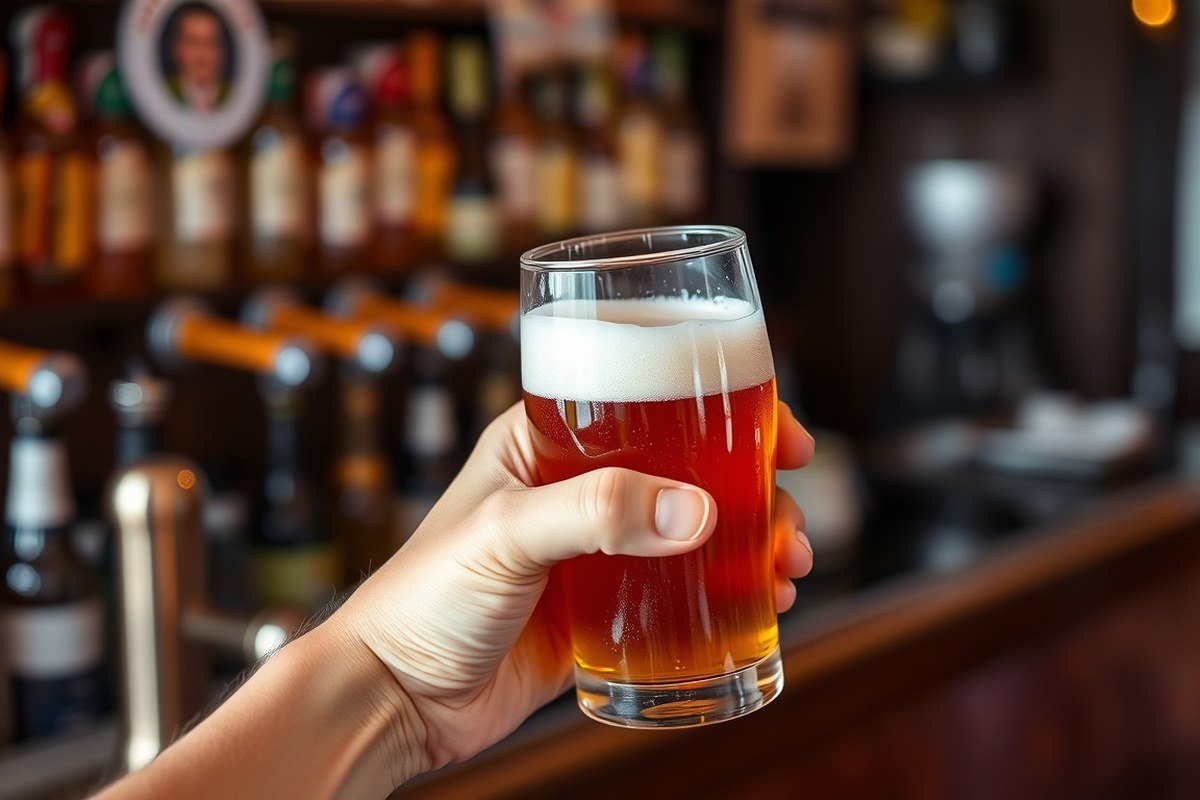
Choosing a beer that matches your taste and occasion starts with knowing your flavor preferences and the setting. Consider if you want something light, bitter, sour, or rich. For example, a crisp pilsner with a moderate 5-6% alcohol by volume (ABV) fits casual socializing or outdoor gatherings well because it is refreshing and easy to drink. In contrast, a stout with a creamy texture and a higher alcohol content anywhere from 4-10% suits chilly evenings or slower-paced moments when you want a decadent, warming drink.
Balancing flavor and alcohol content is key. Lighter beers like pilsners and pale ales generally have lower ABV (4-6%) and milder flavors, making them a safe choice that won’t overpower your palate or dull your senses if you plan to have several drinks. Stronger brews labeled “Imperial” or “Double” often exceed 8% ABV and pack a pronounced bitterness or intensity; they work well when you want a memorable beer or just a smaller quantity with a bigger kick.
Matching the beer style to the mood or event improves your drinking experience and avoids disappointment. For example, sour beers with tangy, effervescent notes and 3-7% ABV refresh on hot days or complement spicy food. Meanwhile, strong porters or stouts with roasted, smooth flavors pair nicely with hearty meals. Choosing beers that suit both taste and setting helps you enjoy each sip and feel confident in your selection.
- Light and easy beers like pilsners or wheat beers for daytime or casual hangouts
- Hoppy pale ales or IPAs for a flavorful, moderately bitter choice if you like boldness
- Sour beers for a tart, refreshing option that pairs with adventurous food or warm weather
- Stouts or porters for smooth, creamy textures and deeper flavors during cooler nights or relaxing moments
- Imperial or double-strength beers for high alcohol and intense flavor when you want to savor slowly
Begin by skimming the beer menu or taps to identify styles that suit your taste and setting. This takes less than a minute at most bars. Then, narrow your choice by considering the alcohol level you prefer based on how many drinks you expect to have. Keep in mind the typical serving size: 12 ounces for bottled or canned beer and 16 ounces on draft, so a higher ABV beer will hit you faster. Avoid spending $10 or more on an unfamiliar beer without guidance, especially if it may not match your preferences. Instead, use this taste-and-occasion checklist to pick beers that improve your experience and fit the environment you’re in.
2. Understand Beer Styles and What They Taste Like
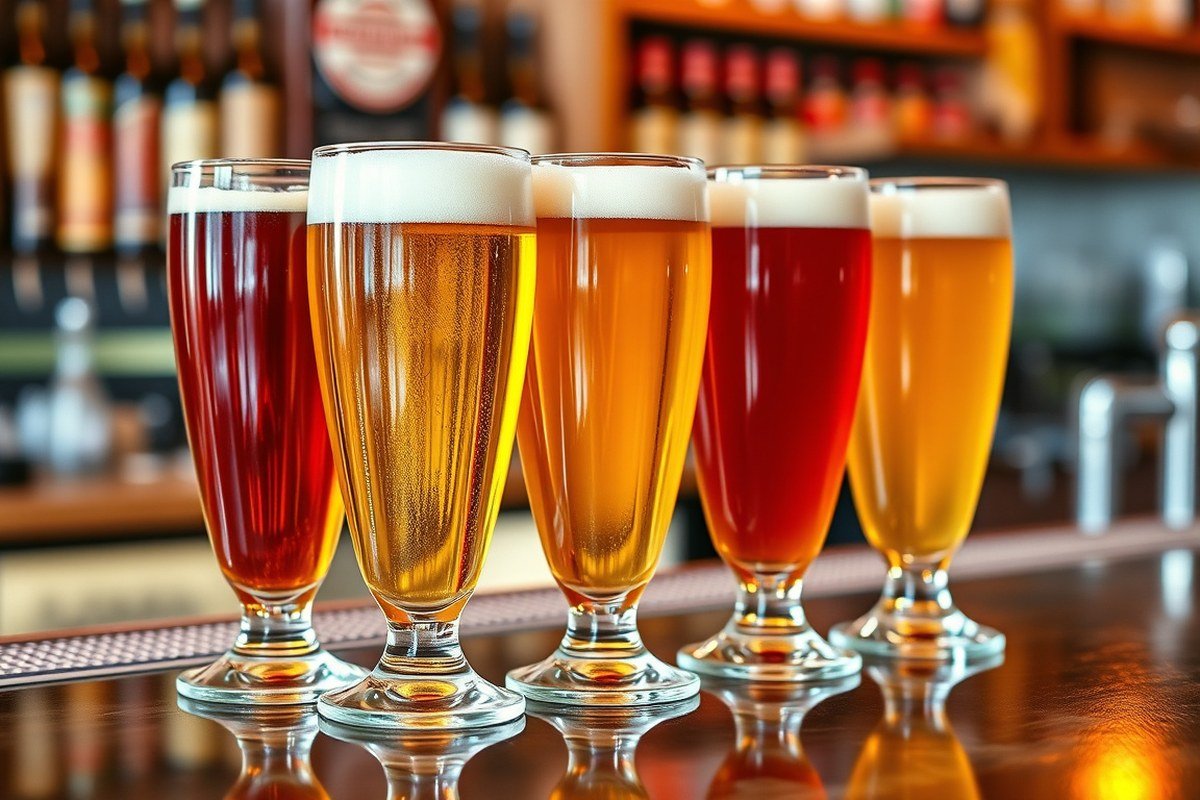
Knowing the style of beer helps you predict its flavor, strength, and how it was brewed. Beers fall mainly into two categories based on yeast: ales and lagers. Ales use top-fermenting yeast that works at warmer temperatures (61 to 75°F). This quick, warm fermentation creates more complex, fruity, or spicy flavors. Lagers use bottom-fermenting yeast at cooler temperatures, producing cleaner, crisper tastes.
Common styles you’ll see at bars include IPAs, stouts, pilsners, and sours. IPAs (India Pale Ales) are a type of pale ale, usually hoppy and aromatic. Stouts tend to be dark and roasty with flavors like coffee or chocolate. Pilsners are a type of lager that uses Saaz hops for a distinct floral aroma and a crisp finish. Sour beers have a tart, sometimes fruity tang from special fermentation or added fruit.
Alcohol by volume (ABV) varies widely by style. Light lagers might be around 4% ABV, while strong ales and stouts can exceed 7% ABV. Understanding these ranges helps decide what fits your taste and the occasion.
| Beer Style | Typical ABV Range | Flavour Notes | Yeast Type & Fermentation |
|---|---|---|---|
| Lager | 3.5%, 5% | Crisp, clean, mild malt | Bottom-fermenting, cool (45-55°F) |
| Ale | 4.5%, 7% | Varies from fruity to malty | Top-fermenting, warm (61-75°F) |
| IPA (India Pale Ale) | 5%, 7.5% | Hoppy, floral, bitter | Top-fermenting, warm |
| Stout | 5%, 8% | Roasty, coffee, chocolate | Top-fermenting, warm |
| Pilsner | 4.5%, 5.5% | Floral, crisp, slightly bitter | Bottom-fermenting, cool |
| Sour | 4%, 6% | Tart, fruity, funky | Mixed cultures, variable temps |
Try starting with one style you think you’d enjoy, and note what flavors or aromas stand out. Sampling different types reveals which ingredients you like most, whether it’s hop bitterness or malty sweetness. This knowledge helps you order smarter next time and avoid beers that might not suit your palate.
Tip: Don’t hesitate to ask your bartender to explain the beer styles on the menu; a quick description can save you from ordering something too bitter or too strong on your first try.
3. Read and Decode the Beer Menu Quickly
To quickly find a good beer on any bar menu, focus on key abbreviations, prices relative to beer type, and freshness details. These points guide you to a satisfying choice without needing to read every detail carefully. Decoding the menu step-by-step saves time, especially when bars are busy.
Spotting Key Terms and Abbreviations
Look for common beer style abbreviations such as IPA (India Pale Ale), Stout, Lager, Pilsner, or Wheat. Abbreviations like ABV (Alcohol By Volume) and IBU (International Bitterness Units) provide quick insight into strength and bitterness level. Knowing these lets you zero in on what fits your taste.
Bars often list beers by name followed by style, ABV, and sometimes IBU. For example: “Maplewood IPA 6.5% ABV, 60 IBU.” This tells you the type, strength, and bitterness in one glance. Terms like “draft” or “on tap” indicate beers served fresh from the keg, while bottled or canned mentions confirm packaging.
Estimating Price and Value
Compare prices to estimate whether a beer offer matches quality and your budget. Craft beers often cost between $6 to $9 for a standard 16-ounce draft, while imports or specialty brews can run higher. Mass-produced domestic lagers tend to be cheaper, around $4 to $6.
Prices often rise with higher ABVs or more complex styles, which cost more to produce. A $7 IPA at 7% ABV is likely a fair deal, whereas a $7 light lager at 4% might be overpriced. Also, keep an eye out if a beer’s name is from a well-known brewery, which can justify higher cost.
Checking Freshness and Brewery Info
Freshness impacts taste especially for hoppy styles like IPAs. Menus sometimes note the brew date or “fresh batch,” signaling that the beer is not old stock. Ask or look for indicators such as “brewed on” or “packaged on” dates if visible.
Locally brewed beers often promise fresher pours and support smaller breweries. Look for brewery names and locations on the menu; small craft breweries produce less than 2 million barrels per year and often highlight freshness as a selling point. Fresh beer generally tastes brighter and more balanced. Use these steps to decode a beer menu quickly in any bar setting and pick a beer with confidence:
- Scan the beer styles and abbreviations to identify tastes you prefer (e.g., IPA, Lager).
- Check the ABV to ensure the alcohol strength matches your preference and occasion.
- Note the price next to each beer to spot reasonable value relative to style and strength.
- Look for brewery names to decide between local craft brews and larger brands.
- Search for freshness indicators like “brewed on” dates or “fresh keg” notes.
- Decide quickly if the bar is busy, prioritizing beers with clearer info and reasonable prices.
- Remember that draft beers often provide better freshness than bottled or canned when on tap.
4. Ask the Bartender for Recommendations Like a Pro
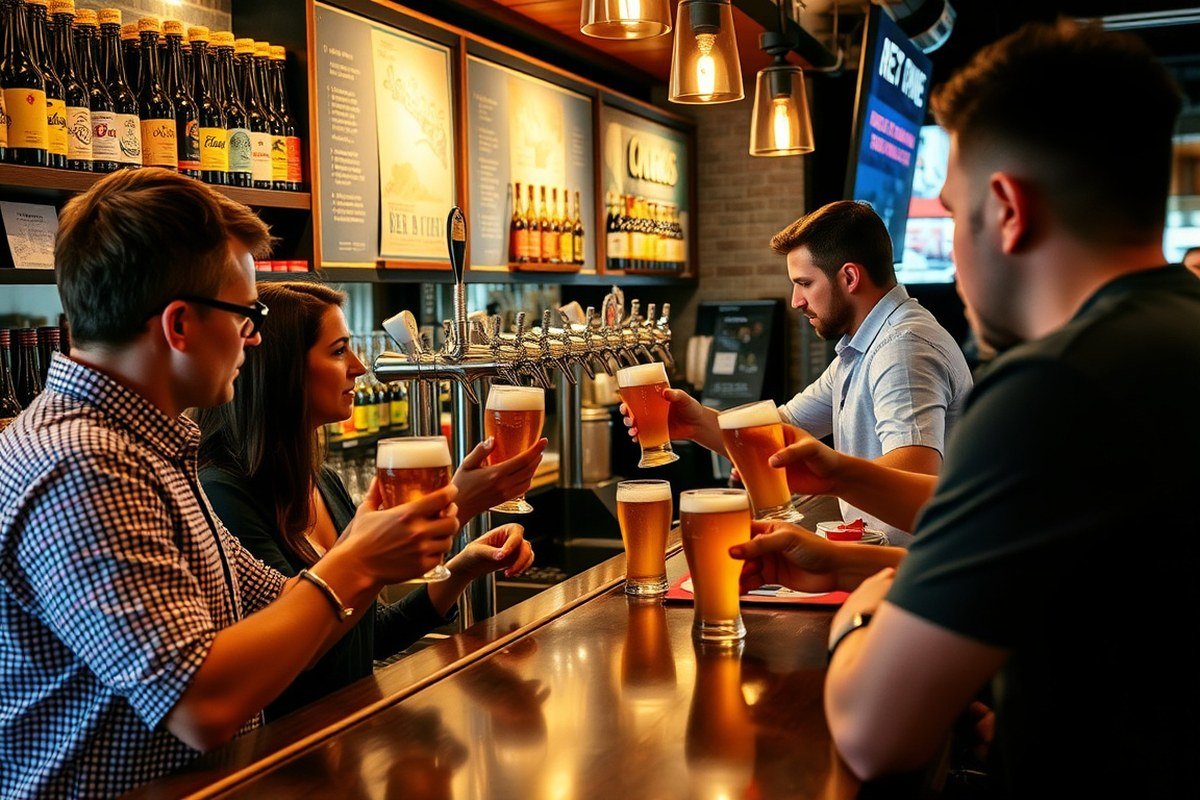
Getting solid beer recommendations from bartenders without causing delays or awkwardness depends on timing, clear communication, and reading the bar’s pace. Approach when the bartender is free, use specific but concise questions, and signal politely if the bar is busy. This method helps you discover beers you’ll enjoy while keeping the flow smooth behind the bar.
Timing Your Request for Bartenders’ Attention
Choose moments when the bartender isn’t juggling multiple orders. When the bar gets busy, avoid jumping in right away or standing where the bartender can’t spot you. Wait for a lull, then step up visibly.
Raise your hand slightly or make eye contact to catch their attention without shouting. Avoid standing behind seated customers or behind taps where the bartender can’t spot you quickly. This shows respect for their workflow and increases your chances of getting quick service.
What Questions to Ask for Tailored Suggestions
Be clear and specific about your taste preferences or what you’re in the mood for. This helps the bartender narrow down options fast and recommend something you’ll appreciate. Use scripts like these to get good results:
- “I usually like IPAs but want to try something new, what do you recommend on draft?”
- “Can you suggest a stout similar to Guinness?”
- “Any seasonal beers or specials you think I should try tonight?”
- “Do you have something light and refreshing around 5% ABV?”
- “What’s the house favorite that people don’t usually order?”
Asking about alcohol content, bitterness (IBU), or flavor profile (fruity, malty, hoppy) guides the bartender quickly. Mentioning a favorite beer style such as pilsner, porter, or sour helps narrow down your options for better recommendations.
Polite Ways to Signal You Need Help
Crowded bars call for quick decisions; have your questions ready and be prepared to order as soon as the bartender offers their suggestion. A polite approach works best. Try phrases like:
- “Hey, when you have a quick second, could you help me pick a beer?”
- “I’m ready to order but could use a quick beer suggestion.”
- Raising your hand slightly while making eye contact without calling out loudly.
Showing patience and understanding of how busy the bartender is encourages better service. Generosity with tips usually improves the experience, too.
5. Compare Draft, Bottled, and Canned Beer Differences
Deciding between draft, bottled, and canned beer comes down to how freshness, taste, and price matter to you. Draft beer is usually fresher at bars because kegs are stored cold and used quickly, but that’s only true if the tap lines are cleaned regularly. Bottled and canned beers often undergo pasteurization to extend shelf life, usually around three months, so they can last longer but might not be as fresh as draft on their first pour.
Packaging affects flavor because light and oxygen can degrade beer quality. Bottles, especially clear or green ones, can allow light exposure which may alter taste. Cans block out light completely and protect the beer better from oxygen contact. Draft beers have an advantage in that they rarely get exposed to oxygen after being tapped, but bacteria buildup in poorly maintained tap lines can distort flavor over time.
| Aspect | Draft Beer | Bottled Beer | Canned Beer |
|---|---|---|---|
| Typical Freshness | Usually fresher if tap lines are clean and beer rotation is fast | Up to 3 months shelf life due to pasteurization | Similar to bottled but better at blocking light and oxygen |
| Taste Impact | Good flavor; risk of off-flavors from dirty lines | Possible lightstruck flavor if bottle is clear or green | Least risk of flavor alteration from packaging |
| Price | Often cheaper per serving at bars | Usually slightly more expensive than draft | Price similar to bottled, sometimes less in stores |
| Convenience | Only available on-site | Portable but fragile | Portable, lightweight, and durable |
| Variety at Bars | Limited to what is on tap | Often wider selection available | Often same options as bottled |
Draft shines when you want the freshest taste and usually better prices, especially if you’re at a bar with clean taps and frequent keg changes. Bottled beer can be better if you’re concerned about tap quality or if you want to avoid bacteria that build up in tap lines. Check the packaging date on bottled or canned beer to make sure it’s fresh. Cans offer the best protection from light and oxygen, making them a good pick for beers that travel or sit on shelves longer.
Choose draft at bars where the tap system looks well maintained and the beer is served cold. Opt for bottles or cans if you prefer a known packaging date, want to avoid tapline issues, or enjoy specific beer styles that might not be available on draft. Price differences usually favor draft beer at bars, so it can be a more budget-friendly choice if freshness and bar hygiene are solid.
Practical tip: Always ask the bartender about tap line cleanliness and how often kegs are rotated to ensure the draft beer you order is fresh and tastes as intended.
6. Customize Your Beer Order for the Best Experience
Selecting the right glass for your beer can make a big difference in how it tastes and smells. Different glasses are designed to highlight certain qualities in various beers, such as aroma retention, head preservation, and temperature control. Choosing the proper glass improve these aspects, making your beer experience more enjoyable. Some of the most common beer glasses and their ideal pairings include:
- Pint glass (16 fl oz/470 ml): Versatile and standard for many styles, especially lagers, ales, and IPAs.
- Pilsner glass: Tall, slender, and tapered to showcase the clarity and carbonation of light beers like pilsners and light lagers.
- Snifter: Short and wide with a narrow top, perfect for stronger beers like barleywines, imperial stouts, or Belgian ales to concentrate aroma and warmth.
- Tulip glass: Curved inward near the top to trap aroma, ideal for Belgian ales, IPAs, and saisons.
- Weizen glass: Tall and curves outward at the top, designed for wheat beers to hold large foamy heads and release banana and clove notes.
- Stein or mug: Thick and sturdy, good for casual drinking with lagers or German-style beers.
You can usually ask the bartender for a specific glass if the bar offers multiple options. Using the correct glass is especially worth it if you plan to savor your drink or share a tasting experience. Without the right glass, subtleties in aroma and taste might get lost, leaving your beer flat or less aromatic.
How your beer is poured also affects the finale. Most beers taste best when poured gently at a 45-degree angle into a clean glass. This approach reduces excessive foam and preserves carbonation. As the glass fills, you can straighten it to create an ideal one- to two-finger head, which improve the aroma and visual appeal.
You can ask bartenders to pour your beer with more or less foam based on your preference. For example, a thicker head suits aromatic beers like IPAs, while a thinner head works better with lighter lagers. Clear communication like “Could you pour it slowly with a nice head?” usually works well. Some bars allow slight customization but may charge extra if you want special garnishes or unusual pour styles.
Speaking of extras, garnishes like lemon or orange slices commonly accompany some wheat beers and certain Belgian styles. Adding these can brighten flavors but don’t add them unless you’re sure it complements the beer’s profile. For most beers, it’s better to enjoy them as brewed without added flavors, as garnishes can overpower subtle tastes.
Customizing your beer order by selecting the right glass and pour style can improve the taste and aroma, giving you a richer experience without extra cost. Just mention your preferences clearly but politely to the bartender to keep the atmosphere friendly. A careful pour in the right glass usually results in a clean, refreshing beer with a perfect head for both aroma and appearance.
7. Manage Cost and Tips When Ordering Beer at Bars
Tipping on beer orders usually means giving your bartender about $1 per beer or 15-20% of the total bill if you’re running a tab. This helps keep good service coming and supports the staff who often rely on tips as part of their income. When ordering expensive craft beers, the tip doesn’t need to increase proportionally. A dollar per beer still works well, though some people add a little extra on pricier items out of appreciation for specialty offerings.
Keeping track of your spending while trying new beers prevents surprises on the bill. Sampling flights are a smart choice because they give you smaller pours of 4 or 5 different beers at a set, often lower cost than ordering full pints. Another cost saver is sharing pitchers or split orders with friends, which cuts price per drink and broadens your tasting options.
- Tip at least $1 per beer, or 15-20% of your total tab
- For flights, tip on the whole cost, not per sample
- Ask about prices before ordering unfamiliar or craft beers
- Choose flights or share pitchers to reduce cost per beer
- Try small pours before committing to a full glass
- Keep the bartender informed if you’re on a budget
- Tip extra for excellent service or pouring rare beers
Not asking about prices can quickly lead to overspending, especially on beers with unique ingredients or small-batch production. Checking the menu closely and asking the bartender for recommendations within your price range helps you stay within budget. Sample first by ordering a smaller pour or a flight to find what you enjoy without paying for a full pint of beer you don’t like. Bartenders appreciate honesty about your budget and taste preferences, which can lead to better suggestions and a more enjoyable experience.
8. Use Your Senses to Evaluate a Beer Before Committing
Using your senses to check a beer before you commit to a full glass helps you avoid wasting money and ensures you enjoy your drink. Start by looking closely at the beer’s color and clarity, then sniff for inviting or off-putting aromas. Finally, take a modest sip to see if the flavor suits your taste. This step-by-step approach reveals clues about freshness and style that matter to your experience.
Inspecting Color and Appearance
Color lets you anticipate a beer’s flavor profile before you taste it. For example, pale lagers are usually light and crisp, while darker beers like stouts have roasted flavors. Also, clarity shows how well the beer is filtered or if it has sediment, which is sometimes intentional. Hold your glass up against a white background. Look for these qualities:
- Color: Shades range from pale gold to deep black; rich amber or ruby reds suggest maltier beers.
- Clarity: Clear beers mean filtration; cloudy or hazy can mean unfiltered styles or spoilage.
- Head and bubbles: A foamy head signals carbonation and freshness; a flat beer may be stale or poorly kept.
Cloudy beers aren’t always bad, but excessive haze or floating particles can indicate freshness issues or contamination.
Smelling for Aromas and Off-Notes
Smell reveals much about the beer’s ingredients and condition. Aromas range from floral hops and citrus to caramel malt or dark chocolate depending on style. You can also detect signs of spoilage like sourness or a wet cardboard smell. Bring the glass to your nose and inhale gently:
- Take a light sniff to notice the general aroma intensity.
- Try to identify key scents like hops, malt, yeast, or fruitiness.
- Check for unpleasant odors such as sulfur (rotten eggs), vinegar-like sourness, or a musty mildew scent.
Freshness matters; a beer past its best-by date or kept improperly may have unwanted aromas that spoil the drinking experience.
Don’t ignore off smells, sending back a beer with strong sour or skunky notes can save you an unpleasant glass.
Tasting and Deciding If You Like It
Taste takes more attention than just a sip; focus on the beer’s balance of sweetness, bitterness, and any fruit or spice flavors it may have. You’ll also notice the mouthfeel, such as whether it’s light and crisp or heavy and creamy. Follow these steps to evaluate taste:
- Start with a small sip and let the beer spread across your tongue.
- Notice the initial flavors, then the mid-palate taste, and finally the finish after swallowing.
- Evaluate bitterness level, is it sharp or mellow? Assess sweetness and any unexpected flavors.
- Decide if the beer tastes fresh or if it has off-flavors like metallic, sour, or overly yeasty notes.
Some styles have a distinct sourness or funk, so knowing a bit about the style helps you decide if these flavors fit your preference or indicate a problem.
Trust your palate: don’t hesitate to send back a beer that tastes off or stale, especially if freshly poured.
Step-by-Step Action Plan for Picking the Right Beer at a Bar
Follow these steps next time you’re at a bar to find a beer you’ll enjoy without feeling lost or overwhelmed.
- Before You Order: Look over the beer menu to spot styles you like or want to try. Recognizing a few favorites means you’re on the right track.
- At the Bar: Ask the bartender for one recommendation based on your taste preference and occasion. You get personalized guidance when they suggest a beer you’re curious about.
- Ordering Time: Choose draft, bottled, or canned based on freshness and your setting. Your choice is suitable when your drink arrives well-poured and cold.
- First Sip: Use your senses, look at the color, smell it, and taste the first few sips, to decide if you want to continue. You’ll know it’s a good pick if the beer matches your preferred flavors.
- During Your Visit: Customize your next beer order by adjusting pour size or trying a sampler if available. Enjoying different portions means you’re tailoring the experience to your preferences.
- Before You Pay: Keep an eye on cost and tip appropriately based on service and price. Feeling good about your bill means you managed your budget wisely.
Frequently Asked Questions
How Do I Decide on a Beer If the Menu Is Overwhelming?
Focus on a beer style you usually enjoy or ask the bartender for a popular choice to narrow down your options quickly. This keeps things simple and reduces the risk of ordering something you won’t like.
What Should I Consider When Ordering a Beer During Happy Hour?
Check the happy hour menu for discounts on draft or bottled beers and choose based on price and your taste preference to get the best deal. This helps balance enjoyment and cost.
Can I Ask for a Sample Before Ordering a Full Beer at a Bar?
Yes, many bars offer samples especially for craft beers, so ask politely for a small taste to avoid wasting money on a beer you might not like. Samples help you make a confident choice.
How Does the Type of Glass Affect My Beer Experience at a Bar?
The right glass size and shape can improve the aroma and flavor of your beer, so ordering a beer with its traditional glass can improve your drinking experience. Don’t hesitate to request the correct glass.
Should I Tip the Bartender When Ordering Just a Beer?
It’s customary in many places to tip at least $1 per beer regardless of cost to show appreciation for the service. Tipping helps maintain good relations with bar staff for future visits.
What’s the Best Way to Handle a Busy Bar When Ordering Beer?
Stay calm and patient, have your order ready, and keep your questions brief to get served faster. Being polite and prepared speeds up the process for you and everyone else.
Final Thoughts
Confidence grows with practice, so keep trying new beers with these tips in mind to build your palate and ordering skills. Next time you’re at a bar, take a moment to engage the bartender, it’s the best way to find a beer you’ll enjoy without second-guessing. Trust your senses and preferences to guide you toward the perfect choice every visit.