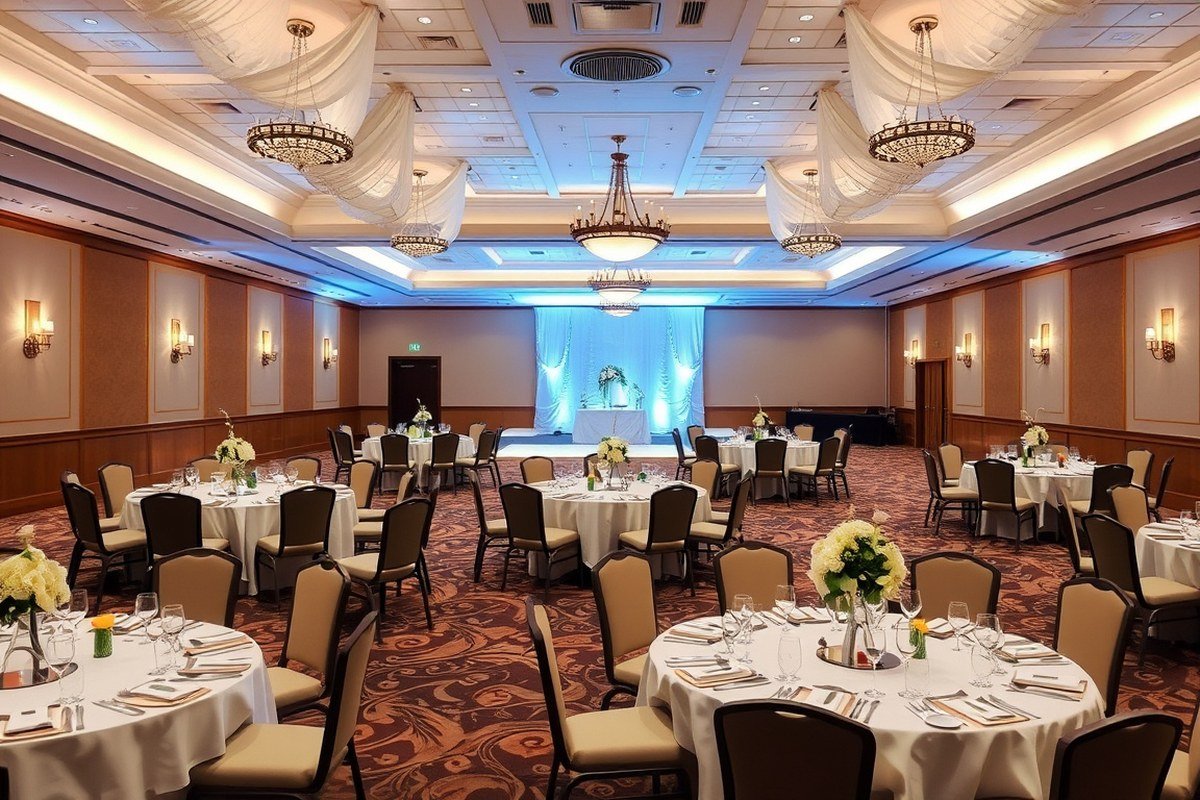
How to Choose a Banquet Hall: A Complete Guide for Perfect Event Planning
Choosing the right banquet hall means finding a space that fits your guest count, event style, and budget while offering essential amenities and accessibility. How to choose a banquet hall involves comparing sizes, services, and costs upfront to avoid surprises and create a comfortable, memorable event. This advice is for couples, party planners, and hosts aiming for a smooth venue selection and a perfect event experience.
You’ll get clear tips on matching hall size to your needs, spotting hidden fees, asking the right questions during tours, and timing your booking for the best price and availability. These points help you make confident decisions whether planning a wedding, corporate event, or special celebration.
Key Takeaways
- Estimate your guest count accurately to avoid cramped or overly spacious banquet halls.
- Allow 4 to 6 months’ lead time, or up to 12 months for popular venues, to secure your preferred date.
- Budget at least 30% above food and beverage minimums to cover taxes and gratuities.
- Check venue accessibility details, like aisle widths and accessible routes, to accommodate all guests.
- Include a 10-20% contingency fund in your budget to cover unexpected costs.
- Compare the amenities offered, such as tables, chairs, linens, and catering options, before deciding.
What Is a Banquet Hall and Why Choose One?
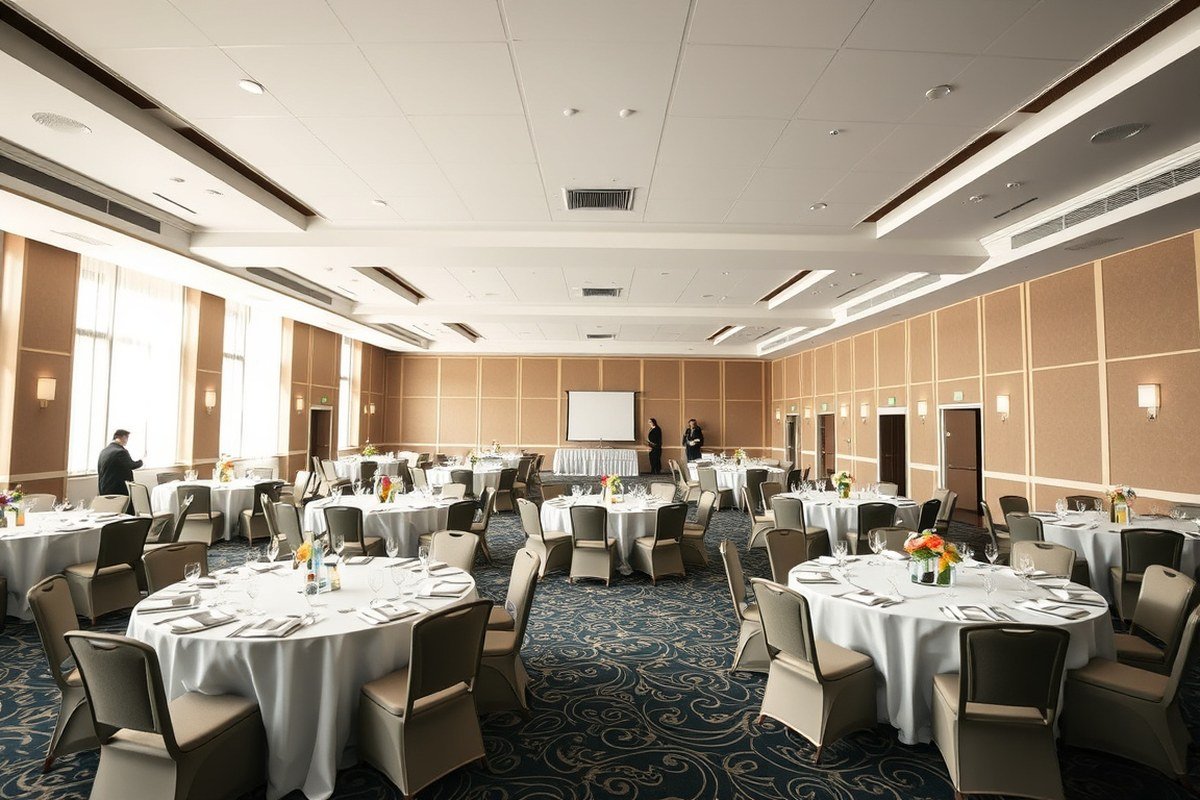
A banquet hall serves as an indoor venue tailored for hosting formal events like weddings, anniversaries, corporate banquets, and parties with seated dining. These venues usually come equipped with tables and chairs, and often provide catering services on-site. Having these amenities in one place reduces the complexity of organizing an event by covering dining, seating, and often extra features such as décor and lighting.
Choosing a banquet hall makes the most sense when weather uncertainty is a concern, since these venues provide a climate-controlled environment protected from rain, wind, or extreme temperatures. This protection means your event schedule stays intact without backup plans or last-minute disruptions. Banquet halls usually have excellent accessibility features such as wide aisles, ramps, and accessible restrooms, accommodating guests with disabilities better than many outdoor venues. They also often come with ample parking, easing arrival and departure logistics for larger groups.
Many banquet halls include event planners or coordinators who can assist with layout options, décor suggestions, and vendor recommendations. This service helps you create a cohesive event atmosphere without needing to manage every detail on your own. In addition, venues that offer packages bundling venue rental with catering, linens, tables, and chairs often deliver better overall value than renting everything separately. For example, booking a wedding banquet hall with included catering can reduce stress and hidden costs compared to piecing together a venue plus external food service.
While banquet halls excel in flexibility of décor and setup, allowing you to match the space to your event theme, there is a potential tradeoff around scheduling and exclusivity. Large venues may host multiple events in the same building on the same day, which could affect privacy and noise levels. Also, banquet halls tend to be pricier than community centers or outdoor sites, with wedding costs ranging roughly from $2,400 to over $20,000 depending on location, size, and included amenities. This price reflects the convenience of an all-in-one venue with professional event support and often more extensive facilities.
Touring a banquet hall is the best way to confirm if it meets your needs. Pay close attention to how the space feels for your guest count and event style. Check accessibility options, parking availability, and the included services. A space that fits well and offers strong logistical support can keep your event running smoothly, helping you focus on your celebration rather than juggling multiple vendors or weather concerns.
Types of Banquet Halls and Their Pros and Cons
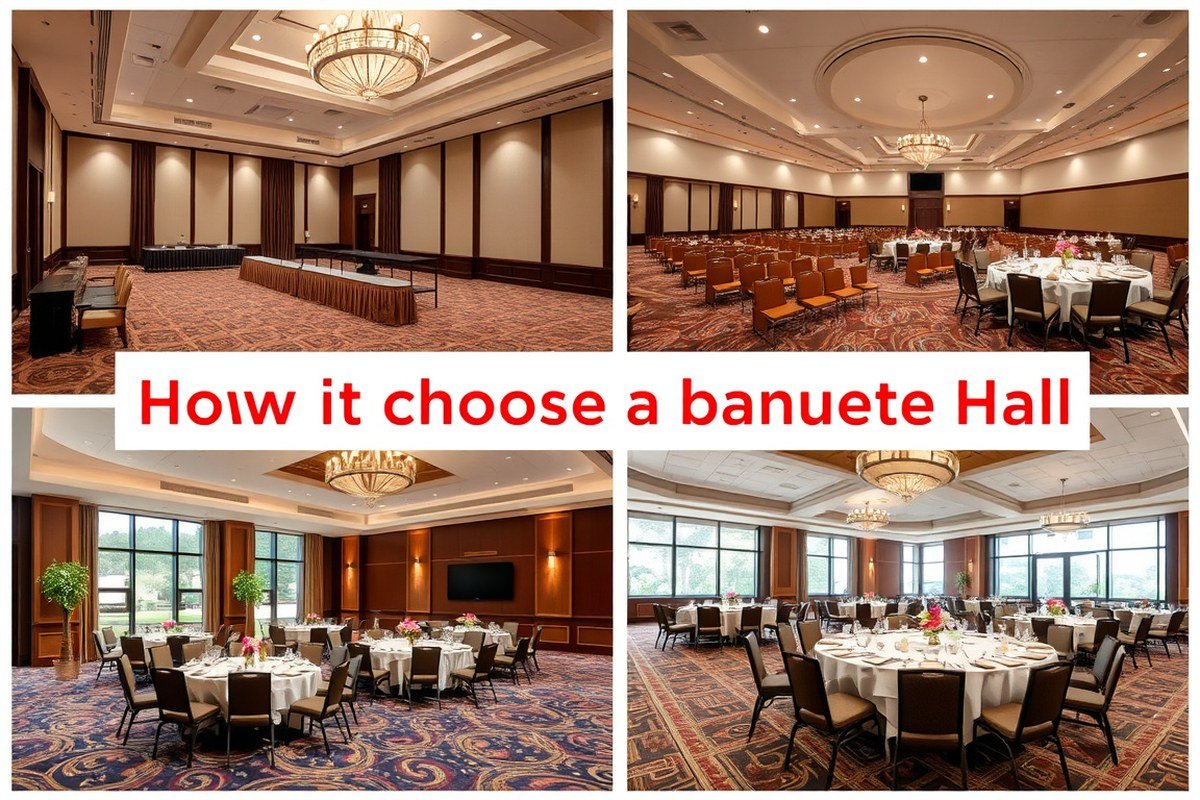
Choosing the right type of banquet hall depends on your event’s size, style, and budget. The main types include hotel ballrooms, community centers, private restaurant rooms, and dedicated celebration banquet halls. Each has unique features and tradeoffs in cost, flexibility, services, and amenities.
Hotel ballrooms often provide upscale settings with access to overnight rooms and premium hospitality. They usually come with higher price tags, especially during peak seasons or weekends. Community centers are generally more affordable and flexible but may lack the elegance and event-specific services of other venues. Restaurant private rooms offer intimate settings perfect for smaller groups but may not accommodate large guest counts or provide full event services. Celebration banquet halls specialize in hosting large, formal gatherings, balancing spaciousness with service options that fit varied budgets.
| Banquet Hall Type | Capacity | Typical Cost | Flexibility | Services & Amenities |
|---|---|---|---|---|
| Hotel Ballroom | 100, 500+ guests | Higher rates, influenced by peak season and day | Moderate; often tied to hotel policies | Overnight rooms, full catering, dressing rooms |
| Community Center | 50, 300 guests | Lower, rental fees only | High; you often bring your own vendors | Basic facilities, limited catering |
| Private Restaurant Room | 10, 75 guests | Mid-range, usually linked with food & drink minimums | Low; less flexible on decor and layout | On-site catering, less space for extras |
| Celebration Banquet Hall | 100, 400 guests | Moderate to high, dependent on customization | High; designed for formal events | Specialized event coordination, full service |
Price and flexibility often move in opposite directions. Hotel ballrooms come with complete services like catering, AV support, and dressing rooms that can ease planning but usually at a premium cost. Community halls give you the freedom to control every detail but require coordinating outside vendors and extra setup. Private restaurant rooms suit smaller, casual gatherings where budget control matches the simpler environment, yet they limit decoration and timing options. Celebration banquet halls often strike a balance, especially when your event needs formal service with moderate flexibility.
Confirm the specific services included in your banquet hall rental to avoid unexpected costs, especially with catering and vendor restrictions.
Knowing your guest count, style of event, and must-have amenities upfront narrows your choices effectively. Also, consider how each venue’s offerings align with your vision: a hotel ballroom may impress, but a community center may encourage a more relaxed atmosphere and lower expenses. The best approach is comparing these venues side by side against your event goals and budget to find the right fit without overspending or sacrificing key features.
Matching Banquet Hall Size to Your Guest Count and Event Style
Choose a banquet hall that comfortably fits your guest list by calculating the space needed for seating, aisles, service areas, and any entertainment like dance floors. The right size depends on your event style and how you plan to arrange tables and flow. Use room capacity limits combined with your desired layout to ensure guests won’t feel cramped or the space too empty.
Understanding Room Capacity Limits
Room capacity varies based on how you use the space: seated dinners require more room per person than standing or cocktail-style events. Fire codes often set maximum occupancy based on factors like chair spacing, table size, and emergency exits. For example, each seated guest typically needs about 15 to 20 square feet, while standing events might only require 7 to 10 square feet per person. Knowing these limits helps prevent overcrowding and ensures safety.
Start by listing your guest count, then multiply by the space per person needed for your event style. If you expect 100 guests at a sit-down dinner, aim for a banquet hall that offers at least 1,500 square feet plus extra room for aisles and staff movement. This buffer avoids tight seating that can disrupt guest comfort and service.
Layout Options for Different Event Styles
The style of your event determines your layout and space needs. A formal sit-down dinner uses round tables spaced 5 to 6 feet apart to allow easy movement. For informal events, like cocktail receptions, use high-top tables and open floor plans that require less space per guest. Corporate meetings often need theater-style seating that fits more guests into a smaller area.
Decide on your seating arrangement early. For round tables seating 8 guests, allocate about 100 square feet per table including space for chairs and aisles. For banquet-style seating with long tables, fewer square feet per guest might be needed, but consider extra room for buffet stations or presentation areas. Planning the layout avoids surprises on event day and keeps the atmosphere inviting.
Accounting for Dance Floors and Buffet Areas
Space for dancing and dining service affects total room size significantly. A dance floor typically takes up 10 to 20 percent of the total guest area. For 100 guests, a 200-square-foot dance floor allows many to join without crowding. Buffet lines need at least 10 to 15 linear feet of space plus room for guests to queue comfortably without blocking exits or other areas.
When adding a bar area, consider staffing needs and guest flow around the hall. Setting aside about 100 to 150 square feet for the bar ensures efficient service. Calculate your total space by adding seating area, buffet, bar, and dance floor plans. Choosing a room that supports this combined layout keeps your event smooth and enjoyable for guests.
Essential Amenities and Accessibility Features to Check
Prioritize banquet halls with essential amenities like clean restrooms, reliable audio-visual equipment, and clear accessibility routes to keep your guests comfortable and engaged. Confirm these features ahead of time by inspecting the venue and asking detailed questions. Checking these amenities ensures a smooth event flow and inclusive environment for all attendees.
Restrooms and Accessibility Routes
Restrooms are critical for guest comfort, so verify the number and condition of facilities. A good rule of thumb is at least one restroom per 50 guests to avoid long waits. Confirm the restrooms are clean, stocked, and conveniently located near the event space. Accessibility is equally important; check for ramps, wide doorways, and elevators if your event includes elderly or disabled guests.
Examine the venue’s layout to ensure guests won’t need to take long detours due to inaccessible paths. The venue should have signage directing guests to accessible entrances, restrooms, and event areas. Don’t hesitate to ask the venue manager for a mobility access map or tour to confirm compliance.
Audio-Visual and Technology Features
Audio-visual (AV) equipment is critical for presentations, speeches, and music. Ask what is included: common items are microphones, speakers, projectors, screens, and adjustable lighting. Confirm the sound system’s quality and setup options to prevent technical issues. If you plan to connect a laptop or use video, check that the venue supports your devices and formats.
Wi-Fi access is increasingly important for guests and event coordination. Confirm whether the venue offers strong Wi-Fi coverage throughout the hall and surrounding areas. Inquire about the network’s speed and capacity, especially if your event involves live streaming or requires multiple users online simultaneously.
- Microphones (wired and wireless) and speakers system
- Projector and large display screens
- Lighting controls for ambiance and presentations
- Reliable, high-speed Wi-Fi with guest access
- On-site AV technician or support staff availability
- Compatibility with personal devices and media formats
Good AV systems ensure all guests hear and see clearly, elevating the event experience. Avoid venues requiring you to rent external equipment separately, which can add cost and complexity.
Parking and Guest Arrival Considerations
Parking availability impacts your guests’ arrival experience and should be convenient and sufficient for your expected attendance. Medium importance doesn’t mean you can overlook it, lack of parking or difficult access could frustrate guests or delay start times. Ask the venue how many parking spaces are available and if overflow parking options exist.
Check if the venue offers valet service or has handicap-accessible parking spots close to the entrance. Confirm that paths from parking areas to the venue are well-marked, well-lit, and accessible for people using mobility aids. Consider arranging shuttle services if parking is limited or far away from the hall.
Budgeting for a Banquet Hall: Costs and Hidden Fees
Expect banquet hall rental costs to vary widely, often between $500 and $5,000 depending on location, size, and day of the week. Peak wedding seasons and Saturday evenings generally command the highest prices due to demand. Beyond the rental fee, prepare for extra charges such as catering, taxes, gratuities, and various service fees that can inflate your budget rapidly.
Good budgeting starts by requesting an itemized price quote from the hall’s catering sales manager. This should detail all incidentals like corkage fees, setup and teardown costs, overtime charges, cleaning fees, and security deposits. An all-inclusive package might look simpler but sometimes includes per-person catering fees on top of the rental price, so clarifying what’s included helps avoid surprises on your bill.
| Expense Category | Estimated Cost Range |
|---|---|
| Rental Fees | $500, $5,000 |
| Catering (per person) | $30, $150 |
| Decorations | $200, $2,000 |
| Setup Fees | $100, $1,000 |
| Contingency Fund | $100, $1,000 |
Adding a contingency fund of about 10% to 20% of your total budget can cover unexpected costs that arise during event planning. For example, if you estimate $3,000 for the venue and catering, you should set aside $300 to $600 extra. This cushion helps avoid last-minute stress if you encounter overtime fees or need extra decorations.
Pricing fluctuates with the day and season. Saturday evenings are typically the most expensive, so consider booking on a weekday or during an off-peak month for cost savings. Keep in mind that if you book during the popular wedding seasons or holidays, prices can be higher and availability tighter.
Always get a fully itemized contract before signing and factor in at least 10% extra to cover hidden fees and gratuities.
Negotiating can help reduce costs, especially if the hall already provides tables and chairs, which you might be able to include in your rental. Knowing all fees upfront protects you from unexpected charges and helps you decide if the banquet hall fits your overall budget and event needs.
Questions to Ask When Touring and Comparing Venues
When touring and comparing banquet halls, asking detailed questions reveals important information about the venue’s policies, logistics, and possible extra costs. This helps you avoid surprises later by knowing what’s included, what’s restricted, and how your event timeline will work. Preparation with a clear list of questions and a checklist is essential to make a smart, informed choice.
Booking and Cancellation Policies
Start by understanding the contract terms around deposits, payments, and cancellation. Ask for the payment schedule: when the deposit is due, if there are installment deadlines, and the final payment date. Verify the cancellation policy carefully, how refundable your deposit is and what time windows allow for full or partial returns. Some venues may allow rescheduling with fees or conditions, which is important if changes arise.
Clarify the minimum notice required for cancellations or date changes, and whether penalties increase closer to the event date. Getting this timeline in writing protects your budget and plans. Also, confirm if any additional fees apply if your expected guest count changes significantly.
Vendor and Catering Rules
Knowing the venue’s rules on catering and outside vendors keeps your plans realistic. Ask whether the hall provides in-house catering and if so, whether you must use it exclusively. If outside caterers are allowed, check if there are vendor restrictions such as licensing, insurance requirements, or preferred vendor lists.
It’s critical to ask about vendor arrival times, delivery and setup protocols, and whether the venue charges extra for outside vendor use. Some places limit types of decorations, noise levels, or alcohol service, so confirm those policies now to avoid last-minute conflicts. A clear understanding of these rules can save money and headaches.
- Allowed vendors and any approved vendor lists
- Catering options: in-house or external allowed?
- Vendor insurance and licensing requirements
- Rules on deliveries, setup, and breakdown timing
- Restrictions on decorations, music, and alcohol
- Liability for vendor damages or mishaps
- Additional fees for vendor services or outside suppliers
Confirm whether the venue handles food allergies, menu flexibility, and guest count adjustments efficiently. This ensures your catering will run smoothly.
Setup, Access, and Event Timing
Discuss logistics about when you can access the space for setup, including how early you can arrive and how late you must be out. Many venues restrict setup times and require prompt room turnover for other events, so knowing these limits helps your planning. Also, ask about rehearsal access and whether it’s included or costs extra.
Confirm the timeline for staff coordination during the event, including how many venue staff will be present and their roles. This affects everything from guest assistance to cleanup. Check if there are specific rules on parking, loading zones, or elevator usage when bringing in equipment.
- Earliest time allowed for event setup
- Latest exit time on event day
- Access for rehearsals and vendor setup times
- Number and role of venue staff present
- Parking and loading procedures for vendors
- Room turnaround time required between events
- Accessibility of restrooms, stage, or AV equipment
Ask about insurance and liability coverage for your event and vendors. Knowing who is responsible in case of damages can save legal trouble.
Decor, Catering, and Customization Flexibility
Start by asking the banquet hall directly about their catering policy. Some venues insist that you use their in-house catering to ensure food quality and service standards. This often simplifies logistics but may limit your menu choices and could raise costs, typically by 15% to 30% above outside caterers. You should choose a hall that permits outside catering when you prefer a specific caterer for dietary requirements, cultural dishes, or budget considerations. You’ll need to confirm whether they allow external caterers to use their kitchen space or require caterers to bring all equipment, which can affect setup complexity and fees.
Look closely at how the banquet hall accommodates decor and layout changes. Traditional or upscale halls sometimes have strict rules about decorations, such as limits on hanging items or open flames. Make sure the venue allows flexibility for your event theme’s unique or elaborate décor without imposing extra fees or denials. For example, venues that allow you to bring your own linens, centerpieces, or themed decorations provide more room for personalization. Also, check if you can rearrange tables and seating to match your event flow. A space that lets you adjust layout will help you fit more guests comfortably and create a better experience.
Bar and menu options vary widely, so define what fits your event style and guest expectations. Many banquet halls offer standard bar packages, house wine, beer, and a selection of spirits, priced per person or per consumption. Premium packages with specialty cocktails or champagne can increase costs by $10 to $25 per guest. For menus, venues may offer plated dinners, buffet service, or family-style meals. Plated options often cost more but create a formal atmosphere, while buffets can lower costs and offer variety. Clarify how customizable the menu is, especially if you need gluten-free, vegan, or allergy-sensitive dishes. This flexibility impacts guest satisfaction and your overall budget.
When visiting potential halls, bring a list of your desired catering services and decoration ideas. Ask for a walk-through to visualize where your caterer would set up and how your decorations will fit. Confirm any extra charges for outside caterers, special decor installations, or bar packages in writing. This transparency prevents surprises on event day. For example, a banquet hall might charge a cleanup fee if you use heavy decorations or have an outside bar service. Being clear about these details upfront ensures your event runs smoothly and reflects your style without unexpected expenses.
Timing Your Banquet Hall Booking for Best Availability and Price
Start searching for your banquet hall at least 9 to 12 months before your event date to secure the best availability and rates. Popular weekends and peak wedding seasons, typically late spring through early fall, fill up quickly. Booking this far in advance gives you access to more date options, vendors, and venues, reducing the risk of paying premium prices or settling for less preferred dates. For less busy days or seasons, such as Monday through Thursday or winter months, you can book closer to 6 months ahead with less pressure, often at lower costs.
The day of the week affects both price and availability. Weekends demand a higher budget since most couples prefer these, while Monday to Thursday bookings tend to be more affordable and offer greater flexibility. Selecting a weekday for your event can save money without lowering quality, as long as it fits your schedule and guests’ availability. Evening events often cost less than full-day or daytime bookings because venues can host multiple events in one day.
Confirming your guest count and vendors typically needs to happen about 6 to 8 weeks before the event. By this point, most venues require a firm headcount for final pricing and seating arrangements. You should also have contracts signed with key vendors, such as caterers, photographers, and entertainers, to avoid last-minute changes or cancellations. Waiting too long to lock in these details could result in higher fees or the need to accept vendor substitutions.
Planning a large or elaborate wedding calls for beginning your venue search 12 to 18 months ahead, particularly in popular areas. For smaller or less traditional events, a 6-month lead time might suffice. Walk through the banquet hall when it’s set up for an event similar to yours if possible. This helps you envision the space and anticipate any adjustments. Make sure to ask about restrictions on outside vendors early, as some halls only work with their in-house catering or décor teams.
Reserve your banquet hall before booking other vendors to ensure your preferred date and location don’t sell out, especially if you want a weekend or peak-season event.
Your Step-by-Step Plan to Book the Right Banquet Hall
Follow this clear schedule to find and secure a banquet hall that fits your event perfectly without surprises.
- Week 1: Determine your guest count and event style to narrow down venue size and type. Confirm your list and event tone align with your needs.
- Week 2: Set a realistic budget including venue fees, extras, and contingency. Check if your budget covers hidden costs like service charges or taxes.
- Week 3: Research and shortlist venues with essential amenities and accessibility features. Ensure each option meets your specific event requirements.
- Week 4: Schedule tours and prepare your list of questions about availability, policies, and services. Gauge responsiveness and clarity from venue staff.
- Week 5: Compare decor flexibility, catering options, and customization allowances. Confirm they match your vision and dietary needs.
- Week 6: Finalize your choice and negotiate contract details, focusing on timing and price advantages. Secure your date to avoid last-minute price hikes.
- After Booking: Review your contract carefully and communicate your event timeline and requirements clearly with venue management to ensure smooth execution.
Frequently Asked Questions
What Should I Prioritize When Selecting a Banquet Hall for My Wedding?
Prioritize guest capacity to ensure comfort and venue size that fits your event style. Also, consider amenities and availability to match your schedule and needs.
How Can I Evaluate If a Banquet Hall Suits My Event Theme?
Look for a hall whose design complements your theme, making decoration easier and more cohesive. Ask how much flexibility the venue offers for custom décor.
What Are Common Hidden Fees in Banquet Hall Contracts to Watch For?
Watch for charges like cleaning fees, gratuities, and overtime costs. Clarify all fees during your tour and in the contract before booking.
Is It Better to Choose a Banquet Hall with In-House Catering?
In-house catering simplifies planning and often offers package deals, but external catering provides menu flexibility. Decide based on your food preferences and budget.
How Far in Advance Should I Book a Banquet Hall for the Best Rates?
Book at least six to twelve months ahead, especially for peak seasons, to secure better prices and availability. Flexibility with dates can also help reduce costs.
What Accessibility Features Should I Check in a Banquet Hall?
Confirm the venue includes ramps, elevators, and accessible restrooms to ensure every guest can easily handle the space. Proper accessibility creates a comfortable environment and meets ADA requirements.
Before You Go
Choosing the right banquet hall depends on matching size, style, amenities, and budget to your event’s unique needs. Start by prioritizing what matters most to you and book early to get the best terms. Your next step is to contact your top venue choice and set up a visit to confirm it feels right for your occasion.