
How to Cook Seafood for a Crowd: A Complete Guide with Timing & Tips
To cook seafood for a crowd, start by estimating about half a pound to one pound of seafood per person, depending on the mix of dishes. Organize your cooking by preparing ingredients with the longest cooking times first and layering in quicker-cooking items later to ensure everything finishes together. Timing, equipment, and proper seasoning are key to serving fresh, flavorful seafood efficiently.
This is essential for home cooks and hosts planning to entertain large groups with seafood boils, grilled fillets, or mixed seafood platters. Expect clear advice on portion sizes, cooking order, equipment needs, and flavor tips to help you manage the entire process smoothly and safely.
Key Takeaways
- Estimate about 0.5 to 1 pound of seafood per guest based on your menu and appetite sizes.
- Start cooking potatoes and sausages first, as they take 15-20 minutes to reach tenderness.
- Use large pots and quality burners to handle volume and maintain even cooking temperatures.
- Add shrimp during the last 2-3 minutes of boiling to avoid overcooking and keep them juicy.
- Cook crab cakes for 3-4 minutes per side for a golden brown finish without drying them out.
- Use butter-based sauces simmered for 5-7 minutes to boost flavor and coat seafood evenly.
How to Plan and Estimate Seafood Quantities for a Crowd
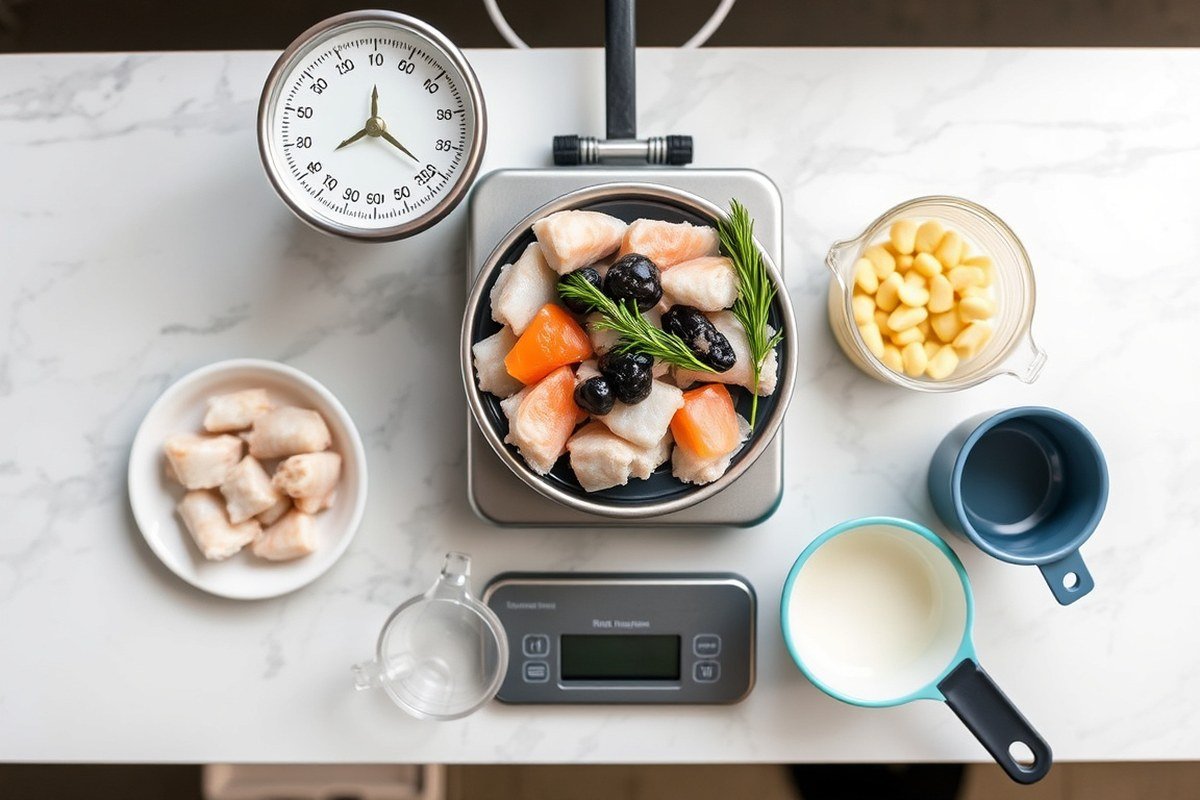
Buy around 1 to 1.5 pounds of shell-on seafood per adult for group meals. This amount covers bones, shells, and other parts you won’t eat, making sure everyone gets enough. Serving hearty sides like potatoes, corn, or sausage lets you go with the smaller portion in that range because the sides add bulk. When you offer lighter or fewer sides, aim for about 1.5 pounds per person to keep everyone satisfied.
Choosing seafood types depends on how hands-on you want the experience and how fast you need the food ready. Shrimp, salmon, cod, and tilapia are excellent for large groups because they cook quickly and scale well. Shell-on options like crab legs and crawfish add a festive touch but require more prep and cleanup time. Fish as fillets or steaks suits dishes like paella or fish tacos, which also allow easy portion control for large gatherings.
Cooking mixed seafood boils calls for careful balancing, especially with sides. For instance, if you include hearty sides, plan for about 1 pound of seafood per person. Skip or serve light sides, and plan 1½ pounds instead. Overcrowding your pot slows cooking and affects flavor absorption, so cook batches if needed and season your boiling water to infuse flavor into seafood and sides.
| Ingredient | Quantity (for ~6 people) |
|---|---|
| Shrimp | 2 pounds |
| Crab Legs | 1 pound |
| Andouille Sausage | 1 pound |
| Corn on the Cob | 4 ears |
| Potatoes | 2 large |
This table shows a typical ingredient quantity for a smaller seafood boil for around six people. When cooking, start with the potatoes and sausage first for 15-20 minutes or until potatoes are nearly tender. Add the corn next, cooking for about 5 more minutes until it’s cooked through. Finally, add shellfish or shrimp, which usually take about 10 minutes to cook, from raw to perfectly tender but not overcooked.
Exact amounts and seafood types can vary by your guest’s preferences and whether you’re offering just a few hearty sides or a full spread of salads and bread. More sides mean less seafood needed per person; fewer sides mean increasing your seafood purchase. Use this balance to avoid waste and keep your budget on track. Avoid overcrowding pots and cook in batches for even cooking and safety.
Essential Equipment and Setup for Cooking Seafood at Scale
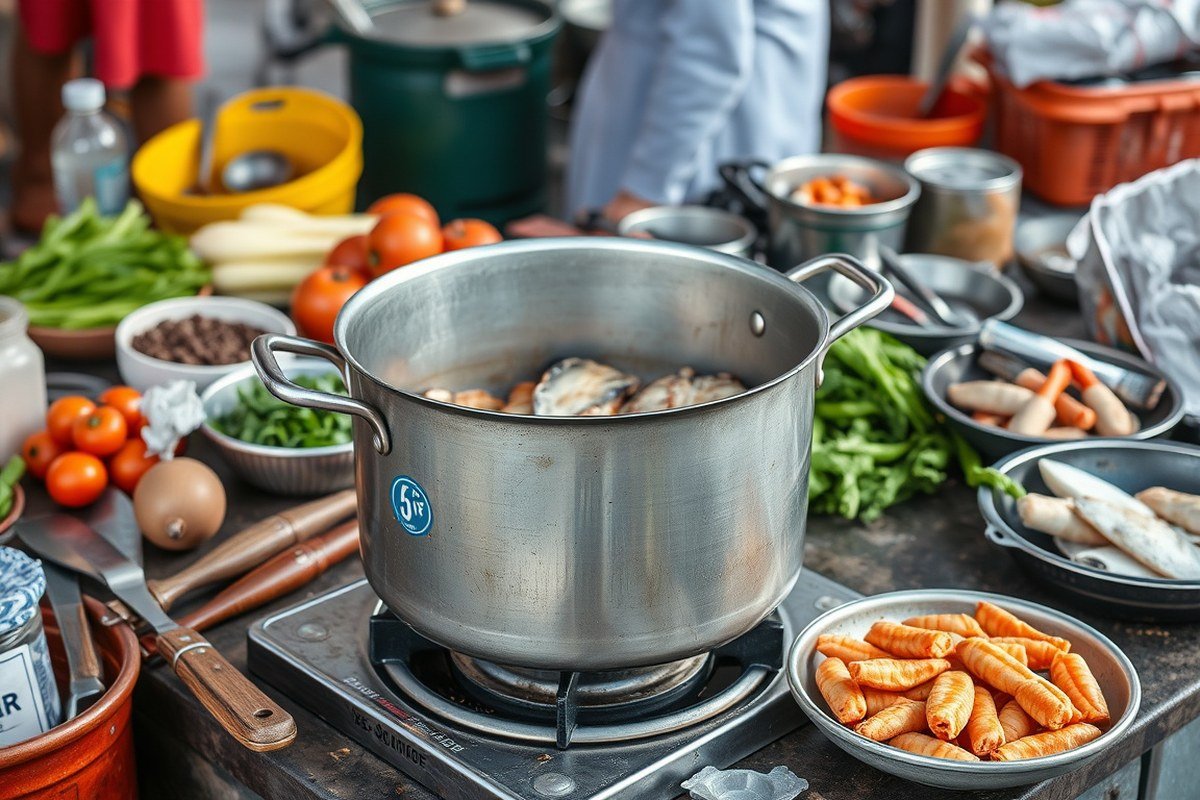
Using large pots and powerful burners ensures your seafood boil cooks evenly and efficiently for your whole crowd. The right utensils and setup minimize hassle during prep and serving, keeping your workspace organized and your timing on point.
Choosing the Right Pots and Burners
Extra-large pots, often 12 to 20 quarts, provide enough room for the seafood, vegetables, and broth to cook without overcrowding. Overfilling smaller pots will cause uneven cooking and spills. For burners, a strong propane burner or a high-output stovetop burner (at least 15,000 BTU) heats the large pot thoroughly and maintains a rolling boil.
Many cooks opt for outdoor propane burners for boils serving 10 or more people. These burners typically cost from $70 to $150 but deliver consistent high heat and free up kitchen space. Indoors, make sure your stovetop can handle a heavy pot and extended heat.
Essential Utensils and Cookware for Seafood Preparation
Seafood prep goes faster with the right tools. A long-handled slotted spoon, seafood crackers, and kitchen shears help handle hot shellfish safely and efficiently. Use a large colander or strainer basket inside your pot to lift seafood in batches without sloshing hot water.
Sharp knives and sturdy cutting boards speed up trimming and portioning fish or shellfish. Heatproof gloves protect your hands when lifting heavy pots or steaming baskets.
Setting Up a Functional Workspace
Lay out cooking, plating, and serving areas clearly. Keep ingredients like lemon wedges, spices, napkins, and shell bowls within reach. Arrange platters and trays nearby to transfer cooked seafood swiftly and keep it hot.
Organize zones for cleaning, cooking, and serving to reduce crossovers. For example, place cutting boards and prep utensils on one counter and serving trays on another. This setup avoids clutter and helps you work faster and safer.
Checklist for Cooking Seafood Boils Efficiently
- Extra-large pot (12+ quart) with lid
- High-output burner (propane or stovetop, ≥15,000 BTU)
- Long-handled slotted spoon and ladle
- Seafood crackers and kitchen shears
- Heatproof gloves and aprons
- Large colander or strainer basket
- Platters, trays, shell bowls, napkins
- Lemon wedges, side dish plates, serving utensils
Having these items ready before you start cooking prevents scrambling when timing is tight.
Keep an eye on seafood cooking times, overcooked shrimp turn rubbery fast and shellfish can dry out, so monitor constantly and remove items as they finish.
Adapting Equipment for Different Situations
For smaller groups, a 12-quart pot on a kitchen burner is enough, but for crowds of 15 or more, investing in a 16 to 20-quart pot and a propane burner makes the process smoother. If you’re cooking indoors with limited space, consider steaming seafood in stacks of perforated steamers, which use less water and heat up faster.
Serving outdoors calls for durable, stackable trays and disposable shell bowls or large paper towels for easier cleanup. Indoors, porcelain or metal platters create a neater presentation but require washing afterward.
Timing and Cooking Order for Mixed Seafood Boils and Dishes
Start your seafood boil by cooking potatoes and sausage first, followed by corn, and finish with seafood. This sequencing ensures vegetables and sausage cook thoroughly without overcooking the delicate seafood. Knowing exact cooking times, 10-15 minutes for potatoes, 5 minutes for sausage and corn, 2-6 minutes for seafood, lets you multitask efficiently and serve everything hot and tender.
Potatoes and Sausage Timing
Potatoes take the longest to cook, usually 10 to 15 minutes in boiling, seasoned broth. Red or baby potatoes hold up well and absorb the boil’s spices. Add sausage after potatoes have cooked for about 10 minutes, allowing it to heat through and release flavor without overcooking. Smoked sausages like Andouille add smoky depth and should cook for approximately 5 minutes.
Starting with these hearty ingredients allows enough time to produce tender potatoes and flavorful sausage. Cooking potatoes first also sets the foundation for simmering corn and seafood without rushing their shorter cooking requirements.
Seafood Cooking Times Explained
Shrimp cook very quickly, about 2 to 3 minutes once added to boiling liquid. Crab legs, typically pre-cooked, just need 5 to 6 minutes to heat through and absorb seasoning. Clams and mussels cook as their shells open, usually within 5 to 7 minutes. Lobster tails require about the same time, around 6 minutes.
Adding seafood last prevents overcooking, which can make shrimp rubbery and clams chewy. Timing is important: start with the slowest-cooking seafood if you have multiple types, then add quicker-cooking ones closer to the end to control texture.
Adding Corn and Final Ingredients
Corn on the cob cooks in around 5 minutes and is best added after potatoes and sausage but before seafood. The natural sweetness of corn complements the spices, and cooking it slightly shorter maintains a tender yet firm bite. Other final ingredients like boiled eggs or fresh herbs can be added at the very end or used as garnish.
Cooking in stages lets you multitask. While potatoes and sausage simmer, you can prep and add corn, then seafood according to their individual cooking times. This stepwise approach keeps everything from overcooking and allows you to serve your seafood boil hot and fresh.
- Bring a large pot of well-seasoned water or broth to a boil using your Cajun spice blend and aromatics.
- Add 2 pounds of baby potatoes to the pot and boil for 10 to 15 minutes until just tender.
- Add 1 to 1.5 pounds of smoked sausage, sliced into pieces, cook for 5 minutes.
- Add 6 ears of corn halved; cook everything together for another 5 minutes.
- Add 1 to 2.5 pounds of mixed seafood, starting with crab legs, then shrimp and clams; cook shrimp for 2 to 3 minutes and crab for 5 to 6 minutes until seafood is opaque and clams open.
- Drain everything together, and transfer to a large serving tray. Add boiled eggs if desired and squeeze fresh lemon over the top.
Choosing the Best Cooking Methods for Large Seafood Meals
Choosing the right cooking method for seafood when feeding a crowd depends on the seafood type, the crowd size, and the equipment available. Boiling is ideal for seafood boils, where shellfish like shrimp, crab, and crawfish cook quickly and absorb bold flavors from the broth. Grilling adds smoky notes and crisp texture, perfect for fillets and shell-on items, but requires space and attention to avoid sticking or drying out. Baking and roasting work well for layered dishes like seafood pasta bakes or whole fish, offering hands-off cooking that can be scaled easily in large ovens, while keeping seafood moist by adding sauces or wrapping in foil.
Moisture retention is key for flavorful results. Boiling plunges seafood directly into a seasoned liquid, helping retain succulence especially in shellfish, provided you remove it promptly, overcooking in boiling water causes toughness and loss of texture. Grilling exposes seafood to direct heat, risking drying unless you baste with butter or oil and avoid overcooking by monitoring times closely, generally 2, 4 minutes per side for shrimp and fillets. Baking and roasting use dry heat but can preserve moisture when combined with ingredients like cream or tomato-based sauces or by enclosing seafood in parchment or foil.
| Method | Best for | Time Needed | Equipment | Moisture & Flavor | Scalability |
|---|---|---|---|---|---|
| Boiling | Shellfish (shrimp, crab, crawfish) | 5-7 minutes (shrimp until pink) | Large pot, burner, spider strainer | High, absorbs broth flavor, avoid overcooking | Very high, large pots feed many |
| Grilling | Fish fillets, shell-on seafood | 2-4 minutes per side | Charcoal/gas grill, tongs, grill basket | Moderate, requires basting to stay moist | Moderate, depends on grill surface area |
| Baking | Seafood casseroles, fish fillets | 20-40 minutes at 350-400°F | Oven, baking dishes, foil or parchment | High, especially with sauces or covers | High, multiple pans in oven |
| Roasting | Whole fish, shellfish trays | 20-45 minutes at 400°F | Oven, roasting pans, foil | Moderate to high, especially with foil wrap | High, oven size dependent |
Boiling seafood is your best choice for large gatherings when you want a fun, communal meal like a shrimp or Low Country boil. It lets you prepare flavorful broth and cook everything at once, using tools like a spider strainer to lift seafood out efficiently. After cooking, serve seafood directly from the pot or on platters with sides like crusty bread or rice to soak up the broth.
Grilling is excellent if your event includes a smaller crowd or you want smoky flavor and nicely charred seafood. Keep seafood moist by brushing with garlic butter or oil and cook quickly over medium-high heat, adjusting based on how many can fit on your grill surface.
Baking and roasting suit large ovens and dishes like creamy seafood pasta bakes that can feed many. You can prep ahead and reheat gently to avoid drying. Covering fish with foil or cooking in a sauce locks in moisture. Roasting whole fish or shellfish trays provides an impressive presentation and works well in cooler kitchens or inclement weather.
Preparing and Storing Seafood Safely Ahead of Time
Thawing seafood safely is important when preparing for a large group. The safest method is to thaw it in the refrigerator, keeping the seafood in its original packaging or sealed in airtight containers. This can take 12 to 24 hours for most items depending on their size and thickness. For example, a large batch of frozen shrimp may need up to a full day to thaw completely. Avoid thawing at room temperature, as this increases the risk of bacterial growth.
Cleaning seafood well ahead of time helps you stay organized on event day. You can clean and prep shellfish like mussels or devein shrimp up to 24 hours before cooking if you keep them refrigerated at or below 40°F. Rinse under cold running water and store them in a shallow dish covered with a damp towel to maintain freshness. For fish fillets, remove scales and bones right after thawing, then keep them on ice or in the coldest part of your fridge.
- Store seafood in shallow containers to allow even cooling
- Cover seafood tightly to prevent cross-contamination
- Use a thermometer to ensure refrigeration stays below 40°F
- Keep cleaned shellfish moist but not submerged in water to avoid spoilage
- Label prep times to track freshness and prioritize cooking order
Proper storage is essential to avoid spoilage and foodborne illness. Make sure seafood does not sit out longer than two hours at room temperature once thawed or cleaned. For bulk quantities, divide seafood into smaller portions for easier handling and faster chilling. Storing your seafood on ice during transport or while waiting to cook keeps it safely chilled. Fresh seafood should have a mild sea smell and firm texture; any off-odor or sliminess signals it is no longer safe to use.
Always use a refrigerator thermometer to monitor seafood storage temperatures and discard any items left above 40°F for over two hours.
Preparing seafood in advance may include peeling and deveining shrimp or cleaning squid. These steps speed up cooking and reduce stress when the crowd arrives. For recipes like seafood paella or crab cakes, you can prep ingredients the day before and refrigerate them wrapped tightly. Reheat these dishes thoroughly before serving to maintain safety and taste.
Flavor Boosters and Sauces to improve Your Seafood Boil
Simple sauces and seasoning blends are key to boosting the flavor of your seafood boil without overshadowing the natural taste of the seafood. A classic choice is a seasoned butter sauce made by melting a pound of unsalted butter and stirring in 2 to 3 tablespoons of Cajun seasoning or Old Bay seasoning, along with 2 cloves of minced garlic, the juice of one lemon, and a pinch of smoked paprika. This creates a creamy, flavorful sauce that you can toss with the seafood right after cooking. Making this in large batches is straightforward and cost-effective; butter and spices are inexpensive and scale well.
For a no-cook finishing sauce that speeds up service, mix mayonnaise with fresh lemon juice, chopped parsley, and a dash of hot sauce or Old Bay seasoning. Combine 1 cup of mayonnaise with the juice of one lemon, 1 tablespoon of chopped parsley, and 1 teaspoon of Old Bay. This sauce adds creaminess and zing while maintaining fresh seafood flavors, perfect for quick assembly at parties.
To add some heat, try a spicy Cajun sauce. Start by melting 1 cup of butter over medium heat, then whisk in 2 tablespoons of Cajun seasoning, 1 teaspoon of garlic powder, and 1 teaspoon of smoked paprika. Let it cook for 3 to 5 minutes to blend the flavors but avoid boiling to keep the butter from separating. Toss the seafood in this sauce immediately after draining it, ensuring each piece is well coated. It’s important not to overpower the seafood here; use about 2 tablespoons of sauce per pound of seafood and adjust to your crowd’s taste.
For versatility, prepare a simple lemon-garlic butter as a base and divide it to add different flavorings. For example, add chopped fresh dill and lemon zest to one portion for a bright herby twist, or mix in some chipotle powder and lime juice for a smoky, tangy variation. This method saves you time while offering variety to satisfy different palates.
Achieving balanced seasoning means tasting as you go, especially when scaling up for large groups. Over-seasoning can mask the delicate seafood flavors, while under-seasoning can leave the dish bland. To avoid this, start with smaller amounts of spices and sauces and gradually increase them in batches. Serving sauces and seasoning blends on the side can also help guests customize their plates without committing to one strong flavor upfront.
When preparing these sauces ahead of time, store them in airtight containers in the refrigerator for up to 3 days. Reheat butter-based sauces gently over low heat to avoid breaking. Using high-quality, ready-made blends like Old Bay or Chef Bae® Seafood Boil Seasoning simplifies the seasoning process and ensures consistent flavor across large quantities, often saving time and reducing cleanup. Simple, well-balanced sauces and seasoning blends make your seafood boil a crowd-pleaser every time.
Serving Strategies and Presentation Tips for a Seafood Crowd
Setting up a serving station for seafood meant for a crowd requires planning for ease of access, clear portioning, and visual appeal. Arrange your station so guests can move smoothly, which cuts down on congestion and keeps the flow steady. Use large platters or shallow trays lined with parchment paper or banana leaves to display the seafood. This type of setup not only helps keep things neat but also adds an attractive layer that suits the seafood’s rustic or fresh look. Add serving utensils for each type of seafood, such as tongs or forks, to help guests serve themselves without crowding, and provide plenty of napkins or seafood crackers as needed.
Portioning seafood accurately beforehand prevents food waste and ensures everyone gets a fair share. Typically, plan for 1/2 to 3/4 pound of mixed seafood per person when serving alongside sides. Smaller items such as shrimp or scallops should be grouped in servings of about 4 to 6 pieces. Shellfish like crab legs or lobster tails can be portioned by one per person, depending on size. Label each section or tray clearly with the seafood type and any relevant allergy information for safety.
Presentation matters because it draws guests in and makes the meal feel special. Arrange seafood in color groups or pattern styles rather than randomly. For example, place orange peel shrimp next to pale white fish fillets and darker mussels in a cluster. Garnish with lemon wedges, chopped herbs, or a sprinkle of paprika to brighten the plate. Including small bowls of dipping sauces on the side helps guests customize their bites while minimizing mess.
- Use tiered stands to save table space and add height to the display.
- Place wet wipes or finger bowls with lemon water nearby for easy hand cleaning.
- Offer disposable plates or easy-to-handle trays if guests will eat standing or mingling.
- Prepare mess-friendly individual serviettes or bibs to encourage relaxed enjoyment.
- Set up seating in clusters to encourage conversation and shared serving.
- Keep cold seafood chilled on ice or in refrigerated coolers if serving buffet style.
Consider the meal setting when coordinating seating and serving. For a sit-down dinner, plate seafood portions in the kitchen to speed up serving and keep the table tidy. Arrange seats so guests can pass platters easily and share sides. At casual buffet or party setups, the self-serve seafood station benefits from clear signage and space for guests to stand comfortably as they help themselves. In any case, allowing guests to eat at their pace typically raises enjoyment and reduces lingering messes. Plan for trash bins and seafood disposal points close to the serving and dining areas to keep the space clean throughout the event.
Troubleshooting Common Issues When Cooking Seafood for Many
Undercooked seafood will be translucent and limp, while overcooked seafood turns tough and rubbery. Adjust cooking times based on crowd size by cooking in batches or using larger equipment. Avoid overcrowding pots to maintain heat and ensure even cooking; if flavors are bland, season or boost with fresh ingredients.
Signs of Overcooked Seafood
Overcooked seafood loses its natural moisture and becomes dry, tough, or rubbery. For example, shrimp that curl into tight rings and feel chewy usually indicates overcooking. Fish fillets should flake easily but remain moist; if they crumble or look chalky, they’ve been cooked too long. Shellfish like clams and mussels can become overly shrunken and hard when overcooked, losing their juicy texture.
Checking the texture and color periodically helps catch overcooking early. Seafood generally cooks quickly, shrimp in 2 to 3 minutes, small clams and mussels in about 5 to 7 minutes after steaming. Pull some pieces out earlier to test doneness; if the seafood is tough or dry, reduce cooking time in future batches.
Adjusting Cooking Times Quickly
When cooking for a crowd, larger quantities or smaller pots cause heat loss and longer cooking times. Use the rule that a packed pot loses heat quickly, so add a few extra minutes for the first batch to compensate. For instance, if shrimp take 3 minutes for one batch, a full pot might need 4 to 5 minutes. Stir or gently shake the pot to maintain even heat distribution.
Cooking multiple batches is often more effective than trying to cook everything at once. Separate seafood by size and cooking time, cook little neck clams and small shrimp together since they need only a few minutes, then add larger fish or thicker cuts. This prevents some seafood from being done too early or too late, ensuring all items reach perfect doneness.
Fixes for Crowding and Flavor Issues
Overcrowding the pot slows cooking by lowering the temperature and steaming rather than boiling ingredients. Avoid filling the pot beyond two-thirds full to let heat circulate properly. If overcrowding happens, transfer part of the seafood to another pot or cook in smaller batches to maintain heat and speed.
For seafood stews that end up bland, taste and adjust seasoning after cooking. Adding fresh herbs, a squeeze of lemon juice, chili flakes, or a splash of seafood stock concentrate intensifies the flavor quickly. Also, coconut milk or tomato paste can enrich bland broths without re-boiling for long periods. Stir in these flavor boosters just before serving to keep vibrant taste and aromas.
Test seafood early and often during cooking to prevent overcooking and divide large batches into smaller pots to maintain heat and flavor.
Step-by-Step Action Plan
Follow these clear steps to prepare and serve seafood efficiently for a large group without stress.
- One week before: Decide your seafood menu and calculate the needed quantities based on 1 to 1.5 pounds per person. Confirm your equipment is sufficient by doing a quick inventory of pots, burners, and serving trays.
- Three days before: Purchase fresh seafood from trusted sources. Check the seafood’s smell and texture to ensure freshness.
- Two days before: Prepare any flavor boosters or sauces and store them in the fridge. Taste a small portion to check seasoning balance.
- One day before: Store seafood properly in the coldest part of your fridge or on ice to keep it fresh. Verify the temperature stays below 40°F.
- On the event day, 3 hours before serve: Set up your cooking station with all equipment and ingredients organized. Run through your timing and cooking order mentally or with helpers.
- 2 hours before serve: Begin cooking seafood starting with items that take the longest and layering in the quicker-cooking ingredients. Check doneness with a fork or thermometer.
- 30 minutes before serve: Assemble and present seafood on serving trays or boil pots with sauces and garnishes ready for guests. Keep hot foods above 140°F until serving.
Frequently Asked Questions
What Types of Seafood Hold Up Best When Cooked in Large Batches?
Firm seafood like shrimp, crab, and clams hold up well for large groups. They maintain texture during cook times, so you avoid mushy results that happen with delicate fish.
How Can I Keep Cooked Seafood Warm and Moist Before Serving a Crowd?
Cover cooked seafood with foil and place it in a warm oven around 200°F. Adding a damp towel under the foil helps keep moisture and prevents drying during serving delays.
What’s a Good Strategy for Ensuring Consistent Seasoning Across Large Seafood Dishes?
Mix seasoning into the cooking liquid or marinade to evenly distribute flavor. Stirring seafood gently during cooking also helps the seasoning coat all pieces fully.
How Long Should I Par-Cook Vegetables in a Seafood Boil to Avoid Sogginess?
Par-cook firmer vegetables like potatoes and corn for about 10 minutes. This ensures they finish cooking alongside seafood without becoming mushy during the final boil.
Is It Okay to Thaw Seafood in Advance When Preparing for a Large Event?
Seafood can be thawed safely in the refrigerator 24 hours before cooking. This method maintains freshness and reduces moisture loss compared to quick thawing methods.
Can I Use Frozen Seafood Directly in Large Boil Recipes?
Frozen seafood can be added directly but expect slightly longer cooking times. Make sure to separate pieces for even heat circulation and avoid clumping.
Before You Go
Cooking seafood for a crowd takes careful timing and preparation, but it pays off with delicious, well-served meals that impress your guests. Start by picking your menu and planning quantities, then focus on freshness and safe cooking practices. Take the first concrete step today by gathering your equipment and making your shopping list to avoid last-minute surprises.



4 Comments