How to Cook Steak on the Stove: A Complete Guide for Perfect Results
To cook steak on the stove, start by choosing a quality cut like ribeye or sirloin, seasoning it well, and heating a heavy-duty pan over high heat. Sear the steak for a few minutes on each side until a brown crust forms, then reduce heat or finish in the oven depending on thickness to reach your desired doneness.
Cooking steak on the stove matters because it allows for direct control over heat and searing, producing a flavorful crust that’s hard to replicate with other methods. It’s a quick and efficient way to prepare steak without special equipment like a grill, making it accessible for any home cook.
This guide will cover how to select the right steak and pan, different stove techniques including pan-searing and finishing, tips on seasoning and resting, and troubleshooting common issues. You’ll learn how to achieve a steakhouse-quality meal right in your kitchen.
Choosing the Right Steak and Pan for Cooking on the Stove
Selecting Steak Cuts Ideal for Stove Cooking
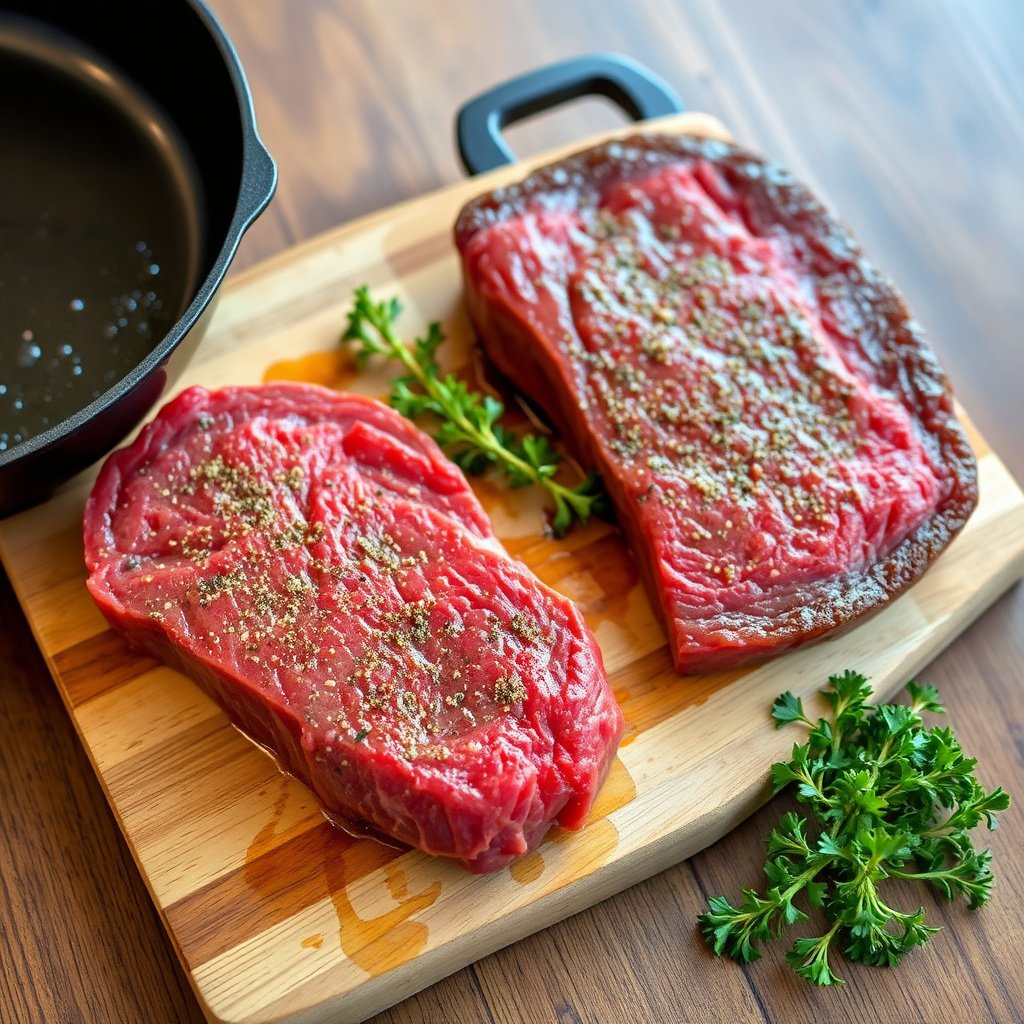
Certain steak cuts perform better than others when cooked on the stove due to their fat content and thickness. Ribeye, New York strip, and sirloin are excellent choices because they have good marbling that keeps the meat juicy when seared.
Less tender cuts like flank or skirt steak can also work if sliced thinly and cooked quickly, but thick cuts over 1 inch benefit most from stove cooking combined with oven finishing. Thickness affects cooking time and how you control heat.
Choosing the Best Pan for Cooking Steak
A heavy pan with excellent heat retention is key. Cast iron skillets are widely recognized as the best pan for cooking steak due to their ability to distribute heat evenly and withstand very high temperatures without warping.
Stainless steel pans also work well but require more attention to prevent sticking. Avoid nonstick pans as they don’t typically handle high heat needed for a proper sear.
- Cast iron for best heat retention
- Stainless steel as a good alternative
- Avoid nonstick for searing steaks
Preparing Your Steak for the Stove

Seasoning Strategies for Flavor and Crust
Start by patting the steak dry to remove surface moisture which can interfere with searing. Generously season with coarse salt and freshly cracked black pepper on both sides immediately before cooking to enhance flavor and promote crust formation.
Some cooks prefer to season 40 minutes prior to cooking to allow salt to penetrate the meat, but salting too early can draw out moisture if not rested properly. Adding garlic powder or fresh herbs after searing complements the taste.
- Pat steak dry before seasoning
- Use coarse salt and cracked black pepper
- Optional: add garlic powder or herb sprigs
Bringing Your Steak to Room Temperature
Allowing the steak to sit at room temperature for about 20-30 minutes before cooking helps it cook evenly and prevents the outside from overcooking while the inside warms through.
Avoid leaving it out longer than an hour to maintain food safety, but warming the meat slightly improves searing results and tenderness once on the pan.
Cooking Techniques for Stove-Top Steak

Pan-Searing Your Steak Properly
Heat your cast iron skillet on medium-high until very hot before adding oil with a high smoke point like canola or avocado oil. Place the steak onto the pan and avoid moving it for 2-4 minutes to develop a deep brown crust.
Flip once, then sear the other side. For steaks under 1.5 inches, continue cooking on the stove top until reaching desired doneness. The sear locks in juices and improves flavor through Maillard reactions.
- Preheat pan until very hot
- Use high-smoke point oil
- Do not move steak while searing
For more on this, see our related guide: How to Rest a Steak Perfectly: Proven Times, Tips & Common Mistakes.
Oven Finishing and Butter Basting
For thicker steaks, after searing both sides, transfer the pan to a preheated oven (around 400°F) to finish cooking gently. This helps reach the center temperature without burning the crust.
In the final minutes of cooking, add butter, garlic, and herbs to the pan, spooning the melted butter over the steak repeatedly. This basting enriches flavor and adds moisture.
- Finish thick cuts in 400°F oven
- Baste with butter, garlic, and herbs
Resting and Serving Your Stove-Cooked Steak

Why Resting Steak is Necessary
Resting allows juices to redistribute throughout the meat, preventing them from spilling out immediately when cut. Rest steaks for 5 to 10 minutes loosely tented with foil after cooking.
This step results in more tender, flavorful bites. Skipping resting can cause a dry steak, even if cooked perfectly.
Carving and Presentation Tips
Slice against the grain of the meat to shorten muscle fibers, making each piece easier to chew. Use a sharp knife for smooth cuts.
Present steak with simple sides or a finishing salt sprinkle to highlight its flavor. Letting steak rest before cutting enhances its appearance and taste.
- Slice against the grain
- Use a sharp carving knife
Troubleshooting Common Issues When Cooking Steak on the Stove
Preventing Steak from Burning or Sticking
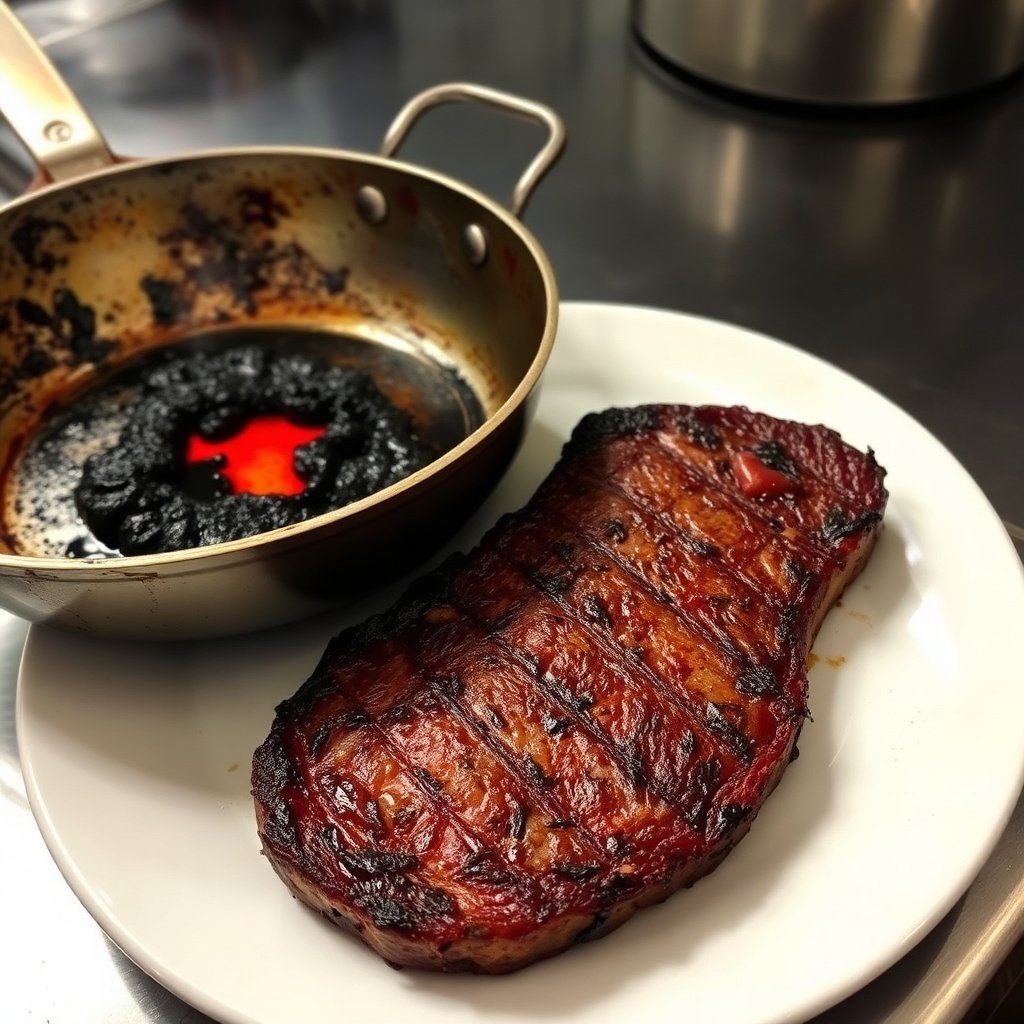
If your steak sticks, the pan likely wasn’t hot enough or not enough fat was used. Properly preheating the pan and using enough oil helps create a natural nonstick surface as the steak sears.
Burning often happens if heat is too high or steak is left too long without flipping. Adjust heat as needed to get a caramelized crust without char.
- Preheat pan thoroughly
- Use sufficient oil
- Adjust heat to prevent burning
For more on this, see our related guide: What Is Medium Rare Steak? A Complete Guide to Perfect Doneness.
Handling Undercooked or Overcooked Steak
If your steak is undercooked after searing, finish it in the oven or cover the pan and cook on lower heat. Avoid high heat that toughens the meat.
Overcooked steak can be rescued somewhat by slicing thinly against the grain and adding a flavorful sauce or butter for moisture.
Enhancing Flavor with Marinades and Sauces
Using Marinades for Tenderness and Taste
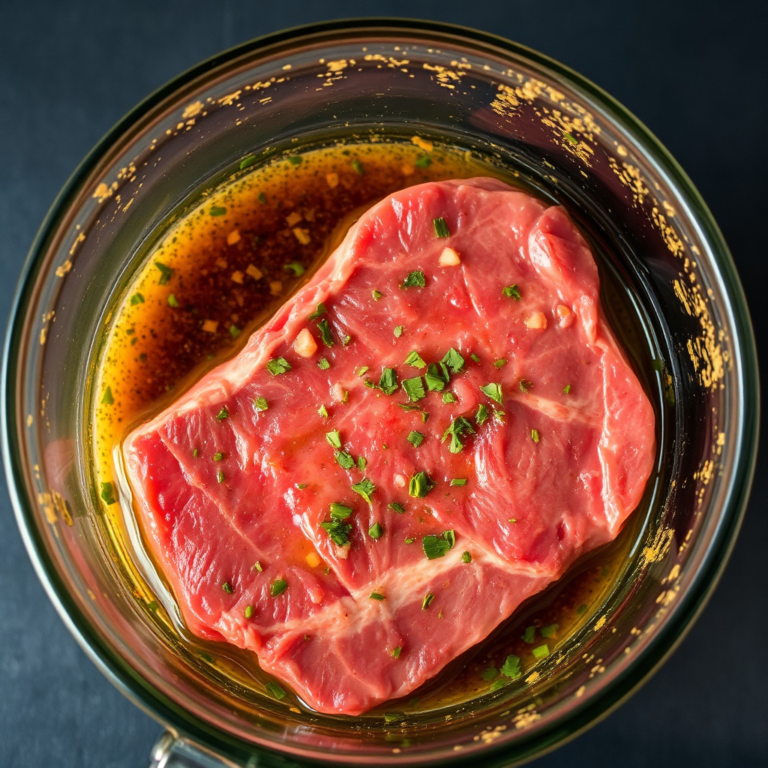
Marinating steak before cooking can add flavor and tenderize, especially for leaner cuts. Acidic ingredients like vinegar or citrus juice combined with herbs and oil work well.
However, marinate no more than 1-2 hours for tender cuts to avoid mushy texture. Ribeye and well-marbled steaks usually need only seasoning.
- Use acidic base with herbs and oil
- Limit marinating time to 1-2 hours for tender cuts
For more detailed information about steak types and cooking methods, the Wikipedia article on steak offers a thorough overview. Wikipedia article on steak.
Popular Sauces to Complement Stove-Cooked Steak
Classic sauces such as garlic herb butter, chimichurri, or red wine reduction pair well with simply seared steak and add an extra layer of flavor.
Prepare sauces separately or while the steak rests to ensure timing and avoid crowding the pan during searing.
- Garlic herb butter
- Chimichurri
- Red wine reduction
Comparison of Cooking Methods for Steak
This table compares popular methods used for cooking steak including stove top techniques and alternatives.
| Method | Heat Source | Equipment Needed | Ideal Steak Thickness | Flavor Profile |
|---|---|---|---|---|
| Pan-Searing | Stovetop burner | Cast iron or stainless steel skillet | 0.75 to 1.5 inches | Rich crust, juicy interior |
| Oven Roasting | Oven | Oven-safe pan or baking sheet | 1.5 inches and thicker | Even cooking, less crust |
| Grilling | Charcoal or gas grill | Grill grate | Any thickness | Smoky, charred flavor |
| Sous Vide + Sear | Water bath + stovetop pan | Sous vide device, skillet | Any thickness | Precise doneness, consistent tenderness |
| Broiling | Oven broiler | Broiler pan | 1 to 2 inches | Fast cooking, slightly charred |
Frequently Asked Questions
How long should I cook a steak on the stove to medium rare?
For medium rare, sear a 1-inch steak about 3-4 minutes per side on high heat. Adjust time slightly for thickness. Use a meat thermometer to target 130-135°F internal temperature.
Can I use olive oil for cooking steak on the stove?
Olive oil has a lower smoke point and is not ideal for high-heat searing. Use oils with higher smoke points like avocado or canola oil to prevent burning and off-flavors.
Do I need to flip my steak multiple times while cooking on the stove?
Flipping once after an initial sear helps form a proper crust. Multiple flips are not necessary and can interfere with crust development and even cooking.
Should I cover the pan while cooking my steak on the stove?
Covering can trap steam and prevent crust formation, so it’s generally best to cook uncovered. For thicker cuts, finishing in the oven is preferred instead of covering.
Is it better to salt steak before or after cooking?
Salting just before cooking is common for stovetop steak. Salting too early without resting can draw out moisture, but salting 40 minutes ahead can improve seasoning if resting properly.
Key Takeaways
- Use thick, well-marbled steaks like ribeye or sirloin for stove cooking
- Cast iron pans are best for achieving a perfect sear
- Pat steak dry and season generously right before cooking
- Allow steak to rest before slicing for juicy results
Conclusion
Cooking steak on the stove is a reliable way to get a flavorful, juicy result in a short amount of time, provided you choose the right cut and follow good heat control practices. The process centers around building a brown crust through proper searing and controlling internal temperature to your preferred doneness. Choosing a heavy, well-heated pan and applying simple seasoning techniques make a big difference in outcome.
For those new to stovetop steak, starting with a ribeye or New York strip around 1 to 1.5 inches thick is an easy way to experience good flavor and texture. Using a cast iron skillet to get a deep sear, then finishing thicker cuts in the oven while butter basting will elevate your steak from simple to restaurant-quality. Additionally, experimenting with herbs and sauces like chimichurri can complement the meal beautifully.
If you want a straightforward, delicious steak dinner, gather a quality cut and your best pan, season it well, and trust the sear to develop rich flavor. Remember to rest your steak before slicing and serving. For more detailed cooking steps or recipes featuring various cuts and sauces, practice these stove cooking techniques regularly to refine your skills and enjoy steak cooked exactly to your liking.