How to Marinate Steak for Maximum Flavor and Tenderness
Marinating steak is a method to infuse flavor and tenderize tougher cuts by soaking the meat in a seasoned liquid, usually containing an acid, oil, and spices. This process enhances taste and can improve texture when done correctly, making your steak more delicious and enjoyable.
The reason marinating matters is that it breaks down muscle fibers and introduces layers of flavor beyond just seasoning the surface. Whether you're working with a ribeye, flank, or sirloin, a good marinade can transform the meat and elevate your grilling or pan-searing experience.
This article explores the key ingredients in a marinade, timing guidelines, techniques for different steak cuts, and tips for applying and cooking marinated steaks. You'll also find recipe ideas and comparisons to help you decide what suits your taste and cooking style best.
Understanding the Basics of How to Marinate Steak
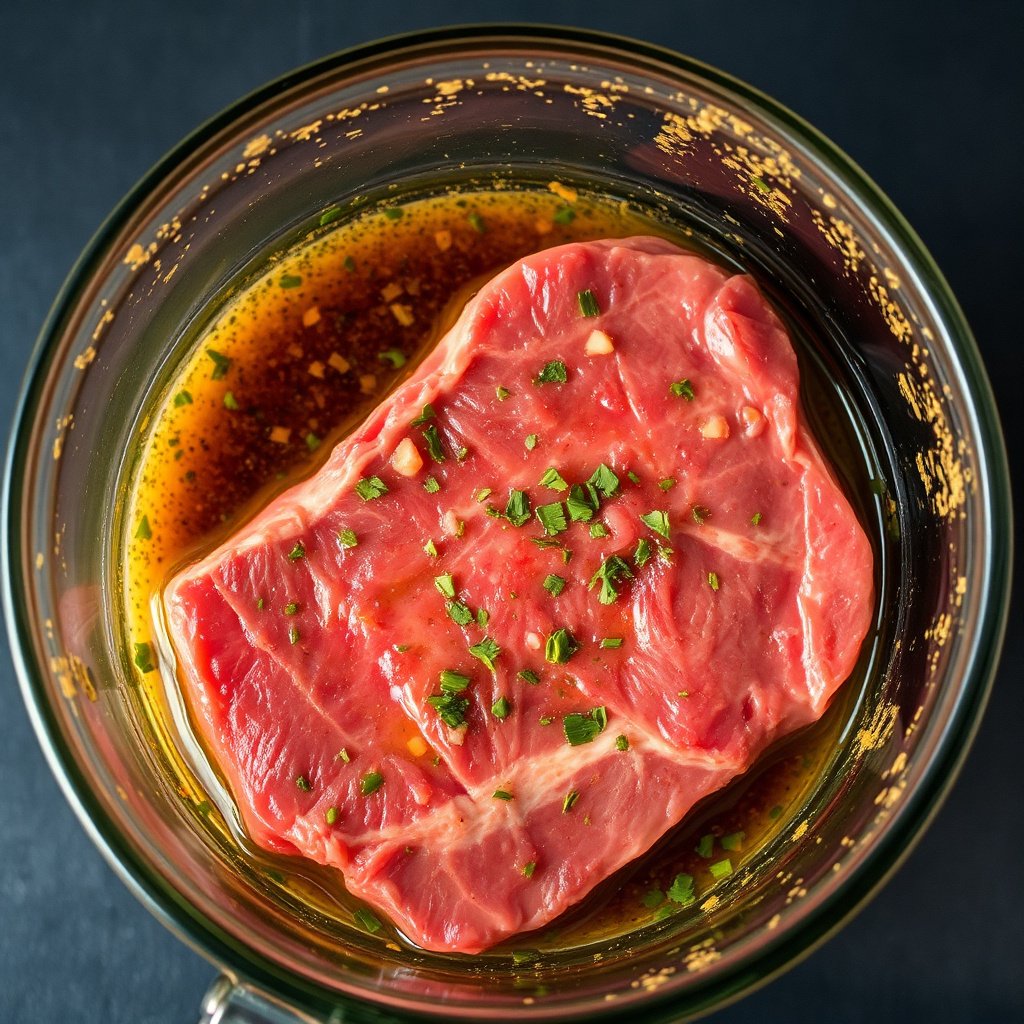
The Role of Acids, Oils, and Seasonings
Acidic components like vinegar, citrus juice, or wine tenderize steak by breaking down proteins and connective tissues. Oils help distribute fat-soluble flavors and maintain moisture during cooking, while herbs and spices provide aromatic complexity and depth.
Balancing these elements carefully is vital because too much acid can make the meat mushy, while too little won’t effectively tenderize it. Common seasonings include garlic, black pepper, soy sauce, and fresh herbs, which contribute unique flavor profiles.
- Acid sources: lemon juice, balsamic vinegar, red wine
- Oils: olive oil, vegetable oil
- Flavor agents: garlic, herbs, soy sauce
How Marinating Time Affects Steak Texture
Marinating for too short a period can result in minimal flavor absorption, while excessively long marinating times can create a soft, mushy texture due to acid overexposure. For most steaks, 30 minutes to 4 hours is sufficient to enhance flavor and tenderness.
Tougher cuts like flank and skirt steak benefit from longer marinating times around 4 to 6 hours, whereas more tender cuts such as ribeye or sirloin require less time, typically under 2 hours to avoid texture breakdown.
- Tender cuts: 30 minutes to 2 hours
- Tougher cuts: 4 to 6 hours
- Avoid marinating over 24 hours to prevent mushiness
Choosing the Right Ingredients for the Best Steak Marinade Recipes
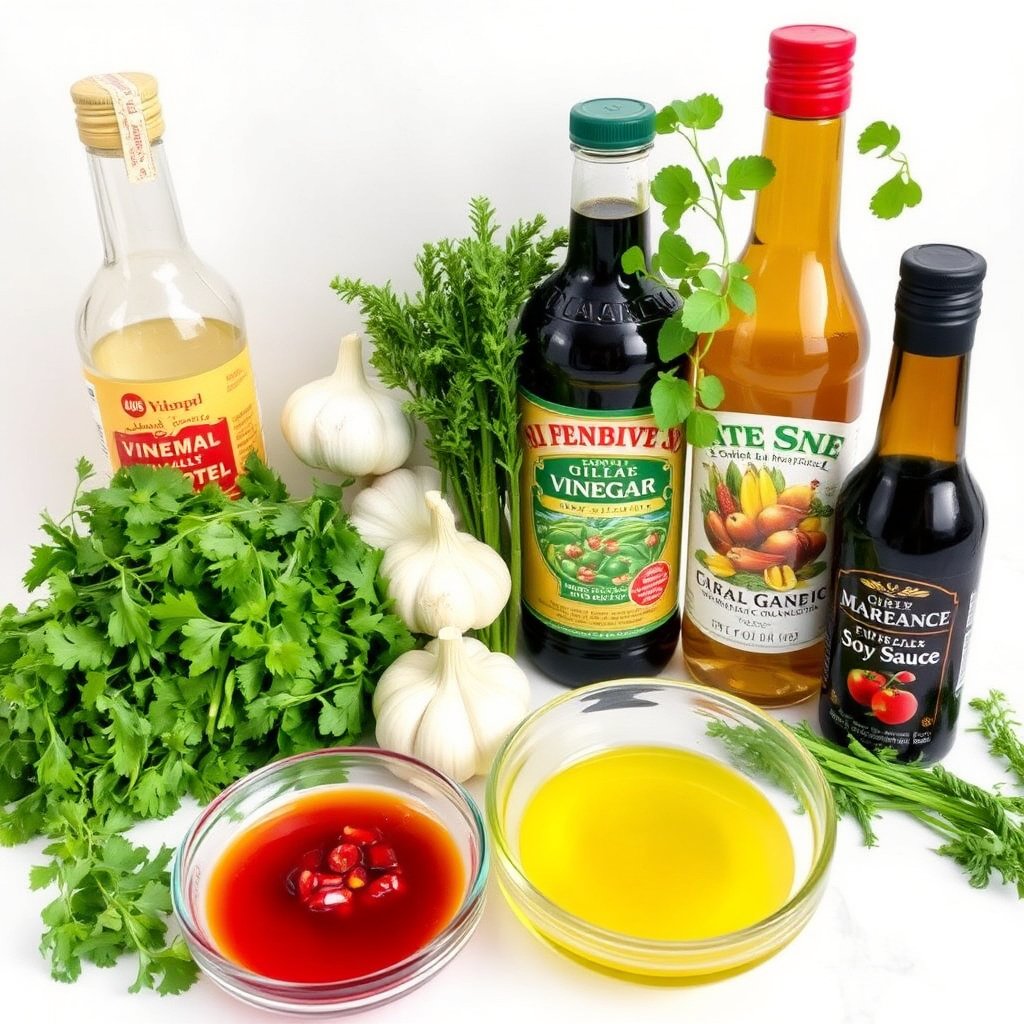
Popular Acids and Oils in Steak Marinades
Lemon juice and vinegar add bright tanginess and help tenderize the steak. Red wine contributes deeper flavor notes and subtle sweetness, often used in richer marinades. Olive oil is generally preferred due to its flavor and the way it coats the steak fibers evenly.
Combining acids with oils creates a balanced liquid that penetrates meat without overpowering the natural taste. Some recipes swap olive oil for sesame oil or avocado oil for different flavor profiles, especially in international-inspired marinades.
- Acids: lemon juice, red wine, apple cider vinegar
- Oils: olive, avocado, sesame oil
Flavor Enhancers and Aromatics
Garlic and onion, either fresh, minced, or powdered, form the backbone of many marinades. Fresh herbs such as rosemary, thyme, and oregano add herbal depth. Soy sauce or Worcestershire sauce provides umami richness and saltiness.
Sweet elements like honey or brown sugar balance acidity and help create a caramelized crust during cooking. Black pepper, chili flakes, and mustard add subtle heat and pungency, elevating the overall flavor complexity.
- Aromatics: garlic, onion, herbs
- Umami: soy sauce, Worcestershire
- Sweeteners: honey, brown sugar
Step-by-Step Techniques for Marinating Steak
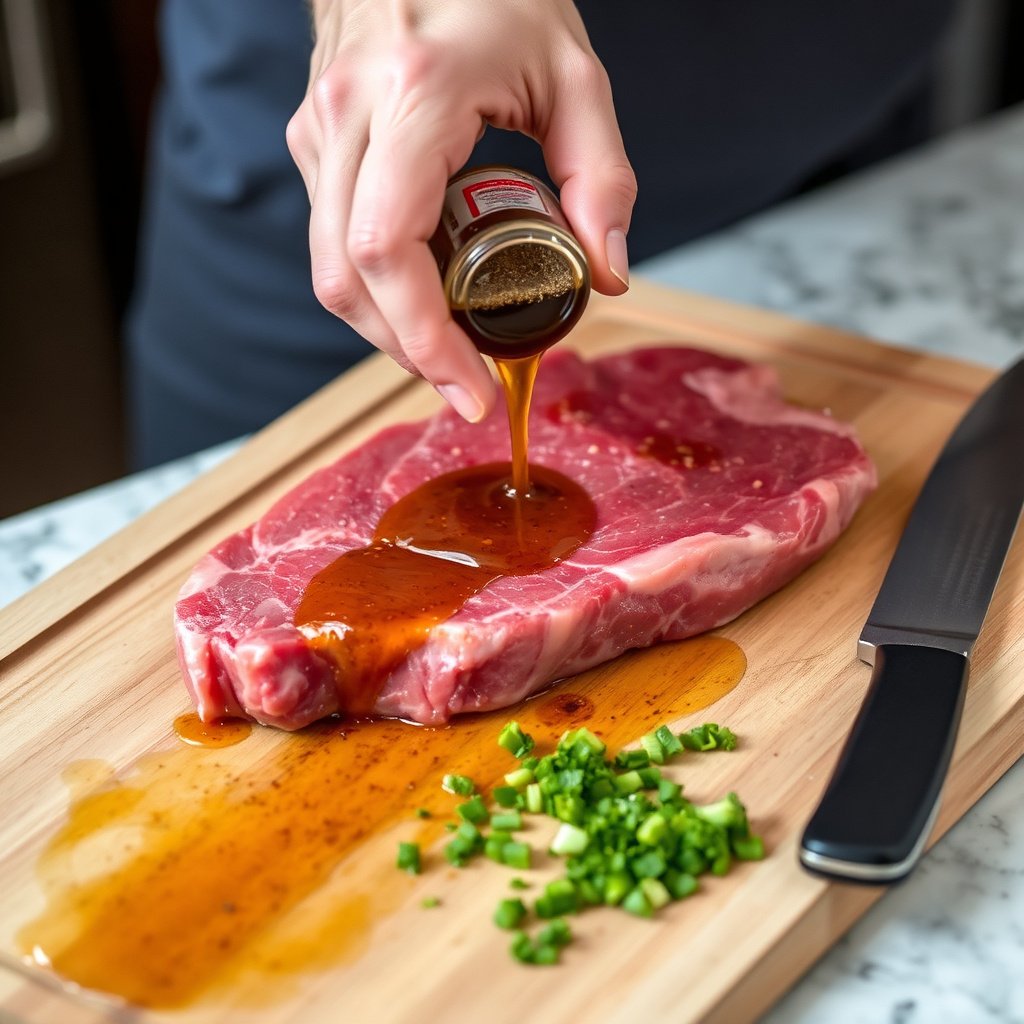
Preparing and Applying the Marinade
Start by mixing all marinade ingredients in a bowl. Pat the steak dry with paper towels to promote better absorption and browning. Place the steak in a zip-top bag or glass container and pour in the marinade, ensuring even coverage.
Massaging the marinade into the meat slightly can help flavors penetrate deeper. Seal the container tightly to prevent leaks and store it in the refrigerator during the marinating period to maintain safe temperature control.
- Use a non-reactive container such as glass or plastic
- Avoid metal containers to prevent metallic taste
- Marinate steak in the fridge, not at room temperature
For more on this, see our related guide: How to Cook Tuna Steak Perfectly: 8 Easy Ways with Tips and Timing.
Tips for Even Flavor Distribution and Safe Handling
Occasionally turning the steak halfway through the marinating time promotes even flavor absorption on all sides. Avoid reusing leftover marinade on cooked steak unless boiled thoroughly to kill bacteria.
Always discard used marinade or boil it if you want to serve it as a sauce. Use separate utensils and plates for raw and cooked steak to prevent cross-contamination and maintain food safety.
- Turn steak midway during marination
- Boil marinade before using as sauce
- Practice strict hygiene with raw meat
Marinating Different Cuts of Steak
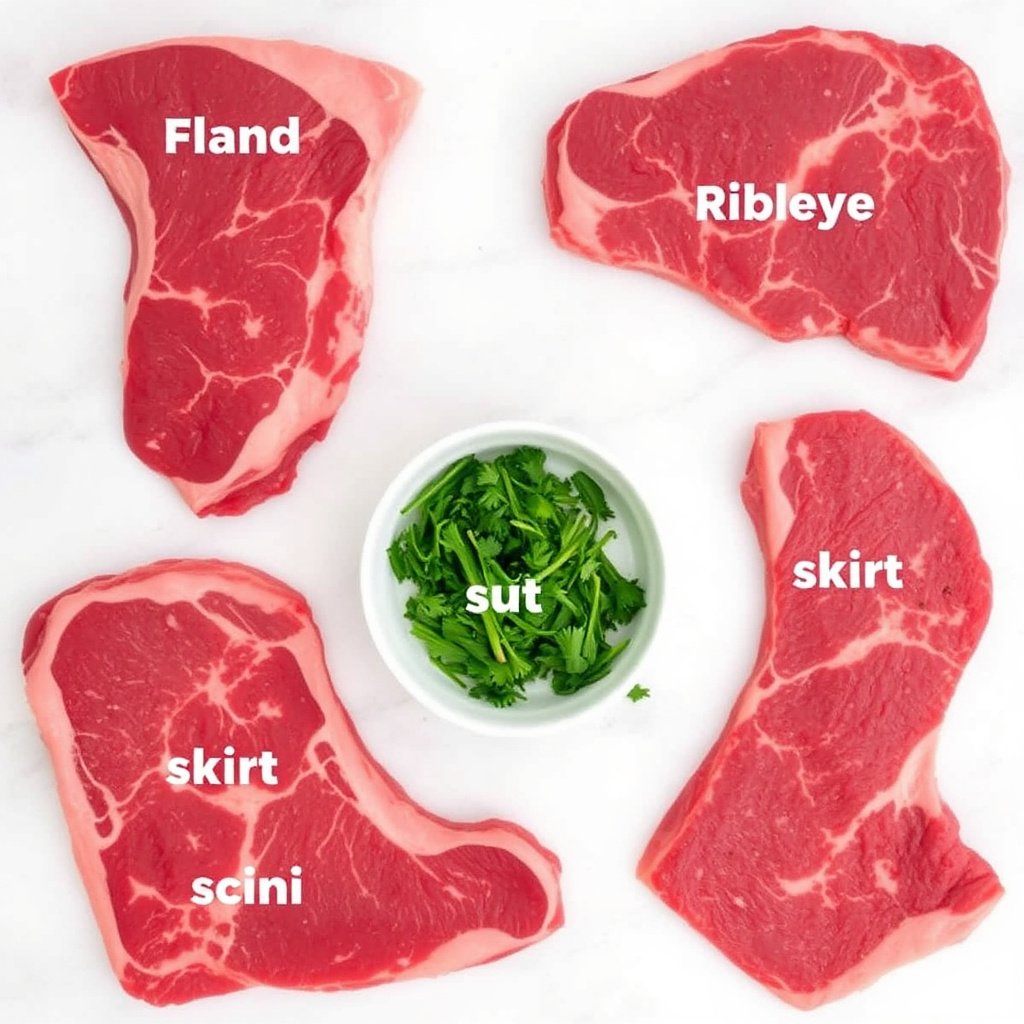
Best Approaches for Tender Cuts
Tender cuts like ribeye and filet mignon already have good marbling and texture, so short marinating times under 2 hours are enough to boost flavor without altering their natural juiciness.
Use delicate herb and oil-based marinades that complement rather than overpower the beef. Avoid heavy acidic mixtures which could soften the meat too much and ruin the texture.
- Marinate for 30 minutes to 2 hours
- Use mild marinades with fresh herbs and oil
Strategies for Tougher Cuts
Cuts such as flank, skirt, and chuck tend to be less tender but more flavorful. Longer marinating durations, from 4 to 6 hours, combined with acidic ingredients break down connective tissue and help tenderize these cuts.
Hearty marinades incorporating vinegar or wine alongside bold flavors like garlic and chili work well. After marinating, slicing against the grain is essential to maximize tenderness.
- Marinate for 4 to 6 hours or overnight
- Include acidic components for tenderizing
- Slice against the grain after cooking
Cooking Methods After Marinating Steak
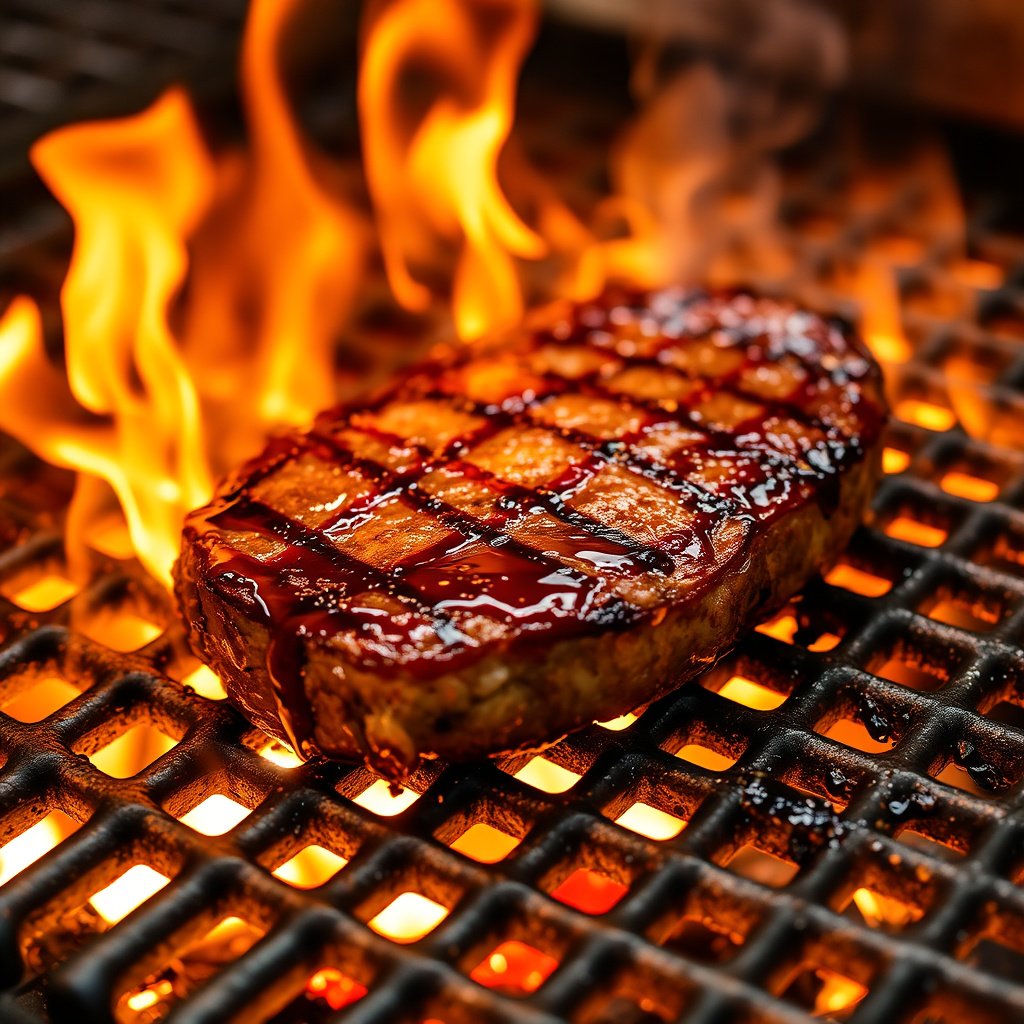
Grilling and Pan-Searing Tips
Remove excess marinade before cooking to avoid flare-ups on the grill and to ensure a proper sear. Preheat the grill or pan to high heat for quick caramelization of the steak’s surface, locking in juices.
Cook steak to preferred doneness, using a thermometer to check internal temperature. Rest the steak for at least 5 minutes before slicing, allowing juices to redistribute and enhance tenderness.
- Discard or pat off marinade before cooking
- Use high heat for searing
- Rest steak after cooking
For more on this, see our related guide: What Is the Best Cut of Steak? Complete Guide to Flavor, Tenderness & Cooking.
Broiling and Oven Roasting
Broiling mimics grilling and is effective for thicker cuts. Place the steak on a broiler pan about 4-6 inches from the heat source and cook on high, flipping once to develop an even crust.
Oven roasting at moderate temperatures after a quick sear can yield evenly cooked steaks. This method works well for large, marinated cuts requiring gentle heat to finish cooking without drying.
- Broil steak close to heat source for crust
- Use pan sear then oven roast for thick cuts
Popular Best Steak Marinade Recipes to Try
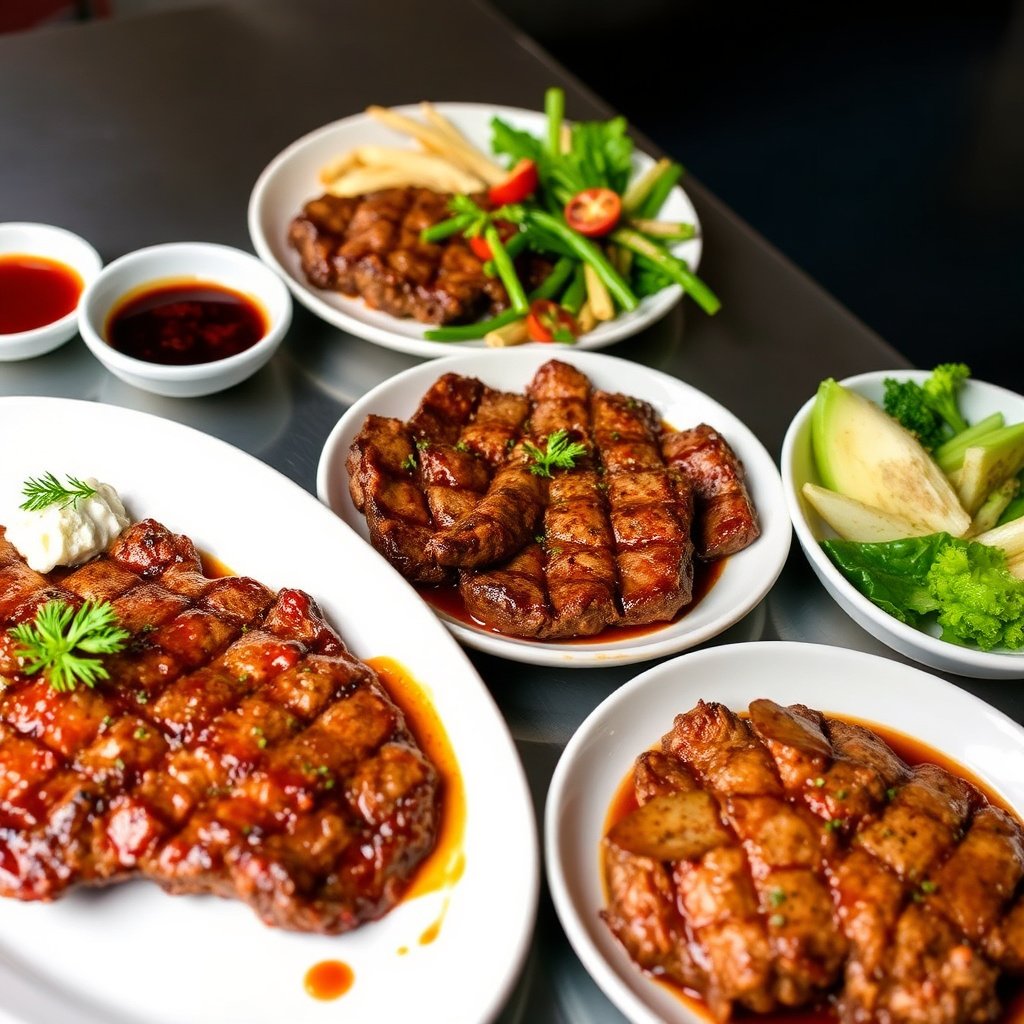
Classic Garlic Herb Marinade
This marinade blends olive oil, minced garlic, fresh rosemary, thyme, lemon juice, salt, and pepper. It complements ribeye and sirloin steaks by enhancing natural beef flavors without overpowering.
Its balance of acidity and aromatic herbs works well for shorter marinating times between 30 minutes and 2 hours, ideal for tender cuts.
- Ingredients: olive oil, garlic, rosemary, thyme, lemon juice
- Marinating time: 30 minutes to 2 hours
For a broader understanding of steak cuts and cooking methods, consult the Steak Wikipedia page. Steak Wikipedia page.
Bold Asian-Inspired Soy and Ginger Marinade
Combining soy sauce, fresh ginger, garlic, brown sugar, sesame oil, and chili flakes, this marinade adds umami and slight sweetness with a spicy kick, perfect for flank or skirt steak.
The acidic note from lime juice helps tenderize the meat over 4 to 6 hours, infusing complex flavors great for grilling or stir-fry preparations.
- Ingredients: soy sauce, ginger, garlic, brown sugar, lime juice
- Marinating time: 4 to 6 hours
Steak Marinade Types Comparison
Here’s a comparison of common steak marinade types to help decide which fits your cooking style and flavor preferences.
| Marinade Type | Primary Acid | Flavor Profile | Recommended Steak Cuts | Marinating Time |
|---|---|---|---|---|
| Classic Garlic Herb | Lemon Juice | Herbaceous, bright | Ribeye, Sirloin | 30 min – 2 hours |
| Asian Soy Ginger | Lime Juice | Umami, sweet-spicy | Flank, Skirt | 4 – 6 hours |
| Red Wine & Rosemary | Red Wine | Earthy, rich | Chuck, Top Round | 6 – 8 hours |
| Balsamic & Honey | Balsamic Vinegar | Sweet, tangy | Strip Steak, Filet Mignon | 1 – 3 hours |
| Spicy Chipotle | Lime Juice | Smoky, spicy | Flank, Skirt | 4 – 6 hours |
Frequently Asked Questions
Can I marinate steak overnight?
Yes, tougher cuts benefit from overnight marinating to tenderize and deepen flavors. However, tender cuts should not be marinated that long to avoid overly soft texture.
Do I need to refrigerate steaks while marinating?
Always marinate steaks in the refrigerator to prevent bacterial growth and keep the meat safe during the process.
Should I cook steak directly from the marinade?
Remove excess marinade before cooking to prevent flare-ups and ensure a good sear. Discard or boil leftover marinade if you want to use it as a sauce.
What’s the difference between marinating and dry rubbing steak?
Marinating soaks the meat in a liquid to tenderize and flavor it, while dry rubs add a dry spice coating that creates a crust during cooking without altering texture much.
Can I reuse marinade as a dipping sauce?
Marinade used on raw meat should be boiled thoroughly before using as a dipping sauce to eliminate harmful bacteria.
Key Takeaways
- Acid, oil, and seasonings form the foundation of an effective steak marinade.
- Marinating times vary greatly depending on the steak cut and desired tenderness.
- Proper handling and cooking methods maximize the benefits of your marinade.
- Trying different marinade recipes can tailor flavor to your preferences.
Conclusion
Choosing how to marinate steak involves understanding your cut of meat and balancing marinade ingredients. Using acids for tenderizing alongside oils and herbs for flavor creates the best results. Timing is key: too short means little impact, too long can ruin texture. By controlling these variables, you can transform ordinary steak into a memorable meal.
For tender cuts such as ribeye or sirloin, a brief soak of under two hours in a light herb and garlic marinade works great. Tougher cuts like flank or skirt steak require longer marinating times—four to six hours—in a more robust acidic marinade, such as soy and lime or red wine-based blends. Matching marinade style with the steak cut, cooking method, and your taste preferences leads to near-perfect tender and flavorful results.
Once you select a marinade, apply it evenly in a non-reactive container and keep the steak refrigerated while it absorbs flavors. When cooking, remove excess marinade for the best sear and remember to rest the steak afterward. Explore recipes, experiment with ingredients, and enjoy the process of turning simple steak into flavorful, tender dishes with marinating.