How Much Does a Banquet Hall Rental Include? Complete Cost Breakdown & Tips
How much does a banquet hall rental include depends on the venue and package you choose. Typically, the rental fee covers the event space, basic tables and chairs, and standard cleaning, but catering, bar services, and extra amenities are usually charged separately. Expect the space rental alone to cost between $500 and $3,000 for most events. Understanding these inclusions helps you plan your budget accurately and avoid surprise expenses.
This information is useful for anyone planning weddings, corporate events, or parties. You’ll find clear details on what’s usually included in the rental, how additional services affect costs, and tips for budgeting and booking to get the venue that fits your needs.
Key Takeaways
- Basic banquet hall rental includes the event room, standard seating, and cleaning but rarely includes catering or drinks.
- Catering costs vary widely, often charged per person, adding significantly to your total event budget.
- Bar services usually have separate fees and may include taxes or service charges around 18% GST.
- Extra fees often cover items like overtime, equipment rentals, decorations, and special cleaning services.
- Rental prices can be 30-50% lower on weekdays or in off-peak seasons.
- Guest count heavily influences catering and service costs, so choose your headcount carefully.
What Is Typically Included in a Banquet Hall Rental?
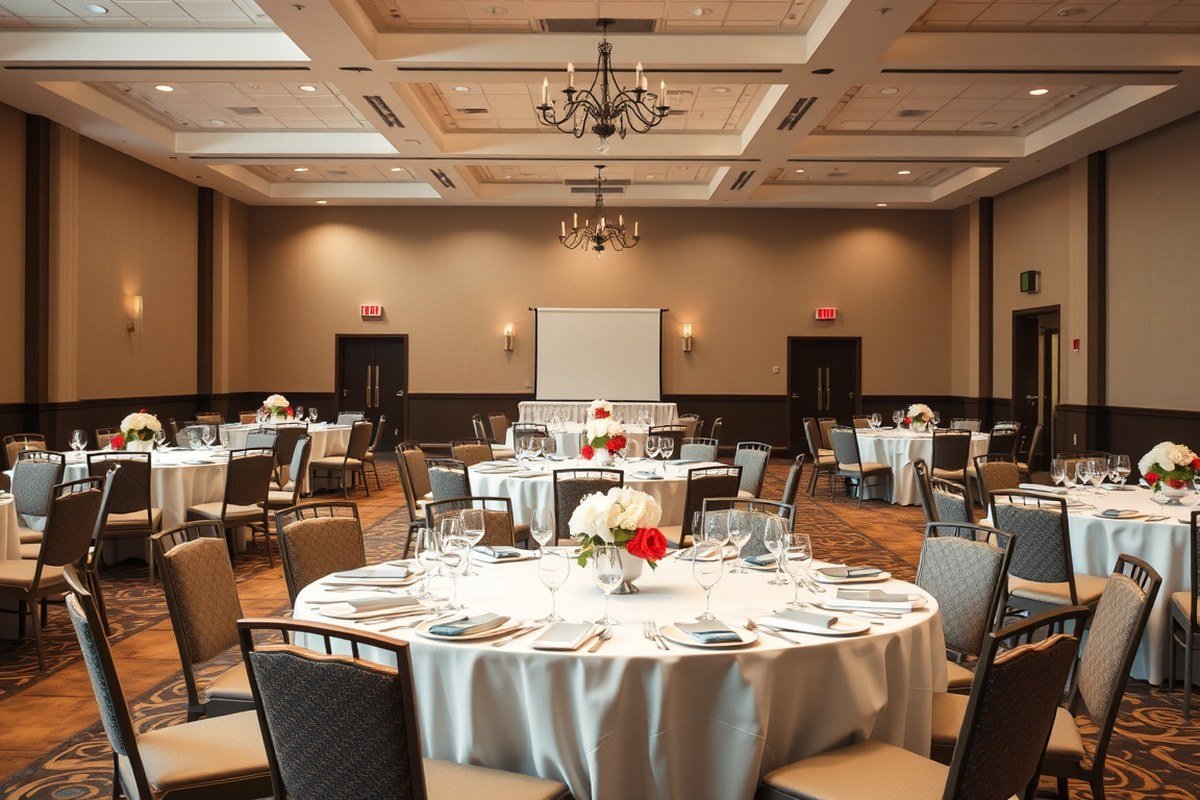
The rental fee for a banquet hall typically covers the use of the event space for a set number of hours, generally ranging from 4 to 6 hours. This fee includes essential items like tables and chairs sufficient to accommodate the number of guests allowed by the venue’s capacity. Most venues provide standard linens for tables but check if different colours or upgraded fabrics come with extra cost. Basic amenities generally include access to restrooms, parking, and sometimes kitchen facilities for catering service use.
In addition to space and furniture, many banquet halls include setup and cleanup in the rental fee, although the extent of this service varies widely. For example, some venues will arrange the tables and chairs according to your event layout and handle trash removal afterwards, while others may require you to oversee or pay extra for these services. Larger or luxury banquet halls often include professional event staff as part of the package, which benefits your event flow but can increase the base cost.
- Access to the event room for a specified rental period
- Tables and chairs matching venue capacity limits
- Standard linens for tables (quality and choice may vary)
- Basic audio-visual equipment such as microphones and projectors in some cases
- Parking for guests (often included but sometimes limited)
- Restroom facilities maintained by the venue
- Setup and cleanup services may be included or offered at additional fees
Banquet halls vary in their inclusions depending on venue type and price point. Community halls or smaller spaces commonly offer the essentials listed above with minimal extras. They might require guests to arrange or pay for decorations and additional equipment. Mid-range banquet halls often add amenities like built-in sound systems or complimentary use of china and silverware. Luxury or hotel-based venues may include full event coordination, lighting effects, and high-end décor as part of a complete rental package. Understanding these differences helps you compare options and avoid duplicate costs if you plan to rent tables, chairs, or linens separately.
Cost-wise, renting just the hall space usually runs from $500 to $2,500 depending on location, size, and date. Weekday or off-season rentals tend to be less expensive. Tables, chairs, and linens are almost always bundled into the rental cost but double-check if the venue charges extra for specialty items. If setup and cleanup are not part of the package, you can expect an additional $200 to $1,200 for staffing or event assistance. Verifying these details early with the venue reduces surprises and helps you build an accurate budget for your event.
How Catering and Bar Services Affect Your Total Cost

Catering and bar services are almost always separate from the basic banquet hall rental fee. The venue rental covers the space itself, but food, drinks, and related services come with additional costs calculated per guest or as minimum spends. Understanding these added charges helps you budget properly and avoid surprises.
Typical Per-Person Catering Costs
Catering is usually charged on a per-person basis, with prices varying by menu complexity and service style. For example, a buffet might cost less per guest than a plated dinner. Typical costs range between $38 and $85 per guest, not including tax and service fees. Here’s a table showing sample cost components for an event with 100 guests:
| Item | Description | Example Cost |
|---|---|---|
| Number of Guests | Total attendees at the banquet | 100 people |
| Cost per Guest | Food, beverage, and service per person | $50 per guest |
| Venue Cost | Fee for renting the event space | $2,000 |
| Decoration Cost | Event decoration charges | $500 |
| Other Costs | Entertainment, extras | $300 |
To calculate a rough total for food and venue without extras: 100 guests × $50 = $5,000 (catering) + $2,000 (venue) = $7,000. On top of this, expect service charges of 18%-25% and sales tax depending on local rules.
Bar Service Fees and Minimums
Bar service is also charged separately from the rental and catering food costs. Your choice between an open bar, limited bar, or cash bar impacts the cost. Many halls ask for a minimum alcohol spend or a set number of drink tickets per guest.
Service charges and taxes between 18% and 25% are common on bar services. It’s important to confirm with the venue if bartending fees, corkage, or per-drink pricing apply. Some venues bundle bar costs with catering, but often these are added on top as extra line items.
Consider the total alcohol consumption expected and check if the venue imposes a minimum bar spend. This minimum may be based on the guest count or total amount spent on food and beverages combined.
How Food and Beverage Minimums Work
Food and beverage minimums set a baseline spending level that you must meet to rent the hall. This means the venue expects you to spend at least a certain amount on catering and drinks combined, which varies by location and event size.
For example, a hotel banquet hall might require a $4,000 minimum F&B spend for a Saturday event with 100 guests. Falling short of your catering and bar minimums means you’ll owe the difference as a fee. This ensures the venue covers operational costs and staffing.
Calculating these minimums helps avoid unexpected charges. Add your estimated per-guest costs for food and drink and multiply by your guest count. A total below the minimum means increasing your selections or facing extra charges.
Ask for a detailed breakdown of all food and drink minimums before signing your contract to avoid surprises on your final bill.
Common Extra Fees Beyond the Base Rental Cost
The base rental cost for a banquet hall rarely covers all expenses. Expect several additional fees that can increase your total bill significantly. Common extras include taxes, mandatory service charges, gratuities, cleaning fees, overtime costs, and security deposits. These charges typically arise because the rental price often only covers the use of the venue space for a set time frame without the full scope of event services.
Taxes and service charges can add between 18% and 25% to your food and beverage bill. These are not optional gratuities but mandatory fees hotels or banquet halls include to cover staff wages and venue services. It’s important to confirm this percentage upfront so you can factor it into your overall budget. Some venues add a fixed service charge on top of your entire bill, while others calculate it only on food and drinks.
Overtime fees can surprise you if your event runs longer than the contracted hours. Venues typically charge hourly rates for every extra 30-minute block beyond your scheduled time. The cost may range from $100 to $300 per hour depending on the hall’s pricing policies, location, and demand. Set up and teardown times often count toward your rental hours, so request additional hours if your timeline requires more flexibility. Failing to pre-arrange these can result in steep overtime penalties.
Cleaning fees are another common expense. Some banquet halls include routine cleaning in the rental fee, while others charge separately for post-event cleanup. This fee can vary widely but expect anywhere from $200 to $600 depending on the venue size and the scope of cleaning required. If your event involves candles, confetti, or heavy decorations, ask whether additional charges might apply. You may also need to pay a security deposit upfront, usually refundable after the event if no damage occurs.
- Mandatory taxes and service charges of 18-25% on food and beverage bills
- Hourly overtime fees ranging from $100 to $300 for extended use
- Cleaning fees varying from $200 to $600, depending on the venue and event size
- Security deposits required in some venues, refundable if no damage occurs
- Potential charges for early access or late teardown beyond reserved hours
- Special fees for extras such as cake cutting, audiovisual equipment, or security staff
Spotting these extra costs in rental contracts requires careful reading. Look for lines mentioning “service charge,” “cleaning fee,” “security deposit,” “overtime,” and “additional hours.” Don’t hesitate to ask the venue staff to clarify any vague terms or hidden fees. Request a detailed breakdown of all charges, including taxes and gratuities, before signing. Good results come from having a clear, written understanding of what is included and what will cost extra. Ignoring these details often leads to surprise bills after your event, making your final cost much higher than expected.
How Guest Count, Date, and Location Influence Rental Pricing
The cost of renting a banquet hall depends strongly on guest count, event date, and location. Larger groups need more space and facilities, which raises the price. Weekend events usually cost more than weekday ones due to higher demand. Urban venues tend to be pricier than rural halls. Choosing less popular days or off-peak seasons can secure discounts and lower your total cost.
Pricing by Guest Count and Event Size
Guest count directly affects how much you’ll pay because the venue must accommodate everyone comfortably. Smaller groups typically fit in modest rooms costing less, while large events need bigger, more equipped halls which charge higher fees. Rental prices can also scale with service needs like seating, tables, and staff.
Here’s an overview showing expected price ranges based on guest count for room-only rental. Prices combine base venue fees and expected capacity needs.
| Guest Count | Estimated Rental Cost Range | Example Venue Size |
|---|---|---|
| 50 to 100 | $500, $2,500 | Small banquet hall or community room |
| 101 to 150 | $1,500, $3,500 | Medium hall with basic amenities |
| 151 to 300 | $2,000, $5,000+ | Large or polished venue with advanced features |
For example, a wedding with 150 guests will generally cost more to rent than one with 75 guests due to space and services required. Knowing your guest count early helps you select a venue that fits your budget and avoids unnecessary expenses.
Weekday vs. Weekend Rental Price Differences
Weekend dates, especially Fridays through Sundays, usually carry higher rental fees because demand peaks then. These are popular days for weddings, corporate events, and parties, so many venues price accordingly. Weekday bookings tend to be less expensive and sometimes come with special discounts.
Choosing a weekday event can reduce venue costs by 10 to 30 percent compared to weekend rates. For instance, if a Saturday rental costs $3,000, the same hall might rent for $2,100 to $2,700 Monday through Thursday. This difference matters if you’re aiming to save without sacrificing venue quality. Consider the following basic rules when planning your date to save money:
- Book on a Tuesday or Wednesday for the lowest rates.
- Avoid popular holiday weekends or local event dates that increase prices.
- Ask venues about discounts for off-peak seasons or non-peak hours.
Location Impact on Rental Costs
Location affects pricing based on the venue’s proximity to population centers and demand level. Urban halls in cities tend to have higher prices due to convenience, prestige, and higher operating costs. Suburban or rural venues can be more affordable but might offer fewer amenities.
For example, a banquet hall in a major city may charge $3,000 to $5,000 for a weekend event with 150 guests, while a similar rural venue might cost between $2,000 and $4,000 for the same size event. Choosing a venue outside the urban core can reduce the rental cost but may require guests to travel further.
Off-peak or less central locations sometimes offer discounts to attract bookings during slower periods. Contact your preferred venue to inquire about such deals and weigh how location convenience impacts guest attendance and your budget.
What Equipment and Amenities Are Usually Provided?
Most banquet halls come equipped with a range of essential furniture and audiovisual equipment, but what’s actually included varies widely by venue. Sound systems like microphones and speakers are common, though advanced setups with LED screens, DJ gear, or stage lighting often cost extra. Tables and chairs are usually part of the package, sometimes including linens in basic colors. Stages and dance floors may be available, especially in halls designed for weddings or corporate events, but they can often add to your total cost.
Knowing exactly what equipment and amenities the hall provides helps avoid last-minute surprises and planning headaches. Some venues have fixed layouts and don’t allow changes, restricting your ability to customize furniture arrangements or add large decorations. If you plan to bring your own décor or equipment, confirm the venue’s policies first. Also, renting additional items like specialty linens or upgraded lighting through outside vendors can increase your budget and may require you to arrange delivery and setup times separately.
- Confirm if sound and AV equipment like microphones, speakers, and projectors are included or optional.
- Check what quantity and types of tables and chairs the hall provides, and whether linens are part of the rental.
- Ask if the hall includes a stage or dance floor, and whether you can adjust the layout.
- Inquire about restrictions on bringing your own decorations or external rental equipment.
- Verify available setup and teardown times to coordinate outside vendors effectively.
- Find out about parking availability and whether it is included in the rental cost.
- Ask about climate control and lighting options to ensure comfort during your event.
Double-check with the venue about what’s included in your base rental before booking, especially if you want to use your own DJ or decorator to avoid unexpected fees.
When bringing external vendors, communicate early and clearly with your venue. Confirm delivery windows, access points for equipment, and any fees for outside catering or entertainment. Some banquet halls charge cleaning or service fees if outside vendors are involved. Coordinating these details well in advance prevents delays and helps maintain the venue’s policies while giving you the flexibility to personalize your event. Budget-friendly halls might have more limited amenities, requiring additional rentals, while higher-end locations often bundle more equipment and décor options into their packages.
Differences Between Room-Only Rental and All-Inclusive Packages
When you rent a banquet hall, you can choose between just the room itself or a full-service package that includes catering, décor, and staffing. Room-only rentals give you more flexibility but require more coordination, while all-inclusive packages simplify planning but may cost more upfront. Understanding what each option covers helps you decide what fits your event’s needs and budget.
What Room-Only Rental Includes
Renting a banquet hall on a room-only basis means you pay for the event space and its basic amenities. This typically covers the area where your guests will gather, tables and chairs, basic lighting, restrooms, and possibly some standard AV equipment like microphones or speakers. You get the freedom to bring your own vendors for catering, decoration, and entertainment.
This option works well if you want complete control over every detail or have trusted vendors already lined up. However, you need to account for the extra time and effort spent coordinating multiple service providers. Some venues require a deposit and set a minimum rental period, often between 4 to 6 hours, which affects your overall cost and schedule.
Features of All-Inclusive Packages
All-inclusive packages bundle the banquet hall space with key event services such as catering, décor, staffing, and often AV equipment. These packages usually include meals, buffet or plated dinners prepared onsite, professional servers, table settings, linens, and some level of decoration that matches your event style. Some venues even provide event planning assistance as part of the package.
For example, a wedding package might include the hall, buffet service, and themed decorations for a single price, simplifying budgeting and reducing coordination stress. These packages generally come at a higher upfront cost, sometimes several thousand dollars more than a room-only rental, but can offer a better overall value by eliminating vendor markups and third-party fees.
| Feature | Room-Only Rental | All-Inclusive Package |
|---|---|---|
| Event Space | Included | Included |
| Tables and Chairs | Usually included | Included |
| Catering | Vendor provided separately | Included (in-house catering) |
| Décor | Vendor or DIY | Included (basic or themed) |
| Staff (servers, cleanup) | Vendor or renter arranges | Included |
| AV Equipment | Basic equipment often included | Typically included |
| Event Planning Assistance | Not included | Sometimes included |
This comparison shows the tradeoffs clearly: room-only rentals require more effort sourcing services yourself, while packages handle multiple components in one contract. Knowing these details helps you factor in both time and money when making your choice.
Choosing Between Room-Only and Packages
Evaluate your comfort level with event planning and the complexity of your gathering when deciding on rental type. Room-only rentals often save money if you have reliable vendors and want custom options, but they increase the coordination burden. All-inclusive packages reduce stress and guesswork but may push your budget higher. Use this checklist to decide which option suits your event:
- Do you have trusted caterers or decorators? Room-only can save you money when that option fits your needs.
- Is your event large or complex? Consider full-service for smoother coordination.
- Consider whether you’re comfortable managing multiple vendor contracts. All-inclusive packages often offer a safer option when you prefer fewer details to handle.
- Does your budget allow for upfront package costs or favor piecemeal spending?
- Check package contracts carefully for hidden fees, minimum guest counts, cancellation policies, and included services.
Careful review of what each contract includes ensures you avoid surprises like mandatory service charges or limitations on outside vendors. Advance booking and clear communication about your event’s needs help you lock down the best deal, whether room-only or all-inclusive.
How to Budget and Avoid Surprise Charges When Renting
Budgeting accurately for a banquet hall rental means accounting for every potential cost, including taxes, gratuities, and any extra fees that might not be obvious at first. You should plan for a contingency of about 10-15% above your estimated expenses to cover unexpected charges, like overtime fees or additional service costs. Negotiating with venues can lower costs or add value, but it requires knowing what to ask for and how to read the contract carefully to avoid surprises.
Use a step-by-step budgeting method to track all expenses clearly. This can help you keep control and identify areas where you can negotiate or adjust your spending. Here is a reliable approach to building your budget and managing negotiations.
- List Base Rental Fees: Ask the venue for a detailed quote including the hourly or flat rental rate. Make sure to confirm whether setup and cleanup time is part of this fee to avoid extra charges. Some venues include setup within the rental, which helps simplify your budget.
- Include Food and Beverage Costs: Since catering and bar services typically account for 30-50% of your budget, request detailed menus and pricing. Find out if gratuities and taxes are included or added separately, then add those percentages to your budget estimate.
- Add Taxes and Gratuities: Inquire about the exact sales tax rate and any mandatory service fees the venue applies. Add these to your total predicted cost before moving forward.
- Estimate Extra Fees: Identify potential additional charges like audio-visual equipment rentals, parking fees, or overtime costs if your event runs late. Include an extra 10-15% buffer to cover unplanned expenses or vendor tips you haven’t anticipated.
- Review the Contract Thoroughly: Look for hidden fees such as cleaning charges or minimum spending requirements. Verify cancellation policies and payment deadlines. Make sure the contract clearly states what is included in your rental.
- Negotiate Where Possible: Ask for discounts on rental fees during off-peak times or weekdays. Request that gratuities be capped or optional if you prefer. See if you can bring in outside vendors or avoid certain fees by adjusting your event schedule or services.
- Confirm All Details in Writing: After negotiations, get all agreed-upon terms and any fee waivers in the contract amendment or an official email to avoid disputes later.
Following these steps helps prevent budget overruns and unpleasant surprises. For example, knowing whether setup time is included can make a $1,000 rental fee stretch farther, or negotiating a capped gratuity can save hundreds of dollars on catering. Always leave room for unplanned costs and request a detailed contract copy before making your deposit.
Best Timing and Booking Tips to Get Your Ideal Venue
Booking your banquet hall well in advance is key to securing your ideal venue and managing costs effectively. Popular dates and peak seasons often get reserved several months ahead, so aim to book at least 6 to 12 months before your event. Being flexible on your event date can also lead to significant savings; weekday bookings often cost 20 to 40% less than weekend events.
Understanding deposit, payment, and cancellation policies is essential to avoid unexpected fees. Venues typically require a deposit when you sign the contract, often 25 to 50% of the rental fee, with the balance due closer to the event date. Cancellation policies vary widely, so review them carefully before committing. Some venues charge a percentage of the rental fee as a cancellation penalty, which insurance may not cover.
Flexibility on the event date improves availability and lowers costs. If you can select an off-peak day or a weekday, you’ll have a better chance of booking a preferred venue and may pay less. Checking several options within your preferred timeframe can also reveal better deals. To help you organize your booking process and stay on track with payments and contracts, follow these practical steps:
- Identify your event date range and guest count. This narrows down venues that accommodate your size and preferred timeframe.
- Research venues that fit your ambiance and amenities needs. Consider parking, AV equipment, accessibility, and location convenience.
- Request availability and pricing for multiple dates. Compare weekday versus weekend rates and peak versus off-peak seasons.
- Review contract terms carefully. Focus on deposit amounts, payment deadlines, cancellation fees, and what is included in the rental.
- Pay the required deposit promptly. This usually locks in your date and starts the booking process.
- Schedule your final payment according to the contract’s timeline. Typically, the balance is due 30 to 60 days before the event.
- Confirm all details with the venue two to four weeks before the event. This includes guest count, setup times, and any special requirements.
- Keep all communication and receipts organized. They serve as proof if any disputes arise.
Check the cancellation policy before you book; some venues keep your deposit even if you cancel several months in advance.
Step-by-Step Action Plan for Renting a Banquet Hall
Follow these steps to secure your ideal banquet hall without unexpected costs or last-minute stress.
- Before You Book: List your guest count, preferred dates, and must-have amenities. Confirm that the hall’s base rental aligns with your needs to avoid surprises.
- Week 1: Contact multiple venues to compare rental rates and included services. Ensure you understand what each package covers, like tables, chairs, or AV equipment.
- Week 2: Request detailed quotes including catering and bar services if needed. Verify if additional fees such as cleaning or overtime apply and how they affect your budget.
- Week 3: Review cancellation policies and payment schedules carefully. Make sure the timing fits your planning and financial comfort.
- Two Months Before Event: Confirm your final guest count and any extra equipment needs with the venue. Lock in your rental and related services with a contract.
- One Month Before Event: Arrange a walk-through with the venue staff to verify setup and amenities. Use this opportunity to ask questions about day-of logistics.
- One Week Before Event: Double-check payment deadlines and confirm catering and bar arrangements. Ensure all special requests are documented and agreed upon.
- Day of Event: Arrive early to oversee setup and address any last-minute issues. Confirm the venue is fulfilling the agreed services to your satisfaction.
Frequently Asked Questions
What Is Generally Included in the Base Price of a Banquet Hall Rental?
The base price typically covers the rental of the event space for a set number of hours, with basic amenities like tables and chairs. Extras such as catering, decorations, and technical equipment usually cost more.
How Do Guest Count and Event Timing Affect Banquet Hall Rental Costs?
Rental costs often rise with a larger guest count and peak dates like weekends or holidays. Booking on a weekday or off-season can lower your costs.
Are Service Charges and Taxes Included in the Banquet Hall Rental Fees?
Taxes and service charges are often extra, including sales tax and sometimes an 18% service fee. Always check your rental agreement for these added costs.
Do Banquet Halls Provide Decorations and Setup in the Rental Fee?
Most banquet halls do not include decorations in the base rental price. Setup services like table arrangement and lighting may come with additional charges.
How Does Renting a Banquet Hall Compare to Other Event Spaces in Terms of Cost?
Banquet halls typically cost more than simpler venues due to included amenities and services. Community halls or parks may offer cheaper alternatives but with fewer features.
Is There Usually a Minimum Guest Requirement to Rent a Banquet Hall?
Some banquet halls require a minimum guest count to rent, especially for full-service packages. This helps cover fixed costs and staffing expenses.
Final Thoughts
Understanding what a banquet hall rental includes helps you plan your event without unexpected costs and stress. Prioritizing clear communication and detailed contracts ensures you get the services you need within your budget. Start by gathering your event details and reaching out to venues early to find the best match for your occasion.