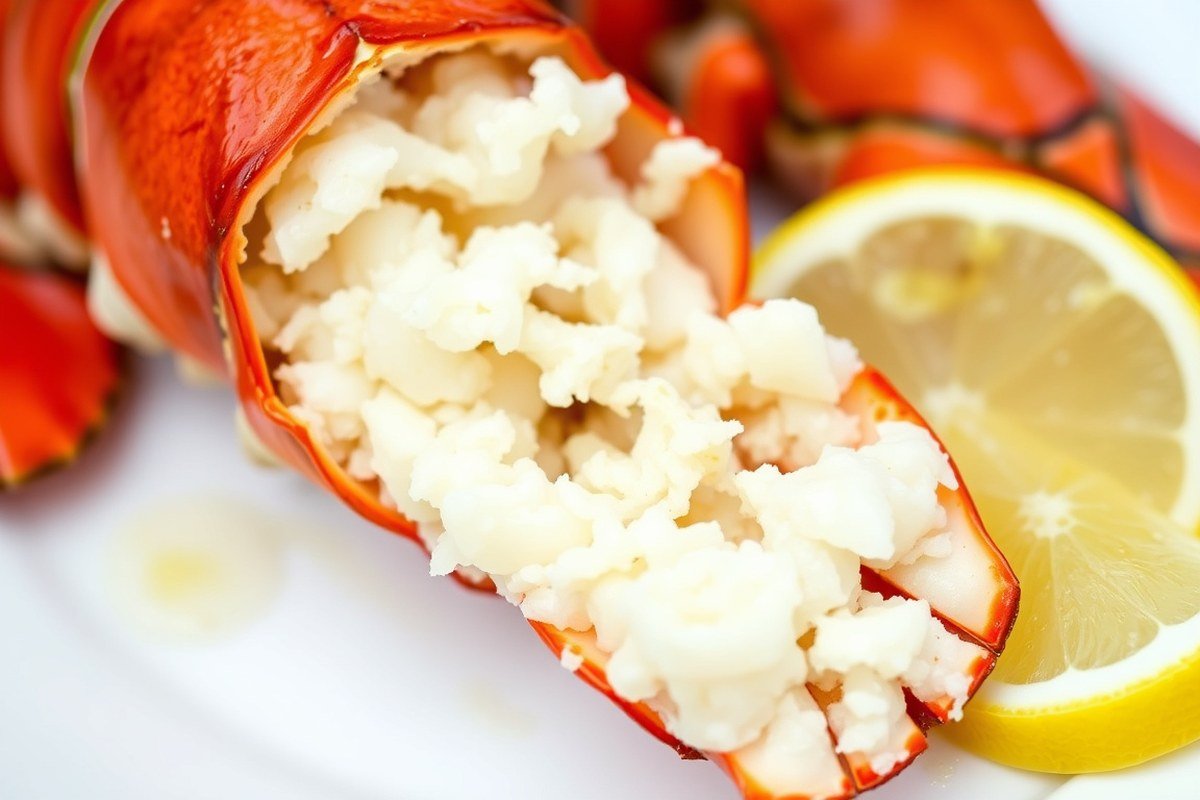
How to Cook Lobster Tails: A Complete Guide with Perfect Timing & Tips
The best way to cook lobster tails depends on your preferred method, but most take 5 to 12 minutes to cook through. Steaming for 6 to 8 minutes preserves tender texture, baking at 350°F for 10 to 15 minutes ensures even cooking, and boiling salted water takes about 5 to 7 minutes for quick results. Timing varies by size, with smaller tails requiring less time.
This guide is for home cooks who want reliable, straightforward tips on how to cook lobster tails perfectly. You’ll learn precise cooking times, preparation steps, seasoning ideas, and how to avoid common mistakes to enjoy delicious lobster at home every time.
Key Takeaways
- Thaw frozen lobster tails in the refrigerator for 24 hours for the best texture and safety.
- Steam lobster tails about 1 minute per ounce for tender, pure flavor.
- Boil lobster tails in salted water for 5 to 7 minutes until meat is opaque and firm.
- Bake lobster tails at 350°F for 10 to 15 minutes to cook evenly and retain moisture.
- Use grilling for lobster tails to add a smoky char, cooking about 6 minutes per 8-ounce tail.
- Cook lobster tails within two days of purchase or thawing to ensure freshness and food safety.
Step-by-Step Guide to Cooking Lobster Tails
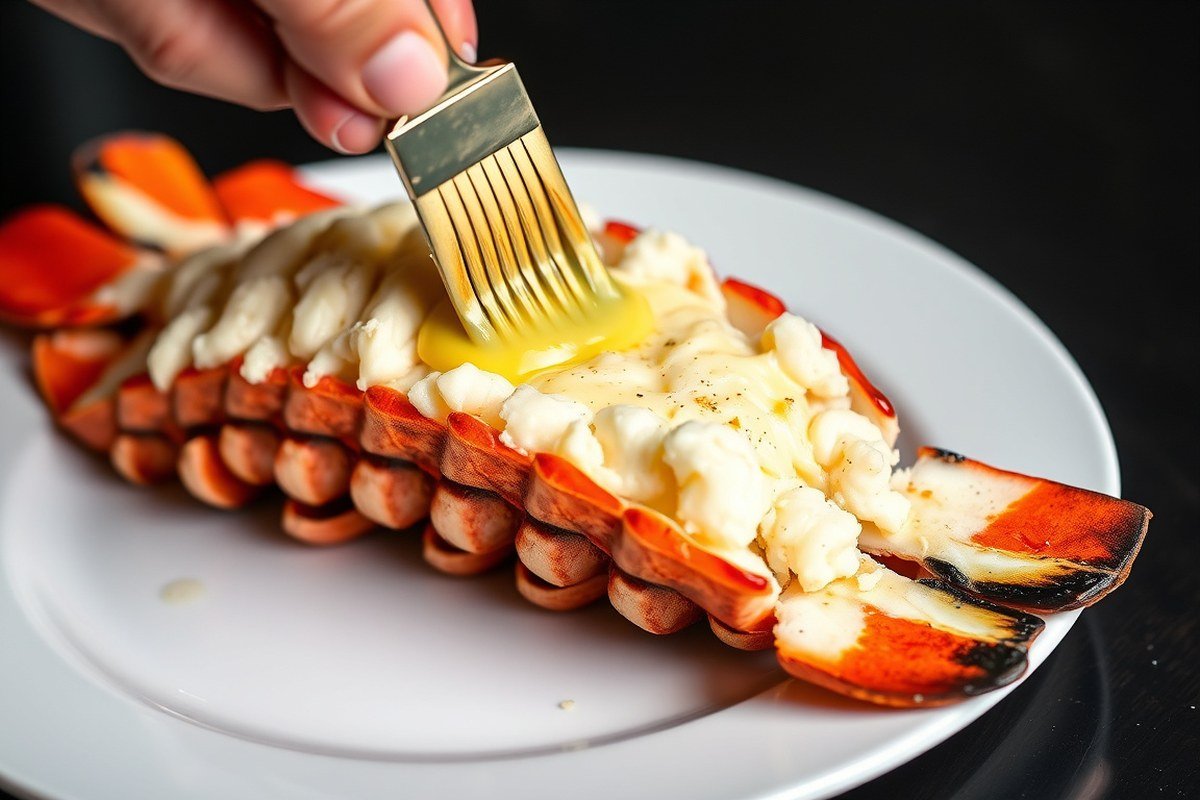
Cooking lobster tails involves careful preparation to ensure tender, flavorful meat. Using fresh or frozen tails requires proper thawing, cutting, and seasoning to create a great dish. Using the right tools like kitchen shears, a sharp knife, and a cooking thermometer helps you avoid common pitfalls such as uneven cooking or tough texture. Most lobster tails weigh between 6 and 8 ounces, so keep portions in mind when timing your cooking and prepping.
Follow these steps to prepare and cook lobster tails safely and effectively. The order of actions ensures even cooking and a clean presentation, starting with thawing if needed, then cutting for easy seasoning and airflow during cooking.
- Frozen lobster tails need to be thawed before cooking. The best method is to leave them in the refrigerator for 24 hours. For quicker thawing, place the tails in cold water for about 30 minutes. Cooking lobster tails straight from frozen results in meat that can become tough and rubbery.
- Prepare your tools and cooking setup. Gather kitchen shears or a sharp knife, a bowl for seasoning, a baking dish or steaming basket, a timer, and a meat thermometer (optional). Preheat your oven to 350°F if baking, or prepare boiling salted water or a steamer as needed.
- Use kitchen shears to slice the lobster shell. Cut lengthwise along the top of the shell, stopping at the tail fan. This technique reveals the meat for more even cooking and easier serving. Avoid cutting through the entire shell to keep the tail looking neat on the plate.
- Lift and prepare the meat for cooking. Gently pull the exposed meat upwards, resting it on top of the shell while keeping it attached at the tail end. This butterfly technique improves seasoning absorption and offers a cleaner look on the plate.
- Season the lobster meat. Brush the meat with a mixture of melted butter, garlic, lemon juice, and a pinch of salt for flavor. Avoid heavy seasoning that can overpower the delicate lobster taste.
- Cook the lobster tails. Steam for 6, 8 minutes, bake at 350°F for 10, 15 minutes, or boil in salted water for 5, 7 minutes for tails weighing between 6 and 8 ounces. Adjust times slightly for larger tails. Meat is done when it turns opaque white and slightly firm; internal temperature should reach 140°F to 145°F.
- Rest and serve. Let the tails rest for a few minutes after cooking to redistribute juices. Serve immediately with melted butter or your favorite seafood sauce.
Comparing Popular Cooking Methods for Lobster Tails
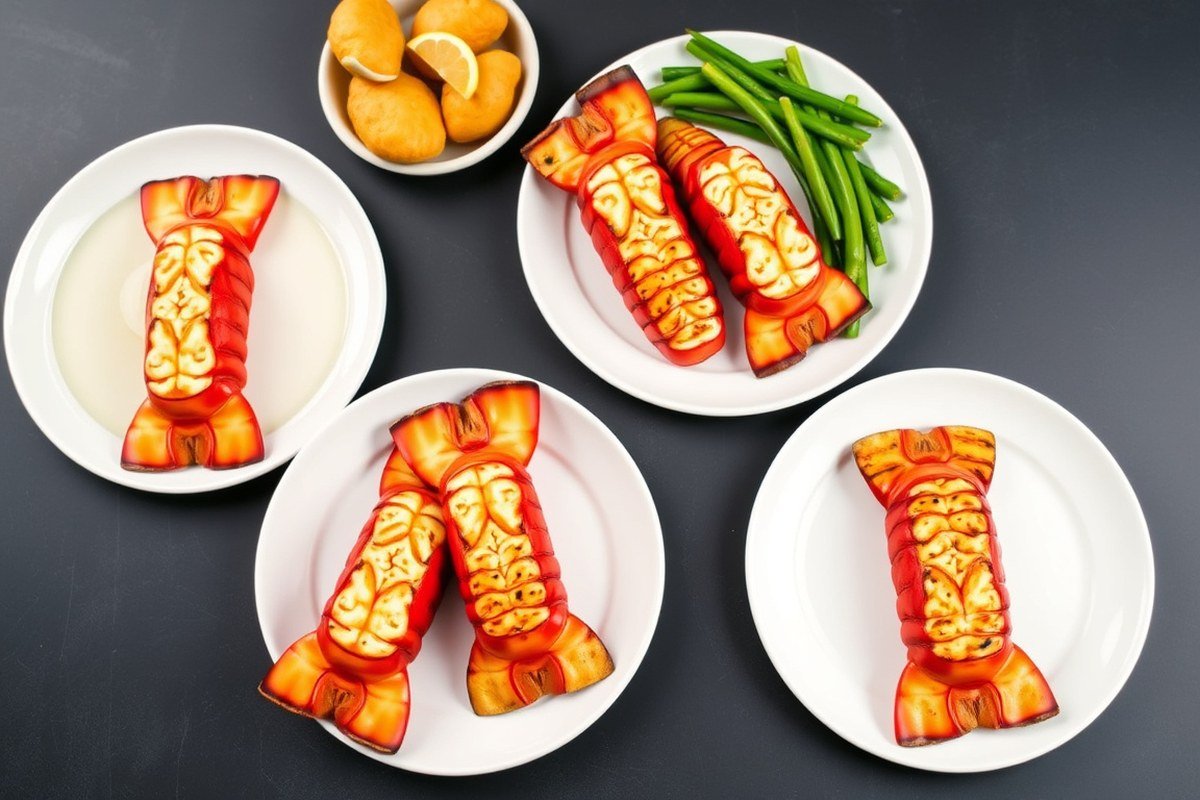
Popular cooking methods for lobster tails include boiling, steaming, grilling, broiling, baking, and air frying. Each method changes the flavor and texture differently, offers unique pros and cons, and varies in ease and speed. Choosing the right method depends on your kitchen setup, how much time you have, and the taste and tenderness you prefer.
| Method | Pros | Cons | Ideal For | Approx. Time (6, 7 oz) |
|---|---|---|---|---|
| Boiling | Simple, even cooking; easy timing | Can dilute flavor slightly | Speed and simplicity | 5, 7 minutes |
| Steaming | Tender texture; pure, sweet flavor | Needs a steamer basket or rack | Maximum tenderness | 6, 8 minutes |
| Baking (350°F) | Even cooking; easy seasoning | Slower than high-heat methods | Consistent oven cooking | 10, 12 minutes |
| Broiling (High) | Fast; lightly browns surface | Easy to overcook if unattended | Quick browning and flavor | Variable, around 6, 8 minutes |
| Grilling | Smoky flavor; some char | Requires attention to avoid drying | Outdoor cooking; smoky taste | About 5, 7 minutes |
| Air Frying | Quick; beginner-friendly | Best for small to medium tails; less rich taste | Speed with moderate flavor | 7, 9 minutes |
This table outlines each method’s main strengths and drawbacks, helping you choose based on time, taste, and available tools. Cooking times apply to lobster tails around 6 to 7 ounces, so larger tails require slightly longer.
Boiling Lobster Tails
Boiling lobster tails is the quickest and easiest method. You simply bring salted water to a boil, add the thawed tails, and cook for about one minute per ounce. For a 6-ounce tail, expect roughly 6 minutes. Boiling cooks the meat evenly but may dilute the lobster’s natural sweetness since some flavor leaches into the water.
Boiling requires no special equipment beyond a large pot and stove, making this ideal for beginners or anyone wanting a no-fuss approach. After boiling, the lobster meat is tender but slightly less rich compared to other methods.
Be sure not to overcook; boiling too long makes meat tough and rubbery.
Grilling and Broiling Lobster Tails
Grilling gives lobster tails a pleasant smoky char that complements their natural sweetness. Place cleaned, buttered tails meat-side down on a hot grill for 5 to 7 minutes, then flip briefly. This method works well outdoors or on an indoor grill pan. Watch carefully to prevent drying out the meat.
Broiling is similar to grilling but done inside an oven under high heat. Broiling takes about 6 to 8 minutes and quickly browns the lobster surface, adding flavor. It requires close attention to avoid overcooking, which happens easily due to direct heat. Broiling delivers a slightly crisp exterior with tender meat inside.
Keep lobster tails within sight when broiling to prevent burning or toughness.
Baking and Air Frying Lobster Tails
Baking lobster tails in an oven at 350°F lets you season generously and cook evenly. Plan for a 10 to 12-minute bake for a 6 to 7-ounce tail. Baking is slower than boiling or broiling but provides consistent tenderness without constant monitoring. Applying garlic butter or herbs before baking improve flavor.
Air frying is a newer option that quickly cooks smaller lobster tails while preserving sweetness without a rich, heavy taste. Set the air fryer to about 375°F and cook tails for 7 to 9 minutes. Air frying is beginner-friendly and produces tender meat with a lightly crisp exterior, though it may not develop the deep flavor that grilling or broiling offers.
Always thaw lobster tails completely before baking or air frying to ensure even cooking.
Timing Your Lobster Tail Cooking by Size and Method
Cooking lobster tails by size ensures they reach perfect doneness without drying out or becoming rubbery. A simple rule of thumb is to cook about 1 minute per ounce of lobster tail meat, but the exact time depends on the method you choose, such as boiling, baking, grilling, steaming, or broiling.
Boiling and steaming times closely match this one-minute-per-ounce rule. For example, a 6-ounce lobster tail will need roughly 6 to 7 minutes if boiled or steamed. Grilling typically requires a slightly longer time to get a nice char, about 6 minutes for an 8-ounce tail. Baking and broiling times vary more because they depend on oven temperature and whether the tail is covered or not. Baking usually takes between 10 and 22 minutes at 350°F to 400°F, with larger tails needing more time. Overcooking lobster tails makes the meat tough and rubbery because the proteins shrink too much, so timing is important.
| Method | 4 oz | 6, 7 oz | 8, 10 oz | 12 oz | 16, 20 oz |
|---|---|---|---|---|---|
| Boil | 4, 5 min | 5, 7 min | 7, 9 min | 9, 11 min | 12, 15 min |
| Bake (350, 375°F) | 10, 12 min | 10, 12 min | 12, 15 min | 15, 18 min | 18, 22 min (up to 400°F) |
| Broil (High) | 4, 6 min | 4, 6 min | 6, 8 min | 8, 10 min | 10, 12 min |
| Steam | 3, 5 min | 6, 8 min | 8, 10 min | 10, 12 min | 12, 14 min |
| Grill (two-zone) | 3, 5 min total | 6, 8 min total | 8, 10 min total | 10, 12 min total | 12, 14 min total |
To get precise doneness, cook lobster tails just until the meat turns opaque and reaches an internal temperature of about 140°F. Start timing once your cooking medium reaches the proper temperature, water at a rolling boil, oven preheated to temperature, or grill ready to medium-high heat. For boiling, once the water returns to a boil after adding the tails, begin your timer. Smaller tails often finish in under five minutes, while larger ones need more time for heat to penetrate the thickest part of the meat.
When grilling, place the tail shell side down on the hotter zone and cook until lightly charred, usually around 6 minutes for an 8-ounce tail. Baking requires a preheated oven set between 350°F and 400°F, with larger tails moving closer to the higher end of the temperature range. Overcooking causes lobster meat to firm up excessively and lose its sweet, tender texture, so remove tails promptly at the recommended time and serve immediately.
How to Properly Thaw and Prepare Lobster Tails
The safest way to thaw lobster tails is to plan ahead and thaw them gradually in the refrigerator overnight. Cooking lobster tails directly from frozen is possible, especially when boiling or poaching, but thawing first improves texture and allows easier seasoning and shell cutting. Preparing lobster tails properly means drying them, cutting the shell to expose the meat, and loosening it slightly for even cooking.
Thawing in Refrigerator Overnight
Thawing lobster tails slowly in the fridge keeps the meat at a safe temperature below 40°F, reducing bacterial growth. This method takes about 24 hours, so plan accordingly before cooking. Once thawed, the meat is easier to handle and won’t cook unevenly or become rubbery.
Place frozen lobster tails on a plate or tray to catch any drips, and put them in the coldest part of the refrigerator. Keep them sealed or covered to prevent cross-contamination with other foods. This overnight thaw ensures the shells soften enough for cutting without melting the delicate meat.
Quick Thawing with Cold Water
When time is short, thaw lobster tails faster by sealing them in a watertight plastic bag and submerging in cold water. Avoid warm or hot water because it risks uneven thawing and could begin cooking the meat prematurely, leading to a rubbery texture.
Allow 30 to 60 minutes for the lobster tails to thaw this way, changing the water every 15 minutes to keep it cold. After thawing, pat the tails dry to remove excess moisture. Cooking tails directly from frozen is not recommended for grilling or broiling since uneven heat penetration can affect texture, but boiling or poaching frozen tails is acceptable and takes slightly longer.
Prepping Shell and Meat for Cooking
Preparing tails involves cutting the hard shell to expose the meat and help it cook evenly or absorb seasoning. This step is especially important for baking, broiling, or grilling. You will need kitchen shears or a sharp knife for the cutting. Follow these steps to prep your lobster tails before cooking:
- Place the thawed lobster tails under cold running water to clean them, then dry thoroughly with paper towels.
- Place the tail shell-side down on a cutting board.
- Take kitchen shears and slice along the center of the top shell, starting at the exposed meat end and stopping before the tail fan without cutting through it.
- Gently spread the shell apart to loosen the meat without detaching it completely; some cooks lift the meat slightly and rest it on top of the shell.
- Pat the exposed meat dry to help any seasoning or butter stick better.
- Optionally, use a small fork to loosen meat inside the shell to prevent it from curling up while cooking.
- Leave tails uncovered or wrap lightly until ready to cook.
Proper drying ensures the meat sears well when grilling or broiling. Making a clean, even cut prevents the shell from cracking irregularly and allows heat to reach the meat consistently. Skipping these prep steps can result in rubbery texture or uneven cooking.
Recognizing When Lobster Tails Are Perfectly Cooked
Cooking lobster tails to the perfect doneness mainly depends on reaching the right internal temperature of the meat. To ensure safety and ideal texture, use a meat thermometer to check the temperature in the thickest part of the lobster tail. Aim for 135 to 140°F for tender, juicy lobster, but remove the meat from heat promptly once it hits 140°F. The meat’s temperature will continue to rise slightly during resting, which finishes the cooking process without risking overcooking.
Visual and tactile cues also help identify when lobster tails are perfectly cooked. The meat should turn from translucent to opaque white all the way through. Any pinkish or translucent areas inside mean it needs more cooking. Properly cooked lobster meat feels firm to the touch but still tender and moist, never rubbery or tough. Overcooked lobster tails become dry and chewy, so watch these signs closely.
When a thermometer isn’t available, you can assess doneness by carefully checking the color and texture. Split the shell along the tail and inspect the meat: it should be uniformly white and firm. Press gently to test firmness without breaking the thread of muscle. Another trick is to observe the juices; clear or slightly milky juices indicate doneness, whereas very milky or pink juices suggest under- or overcooking. Boiling frozen lobster tails directly is not recommended because it often causes uneven cooking, making temperature and visual cues less reliable.
Time needed to cook lobster tails varies widely based on size, method, and altitude. For example, oven-baked lobster tails generally cook in 6 to 8 minutes to reach 145°F internal temperature. Higher elevations require slightly longer cooking times since water boils at lower temperatures, so plan an additional 1 to 2 minutes and confirm doneness using a thermometer and visual checks. Using the thermometer is the most straightforward way to avoid guesswork and ensure you never serve underdone or tough lobster.
Pull your lobster tails from heat as soon as the meat hits 140°F and let them rest for a few minutes to achieve juicy, tender lobster without overcooking.
Accurate thermometer placement is key, insert it in the thickest, middle portion of the tail meat for the best reading. Resist the urge to cook longer once the lobster hits the target temperature; resting allows carryover heat to finish the job. This approach avoids the toughness that comes with overcooking and keeps each bite flavorful and enjoyable.
Seasoning and Serving Tips for Lobster Tails
Seasoning lobster tails improve their natural sweetness without overpowering the delicate flavor. A simple seasoning checklist includes salt, freshly ground black pepper, and a sprinkle of smoked paprika or cayenne pepper for a touch of heat. Lemon zest or a few drops of lemon juice brighten the flavor and pair well with lobster. For a richer taste, fresh herbs such as parsley, thyme, or chives can be added either directly on the lobster or into the butter sauce.
A classic garlic butter sauce improve lobster tails and is quick to prepare. Start with 1/2 cup of softened unsalted butter and mix in 2 cloves of minced garlic, 1 tablespoon of freshly chopped parsley, a pinch of salt, and a teaspoon of lemon juice. Warm the mixture gently until melted but not boiling, allowing the garlic to infuse into the butter. This sauce can be brushed over the lobster meat before cooking and served on the side for dipping. The butter sauce adds moisture and a luxurious texture, improving the eating experience without extra calories beyond the base lobster’s estimated 127 per 4-ounce tail.
For plating, presentation can significantly improve the appeal of your lobster dish. Serve lobster tails on a bed of wilted spinach or a light salad to add color contrast and a fresh element. Arrange lemon wedges around the plate to give diners the option to add zesty brightness. Drizzle some of the garlic butter over the meat just before serving to give it a glossy finish. Using a small fork or seafood pick alongside the lobster can help guests easily extract the meat, especially when serving at gatherings.
Variations on the garlic butter include adding a teaspoon of Dijon mustard or a splash of white wine to the butter for a tangy depth. Alternatively, try melting the butter with fresh tarragon or basil for a sweeter herbaceous note. When grilling or broiling lobster tails, brush the garlic butter on both the meat and the shell to help prevent drying and impart flavor evenly. Reapply the butter midway through cooking for best results.
While simple salt and pepper seasonings are enough to highlight lobster’s natural taste, the addition of garlic butter and fresh herbs takes home-cooked lobster tails to the next level. Investing about 10 minutes to prepare the butter sauce and arranging your plate thoughtfully can make seafood feel special and restaurant-quality at home. Careful balance in seasoning ensures you improve without covering the lobster’s natural flavor, and the bright freshness of lemon wedges can cut through the richness for a balanced bite every time.
Common Cooking Mistakes and How to Fix Them
Lobster tails can quickly become tough and rubbery if overcooked, since the proteins in the meat seize up and squeeze out moisture. That chewiness ruins the tender texture that makes lobster so appealing. To avoid this, cook lobster tails for the minimum recommended time based on their size and the method you’re using. After cooking, dip them in an ice bath for 10 to 30 seconds to stop carryover cooking and lock in their tenderness.
Under-seasoning lobster tails is another mistake that takes away from their flavor. Lobster meat is naturally sweet and delicate, so a little salt, butter, or citrus can bring out its best notes without overpowering it. Avoid drowning lobster in heavy sauces or spices. Instead, add seasoning directly to the meat before or after cooking, depending on your recipe.
Poor thawing affects lobster quality more than most people realise. Frozen tails that go straight into hot water or onto a grill tend to cook unevenly and turn rubbery. The best approach is to thaw lobster tails slowly in the refrigerator for 8 to 12 hours. To thaw them quickly, seal the tails in a plastic bag and submerge them in cold water for 30 to 60 minutes, changing the water every 15 minutes. Never thaw lobster tails at room temperature as this can cause bacterial growth and spoil texture.
- Overcooking: Follow minimum cooking times strictly; use a timer.
- Prevent toughness: Use an ice bath after cooking to halt heat.
- Thawing error: Avoid cooking frozen tails directly, always thaw properly.
- Season lightly: Apply butter, salt, or lemon to improve natural flavors.
- Don’t grill frozen tails to prevent rubbery meat.
When the lobster meat turns rubbery, check your timing and thawing methods first. Remember that overcooked lobster will feel firm and springy rather than soft and tender. When under-seasoned, next time add seasoning gradually and taste test by cooking a smaller tail first. With proper thawing, cooking, and seasoning, you’ll get lobster tails with moist, tender meat that easily pulls from the shell and shines with simple, fresh flavors.
Tips for Cooking Special Lobster Tails and Situations
Adjusting cooking times and methods is essential when dealing with jumbo, extra-large, or very small lobster tails, as well as special equipment like air fryers or challenges such as thick or damaged shells. The size and condition of the tail can affect how evenly it cooks, which impacts both flavor and texture. Knowing how to adapt ensures you get the best results without overcooking or undercooking your lobster tails.
Cooking Jumbo and Monster Lobster Tails
Jumbo lobster tails, often weighing 10 ounces or more, require longer cooking times compared to typical 4- to 8-ounce tails. Expect to increase cooking time by 3 to 5 minutes for every additional 2 ounces beyond a standard 8-ounce tail. For example, an 12-ounce tail might need about 12 to 15 minutes on average, depending on the cooking method. Use lower heat or indirect cooking methods like baking at 350°F to avoid drying out the meat.
Thicker lobster meat in jumbo tails takes longer for heat to penetrate, so insert a food thermometer to check for doneness at about 140°F internal temperature. Overcooking leads to rubbery lobster, while undercooked tails can be tough or unsafe. Splitting the shell lengthwise helps heat reach the meat faster and allows seasoning to penetrate. Jumbo tails also benefit from basting with butter or oil during cooking to keep the meat moist.
Air Fryer Cooking Tips
Lobster tails can be cooked effectively in an air fryer for a quick and easy meal that still locks in flavor. Preheat the air fryer to 380°F and cook small to medium tails for 8 to 10 minutes. Larger tails will need 12 to 15 minutes. Arrange tails in a single layer with the shell side down for even cooking. Turning them halfway through improves heat distribution.
Air fryer cooking provides a crispy shell and tender meat but requires monitoring to avoid overcooking. Use a moderate temperature and check a few minutes early to prevent drying. A few drops of melted butter over the meat before cooking add richness and prevent drying inside the shell. Avoid overcrowding the basket, which can cause uneven cooking.
Handling Thick or Damaged Shells
Thick shells can slow down heat penetration, potentially causing uneven cooking. To adapt, carefully slice through the shell along the top using kitchen shears before cooking. This exposes the meat and allows it to cook more quickly and evenly. If the shell is damaged or cracked, trim away any sharp edges to prevent injury and ensure the tail fits properly in cooking equipment.
For damaged shells, consider wrapping the lobster tail in foil during baking or broiling. This protects the meat from drying out as the shell may not fully contain the juices. Thicker shells may also benefit from pre-soaking in salted water for 15 to 20 minutes before cooking, which can help soften the shell slightly and improve heat transfer.
Use a food thermometer to check lobster tail doneness, especially with jumbo sizes or thick shells, aiming for 140°F internal temperature for best texture and safety.
Step-by-Step Action Plan for Perfect Lobster Tails
Follow these clear steps to cook lobster tails with confidence and enjoy tender, flavorful results.
- Before cooking: Thaw frozen lobster tails in the refrigerator for 24 hours or under cold running water for quicker thawing; the meat should be pliable but cold.
- 15 minutes before cooking: Cut the top shell lengthwise with kitchen shears and gently pull the meat out to rest above the shell; this helps even cooking and presentation.
- Just before cooking: Season the lobster tails with melted butter, lemon juice, salt, and pepper; the seasoning improve the natural flavor without overpowering.
- Start cooking (varies by method): For boiling, cook 1-inch tails for 1 minute per ounce; for broiling or baking, preheat your oven or broiler and cook for 5, 12 minutes depending on size; the lobster meat will turn opaque and white.
- Check doneness mid-cooking: Meat should feel firm but still moist; overcooked meat turns rubbery and dry.
- Right after cooking: Brush additional melted butter over the lobster meat; this keeps it juicy and adds flavor.
- Serving: Serve immediately with lemon wedges and your choice of sides; warm lobster is best enjoyed fresh.
Frequently Asked Questions
Can You Cook Lobster Tails from Frozen Without Thawing First?
Yes, you can cook lobster tails from frozen, but it may increase cooking time by a few minutes. Boiling or steaming are good methods to use directly from frozen to ensure even cooking throughout.
Is It Safe to Eat Lobster Tails Medium-Rare?
No, lobster tails should be cooked until the meat is fully opaque and firm to avoid foodborne illness. Undercooked lobster can carry harmful bacteria, so always cook to proper doneness.
Can I Marinate Lobster Tails Before Cooking?
Light marinades with citrus or butter can add mild flavor, but avoid acidic marinades for long periods. Marinate briefly before cooking to prevent breakdown of the delicate meat texture.
Is It Necessary to Remove the Shell Before Cooking Lobster Tails?
No, lobster tails cook best in the shell, which helps retain moisture and flavor. You can split the shell after cooking for easier eating.
What Is the Best Way to Tell If Lobster Tails Are Overcooked?
Overcooked lobster meat becomes tough, dry, and rubbery. Check for firm but moist texture and remove from heat as soon as the meat turns opaque.
Can I Use the Leftover Lobster Shells for Anything?
Yes, lobster shells can be saved to make flavorful seafood stock or broth. Simmer shells with aromatics to improve soups, sauces, or risottos.
The Bottom Line
Cooking lobster tails well demands attention to thawing, seasoning, and timing tailored to the cooking method you choose. A precise cut along the shell and careful watching during cooking prevent rubbery meat and bring out the lobster’s natural sweetness. Next time you prepare lobster tails, try broiling them for a fast, flavorful option that highlights the tender meat with minimal fuss.





One Comment