What Is Take Out Beer? A Complete Guide to Laws, Containers & Tips
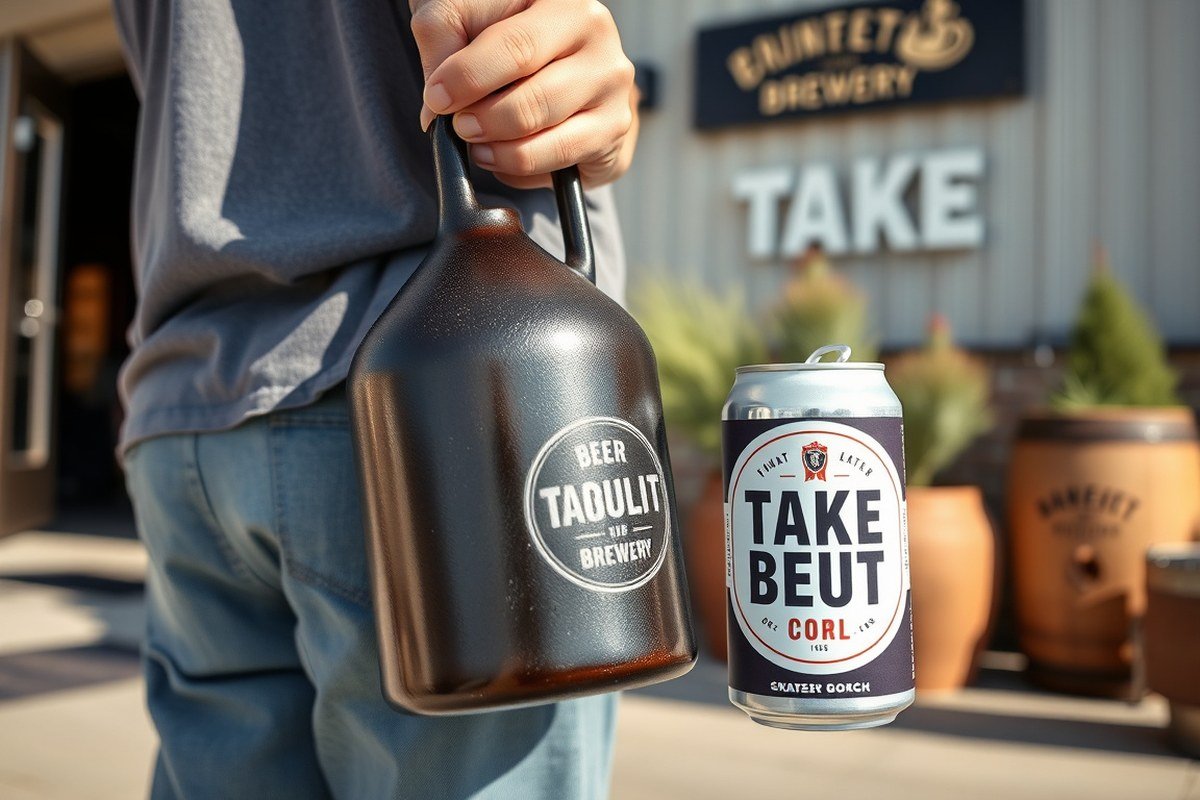
Take out beer is beer sold by bars, breweries, or restaurants for customers to take home in specially designed containers. This option lets you enjoy fresh craft beer without drinking on-site. You fill a growler, crowler, or sealed can, then take it home to chill and consume later.
This information is useful if you enjoy craft beers and want to know the best containers, how long the beer stays fresh, and key laws. You’ll also get tips on storing, transporting, and choosing the right take out beer for your needs.
Key Takeaways
- Growlers are reusable glass or stainless steel containers commonly used for takeout beer up to 64oz in size.
- Crowlers are sealed 32oz cans filled to order that keep beer fresh and are disposable after use.
- Vacuum-insulated growlers keep beer cold up to 24 hours, ideal for outdoor activities or longer transport.
- Consume beer from a growler within 24 to 72 hours after opening to ensure freshness and flavor.
- Many bars purge growlers with CO2 before filling to reduce oxygen and extend the beer’s shelf life.
- Custom canning machines allow breweries to sell fresh 32oz cans of draft beer for takeout convenience.
What Is Take Out Beer and How Does It Work?
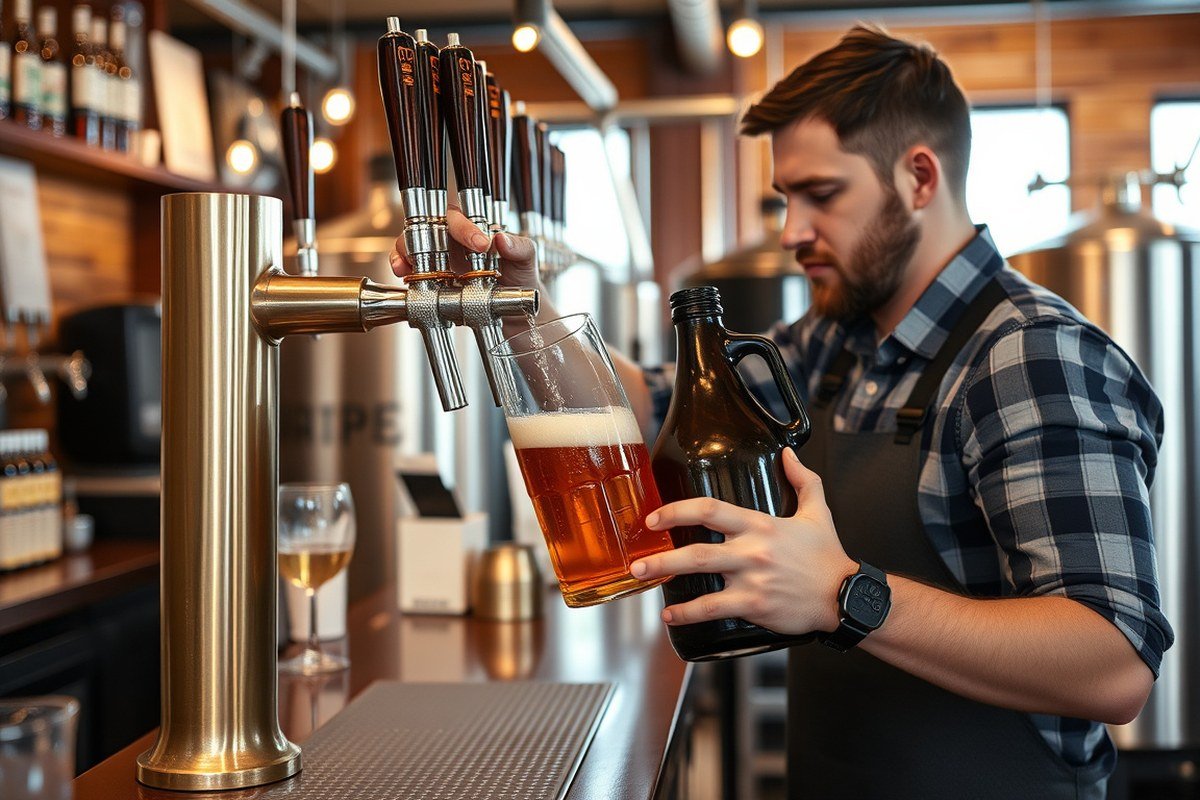
Take out beer means purchasing draft beer from a brewery or taproom to consume offsite, rather than drinking it on the premises. Unlike ordering a pint or flight to drink there, take out beer is prepared to be transported safely and kept fresh until you get home. Breweries fill special containers designed to preserve the beer’s taste and carbonation, making it possible to enjoy fresh draft beer outside the bar environment.
Breweries often offer takeout beers in growlers or crowlers. Growlers are refillable bottles or jugs, usually made of glass or stainless steel, and come in 32 or 64-ounce sizes. Staff at the brewery fill them straight from the draft taps and then seal the containers to protect the beer from air, helping it stay fresh. Crowlers differ as one-time-use 32-ounce cans filled and sealed on-site by a canning machine, giving you a fresh, portable craft beer to chill at home.
The key difference from on-premises beer is the container and sealing method. Draft beer served in a glass loses carbonation quickly if poured ahead of time and transported. Take out beer containers are designed to minimize oxygen contact and prevent carbonation loss. Growlers are often reusable with screw caps or swing-top lids, but they must be cleaned properly before refilling to avoid off-flavours. Crowlers seal the beer inside a lightweight, disposable aluminum can, offering better oxygen protection and longer shelf life compared to growlers. Both containers help maintain the beer’s quality after leaving the brewery.
For breweries, serving take out beer involves checking local rules on container types and serving conditions, as not every draft beer is eligible for takeout. Many states regulate alcohol packaging and require breweries to use specific containers or meet certain conditions. Using growlers and crowlers also lowers environmental impact since draft beer initially comes from reusable kegs, and growlers can be reused multiple times. This reuse cycle is more sustainable than single-use bottled beer.
At the brewery, the staff will typically pour your chosen beer from the tap system into your growler or crowler, seal it, and provide instructions on how quickly to refrigerate and consume the beer for best taste. For example, it’s best to drink the beer in a growler within 24 hours of opening to enjoy peak freshness. Crowlers generally keep beer fresh a bit longer since they are airtight and unopened.
Take out beer is ideal for customers who want fresh craft beer without committing to larger kegs or purchasing bottled beers. It allows you to sample beer on-site before taking some home, matching your favorite styles with meals or occasions. Always store your take out beer in the refrigerator as soon as possible and avoid shaking or exposing it to heat to retain its quality.
Types of Containers for Takeout Beer: Growlers, Crowlers, and Cans
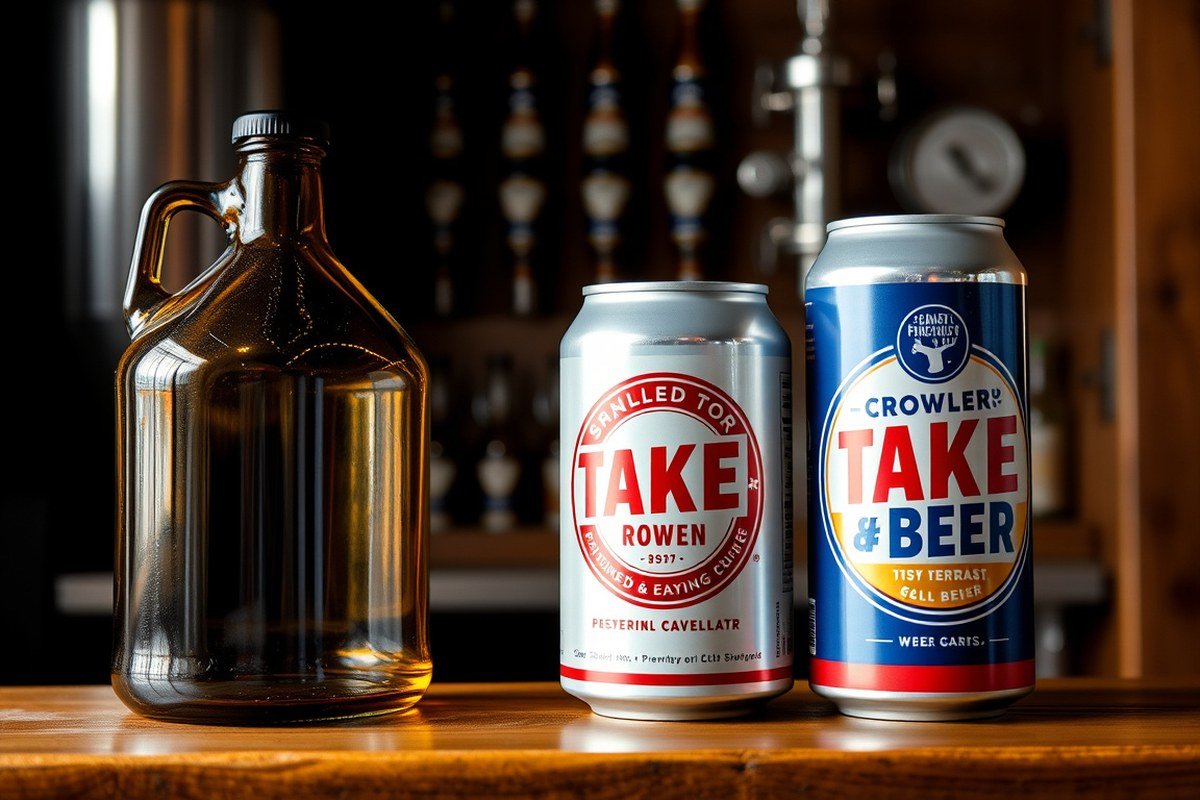
Takeout beer usually comes in three common container types: growlers, crowlers, and canned bottles. Each option varies in size, sealing method, and convenience, which affects how fresh the beer stays and how easy it is to transport. Knowing these differences helps you pick the right container for your beer and situation.
Growlers: Sizes and Features
Growlers are large, reusable containers, mostly made from glass, with some options available in stainless steel or ceramic. The most typical size is a half-gallon (64 ounces), but some breweries offer one-liter and two-liter sizes. These containers are usually filled from the tap and sealed with a screw cap or sometimes a swing-top. Some breweries purge the growler with CO2 before filling to reduce oxygen exposure, which keeps the beer fresher longer. To use a growler:
- Bring a clean growler or buy one at the brewery.
- Ask the staff to purge it with CO2 if available.
- Have them fill it fresh from the tap and seal it tightly.
- Transport it upright and keep it cool to preserve freshness.
Growlers are great for sharing or enjoying a larger quantity but are heavier and more fragile than other options. Stainless steel growlers can keep beer colder longer but are usually pricier.
Crowlers: Uses and Advantages
Crowlers are 32-ounce cans filled and sealed on the spot, combining the freshness of draft beer with the protection of a sealed can. Unlike growlers, crowlers are single-use and disposable, making them convenient if you don’t want to clean and reuse containers. The sealed aluminum cans limit oxygen exposure and maintain carbonation well, which helps the beer stay fresh for up to a week if refrigerated. How to use a crowler:
- Choose the beer you want from the tap.
- Have the staff fill the empty aluminum can and seal it with a canning machine.
- Take it home or to-go, keeping it cool and upright.
Crowlers are perfect for smaller servings and easy transport, but they don’t offer the environmental benefits of growler reuse. They are typically less expensive than growlers and available when breweries have draft-only options to-go.
Cans and Bottles for Grab-and-Go
Some breweries stock popular beers in canned or bottled form for quick, sealed takeout. These usually are your flagship or year-round offerings, and the sizes vary, commonly in 12-ounce cans or bottles and sometimes larger formats like 16 or 19.2 ounces. The factory-sealed container reduces oxygen contact, helping the beer stay fresh longer than growlers.
Grab-and-go canned beers are ready to transport without special handling beyond keeping them cool and upright. They provide the most convenience but don’t offer the draft-fresh experience you get from growlers or crowlers.
| Container | Typical Size | Sealing Method | Pros | Cons |
|---|---|---|---|---|
| Growler | 64 oz (half gallon), 1L, 2L | Screw cap, swing-top, CO2 purge | Reusable, large volume, draft fresh | Heavy, fragile (glass), needs cleaning |
| Crowler | 32 oz | Sealed aluminum can on site | Fresh draft taste, portable, disposable | Single-use, smaller volume |
| Cans/Bottles | 12, 19.2 oz | Factory-sealed | Easy grab-and-go, longer shelf life | Less fresh than draft, less volume |
- Pick growlers when you want a large amount of fresh draft beer and plan to reuse the container.
- Choose crowlers for a smaller single-use option with draft beer freshness and easy disposal.
- Grab canned or bottled beers if you want convenience and longer shelf life without worrying about cleaning.
- Ask brewery staff about availability since some beers come only in specific packaging.
- Keep all containers upright and cool during transport to preserve carbonation and freshness.
- Check local regulations regarding sealed container requirements for takeout alcohol.
Always check with the brewery about what containers they offer for takeout and how long you have before the beer starts losing freshness.
How Long Does Take Out Beer Stay Fresh and How to Store It
Takeout beer stays fresh for varying lengths depending on whether it is opened or unopened and how it is stored. Unopened, it can last from one to several weeks if kept cool and away from direct light. Once opened, it is best to consume takeout beer within 24 to 48 hours to enjoy its full flavor and avoid spoilage.
Ideal Storage Temperatures
Keeping your takeout beer at the right temperature is key to preserving its freshness. A consistent, cool temperature between 38°F and 50°F (3°C to 10°C) is ideal for most beer styles, especially craft beers packed in growlers or crowlers. Temperatures above 55°F can accelerate flavor degradation and increase oxidation risks. Avoid storing beer in places with temperature swings or heat exposure, such as car trunks or near kitchen appliances.
Limiting exposure to light, especially UV rays, is just as important as controlling temperature. Amber-colored containers help reduce UV damage, but you should still store beer in a dark place or inside a refrigerator. Proper refrigeration slows chemical reactions that harm taste and extends the beer’s shelf life.
Shelf Life: Opened vs. Unopened
Unopened takeout beer, if sealed properly, can stay fresh anywhere from 7 to 21 days depending on the beer style and packaging method. Crowlers sealed with a CO2 purge typically preserve freshness longer than growlers, which may start losing flavor after a few days. Stronger ales and stouts often keep better over time compared to delicate hop-forward IPAs.
Once opened, oxygen exposure begins to affect the beer immediately, so plan to drink it within 24 to 48 hours. Freshness loses more quickly after opening because oxygen dulls flavors and can cause off-flavors. Store opened takeout beer in the refrigerator with a tight lid to minimize air contact and preserve character as much as possible.
Transport Tips to Keep Beer Fresh
Transporting takeout beer carefully helps maintain its quality until you get home or to your destination. Follow these practical steps to protect taste and prevent damage during transit:
- Keep the beer upright to avoid unnecessary agitation and potential spillage.
- Use an insulated cooler or bag with ice packs if you expect the beer to be unrefrigerated for more than 30 minutes.
- Avoid direct sunlight by placing the beer in shaded or covered areas within your vehicle.
- Secure the container to prevent tipping or banging against hard surfaces during the trip.
- Limit temperature exposure by going directly home or to a refrigerator as soon as possible.
- If using a growler, seal it tightly and avoid opening until ready to serve to reduce oxygen exposure.
- Do not leave takeout beer in a hot car even for short stops, as heat rapidly decreases freshness and can cause spoilage.
Understanding Takeout Beer Laws and Legal Restrictions
Takeout beer laws vary widely across the United States due to changes accelerated by the COVID-19 pandemic. States differ in legal permissions for off-premises alcohol sales, container size limits, and specific consumption rules. Checking local laws before purchasing takeout beer safeguards you from fines or legal issues and supports responsible drinking practices.
Age verification remains a firm requirement everywhere. Anyone buying takeout beer must be at least 21 years old and show valid government-issued ID both at pickup and for any delivery service. The risk of underage access has caused many states and delivery platforms to reinforce identification checks, responding to concerns that delivery could make alcohol easier for minors to obtain.
Open container laws still apply to takeout beer once it leaves the point of sale. Beer must stay in sealed packaging, and many states require storing alcohol in the trunk or out of plain sight inside the vehicle. Leaving canned or growler beer openly accessible while driving may violate these rules.
Container size restrictions and alcohol content limits differ by jurisdiction. Some regions cap growler sizes or require packaging that can be resealed to prevent open container violations. Others limit sale hours or only allow takeout beer sales with food orders. Compliance is important to avoid penalties and maintain eligibility for outlets to continue selling alcohol to-go.
| Aspect | Common Legal Requirements |
|---|---|
| Age Verification | Must be 21+; valid government ID required at pickup or delivery |
| Open Container Rules | Beer must stay sealed; store in trunk or out of sight in vehicle |
| Container Size Limits | Varies; growlers often capped at 64 oz; resealable containers preferred |
| Sale Restrictions | Some states require food purchase; limited sale hours possible |
| Licensing | Business must have liquor sales license for takeout to apply |
| Delivery Regulations | Strong ID checks required; some states limit alcohol delivery options |
Since December 2020, many states have permanently adopted laws allowing takeout alcohol sales that were initially temporary emergency measures. The ability to sell takeout beer helps restaurants boost revenue and offset losses from indoor dining restrictions. Meanwhile, strict licensing and compliance checkpoints remain in place to prevent abuse.
Before ordering takeout beer, ensure you have valid ID ready and understand your state’s open container laws. Plan to transport the beer in compliant packaging and avoid consuming it until you reach a legal private location. These steps keep you within the law and respect community safety standards.
Best Practices for Transporting and Pouring Takeout Beer
To keep takeout beer fresh and enjoyable, carry it securely to avoid spills, pour it to maintain carbonation and flavor, and use the right containers for refills. Proper handling ensures draft-quality beer whether you’re at home or sharing at an event.
Safe Carrying and Transport
Carrying growlers or crowlers requires care to prevent leaks or broken containers. Use a sturdy cooler or insulated bag to protect glass growlers and keep beer chilled. Avoid placing them where they can tip over or get jostled inside your vehicle. If state laws restrict open alcohol containers, place beer in the trunk or a designated holder.
Keep beer upright during transport because shaking causes foam and loss of carbonation. Crowlers, which are sealed and disposable 32-ounce cans, handle movement better but still benefit from chilling in coolers. Cold beer stays fresher and reduces pressure buildup inside containers.
Always keep growlers upright and cool during transport to reduce spillage and maintain quality.
Pouring Takeout Beer Correctly
Proper pouring preserves carbonation and showcases the beer’s aroma and flavor. Pour slowly at a 45-degree angle to minimize foam. As the glass fills, gradually straighten it for the final pour to create a 1- to 2-inch foam head. Avoid pouring too quickly, which forces carbonation out and flattens the beer. Here is a simple pouring guide to get the best results:
- Chill the beer and glass to about 38-45°F for most styles before pouring.
- Hold the glass at a 45-degree angle and start pouring gently down the side.
- Straighten the glass as it fills to form the foam head.
- Stop pouring once the foam head reaches about one to two inches thick.
- Allow the foam to settle before drinking for optimal aroma and flavor.
Attention to pouring technique is especially important for growlers, as they hold draft beer that is sensitive to agitation and temperature changes.
Using Refillable Containers
Only use containers approved by the brewery for refilling. Many breweries permit growlers if they are clean, undamaged, and often require specific brands or types to ensure proper sealing. Crowlers, being sealed cans, are usually single-use and cannot be refilled.
Before bringing your own growler for a refill, ask the brewery about their policies and container requirements. Using the wrong container risks contamination or poor seal quality that affects beer freshness. Most breweries also clean or sanitize growlers before refilling.
Check brewery rules before refilling; not all containers qualify, and growlers usually must be manufacturer-approved and clean.
Cleaning and Maintaining Growlers and Crowlers for Reuse
Proper cleaning and sanitizing of reusable takeout beer containers like growlers are essential to maintain the quality and safety of your beer. Residues from detergents or leftover grime can alter the taste or introduce bacteria. Crowlers, which are usually one-time sealed aluminum cans, cannot be reused safely because they are designed to be sealed and opened once. Using old or improperly cleaned growlers can reduce their lifespan and lead to off-flavors or contamination. To keep your growler in good shape for many fills, follow a clear cleaning and sanitizing routine after each use. Here is a step-by-step checklist to clean and sanitize growlers effectively:
- Rinse Immediately: Rinse the growler with warm water (about 110°F) right after emptying to prevent residue from drying and sticking inside the container.
- Avoid Detergents: Skip regular dish soaps or cleaning products which can leave residues affecting beer taste. Use only brewery-approved cleaning solutions or food-safe no-rinse sanitizers recommended by your local brewery.
- Use a Brush if Needed: For stubborn stains or sediment buildup, gently scrub the inside with a soft bottle brush designed for growlers to avoid scratches that harbor bacteria.
- Sanitize Thoroughly: Fill the growler with a sanitizing solution, such as a diluted bleach solution (1 tablespoon bleach per gallon of water) or a commercial no-rinse sanitizer. Let it sit for the time recommended on the sanitizer label, typically 1 to 5 minutes.
- Rinse Again: Rinse out the sanitizing solution completely using cold water to avoid any off tastes.
- Dry Upside Down: Air dry the growler upside down on a clean rack to prevent moisture buildup that encourages mold or bacteria growth.
- Check the Cap and Threads: Clean and sanitize the cap and the threading on the neck since residual beer or grime here can spoil the seal or contaminate fresh beer.
- Store Properly: Keep the empty growler in a cool, dry place away from direct sunlight until refill. Avoid letting it sit unused for more than a few months as materials can degrade or collect dust.
Avoid mistakes like using harsh detergents, scrubbing too hard, or storing a growler while wet. These habits can shorten container life by causing corrosion or scratches. Also, do not try to reuse crowlers because they are crimp-sealed for single use and will not maintain freshness or safety if opened and refilled. Having a clean, approved growler ready before you visit the brewery will save time and improve the taste of your takeout beer.
Common Mistakes with Takeout Beer and How to Avoid Them
One major mistake with takeout beer is buying it without checking freshness. Beer loses quality quickly after packaging, especially if exposed to heat or oxygen. Growlers and crowlers are filled fresh but have a shorter shelf life than sealed cans or bottles. To prevent spoilage, drink growler beer within 24 to 48 hours of purchase, and keep it refrigerated.
Storing beer incorrectly often leads to quality problems. Keep your beer in a dark, cool area with temperatures around 38 to 50 degrees Fahrenheit. Avoid leaving beer in places where temperatures fluctuate, such as inside a warm car or exposed to sunlight, since this can make the beer taste flat or develop unpleasant flavors. Exposure to oxygen worsens the taste, so finish the beer soon after opening to maintain its freshness.
Some consumers make legal missteps by misunderstanding takeout beer laws. Laws vary by state, but generally, open containers cannot be transported in vehicles unless sealed. Check local regulations on takeout alcohol limits and delivery rules to avoid fines. Never drink and drive, and keep beer containers sealed while in transport.
- Buying growlers without checking packaging date: Verify fill date for freshness.
- Storing beer at room temperature or in sunlight: Refrigerate promptly after purchase.
- Leaving beer open too long: Finish it within 24 hours once opened.
- Transporting opened containers in cars unlawfully: Keep containers sealed and check state laws.
- Ignoring smell or taste changes: Discard beer with off-flavors or skunked aroma.
To avoid these issues, plan your takeout beer purchase according to your consumption timeline. Store beer cold right after buying and avoid exposing it to oxygen and temperature swings. Make sure your transport method complies with local laws, and pour fresh beer into clean glasses for the best taste. Doing these simple things protects your beer’s quality and keeps your experience enjoyable and legal.
Choosing the Right Takeout Beer Based on Style and Occasion
Selecting the right beer style for takeout depends on how long you plan to keep it, how you will store it, and the occasion. Maltier beers such as brown ales, porters, and stouts tend to hold their flavor longer than lighter beers. These styles are better choices if you want to keep your takeout beer a few days before enjoying it. In contrast, hoppy beers like IPAs are tastier when fresh and should be consumed quickly.
How you intend to use the beer also shapes your choice. For parties, choose beers that appeal broadly and travel well, such as pale ales or lagers. Malty beers can be a good gift since they maintain their character during transport and storage. Serving takeout beer as the first drink at a gathering ensures it is enjoyed while fresh, rather than letting it linger and lose flavor.
Temperature control is key. Refrigeration slows beer aging and preserves freshness, so keep your takeout beer cold as soon as possible. Remember that some states limit the amount of alcohol sold in a single takeout order, so check local laws before purchasing large quantities.
| Beer Style | Freshness Duration | Storage Resilience | Best Occasions | Food Pairing Tips |
|---|---|---|---|---|
| Brown Ale | 4-7 days | High | Gifts, sharing | Grilled meats, roasted vegetables |
| Porter | 4-7 days | High | Chilly evenings, casual gatherings | Barbecue, smoked foods |
| Stout | 4-7 days | High | Evening drinks, rich desserts | Chocolate, oysters |
| IPA | 1-3 days | Low | Fresh tasting, party starter | Spicy food, sharp cheeses |
| Lager | 2-5 days | Medium | General crowd pleaser, picnics | Salads, light fare |
Use this table to choose the beer style that matches your timeline and plan. For example, if you bring beer to a party and want it fresh, pick an IPA or lager and serve it first. If giving beer as a gift or storing it for a few days, opt for a stout, porter, or brown ale.
Tip: Attach a label with the beer name and ABV% to your growler before takeout to easily identify the beer and its strength later.
Pairing takeout beer with your food order can improve both experiences. Maltier beers match well with grilled, roasted, or smoked foods. Lighter lagers complement salads and lighter dishes. Hoppy IPAs stand up to spicy foods and strong cheeses. Planning your beer and food together makes both more enjoyable during your meal or event.
Takeout Beer: Your Step-by-Step Action Plan
Follow this plan to enjoy takeout beer fresh and legal, while making the most of your purchase.
- Before buying: Check your state and local laws on takeout beer packaging and purchase limits. Confirm you’re choosing a licensed retailer to avoid legal issues.
- At purchase: Select the right container based on your storage and transport needs, growlers for reusable options, crowlers for sealed cans. Verify the seal is intact before leaving.
- Immediately after purchase: Store your takeout beer in a cool place or refrigerate as soon as possible. Check dates or freshness indicators provided by the brewery.
- Transporting home: Keep the beer upright and secure to avoid agitation and leaks. Avoid leaving it in hot vehicles; cooler temperatures preserve flavor and carbonation.
- At home: Consume growlers within 24 to 48 hours of opening and crowlers within a week unopened for best freshness. Reseal growlers tightly if you must store them after opening.
- Cleaning: Wash empty growlers thoroughly with warm water and no soap before refilling to avoid off-flavors. Dry completely to prevent bacteria growth.
- Choosing beers: Pick styles that store well if you plan to keep them longer, such as stouts or IPAs in sealed cans. Lighter ales are best consumed quickly.
- Enjoying: Pour gently into a glass to minimize foam and retain aromas. Notice the freshness and flavor as signs of good handling and storage.
Frequently Asked Questions
What Is Take Out Beer?
Take out beer is beer you buy at a brewery or bar to take home. You usually get it in containers like growlers or crowlers to keep it fresh.
What Is a 40 in American Slang?
A 40 is a 40-ounce bottle of beer or malt liquor, often sold cheaply. It’s popular for casual or outdoor drinking.
What Is the Most Unhealthiest Beer to Drink?
Beers with high alcohol content and added sugars are generally the unhealthiest. They have more calories and strain your liver more.
What Is the 2 Beer Rule?
The 2 beer rule advises limiting drinking to two beers in certain situations, like before driving or events. It’s about staying responsible.
Is Beer Worse for Your Liver Than Liquor?
Beer and liquor both affect the liver, but heavy drinking of either can cause damage. The risk depends on amount and frequency.
Can I Reuse the Same Growler Multiple Times?
Yes, but clean it thoroughly after each use to avoid contamination and keep beer tasting fresh.
Final Thoughts
Takeout beer lets you bring fresh brewery flavors home within legal limits while controlling storage and consumption for the best experience. Next time you visit a brewery or taproom, try using a crowler or growler with these practices to enjoy beer at its best on your schedule.