
How to Ride the Millersburg Ferry: Simple Steps and Expert Tips
To ride the Millersburg Ferry, arrive at the dock in Millersburg or Buffalo Township, pay your fare, and board the historic wooden ferry for a roughly 20-minute trip across the Susquehanna River. The ferry operates seasonally with schedules that vary by day and weather, so confirming the service hours beforehand is essential. This process is straightforward, allowing you to enjoy a scenic and historic river crossing using the longest continuously running ferry in Pennsylvania.
This information is ideal if you plan to explore the Millersburg Ferry, whether it’s your first time or you appreciate historic transport experiences. You’ll learn how to board, where to check schedules, ticket costs, and what to expect during the ride along the mile-wide river crossing.
Key Takeaways
- Confirm ferry availability by calling 717.692.2442 or checking the Millersburg Ferry Facebook page before your visit.
- The ferry runs seven days a week from June 1 to Labor Day, with weekday hours around 11 AM to 5 PM.
- Weekend hours extend from 9 AM until dusk, offering more flexibility for your trip.
- Ticket prices vary; for example, a van with four passengers costs about $30.
- Veterans and active military members can ride free courtesy of the Millersburg American Legion Post 326.
- The round trip, including loading and unloading, typically lasts about an hour.
How to Board and Ride the Millersburg Ferry Step-by-Step

Riding the Millersburg Ferry offers a straightforward process whether you’re arriving by car, motorcycle, bicycle, or on foot. Knowing the exact steps helps avoid delays and ensures you enjoy the historic 15 to 20-minute crossing across the Susquehanna River. The ferry can carry up to four vehicles or more than 20 motorcycles at once. Walk-on passengers purchase a separate ticket. Tickets are bought right at the dock before boarding, and the entire round trip usually takes about an hour, including loading and unloading time.
- Arrive at the Millersburg Ferry dock early before your planned trip. Go to 1 North Street in Millersburg, PA, allowing enough time to skip long lines. The ferry runs between 11:00 AM and 5:00 PM on summer weekdays, with earlier openings on weekends. Check the latest schedule by calling 717.692.2442 or checking their Facebook page.
- Line up your vehicle or prepare as a walk-on passenger. Vehicles queue in designated lanes at the dock. Motorcycles may form a separate group. Walk-on passengers should stand near the ticket booth but off the vehicle lanes to avoid confusion.
- Purchase your ticket at the dock’s booth before boarding. Pay the fare in cash; the round-trip ticket costs $10 for walk-ons. Vehicle fares vary by type, but all payments happen just before boarding. Veterans and active military ride free with proper ID, courtesy of Millersburg American Legion Post 326.
- Board carefully when directed by the ferry crew. Wait for the crew to signal when it’s your turn. Vehicles drive onboard one at a time, with operators helping to position cars or motorcycles securely. Walk-on passengers step aboard via the gangway, staying clear of loading vehicles.
- Stay seated or in your vehicle during the crossing. The ferry ride takes about 15 to 20 minutes across the roughly one-mile-wide river. Remain seated on foot or inside your vehicle for safety, watching the scenic riverbanks or chatting quietly to fully enjoy the historic experience.
- Prepare to disembark when the ferry approaches the opposite shore. Follow crew instructions as they prepare for unloading. Vehicles are released in order, and walk-on passengers exit via the gangway. Be sure to move promptly but safely to clear the exit area for others.
- Once safely off the ferry, continue your journey by car or on foot. The ferry links Millersburg in Dauphin County to Buffalo Township in Perry County, making it easy to explore both banks of the Susquehanna River.
When Does the Millersburg Ferry Run and How to Confirm Schedules
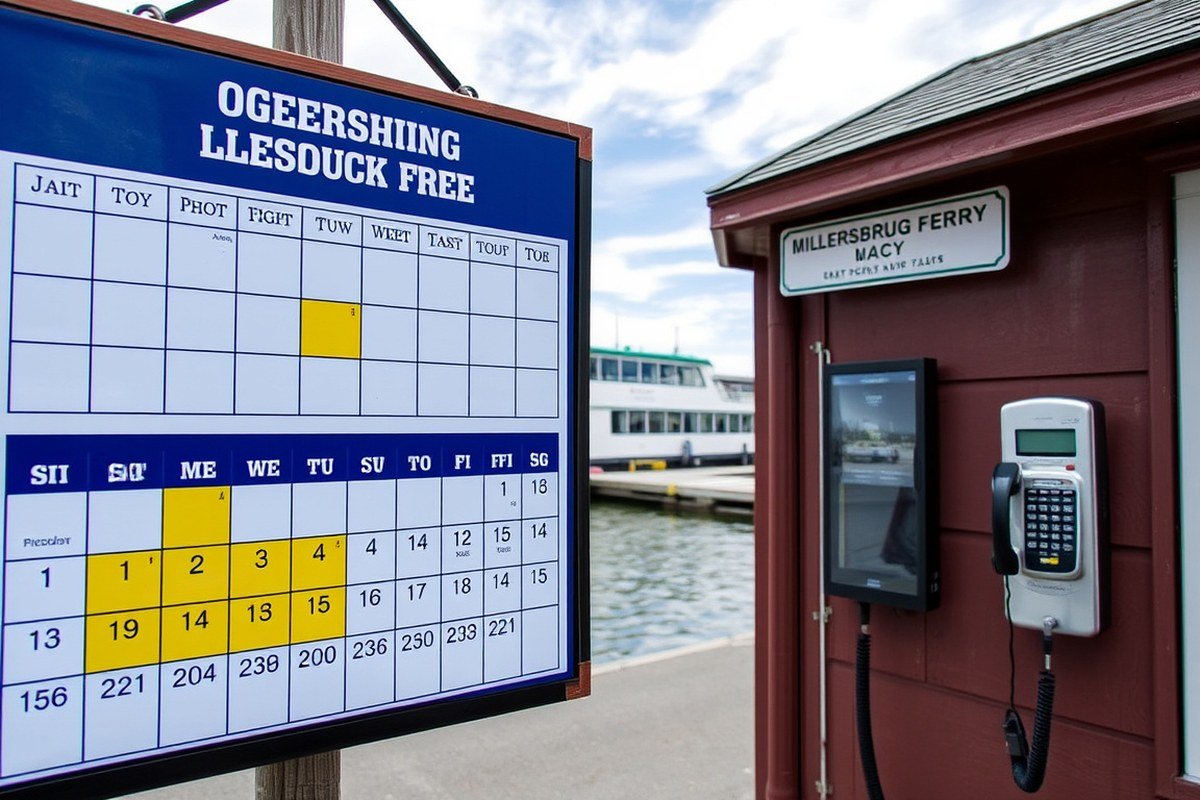
The Millersburg Ferry runs on a seasonal schedule that changes throughout the year. It operates daily during the summer months from June through Labor Day and on weekends and select Fridays during the off-season. Confirming the ferry’s operating status before your visit ensures you don’t miss your crossing due to weather or maintenance closures.
Summer Daily Operations (June Through Labor Day)
During summer, the Millersburg Ferry runs every day, providing frequent crossings to accommodate higher visitor demand. Hours typically begin mid-morning and continue into the early evening. This daily service makes summer the best time for planning spontaneous or multiple ferry trips without worrying about limited availability.
The ferry uses two wooden double stern-wheel paddle boats to maintain steady service. This schedule supports tourists and locals alike by offering easy river crossings any day you plan to visit from early June until Labor Day. The increased frequency and hours reflect the peak tourism season.
Off-Season Weekend and Friday Operations
Outside the summer period, service scales back significantly. The ferry operates only on weekends in May and from Labor Day through the end of October. Fridays are sometimes included depending on demand or special events. These limited hours accommodate lower visitor turnout and prepare the ferry for winter downtime.
Because of these seasonal cutbacks, plan your trip carefully if visiting in spring or fall. The ferry does not run on weekdays during the off-season, so checking ahead prevents unexpected wait times or long detours. The limited schedule also means fewer crossings per day, so arriving early on operating days is smart. The following seasonal summary outlines how frequently the ferry operates:
- May: weekends only
- June to Labor Day: daily service
- Post-Labor Day to end of October: weekends and occasional Fridays
- Off-season (late October through April): no regular service
- Operating hours typically run from mid-morning until early evening
- Schedule can vary slightly based on weather and maintenance
Contact Methods for Real-Time Schedule Updates
Weather and maintenance conditions can affect the ferry’s daily operations. To avoid travel disruptions, confirm the ferry’s running status on the day of your visit. This is especially important outside of summer, when weather-related closures and maintenance are more common.
The best way to verify the ferry’s schedule is to contact the Millersburg Ferry Boat Association directly. They provide up-to-date information and can confirm any last-minute changes or cancellations. Use their phone line at 717-692-2442, which is staffed during operating hours. This direct method ensures you get reliable, current status.
Visiting the official website before driving to the ferry terminal can save time, as it may feature announcements for unexpected closures or special events. Social media channels associated with the ferry may also post updates but should be a secondary option due to less frequent monitoring.
Always call or check the official site on the morning of your trip during shoulder seasons to avoid surprises from weather or maintenance delays.
Ticket Prices, Discounts, and Fare Comparison for the Ferry Ride
The Millersburg Ferry offers a variety of ticket prices based on vehicle type and passenger status, including special rates for seniors and free rides for veterans and active military. Fares differ whether you bring a vehicle or just walk on for the round trip across the Susquehanna River. Knowing these prices and discounts helps you plan your trip and budget accurately.
Vehicle and Passenger Fare Categories
Fare prices depend on the type of vehicle you bring aboard or if you’re walking on as a passenger. Common vehicle categories include automobiles, vans, and motorcycles. Each category has a set rate to cover the round trip ferry ride. Passenger fares apply when you board without a vehicle. Understanding these categories ensures you pay the correct fare and expedites boarding.
| Category | Fare (Round Trip) |
|---|---|
| Car / Automobile | $20 |
| Van (up to 7 passengers) | $30 |
| Motorcycle | $15 |
| Single Passenger (Walk-On) | $5 |
The van fare typically covers up to seven passengers in one vehicle, making it cost-effective for groups traveling together. Motorcycles have a reduced price due to their smaller size.
Discounts and Free Ride Eligibility
Special fares exist for seniors, military members, and veterans, ensuring affordability for those groups. Veterans and active duty military ride for free, offering recognition for their service. Seniors usually receive a discounted rate when showing valid ID, typically lowering the standard passenger fare.
Children usually pay the standard walk-on fare unless otherwise noted by the ferry service. Carry identification or proof of military or senior status to receive these discounts. Without valid proof, the regular fare applies to all passengers and vehicles.
Walk-On Passenger Rates and Round Trip Pricing
For those not traveling with a vehicle, walking onto the ferry offers a scenic and economical way to enjoy the Susquehanna crossing. Walk-on fares are generally much lower than vehicle fares, providing good value for individual travelers or couples. The ferry encourages round trip tickets, as the scenic return is part of the experience.
The round trip fare for two senior citizens, for example, applies discounted pricing twice and can offer a pleasant and affordable outing. Reservations are not typically required, but arriving early during busy times helps ensure a smooth boarding process.
What to Expect During the Millersburg Ferry Ride Experience
The Millersburg Ferry ride offers more than just a way to cross the Susquehanna River; it provides a scenic journey through history and nature. The crossing typically takes around 15 minutes, but the exact duration can vary depending on river current and weather conditions. You’ll hear the gentle splash of the water against the boat’s hull, the creak of the wooden boards beneath your feet, and the occasional call of river birds. This peaceful soundscape complements the stunning views of rolling hills and lush riverbanks that flank the ferry’s path.
Each trip is a chance to travel aboard a living piece of Pennsylvania’s past. The current ferry boats are Coast Guard certified and operated by pilots trained specifically for this historic route. They glide smoothly across the water, a far cry from the early 1800s when man-powered boats required physical strength to keep the ferry moving. By the 1920s and 1930s, the ferry system thrived, requiring as many as four boats to meet the demand. Today, the operation continues to rely on community support to maintain this unique tradition.
As you board, take note of the ferry’s wooden structure, giving you a closer connection to the craftsmanship of earlier times. Unlike modern steel vessels, these boats emphasize simplicity and function. Watching the shores slowly pass by allows you to appreciate the calm flow of the Susquehanna and the quiet farms and forests that have remained largely unchanged for generations.
The seasonal temperature impacts your comfort during the ride. Summer crossings can be warm with gentle breezes, ideal for open-air views, while spring or fall trips might require a jacket to enjoy the fresh river air fully. On busy days, the ferry’s pace might slow slightly to accommodate passengers boarding or disembarking, but waiting time never extends beyond a few minutes.
This crossing stands out because of its combination of practical transportation and rich historical context. Unlike typical ferries designed solely for crossing rivers quickly, the Millersburg Ferry invites you into a shared experience with the past, letting you appreciate how transportation and community life have evolved along this stretch of the Susquehanna. The boat’s steady progress, the visible wear of historical woodwork, and the surrounding natural beauty create a memorable trip connecting you to both place and time.
How to Get to the Ferry Terminals from Millersburg and Buffalo Township
The Millersburg Ferry docks on the west bank of the Susquehanna River at the end of River Street in Millersburg, Pennsylvania. On the east bank, the ferry landing is near Landisburg, in Buffalo Township, marked by a rustic open area and a small waiting spot. Locating these docks is straightforward since River Street terminates directly at the ferry site in Millersburg. The Buffalo Township landing is accessible via local roads off Route 147, following signs for the ferry.
Driving to the Millersburg ferry terminal requires a simple route: from downtown Millersburg, follow North Market Street north until it becomes River Street, then continue to the river’s edge where the ferry dock lies. Parking is limited but available along River Street near the dock, mainly in informal roadside spots. Spaces fill quickly during busy ferry hours, so arriving early is advisable to secure parking. The Buffalo Township dock offers a small gravel lot beside the landing. It does not have a formal parking lot, so careful parking on the roadside shoulders is common.
- Millersburg dock parking: roadside along River Street, limited spaces
- Buffalo Township dock parking: small gravel area plus roadside shoulder spots
- Both terminals lack formal restrooms; plan accordingly before arrival
- Millersburg has nearby cafes and shops within a short walking distance
- Buffalo Township area is more rural with minimal amenities
- Road signs clearly mark ferry turnoffs on Route 147 near Buffalo Township
- Consult local maps or a GPS app for precise navigation to avoid back roads
No formal visitor centers or restroom facilities sit directly at either ferry terminal. Arriving early means you can use restrooms inside local restaurants or shops in Millersburg’s downtown, which are usually open during business hours. The rural nature of the Buffalo Township landing means that restrooms and other facilities are not available nearby, so prepare accordingly by stopping in town before or after your crossing.
Arrive 15 to 30 minutes early during weekends or holidays to find parking and avoid missing the ferry departure.
Access is easier with good timing and understanding that dockside amenities are limited. Use River Street’s straightforward route to reach the Millersburg dock and follow signs from Route 147 for the Buffalo Township side. Adequate parking requires attention to informal lots and roadside rules, especially during busy periods. By preparing for limited facilities, you’ll start your ferry ride smoothly without last-minute inconvenience.
Millersburg Ferry Safety Tips and Riding Rules to Know
The Millersburg Ferry operates as a historic paddlewheel ferry crossing the Susquehanna River, with a travel time generally around 20 minutes, depending on water levels. Safety is a priority on this unique vessel, so passengers and drivers should follow specific precautions to ensure a smooth and secure experience.
Passengers must remain seated or hold securely while the ferry is in motion. Standing or moving about the deck during the crossing is not allowed to avoid accidents caused by the ferry’s gentle but sometimes uneven movement. Children should be supervised closely, and all riders should keep clear of the paddlewheel area and any operational machinery.
Bringing pets is permitted, but they must stay leashed and under control at all times. This rule protects the animal and other passengers from unexpected movements or distractions onboard.
- Stay seated or hold onto handrails during the crossing
- Supervise children closely and keep them seated
- Pets must be leashed and under control
- No standing or moving around the deck while the ferry is moving
- Follow crew instructions at all times
- Keep clear of the paddlewheel and mechanical areas
Drivers boarding their vehicles onto the ferry should follow the crew’s guided positioning to balance the load safely. Engines must be turned off once parked on the ferry, and parking brakes should be engaged. These practices minimize movement and risk during the crossing. In emergencies such as sudden weather changes or water hazards, the ferry crew has protocols to either pause the trip or return to the dock swiftly, ensuring passenger safety.
The ferry operates seasonally from May to October, with service subject to weather and river conditions. High or rough water can lead to delays or cancellations, so checking current river status before your trip is recommended. Passengers can visit the historic pilot house to view the wooden steering wheel and observe the captain steering, emphasizing the need to remain alert and keep a safe distance while on board. Before boarding, complete a safety checklist to make sure your trip goes smoothly:
- Confirm ferry is operating that day and check weather and river conditions
- Have your ticket ready and know the boarding procedure
- Secure loose items to prevent dropping overboard
- Keep children seated and explain safety rules
- Leash pets and bring waste bags
- Turn off your vehicle engine and engage the parking brake once on board
- Listen to and follow all crew instructions promptly
Following these safety tips and rules preserves your enjoyment and helps maintain the ferry’s long legacy. It also protects passengers during the roughly 15 to 25-minute crossing and keeps the focus on appreciating the craftmanship and scenic views the ferry ride offers.
History and Uniqueness of the Millersburg Ferry on the Susquehanna
The Millersburg Ferry has been operating since 1817, making it one of the oldest continuously running ferry services in the United States. Its ongoing service across the Susquehanna River reflects more than two centuries of local transportation history, outlasting many ferries replaced by bridges nationwide. Unique wooden paddlewheel boats continue to offer a glimpse into traditional river travel methods, maintaining both function and historical charm.
The Ferry’s Origins and 19th-Century Beginnings
The ferry began service in 1817, during the presidency of James Monroe, serving as a important river crossing in Perry County on the west bank of the Susquehanna. At a time when bridges were rare and difficult to build, the ferry provided an essential connection for people, goods, and livestock moving between communities. Originally, it was a simple flatboat or cable ferry, pulled across the current either by manpower or ropes, reflecting the engineering limitations and local needs of the 19th century.
Through the 1800s, the ferry adapted to growing transportation demands as Perry County developed. It supported the local agriculture-based economy and became part of the wider network of river crossings needed before regional bridges appeared. The ferry’s continued use highlights how it filled a consistent need for reliable river passage long before automobiles and paved roads.
Historic Recognition and Preservation Efforts
As bridges replaced many river ferries in the 20th century, the Millersburg Ferry stood out by surviving and maintaining operation. Its long history attracted attention from preservationists and local officials who recognized the ferry not only as a transportation asset but also as a cultural treasure. Efforts to keep the ferry running include maintenance of the boats and terminals using historically accurate methods wherever practical.
This ferry is often noted as Pennsylvania’s only remaining ferry service crossing the Susquehanna. Thanks to sustained community support and designation as a historic site, it continues to operate with an emphasis on heritage tourism. Preservation initiatives ensure the paddlewheel ferry boats and docks retain their traditional appearance and functionality, allowing visitors to experience a mode of transportation rare in modern America.
The Wooden Paddlewheel Ferries: Engineering and Legacy
The ferry’s two wooden paddlewheel boats are distinctive, as few such vessels remain in commercial use anywhere in the United States. These boats use large side-mounted paddlewheels powered by engines designed to mimic traditional steam-powered ferries of the 19th century. This style of propulsion proved effective on the Susquehanna’s wide and moderately flowing water, allowing for stable and predictable crossings.
One of the unique features of these boats is their construction: solid wood frames built to withstand the river’s currents and cold seasonal temperatures, sometimes dropping to below freezing in winter. This traditional design requires ongoing craftsmanship to maintain, including periodic replacement of planks and paddlewheel components. The ferry’s engineering offers an educational glimpse into historic boat-building and river navigation techniques.
Operating the ferry today involves a blend of historic methods and modern safety standards. Engine operators use controls similar to early mechanical systems but incorporate modern reliability features. This balance ensures the ferry can still meet today’s passenger and vehicle transport needs while preserving its 200-year-old legacy.
Nearby Attractions to Enjoy Before or After Your Ferry Ride
The Millersburg Ferry crosses the Susquehanna River in an area rich with history and natural beauty, making it easy to enjoy more than just the ride. Planning your trip with nearby attractions allows you to fill the day with memorable experiences. Millersburg, just minutes from the ferry landing, offers quaint shops and historic sites for exploration. Walking through town takes about 30 to 45 minutes, and you can visit local museums and antique stores to get a feel for the area’s heritage.
Outdoor enthusiasts can take advantage of the nearby Susquehanna River Trail, which runs close to the ferry area. This trail provides scenic views and a moderate hiking option for 4 to 6 miles, perfect for stretching your legs before or after crossing the river. The trail is free to access and well-marked, making it easy for visitors of all skill levels.
The region is also known for its guided tours, including the well-regarded Ghost Tour of nearby Lititz. This tour lasts about 45 minutes and costs around $12 per person, offering a mix of local history and storytelling. It’s a unique cultural experience less than an hour’s drive away, making it a great option for visitors who want to combine a daytime ferry trip with an evening event.
- Millersburg Historic District, Quaint shops and historical markers, 5 to 10 minutes from ferry landing
- Susquehanna River Trail, Hiking trail with river views, free, trailhead near ferry
- Guided Ghost Tour of Lititz, 45-minute tour, $12, 50-minute drive
- Millersburg Canal Basin Museum, Local canal history, seasonal hours, walking distance
- Buffalo Township Park, Picnic areas and playground, 10-minute drive
- Millersburg Heritage River Trail, Easy walking path, connects to other town sites
- Local antique shops and cafes, Spend 1 to 2 hours exploring downtown Millersburg
Creating a day plan could start with a morning ferry crossing, followed by a walk or hike along the river trail. Afterward, visit Millersburg’s historic district for lunch and some browsing. Reserve the Lititz ghost tour if you want to extend your outing into the evening, noting its longer drive time and evening schedule. The variety allows you to pick activities based on your interests and how much time you have.
Check operating hours for museums and tours ahead of your visit, as many have seasonal or weekend schedules that could affect your plans.
Parking at the ferry terminals and in Millersburg is generally free but can fill up during busy times, so arriving early lets you secure a good spot. If you choose to leave your vehicle on the ferry for a round trip, plan your time carefully to avoid missing the last crossing. Each choice impacts how smoothly your day will flow and what you get to experience beyond the ferry ride itself.
Step-by-Step Action Plan for Riding the Millersburg Ferry
Follow these steps to plan and enjoy your ride on the Millersburg Ferry with confidence.
- One Week Before: Check the ferry schedule online or call the Millersburg Ferry office to confirm operating days and times. You’ll know it worked when you have the confirmed schedule saved.
- Two Days Before: Purchase your tickets online if available or plan your payment method for the crossing (cash or card). Ensure your tickets are valid for your chosen date and time.
- The Day Of Your Trip: Arrive at the Millersburg ferry terminal at least 15 minutes before boarding begins. This helps secure your place in line.
- At Boarding Time: Follow the ferry operators’ instructions carefully when boarding vehicles or walking aboard. Confirm you are on the correct ferry heading to your destination.
- During the Ride: Stay seated or within designated safe areas, abide by all posted safety rules, and enjoy views along the Susquehanna River. If you have questions, ask the ferry staff.
- After Disembarking: Explore nearby attractions on either side or head back to your vehicle. Success means safely leaving the ferry and continuing your trip.
Frequently Asked Questions
Can I Bring My Bike on the Millersburg Ferry?
Yes, the Millersburg Ferry allows bikes; bring it on board for a scenic river crossing. You can explore nearby parks on both sides after your ride.
Are Pets Allowed on the Ferry?
Small pets on leashes or in carriers are generally allowed on the ferry. Check ahead since some restrictions may apply for safety or other reasons.
How Long Is the Actual Ferry Ride Across the Susquehanna?
The ride takes about 15 minutes one way, giving you a relaxing trip on the river. It’s a perfect time to enjoy views and snap photos.
Is the Ferry Accessible for People with Disabilities?
Yes, the ferry is accessible to those with mobility challenges. Contact the operators in advance to discuss specifics and ensure a smooth experience.
Are There Restrooms Available on the Ferry or at the Terminals?
Restrooms are available at both ferry terminals but not on the ferry boats. Plan accordingly before boarding, especially if traveling with children.
Can I Use Cash to Pay for My Ticket on the Ferry?
Yes, the ferry accepts cash payments for tickets. Bringing exact change can speed up boarding and help keep lines moving.
The Bottom Line
The Millersburg Ferry offers a unique way to experience the Susquehanna River and its surrounding history. Plan ahead by confirming schedules and securing tickets, then enjoy the peaceful crossing while observing safety guidelines. Your next step is to choose a date for your visit and mark it on your calendar.






One Comment