How to Cancel a Restaurant Reservation with Ease: Complete Step-by-Step Guide
To cancel a restaurant reservation properly, contact the restaurant as soon as you know you can’t make it and provide your name, reservation time, and reason. Doing this promptly shows respect for the restaurant’s schedule and helps avoid fees. This information is for anyone who needs to cancel or change a reservation and wants to handle it smoothly and responsibly.
You’ll learn the right timing for cancellations, how cancellation policies and fees work, and what to do if you’re running late or want to reschedule. Understanding these steps can help you maintain good relationships with restaurants and reduce any potential charges.
Key Takeaways
- Call the restaurant immediately once you know you must cancel to minimize inconvenience and fees.
- Give at least 24 hours’ notice for cancellations to avoid penalties and respect the restaurant’s booking system.
- Expect cancellation fees if you cancel less than two hours before your reservation or fail to show up.
- Contact the restaurant promptly if you want to reschedule, as many won’t allow changes within two hours of your booking.
- Arriving more than 15, 20 minutes late can result in the restaurant canceling your reservation to serve others.
- For large or special-event reservations, notify the restaurant early to adjust or avoid higher cancellation fees.
How to Cancel a Restaurant Reservation Properly
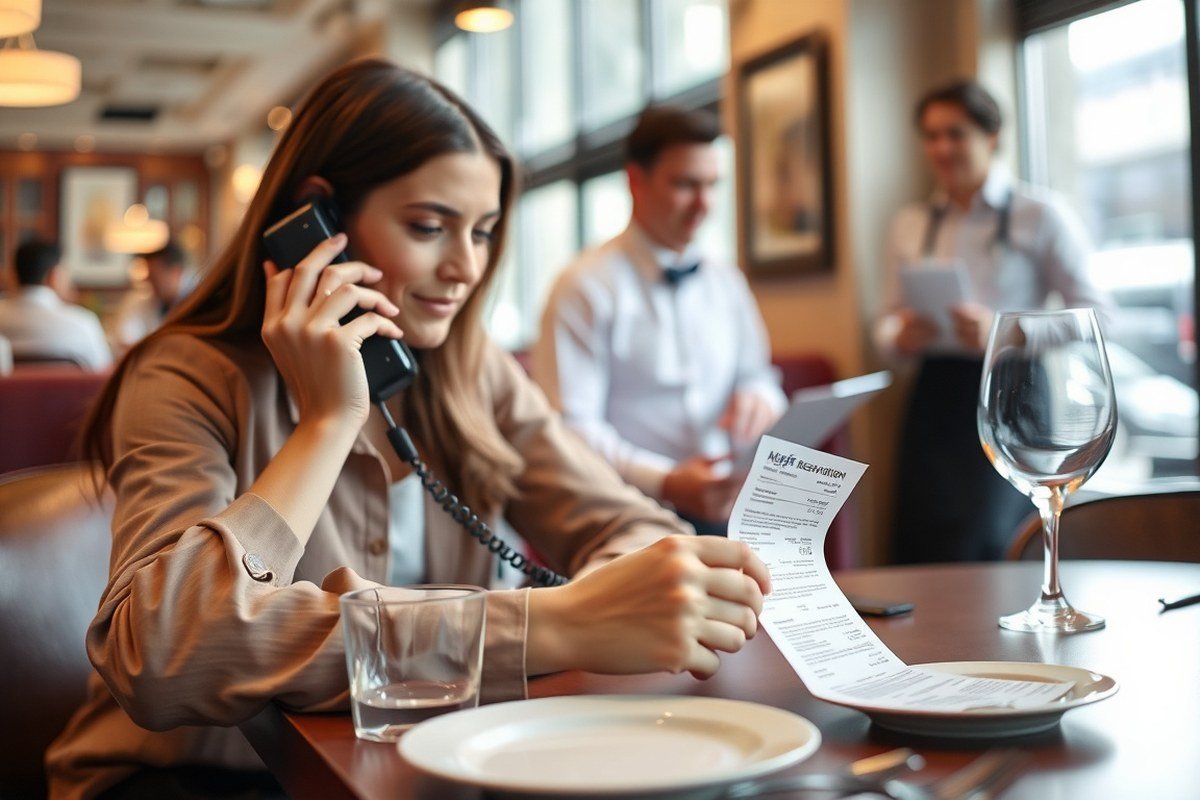
Cancelling a restaurant reservation properly means acting quickly, clearly communicating, and following the restaurant’s preferred method for cancellations. Doing this shows respect for the business and other diners who might fill your spot. It also helps you avoid cancellation fees or no-show penalties. Here is a step-by-step approach to canceling your reservation the right way, along with a sample script you can use when calling.
- Check the cancellation policy. Review the restaurant’s terms you agreed to when you booked, including any deadlines or fees. This helps you know if you face charges and how soon you must cancel.
- Decide how to cancel.Use the restaurant’s online account system to cancel or change your reservation, especially when your reservation is scheduled for later today or a future date. Logging in can be faster and confirms your cancellation instantly.
- Call the restaurant if necessary. For last-minute cancellations or if you want to explain your situation, call the restaurant directly. Phone cancellations usually ensure your message is received and can avoid misunderstandings.
- When canceling, provide your full name plus the reservation details including the date, time, and guest count. For instance, say: “Hello, I’m Martin. I booked a reservation for four guests on Sunday at 7:00 pm. I would like to cancel it.”
- Apologize and be polite. A friendly tone improves the chance you avoid fees or maintain goodwill. Consider adding, “Sorry for the inconvenience, and thank you for understanding.”
- Confirm the cancellation. Ask the staff to confirm your cancellation has been recorded. After cancelling through an online platform, look for an email or message that confirms your cancellation.
- Consider rescheduling or modifying if possible.To avoid losing money from a deposit or cancellation fee, ask about rescheduling your reservation for a different day or time.
Online cancellation is typically quicker and more convenient, especially for changes made well before your reservation time. Phone cancellation is better if you are close to the reservation time or need to communicate special circumstances. Calling gives the restaurant a chance to reallocate your table.
For a phone call, you can use this script: “Hello, this is Martin. I have a dinner reservation for four people on Sunday at 7:00 pm. Unfortunately, I need to cancel it. I apologize for any trouble this causes, and I appreciate your understanding.” Keep it brief and friendly to maintain good rapport.
Canceling as soon as you know you won’t make it helps the restaurant fill your table and keeps your name in good standing. Ignoring the cancellation or waiting too long risks fees, your reservation turning into a no-show, and inconvenience for others.
When and How Much Advance Notice to Give
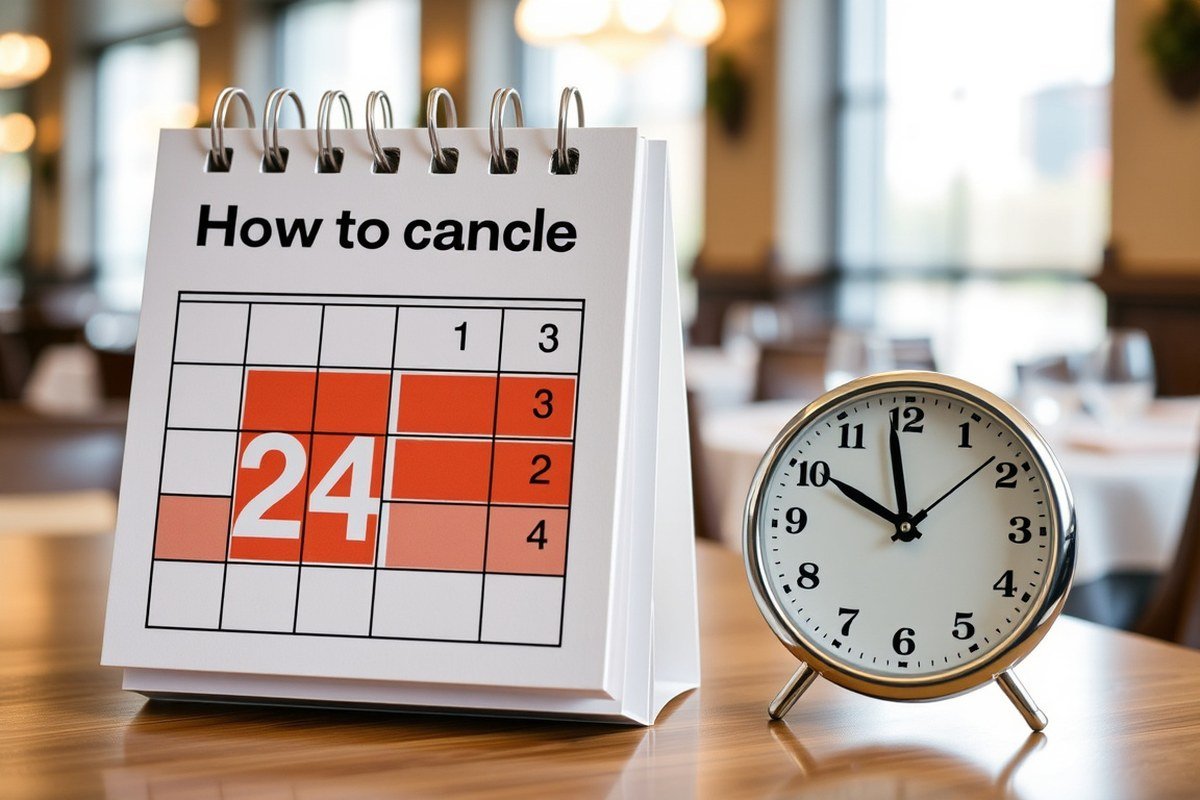
Canceling a restaurant reservation as early as possible helps the restaurant manage its seating and may prevent you from facing cancellation fees. Ideally, you should cancel at least 24 hours ahead to give the restaurant enough time to offer that table to other diners. When plans change near your dining time, try to notify the restaurant at least one hour before your reservation; otherwise, they may mark you as a no-show, leading to fees or other consequences.
Timing matters because restaurants rely on their booking schedules to maximize seatings and food preparation. The more notice you give, the easier it is for the staff to adjust staffing and accommodate walk-ins or other guests. Cancelling too late can disrupt their service flow and may cost you a cancellation fee, especially with popular or small restaurants that cannot quickly fill open slots.
In busy cities or with highly sought-after spots, the cancellation window might be even earlier. Make sure to read the specific restaurant’s cancellation policy. For example, some may require cancellation 48 hours in advance for large parties or special event nights to avoid charges. When online platforms or apps don’t allow cancellation within that timeframe, calling the restaurant directly might help.
- Cancel as soon as you know you won’t make it, ideally 24 hours before.
- Call the restaurant directly if online cancellation isn’t possible.
- For last-minute cancellations, notify the restaurant at least one hour before your reservation.
- Allow extra time for cancellations when booked for large groups or special occasions.
- Keep an eye on the restaurant’s cancellation policy to avoid surprise fees.
Restaurants appreciate prompt communication; calling or messaging them through the reservation app ensures they get the update immediately. When you can’t reach the restaurant digitally, consider visiting early to inform the host in person. This proactive approach helps avoid surprise fees and keeps a good relationship with the venue.
Waiting until less than an hour before your reservation to cancel risks being charged a no-show fee, so plan ahead and cancel early whenever possible.
Understanding Cancellation Policies and Fees
Cancelling a restaurant reservation might lead to fees, but only if you break the restaurant’s cancellation rules. Most places don’t charge just for cancelling, but if you cancel late or don’t show up, fees can be applied. The amount and timing depend on the type of restaurant and the reservation terms you agreed to. Knowing these details helps you avoid unexpected charges and keeps good relations with the restaurant.
Restaurants set cancellation policies based on their business model and how much a reservation costs them in lost revenue. Fine dining establishments and popular spots with limited seating are more likely to enforce cancellation fees, which often range from $10 to $50 per person or a flat fee for the reservation. Casual and chain restaurants tend to have more lenient or no cancellation fees, but this varies. Event reservations like tasting menus or special celebrations generally require a deposit or full prepayment and have stricter cancellation rules.
Fees usually trigger when you cancel after the agreed deadline or fail to show up without notifying the restaurant. Cancellation windows typically range from 24 to 72 hours before the reservation time, but some places set different time frames for large parties or special events. Emergency situations often prompt restaurants to waive fees, especially if you reach out politely and promptly. It’s possible to dispute these fees through your credit card company or travel insurance if you cannot get a waiver directly, as noted by a case where a $250 fee was reimbursed via travel insurance. Here’s a basic table showing typical cancellation fee policies by restaurant type to help you understand what to expect.
| Restaurant Type | Cancellation Fee Amount | When Fee Applies | Flexibility / Waivers |
|---|---|---|---|
| Fine Dining | $20 – $50 per person or flat fee | Usually within 24-48 hrs of reservation | May waive for emergencies; contact early |
| Popular / High-Demand Spots | $10 – $30 per person | Often 24 hrs before reservation | Generally strict but some flexibility |
| Casual / Chain Restaurants | Usually none or minimal fees | Rarely enforced unless large party | Most forgiving; may allow late changes |
| Special Event Menus / Private Events | Deposit or full prepayment, up to $250 or more | Varies; often no refunds close to date | Can be strict, some room for emergency exceptions |
The reasoning behind these policies is mainly that reservations hold space that could have been sold to other diners. Cancelling late or not showing up hurts restaurants’ income. A fee encourages you to cancel promptly or not reserve unless you’re certain. While some diners dislike cancellation fees, these charges support the staff and business running your dining experience.
You can try to get a fee waived by explaining unexpected emergencies like illness or childcare problems. Being polite and calling rather than just cancelling online increases your chances. If the restaurant refuses a refund, check if your credit card or travel insurance covers dining fees caused by unforeseen issues. Avoid frequent last-minute cancellations to keep good standing with restaurants you enjoy.
Can I Reschedule Instead of Canceling?
Rescheduling a restaurant reservation is often possible and can be a better option than canceling if your plans change. Many restaurants allow modifications such as changing the date, time, or party size, but there are limits on when and how these changes can be made.
When Is Rescheduling Possible?
Rescheduling is usually allowed before the reservation time, but the window for modifications varies by restaurant. Some places require changes to be made at least 24 hours in advance, while others accept modifications up until a few hours before your reservation. Once the reservation is confirmed, some venues may not allow any changes close to the reservation time, especially on busy nights or for large parties.
Changes to party size, like reducing the number of guests, might be accepted up to the day of your visit. However, dropping your party size can affect the table setup, and smaller parties may be moved to a different table to optimize seating.
How to Request a Modification
Requesting a change to your reservation is usually straightforward. Contact the restaurant directly by phone or through the app or website you used to make the reservation. Acting quickly increases your chances of successfully modifying your booking. Follow these steps to modify your reservation:
- Check your confirmation email or app for restaurant contact details or modification options.
- Call the restaurant or use the app’s modify function to request a new date, time, or party size.
- Confirm the new reservation details and ask if any fees apply.
- Ask about how close to your reservation time changes are accepted to avoid surprises.
- Confirm any changes in writing if possible, such as an email or updated app notification.
Calling directly often works best for last-minute changes, especially under an hour before your reservation. Modifications requested near reservation time may not be guaranteed but some restaurants try to accommodate when possible.
How Changes Affect Fees and Policies
Rescheduling usually avoids cancellation fees, but rules vary by location and reservation type. Paying a cancellation fee, like a $50 charge, often applies only if you cancel outright, not when you shift your reservation to a different date or time. However, some restaurants charge for modifications made very close to the reservation or for large party adjustments.
Modifying party size can change your seating and potentially your bill if the menu or minimum spend depends on guest count. Restaurants may reallocate a smaller party to a smaller table, freeing up the larger table for another booking. Be aware that frequent last-minute changes can inconvenience the restaurant and limit their ability to accommodate other guests.
What to Do If You’re Running Late
Your reservation is essentially a promise to occupy a table, which the restaurant holds for you at the reserved time. Being late but wanting to keep your reservation means you should communicate quickly. Most restaurants will hold your table for about 10 to 15 minutes past your reservation time, depending on how busy they are. Beyond that window, they often release the table to waitlisted guests or walk-ins to avoid lost revenue. The exact length of time before losing your table varies by restaurant and day of the week, but 10 minutes is a common cutoff.
Call the restaurant as soon as you realize you’ll be late. This shows respect for the staff’s time and helps them manage seating. When you call, briefly explain the reason for your delay and give an estimated arrival time. For example, say, “Hi, this is John with the 7 p.m. Reservation. I’m running about 10 minutes late due to traffic and should be there by 7:10.” Being honest and direct helps the host accommodate you more effectively. Sometimes, if the restaurant is busy, they might offer to move your reservation to a later time or suggest taking your name on a waitlist.
Arriving over 15 minutes late without telling the restaurant can cause you to lose your table, mainly during busy times or at popular spots. On slow nights or less busy restaurants, they might wait longer, but it’s never safe to assume extra time. You also run the risk of being marked as a no-show, which can affect future bookings or result in a cancellation fee.
In case of predictable delays like bad weather or heavy traffic, calling ahead becomes even more important. Restaurants appreciate when guests keep them informed, and it can prevent frustration on both sides. Facing a sudden delay after leaving home calls for an immediate phone call to the restaurant so staff can make adjustments.
For outdoor reservations, changes in weather can impact your plans. Mention any concerns about weather-related delays when you call. The restaurant may be able to adjust your seating to a covered area or indoors if available.
Always call the restaurant as soon as you know you’ll be late; even a quick update can keep your reservation secure and reduce stress for everyone.
How No-Shows and Last-Minute Cancellations Affect Restaurants
No-shows and last-minute cancellations can cause serious problems for restaurants. When a guest doesn’t cancel their reservation or simply doesn’t show up, the restaurant loses potential business. Tables reserved for that party remain empty, which means no revenue during that time slot. This directly affects the restaurant’s bottom line, since food and staffing plans are based on the expected number of diners. For example, kitchen staff prepare ingredients and allocate portions assuming guests will arrive as scheduled. If they don’t, perishable items may go to waste or staff may be underutilized.
The financial impact goes beyond just one empty table. According to a study, no-shows and late cancellations cost restaurants up to £16 billion annually in the UK alone. The problem persists because last-minute cancellations can disrupt the entire evening’s flow. It creates challenges for servers, hosts, and kitchen staff who have set their schedules and workloads around the bookings. When fewer guests arrive than expected, employees often earn less in tips. They also face the stress of adjusting on the spot without the ability to replace those lost diners.
Ignoring a reservation without notifying the restaurant can hurt your reputation with that establishment. Many restaurants track guests who frequently no-show or cancel late, marking their profiles to flag the behavior. Some may refuse future bookings for those customers to avoid repeated losses. This policy protects the business but can leave guests without options at popular or smaller venues. Showing respect by cancelling ahead of time helps maintain a good relationship and keeps the door open for future visits.
Restaurants use various software tools to better manage these issues. Modern reservation systems allow staff to identify habitual no-shows quickly and send them reminders or marketing messages aimed at re-engagement. These technologies can also adjust seating plans dynamically, reducing the impact of last-minute changes. Still, proactive communication remains the best way to avoid being a no-show. Contact the restaurant as early as possible if plans change so they can adapt and offer your table to another guest.
Turning away potential walk-in customers because a reserved table remains unused creates further lost revenue. For instance, refusing late-arriving diners at the last minute sacrifices the restaurant’s chance to profit from that spot. It can also generate negative word-of-mouth that harms the business over time. Being considerate of a restaurant’s time and resources by cancelling responsibly supports their operation and the staff who rely on steady service.
Handling Cancellations for Large Parties or Special Reservations
Handling cancellations for large parties or special reservations requires more care because of stricter rules on party size changes, deposits, and event pricing. Many upscale restaurants and event-based bookings have specific policies to protect their revenue and kitchen operations. Knowing these rules helps you avoid unexpected fees and makes the cancellation process smoother.
Adjusting Party Size Policies
Restaurants usually ask for the exact number of guests when you book a large party. Changing the size later, either increasing or decreasing, can be tricky. Many restaurants set deadlines for party size changes, often requiring notice at least 24 to 48 hours before your reservation. This allows them to adjust staffing, table arrangements, and food preparation.
Reducing your party size too late might still mean you get charged for the original number booked, especially if deposits or event menus are involved. Increasing the party size generally depends on availability and may not always be possible at the last minute. Upscale restaurants may deny increases if they planned the kitchen workload or seating based on the original number. Here’s a checklist to keep in mind when you want to modify party size:
- Notify the restaurant as soon as possible, ideally 48 hours before.
- Confirm whether changes affect deposits or prepaid amounts.
- Check if reduced party sizes still require full payment for the original number.
- Ask if they can accommodate extra guests on short notice.
- Be honest about your actual group size to avoid penalties or no-shows.
- Look for any written policies on party size changes in your reservation confirmation or restaurant website.
Following these steps helps maintain good relations with the restaurant and prevents extra charges or confusion on the day of your event.
Deposit and Prepayment Rules
Many restaurants require deposits, especially for large groups, special events, or luxury dining experiences. Deposits can range from a flat fee to a percentage or the full price of an event menu per person. Some places treat reservations like tickets to a concert, requiring full payment upfront. This practice protects them from lost income caused by no-shows or last-minute cancellations.
If you don’t cancel within the permitted timeframe, usually 48 to 72 hours before the reservation, you may lose your deposit or be charged additional fees. Sometimes the deposit is applied to your final bill, but often it’s non-refundable to compensate the restaurant for blocked reservations and prepared food. Here are important tips when deposits or prepayments are involved:
- Review deposit amount and cancellation deadlines at booking.
- Keep confirmation emails or receipts that detail deposit policies.
- Confirm how deposits are applied and conditions for refunds, if any.
- Plan to give advance notice well before the cancellation deadline to avoid charges.
- Avoid falsifying party size to reduce deposit requirements; this can result in full charges and ban from the restaurant.
- Communicate changes in your party promptly to avoid misunderstandings.
Understanding these terms upfront can prevent surprises when canceling big or special bookings.
Cancelling High-End or Event Bookings
High-end restaurants and event dining often have additional rules because of the fixed menus, special staffing, or venue costs. The cancellation policy might involve paying the full tasting menu price per person or a flat event cancellation fee. Some require cancellation at least a week in advance, especially for private dining or holiday events.
When cancelling these expensive reservations, contact the restaurant directly, ideally by phone and email, to ensure your request is received and documented. Avoiding last-minute cancellations protects both your financial interest and the restaurant’s ability to offer those seats to others. Use this script when canceling a luxury or event reservation to keep communication clear and professional:
“Hello, this is [Your Name]. I have a reservation for [Date] under [Reservation Name] for [Number] guests. Due to [reason, if you choose to share], I need to cancel this booking. Please confirm any cancellation fees and the refund process for the deposit or prepayment. Thank you for your assistance.”
Confirm any cancellation fees before ending the call or email exchange. High-end restaurants are less flexible about last-minute cancellations, so paying attention to deadlines and policies is important to avoid paying the full event cost unnecessarily.
Using Reservation Apps and Online Systems to Cancel or Modify
Most popular restaurant reservation apps and online booking systems let you cancel or modify reservations without calling. These platforms send confirmation messages and often show your updated reservation status instantly. Using these tools saves time but requires careful attention to confirmation details to avoid surprises.
Common Online Cancellation Steps
Start by logging into the reservation app or website where you booked. Go to your upcoming reservations or booking history and select the reservation you want to cancel or change. Most services offer options to “Cancel” or “Modify,” letting you update party size, time, or date if allowed.
Examples include OpenTable, Resy, and SevenRooms. After selecting cancel or modify, follow the prompts to confirm your choice. Some platforms may ask for a reason or require a cancellation fee if within a restricted window. Make sure to complete all steps so your change is saved.
Keep in mind cancellation policies vary. Some high-demand restaurants collect credit card info and charge fees for late cancellations or no-shows. Modifications might be allowed up to 24 hours before your reservation, but this depends on the restaurant.
Notifications and Confirmation Tips
After submitting a cancellation or modification online, expect to receive an email or text confirming the update. This message usually arrives within minutes but can take longer during busy times. Check your spam or promotions folder if you don’t see it.
Make a habit of saving or screenshotting the confirmation page or email. It proves your cancellation in case of disputes or accidental fees. Verify that the new reservation details match your intended changes when you modify a booking.
- Check your email and app notifications for confirmation
- Save or screenshot confirmation messages immediately
- Verify modifications match your requests
- Note any cancellation fees or policies stated
- Keep credit card info secure when stored by the app
- Cancel early to avoid fees when possible
- Confirm with the restaurant directly if unsure
Conscientiously tracking these confirmations helps avoid no-show charges. Some systems like SevenRooms notify you about policies and store payment info upfront, making rules clearer.
What to Do If Issues Arise
After cancelling or modifying a reservation online, log back into the app to check your booking status if you don’t receive a confirmation. Sometimes cancellations do not complete due to app errors or timeouts.
Call the restaurant directly if the app shows the reservation still active or if you want an extra layer of assurance. Speaking with the host or maître d’ can clarify your booking status and provide peace of mind.
For errors in timing or party size, request amendments via the app first, then call if needed. Last-minute changes might require approval from the restaurant, so immediate communication is best. Always keep messages and emails for proof if a dispute arises over charges or no-shows.
Always double-check your cancellation confirmation before assuming a reservation is canceled, it prevents unwanted fees or no-show penalties.
Step-by-Step Action Plan for Canceling Your Restaurant Reservation
Follow these clear steps to cancel your reservation politely and avoid extra fees.
- As soon as possible: Contact the restaurant directly by phone or use the reservation app to cancel. Confirm that the cancellation is acknowledged to prevent misunderstandings.
- At least 24 hours before: Provide your cancellation notice well in advance to respect the restaurant’s policy and give them time to fill your spot.
- Before canceling for a large party or special event: Check the restaurant’s cancellation policy carefully, as fees or deposits may apply. Confirm what you owe, if anything, and get a receipt or confirmation.
- Need to reschedule? Contact the restaurant to ask if they can move your reservation to a different date, especially for big parties or special events.
- Running late? Call the restaurant right away to let them know; they might hold your table for a brief time so it won’t count as a no-show.
- After canceling: Watch for any confirmation email or text. Don’t get a confirmation within a few hours? Call the restaurant or check the app again to make sure your cancellation was processed.
Frequently Asked Questions
What Should I Say When I Call to Cancel a Reservation?
Call the restaurant right away and clearly give your name and the time of your reservation. For example, say “Hi, I’m Martin and my booking is for Sunday at 7:00 PM.” This allows the staff to easily locate your reservation and make any necessary updates.
Can I Cancel a Restaurant Reservation on the Same Day?
Many restaurants allow same-day cancellations but may charge a fee if it’s within 2 hours of your reservation. Check the restaurant’s cancellation policy to avoid unexpected charges.
Will Canceling a Reservation Affect My Chances to Book Again?
Being polite and giving timely advance notice helps maintain good rapport with the restaurant, which can improve your chances of future bookings. Consistently canceling late or no-showing might lead to restrictions.
Are Cancellation Fees the Same for All Restaurants?
Cancellation fees vary widely depending on the restaurant and the type of reservation. For example, some charge per person or a full experience cost, so review the policy you agreed to when booking.
What Happens If I Cancel a Large Group Reservation?
Cancelling a large party usually requires more advance notice and may incur higher cancellation fees. Notify the restaurant as soon as possible to reduce penalties and allow them to adjust their seating plans.
Can I Cancel a Reservation Made Through a Third-Party App?
You can typically cancel reservations through the app itself, which notifies the restaurant automatically. However, it’s good to confirm the cancellation and any possible fees directly with the restaurant.
Before You Go
Canceling your restaurant reservation politely and timely helps maintain good relations and avoids fees. Handling it the right way shows respect for the restaurant’s time and resources. The next time you need to cancel, act quickly by calling or using the app and checking for confirmation before you forget.