How to Cook Steak in the Oven for Perfect Results Every Time
Cooking steak in the oven is a straightforward way to achieve a beautifully seared exterior and tender interior without needing a grill. To do this, start by seasoning your steak well, searing it briefly on the stovetop to lock in juices, then transfer it to a preheated oven to finish to your desired doneness.
This method matters because it allows for an even cook throughout the steak while giving you control over the temperature and timing. With an oven, you avoid flare-ups and outdoor dependencies that grilling demands, making it a reliable technique in any season.
Throughout this article, you’ll find detailed steps for preparing your steak, timing guidelines for different levels of doneness, tips on resting the meat, and variations of oven-based steak cooking methods. You'll also get expert advice on choosing cuts, seasoning, and suggested side dishes to complement your meal.
Preparing Your Steak for Oven Cooking
Selecting the Right Cut for Oven Cooking
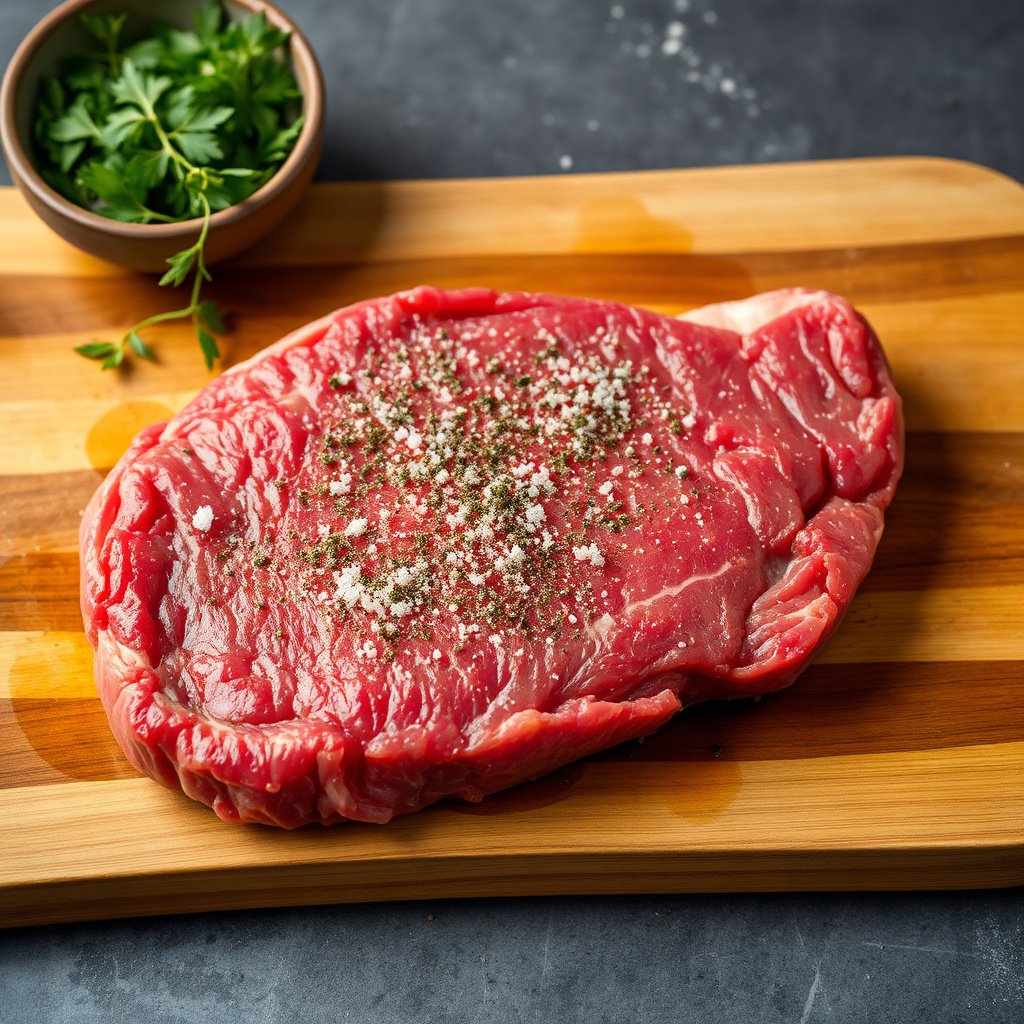
Not every steak cut reacts the same way to oven cooking. Thicker cuts like ribeye, sirloin, or filet mignon hold up well and develop a satisfying crust in the pan before finishing in the oven. Thinner cuts risk overcooking unless timed precisely.
Look for steaks about 1 to 1.5 inches thick for the best oven cooking experience. This thickness provides enough meat to sear well and then cook evenly inside without drying out during the oven phase.
- Ribeye: marbled and flavorful
- Filet mignon: tender and lean
- Strip steak: balanced flavor and texture
Seasoning and Preparing the Steak
Simple seasoning is key: a generous sprinkle of coarse salt and freshly cracked black pepper is usually enough to enhance the steak’s natural flavor. Apply seasoning at least 40 minutes before cooking or right before searing for best results.
Patting the steak dry removes excess moisture, allowing for a better sear. Some cooks also rub a thin coat of oil or butter on the steak to improve browning and prevent sticking during the stovetop sear.
Searing the Steak Before Oven Cooking
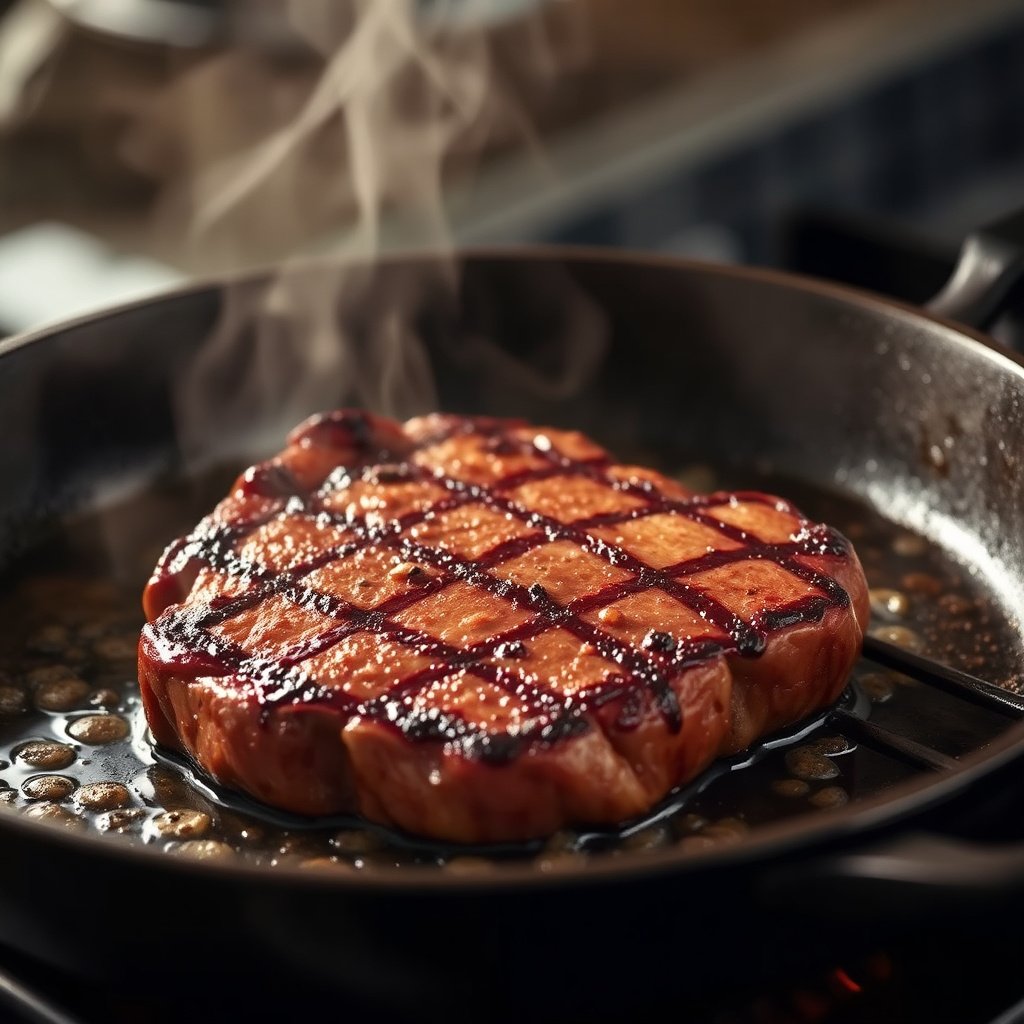
Importance of a High-Heat Sear
Searing the steak over high heat creates a caramelized crust through the Maillard reaction, which locks in flavors and juices. Without this step, oven-cooked steak can lack texture and depth.
Use a heavy skillet, like cast iron, and ensure it’s smoking hot before adding the steak. Sear each side for about 1 to 2 minutes until a golden-brown crust forms.
- Preheat skillet for 5 minutes on high
- Use minimal oil with high smoke point
- Avoid moving steak around to develop crust
For more on this, see our related guide: How to Cook a Sirloin Steak Perfectly: Proven Steps and Timing Guide.
Techniques for Even Browning
Press the steak lightly against the pan to maximize surface contact. Sear the edges briefly by holding the steak with tongs to render fat and add crispness.
Managing heat is important; if your pan begins to smoke excessively, reduce to medium-high to avoid burning, which can impart bitterness.
Finishing Steak in the Oven
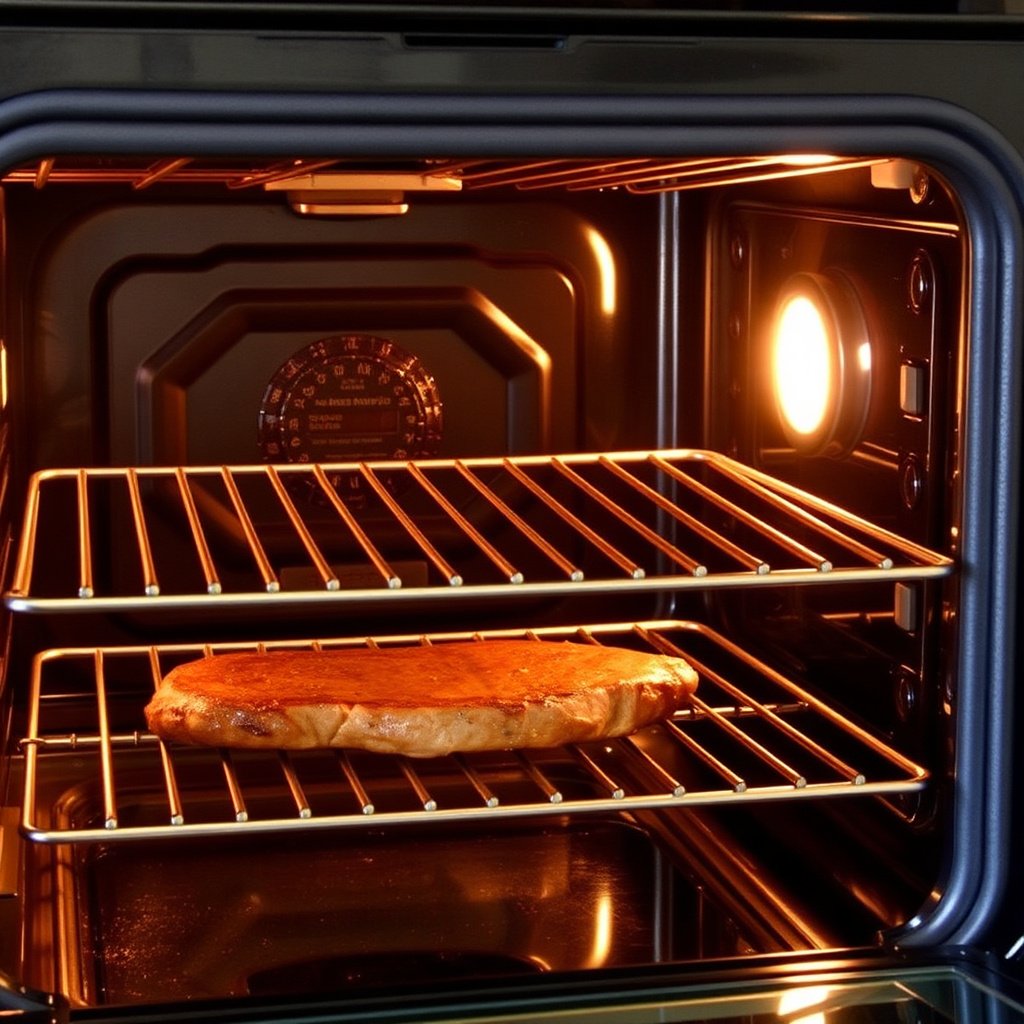
Choosing Oven Temperature and Time
A typical oven temperature to finish steak is 400°F (204°C). This allows even heat to penetrate the meat while keeping cooking time short to preserve juiciness.
Cooking time varies by thickness and desired doneness: generally 4-6 minutes for medium-rare on a 1-inch steak. Use a meat thermometer to check internal temperature accurately.
- Rare: 120-125°F internal temp
- Medium-rare: 130-135°F
- Medium: 140-145°F
- Medium-well: 150-155°F
Using a Meat Thermometer for Precision
A reliable meat thermometer is essential for oven-baked steak, since relying on time alone can lead to over or undercooking. Insert it into the thickest part of the steak for the best reading.
Check the temperature a minute or two before the expected finish time, as carryover heat will continue cooking the steak after removal from the oven.
Resting and Serving Your Oven-Cooked Steak
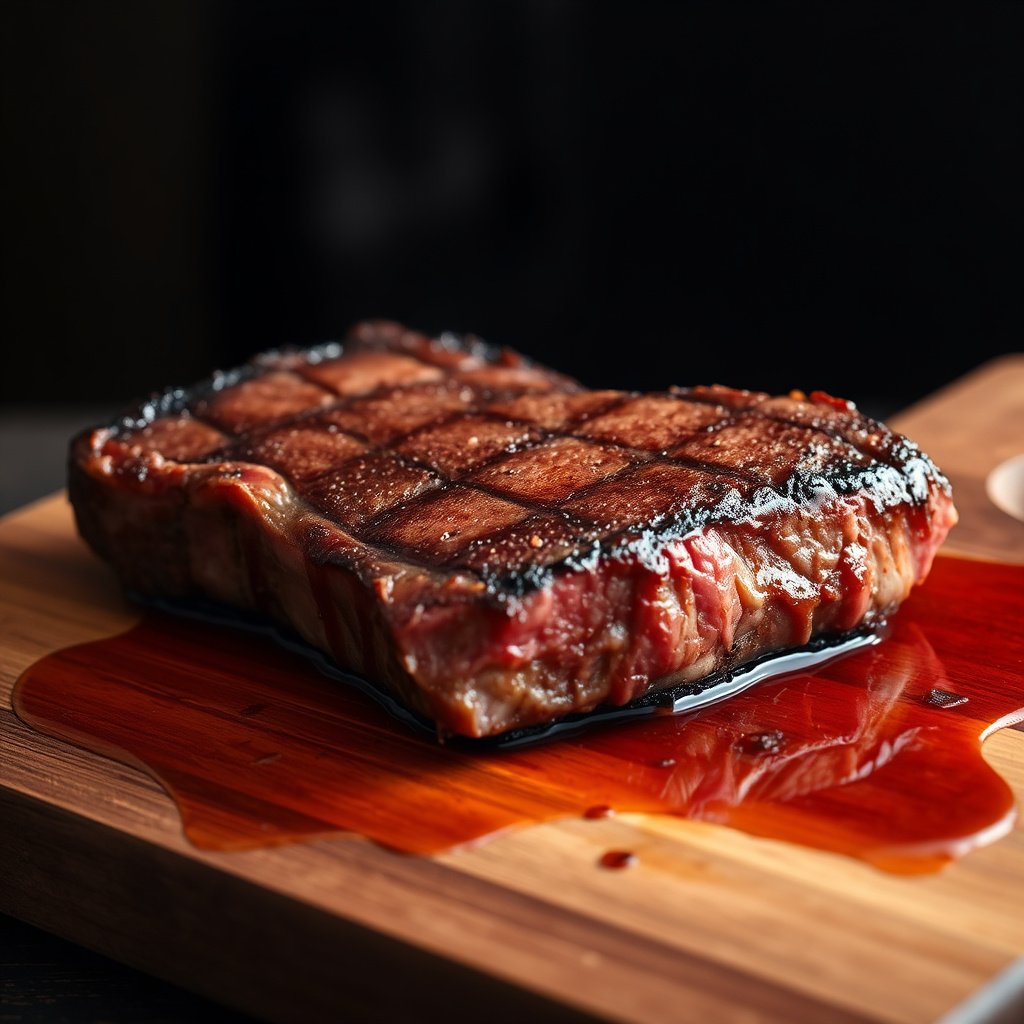
Why Resting Steak Matters
Resting allows the juices redistributed during cooking to settle back into the meat fibers, keeping the steak moist and tender when cut.
Rest steaks loosely tented with foil for 5 to 10 minutes. Cutting immediately releases juices onto the plate rather than inside the steak.
For more on this, see our related guide: How to Cook a Steak in the Oven: A Complete Guide for Perfect Results.
Serving Suggestions and Enhancements
Serve your oven-cooked steak sliced against the grain alongside complementary sides like roasted vegetables, mashed potatoes, or a simple salad.
Add finishing touches such as a pat of compound butter, fresh herbs like thyme or rosemary, or a drizzle of balsamic reduction for extra flavor.
- Compound butter with garlic and herbs
- Fresh cracked pepper and sea salt flakes
- Sautéed mushrooms or caramelized onions
Variations and Tips for Oven-Baked Steak Recipe

Using Marinades and Flavor Profiles
Experimenting with marinades featuring ingredients like soy sauce, Worcestershire, balsamic vinegar, or citrus can add depth to your steak’s flavor. Marinate for 30 minutes to a few hours before cooking.
Be cautious with sugar-heavy marinades as they can burn during searing. Pat the steak lightly after marinating to lessen this risk.
- Soy sauce and garlic
- Olive oil and rosemary
- Balsamic vinegar glaze
For more detailed background about steak cuts, cooking methods, and history, visit this Wikipedia article on steak. Wikipedia article on steak.
Broiling as an Alternative Oven Method
Broiling applies direct high heat from above, similar to grilling, and can be used to cook thinner steaks quickly. Position the rack close to the broiler element for emphasis.
Broiling skips the sear step but requires close attention to avoid burning. Flip the steak halfway through for even cooking.
- Use broiler-safe pans
- Rotate halfway for uniform doneness
- Keep broiler door slightly open for air circulation
Oven Steak Cooking Methods Comparison
This table compares popular oven steak cooking methods highlighting their pros and ideal uses for different steak cuts and thicknesses.
| Method | Best For | Advantages | Disadvantages |
|---|---|---|---|
| Sear then Oven Bake | Thick cuts (1-1.5 inches) | Excellent crust and even cooking | Requires stove and oven use |
| Broiling | Thinner cuts (<1 inch) | Quick, grill-like effect | Higher risk of burning |
| Slow Roast | Very thick roasts | Even internal temperature | Long cooking time, no crust |
| Sous Vide then Oven Sear | Fancy cuts, precise doneness | Perfectly cooked inside and out | Requires special equipment |
Frequently Asked Questions
Can I cook frozen steak in the oven?
Cooking steak from frozen in the oven is possible but not ideal. It will take longer to cook and may cook unevenly. It’s best to thaw steak fully for the best texture and doneness control.
How do I tell when my steak is done without a thermometer?
Use the finger test for doneness by comparing the firmness of the steak to the fleshy part of your palm under your thumb. More firmness indicates a higher level of doneness, but this method is less precise than a thermometer.
Should I butter baste the steak in the oven?
Butter basting is usually done during the searing stage on the stovetop to add flavor and moisture. In the oven, it’s better to finish with a small pat of butter after cooking.
How long should I let steak rest after oven cooking?
Rest steak for about 5-10 minutes loosely covered with foil. This resting time helps juices redistribute for a moist, tender bite.
Is pan searing necessary before oven cooking steak?
Pan searing creates a flavorful crust and is highly recommended when oven-cooking steak. However, broiling is an alternative that skips searing but requires careful monitoring.
Key Takeaways
- Searing steak before oven cooking develops essential flavor and crust.
- Use a meat thermometer to accurately achieve preferred doneness.
- Resting steak after cooking retains juices and tenderness.
- Oven cooking is versatile and works well with thicker cuts.
Conclusion
Cooking steak in the oven offers a reliable way to balance rich, seared flavors with tender, evenly cooked interiors. By selecting the right cut, applying proper seasoning, and combining stovetop searing with precise oven timing, you can replicate restaurant-quality results in your kitchen. Employing a meat thermometer and resting the steak thoughtfully elevates the finished dish. This method provides controlled heat that mitigates common issues like flare-ups and inconsistent cooking, making it a practical choice year-round.
For those seeking classic juicy steaks, thicker cuts such as ribeye or strip steak work best with the sear-then-oven bake technique outlined here. If pressed for time or working with thinner cuts, broiling offers a grill-like option but needs a watchful eye to avoid scorching. Additionally, experimenting with marinades or finishing with compound butter can add layers of flavor that personalize your meal. Choosing your approach depends largely on steak thickness, desired doneness, and available equipment, but with practice, oven-cooked steak becomes an accessible staple.
Begin by picking a well-marbled steak about one to one and a half inches thick, season simply, and sear in a hot skillet. Then move it to a preheated oven until reaching your preferred temperature, rest the meat, and serve with your favorite sides. Armed with this knowledge, you now have a dependable method for cooking steak in the oven. Practice will help you perfect timing and heat adjustments so you can confidently impress yourself and guests with tender, flavorful steaks anytime.