How to Cook a Sirloin Steak Perfectly: Proven Steps and Timing Guide
Cooking a sirloin steak perfectly starts with proper seasoning, precise timing, and using the right method for your steak’s thickness. Sear your sirloin for 2 to 3 minutes per side in a hot pan and finish in the oven at 400°F for about 5 minutes to achieve medium-rare. This approach locks in flavor and juices while creating a delicious crust.
This information suits home cooks eager to master sirloin steak cooking without guesswork. You’ll learn how to prepare, cook, and rest your steak properly along with timing guides to match your preferred doneness and tips to avoid common mistakes. === TAKEAWAYS===
Key Takeaways
- Season sirloin steak with salt at least 45 minutes before cooking and rest it at room temperature for best flavor absorption.
- For a 2-3 cm thick steak, sear on high heat 2-3 minutes per side before finishing in a 400°F oven for 5 minutes to reach medium-rare.
- Flip and rotate the steak 90 degrees halfway through searing to create crosshatch grill marks and even cooking.
- Rest cooked steak for about 5 minutes to allow juices to redistribute, ensuring a moist and tender bite.
- Use a meat thermometer to check internal temperature: aim for 120°F for rare and 130°F for medium-rare doneness.
- Marinate or rub steaks with spices and refrigerate for up to 48 hours to deepen flavor before cooking.
How to Cook a Sirloin Steak Perfectly Every Time

Cooking sirloin steak perfectly involves managing heat and timing to develop flavor and just the right doneness. Most sirloin steaks range from ¾ to 1 inch thick and require quick, high-heat cooking to lock in juices and texture. Bringing the steak to room temperature first ensures even cooking. Then sear on a hot pan to create a crust before finishing with oven time if the steak is thicker. Timing varies by thickness and desired doneness, generally 2 to 6 minutes per side for pan-searing, plus oven time if needed. Follow these steps for optimal results:
- Bring the steak to room temperature: Take the sirloin steak out of the refrigerator and let it sit for about 20 to 45 minutes. This helps the meat cook evenly and reduces the risk of a cold center.
- Preheat your pan or grill: Heat a heavy skillet or grill over high heat until very hot, about 5 minutes. A cast-iron skillet works well by maintaining consistent heat.
- Season the steak: Lightly salt and pepper your steak just before cooking to improve flavor without drawing out moisture early.
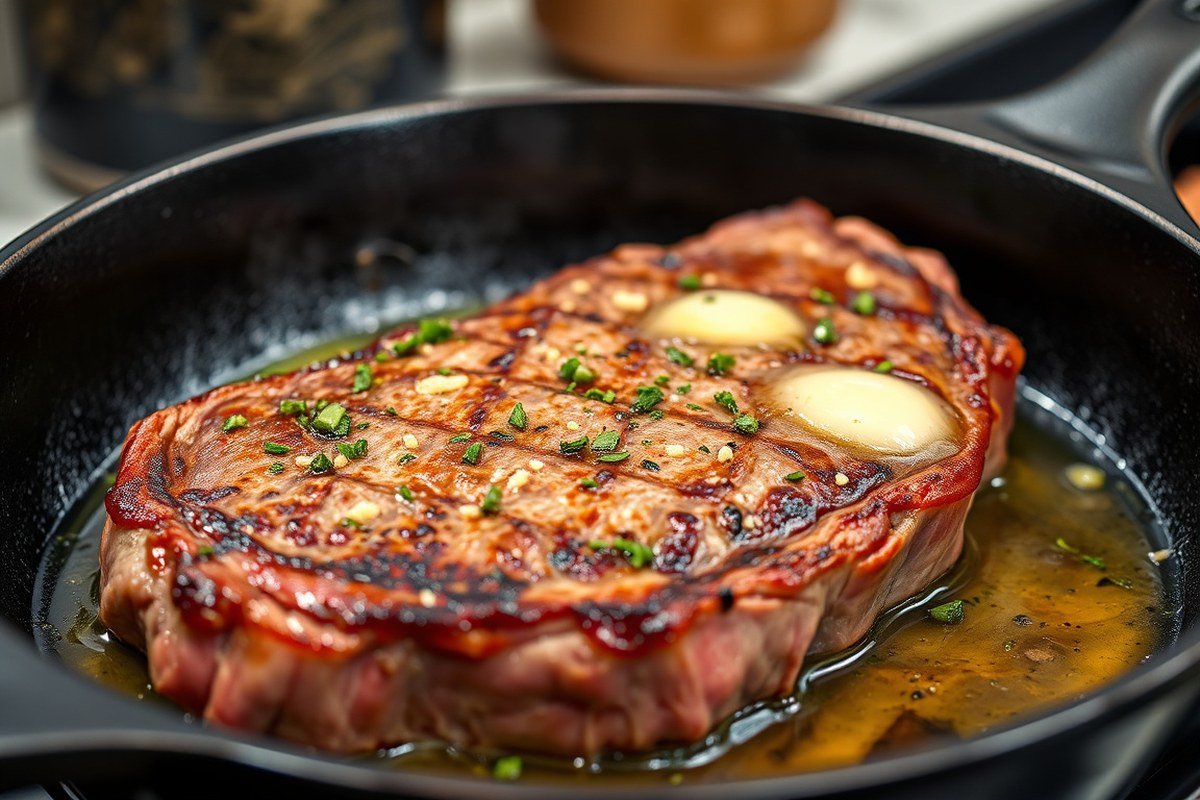
- Sear the steak: Place the steak in the hot pan and cook for 2 to 3 minutes per side if about 1 inch thick, or 4 to 6 minutes per side for thicker cuts. This forms a flavorful crust.
- Finish in the oven for thicker steaks: For steaks over 1 inch thick, transfer the pan to a 400°F oven or move the steak to a preheated oven. Roast for 5 to 10 minutes depending on thickness and desired doneness. For a medium-rare steak about 1 inch thick, 5 to 6 minutes usually suffices.
- Check internal temperature: Use an instant-read thermometer to reach your preferred doneness. Medium-rare is about 130-135°F, medium around 140-145°F.
- Remove and rest: Take the steak out of heat once it hits the target internal temperature and let it rest for 5 to 10 minutes to redistribute juices.
These steps produce steak cooked to your preference, juicy and tender. Avoid cooking too long, which can dry the meat. Thinner cuts need less time on each side, while thicker sirloins benefit from the dual-step sear-and-oven method. Adjust times slightly based on steak thickness and starting temperature for best control over the final outcome.
How to Prepare and Season Sirloin Steak for Maximum Flavor
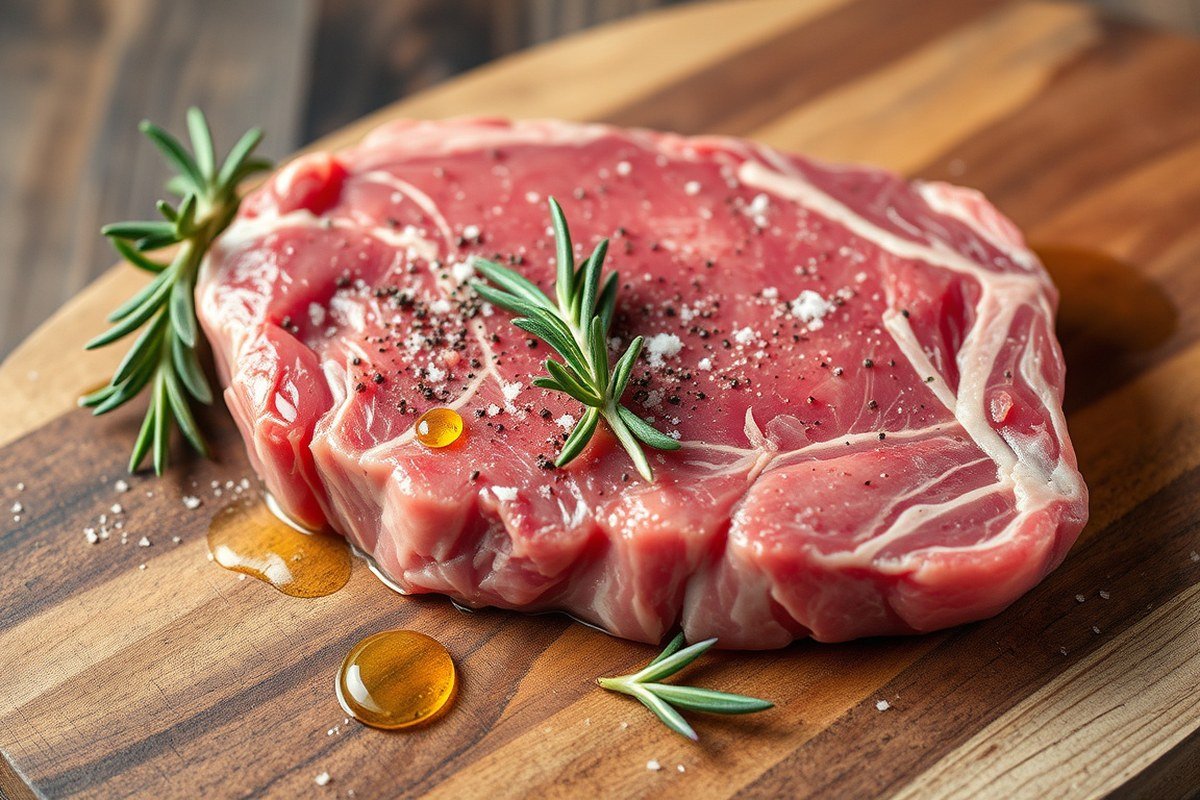
Properly preparing and seasoning sirloin steak before cooking get the best flavor and tenderness. Thaw the steak completely, dry it well, season simply with salt and pepper or marinate for several hours depending on your taste preferences. Each step controls how the steak cooks, what it tastes like, and the texture you get.
Thawing and Drying the Steak
Begin by thawing your sirloin steak safely in the refrigerator for 12 to 24 hours. Avoid thawing at room temperature to reduce bacterial risk. After thawing, pat the steak dry with paper towels to remove any moisture. This drying step helps you achieve a better crust during cooking since moisture on the steak surface can steam instead of sear.
Plan ahead so the steak has time to come closer to room temperature for about 20 to 30 minutes after drying and before cooking. This evens out the cooking and prevents toughness from starting the sear with a cold center.
Essential Seasoning and Salting Steps
For basic seasoning, sprinkle both sides of the sirloin steak generously with kosher salt and freshly ground black pepper. Salt extracts moisture and helps form a flavourful crust. You can salt about 1 teaspoon of kosher salt per pound of steak. Apply it at least 40 minutes before cooking or immediately before placing the steak on heat.
Oiling the steak lightly with neutral oil like vegetable or canola oil prevents sticking and improves heat conduction. Use about 1 teaspoon per side, spreading it with your fingers or a brush. After oiling, pat the seasoning on again if needed to ensure it clings well.
- Thaw steak in fridge 12-24 hours, not at room temperature
- Pat dry thoroughly with paper towels before seasoning
- Bring steak closer to room temperature 20-30 minutes pre-cook
- Season with kosher salt and black pepper, about 1 tsp salt per pound
- Lightly oil both sides with neutral oil before cooking
- Salt 40 minutes before cooking for the best crust or just before cooking
Start the marinating or salting process well ahead to let the flavors sink into the meat and improve tenderness.
Marinating Techniques and Timing
Marinating sirloin steak is an option that adds flavor depth and can help tenderize tougher cuts. Use acidic marinades with ingredients like lemon juice, vinegar, or wine combined with oil, herbs, and spices. Limit the marinating time to 4 to 8 hours for good flavor without breaking down the texture too much.
You may choose to marinate for up to 24 hours to maximize tenderness and flavor, especially for sirloin tip steak, but anything longer can result in a mushy texture. Always marinate in the refrigerator, covered in a non-reactive container like glass or food-safe plastic.
Before cooking, remove excess marinade and pat the steak dry; excess moisture interferes with searing. Keep in mind that highly acidic or salty marinades can affect seasoning needs, so adjust salt accordingly when you season before cooking.
Choosing the Right Cooking Method for Your Sirloin Steak
Choosing how to cook your sirloin steak depends on your equipment, timing, and taste preference. Grilling and pan-searing with an oven finish give good control over flavor and doneness, while air frying and slow cooking offer convenient alternatives for different textures. Each method varies in heat level, duration, and the resulting crust or tenderness.
Grilling Sirloin Steak: Heat and Timing
Grilling sirloin steak brings out a smoky, charred flavor. Preheat your grill to about 400°F or medium-high heat for grilling pans. Timing depends on thickness and doneness; for a 1-inch steak, grill 4-5 minutes per side for medium-rare. Adjust for thicker cuts or desired doneness. Close the grill cover to maintain consistent heat, ideally around 350°F when cooking indirectly to finish without burning the exterior.
Grilling also allows for quick searing over direct heat followed by slower indirect cooking, which helps avoid overcooking. Keep in mind that thinner steaks cook faster and may dry out if left too long. Grilling offers great flavor from the open flame but needs attention to temperature and flipping timing.
Pan-Searing and Oven Finishing
For pan-searing, use a large, heavy-duty frying pan or griddle. Heat it over medium-high until very hot, then sear the steak for about 3-4 minutes per side to develop a crust. Using this method, adding butter, garlic, and rosemary after searing adds flavor. Transfer the steak to a preheated 400°F oven and cook for about 5-10 minutes depending on thickness and your preferred doneness.
This method is especially reliable for thicker sirloin steaks, combining the crust formation of searing and gentle doneness control in the oven. If needed, reduce oven temperature to 325°F and cook for an additional 3-5 minutes to avoid overcooking. Pan-searing with oven finishing gives more precise control of internal temperature and crust quality than grilling alone.
Alternative Methods: Air Fryer & Slow Cooker
Cooking sirloin steak in an air fryer offers a convenient, fast option that mimics frying with less oil. Set the air fryer to 400°F and cook a 1-inch sirloin steak for about 8-10 minutes, flipping halfway through. Air frying produces a relatively crispy crust but tends to cook faster and may dry out leaner cuts like sirloin if timed too long.
Slow cooking suits tougher bottom sirloin better than top sirloin, breaking down connective tissue into tender meat. Slow cooker recipes take several hours at low heat, ideal for stews or shredded steak dishes, not for seared steak texture or quick meals. This method prioritizes tenderness over crust or sear flavor. Choosing between these methods depends on your equipment availability, texture preference, and how much time you have to monitor cooking. Below is a comparison table summarizing key factors such as heat, timing, flavor impacts, and equipment needs for each cooking method.
| Cooking Method | Typical Temperature | Approximate Time (1-inch steak) | Flavor/Texture Notes | Equipment Needed |
|---|---|---|---|---|
| Grilling | 400°F direct, 350°F indirect | 4-5 min/side + indirect time | Smoky, charred crust; quick cook | Grill or grilling pan |
| Pan-searing + Oven | Medium-high pan, 400°F oven | 3-4 min/side sear + 5-10 min oven | Crusty exterior, controlled doneness | Heavy pan and oven |
| Air Fryer | 400°F | 8-10 minutes (flip halfway) | Crisp crust, faster cook, risk of drying | Air fryer |
| Slow Cooker | Low heat (190-210°F) | 4-8 hours | Tender, shredded texture; no crust | Slow cooker |
| Oven Roasting Alone | 350-400°F | 5-10 minutes | Even cooking, less crust unless broiled | Oven |
Oven roasting alone cooks evenly but lacks the crust and sear flavor. Grilling and pan-searing methods excel at producing a crusty exterior, with pan-searing plus oven finish providing control especially for thicker sirloin. Air frying offers quick results with moderate crust but needs attention to avoid dryness. Slow cooking suits tougher cuts rather than sirloin steaks you want seared.
Sirloin Steak Internal Temperatures: When Is It Done?
Cooking a sirloin steak to the right doneness depends mainly on its internal temperature. Using a meat thermometer is the most accurate way to check, even if you’re familiar with touch tests or visual cues. Steaks continue to cook slightly after being removed from heat, so pull them from the heat source a few degrees below your target temperature. This method helps avoid overcooking. Here’s a temperature chart showing the recommended internal temperatures where you should remove your sirloin steak from the heat and the expected final temperatures after resting:
| Doneness | Remove from Heat (°F) | Final Temperature After Resting (°F) |
|---|---|---|
| Rare | 120-125 | 125-130 |
| Medium Rare | 125-130 | 130-135 |
| Medium | 130-135 | 140-145 |
| Medium Well | 140-145 | 150-155 |
| Well Done | 150-155 | 160-165 |
To monitor your steak’s internal temperature correctly, use a digital instant-read thermometer. Insert the thermometer probe sideways into the thickest part of the steak for the most accurate reading. Avoid touching bone or fat, as these areas can give false temperatures. Check the temperature about two minutes before you think the steak will be done to avoid overcooking.
Some cooks use the finger or palm test to judge doneness by pressing on the steak and comparing its firmness to parts of their hand. While this method can provide a rough estimate, it’s less reliable than a thermometer and requires some practice to get right. If you don’t have a thermometer on hand, cooking times can guide you: broil or grill a sirloin steak for 4 to 5 minutes per side for medium-rare, increasing by a minute or two per side for higher doneness levels. Remember that factors like steak thickness and heat intensity will affect these times.
Targeting medium-rare doneness (130 to 135°F final temperature) is generally preferred for sirloin to keep the steak tender and juicy. Going beyond medium-well can risk a tougher texture due to moisture loss. Allowing the steak to rest for about 5 minutes after cooking lets the juices redistribute and the internal temperature to rise slightly, ensuring the best eating experience.
How and Why to Rest Sirloin Steak Before Serving
Resting sirloin steak after cooking is essential for juicy, tender results. Letting the steak rest for around 5 to 10 minutes allows juices to redistribute, preventing them from spilling out when you cut into the meat. Without resting, your steak can lose flavor and end up dry or tough.
What Happens During Resting
When sirloin steak cooks, its juices move toward the center as heat pushes moisture inward. Resting gives the muscle fibers time to relax and reabsorb these juices throughout the meat instead of letting them run out on the plate. This process keeps the steak moist and helps maintain a tender texture.
Juices also cool slightly and thicken, improving mouthfeel. If you slice the steak immediately, the juices pour out quickly, causing dryness and less flavourful bites. Resting optimizes each serving’s moisture content, especially important with leaner cuts like sirloin that can dry out faster.
How Long to Rest Sirloin Steak
Thicker steaks need more resting time. For a typical 1 to 1.5 inch thick sirloin steak, let it rest for about 5 to 10 minutes. For thicker cuts, closer to 1.5 or 2 inches, resting around 10 to 15 minutes works best.
Small or thin steaks need less time. Resting for 3 to 5 minutes helps retain juices without waiting too long and letting the meat cool too much. Use this window to tent the steak loosely with foil to keep warmth without causing steaming.
Resting Techniques and Tips
Place the cooked sirloin steak on a warm plate or cutting board. Tent it gently with aluminum foil, making sure not to wrap it tightly. Tight wrapping traps steam, which can soften any crust you’ve created during cooking and diminish texture.
You can rest the steak on a wire rack set over a baking sheet to avoid sogginess from sitting in its own juices. This method keeps the bottom crisp while resting as juices redistribute internally.
Consequences of Skipping Rest
Cutting into your sirloin steak immediately after cooking causes a rapid flow of juices onto your plate, leaving the meat dry and less flavorful. The muscle fibers are still tense from heat, squeezing out moisture once pierced.
A steak that is not rested may feel tougher and less enjoyable because it loses the moisture that helps soften the texture. This is especially problematic with lean cuts like sirloin, where juice retention is key for tender results.
Always let your sirloin steak rest loosely tented with foil for at least 5 minutes to lock in juices and improve tenderness before slicing.
Common Mistakes When Cooking Sirloin Steak and How to Fix Them
One common mistake when cooking sirloin steak is using a pan that isn’t hot enough. A cold pan prevents the steak from forming a good sear, which locks in juices and flavor. To fix this, preheat your pan over medium-high heat for at least 5 minutes before adding the steak. This step encourages a caramelized crust and helps keep the meat tender.
Another issue is cooking the steak straight from the fridge without letting it sit at room temperature first. A very cold steak cooks unevenly, causing the outside to overcook while the inside stays underdone. Allow your steak to rest on the counter for 20 to 30 minutes before cooking. This evens out the temperature and reduces the risk of toughness.
Overcooking is a frequent cause of dry, tough sirloin steak. Because sirloin is leaner than some other cuts, it can quickly lose moisture. Use a reliable meat thermometer to monitor internal temperature closely. Aim for 130°F to 135°F for medium-rare, which keeps the steak juicy. Remove the steak from heat when it reaches 5°F below your desired doneness since it will continue to cook while resting.
- Use a very hot pan or grill to create a crust quickly.
- Let the steak come to room temperature before cooking.
- Pat the steak dry but avoid leaving it uncovered in the fridge for over 12 hours to prevent excessive drying.
- Flip the steak only once halfway through cooking.
- Use a meat thermometer to avoid overcooking.
- Rest the steak for 5-10 minutes after cooking to allow juices to redistribute.
Poor seasoning is another mistake that diminishes sirloin steak’s flavor. Salt and pepper should be applied generously to both sides before cooking. Salt draws out moisture initially but then helps the meat retain juices and improve taste as it cooks. Avoid seasoning only after cooking or using too little salt, which results in a bland steak.
Poor technique during cooking, like flipping too often, can interfere with crust development and cause uneven cooking. Cook one side for about half the total time, then flip once to finish. This leads to an evenly cooked steak with a better texture.
If you end up with a dry or tough steak, avoid drying it out further by slicing it thinly against the grain and serving with a sauce or butter to add moisture. Getting these steps right reduces the risk of toughness and dry texture in the first place, delivering a tender, flavorful sirloin steak every time.
How to Achieve a Perfect Crust on Sirloin Steak
Achieving a perfect crust on a sirloin steak starts with drying the surface thoroughly. Moisture blocks the Maillard reaction, which is what creates the caramelized, smoky crust you want. Pat the steak dry with paper towels before seasoning to remove any surface moisture. Letting the steak sit at room temperature for about 30 minutes before cooking not only helps it cook evenly but also aids in developing a better sear.
Choosing the right fat is important for searing. Use an oil with a high smoke point like canola, grapeseed, or avocado oil. These oils can tolerate the heat needed to develop a crust without burning. Butter adds flavor but burns faster, so for a clean, crisp crust, start with a neutral oil. You can add butter toward the end of cooking or while basting for flavor without sacrificing the sear.
Heat your pan until it is very hot before adding the oil. A cast iron skillet is ideal because it retains heat well and promotes even browning. Once the oil shimmers, place the steak in the pan without overcrowding. A temperature around 400°F is great for searing. Let the steak cook undisturbed for 3 to 4 minutes until a deep brown crust forms. Resist the urge to move or flip the steak repeatedly. Flip once, cooking the second side for 3 to 4 minutes to develop an even crust.
Flipping technique impacts the crust significantly. Flip the steak just once during searing to avoid disturbing the crust formation. Excessive flipping prevents a consistent caramelized layer from developing. After flipping, leave the steak alone to allow the second side to brown properly. When you see excess fat pooling in the pan, carefully wipe it off with a paper towel during resting moments to stop steaming instead of searing.
For thicker sirloin steaks, searing both sides for 3 to 4 minutes creates a strong crust without overcooking the inside. After establishing this crust, finishing the steak in a preheated oven at 375°F can help cook it evenly through without making it tough. Thinner steaks might only need 2 to 3 minutes per side in the pan, which is enough time to develop a crust without drying them out.
What good results look like is a steak with a rich brown, slightly crispy exterior that smells smoky and caramelized without blackening. A crust that’s too dark or burnt usually means the pan was overheated or the steak was left too long without flipping. A pale or soggy crust usually means the steak surface was too wet or the pan wasn’t hot enough. Proper drying, seasoning, high heat, and careful flipping combine to produce the signature crisp crust on sirloin steak.
How to Safely Store and Serve Leftover Sirloin Steak
Leftover sirloin steak should be stored in the refrigerator within two hours of cooking to prevent bacterial growth. Wrap the steak tightly in aluminum foil or place it in an airtight container to keep moisture in and avoid contamination. Properly stored, cooked sirloin steak lasts 3 to 4 days in the fridge. For longer storage, keep the steak in a freezer-safe bag or container and freeze it at 0°F (-18°C) or lower, where it can last up to 3 months without significant loss in quality.
Serving sirloin steak cold is safe and can be quite enjoyable, especially in salads or sandwiches. Thinly slicing leftover steak helps it stay tender and easy to eat when cold. You can also add cold steak slices to dishes like wraps or pasta for a quick meal. Cold steak won’t have the same texture as freshly cooked, but it can still provide good flavor options with minimal effort.
Reheating steak requires care to avoid drying it out or making it tough. The best method is to warm it gently at low heat. One simple way is to place the steak in a skillet on the stove over medium-low heat for about 3 to 5 minutes per side, adding a teaspoon of butter or a splash of beef broth to help maintain moisture. Cover the pan with a lid or foil to trap steam and heat the steak evenly. Another option is reheating in an oven preheated to 250°F (120°C) wrapped in foil until the internal temperature reaches 110°F to 130°F, which usually takes 20 to 30 minutes depending on thickness. Avoid microwaving unless in short bursts on low power to reduce toughness.
Leftover sirloin steak can be repurposed in various dishes beyond simple reheating. Slicing thin strips for steak salads, sandwiches, or stir-fries keeps the meat tender and flavorful. For example, stir leftover grilled sirloin strips into ramen or toss them into pasta or rice bowls. Using leftover steak this way helps prevent waste and adds protein to different meals.
Always cool leftover steak quickly and refrigerate within two hours after cooking to reduce the risk of foodborne illness.
Step-by-Step Action Plan for Cooking Sirloin Steak
Follow these steps to cook a flavorful, juicy sirloin steak with the perfect crust and doneness every time.
- Before cooking: Pat your steak dry with paper towels and season it generously with salt and freshly ground pepper. This sets the foundation for flavor and crust development.
- 30 minutes prior: Let the steak sit at room temperature to ensure even cooking. The steak should feel cool but not cold when you start.
- Cooking start: Preheat your skillet or grill to high heat until very hot. You’ll see a slight smoke or feel intense heat from the surface.
- During cooking: Sear the steak for 3 to 4 minutes per side without moving it to achieve a deep brown crust. The steak’s edges will lift easily when ready to flip.
- Check doneness: Use a meat thermometer to check internal temperature: 125°F for rare, 135°F for medium-rare, 145°F for medium. Remove the steak a few degrees before your target because it will continue to cook.
- Resting period: Allow the steak to sit on a warm plate for 5 to 10 minutes without covering it. The steak should feel warm, not hot, and the juices will firm up inside.
- Serving: Slice against the grain for the tenderest bites. The meat should feel tender and juicy when cut.
Frequently Asked Questions
What Is the 3-3-3 Rule for Steaks?
The 3-3-3 rule means cooking steak 3 minutes on each side and 3 minutes resting. This method helps ensure even cooking and proper juice retention, though timing varies by thickness and doneness preference.
How Do I Cook a Perfect Sirloin Steak?
Cook sirloin steak to medium-rare by searing in a hot pan then finishing in the oven. Rest it 5 to 10 minutes before serving to keep it tender and juicy.
How to Cook Sirloin Steak in a Frying Pan?
Heat the pan until very hot, then sear the steak 2-3 minutes per side for medium-rare. Adding butter near the end boosts flavor and creates a rich crust.
How Do Restaurants Make Sirloin Steak so Tender?
Restaurants often tenderize sirloin by marinating, controlled cooking, and letting the steak rest. These steps break down fibers and lock in moisture, making the steak easier to chew.
Can I Cook Sirloin Steak Without Resting It First?
Resting before cooking isn’t required but helps the steak cook evenly. Letting it sit 20-30 minutes at room temperature improves results.
What Is the Best Way to Tell When Sirloin Steak Is Done?
Use an instant-read meat thermometer to check doneness. Medium-rare is around 130°F to 135°F for the best balance of juiciness and tenderness.
Final Thoughts
Cooking a sirloin steak well means balancing temperature, time, and seasoning to bring out its best flavor and texture. Try preparing your steak using this plan starting with seasoning and resting stages to notice the difference. Your next step is to test your thermometer skills while searing for a perfect crust and doneness level.





3 Comments