How Much Pasta Per Person: A Practical Guide for Perfect Portions
When planning meals, the question of how much pasta per person to prepare is straightforward: typically, an adult serving ranges from 75 to 115 grams (about 2.6 to 4 ounces) of dry pasta. This quantity translates to roughly one cup of cooked pasta, which satisfies average appetites without excessive leftovers or shortages.
Understanding the ideal pasta serving size helps prevent food waste and ensures your guests leave satisfied. Factors like appetite, the type of pasta, and additional dish components can slightly change the amount, but sticking close to the standard weight serves well for most occasions.
This article explains serving sizes for different pasta types, how to adjust amounts for various meal formats, advice on measuring pasta efficiently, and comparisons between dry and fresh pasta portions. You’ll gain the confidence to portion pasta accurately every time you cook.
Standard Pasta Portions: How Much Pasta Per Person You Should Cook
Typical Dry Pasta Portion Sizes
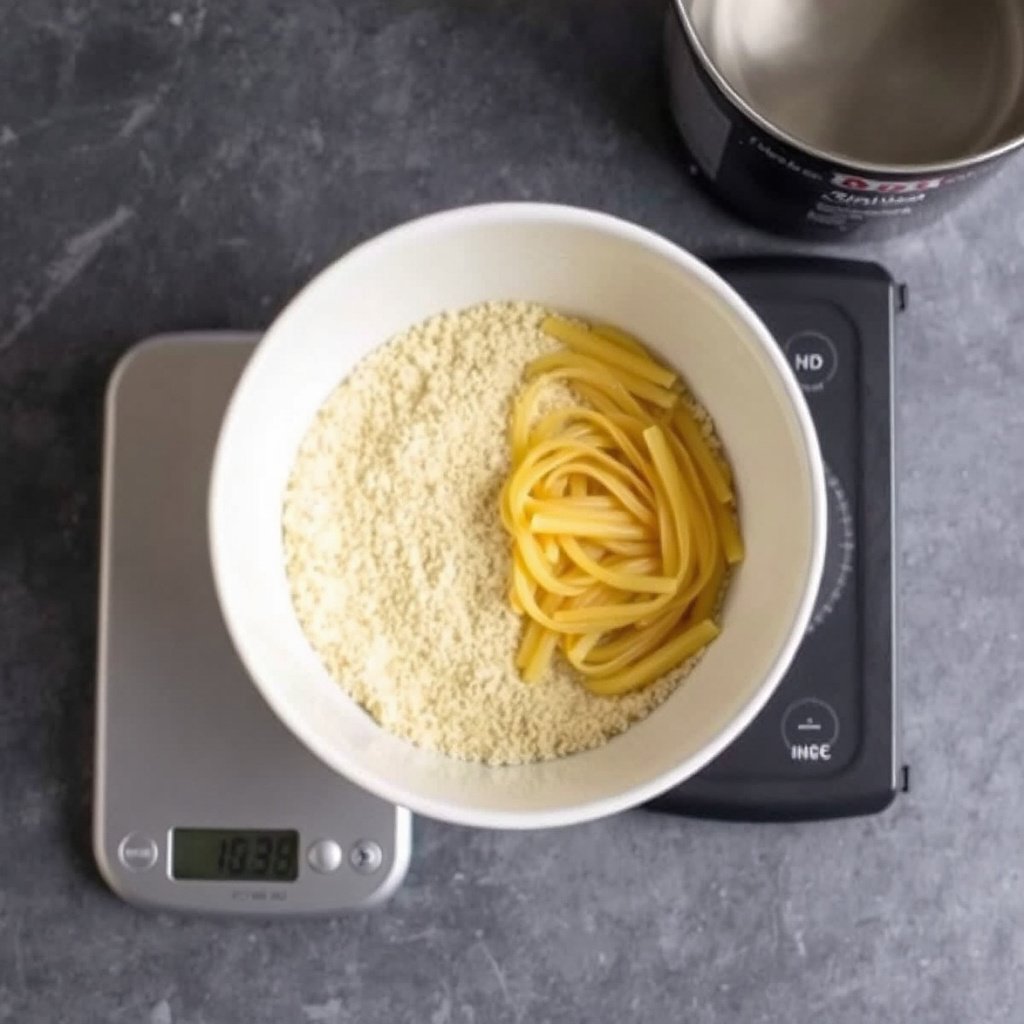
An average adult serving size of dry pasta is around 75 to 115 grams. This range covers lighter eaters and those with heartier appetites, providing flexibility depending on your guests. For side dishes, target closer to 50 to 75 grams, while main courses might require amounts on the higher end.
Different pasta shapes vary slightly in density, but these measurements hold true broadly. Measuring dry pasta by weight is more accurate than volume, especially for irregular shapes like farfalle or fusilli, which can occupy more space but weigh less than long strands like spaghetti.
- Lighter meal portion: 50-75 grams dry pasta
- Average adult meal: 75-115 grams dry pasta
- Heavy appetite serving: 115-140 grams dry pasta
Adjusting Portions for Children and Special Diets
Children generally need smaller portions than adults, ranging from 40 to 60 grams of dry pasta depending on age and appetite. Tailoring portions to kids’ needs avoids waste and helps manage nutrition more efficiently.
People on specific diets, such as low-carb or high-protein regimens, may want to reduce traditional pasta amounts or substitute with alternatives. Having a grasp of usual serving sizes aids in making these adaptations more precisely.
Measuring Pasta: Tools and Tips for Getting Serving Sizes Right
Using a Kitchen Scale for Accurate Pasta Portions
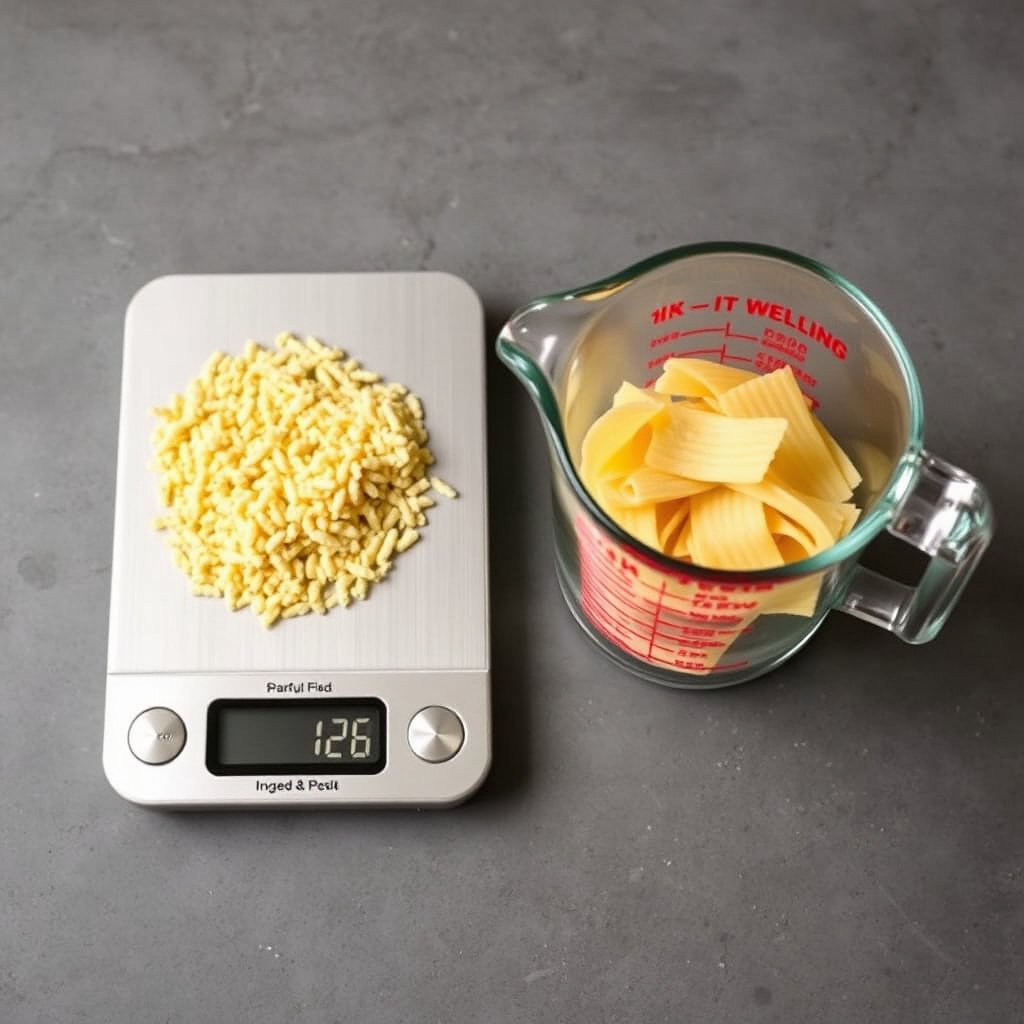
A digital kitchen scale is the most reliable tool for measuring pasta serving sizes. It removes guesswork by letting you weigh out 75 to 115 grams quickly. This approach works for all pasta shapes, ensuring consistent portions each meal.
To measure, place the empty container or plate on the scale, zero it out, and add pasta until the target number appears. Recording these weights can help streamline meal prep over time.
- Zero out scale with container
- Add pasta until desired gram weight
- Record weights for future reference
Estimating Pasta Without a Scale
If a scale isn’t handy, dry pasta can be estimated by volume. For long pastas like spaghetti, a typical adult portion is about 2 ounces (56 grams), which is a bundle approximately the diameter of a quarter when held in a fist. Short pasta shapes often fill about one cup per serving.
Using measuring cups for volume works best with smaller shapes but is less precise due to variations in shape size and packing density. Still, these estimates help make quick decisions in the kitchen.
- Spaghetti portion: diameter of a quarter-sized bundle
- Short pasta: roughly 1 cup dry per adult serving
Cooked Pasta Portions and Yield Expectations

How Much Pasta Expands During Cooking
Dry pasta typically doubles or triples in size and weight after boiling. On average, 100 grams of dry pasta will yield about 200 to 300 grams cooked. This expansion holds true across most standard pasta types.
Knowing this helps you anticipate final portion sizes on the plate and how filling the meal will be. It’s particularly helpful when pairing pasta with sauces or protein accompaniments.
For more on this, see our related guide: How Much Does It Cost to Host a Funeral Luncheon? A Complete Cost Guide.
Balancing Pasta With Other Ingredients
In mixed dishes like pasta salads or casseroles, pasta might be a component rather than the main ingredient. Portion amounts can be reduced accordingly—often around 50 grams dry per person works well.
Portion control plays a role in delivering a balanced meal, preventing pasta from overwhelming vegetables, meats, or cheeses, and ensuring the entire dish has harmonious texture and flavor.
Different Types of Pasta and Their Portion Variances
Portion Considerations for Long Vs. Short Pasta
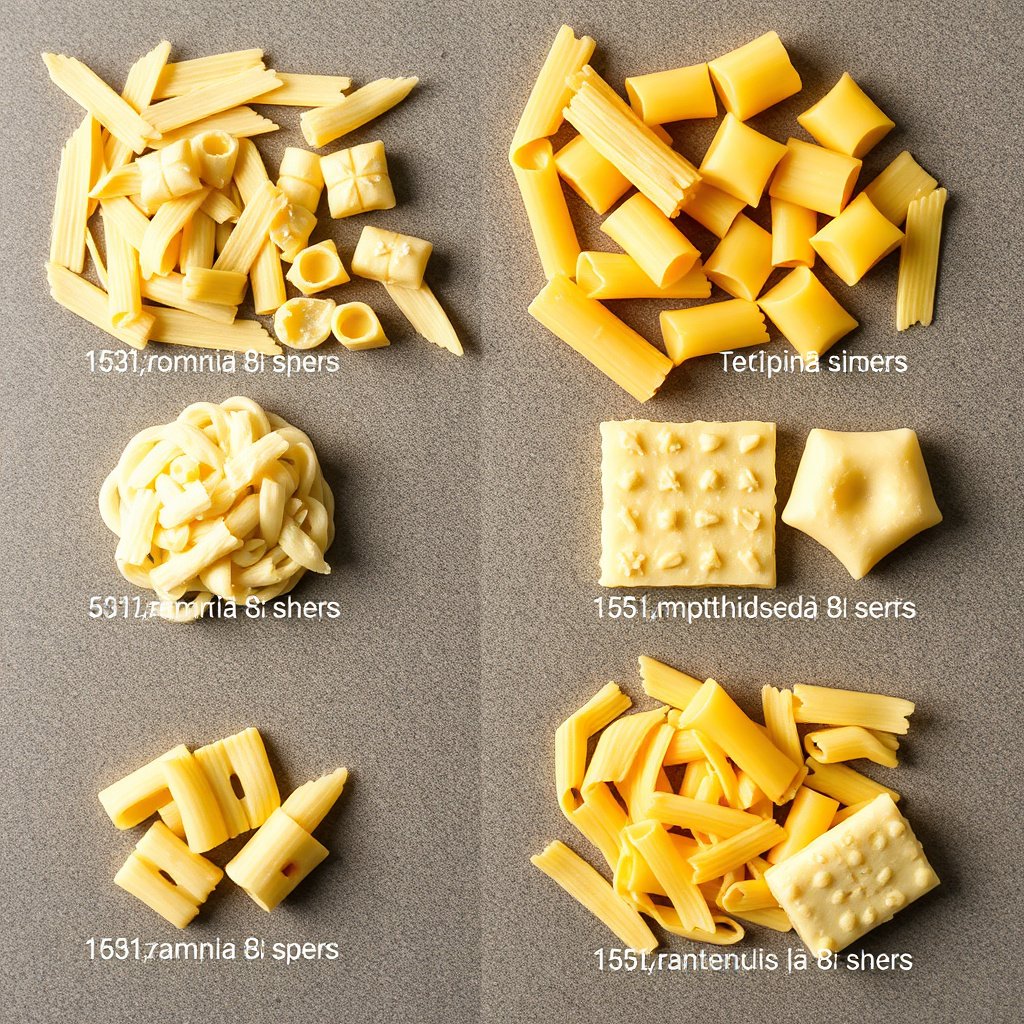
Long pasta like spaghetti, linguine, or fettuccine is often easier to measure by weight or bundle size, as mentioned. Short pastas such as penne, rotini, or shells tend to vary more in volume per weight, complicating portion estimates by cups.
While standard serving sizes remain similar in weight, the visual amount can look quite different depending on the pasta shape. This can affect how hungry someone feels when eating the meal.
Fresh Pasta Versus Dry Pasta Portions
Fresh pasta contains more moisture and weighs more than dry pasta for the same volume. A typical adult portion ranges from 115 to 150 grams of fresh pasta, slightly more than dry to account for water content.
Since fresh pasta cooks faster and yields a softer texture, measuring by weight is recommended to avoid over- or under-serving.
Pasta Serving Size Guide by Meal Type
Pasta as a Main Course
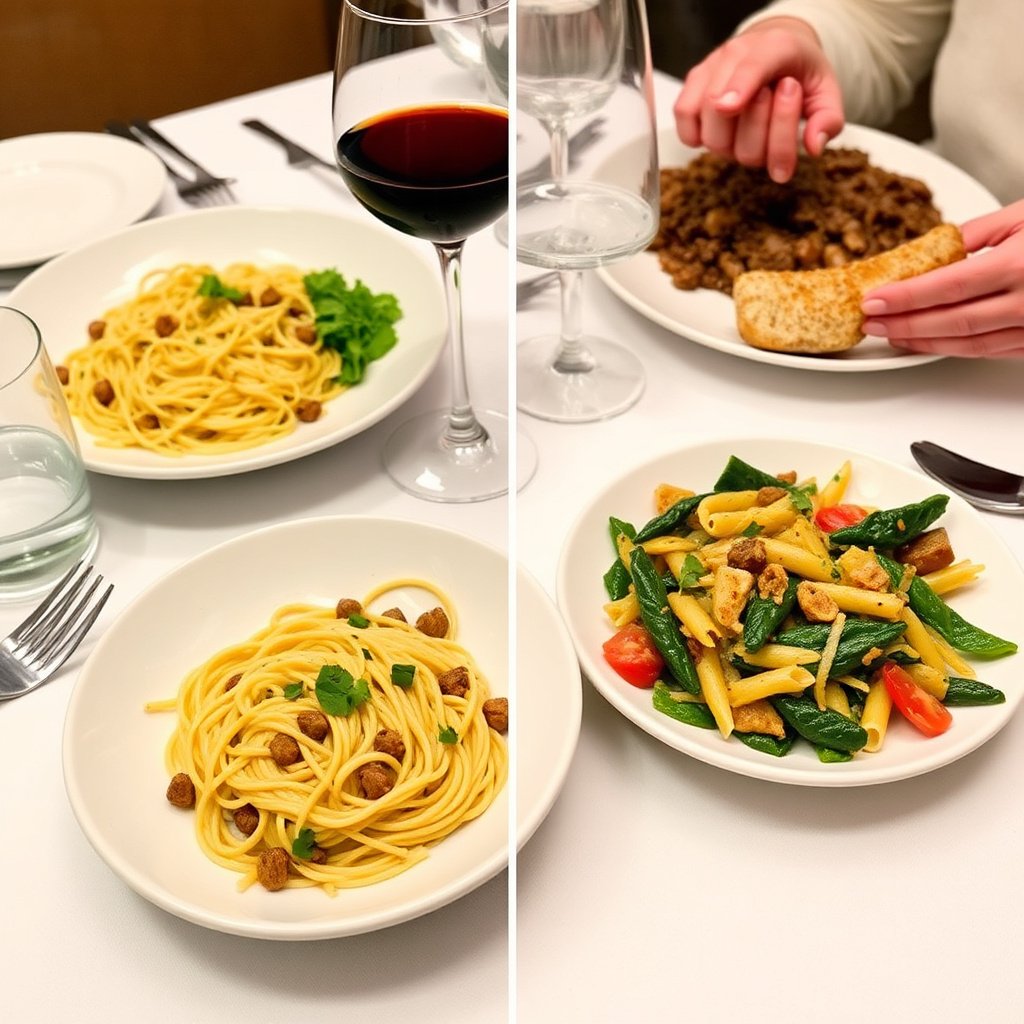
When pasta is the focus of the meal, such as spaghetti Bolognese or fettuccine Alfredo, plan on 75 to 115 grams dry pasta per person. Larger servings suit hearty eaters or special occasions.
Serving pasta as the main course demands more attention to portion control so diners feel satisfied without leftovers piling up.
For more on this, see our related guide: How Much Does a Seafood Dinner Cost? Complete Guide with Pricing Insights.
Pasta as a Side Dish or Part of a Multi-course Meal
If pasta accompanies other protein or vegetable dishes, smaller portions work well—usually 50 to 75 grams dry pasta per person is enough. This complements the meal without excess carbohydrates.
Using pasta sparingly in multi-course setups helps maintain balance and avoids overwhelming guests with starchy dishes before dessert or salad.
Tips for Serving Pasta Without Waste
Planning Based on Guest Preferences
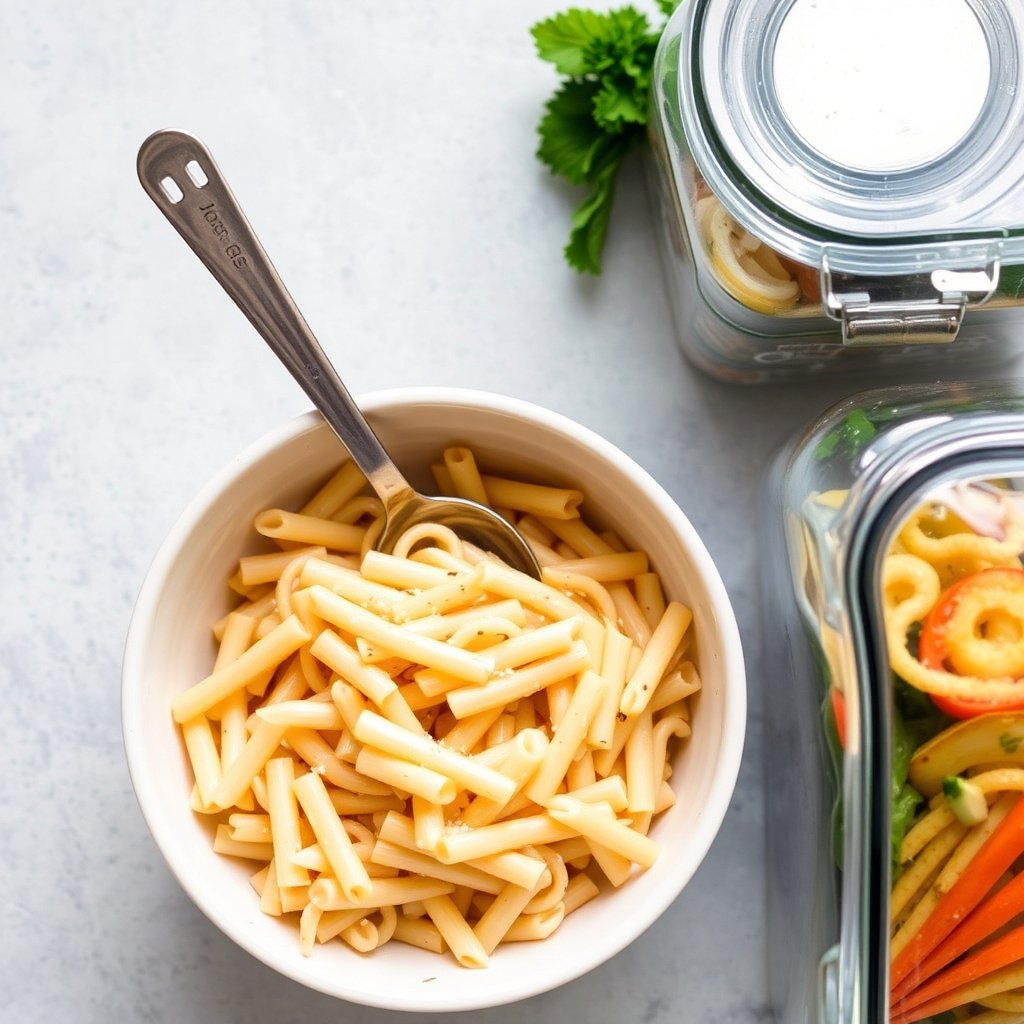
Adjust pasta portions by considering your guests’ hunger levels and preferences. If offering several side dishes or heavier proteins, reduce pasta amounts accordingly to prevent waste.
Asking in advance or observing habits over previous meals can improve portion predictions for future cooking.
For a detailed look at pasta varieties, nutrition, and typical serving sizes, visit this pasta nutrition and serving guidelines resource. pasta nutrition and serving guidelines.
Storing and Reusing Leftover Pasta
Leftover cooked pasta stores well refrigerated for up to five days and reheats nicely with a little sauce or oil to prevent sticking. Freezing is possible but best avoided for texture.
Planning portion sizes more conservatively can reduce leftovers, but having flexible storage options means extra pasta doesn't go to waste.
- Refrigerate cooked pasta up to 5 days
- Use oil or sauce when reheating
- Freeze only if necessary, texture may change
Pasta Serving Size Category Comparison
Here’s a quick comparison to help you pick the right pasta amount depending on meal type and eater appetite.
| Meal Type | Dry Pasta per Person (grams) | Cooked Pasta Yield (grams) | Meal Context |
|---|---|---|---|
| Side Dish | 50-75 | 100-225 | Accompaniment with protein/vegetables |
| Main Course, Light Eaters | 75 | 150-225 | Simple pasta dishes or smaller appetites |
| Main Course, Average Eaters | 90-115 | 180-345 | Standard dinners highlighting pasta |
| Main Course, Large Appetites | 115-140 | 230-420 | Heartier servings or special events |
| Children | 40-60 | 80-135 | Smaller portions suited to age and hunger |
Frequently Asked Questions
How much dry pasta should I cook for one adult?
Most adults need about 75 to 115 grams of dry pasta for a single meal, depending on their appetite and whether pasta is a main or side dish.
Can I measure pasta by volume instead of weight?
Yes, but weight measurements are more precise. Volume varies with pasta shape, though generally, about one cup of dry short pasta equals one serving.
How much does pasta expand when cooked?
Pasta tends to double or triple in weight after cooking, so 100 grams of dry pasta roughly turns into 200 to 300 grams of cooked pasta.
Are portion sizes different for fresh pasta?
Yes, fresh pasta contains more moisture, so slightly larger portions around 115 to 150 grams per person are common to match dry pasta servings.
How should I adjust pasta portions for kids?
Children typically eat smaller portions, about 40 to 60 grams of dry pasta per meal, adjusted for age and appetite.
Key Takeaways
- Adult pasta servings broadly range from 75 to 115 grams dry per person
- Use a kitchen scale for the most accurate portion sizes
- Cooked pasta doubles or triples in weight compared to dry
- Adjust portions based on meal role and eater appetite
Conclusion
Estimating how much pasta per person to prepare involves balancing typical portion sizes with individual appetites and meal context. Starting with a baseline of 75 to 115 grams of dry pasta per adult allows flexibility for both light and hearty meals. Weighing pasta using a kitchen scale improves precision and takes the guesswork out of portioning, while understanding that pasta significantly expands when cooked helps set expectations for the final serving size.
For varied scenarios—from pasta as a main course to use as a side dish or in multi-component meals—scaling the portion size ensures waste is minimized and guests aren’t left hungry. For instance, lighter servings around 50 grams of dry pasta suit side dishes, while 115 to 140 grams accommodate larger appetites or festive meals. Fresh pasta typically calls for slightly higher weights to match dry pasta servings due to its moisture content.
Ultimately, the best approach is to measure portions by weight when possible, adjust based on your guests’ preferences and the overall meal plan, and remember the cooked yield factors in significantly. Starting with these portion guidelines means you’ll confidently serve pasta that satisfies everyone and reduces leftover waste. If you’re looking to refine your pasta portioning further, practicing measurement and observing consumption habits provides the most tailored results.