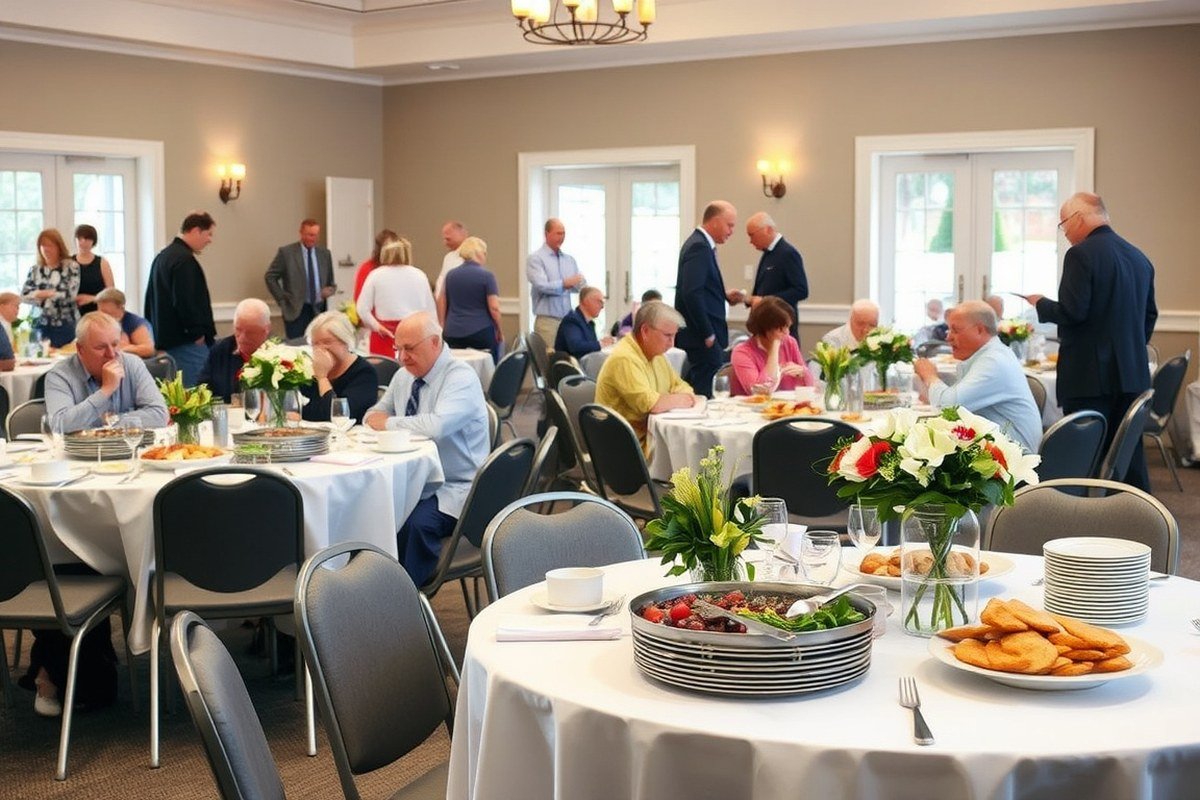
How Much Does It Cost to Host a Funeral Luncheon? A Complete Cost Guide
Hosting a funeral luncheon typically costs between $500 and $2,000, depending on the number of guests and venue choice. Food selection and additional services like catering can significantly affect the total. This information helps families and individuals planning a funeral luncheon understand key expenses and make mindful decisions.
Anyone arranging a funeral luncheon will benefit from knowing which factors influence costs most and how to balance budget with meaningful service. This article clarifies venue options, food choices, timing, payment responsibilities, and managing leftovers to ease the planning process.
Key Takeaways
- The average funeral luncheon budget ranges widely; setting guest count limits controls expenses.
- Select venues wisely, churches and funeral homes may charge less than restaurants or halls.
- Catered buffets often cost more but reduce food waste through portion control.
- Plan the luncheon soon after the service to keep timing convenient and costs manageable.
- Families typically share costs; discussing contributions early helps prevent financial strain.
- Ordering food for slightly fewer guests than confirmed can minimize leftover waste.
How Much Does Hosting a Funeral Luncheon Typically Cost?
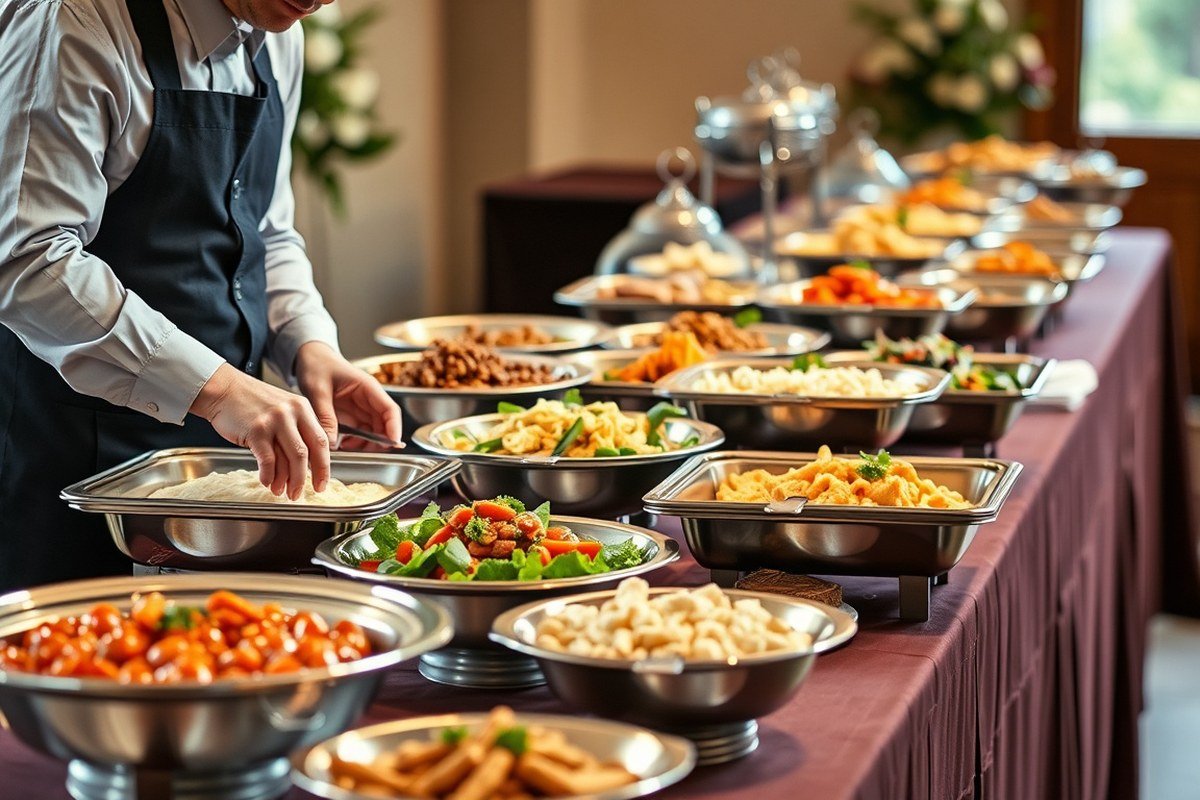
Hosting a funeral luncheon typically costs between $700 and $2,000 for a guest list of 50 to 80 people. The price largely depends on the type of catering, the number of guests, and the level of service you choose. For example, a simple buffet with sandwiches, salads, and desserts runs less than a catered plated meal with multiple courses. Additional expenses include venue rental, food and beverage costs, staffing, and any rentals like tables or linens.
For a clearer idea, consider this cost comparison by catering type and guest count: a light reception featuring sandwiches and finger foods may cost about $10 to $25 per person. For 50 guests, that totals $500 to $1,250. If you plan a more formal luncheon with a buffet entrée, two sides, and desserts, expect costs around $20 to $40 per person, amounting to $1,000 to $3,200 for 50 to 80 guests. A seated meal or a more elaborate menu with additional sides and desserts will push the price toward the higher end of the range.
Service details heavily influence the price. A fully catered event with servers, set-up, and clean-up can add $300 to $1,000 or more, depending on how many staff members are needed and the duration of the luncheon. Many funeral homes offer packages that include the luncheon, but prices vary considerably by location. For instance, urban areas in Texas tend to have higher costs, partly because of venue fees and regional price differences in food supply. In less populated counties, lower prices may be expected but with fewer catering choices.
Common components factored into funeral luncheon costs include the catering fee for food and drink, rentals such as tables, chairs, and linens, any beverage service including coffee or alcoholic options, staffing charges, and the venue fee. Some venues waive rental costs if you use their catering. Bringing your own caterer or preparing food personally can reduce expenses, but be aware that some venues require professional catering and may charge a fee for outside food.
For 50 to 80 guests, a budget-friendly approach might be to arrange a buffet with 3 to 4 menu selections and self-service coffee, which keeps the cost closer to $700 to $1,200. More complete service with additional menu items, alcohol options, and staff attendance will increase the price into the $1,500 to $2,000 range or more. Planning the luncheon to last around 1 to 2 hours helps control expenses while providing a meaningful space for family and friends to gather after the funeral service.
Factors That Affect Funeral Luncheon Costs

The cost of hosting a funeral luncheon depends mainly on four factors: guest count, menu choices, venue selection, and service style. The number of guests directly affects catering prices, with most funeral caterers charging between $12 and $25 per person. When planning for 60 people, for example, a typical menu featuring assorted sandwiches, baked ziti, Caesar salad, and a cheese platter can cost around $660, based on sample pricing. The more guests invited, the higher the catering bill will be, so confirming an accurate headcount early helps manage budgets and avoid overspending or food waste.
Menu choices influence cost through the type and quantity of dishes served. Opting for hot dishes or specialty items increases prices compared to simpler finger foods or cold trays. Catering costs include not just food but also setup, serving, and cleanup, which vary with menu complexity. Families should consider dietary restrictions and cultural traditions when selecting items, as this can affect both cost and guest satisfaction. For example, accommodating vegan or gluten-free diets may require special menu items that cost more but show respect for attendees’ needs.
The venue also plays a significant role in the overall budget. Funeral homes often provide a space included in their service fees, but external locations like community centers or restaurants may charge separate rental fees. Costs can rise with larger or more formal venues that provide tables, chairs, linens, and audio equipment. Choosing a venue with kitchen facilities might reduce catering expenses since caterers can prepare or heat food onsite. Timing impacts cost too: holding a luncheon during peak hours or weekends might result in higher venue or catering prices, while weekday or off-hour events could be more affordable.
Service style, whether buffet, plated meal, or simple refreshments, affects labor costs and required materials. A buffet generally costs less than a full sit-down plated service because it needs less server staff. Casual service keeps the budget down and speeds delivery, while formal settings add costs for additional staff and table settings. Planning a funeral luncheon shortly after the service can reduce transportation and rental times, lowering expenses, but giving guests enough notice to attend comfortably is also essential.
Confirm the guest list early and communicate exact numbers to your caterer and venue to avoid paying for unnecessary meals or extra space.
Choosing the Right Venue for Your Funeral Luncheon
The venue you choose for a funeral luncheon significantly affects both the atmosphere and the cost. Common options include homes of friends or relatives, church banquet halls, local restaurants, parks, and funeral parlors. Each setting offers a unique environment that can either provide a personal, comforting space or a more formal, traditional backdrop.
Homes provide a cost-effective and intimate setting ideal for smaller groups or families wanting a personal touch. Churches and their banquet halls often offer spacious, community-oriented venues, usually at moderate costs, especially if the service was also held there. Restaurants bring convenience and diverse menu choices but often involve higher fees or minimum spending requirements. Parks provide a natural, serene atmosphere, fitting for celebrations of life, though they may require permits or rentals and have unpredictable weather. Funeral parlors typically offer a traditional setting with complete services but generally come with a higher price tag.
| Venue | Benefits | Drawbacks | Typical Cost Range |
|---|---|---|---|
| Home of Friend or Relative | Cost-effective, personalized atmosphere | Space limitations, cleanup responsibility | Free to minimal (cleaning supplies, food prep) |
| Church Banquet Hall | Spacious, community-oriented, often familiar to guests | May require rental fee, scheduling around services | $100 to $500 depending on size and location |
| Local Restaurant | Convenient, diverse menu options, no setup needed | Higher cost, possible minimum guest or spending requirements | $15 to $40 per person |
| Park or Pavilion | Natural setting, serene ambiance | Weather-dependent, may need permits or rentals | $50 to $200 plus any permits |
| Funeral Parlor Reception Room | Traditional, complete services, on-site coordination | Usually higher cost, less personalized space | $300 to $1,000 |
To coordinate venue rental and timing smoothly, contact the venue well ahead of the funeral service date. Confirm availability immediately after the funeral since most luncheons follow the service, lasting 1 to 3 hours. Ask what equipment the venue provides, such as tables, chairs, serving utensils, and whether they allow external caterers or require you to use in-house services. This helps prevent last-minute surprises that could add to the cost or disrupt your plans.
Choosing a venue is a balance between your budget, the number of guests, and the type of atmosphere you want. Hosting at home may save money but expect extra effort managing setup and cleanup. Church halls may be ideal when the service is there, as guests are already familiar with the location and it can keep costs moderate. Restaurants simplify catering but can significantly increase per-person expenses. Funeral homes offer full-service convenience but often charge higher fees. Knowing these tradeoffs and asking clear questions about what’s included in a venue’s fee ensures you can plan a respectful luncheon that fits your family’s needs.
Food and Beverage Options for Funeral Luncheons
Choosing the right food and beverage options for a funeral luncheon helps create a comforting atmosphere and accommodates guests with care. Popular menus range from cold sandwiches to hot comfort foods, with varying catering styles to fit your budget and guest count. Serving the right portions and including dietary options ensures everyone feels considered during a difficult time.
Cold Buffet and Sandwich Trays
Cold buffet spreads, especially sandwich trays, are the most common and practical choice for funeral luncheons. They are easy to serve and hold well for open-house receptions held at funeral homes or community halls. Sandwich trays typically include a variety of meats, cheeses, and vegetarian fillings on different breads or rolls, paired with simple sides like chips or pickles. This approach usually costs less than cooked meals, averaging around $8 to $12 per person, making it suitable for mid-size gatherings of 30 to 60 people.
Ordering about 1.5 sandwiches per guest works well to provide enough food without excessive leftovers. Accompany these trays with a cheese or fruit platter to add variety and accommodate dietary preferences. Cold options require less preparation and can be delivered closer to the event, which helps when scheduling is tight.
Hot Comfort Foods and Family-Style
Hot comfort food catering is ideal for longer or evening funeral luncheons that aim for a more substantial meal. Typical dishes include casseroles, meatloaf, roasted chicken, mashed potatoes, and steamed vegetables. Serving these items buffet-style allows guests to choose portions and helps control costs, which can range from $15 to $25 per person depending on the menu and caterer.
Family-style dining is an alternative, presenting large platters of main dishes and sides on each table. This offers a communal feeling but requires more coordination with serving utensils and table settings. For a luncheon around 60 guests, a menu with two main entrees, two sides, a fruit or cheese platter, and a dessert strikes a balance between variety and simplicity. Hot meals take more time to prepare and should be ordered at least a day in advance.
Light and Vegetarian Options
Providing light and vegetarian choices ensures your funeral luncheon is inclusive. These options might include salads, vegetable trays, hummus with pita, pasta salads, or vegetable quiches. Light fare is especially suitable for wake events where guests prefer snacks over full meals. In buffet form, these dishes complement main course menus or stand alone for smaller gatherings.
Plan for at least one vegetarian entrée per every 10 guests to accommodate different dietary needs. Staying mindful of allergies and religious restrictions avoids discomfort during the event. These dishes typically cost similar to the main menus and can be integrated without adding significantly to the budget.
Beverages and Desserts
Offering a selection of beverages such as water, coffee, tea, and soft drinks rounds out the luncheon. Coffee and tea service is especially appreciated during funerals, costing around $1 to $2 per person. Alcohol is generally avoided unless specifically requested for private celebrations of life.
Desserts should be simple and comforting. Popular choices include mini-desserts, gourmet cookies, and double fudge brownies, averaging $3.50 per person. Including gluten-free options is also a thoughtful touch. Desserts can be ordered boxed from caterers or brought by family and friends to add a personal element without extra expense.
Planning and Timing: When and How to Arrange a Funeral Luncheon
You should start planning the funeral luncheon as soon as you finalize the funeral service details. Booking catering and the venue early helps avoid last-minute stress and ensures availability. A clear timeline and checklist guide you through confirming guest counts, selecting vendors, placing orders, and coordinating on the day.
Confirming Guest Count and Date
First, confirm the date of the funeral service since the luncheon usually follows immediately afterward or within a few hours. Knowing the exact time and location of the funeral helps set the timeframe for the luncheon. Reach out to close family members early to estimate how many guests will attend the luncheon.
A reliable guest count is important before booking food or a venue, preventing over- or under-ordering and unnecessary expense. Typically, funeral luncheons have 20 to 50 guests, but numbers can vary widely depending on the size of the community. Aim to confirm the guest list within 24 to 48 hours after the funeral details are set.
Selecting Venue and Catering Service
Choose the venue based on size, location, and accessibility for attendees. Common venues include a church hall, community center, restaurant, or a private home. Book the venue as soon as the guest count is clear, ideally within 1-3 days after confirming funeral arrangements, to secure the space.
At the same time, find a catering service experienced with funeral meals or simple gatherings. Catering companies often need 48-72 hours notice, so make contact when the venue is booked. Discuss menu options and any special dietary needs with the caterer. If you’re planning a self-catered lunch, gather volunteers early to help with food preparation and setup.
Ordering Food and Finalizing Menu
After confirming guest count, place your food order promptly, usually 2-3 days before the luncheon. Providing a final headcount helps the caterer prepare the right quantity, avoiding waste or shortages. Choose simple, easy-to-serve dishes such as sandwiches, salads, or hot entrees that can be kept warm at typical serving temperatures of 140°F (60°C) or refrigerated safely at 40°F (4°C) until served.
Be clear about delivery time and requirements. Confirm whether the caterer will provide setup and cleanup or if volunteers are needed. Final payments or deposits may be due when placing the order, so prepare to pay promptly to secure your commitment.
Day-Of Setup and Service Coordination
On the day of the luncheon, arrive at the venue early to oversee setup. Coordinate with the catering team or volunteers to arrange food stations, seating, and any decor. Make sure all serving utensils, plates, napkins, and drinks are ready for guests.
Designate someone to greet guests and manage the flow of the event, especially if you expect a high turnout. Keep a checklist handy to confirm all tasks are complete and to troubleshoot any issues quickly. After the luncheon, plan for cleanup to leave the venue in good condition, which may be a requirement to avoid additional fees.
- Confirm the funeral date and expected guest count within 24-48 hours.
- Book the venue and catering service within 1-3 days, based on guest count.
- Discuss menu options and special dietary needs with the caterer immediately after booking.
- Place final food order 2-3 days before the luncheon, providing final guest numbers.
- Confirm delivery time and clarify setup, service, and cleanup responsibilities.
- Arrive early on the day to coordinate food setup and seating arrangements.
- Designate someone to welcome guests and manage the event flow.
- Oversee cleanup and ensure the venue is left as agreed.
Do not order food without a confirmed guest count to avoid last-minute cancellations or excess food waste.
Who Typically Pays and How to Manage Luncheon Costs
Family members most often cover the cost of a funeral luncheon, especially close relatives of the deceased. It usually falls on the immediate family to arrange and pay for the meal as part of the broader funeral expenses. However, it is acceptable and quite common for friends, coworkers, or members of the community to offer help by bringing dishes, contributing money, or volunteering to set up and serve. This not only eases the financial burden on the family but also provides emotional support during a difficult time.
Discussing payment roles ahead of time helps avoid confusion or awkwardness. Etiquette suggests the host or family decides the budget and what help to accept, so they still feel comfortable managing the luncheon. Offering a way for people to contribute, like an online memorial page with a contribution link, makes it easier for friends and acquaintances to participate without being intrusive. Resources like Ever Loved enable families to collect donations directly toward funeral and luncheon costs without added fees, ensuring clear, respectful coordination.
Budgeting carefully can prevent overspending while honoring the deceased’s memory. Setting a clear budget before contacting caterers or organizing food is important. Choose venues and food options that align with your financial limits; homemade dishes or potluck-style meals often lower costs compared to full catering. Planning the guest list realistically helps control food quantity and avoids waste, which can add unexpected expenses. Renting or borrowing equipment like chafing dishes keeps food warm for about four hours, covering typical visitation or luncheon windows and avoiding last-minute warm-up costs.
To manage costs, families can request volunteers to assist with setup and cleanup. This practical support reduces the need for paid staffing, which can add $200 or more to the luncheon bill. Prioritize essential items to avoid paying for extras that do not add significant value to attendees’ experience. Clear communication with your funeral director and service providers helps tailor the luncheon to your budget while respecting traditions.
When friends, neighbors, or coworkers want to contribute, inviting them to bring a dish or donate funds toward food or venue expenses offers a meaningful way to assist. Social media or group messaging can spread the word about what help is needed. For example, a coworker may offer desserts, while a group of neighbors might pool money for flowers or beverages. This shared approach builds community support, reduces costs, and lightens the emotional load for the family.
Handling Guest Count and Food Quantity to Avoid Waste
Funeral luncheon attendance often varies because some guests stay only for the service, while others join the meal afterward. Typically, attendance ranges from 50 to 80 guests for a medium-sized service, but without RSVPs, it’s best to prepare for the higher end to avoid running short on food. To manage portions efficiently, plan on serving about 1 to 1.5 main dish portions per guest, assuming some may want seconds, especially if the luncheon is their primary meal that day.
Estimating food quantities starts with an expected headcount range. For example, if you expect 50 to 80 guests, calculate servings based on the upper number to avoid shortages. A safe starting point is 1.25 portions per guest, which balances some extra for late arrivals without excessive waste. Ordering 100 portions for 80 guests accounts for about 20% buffer; this works well since you won’t have firm RSVPs, and attendance can be unpredictable after the funeral service.
- Plan about 6 to 8 ounces of protein per person for main courses.
- Estimate 1 cup each of side dishes and salads per guest.
- Offer 1.5 to 2 drinks (including water) per person for a 1.5-hour luncheon.
- Request RSVP when possible, but prepare for a 10-20% increase above confirmed guests.
- Use disposable or lightweight servingware to simplify cleanup and portion control.
- Choose foods that can be easily reheated or safely kept warm if timing shifts.
- Keep culturally appropriate dishes in mind, as some groups may expect different portion norms.
Handling last-minute changes requires clear communication. If you collect RSVPs via phone or email, confirm guest attendance a day before the luncheon. Track the number and communicate with your caterer or food provider about slight increases or decreases. For example, if you have 70 RSVPs and expect some no-shows, ordering food for about 85 guests provides a buffer without excess waste. In case attendance is lower, focus on foods that store well or donate leftovers to local shelters if allowed.
Applying this to a real example, for 50 to 80 guests, prepare around 100 main dish portions (like chicken or beef), 80 cups of sides (such as vegetables or salad), and approximately 140 beverages. This quantity supports expected attendance plus a contingency for last-minute guests. This approach helps keep costs aligned with actual needs and minimizes waste from over-ordering or underestimating turnout during a funeral luncheon.
Tips for Personalizing and Managing Leftovers After the Luncheon
Adding personal touches to a funeral luncheon can create a comforting and meaningful space for everyone while managing costs. Handling leftover food safely and respectfully helps extend care beyond the event and reduces waste. Thoughtful planning on both fronts brings warmth to the gathering and consideration for those who attend or the community afterward.
Personal Touches and Memorial Themes
Incorporate simple, meaningful details that reflect the personality or interests of the deceased without increasing your budget significantly. Consider displaying favorite photos in inexpensive frames or on a digital slideshow. Sharing the obituary notice in the reception area invites guests to learn more about their loved one’s life. You can also add small floral arrangements using seasonal or locally available flowers, which cost less than elaborate bouquets and still add warmth.
Serve dishes that had significance for the family or the departed, such as their favorite comfort foods. These simple menu choices can make the luncheon feel more personal and welcoming. A brief reflection or invitation at the start, encouraging guests to share memories or simply be present, helps deepen the connection for all attendees. These moments cost nothing but create valuable remembrance.
Safe Handling and Packaging of Leftovers
Plan ahead for leftover food by preparing safe storage containers and labeling them with food contents and preparation dates. Refrigerate perishable items promptly within two hours after the meal to prevent bacterial growth. Leftovers should ideally be consumed within 3 to 4 days to ensure safety, or frozen if kept longer. Use airtight containers or disposable foil pans covered securely to maintain freshness and prevent contamination.
When distributing food to guests, provide clean, disposable containers or suggest they bring their own reusable boxes to avoid additional waste. Maintain respectful portions to avoid encouraging excessive food removal that might jeopardize food safety. You might also consider donating unopened, properly stored, and approved food items to local food banks; some places have specific regulations requiring prior approval.
Label leftovers clearly with dates and contents to reduce confusion and ensure safe consumption later.
Engaging Community Support in Food Sharing
Enlist help from friends, neighbors, or community groups willing to assist with leftover food distribution. Many funeral luncheon hosts find that willing volunteers can package and deliver meals to those who cannot attend or to neighbors in need. This act not only prevents food waste but strengthens community bonds in a time of grief.
Also, a thoughtful hostess or host might organize a simple sign-up for volunteers during the luncheon to help with cleanup and leftovers. Communicating openly about how leftover food will be handled sets expectations and allows guests to participate comfortably. This approach avoids pressure while offering practical support and extending care beyond the gathering itself.
Step-by-Step Action Plan for Planning Your Funeral Luncheon
Follow these steps to organize a funeral luncheon that respects your budget and meets your needs.
- Immediately after funeral arrangements: Decide on the number of guests to estimate venue size and food quantity, ensuring minimal waste and accurate cost forecasting.
- Within 2 days: Choose a venue that fits your budget and guest count, such as a family home, church hall, or a modest reception room, to control rental fees.
- Day 3: Select food and beverage options, balancing cost and convenience by considering catering packages or homemade dishes, aiming to keep costs reasonable and satisfy attendees.
- Day 4: Confirm who will cover luncheon expenses among family members or through community contributions, clarifying financial responsibility early to prevent misunderstandings.
- Day 5: Place your food and beverage orders or prepare your menu; check for any needed accommodations like dietary restrictions to avoid last-minute changes and extra costs.
- Day of the luncheon: Set up the venue for smooth service and manage leftovers thoughtfully to reduce waste and respect guests.
- Within 1 day post-luncheon: Handle any leftover food by donating responsibly or sharing with guests, which helps reduce waste and extends your budget’s value.
Frequently Asked Questions
How Much Does It Cost to Host a Funeral Luncheon?
Hosting a funeral luncheon typically costs between $500 and $2,000 depending on the number of guests and menu choices. Prices vary with venue, food selections, and whether you opt for catered service or a simple family-prepared meal.
Who Typically Pays for the Luncheon After a Funeral?
Usually, the family of the deceased pays for the funeral luncheon. Close relatives often share the cost to ease the financial burden, and some may receive support from community groups or religious organizations if needed.
How Many People Should You Expect at a Funeral Luncheon?
The guest count often ranges from 20 to 50 people but depends on the size of the funeral service and family preferences. Planning for about half to two-thirds of those attending the funeral service is a common guideline.
What Is a Good Menu for a Funeral Luncheon?
A good funeral luncheon menu includes easily served, comforting foods like sandwiches, salads, and simple hot dishes. Offer a variety to accommodate dietary needs and keep it light enough to be served soon after the service.
What Is Typically the Most Expensive Part of a Funeral?
The most expensive part of a funeral is usually the casket or burial vault, alongside the funeral home services. Transportation and cemetery fees can also add significantly to the total cost.
How Soon Should You Book a Venue for a Funeral Luncheon?
It’s best to book the venue as soon as the funeral date is confirmed to ensure availability. Many venues require notice of at least a few days to a week for arrangements and catering preparation.
Final Thoughts
Hosting a funeral luncheon involves several decisions that directly affect costs, from guest count to venue and food choices. Starting with a clear plan helps you avoid unexpected expenses and ensures a meaningful gathering within your means. Begin by listing your expected guests and contacting potential venues today to set your budget and schedule in motion.






One Comment