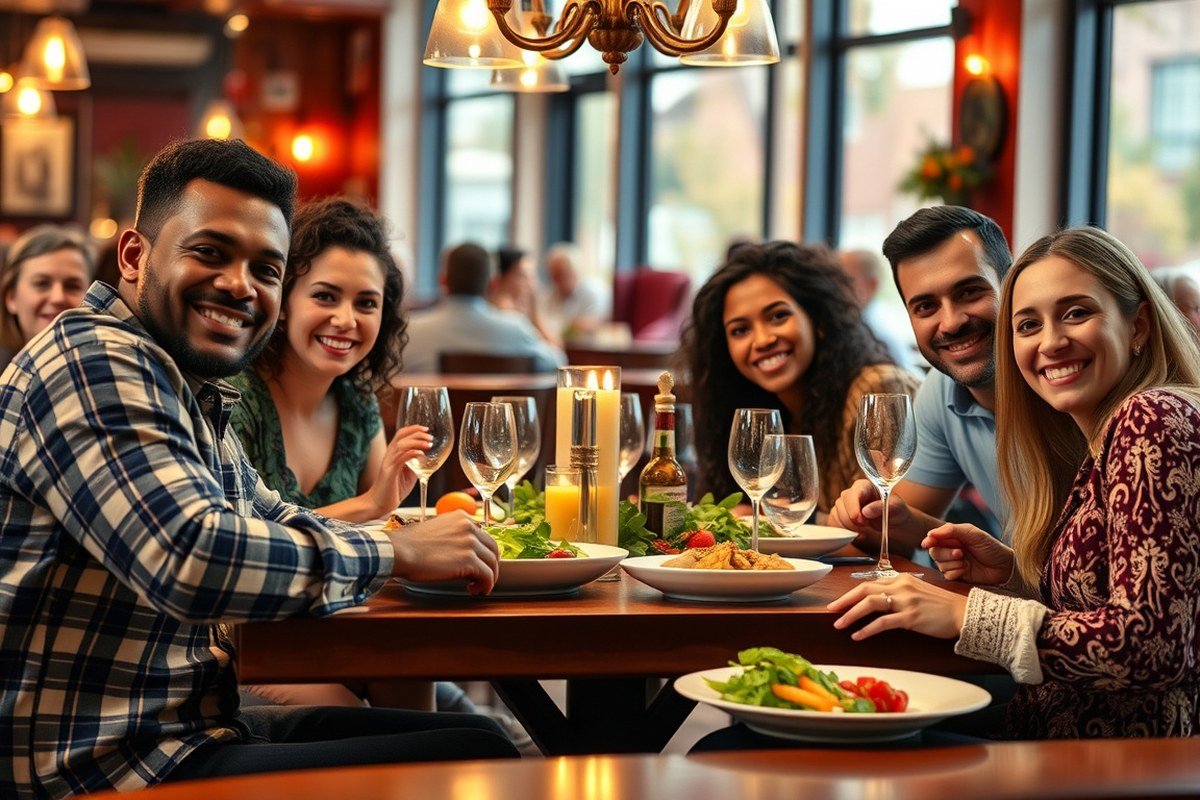
What Is the Best Restaurant for a Family Dinner? A Complete Guide with Insider Tips
The best restaurant for a family dinner balances a menu that appeals to all ages, a welcoming atmosphere, and thoughtful amenities like kid-friendly seating and entertainment. It offers enough space to accommodate your entire group comfortably and prioritizes ease of reservations and pricing that fits a family budget. Finding a place where everyone feels comfortable and satisfied, parents and kids alike, is the key to a successful family dinner.
This guide is for parents and families seeking the ideal spot to enjoy meals together, covering how to choose menus, evaluate atmospheres, and navigate common challenges with children at restaurants. You’ll get practical tips to identify local family-friendly dining options, manage mealtime smoothly, and make every family dinner an enjoyable occasion that everyone looks forward to.
Key Takeaways
- Choose restaurants with flexible menus that include kid-friendly and adult options to satisfy all family members.
- Look for venues with comfortable, spacious seating that keeps children safe and parents relaxed.
- Prioritize amenities like playgrounds or nearby attractions to keep kids entertained before and after the meal.
- Plan your budget by checking menu prices and avoid expensive, unconventional dishes that may not please everyone.
- Use online tools and local reviews to find highly rated family restaurants near your location.
- Bring activities or snacks to manage young kids who may struggle to sit through the entire meal.
What Defines the Best Restaurant for a Family Dinner?
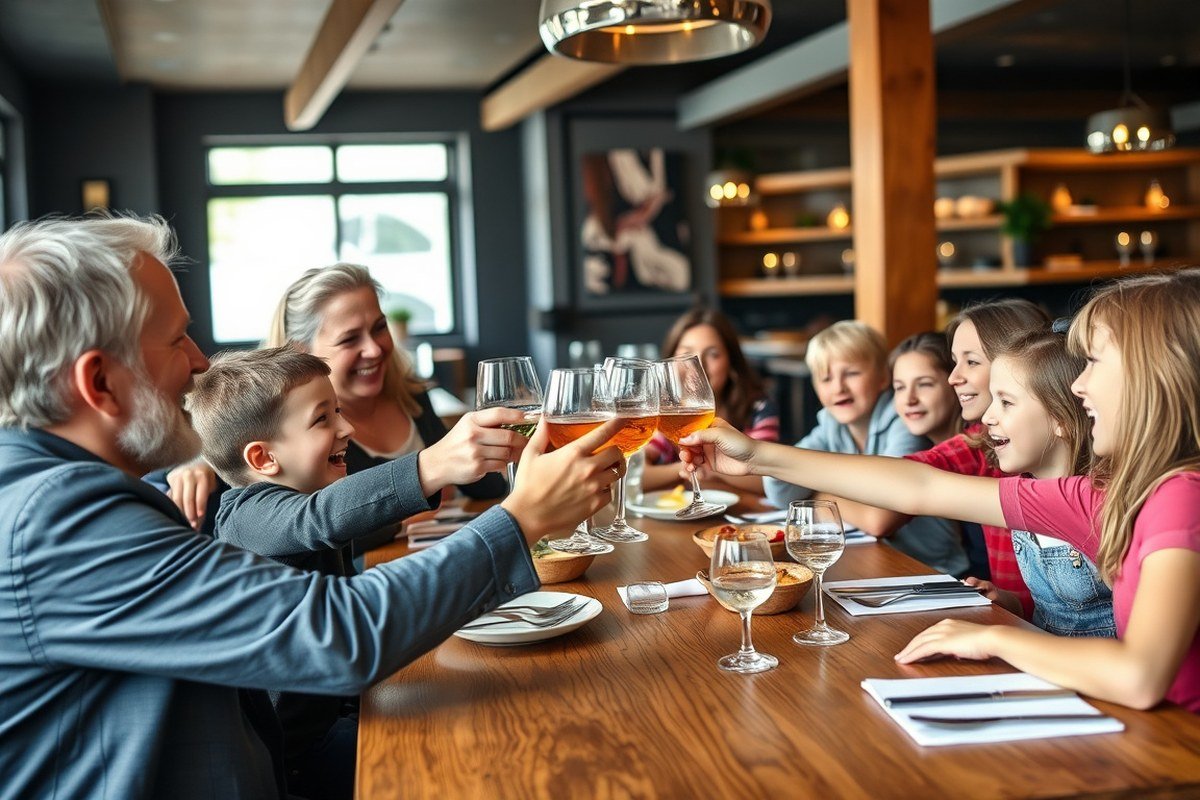
The best restaurant for a family dinner balances several key qualities that address everyone’s needs and comforts. First, menu variety is essential. A family-friendly menu should offer dishes appealing to different age groups and tastes, including child-friendly options alongside more sophisticated selections for adults. For example, buffets like Miller’s Smorgasbord and Shady Maple let everyone choose what they want without menu disputes. This variety reduces mealtime stress and keeps everyone satisfied.
The atmosphere plays a major role in defining a great family dinner spot. A welcoming, relaxed environment encourages families to enjoy their meal without feeling rushed. Restaurants such as Brickerville House emphasize inviting surroundings that also accommodate large groups comfortably, seating up to 225 guests. An enjoyable atmosphere includes noise levels that allow conversation, clean and spacious seating, and child-friendly decor when possible, which all help families feel at ease.
Service quality is another important factor. Attentive but patient staff make a big difference, especially with young children or large groups. Helpful servers who understand family dining dynamics speed up ordering and are ready to handle special requests or food allergies. Quick and responsive service ensures that waiting times stay reasonable, preventing restless kids or frustrated parents.
A checklist for choosing the best family dinner restaurant includes these points: Does the menu offer diverse choices, including kid-friendly meals? Is the seating arrangement spacious and comfortable for your family size? Are the servers accommodating and efficient? Is the restaurant’s ambiance welcoming without excessive noise or distractions? Confirming these will improve your dining experience and avoid common issues like limited menu options or cramped seating.
Costs tend to increase with menu complexity and ambiance. Buffets often charge between $15 and $25 per person, providing value through choice and quantity. Sit-down restaurants with varied menus might range from $12 to $30 per entrée, depending on location and cuisine. Budget-conscious families may prefer casual places with flexible menus or buffet-style dining to ensure the best fit without overspending.
Some situations call for variations. For birthday dinners or special occasions, a restaurant with a memorable setting, like the historic Brickerville House or a favorite local Italian spot near family attractions, might improve the experience. In contrast, on busy weeknights, choosing a place known for quick, friendly service can help keep the evening stress-free. Planning ahead by calling to confirm space and menu options tailored to your family’s preferences saves time and frustration.
Ultimately, the best family dinner restaurant provides balance: enough menu variety to satisfy all appetites, an atmosphere that supports relaxed conversation and comfort, and service that is attentive without being intrusive. Meeting these criteria makes family dining enjoyable and stress-free, helping create meals everyone looks forward to sharing.
How to Choose a Family-Friendly Menu That Pleases Everyone
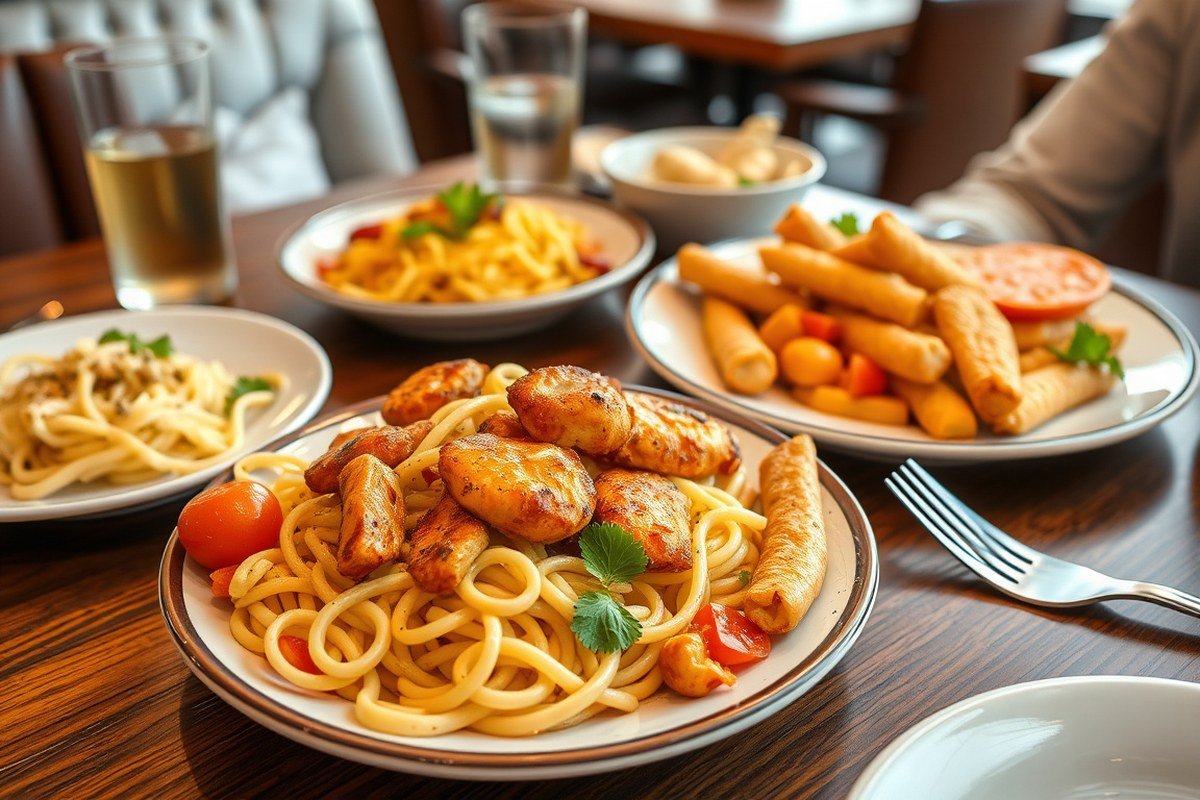
Choosing a family-friendly menu means finding options that suit both adults and children without making the meal complicated or costly. A good kids’ menu with familiar, reasonably priced choices suits most young diners, while adults benefit from a varied menu that includes dishes kids might also like. Families with picky eaters or special diets should look for clear menu accommodations to keep everyone happy.
Features of Ideal Kid Menus
The best kids’ menus offer a variety of familiar favorites at prices typically between $5.95 and $8.95. Common choices include chicken fingers, grilled cheese, burgers, hot dogs, pasta with butter or sauce, quesadillas, and even tacos. Portion sizes are smaller, and many restaurants include a side like french fries, applesauce, or corn on the cob to make meals more balanced and appealing. Price points around $6.50 to $7 are frequent, which helps families manage costs while giving children appealing options.
Menus designed for kids under 12 often have fun elements, such as pictures for children to circle their choices, making ordering easy and interactive. This setup works especially well when parents want quick decisions without meal negotiations. A strong kids’ menu reduces the need to split adult meals or order up expensive entrees that children may not finish.
Balancing Adult and Child Meal Preferences
Adults usually want a diverse menu with options ranging from burgers and wraps to more elaborate dishes, but some items also appeal to children. Many adult menus include kid-friendly dishes like burgers, chicken wraps, or even a “Jet Burrito” with chicken, rice, beans, and cheese. Offering choices from both the adult and kids’ menus can work well for older children or picky eaters who want a bit more variety, but this tends to cost more than sticking to the children’s menu.
Parents should consider the age of their children when deciding whether to order from the kids’ menu or the adult menu. Children under 10 often prefer the kids’ menu for price and size, while older kids may enjoy trying smaller portions of adult meals. Some restaurants allow flexibility; for example, a 12-year-old ordering a kids’ meal without issue is common, helping parents reduce waste and expense. Taking advantage of this flexibility can keep the dining experience stress-free.
Dietary Restrictions and Special Menu Needs
For families with food allergies, intolerances, or special diets, the best family restaurants provide clear accommodations on their kids’ and adult menus. A well-designed kids’ menu will include allergen information or customizable options, allowing substitutions like gluten-free pasta or dairy-free cheese without needing special requests. This reduces wait times and anxiety for parents managing allergies. Many restaurants also offer side choices such as fruit or vegetables instead of fries to fit dietary restrictions.
Picky eaters benefit from simple, straightforward dishes that don’t mix too many unfamiliar ingredients. A menu with choices such as plain pasta, chicken fingers, and burgers gives children options they can easily accept. Parents can ask servers about ingredient details or request special preparations if needed. Planning ahead by checking menus online for dietary notes saves time and keeps everyone comfortable during the meal.
Ask about allergy accommodations and ingredient details before ordering to avoid surprises and ensure your child’s safety.
Why Restaurant Atmosphere and Seating Matter for Families
The atmosphere and seating arrangements at a restaurant play a key role in creating a comfortable family dinner experience. A welcoming ambiance, appropriate seating setups, manageable noise levels, and enough space contribute to how relaxed and enjoyable your family’s meal will be. Deciding where to dine should include these factors to avoid stress and ensure everyone, including kids, feels at ease.
Seating Options Suitable for Families
Booths and large tables are typically the best seating choices for families. Booths provide a contained area where children can stay safely seated, reducing the risk of wandering around or bumping into other diners. Tables that seat six or more give everyone enough room to spread out, which is especially helpful if you have high chairs or booster seats. A restaurant with flexible seating can accommodate special requests like these, so it’s worth calling ahead to check. Sometimes an intimate space with a small number of seats, like one with only 26 seats, offers a personalized experience but may not work well for larger families.
When choosing a place, ask if they have separate family dining sections or different themed areas. These often create a warm, inviting atmosphere suited to kids, making the environment feel less formal and more relaxed. For instance, some restaurants have lively areas where noise from children is welcomed, which can be a good choice if you want to avoid worrying about disturbing other diners.
Managing Noise Levels and Ambiance
The restaurant’s noise level matters because it shapes how comfortable parents and kids will feel. A lively, bustling environment might be fun and allow children to be more expressive without embarrassment, such as the atmosphere you’d find at a kid-friendly hotspot where noise is expected. On the other hand, quieter restaurants create a calm environment for conversations and a relaxed pace, which may be better for smaller children or families looking to enjoy a more formal meal.
To find the right noise level, consider what your family needs on the night you go out. Call and ask the restaurant about their typical dining atmosphere during your preferred time. Some places might be lively during peak hours but quieter earlier or later. If a child is sensitive to noise or distractions, aim for off-peak times or restaurants known for a calm ambiance. Your goal is to match the atmosphere with your family’s temperament to avoid meltdowns or frustration.
Space and Privacy Considerations
Adequate space between tables prevents your family from feeling cramped, which reduces stress for parents and kids alike. Ample room lets children move safely at their table or in small bursts without annoying other diners. Some family-friendly restaurants offer private or semi-private dining rooms, ideal for big gatherings or special occasions because they provide both privacy and a personalized experience.
Look for restaurants where staff are attentive and accommodating, ready to handle special requests for space or seating adjustments. For example, a place that welcomes families with open arms will allow you to shift tables or bring in a play area if needed. Avoid restaurants where you might feel rushed or pressured to keep kids perfectly still, as this can make the outing less enjoyable and may cause stress.
Top Amenities That improve a Family Dinner Outing
Family-friendly restaurants stand out when they offer amenities that make dining easier and more enjoyable for everyone. Play areas and entertainment can turn a potentially restless mealtime into an engaging experience for kids, allowing parents to relax and enjoy their meals. Look for restaurants that feature safe, well-maintained play spaces or scheduled live entertainment such as musicians or magic shows that suit children’s attention spans without overwhelming them.
Facilities for babies and toddlers, like changing stations and family bathrooms, are essential for families traveling with younger children. Changing tables inside both men’s and women’s restrooms or a designated family restroom help parents handle diaper changes discreetly and hygienically. Although not every restaurant provides these conveniences, their presence signals a commitment to accommodating families.
Another option some restaurants offer are family meal packs or bundled menus. These simplify ordering and reduce the wait time, providing a cost-effective and less stressful dining experience. Family packs often include a variety of child-friendly dishes and sometimes even drinks or dessert, designed to appeal to multiple age groups at a fixed price. This saves parents time and money and helps avoid picky eater battles.
- Look for restaurants that list play areas, kids’ entertainment, or family menus on their website.
- Call ahead to ask if the restaurant has baby changing stations and family restrooms.
- Choose restaurants offering family packs or shared meal options to save time and money.
- Check if the dining area has spacious seating for strollers and large groups.
- Reserve early, especially for larger families or popular times, to secure ideal seating and access to kid-friendly amenities.
When visiting, test if the play area is clean, supervised, and age-appropriate, especially for toddlers. Inadvertently crowded or noisy environments may backfire and stress kids instead. Missing or poorly maintained changing stations can make diaper changes difficult and uncomfortable. Good results come from restaurants that recognize family needs and balance adult atmosphere with child comfort.
The cost related to these amenities varies. Play areas and entertainers sometimes factor into menu prices or cover charges. Family meal packs typically cost less than ordering à la carte for each member but plan for about 15% lower compared to separate dishes from standard menus. Confirm these details before booking to manage expectations and budget accordingly, ensuring the outing remains fun and stress-free.
How to Find the Best Family Restaurants Near You
Finding a family-friendly restaurant nearby that suits your needs involves a few deliberate steps. Using the right tools and knowing what details to look for will save you time and ensure a pleasant experience for everyone in your group. Consider factors such as location, cuisine type, price range, and family-friendly amenities before making a decision.
Mobile apps and websites like Yelp, Google Maps, and TripAdvisor can help you locate restaurants, filter options, and read user reviews. These platforms often allow you to narrow your search by keywords like “family-friendly,” “kids menu,” or specific features such as high chairs or play areas. You can also see photos and get contact information to call ahead or book a table.
Before choosing a restaurant, check if it is near family attractions or has unique features that kids will enjoy. For example, some restaurants near Strasburg offer dining inside real train cars, which can make the meal exciting for children interested in trains. Look for details like special menus for kids, availability of booster seats, or even visual entertainment such as a fish tank near the entrance, which helps keep children engaged.
- Search by location and family-friendly keywords. Open an app like Google Maps or Yelp and enter your current location or neighborhood. Include terms like “family restaurant,” “kids menu,” or “play area” to narrow options that specifically cater to families.
- Filter results by cuisine and price. Choose the type of food your family enjoys and set a comfortable price range. Many apps allow you to select price categories (e.g., $, $$, $$$) so you can avoid places that may be too costly for a family outing.
- Check user reviews and photos. Read recent reviews focusing on family experiences. Look at photos posted by customers to see the restaurant’s ambiance, seating arrangements, and if the children’s menu offerings are visible.
- Confirm key amenities. Look for mentions of high chairs, booster seats, kid-friendly menus, and entertainment options. Some restaurants specifically highlight these features in their descriptions or on their websites.
- Locate proximity to family activities. Restaurants near parks, museums, or tourist spots often cater more to families. Planning your meal near these places can turn dinner into part of a full family outing.
- Call ahead to verify details. Phone the restaurant to ask about wait times, reservation policies for large groups, and any specific family accommodations. Confirming these details helps avoid surprises when you arrive.
- Make your reservation or plan your visit. If the restaurant accepts reservations, book early, especially on weekends or holidays. Walk-ins might be possible but could involve longer waiting times with kids.
Calling the restaurant ahead to confirm kid-friendly amenities and reservation options can save you from long waits or discovering the place isn’t suitable for your family’s needs.
Managing Meal Time Challenges with Young Kids at Restaurants
Handling young kids during family dinners takes planning and patience. Keeping kids engaged, pacing meals properly, and working with restaurant staff are key strategies to reduce stress. You can create a smoother experience by preparing for typical challenges like kids not staying seated or fussiness.
Engagement Techniques for Kids
Keeping kids busy and calm helps prevent restlessness. Bring small, quiet activities like coloring books, puzzles, or simple travel games to hold their attention. Many family restaurants near attractions, such as those near Fort Lauderdale’s Young at Art museum, have kid-friendly menus and sometimes coloring sheets to help with this.
Use positive reinforcement by praising kids for sitting nicely or trying new foods. You can say, “I’m really proud of how well you’re sitting at the table,” to encourage good behaviour. When a child becomes fussy, gently distract them by asking simple questions about their day or telling a short story to shift their mood.
Recommended Meal Timing and Order
Serving food in manageable portions and pacing meals prevents children from getting overwhelmed or bored. Begin with appetizers or snacks that can be shared while waiting for main dishes. For younger kids, order their meals soon after arriving so their food arrives quickly. This avoids hunger-related fussiness.
A good rule of thumb is to expect a family dinner outing to last around 45 to 60 minutes with young kids. Staggering meal courses can help too, start with an appetizer or a plate of veggies and wait about 10 to 15 minutes before bringing the entree, letting kids snack and stay engaged without rushing through the meal.
Communicating Needs with Restaurant Staff
Let the staff know you have young children and might need some accommodations. For example, request high chairs or booster seats in advance, and mention any special dietary needs. A simple script you can use when arriving: “Hi, we have three kids today and would appreciate it if the meals could come out promptly and separately so they don’t get too hungry waiting.”
Good communication reduces stress for everyone involved. Staff are usually willing to help and can offer suggestions for kid-friendly dishes or quicker service. When kids get restless, see if you can sit near the exit or in a booth with extra space to keep them comfortable and avoid disturbing others.
Budgeting and Pricing Expectations for Family Dinner Outings
The cost of dining out with your family depends on several factors including the restaurant type, menu options, and the number of people at the table. Typically, expect to pay about $10 to $15 per adult entrée at casual family restaurants. Kids’ menu items often range from $5 to $8, but some places list higher prices than the average, which can impact your overall budget. For larger families, costs can add quickly, so planning ahead is essential.
Finding deals or promotions can lower the price significantly. Look for restaurants offering early bird specials, family combo meals, or kids-eat-free nights. Some venues provide discounts on weeknights or during specific hours, which can especially help families dine within a budget.
| Meal Type | Typical Price Range | Notes |
|---|---|---|
| Adult Entrée | $10 – $15 | Common in casual family restaurants |
| Kids’ Menu Item | $5 – $8+ | Prices sometimes above average; check menus in advance |
| Family Combo Deals | Varies, often $20 – $40 | Bundles multiple meals for savings |
| Discount Days or Hours | 10% – 20% off or free kid’s meal | Look for specific weekday or early evening offers |
| Additional Costs | Tax and tip | Plan for roughly 15%-20% tip on pre-tax total |
Use a simple checklist to budget effectively: count the number of adults and children, check each restaurant’s menu online to estimate costs, and note any promotional offers available. Setting a maximum spending limit per person can keep your total dinner cost in check. For example, budgeting $15 per adult and $7 per child for a family of four means planning about $44 before tax and tip.
Not budgeting properly might lead to surprises, such as unexpectedly high kids’ menu prices or added charges for drinks and sides. Also, skipping to-go options or meal sharing can reduce costs but may not suit every family’s preferences. Adjust your plan based on your family size, meal preferences, and any dietary needs to find the best value while enjoying your dining experience.
Booking and Reservation Tips for Large or Busy Family Groups
Securing a reservation for a large family group requires early planning and clear communication with the restaurant. Booking ahead avoids long wait times that can be difficult with kids, especially at popular or busy restaurants. Choosing less busy dining times also helps reduce wait and crowd disruption, making the experience smoother for everyone. Managing seating preferences and any specific needs in advance ensures the group can stay comfortable and focused on enjoying the meal together.
Large families should aim to book at least a few days in advance, especially if dining on weekends or holidays. Requesting a private or large table minimizes the need to split up or move midway through the meal. Early dinner times, such as around 4:00 to 4:30 p.m., help avoid peak hours and shorten waits. Confirm the exact number of guests for accurate seating and ask about family-friendly amenities like booths or high chairs when making the reservation.
- Contact the restaurant: Call or use the online reservation system at least 3 to 7 days before your planned dinner to ensure availability for your entire family.
- Specify the group size and seating needs: Mention the exact number of people, including any children, and request a single, large table or adjoining tables to keep everyone together.
- Choose an off-peak time: Book for early dinner hours, around 4 to 4:30 p.m., to avoid the dinner rush and longer wait times common after 5 p.m.
- Confirm the reservation: Call the restaurant the day before your dinner to re-confirm the reservation and update the headcount if necessary.
- Arrive promptly: Getting there on time helps keep your table and prevents delays, especially important if the restaurant is busy and operates on a tight schedule.
- Communicate special requests on arrival: If you need accommodations like a booster seat or prefer an outdoor table during summer, remind the host or server as you check in.
- Manage wait times wisely: Plan a quiet activity or small snacks if unavoidable waiting occurs, that way children remain calm and entertained.
Restaurants often fill up fast for large groups; calling in advance and selecting early dining times can save you from long waits that challenge family patience and comfort.
Which Cuisines and Restaurant Types Work Best for Family Dinners?
Casual family diners typically work best for group meals because their menus offer broad choices that appeal to children and adults alike. These spots focus on comfort foods, burgers, pizzas, and simple entrees, which can accommodate diverse tastes. Casual settings also tend to be more relaxed, with seating arrangements and noise levels suited for families with young children. In contrast, upscale family restaurants are usually more refined, offering specialized cuisine and multi-course menus that could be less flexible but improve the dining experience for families looking to celebrate or enjoy a more sophisticated meal.
Cuisines that generally work well for family groups include Italian, American, and some Asian fusion types that embrace sharing plates or customizable dishes. These cuisines offer load-and-go options for kids plus flavorful selections for adults. Korean bar food, like that served at Anju, combines casual and refined elements with shareable dishes, making it a good choice for diverse family tastes. Waterfront or casual bar-style venues like Pelican Landing create a laid-back atmosphere with scenic views that add to the experience and can be especially enjoyable in warm weather.
Flexibility usually comes from casual dining or restaurants with la carte options. Spotting menus that include a variety of small plates, kids’ menu items, and simple entrees is key. Upscale restaurants often have prix fixe or tasting menus (for example, six-course meals at Causa for $179 or Mosquito Supper Club’s $135 to $150 prix fixe seafood menus), which limit choices but offer a curated experience. Families with picky eaters or small kids might find these options challenging unless they allow split plates or bring alternative dishes. Here is a comparison of several restaurant types and cuisines based on the examples noted:
| Restaurant | Price Range | Cuisine Type | Style | Menu Flexibility |
|---|---|---|---|---|
| Perry’s | Upscale Casual | American Steakhouse | Refined, cozy | Moderate (variety of steak and sides) |
| Chaps | Casual to Upscale | American Contemporary | Relaxed atmosphere | High (varied dishes that suit adults and teens) |
| Causa | Six-course $179 | Peruvian | Upscale, tasting menu | Low (fixed menu, not kid-friendly) |
| Pelican Landing | Casual | Seafood, Bar | Laid-back, waterfront | Moderate (seafood, simple bar food) |
| Anju | Casual to Mid-Range | Korean Bar Food | Casual, shareable plates | High (shareable, good for groups) |
| Mosquito Supper Club | $135 to $150 Prix Fixe | Louisiana Seafood | Upscale, tasting menus | Low (limited choices) |
The biggest difference lies in balancing the atmosphere and the menu variety. Casual family diners offer the most flexible menus with options simple enough for kids and varied enough for adults. Upscale restaurants may thrill adult diners with unique, curated menus but lack kid-friendly options. Trying an upscale casual place like Perry’s or Chaps can offer a middle ground where the environment and food quality feel special but the menu doesn’t exclude younger or picky eaters.
Families looking to please a broad age range should seek restaurants with shareable plates or build-your-own style menus. This allows everyone to pick what suits their palate and appetite. Prices also vary widely, so setting a budget upfront helps narrow choices. Upscale prix fixe menus can cost $100 or more per person, which might be too high for casual family dinners. Casual waterfront restaurants or bar and grill types often provide good value for size and quality, with meals typically $15 to $30 per entrée.
How to Create a Memorable Family Dinner Experience Every Time
Making a family dinner out enjoyable and memorable starts with a mindset focused on flexibility and fun rather than perfection. Approach mealtime as a shared experience where the goal is connection, not just food. Set simple expectations with your family beforehand, such as trying one new dish or sharing something about each other’s day. This helps everyone feel involved and eases common stresses like picky eating or waiting times.
Plan ahead to avoid last-minute stress. Choose a restaurant that fits your family’s needs, especially in seating and menu variety, and make a reservation if the spot tends to get busy. Arriving a bit earlier than usual can secure comfortable seating and reduce waiting times, as some restaurants find it easy to accommodate families early, such as around 5 pm. Bring conversation starters or small games for younger kids to stay entertained without relying on screens.
Create simple rituals that turn these outings into special events. A family “cheers” with your drinks or a group photo at the start of dinner makes the evening feel unique. Leave room for traditions like letting kids pick a dessert or taking a family walk after the meal. These repeated actions build positive memories tied to your dinners out.
Handling challenges positively is key. When a child is restless or upset, breathe and acknowledge their feelings calmly. Use empathetic language like “I see you’re upset, let’s take a minute” instead of messaging frustration. If ordering meals takes time, encourage participation by letting everyone say what they want first before asking the server, which speeds up service and makes children feel heard.
Keep a practical checklist handy before heading out: have essentials like utensils or allergy snacks, know the restaurant’s bathroom and seating setup to avoid surprises, and carry a small kit with wipes and disposable bags. These small preparations typically cost next to nothing but prevent common inconveniences and keep everyone comfortable.
What good results look like include relaxed, smiling faces around the table, lively conversation, and a smooth flow from arrival to dessert. Watch for tension, long wait times, or repeated complaints which suggest adjustments for next time, maybe choosing a different timing, restaurant with quicker service, or a quieter space. Recognizing what went well and what caused stress helps improve each outing.
Adapt your approach for different situations. For a toddler, bring a favourite toy and choose a spot with high chairs or a family bathroom. For larger groups, coordinate ordering to avoid chaos and book seats where everyone can talk easily. Even simple differences like timing your visit to catch a sunset view can improve the experience into something everyone looks forward to. Using these tips makes family dinners out less about managing logistics and more about enjoying quality time together, creating moments that will become family stories and traditions for years.
Step-by-Step Action Plan for Choosing the Best Restaurant for a Family Dinner
Follow these steps to pick a restaurant where everyone in your family can enjoy a great meal together.
- Before your outing: Check online reviews and menus to ensure the restaurant offers a family-friendly menu with options for both kids and adults. Success means finding choices that suit your family’s tastes and dietary needs.
- 1 week before: Confirm the restaurant’s amenities like high chairs, kids’ activities, and spacious seating. Make sure these meet your family’s comfort requirements.
- 3 days before: Call or book a reservation if you have a large group or it’s a busy night. A confirmed spot reduces waiting time and stress.
- Day of your dinner: Arrive a few minutes early to get settled and request seating that accommodates your family’s needs, such as a booth or corner table. Having the right spot helps keep kids comfortable and engaged.
- During the meal: Order a variety of dishes, including familiar and new options, to keep kids interested and ensure everyone is satisfied. Watch for the family’s reactions to guide future choices.
- After dinner: Ask your children what they liked and didn’t like about the restaurant. Use their feedback to fine-tune your next family dinner outing.
Frequently Asked Questions
What Is the Best Restaurant for a Family Dinner?
The best restaurant offers a friendly atmosphere, diverse menu, and kid-friendly options. Look for places with ample seating and amenities that cater to families to make your dinner enjoyable and stress-free.
What Is the Most Popular Family Restaurant?
Popular family restaurants often have a mix of traditional and kid-friendly dishes, like Kountry Kitchen Family Restaurant in Manheim. These places balance comfort food with a welcoming environment.
What Is the 30/30/30 Rule for Restaurants?
The 30/30/30 rule suggests spending about 30 minutes deciding, 30 minutes waiting for food, and 30 minutes eating. This helps ensure a relaxed pace that keeps kids happy and parents less rushed.
What Are the Best Family Restaurants in Harrisburg, PA?
Look for family-friendly spots near popular kid destinations, which combine good food with fun settings. Harrisburg offers choices with ample seating and menus designed for all ages.
What Are Some Good Family Meal Ideas for a Restaurant?
Choose meals that are easy to share and customizable for picky eaters, like build-your-own tacos or pasta dishes. This approach keeps everyone involved and satisfied at the table.
How Far in Advance Should I Book a Reservation for a Large Family Dinner?
Booking at least one week ahead helps guarantee seating, especially for large groups. Busy family-friendly restaurants often fill quickly, and early reservations reduce wait times and stress.
Key Points to Remember
Choosing the best restaurant for a family dinner means balancing good food, a welcoming atmosphere, and kid-friendly features. Start by considering what your family values most and use these preferences to guide your decision. Next time you plan a family meal out, pick a place that fits these priorities and make your reservation early for a smooth experience.




One Comment