How to Make Meatballs: A Step-by-Step Guide to Perfect Homemade Meatballs
Making meatballs is straightforward when you have a reliable method. To make meatballs, combine ground meat with binding ingredients like breadcrumbs and eggs, season well, shape into balls, and cook by baking or frying until browned and cooked through. This approach guarantees tender, juicy results every time.
Meatballs are versatile in many cuisines, ranging from Italian spaghetti dishes to Swedish meatballs with creamy sauce. Knowing how to make meatballs properly impacts flavor, texture, and how well they hold together during cooking, making the difference between a dry or perfectly moist bite.
This article covers selecting meats, combining ingredients, shaping techniques, cooking methods, and tasty variations. By walking through each stage, you'll build confidence to customize meatballs to your taste and pair them with classic sauces or sides.
Choosing the Right Meat for Meatballs

Ground Beef: Classic and Flavorful
Ground beef is the most common choice for meatballs, notable for its rich flavor and satisfying texture. Opt for an 80/20 blend, meaning 80% lean and 20% fat, to balance juiciness and structure.
Using leaner beef can lead to dry meatballs, while higher fat enhances moisture but may cause flare-ups while frying. Freshness and grind texture also affect the final bite.
- Choose 80/20 ground beef for best moisture
- Avoid pre-seasoned blends for better control
- Fresh grind improves texture
Mixing Meats for Enhanced Taste
Combining ground beef with pork or veal creates meatballs with added flavor complexity and tenderness. Pork adds sweetness and fat; veal offers a delicate texture.
Common ratios include 50% beef and 50% pork or a mix of three meats in equal parts. Experimenting helps find your preferred balance of richness and firmness.
- Try 50/50 beef and pork
- Add veal for extra softness
- Mix meats thoroughly for even cooking
Mastering the Meatball Mixture

Binding Ingredients: Breadcrumbs and Eggs
Breadcrumbs absorb moisture and help bind meatballs so they don’t fall apart during cooking. Use plain or Italian-seasoned breadcrumbs depending on flavor preference.
Eggs act as a glue to hold everything together while adding a bit of richness. Commonly, one egg per pound of meat works well, but adjustments can be made for texture.
- Use ½ to ¾ cup breadcrumbs per pound of meat
- Add 1 egg per pound for binding
- Consider soaked breadcrumbs for extra tenderness
For more on this, see our related guide: How to Make Spaghetti and Meatballs with Easy Steps and Expert Tips.
Seasoning and Flavor Boosters
Salt and pepper are essential, but adding garlic, onion, herbs like parsley or oregano, and grated cheese like Parmesan enhances flavor significantly.
Fresh herbs give brightness, while cheese adds umami depth. Finely minced onion or garlic should be balanced so they don't overwhelm the meat's natural taste.
- Use 1 teaspoon salt per pound of meat
- Add 1-2 cloves garlic, minced
- Fresh parsley or oregano for herbal notes
- ⅓ cup grated Parmesan cheese optional
Forming and Shaping Meatballs

Size and Uniformity for Even Cooking
Meatballs should be formed about 1 to 1.5 inches in diameter to allow even cooking throughout. Uniform sizes prevent undercooked centers or dried edges.
Use a scoop or measure portions to make consistent shapes. Avoid packing too tightly, which can make dense meatballs, and handle meat gently for tenderness.
- Aim for 1 to 1.5-inch diameter
- Use a cookie scoop for uniformity
- Mix and roll gently to keep texture
Techniques for Shaping Without Stickiness
To avoid meat sticking to your hands, wet them with cold water or lightly oil before shaping. This helps form smooth, nicely rounded meatballs.
Rolling between palms rather than squeezing keeps the mixture airy and tender, crucial for a juicy result. Place formed meatballs on parchment paper or a tray immediately.
- Wet hands to prevent sticking
- Roll gently between palms
- Use parchment-lined trays for resting
Cooking Methods for Meatballs

Pan-Frying for Crisp Exteriors
Pan-frying meatballs in a bit of oil creates a flavorful, browned crust that contrasts nicely with the tender inside. It’s a quick method suitable for small batches.
Cook over medium heat, turning carefully to brown all sides without burning. After frying, transfer to oven or sauce to finish cooking if needed.
- Use medium heat and oil with high smoke point
- Brown all sides evenly
- Finish cooking in oven or sauce if thick
For more on this, see our related guide: How to Make Baked Ziti: Simple Steps and Expert Tips for Perfect Results.
Baking: Hands-Off and Even
Baking meatballs on a sheet pan is convenient and less messy, producing evenly cooked meatballs without much monitoring. They may not get as crispy as frying but stay juicy.
Place meatballs spaced apart on a baking sheet, bake at 400°F (205°C) for 15-20 minutes, turning halfway through. This works well for large batches.
- Bake at 400°F for 15-20 minutes
- Space meatballs to prevent steaming
- Optional broil last 2 minutes for crust
Serving Suggestions and Variations
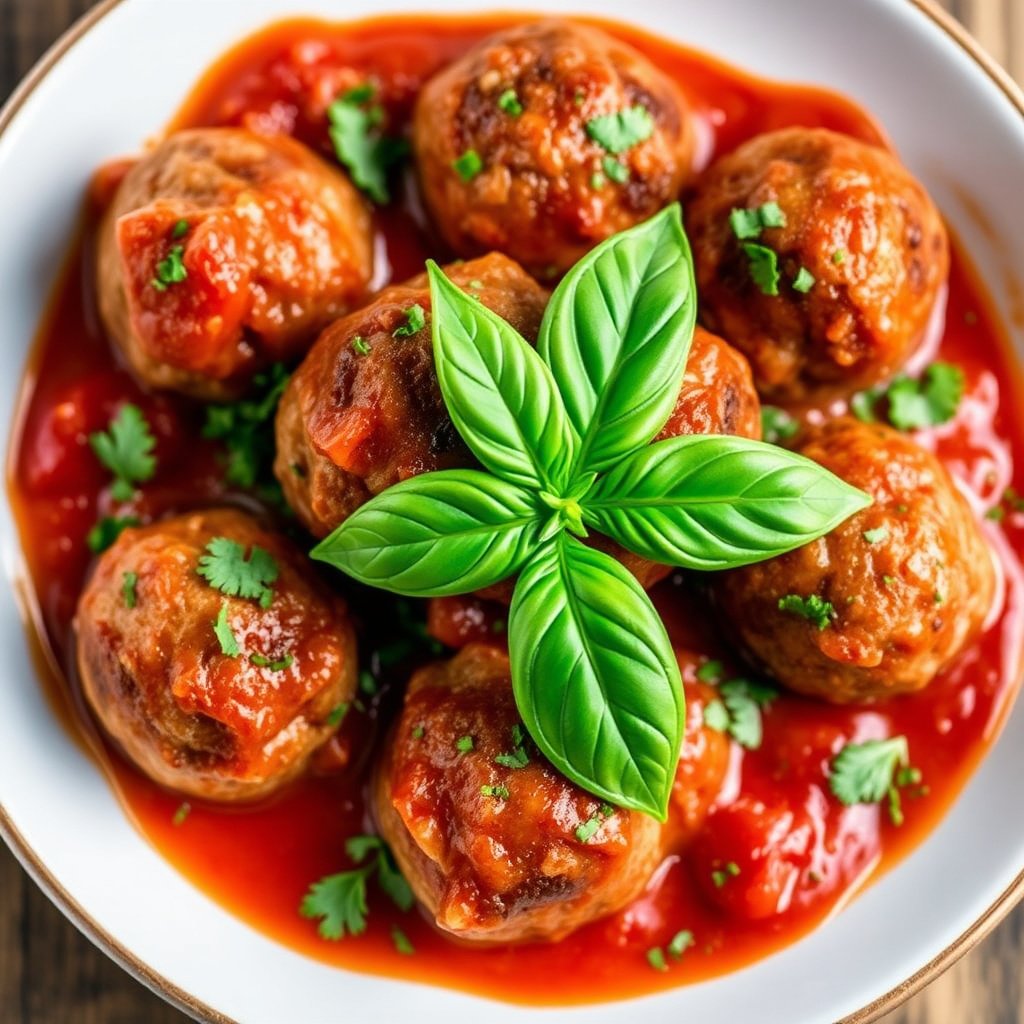
Classic Italian Style with Tomato Sauce
Traditionally, meatballs serve as a hearty pairing with marinara sauce and pasta. After cooking, simmer meatballs gently in tomato sauce for 10-15 minutes to infuse flavor.
This combination offers a comforting meal that’s rich in flavor, great for family dinners or gatherings.
- Simmer in marinara for 10-15 minutes
- Serve with spaghetti or polenta
- Garnish with fresh basil and cheese
For historical context and diverse meatball preparation techniques, the Wikipedia article on meatballs offers detailed insights. meatball preparation techniques.
Alternative Flavors and Sauces
Meatballs can adapt to many cuisines such as Swedish with cream sauce and lingonberry, or Asian-style using soy and ginger in the mix.
Experimenting with spices and dipping sauces allows serving meatballs as appetizers, sliders, or in soups.
- Try Swedish cream sauce with dill
- Add soy sauce and ginger for Asian twist
- Use meatballs in broth or sandwiches
Meatball Cooking Methods Comparison
Here’s a quick comparison of popular cooking methods for meatballs and their characteristics.
| Method | Cooking Time | Texture | Cleanup |
|---|---|---|---|
| Pan-Frying | 10-15 minutes | Crispy exterior, tender inside | Moderate oil splatter to clean |
| Baking | 15-20 minutes | Evenly cooked, less crispy | Easy cleanup, sheet pan only |
| Simmering in Sauce | 20-30 minutes | Soft, tender, fully infused flavor | Sauce pot cleanup |
| Deep-Frying | 5-7 minutes | Very crispy outside, moist inside | More intensive cleanup, oil disposal |
Frequently Asked Questions
Can I make meatballs ahead and freeze them?
Yes, you can freeze uncooked or cooked meatballs. Arrange them on a tray to freeze individually first, then transfer to bags. They keep well for up to 3 months.
What’s the best way to keep meatballs moist?
Using the right fat content in meat, adding breadcrumbs soaked in milk, and not overworking the meat mixture help maintain moisture and tenderness.
Do meatballs need to be cooked fully through when frying?
Since meatballs are thick, it’s good to brown them in a pan then finish cooking in the oven or sauce to ensure they’re cooked through without burning the exterior.
Can I use turkey or chicken instead of beef?
Yes, ground turkey or chicken works but they are leaner, so add fat or soaked breadcrumbs to keep meatballs juicy.
How do I prevent meatballs from falling apart?
Proper binding with eggs and breadcrumbs, gentle mixing, and avoiding too much moisture helps meatballs hold their shape during cooking.
Key Takeaways
- Use 80/20 ground beef or mix meats for balanced flavor
- Bind with eggs and breadcrumbs for texture and moisture
- Shape uniform 1 to 1.5-inch balls for even cooking
- Pan-fry or bake depending on desired crust and ease
Conclusion
Knowing how to make meatballs starts with selecting appropriate meats and balancing moisture with binders. Attention to seasoning and shaping impacts not just flavor but how well the meatballs hold together and cook evenly. Techniques for forming the mixture and choosing cooking methods also influence texture and juiciness, distinguishing a memorable meatball from a dry or dense one. This combination-focused approach helps anyone achieve consistently delicious results for home cooking or special occasions.
For straightforward preparation, classic 80/20 ground beef combined with soaked breadcrumbs and one egg per pound makes a reliable base. Pan-frying before finishing in a sauce adds appealing crust and flavor infusion, perfect for an Italian-style dinner. Alternatively, baking meatballs saves active watch time and works well for batch cooking, though the crust is lighter. Variations like mixing pork or adding grated Parmesan expand flavor options to suit different palettes and cuisines.
If you want to practice, start with simple basics and experiment by adjusting herbs, spices, or cooking styles. Next steps could involve pairing meatballs with pasta, creamy sauces, or Asian-infused seasonings to broaden your recipe collection. Whatever approach you choose, making homemade meatballs is rewarding and approachable with the guidance and tips from this guide.