How to Smoke a Brisket: A Complete Guide for Tender, Flavorful Results
Smoking a brisket perfectly begins with selecting a quality cut and controlling the temperature to develop tender, juicy meat with deep smoky flavor. The process involves preparing the meat, seasoning it well, maintaining a steady smoker temperature, and timing the smoke to break down fat and connective tissue.
This method matters because brisket is a tough cut of beef that requires low and slow cooking to transform it into a tender, flavorful delicacy. Achieving the right smoke ring and bark also depends on managing airflow, wood choice, and patience throughout the hours of cooking.
This article walks you through the entire smoking technique, from choosing your brisket and prepping it, through the smoking process, to resting and slicing. We’ll also cover wood options, smoker types, and troubleshooting tips to help you enjoy barbecue brisket like a pro.
Choosing and Preparing Your Brisket

Selecting the Right Cut
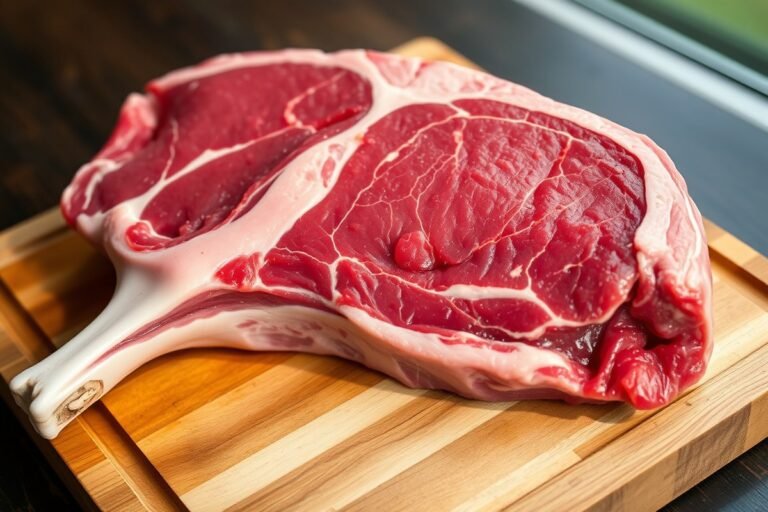
Opt for a whole packer brisket including both the point and flat muscles for the best balance of lean and fat content. Look for good marbling, as intramuscular fat will render during smoking, keeping the meat juicy and flavorful.
Avoid pre-trimmed briskets if you want greater control over fat thickness and bark formation. Generally, a brisket weighing between 10 and 14 pounds is ideal for most home smokers.
- Whole packer brisket preferred
- Look for even marbling
- Between 10–14 pounds ideal
Trimming and Seasoning
Trim excess fat from the fat cap, leaving about ¼ inch to protect the meat during the long smoke. Remove any silver skin or hard fat deposits that won’t render properly.
For seasoning, simple dry rubs with salt, black pepper, and garlic powder are traditional and effective. Apply seasoning evenly over the entire surface and let the brisket rest at room temperature before smoking to allow the rub to penetrate.
- Leave ¼ inch fat cap
- Remove silver skin
- Use basic dry rub
Preparing Your Smoker and Wood Selection

Setting Up Your Smoker
Preheat your smoker to stabilize at a consistent 225°F to 250°F. Use a water pan inside the smoker to maintain moisture, which helps prevent the brisket from drying out during the long cook.
Ensure good airflow and monitor internal smoker temperature with accurate thermometers. Avoid opening the smoker too often, as temperature fluctuations can extend cooking time.
- Maintain 225°F–250°F
- Use water pan for moisture
- Monitor airflow and temperature
Choosing the Best Wood for Smoking Brisket
Different wood types influence the brisket’s flavor. Oak and hickory are classic choices, providing a balanced smoke without overwhelming bitterness. Mesquite imparts a bold and intense smoke but should be used sparingly.
Fruitwoods like apple or cherry offer milder, sweeter smoke profiles, great for beginners or those preferring subtle smoke notes. Combining wood types can create a more complex flavor.
- Oak and hickory for balanced smoke
- Mesquite for strong flavor (use sparingly)
- Fruitwoods like apple or cherry for mild sweetness
Smoking Process and Temperature Management

Monitoring Internal Brisket Temperature
Insert a probe thermometer into the thickest part of the brisket to track internal temperature accurately. Target an internal temperature of about 195°F to 205°F for tender meat that pulls apart easily.
Remember that temperature can stall around 150°F to 165°F as connective tissues break down. This plateau, called the 'stall,' is normal and patience is key before the temperature rises again.
- Use probe thermometer
- Aim for 195°F to 205°F internal temperature
- Expect temperature stall around 150°F–165°F
For more on this, see our related guide: What Is a Flat Iron Steak? Complete Guide to Taste, Cuts & Cooking.
Maintaining Steady Smoker Temperature
Keep the smoker temperature steady by adjusting vents and adding small amounts of fuel and wood chunks gradually. Avoid large temperature swings, which can toughen or dry the brisket.
Plan for a cooking time of 1 to 1.25 hours per pound, but rely on internal temperature rather than time alone to determine doneness.
- Adjust vents for airflow control
- Add fuel and wood gradually
- Cook roughly 1–1.25 hours per pound
Handling the Brisket Post-Smoke

Resting the Brisket
Rest your brisket for at least 1 hour after removing it from the smoker, wrapped loosely in foil or butcher paper inside a cooler or warm place. This redistributes juices, resulting in moister meat.
Avoid slicing immediately to prevent juice loss. Resting helps the brisket hold its texture and improves overall flavor experience.
- Rest at least 1 hour
- Wrap loosely in foil or paper
- Redistributes juices for moisture
Slicing and Serving Tips
Slice brisket against the grain in thin, even slices to maximize tenderness. The flat portion will have a different grain direction than the point, so adjust your slices accordingly.
Serve with barbecue sauce or mustard-based sauces on the side to complement the smoky flavor without overpowering.
- Slice against the grain
- Adjust slicing for point vs flat
- Serve with complementary sauces
Common Challenges and Troubleshooting
Avoiding Dry or Tough Brisket
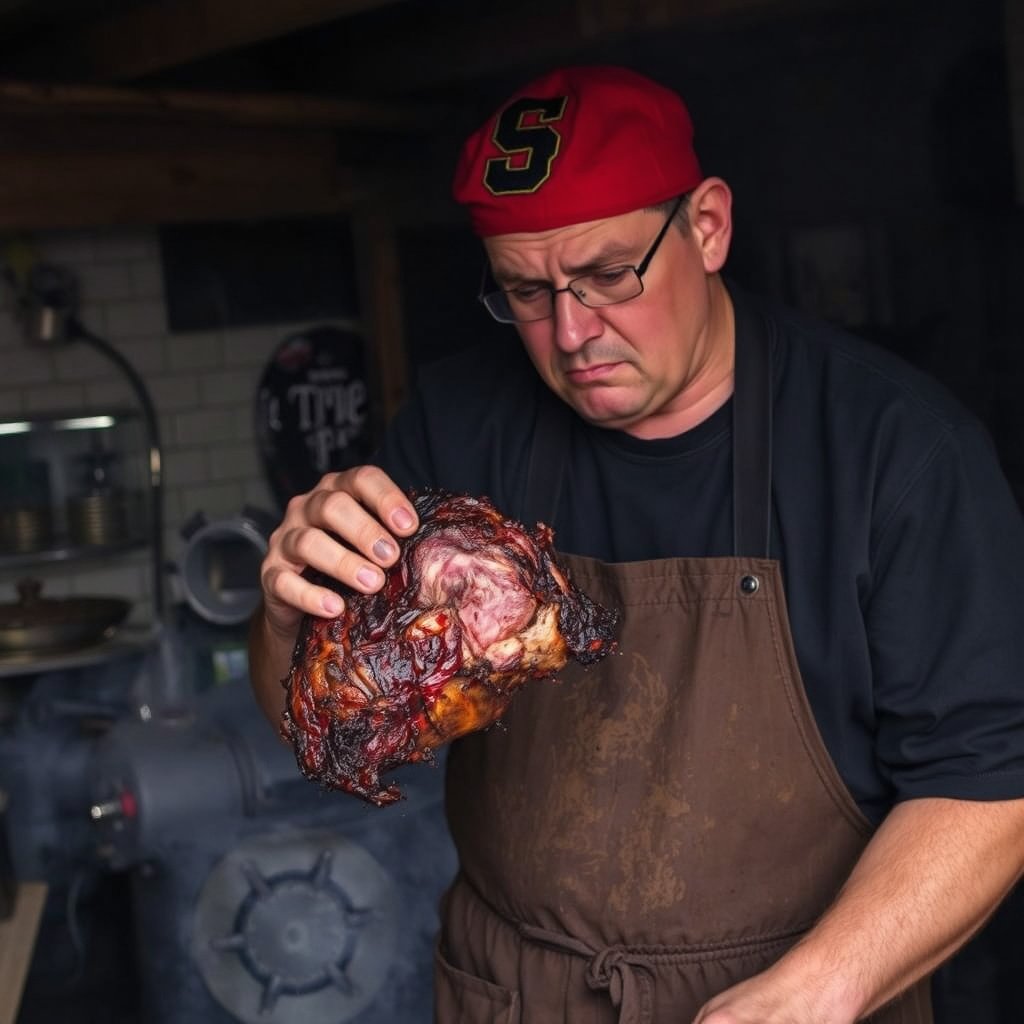
Dry brisket results from overcooking or too high smoker temperatures. Keep your smoker between 225°F and 250°F and monitor internal temperature closely to prevent overshoot.
Proper trimming and keeping some fat on the brisket also protect the meat during the long smoke to maintain moisture.
- Don’t overcook past 205°F
- Maintain smoker temperature around 225°F–250°F
- Trim fat properly but leave protective layer
Dealing With the Temperature Stall
When the brisket temperature stalls, resist the urge to increase the heat excessively; this is normal as collagen breaks down.
Wrapping the brisket in butcher paper or foil during the stall phase (known as the Texas Crutch) helps retain heat and moisture to push through the stall more quickly.
- Temperature stalls are normal
- Wrap brisket during stall to retain moisture
- Avoid raising heat too much
Smoking Techniques and Variations
Low and Slow Smoking Method
This traditional technique involves cooking the brisket over low heat (225°F to 250°F) for many hours, producing tender meat with a pronounced smoke ring and bark.
Patience is vital in this method; the slow heat breaks down tough connective tissue without drying out the meat.
- Cook at 225°F–250°F
- Long cooking times (8–14 hours)
- Develops smoke ring and bark
For more detailed historical context and terminology related to brisket smoking, visit this brisket smoking basics on Wikipedia. Brisket smoking basics on Wikipedia.
Wrapping and Injecting for Moisture
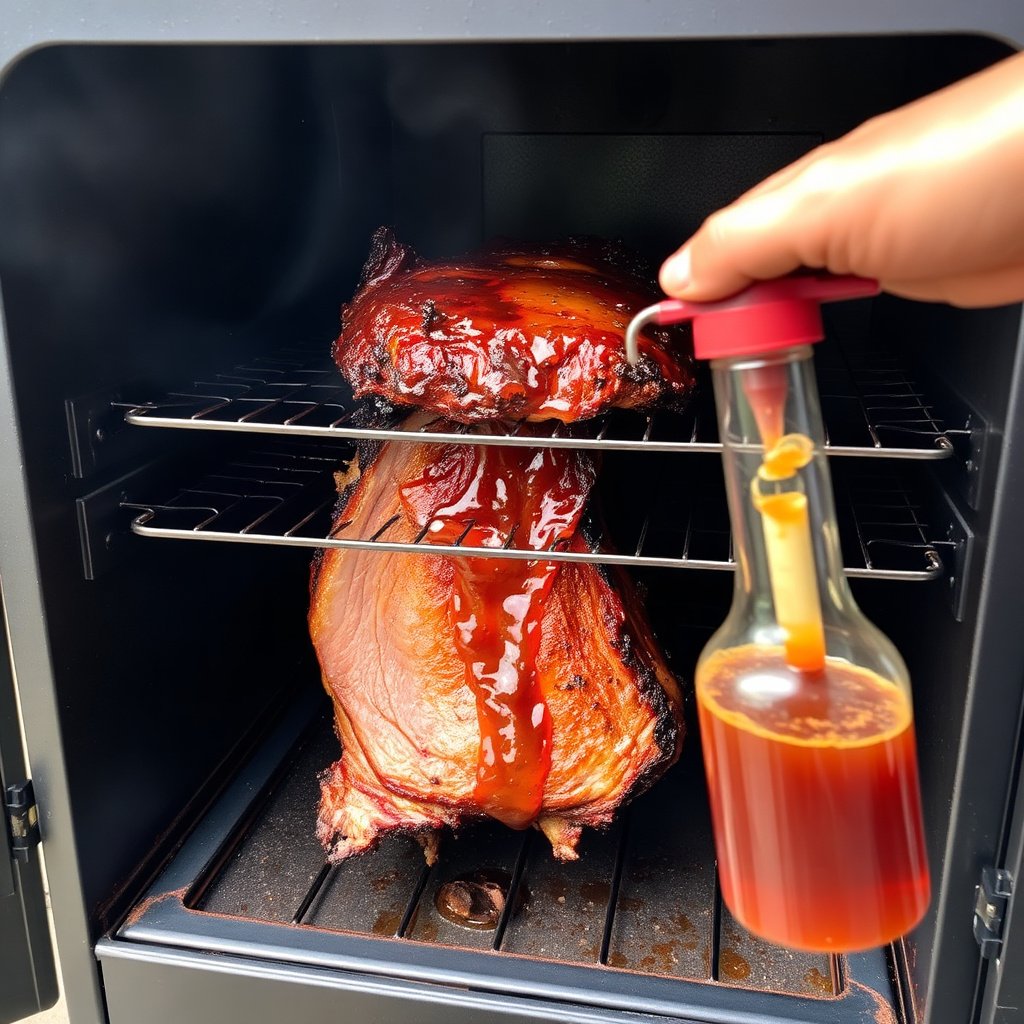
Injecting the brisket with a marinade can add moisture and flavor inside the meat. Popular injectables include beef broth with garlic or Worcestershire sauce.
Wrapping the brisket tightly in butcher paper or foil partway through cooking helps retain juices and speeds up cooking time, balancing tenderness and bark formation.
- Inject marinade before smoking
- Wrap during cooking to retain moisture
- Butcher paper preserves bark better than foil
Brisket Smoking Wood Types Comparison
Here’s a comparison of popular wood types used for smoking brisket, highlighting their flavor profiles and burn characteristics.
| Wood Type | Flavor Profile | Burn Temperature | Best Use |
|---|---|---|---|
| Oak | Balanced, medium smoke | Medium-high | Versatile, classic brisket smoke |
| Hickory | Strong, savory, bacon-like | High | Intense smoke flavors, great for beef |
| Mesquite | Bold, earthy, slightly bitter | High | Short cooks or mixed with milder woods |
| Apple | Sweet, mild, fruity | Medium | Subtle smoke, good for beginners |
| Cherry | Sweet, mild, fruity | Medium | Adds color and mild smoke to brisket |
Frequently Asked Questions
How long does it take to smoke a brisket?
Smoking a brisket generally takes 1 to 1.25 hours per pound at 225°F to 250°F, so a 12-pound brisket can take 12 to 15 hours. Monitoring internal temperature is more accurate than timing alone.
What internal temperature means the brisket is done?
Brisket is usually done between 195°F and 205°F internal temperature. This range breaks down connective tissue for tenderness while avoiding overcooking.
Should I wrap my brisket during the smoke?
Wrapping the brisket after several hours (often during the stall) can retain moisture and reduce cooking time. Using butcher paper preserves bark better than foil.
Can I use any wood for smoking brisket?
While many woods can be used, hardwoods like oak and hickory are preferred for their balanced smoke flavor. Softer woods may produce unpleasant tastes and resin.
How do I know when the temperature stall is over?
The stall ends when the internal temperature starts rising again after lingering around 150°F to 165°F. Wrapping and steady smoker temps help pass through this phase.
Key Takeaways
- Choose a well-marbled whole packer brisket between 10–14 pounds
- Maintain smoker temperature at 225°F–250°F with steady airflow
- Monitor internal meat temperature closely for best results
- Use oak or hickory wood for balanced smoke flavor
Conclusion
Smoking a brisket is a rewarding process that hinges on patience, temperature control, and careful preparation. By selecting an appropriate cut and managing your smoker to maintain steady low heat, you allow the meat’s tough fibers to break down slowly, resulting in tender, juicy barbecue. Paying attention to seasoning, wood choice, and temperature stalls throughout the cook will help you avoid common pitfalls like dryness or toughness.
If you're new to smoking brisket, starting with the traditional low and slow method using oak or hickory wood can simplify the learning curve while producing excellent flavors. Consider experimenting with wrapping methods such as the Texas Crutch to control moisture and speed cooking during the stall phase. For those wanting deeper flavor infusion, injecting brines or marinades adds another layer of complexity. Remember that internal temperature rather than elapsed time determines doneness, so invest in a quality thermometer.
The best way to improve your brisket smoking skills is by practicing these techniques and observing how changes affect the final product. Find a trusted wood type and smoker style that suits your preferences, and keep detailed notes to refine your approach. Ultimately, enjoying brisket is about enjoying the process of slow cooking, savoring the aromas, and sharing delicious results with family and friends.