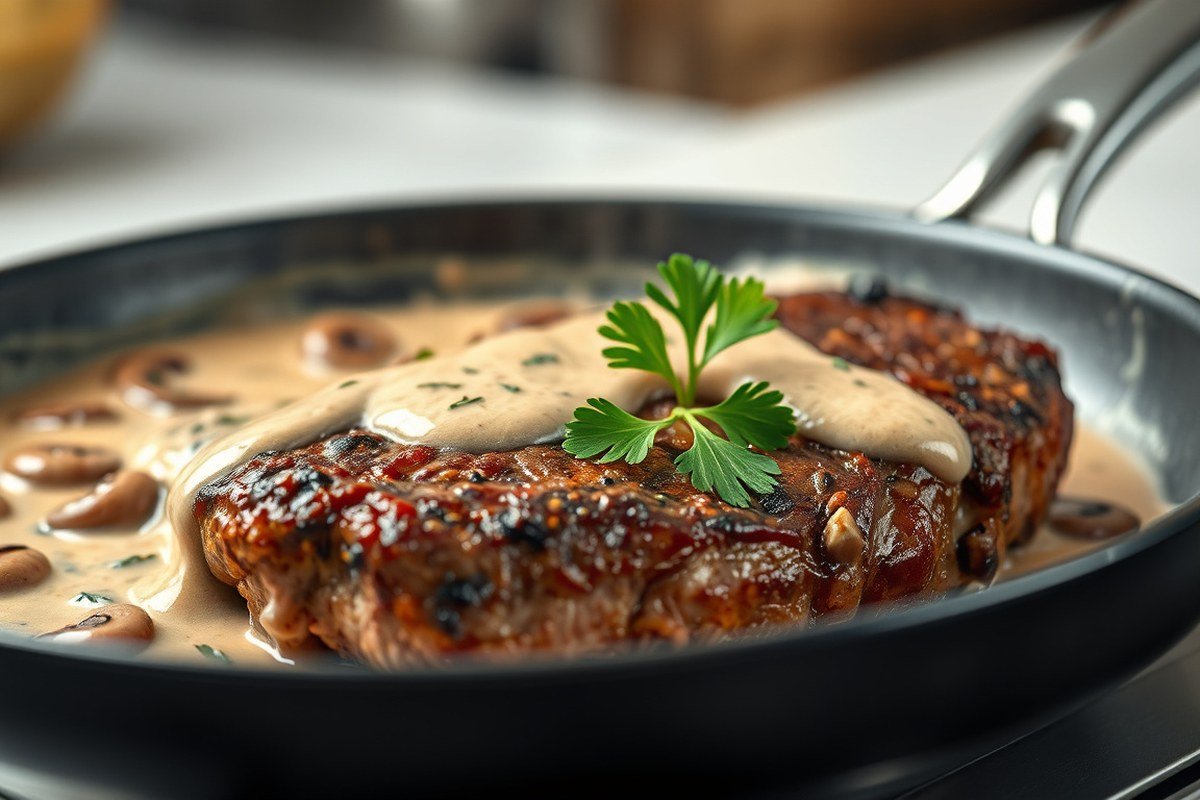
What Is a Steak Diane? A Complete Guide with Cooking Tips and Safety
Steak Diane is a classic dish featuring seared beef fillets served with a rich Cognac and cream sauce, ready in about 15 minutes. This quick yet elegant meal uses simple ingredients to create a flavorful date-night dinner for two. Understanding what is a steak diane helps you prepare a restaurant-quality dish right in your kitchen without complicated steps or long cooking times.
This recipe is perfect for home cooks who want an impressive, flavorful steak dinner with a creamy, mustard-infused sauce. You’ll find advice on selecting the best cut, cooking tips for achieving the perfect doneness, and safe methods for flambéing Cognac to finish the sauce with flair.
Key Takeaways
- Choose beef fillets like filet mignon for the tenderest steak Diane experience.
- Let steaks sit at room temperature for 20-30 minutes before cooking for even doneness.
- Sear steaks over high heat for 4-5 minutes per side to reach medium-rare at 130°F.
- Baste steaks with butter for 2 minutes during cooking to add flavor and juiciness.
- Prepare the sauce ahead and refrigerate up to 2 days to save time on dinner night.
- Flambé Cognac carefully in a separate pan to avoid fire hazards when finishing the sauce.
What Is Steak Diane and Its Signature Sauce

Steak Diane is a classic dish that features a pan-seared beef fillet paired with a rich, creamy sauce made from Cognac and cream. Typically prepared with tender cuts like filet mignon or sirloin, the steak is cooked quickly in butter to achieve a caramelized exterior while remaining juicy inside. The entire dish can be executed in under 15 minutes, making it a popular choice for an elegant yet fast date-night dinner.
The signature Sauce Diane gives this dish its distinct identity. It combines Cognac, Dijon mustard, cream, shallots, Worcestershire sauce, and beef broth or stock, often improve with a touch of soy sauce or beef bouillon for more depth. The sauce is made right in the pan after the steak is cooked, which allows it to capture the flavorful browned bits left behind. When prepared, the sauce is sometimes flambéed by igniting the Cognac, adding both dramatic flair and a richer, mellowed flavor as the alcohol burns off.
Begin the sauce by gently cooking minced shallots in butter until they’re tender. Pour in the Cognac and ignite it with care to flambé, or let it cook down gently without flames to concentrate flavor. Mix in Dijon mustard and Worcestershire sauce next, then add beef broth and cream to achieve a smooth, rich texture. This sauce balances savory, tangy, and creamy flavors, improving the beef nicely. It should be thick enough to cling to a spoon but run easily when poured.
Steak Diane’s quick cooking time and simple ingredients make it accessible for home cooks seeking a refined, restaurant-quality meal without complex preparation. The richness of the Cognac cream sauce improve the straightforward pan-seared steak, creating a dish that is both impressive and comforting. The sauce keeps well and can be refrigerated for 3 to 5 days in an airtight container, allowing you to enjoy the flavors even in leftovers. For best results, serve the steak immediately after finishing the sauce to maintain the perfect balance of warmth and texture.
Where Does the Name Steak Diane Come From?

The name Steak Diane likely traces back to the Roman goddess Diana, known as the goddess of the hunt. This connection makes sense because the dish features venison-like qualities through its rich and savory flavor profile, even though it uses beef. While the exact origin is debated, most culinary historians agree that Steak Diane gained popularity in upscale New York City restaurants in the 1950s and 1960s, where flambéed, tableside preparations were fashionable. Establishments like The Drake and The Sherry-Netherland Hotel helped cement its status as a sophisticated entrée during that era.
The dish itself may have been invented somewhat earlier, around the mid-1930s, with some sources pointing to London as the likely birthplace. It did not appear in classic French culinary texts, which supports the idea that Steak Diane is a more modern creation with international influences. Some food historians also note a possibility of Brazilian influence, as Rio de Janeiro restaurants might have contributed to the dish’s early development. However, the American New York scene is most credited for popularizing and refining the recipe, complete with its signature flambéed cognac sauce and quick pan-searing of thin steaks.
Steak Diane became emblematic of mid-century dining culture, combining theatrical table service with a luxurious dish. By the late 1950s, it was a staple in many elite clubs and hotels, representing a blend of old-world technique and modern flair. The flambé step, where cognac or brandy is ignited in the pan, was considered a highlight that added both depth of flavor and dramatic presentation. Over time, slight variations emerged, such as adding mushrooms or different herbs, but the core concept remained rooted in that post-war period of culinary experimentation in New York’s fine dining scene.
The retro appeal of Steak Diane continues today, appealing to cooks seeking a taste of classic elegance paired with approachable ingredients. Using quality beef and a carefully balanced sauce are keys to reproducing the dish successfully, echoing the standards set in those original 1950s kitchens. The name carries a sense of history and sophistication while the dish itself offers a rich flavor experience that recalls its mid-century heyday.
When flambéing the cognac for Steak Diane, make sure to use a small amount and ignite carefully away from flammable objects to avoid kitchen accidents.
Best Steaks for Steak Diane: Choosing the Right Cut
For Steak Diane, picking the right cut makes a big difference in both cooking ease and taste. Tender, lean cuts of beef are ideal since the dish involves quick searing and a rich pan sauce. The most classic choice is filet mignon, which is a center-cut beef tenderloin. This cut stays juicy after searing and complements the sauce without overwhelming it.
Thickness matters for how evenly and quickly the steak cooks. Thick cuts around 1 1/2 inches work best, they provide enough meat to achieve a good sear while keeping the inside tender and juicy. Thinner steaks, such as those pounded to about 1/2 inch, cook faster but may risk drying out. Letting steaks rest at room temperature for 20 minutes up to an hour before cooking helps them cook more evenly.
When filet mignon isn’t available, other tender cuts such as strip steak can make a good alternative. Strip steak offers good marbling and flavor, and it cooks well in a skillet, making it suitable for the quick, high-heat sear Steak Diane demands. Avoid tougher cuts that require longer cooking times or marinating, as they can clash with the fast cooking process and delicate sauce.
| Cut | Thickness | Weight per Steak | Pros | Cons |
|---|---|---|---|---|
| Beef Tenderloin/Filet Mignon | 1 to 1 1/2 inches | 4-6 ounces | Very tender, lean, quick cooking, classic flavor | More expensive, smaller steaks |
| Strip Steak (New York Strip) | 1 to 1 1/2 inches | 6-8 ounces | Flavorful, tender, good marbling, cooks evenly | Less tender than tenderloin, slightly higher fat |
| Pounded Tenderloin | 1/2 inch | 8 ounces (trimmed) | Thinner for quick cooking, tender | Can dry out if overcooked, less juicy |
Choosing tenderloin steaks around 1 1/2 inches thick and weighing between 4 and 6 ounces provides an elegant presentation and ideal texture for Steak Diane. You’ll want to sear these steaks quickly, generally 1 to 4 minutes depending on thickness, over high heat. Using thinner cuts requires care to avoid overcooking, since a quick sear helps keep them juicy.
Strip steaks offer a flavorful variation and cook similarly well to tenderloin. They add a bit more chew and marbling, which some enjoy for a richer taste. Whichever cut you choose, trimming excess fat and letting the meat come to room temperature before cooking ensures the best results.
Step-by-Step Instructions to Make Steak Diane at Home
Making Steak Diane at home involves seasoning and resting the steak, pan-searing it in butter with careful basting, preparing the rich cognac sauce, flambéing it safely, and finishing with a rest before serving. The entire process takes about 30 to 40 minutes, with most of the time focused on cooking the steak to a perfect medium-rare and slowly building the signature sauce.
Preparing and Seasoning the Steak
Start by bringing the steaks to room temperature. This step takes about 15 to 30 minutes and helps the meat cook evenly. Pat the steaks dry with a paper towel to remove any excess moisture, which ensures a better sear.
Season each side with salt and ¼ teaspoon of coarse ground black pepper. Press the pepper gently into the steak so it sticks well. Avoid over-seasoning to maintain a balanced flavour profile once the sauce is added.
Searing and Butter Basting Techniques
Heat a skillet over medium-high until it’s hot enough that a drop of water sizzles immediately. Add half the butter, about 10 grams, and let it melt completely. Add the steaks, cooking for about 3 to 4 minutes per side for medium-rare, aiming for a 130°F internal temperature.
After flipping the steak, add smashed garlic cloves and fresh thyme to the pan. Lower the heat slightly and baste the steak continuously by spooning the melting butter over the meat for 2 minutes. This creates a well-seared crust and infuses butter’s rich flavour into the steak.
Making and Flambéing the Sauce Safely
Remove the steaks from the pan and tent loosely with foil to rest. Keep the heat medium-low. Add the shallots and cook until soft, about 1 to 2 minutes. Pour in cognac and, using a long match or lighter, carefully ignite it to flambé. Let the flame subside naturally for safety and flavour.
Once the flames die out, stir in Dijon mustard, Worcestershire sauce, and heavy cream. Simmer the mixture until it thickens slightly, approximately 3 to 5 minutes. This creates the creamy and tangy Diane sauce that makes the dish unique.
Final Assembly and Serving Suggestions
After the sauce has thickened, return the steaks to the pan briefly, spooning the sauce over them to reheat gently and coat evenly. Remove from heat and plate the steaks on warm dishes.
Pour the remaining sauce generously over each steak. Garnish with chopped fresh parsley or chives for colour and freshness before serving. Resting the steak and cooking the sauce separately ensures you get juicy, tender meat with a luscious, flavourful sauce every time.
- Bring steaks to room temperature for 15 to 30 minutes and pat dry.
- Season steaks with salt and ¼ teaspoon coarse ground black pepper per side.
- Heat a skillet on medium-high, melt 10 grams butter, and sear steaks 3 to 4 minutes per side.
- Add garlic and thyme, lower heat, and baste steaks with butter for 2 minutes.
- Remove steaks; sauté shallots, then add cognac and ignite to flambé carefully.
- Mix in mustard, Worcestershire sauce, and cream; simmer for 3 to 5 minutes until thickened.
- Return steaks to pan to coat in sauce briefly, then plate and generously spoon sauce over.
- Garnish with fresh herbs and serve immediately for best flavour and texture.
How to Flambé Cognac Safely for Steak Diane
Flambéing Cognac for Steak Diane adds a signature flavor and dramatic effect but requires careful handling to stay safe. Use the right equipment and follow precise steps to avoid accidents or spills. Knowing how to flambé safely indoors ensures you get the classic taste and presentation without risk.
Necessary Equipment for Safe Flambéing
Having the proper tools sets you up for a safe flambé. Use a long-handled lighter or a long matchstick to ignite the Cognac, keeping your hand clear of the flame. Use a sturdy, heavy skillet with high sides to contain the flames and avoid splashing. Keep a fire extinguisher or a large lid nearby to smother any unexpected fires quickly. Avoid loose clothing or dangling sleeves to prevent catching fire.
The kitchen range hood should be off or switched to vent mode to prevent flames from rising into ventilation ducts. Flambéing is safe indoors only if you follow these precautions and have enough space without clutter or flammable materials nearby.
Step-by-Step Flambé Technique
Start by heating the sauce in the skillet until warm but not boiling, around 140°F to 160°F. Remove the pan briefly from the heat source to pour in about 2 to 3 tablespoons of Cognac. Return the pan momentarily to medium heat, then ignite the alcohol carefully.
- Turn off the burner or move the pan slightly off the heat before adding Cognac
- Use a long lighter or match to ignite the surface of the sauce carefully
- Keep your face and hands away from the pot’s edge
- Let the flames burn out naturally within 30 seconds to 1 minute
- Do not stir or add more alcohol while flames are active
- If flames ignite too high, cover the pan immediately with a metal lid
- Once flames die down, return pan to gentle heat to finish sauce
Control the heat and Cognac quantity strictly. Too much alcohol or excessive heat can produce large flames that are difficult to manage. Using 2 tablespoons is enough for flavor and a controlled flame that lasts long enough for the alcohol to burn off but not cause hazards.
Common Flambé Mistakes and How to Avoid Them
Many home cooks make errors such as pouring alcohol directly from the bottle, which can cause flames to jump back into the bottle and lead to dangerous flare-ups. Always measure the Cognac in a separate cup. Avoid adding alcohol when the pan is too hot; this can cause uncontrolled flames. Flames that last more than a minute often indicate excess alcohol or too much heat.
Another risk is forgetting to clear the immediate cooking area of flammable items like towels or paper products. Leave loose foods or ingredients removed from the stove space. Always keep a fire extinguisher within reach.
Never pour alcohol directly from the bottle into the pan during flambé; measure it separately to prevent fire hazards.
Common Cooking Mistakes with Steak Diane and How to Fix Them
Common mistakes in making Steak Diane often come from mismanaging the steak’s cooking and the sauce consistency, both essential for its classic flavor and texture. Overcooking leads to dryness, while undercooking can leave the steak tough and chewy. To avoid this, sear the steak in a hot pan, preferably cast iron, for about 2-3 minutes per side for a 1-inch thick cut to achieve medium-rare. Use a meat thermometer if possible; medium-rare is around 130-135°F (54-57°C). Rest the steak for 5 minutes before serving to lock in juices.
The sauce is key and can easily go wrong if not properly thickened or balanced. A thin sauce usually lacks enough reduction, while an over-thickened one can become pasty and overpower the steak. Start by carefully deglazing the pan with cognac or brandy to lift the fond, then reduce the liquid until it coats the back of a spoon gently. Add cream or mustard gradually to control thickness and flavor. Simmer the sauce a bit longer, stirring often, to thicken it if it’s too thin. Thin the sauce by adding a splash of broth or water and whisk until it reaches the right texture.
- Use room temperature steaks to ensure even cooking and faster sear.
- Don’t overcrowd the pan to maintain high heat and proper browning.
- Carefully measure sauce ingredients for balance; too much cream or mustard can mask the sauce’s signature flavor.
- Allow the pan sauce to simmer gently to reduce, not boil rapidly, avoiding bitterness.
- Use freshly ground black pepper and chives as a final garnish, added off heat, to preserve their aroma and color.
- Let the cooked steak rest on a warm plate covered loosely with foil to keep warm without steaming.
Avoid rushing the flambé step; too much alcohol or lighting it off too close can be dangerous, and improper flambé can kill the subtle flavors. Balance time to cook the steak fully without drying it, and take care with the sauce thickness to create that classic table-ready elegance in under thirty minutes.
Storing, Reheating, and Making Steak Diane Ahead
Steak Diane can be prepared in advance, but careful storage and reheating are essential to preserve the steak’s tenderness and keep the sauce tasty. Keep the steak and sauce in separate airtight containers, and use the sauce within a few days. Gently warm the steak and sauce over low heat to prevent the meat from drying out.
Proper Storage Techniques
Keep leftover steak and Diane sauce stored in separate airtight containers. This prevents the steak from soaking too much sauce and helps maintain its texture. You can store the steak and sauce in the refrigerator for up to 3 to 4 days.
Make sure the containers are sealed well to prevent exposure to air, which can dry out the steak and affect the sauce’s flavor. Label the containers with the date to keep track of freshness. Cooking the steak to medium rare means it should not be stored for more than 3 days to ensure both safety and quality.
- Store steak and sauce in separate airtight containers
- Use the sauce within 3 days and steak within 4 days
- Keep refrigerated at or below 40°F (4°C)
- Label containers with storage date
- Avoid freezing cooked steak Diane as texture may suffer
Safe and Effective Reheating Methods
To reheat leftover steak Diane, warm the steak and sauce gently over low heat in a covered skillet. Keep the temperature low to avoid overcooking or drying out the steak. Heat until the internal temperature reaches 165°F (74°C) for safe consumption.
For those who like their steak cooked more thoroughly, cook it a bit longer in the sauce during reheating to achieve a more well-done texture. Avoid using a microwave because it can heat unevenly and toughen the meat. Stir the sauce occasionally to ensure even warming without burning.
Make-Ahead Sauce Preparations
You can prepare the Diane sauce ahead of time and refrigerate it separately from the steak. The sauce keeps well for up to 3 days in the fridge. Reheat it gently on the stove before adding to the steak.
Prepping the sauce in advance frees up time when cooking steak Diane fresh. Use a covered container to preserve its aroma and prevent it from absorbing other refrigerator odors. Heat the sauce slowly to avoid reducing it too much or altering the intended texture.
What to Serve with Steak Diane and Drink Pairings
Steak Diane pairs well with classic sides that balance its rich, buttery sauce and tender beef. Vegetables like sautéed green beans or creamed spinach add a fresh and creamy contrast, making each bite more enjoyable. Potatoes are a traditional match; roasted fingerlings, garlic mashed potatoes, or crispy pommes frites provide a satisfying starch to soak up the flavorful sauce.
For a more modern twist, consider serving Steak Diane with a simple arugula salad dressed with lemon and olive oil. This adds brightness and a peppery bite that cuts through the dish’s richness. Roasted Brussels sprouts or a medley of seasonal roasted vegetables also work well, offering texture and earthiness without overpowering the dish.
- Sautéed green beans with garlic
- Creamed spinach
- Garlic mashed potatoes
- Roasted fingerling potatoes
- Crispy pommes frites
- Arugula lemon salad
- Roasted Brussels sprouts
Choosing the right drink can improve the dining experience. Steak Diane’s sauce often includes Dijon mustard, Worcestershire, and brandy or cognac, creating a rich, complex flavor that pairs well with medium to full-bodied red wines. A Cabernet Sauvignon or Merlot complements the meat’s flavor without overpowering the sauce. For lighter reds, Pinot Noir offers bright acidity that contrasts nicely.
White wine lovers can try a full-bodied Chardonnay, especially one with a touch of oak, since its buttery notes mirror the sauce’s texture. Beer drinkers might enjoy a malty amber ale or a smooth porter, which balances the savory elements of the steak and sauce.
Non-alcoholic options also stand out. Sparkling water with a twist of lemon cleanses the palate between bites. For a richer option, try a sparkling grape juice or an unsweetened iced tea with fresh mint to refresh the taste buds after each flavorful mouthful.
Always serve sides warm to ensure they complement the hot Steak Diane without cooling the overall dish.
Step-by-Step Action Plan to Make Steak Diane Today
Follow these clear steps to cook Steak Diane successfully and enjoy its classic flavors at home.
- Before you start: Choose a tender cut such as filet mignon or sirloin, about 6 to 8 ounces per serving. This ensures even cooking and a tender result.
- Prep time (10 minutes): Thinly slice shallots and mince garlic. Measure out 2 tablespoons each of butter and vegetable oil for a good sear.
- Cooking phase (5 minutes): Sear the steak in a hot pan on both sides until browned but still medium-rare. Check doneness by pressing the steak gently; it should feel springy.
- Sauce preparation (5 minutes): Remove the steak and sauté shallots and garlic in the same pan, then deglaze with about 1/4 cup cognac. Allow alcohol to burn off safely while stirring.
- Sauce completion (3 minutes): Add Dijon mustard, Worcestershire sauce, and heavy cream. Let the sauce thicken slightly; it should coat the back of a spoon.
- Combine and finish (2 minutes): Return the steak to the pan and coat it with the sauce to keep it juicy and flavorful.
- Serve immediately: Plate the steak with sauce and pair with simple sides like steamed asparagus or mashed potatoes to balance the rich taste.
Frequently Asked Questions
What Makes Steak Diane a Classic Dish?
Steak Diane is classic for its quick pan-seared beef fillets topped with a Cognac and cream sauce, perfect for an elegant dinner under 15 minutes. Its signature sauce combines mustard, cream, and brandy, giving it a rich, flavorful finish.
Can Steak Diane Be Made with Different Cuts of Beef?
Yes, though tender cuts like beef fillets are preferred to keep the dish quick and delicate. Using tougher cuts would require longer cooking, changing the dish’s texture and speed.
Is It Necessary to Flambé the Sauce in Steak Diane?
Flambéing is traditional to develop flavor but optional for safety or comfort. Skipping it means slightly less aroma but still a delicious, creamy sauce.
Can I Prepare Steak Diane Sauce Ahead of Time?
You can make the sauce in advance and refrigerate it in an airtight container for up to 2 days. Reheat gently to keep textures and flavors intact before serving.
What Wine Pairs Best with Steak Diane?
A medium-bodied red like Pinot Noir or a classic French Burgundy complements the creamy mustard and Cognac sauce without overpowering the beef.
What Is the Best Way to Store Leftover Steak Diane?
Keep any leftover steak and sauce in a sealed container inside the fridge for up to 3 to 5 days to maintain freshness. Warm them slowly to prevent the beef from drying out.
The Bottom Line
Steak Diane is a classic dish that combines tender steak with a rich, creamy sauce accented by cognac and mustard. Mastering its preparation relies on choosing the right cut, timing your cooking, and handling flambé steps carefully. Try making it tonight with this step-by-step guide and experience a taste of traditional fine dining in your own kitchen.