How to Use a Washer and Dryer with No Hookup at Home
A washer and dryer with no hookup means choosing machines that function without relying on traditional plumbing or electrical connections built into homes. You can use portable washers and ventless dryers designed to work independently, often utilizing simple water input methods and condensate drying technology.
This method matters because many renters, small apartment dwellers, or off-grid residents lack the permanent water and venting setups needed for standard laundry appliances. Using no-hookup washer and dryer units lets people maintain laundry convenience while fitting into limited or unconventional spaces.
This article will explore types of no-hookup laundry machines, the water sources and power options they use, how their drying systems work without vents, installation tips, and popular models to suit various living situations.
Types of Washer and Dryer with No Hookup

Portable Washing Machines
Portable washing machines are compact units designed to connect directly to a sink faucet or use a built-in water reservoir. These washers feature smaller tubs and lower water consumption compared to full-size machines. Most models include a drain hose to empty wastewater into a nearby sink or shower drain.
They are ideal for people without dedicated plumbing hookups because they don't require permanent water supply lines. While they usually have limited load capacity, they handle everyday laundry loads efficiently given their size.
- Water connection via faucet adapter
- Drain hose for wastewater disposal
- Lightweight and portable design
Ventless Dryers
Ventless dryers use condensation or heat pump technology to dry clothes without an exhaust vent. Instead of blowing moist air outside, they capture water vapor inside the unit and collect it in a reservoir or pump it out through a hose.
These dryers suit apartments or rooms where vent installation isn't possible. Although drying times are typically longer than vented dryers, their flexibility and compact forms make them popular no-hookup dryer choices.
- Condensation collects in an internal tank
- Requires occasional emptying or drainage
- Can be stacked on a compatible washer
Water Supply Solutions for No-Hookup Washers

Sink Faucet Connections
Many no-hookup washers use a faucet adapter to connect directly to kitchen or bathroom sink faucets. This simple setup eliminates the need for plumbing modifications, allowing easy water input for the washing cycle.
The adapter fits over standard faucet heads and usually includes a mechanism to switch water flow between the sink and washer. Users must ensure a tight fit to prevent leaks during laundry operations.
- Adapter installs in minutes without tools
- Compatible with most standard faucets
- Temporary connection ideal for renters
Built-in Water Reservoir Options
Some portable washers feature internal water tanks that can be manually filled with a bucket or hose. This method totally avoids external connections but requires manually replenishing water for multiple cycles or larger loads.
Reservoir-powered washers are useful in places without accessible sinks or faucets but trade off automation convenience for maximum portability.
- Self-contained water supply inside the machine
- Manual refills needed between loads
- Works in locations without nearby water sources
Drying Without Vents: How No-Hookup Dryers Work

Condensation Dryers
Condensation dryers heat moist clothes and cool the air inside the unit, condensing water vapor into liquid collected in a reservoir or pumped out through a drain hose. This process avoids the need for external air vents.
Their design enables installation almost anywhere, though users need to empty water reservoirs regularly or arrange drainage if the model supports it.
- Internal water reservoir collects moisture
- Requires easy access for emptying
- Suitable for apartments with no venting
Heat Pump Dryers
Heat pump dryers recycle hot air and use a refrigerant system to condense moisture efficiently. They consume less electricity than conventional dryers and do not require vent ducts, making them an energy-smart no-hookup dryer solution.
Due to their sophisticated technology, heat pump dryers are often more expensive but provide gentle drying combined with reduced utility costs.
- Uses refrigerant to capture moisture
- Highly energy-efficient operation
- Longer drying cycles compare to vented dryers
Installation and Space Considerations for No-Hookup Laundry

Placement and Ventilation Needs
No-hookup units are designed to fit in tight spaces such as kitchens, bathrooms, or closets lacking traditional laundry setups. Because ventless dryers do not expel hot air outside, ensure the room has moderate ventilation to regulate humidity.
Position machines on stable surfaces near water and electrical outlets, and keep some clearance as recommended by manufacturers to prevent overheating and facilitate maintenance.
- Choose a level floor with easy water disposal access
- Allow at least 2-3 inches clearance around units
- Ventless design reduces moisture escape but monitor room humidity
Power and Drainage Setup
Most portable washers and ventless dryers operate on standard household electrical outlets (usually 110-120V). Verify the power requirements before purchasing.
For drainage, portable washers drain into sinks or shower areas. Some ventless dryers allow plumbing drainage for water condensate but typically use a removable collection tank.
- Standard outlets suffice for most no-hookup machines
- Drain hoses direct wastewater to sinks or tubs
- Regular tank emptying required for ventless dryers
Popular No-Hookup Washer and Dryer Models

Best Portable Washing Machines
Models like the Giantex Portable Mini Compact Washing Machine and COSTWAY Mini Washing Machine are highly rated for their ease of use, lightweight frames, and reliable cleaning performance.
They connect with faucet adapters, have varying load capacities around 8-15 pounds, and include spin-dry features to reduce drying time.
- Giantex Portable Washer: small footprint, faucet hookup
- COSTWAY Mini Washer: multiple wash cycles, drain hose included
Top Ventless Dryer Choices
Popular ventless dryers include models from Panda Express and Magic Chef. These units balance compact size with energy-efficient drying technologies like condensation and heat pump mechanisms.
They often fit on top of compatible portable washers, supporting small space convenience without sacrificing performance.
- Panda Portable Compact Dryer: condenser drying system, easy tank emptying
- Magic Chef Electric Dryer: multiple drying modes, stackable design
Maintenance Tips for No-Hookup Washers and Dryers
Cleaning and Filter Maintenance
Regularly clean lint filters, detergent compartments, and water inlet screens to maintain washing and drying efficiency. Build-up can cause odors, mold, or mechanical issues in no-hookup units.
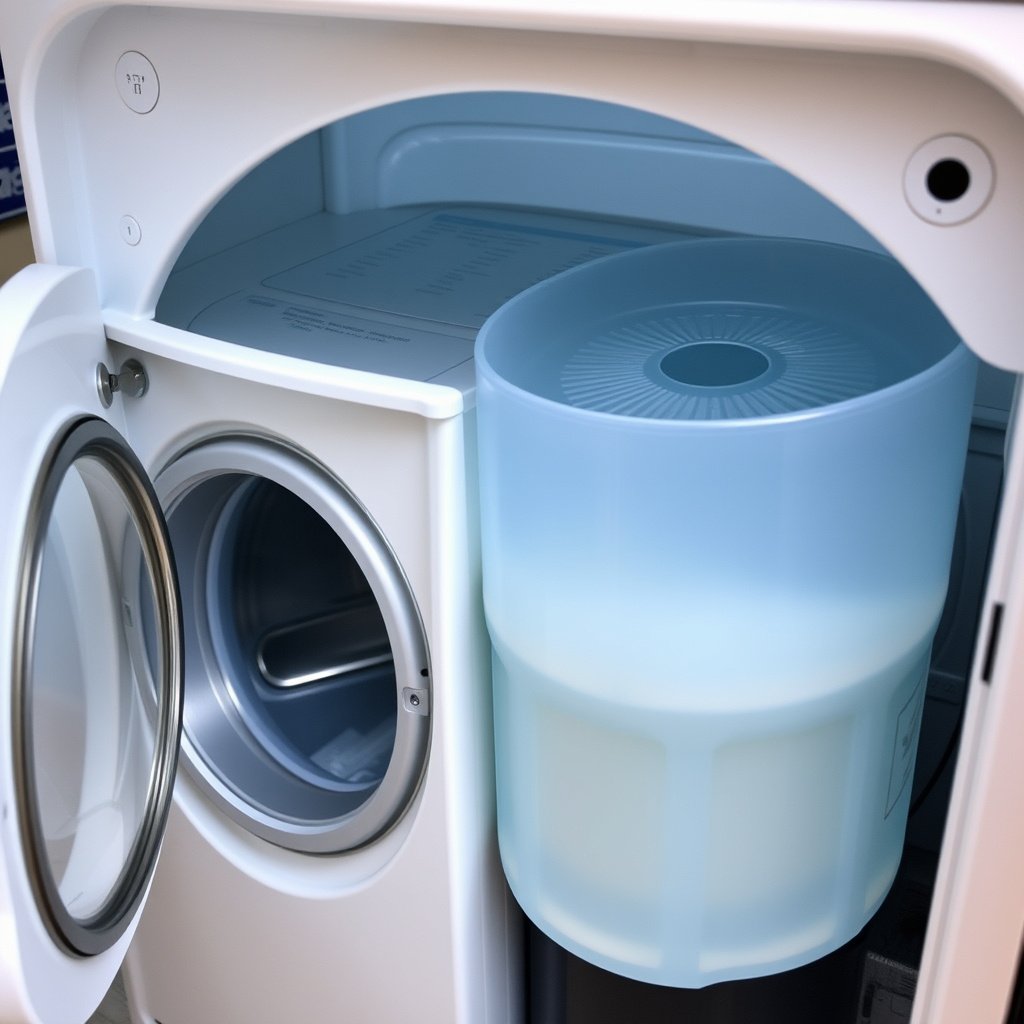
Empty ventless dryer water tanks after every cycle to prevent overflow and odors. Wipe down seals and internal drums monthly.
- Clean lint filters after each drying cycle
- Remove detergent residue from washer compartments
- Sanitize water tanks and hoses periodically
For more details on portable washing machines and their operation, see the portable washing machine section in this Wikipedia article. portable washing machine.
Troubleshooting Common Issues
If machines fail to drain properly, check hoses for kinks or clogs. For drying delays, verify the water tank is empty and filters are clear.
Address minor leaks by tightening faucet adapters or inspecting drain hoses for damage. Routine checks avoid costly repairs.
- Inspect and unkink drain hoses
- Empty condensed water after drying
- Tighten faucet connections to prevent leaks
Comparison of No-Hookup Washer and Dryer Types
This table highlights key features, pros, and cons of different washer and dryer options without traditional hookups.
| Category | Water Supply Type | Drying Method | Load Capacity | Typical Price Range |
|---|---|---|---|---|
| Portable Washing Machine | Faucet adapter or reservoir | Requires separate dryer | 8-15 lbs | $200-$400 |
| Vented Dryer | N/A | Exhaust vent required | 7-10 lbs | $300-$500 |
| Condensation Dryer | N/A | Condenses moisture internally | 5-8 lbs | $400-$700 |
| Heat Pump Dryer | N/A | Efficient condensation drying | 7-10 lbs | $800-$1300 |
| Stacked Portable Unit | Faucet + condensation dryer | Condensation drying in dryer | 6-10 lbs | $700-$1200 |
Frequently Asked Questions
Can I use a portable washer and dryer without plumbing hookups?
Yes, portable washers connect via faucet adapters or have internal water reservoirs, and ventless dryers use condensation systems, making them functional without traditional plumbing hookups.
How do ventless dryers remove moisture without vents?
Ventless dryers condense moisture from clothes using cooled air and collect the water in tanks or drain it, eliminating the need for external vent ducts.
Are no-hookup washers less effective than traditional ones?
No-hookup washers typically have smaller capacities and longer wash cycles but clean clothes efficiently for small to medium loads suitable for apartments and limited spaces.
Can I stack a no-hookup washer and dryer?
Many portable washers and ventless dryers are stackable if designed as a matched pair, saving space in small laundry areas.
Do no-hookup dryers consume more electricity?
Heat pump ventless dryers use less energy than standard vented dryers, while condensation dryers may consume slightly more due to longer drying times.
Key Takeaways
- Portable washers connect easily via faucet adapters or built-in reservoirs.
- Ventless dryers use condensation, removing the need for venting ducts.
- No-hookup units are ideal for apartments and spaces without laundry plumbing.
- Regular maintenance ensures efficient operation and longevity.
Conclusion
Choosing a washer and dryer with no hookup involves balancing space constraints, water supply options, and drying methods. By understanding the features of portable washers and ventless dryers, users can select machines that fit their living conditions without sacrificing laundry convenience. Prioritizing how water gets into and waste gets out of the machines is key to a smooth setup.
For renters or apartment dwellers, portable washing machines with faucet connections paired with condenser or heat pump ventless dryers offer practical, space-saving alternatives. These units modestly handle typical laundry loads without requiring permanent plumbing modifications. Models like the Giantex Portable Washer and Panda Condenser Dryer represent proven choices. Users without immediate sink access might lean towards machines with built-in reservoirs, accepting some manual refilling effort.
If you’re ready to set up laundry without a traditional hookup, start by measuring your space and determining available water and electrical sources. Then, select a combination of portable washer and ventless dryer that meets your load size needs and energy preferences. Maintaining both appliances regularly will keep your no-hookup laundry routine efficient and hassle-free.