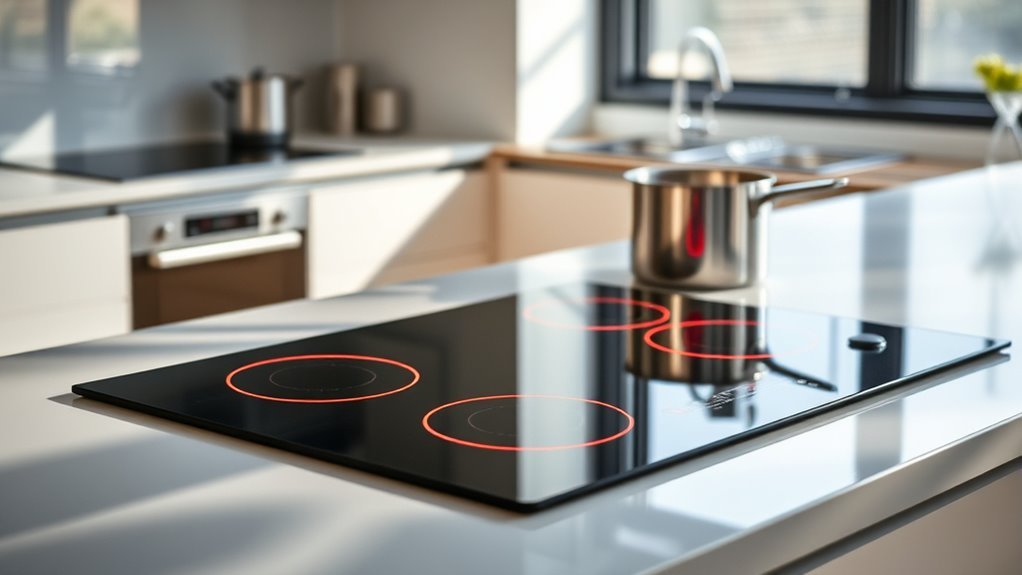
Induction Stoves Pros and Cons: What You Should Know
Struggling with slow, inefficient cooking or worried about safety in your kitchen? Many people face these issues and wish they had a better solution.
If you’re considering an induction stove, know it heats cookware directly for faster, energy-efficient cooking with precise control and improved safety.
You’ll enjoy cooler surfaces, automatic shutoffs, and lower energy bills, but you’ll need magnetic cookware and face a higher upfront cost.
Installation requires proper electrical setup, and maintenance is straightforward.
These stoves suit safety-conscious and efficiency-focused kitchens.
Keep exploring to understand all the benefits, limitations, and installation tips before deciding.
Key Takeaways
- Induction stoves heat cookware directly using magnetic fields, which means you get precise temperature control and faster cooking times.
- They are highly energy-efficient, converting up to 90% of energy into heat, which helps reduce electricity bills and keeps the kitchen cooler.
- Safety features include child locks, automatic shutoff, and a cooler cooktop surface, all designed to minimize burn and fire risks.
- One limitation is that you need compatible magnetic cookware, and they tend to have higher upfront costs compared to gas or electric stoves.
- Proper installation and maintenance are key for best performance and safety. This includes ensuring good ventilation and enough electrical capacity.
How Induction Stoves Work and Why You Should Care
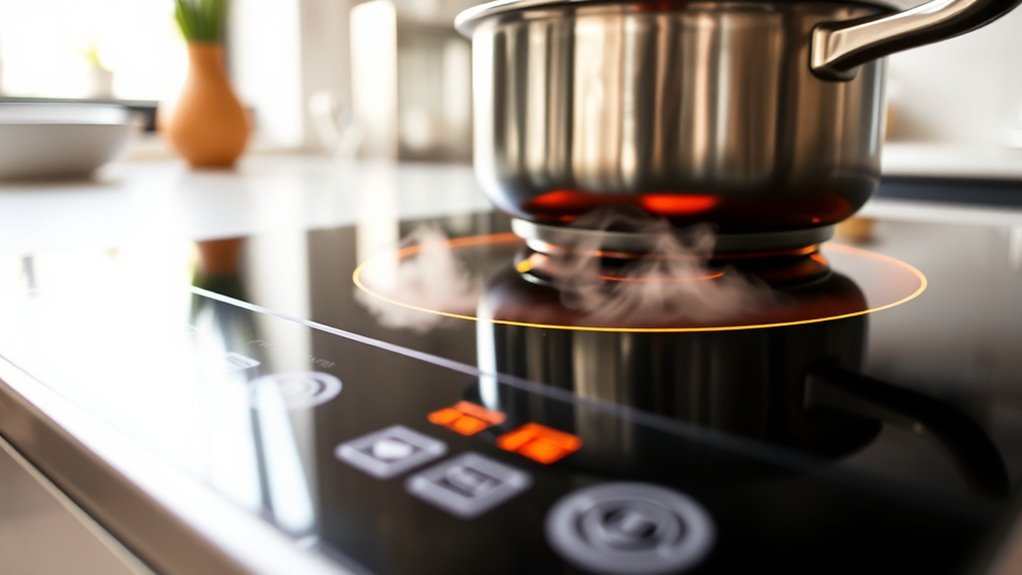
Although induction stoves might seem complex, they work on a simple principle that benefits you. Induction technology uses magnetic fields to heat your cookware directly, instead of warming the stove surface first. This means your pots and pans get hot quickly, and the stove stays cooler, making cooking safer and easier to control.
You’ll notice improved cooking efficiency because energy transfers directly to your cookware with minimal loss. This precise heat control helps you cook your meals evenly and consistently, reducing guesswork and improving results. Since the stove heats only the pan, it also cools down faster after you’re done cooking, making cleanup simpler.
Understanding how induction stoves work helps you see why they’re worth considering. You gain more control over your cooking, use energy more effectively, and enjoy a cleaner, safer kitchen. It’s technology designed to make your cooking experience smoother and more efficient every day.
Top Benefits of Induction Stoves: Speed, Safety, and Energy Savings
You’ll see that induction stoves heat up way faster than your usual burners, which means you spend less time waiting for your food to cook. It’s pretty handy, right? And they come with safety features that make cooking safer — like reducing the chances of burns or accidents happening in the kitchen.
Plus, they’re really energy-efficient, so they help you cut down on your electricity bills. Overall, they’re a great upgrade if you want quicker, safer, and more budget-friendly cooking.
Faster Cooking Times
When you use an induction stove, your meals cook much faster because the technology directly heats the cookware instead of the surrounding air or stove surface. This efficiency speeds up your cooking techniques and makes meal prep quicker, saving you time in the kitchen.
Here’s why induction stoves accelerate cooking:
- Instant heat transfer cuts preheating time significantly.
- Precise temperature control lets you adjust heat quickly.
- Even heat distribution prevents hot spots and uneven cooking.
- Faster boiling and searing reduce overall meal prep time.
With these benefits, you can try out different cooking styles without worrying about delays. Faster cooking means less waiting and more time enjoying your meals. Induction stoves truly change your kitchen experience by making every step of meal prep more efficient.
Enhanced Safety Features
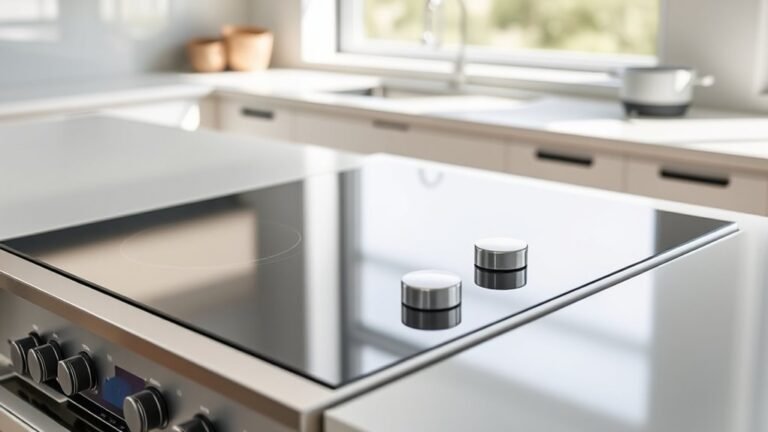
Because induction stoves only heat the cookware and not the stove surface, they reduce the risk of burns and accidental fires. This safety innovation keeps the cooktop cool to the touch, so you don’t have to worry about kids or pets getting hurt.
Many models also come with automatic shut-off features and child locks, which add extra protection. Users often say these safety features give them peace of mind in busy kitchens.
If a pot isn’t detected, the stove won’t turn on, helping to cut down on energy waste and accidents. Plus, the quick cool-down time after cooking makes cleaning and moving on to the next dish safer and easier.
How Induction Stoves Compare in Energy Efficiency to Gas and Electric
When you’re looking at induction stoves compared to gas and traditional electric options, a couple of things really stand out—energy efficiency and how quickly they heat up. Induction stoves work by using magnetic fields to heat your cookware directly, which means less energy is wasted. That often translates to lower utility bills for you.
Energy Consumption Differences
Although many people assume all stovetops use similar amounts of energy, induction stoves actually consume much less power than traditional gas or electric models. This difference depends on energy efficiency and how your cooking habits change.
Here’s why induction stands out:
- Induction stoves heat pots directly using electromagnetic energy, which reduces wasted heat.
- They heat up faster, so you spend less time cooking and use less energy overall.
- Unlike gas, induction doesn’t lose energy through open flames or venting.
- Your energy savings increase when you adopt habits like using lids or setting precise temperatures.
Heat Transfer Efficiency
While gas and electric stoves lose a lot of heat to the surrounding air, induction stoves transfer energy directly to your cookware, making them much more efficient. This is thanks to magnetic induction, which creates an electromagnetic field that heats the pot or pan itself, not the cooktop surface.
Since the heat is generated inside the cookware, less energy escapes, and your food cooks faster. The type of cookware also matters—materials like cast iron or stainless steel work best with induction, helping heat distribute evenly.
That means quicker heating with less wasted energy compared to gas or traditional electric stoves. If you want to maximize heat transfer efficiency in your kitchen, induction is a smart choice.
Cost Implications
Because induction stoves use energy more efficiently by heating cookware directly, they often lower your overall cooking costs compared to gas and traditional electric stoves. While the upfront installation costs can be higher, especially if you need compatible cookware or electrical upgrades, the long-term savings make induction a smart investment. Here’s why:
- Induction stoves convert up to 90% of energy into heat, unlike gas at 40% and electric at 70%.
- Faster cooking times mean less energy use per meal.
- Reduced heat loss keeps your kitchen cooler, which can lower air conditioning costs.
- Durable components mean fewer repairs and replacements over time.
Considering these factors, induction stoves balance initial costs with significant long-term savings on your energy bills.
Drawbacks and Limitations of Induction Stoves: Cookware and Cost Issues
If you’re thinking about getting an induction stove, it’s good to know that not all cookware works with this technology. Induction stoves need magnetic pots and pans, so you’ll want to check if your current cookware is compatible before making a purchase. This might mean replacing some of your existing pots and pans, which can add to your initial costs.
Another thing to consider is the price. Induction stoves tend to be more expensive upfront compared to traditional gas or electric stoves. While they can save you money over time through efficiency, the higher initial cost could be a hurdle.
Here’s a quick summary:
| Drawback | Explanation | Impact on You |
|---|---|---|
| Cookware Compatibility | Only magnetic cookware works | You might need new pots and pans |
| Initial Investment | Higher upfront cost | Requires a bigger budget initially |
| Limited Cookware Options | Fewer suitable designs available | Your choices could be limited |
| Repair Costs | Specialized repairs can be pricey | Maintenance might cost more |
Knowing these factors can help you decide if an induction stove fits your kitchen needs.
Safety Features That Make Induction Stoves a Smart Choice
You’ll notice right away that induction stoves prioritize safety in a big way. They come with handy features like automatic shutoff and child safety locks, so you don’t have to worry about accidents happening.
Plus, the surface stays cool to the touch, even when you’re cooking away. That means fewer burns and safer handling, especially if you’ve got little ones around. Overall, these smart safety features make induction stoves a dependable and safe option for your kitchen.
Automatic Shutoff Mechanism
When you step away from the stove, induction cooktops automatically shut off to prevent accidents and save energy. This automatic shutoff feature offers several key safety benefits you’ll appreciate.
- Prevents overheating. The stove stops heating if it senses no cookware or if a pot boils dry.
- Reduces fire risk. It cuts power if the cooktop has been left on accidentally for too long.
- Saves energy. The stove won’t waste electricity when it’s not being used.
- Enhances peace of mind. You don’t have to constantly monitor your cooking.
With these safety benefits, the automatic shutoff mechanism makes induction stoves a smart and reliable choice for your kitchen.
Child Safety Locks
Since kitchens can be busy and unpredictable, child safety locks on induction stoves give you extra control to keep little ones safe. These locks prevent accidental activation by disabling the stove’s touch controls, so your kids can’t turn it on or change settings without your permission.
The lock feature is usually easy to activate and deactivate with just a button press or a simple key combination. This makes it convenient for you while ensuring better child safety.
Adding this safety feature gives you peace of mind, especially when you’re multitasking or stepping away briefly. Child safety locks help create a safer cooking environment and reduce the risk of burns or other accidents caused by curious hands.
It’s a smart safety feature for any household with kids.
Cool Surface Operation
One of the standout safety features of induction stoves is their cool surface operation, which keeps the cooktop itself relatively cool to the touch. This cool surface safety reduces burn risks and makes your kitchen safer overall. Here are four cool surface benefits you’ll appreciate:
- Reduced Burn Injuries: The stove only heats your pan, not the cooktop, lowering the chance of accidental burns.
- Easy Cleanup: Since spills don’t burn onto a hot surface, wiping down is quick and simple.
- Child-Friendly: Kids can safely be near the stove without the risk of touching a hot surface.
- Energy Efficiency: Less heat loss means your kitchen stays cooler, saving energy and making things more comfortable.
With these benefits, cool surface operation makes induction stoves a smart, safe choice for your home.
Cooking Speed and Precision With Induction Stoves
Although electric and gas stoves have their merits, induction stoves deliver unmatched cooking speed and precision that you’ll quickly appreciate. They heat cookware directly through electromagnetic energy, so your pots and pans warm up almost instantly. This rapid heat transfer means you spend less time waiting for your food to cook, making meal prep faster and more efficient.
Beyond speed, induction stoves offer exceptional precision control. You can easily adjust the temperature in small increments, allowing you to master diverse cooking techniques like simmering, searing or melting chocolate without guesswork. This level of control helps you avoid overcooking or burning your meals, resulting in better flavor and texture.
With induction, your cooking becomes more responsive and accurate. Whether you’re a beginner or a seasoned chef, you’ll find that this technology improves your ability to cook with confidence and creativity, transforming your kitchen experience for the better.
How to Install and Maintain Your Induction Stove
When you bring an induction stove into your kitchen, proper installation is key to making sure it works safely and efficiently. Follow these tips to get started right:
- Check that your kitchen’s electrical system can handle the stove’s power needs. If you’re unsure, it’s a good idea to consult a professional.
- Place the stove on a flat, sturdy surface with enough space around it for ventilation.
- Use the wiring and connectors recommended by the manufacturer to avoid safety issues.
- Make sure the stove is securely fastened and level before plugging it in.
For ongoing care, follow these maintenance tips: clean the cooktop regularly with a soft cloth and mild detergent, avoid abrasive cleaners, and check the power cord for wear. Also, keep the ventilation area clear of dust and debris to prevent overheating. By following these steps, you’ll keep your induction stove running smoothly and safely for years.
Cost Considerations: Is an Induction Stove Worth It?
How much should you expect to spend on an induction stove, and is it truly worth the investment? Induction stoves usually cost more upfront than traditional gas or electric models. Besides the stove’s price, you might need to pay for installation, which could include electrical upgrades to handle the stove’s power needs.
But those initial costs can be offset by long-term savings. Induction stoves heat more efficiently, which can lower your energy bills over time. They also cook food faster, saving you time and potentially reducing utility use.
While the upfront expense might seem high, their energy efficiency and durability often make induction stoves a smart choice in the long run. If you’re willing to invest now, you could enjoy lower operating costs and better cooking performance for years.
Who Should Choose Induction Stoves for Their Kitchen?
If you value quick heating, precise temperature control, and energy efficiency, an induction stove could be a perfect fit for your kitchen. But whether it’s right for you depends on your needs.
Think about your cooking style and how often you cook. If you’re someone who cooks often and likes rapid, consistent heat, induction is a great match.
Consider your kitchen space and family size. If your kitchen is tight on space or you have a large family that needs quick meal prep, induction’s compact, efficient design is a plus.
Your lifestyle and health concerns matter too. Those who want clean, safe cooking with minimal heat loss and easy cleanup will find induction appealing.
Finally, look at your budget and energy preferences. If you’re willing to invest upfront for long-term savings and eco-friendly operation, induction is a smart choice.
Final Thoughts: Is an Induction Stove Right for You?
Wondering whether an induction stove fits your kitchen and lifestyle? Consider the benefits carefully. These stoves heat quickly and precisely, which makes cooking faster and helps cut down your energy bills.
Plus, their sleek design can give your kitchen a modern look. They’re also easier to clean since the cooktop stays cooler and spills don’t burn onto the surface.
But you’ll need compatible cookware, and the initial cost might be higher than traditional stoves. If you value speed, safety, and energy savings, an induction stove could be a great choice.
On the other hand, if you prefer using all types of pots and pans or want a lower upfront investment, sticking with gas or electric might be better.
Ultimately, it depends on your cooking habits and what matters most to you. Weigh the benefits against your needs to decide if this technology will truly enhance your kitchen experience.
Frequently Asked Questions
Can Induction Stoves Be Used During Power Outages?
You can’t use induction stoves during power outages because they rely entirely on electricity.
While they offer excellent cooking efficiency and safety concerns are minimal during normal use, no power means no heat.
If you’re worried about outages, consider having a backup cooking option like a gas stove or portable burner.
This way, you won’t be left without a way to cook when the electricity goes out.
Do Induction Stoves Emit Any Harmful Radiation?
No, induction stoves don’t emit harmful radiation levels that cause health concerns. They use electromagnetic fields to heat your cookware directly, which is different from the dangerous radiation you might worry about.
The low-frequency magnetic fields are well within safety limits set by health authorities, so you can cook without worrying about radiation exposure.
If you have medical implants, though, it’s a good idea to check with your doctor just to be safe.
Are Induction Stoves Compatible With All Kitchen Ventilation Systems?
Induction stoves are generally compatible with most kitchen ventilation systems, but you should pay attention to installation details. Because induction produces less heat and smoke than gas, your ventilation might not need to be as powerful.
That said, proper installation is key to making sure your system handles steam or occasional odors effectively. Always check the manufacturer’s guidelines to ensure your ventilation works smoothly with your induction stove and keeps your kitchen air fresh.
How Noisy Are Induction Stoves During Operation?
Imagine a gentle breeze whispering through leaves—that’s how induction noise levels feel during cooking. You won’t hear loud clanks or hisses; instead, a soft hum or faint buzzing accompanies your cooking experience.
This subtle sound comes from the induction coil and fan but rarely distracts you. So, you can focus on your meal without noise interruptions, making your kitchen a calm and efficient space.
Can Induction Stoves Affect Nearby Electronic Devices?
You might worry that induction stoves cause electromagnetic interference with nearby electronic devices, but they generally don’t. Thanks to their induction efficiency, these stoves focus energy precisely on the cookware, minimizing stray electromagnetic fields.
While some sensitive devices could theoretically experience minor interference if placed extremely close, most everyday electronics won’t be affected. Just keep your gadgets a reasonable distance away, and you’ll avoid any issues during cooking.
Conclusion
Choosing an induction stove can be like switching on a bright new light in your kitchen—fast, efficient, and safe.
While the upfront cost and cookware needs might give you pause, the long-term energy savings and convenience often outweigh these hurdles.
If you value speed, safety, and modern tech, induction stoves could be your perfect cooking companion.
So, are you ready to spark a change and cook smarter with induction stoves?