What Is the Best Temperature for a Refrigerator? The Complete Answer
Many people struggle with keeping their food fresh and safe in the fridge. It’s a common challenge to find that perfect temperature that preserves quality without causing spoilage or wasting energy. If you’re looking for the ideal fridge settings, you’re not alone.
You should keep your refrigerator at or just below 40°F (4°C) to slow bacterial growth and keep food fresh and safe. Setting it too cold can freeze your produce and harm texture, while warmer temperatures speed spoilage and risk foodborne illnesses.
Aim for 35-38°F for dairy and 32-36°F for meat and fish, balancing safety and energy use. Staying consistent with checks and adjustments helps avoid common problems and keeps your food at its best.
Uncover more tips for perfect fridge care ahead.
Key Takeaways
- The ideal refrigerator temperature is at or below 40°F (4°C) to slow bacterial growth and keep food safe.
- Keeping the fridge between 35°F and 38°F helps extend food freshness and prevents spoilage.
- Temperatures below 32°F can freeze food, which might damage its texture and quality.
- Regularly check the middle shelf with a thermometer and adjust the settings as needed.
- Staying between 37°F and 40°F balances food safety with energy efficiency and saves you money.
What Is the Ideal Refrigerator Temperature for Food Safety?
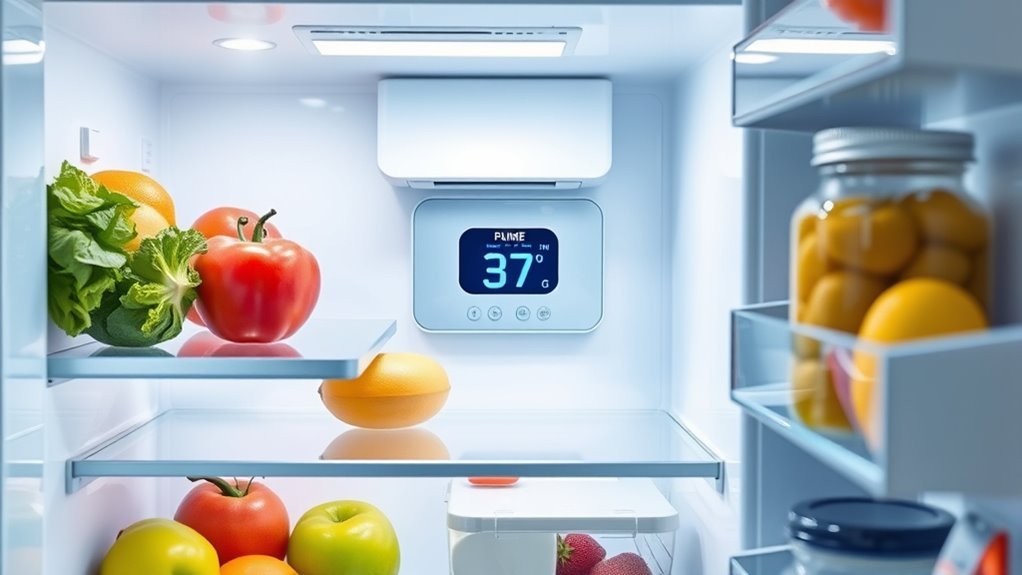
Although you might not think about it often, setting your refrigerator to the right temperature is really important for keeping your food safe.
The ideal temperature for food preservation and safety standards is at or below 40°F (4°C). This slows down bacterial growth and helps keep your food fresh and nutritious.
If your fridge is warmer than 40°F, you risk faster spoilage and a higher chance of foodborne illnesses. On the flip side, making it too cold could cause some items to freeze unintentionally, which might mess with their texture and taste.
To stay safe, use a reliable refrigerator thermometer and check it regularly. Keeping it at the right temperature helps your dairy, meats, and leftovers stay fresh longer.
Doing this is a simple but crucial step for food safety and protecting your family’s health.
Why Setting Your Fridge Too Cold or Too Warm Can Hurt Food
When your fridge is set too cold or too warm, it can hurt the quality and safety of your food. If it’s too cold, you might freeze items that shouldn’t be frozen, which can ruin their texture and make them less enjoyable to eat.
On the other hand, if it’s too warm, food can spoil faster, and harmful bacteria can grow more easily.
Here’s what happens when your fridge temperature isn’t right:
Vegetables can become mushy or even freeze, ruining their texture.
Vegetables may turn mushy or freeze, damaging their texture and freshness.
Dairy products might develop off-flavors or start to separate.
Meat can dry out or spoil quickly if it’s not kept at the right temperature.
Inside your fridge, condensation can form, which promotes mold growth.
Leftovers tend to lose moisture and freshness faster than they should.
How Refrigerator Temperature Affects Food Freshness and Spoilage
Setting your refrigerator to the right temperature is key to keeping your food fresh and safe. When it’s too warm, bacteria multiply faster, and food spoils more quickly.
If it’s too cold, some foods can freeze, which damages their texture and taste. Both conditions can negatively affect how well your food is preserved.
Here’s a quick overview of how temperature impacts freshness and spoilage:
| Temperature Range (°F) | Effect on Food Freshness and Spoilage |
|---|---|
| Above 40 | Spoils quickly and becomes unsafe for perishable foods |
| 35-38 | Keeps food fresh longer and slows spoilage |
| Below 32 | Causes freezing damage, texture changes, and spoilage |
How to Check Your Refrigerator’s Current Temperature
Wondering how to know if your refrigerator is at the right temperature? Checking it is easier than you might think. Just use reliable temperature measuring tools for an accurate reading.
Wondering if your refrigerator is at the right temperature? It’s easier to check than you think with the right tools.
One of the simplest methods is to use a refrigerator thermometer designed specifically for this purpose. Here’s how you can quickly check your fridge’s current temperature:
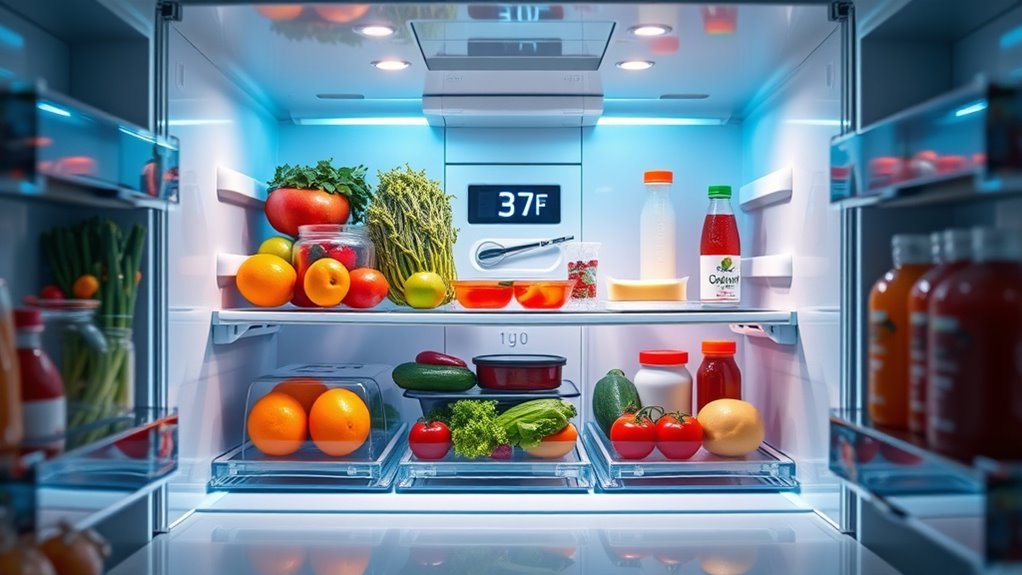
- Place a thermometer in the middle shelf for the most consistent reading.
- Wait at least 4 hours or overnight before checking the temperature.
- Avoid placing thermometers near the door or vents to prevent misleading results.
- Use digital thermometers for faster, more precise readings.
- If you don’t have a thermometer, try an ice water test. Place a glass of ice water inside and measure its temperature after a few hours.
Regularly checking your fridge temperature helps prevent food spoilage and keeps your groceries fresh longer.
How to Adjust Your Fridge Temperature
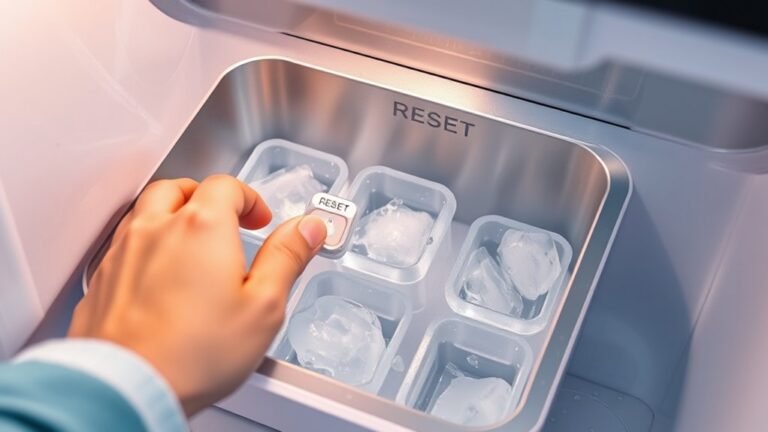
Adjusting your fridge temperature is simple and keeps your food fresh and safe. First, find your fridge settings, usually inside the fridge or on the front panel. These controls can be a dial, digital buttons, or a touch screen.
Check the current temperature with gauges inside the fridge. If you don’t have one, buy a standalone fridge thermometer for accuracy. To adjust, turn the dial or press the buttons to raise or lower the temperature.
Most fridges should be set between 35°F and 38°F (1.7°C to 3.3°C). After making adjustments, wait 24 hours before rechecking the temperature to see if it’s stable. If it’s not right, tweak the settings again.
Regularly monitor both your fridge settings and temperature gauges to keep your food in a safe environment.
Best Fridge Temperatures for Different Foods
You’ll want to set different zones in your fridge to the right temperatures to keep your food fresh longer. For example, dairy prefers a cooler spot, so it stays fresh and doesn’t spoil too quickly.
Meat and fish need even colder settings to stay safe and prevent bacteria growth. On the other hand, produce tends to do well in slightly warmer areas, helping it stay crisp and flavorful without spoiling too fast.
Optimal Dairy Storage Temperature
Keeping dairy products at the right temperature is essential to preserving their freshness and safety. Store dairy at around 34°F to 38°F (1°C to 3°C) to slow bacterial growth and avoid spoilage signs like off smells, discoloration, or mold.
For ideal cheese storage, keep it wrapped in wax or parchment paper inside a loosely sealed container. This helps maintain humidity without trapping moisture.
Here are some key tips for dairy storage:
- Store milk and cream in the coldest part of the fridge, not the door.
- Keep yogurt sealed tightly to prevent contamination.
- Separate soft cheeses from strong-smelling ones to prevent flavor transfer.
- Check for spoilage signs regularly and discard if anything seems off.
- Use airtight containers for butter to keep it fresh longer.
Following these tips helps you enjoy dairy safely and at its best.
Ideal Meat and Fish Cooling
Although meat and fish need colder temperatures than many other foods to stay fresh, you don’t need to freeze them in your fridge. Keep your refrigerator between 32°F and 36°F (0°C to 2°C).
This range slows bacterial growth without freezing the meat, helping it keep its texture and flavor. For fish, aim for the same temperature range.
Fish is very perishable, so maintaining this cool environment helps keep it fresh and high-quality. Don’t let the temperature go above 38°F (3°C), as that speeds up spoilage.
To keep things consistent, store meat and fish on the bottom shelf, where it’s coldest. Use sealed containers to prevent cross-contamination.
Following these tips will help you extend the shelf life and safety of your meat and fish.
Best Settings for Produce
Meat and fish need colder temperatures to stay fresh, but produce has different needs to keep its flavor and texture. The key for produce storage is balancing temperature and humidity control.
Most fruits and vegetables do best between 32°F and 40°F with high humidity to prevent wilting. Here’s how to set your fridge for the best produce freshness:
Store leafy greens and herbs in the crisper drawer with high humidity. Keep apples and pears in a low-humidity drawer to avoid moisture buildup. Tomatoes are best kept at room temperature or in a warmer drawer.
Berries need cooler temps but low humidity to prevent mold. Root vegetables like carrots prefer cooler, high-humidity spots. Adjust your fridge settings and drawers accordingly to extend your produce’s shelf life.
How Refrigerator Temperature Settings Affect Energy Use and Your Bill
You can save some money on your energy bills just by setting your refrigerator to the right temperature. If you keep it colder than it needs to be, you’re basically wasting electricity without making your food any fresher. So, it’s worth taking a moment to figure out the best settings. Let’s look at how choosing the right temperature can actually make your fridge more energy-efficient and help you save some cash.
Energy Efficiency Impact
When you adjust your refrigerator’s temperature, you directly influence how much energy it uses. Setting it too cold makes the compressor work harder, increasing energy consumption. A warmer setting might save energy but could put your food at risk.
Modern energy-efficient models come with smart temperature monitoring. They help you find the perfect balance between good performance and saving power.
To boost energy efficiency, try these tips:
- Keep the temperature between 37°F and 40°F (3°C to 4°C).
- Avoid changing the temperature too often.
- Make sure the door seals tightly and open it minimally.
- Use models with smart temperature controls.
- Keep airflow inside clear for even cooling.
Balancing these factors helps you cut down on unnecessary energy waste while keeping your food fresh.
Cost Savings Explained
Adjusting your refrigerator’s temperature by just a few degrees can really cut down on your energy use and your monthly bill. Setting it to the right range—between 37°F and 40°F for the fridge—helps your appliance run efficiently without overcooling.
Regularly checking the temperature helps you catch any changes that might cause your fridge to work harder than it needs to. This proactive step stops energy waste and helps you save money over time.
How to Fix Common Refrigerator Temperature Problems
Although refrigerators are designed to keep a steady temperature, problems can still happen that spoil or freeze your food unexpectedly. To fix common temperature issues, start by checking if the fridge door seals tightly to prevent warm air from sneaking in.
Regularly clean the condenser coils to keep cooling efficient. Avoid overloading the fridge, as this can block airflow and cause uneven temperatures.
Set the thermostat to the recommended temperature—around 37°F (3°C) for the fridge and 0°F (-18°C) for the freezer.
Keep an eye on humidity levels by storing fruits and vegetables in drawers with humidity control. This helps keep produce fresh and prevents moisture buildup.
Remember to inspect and clean door seals for a tight closure. Clear dust from condenser coils regularly.
Don’t overcrowd the fridge to ensure proper airflow. Use humidity control drawers for your produce.
Following these simple steps can help keep your refrigerator running smoothly and maintain the right temperature.
Debunking Common Fridge Temperature Myths
You might think that making your fridge as cold as possible keeps your food fresher, but that’s not really the case. Freezing some fruits and veggies can actually mess up their texture and flavor. So, it’s not always better to turn the fridge down really low.
And honestly, setting your fridge colder than necessary doesn’t do anything to improve food safety. It just ends up wasting energy and costing you more on your electricity bill. Finding that sweet spot for temperature is really the key!
Myth: Colder Means Fresher
While it might seem logical to set your fridge to the coldest setting for maximum freshness, colder doesn’t always mean better. Many people think freezing their fridge is the key to longer-lasting food, but that’s not always true.
Extreme cold can actually damage some items, causing texture changes or early spoilage. Vegetables can lose their crunch if stored too cold.
Dairy products may curdle or separate when kept at overly cold temperatures. Fruits can become mushy if over-chilled. Some meats freeze partially, which can affect their taste and texture.
Plus, setting your fridge colder than necessary uses more energy without any real benefit.
Understanding these temperature misconceptions helps you set your fridge right. Keep food fresh and safe without risking damage or waste.
Aim for the ideal temperature range, not the lowest number on the dial.
Freezing Produce Risks
If your fridge gets too cold, your fresh produce can suffer more than you might expect. When temperatures dip below freezing, freezing damage starts to break down cell walls in fruits and vegetables. This leads to limp, mushy textures and dull flavors, drastically reducing produce quality.
You might think colder always means fresher, but freezing damage actually speeds up spoilage for sensitive items like lettuce, cucumbers, and berries. To keep your produce crisp and tasty, set your fridge temperature just above freezing—around 37°F (3°C).
Avoid setting it too low because that risks freezing damage and wastes your groceries. Controlling the temperature carefully helps preserve produce quality without the downsides of freezing. That way, you get the most out of your fresh fruits and veggies.
Energy Use Misconceptions
How much energy does your fridge really use when you adjust the temperature? Many people think colder settings dramatically hike energy consumption, but that’s not always true. Your refrigerator’s energy use depends on maintaining a steady temperature, not making it super cold.
Setting your fridge colder than recommended doesn’t significantly improve food preservation, but it does increase energy use. Raising the temperature slightly above the ideal range can cause food to spoil faster, leading to more waste.
Frequent temperature changes make your fridge work harder, which uses more energy. Modern fridges are designed to operate efficiently within the recommended range of 35°F to 38°F. Overloading your fridge impacts energy use more than small temperature adjustments.
Stick to the optimal temperature settings for better efficiency and food safety.
Tips for Keeping Your Refrigerator Temperature Consistent Year-Round
Maintaining a consistent refrigerator temperature takes a bit of attention, but you can easily prevent fluctuations that hurt your food’s freshness. First, avoid opening the door too often. Every time you do, warm air gets in, and your fridge has to work harder to cool back down.
Check the door seals regularly. Worn-out gaskets let cold air escape, causing temperature swings. Store foods in airtight containers or designated drawers to keep humidity levels just right and prevent spoilage.
Managing airflow inside your fridge is key. Don’t overcrowd shelves because blocked air circulation can lead to cold or warm spots. Keep vents clear so chilled air can circulate evenly.
Also, position your fridge away from heat sources like ovens or direct sunlight. These can cause it to cycle more often and affect the internal temperature.
Frequently Asked Questions
Can Refrigerator Temperature Affect the Texture of Vegetables?
Yes, refrigerator temperature can definitely affect the texture of your vegetables. When you keep veggies at the right temperature, you help maintain their freshness and crispness.
Too cold, and they might freeze, damaging their texture. Too warm, and they’ll wilt faster.
How Often Should I Clean My Refrigerator to Maintain Temperature?
You should clean your refrigerator at least every three to four months to keep it working well and maintain the right temperature. Regular cleaning helps prevent dust buildup on coils and removes food spills that can affect cooling.
If you spill something or notice odors, clean it immediately. This keeps your fridge running smoothly and prevents issues before they happen.
Sticking to this schedule helps your refrigerator stay at a consistent temperature and extends its lifespan.
Does Opening the Fridge Door Frequently Impact Temperature Stability?
Every time you open the fridge door, it’s like letting a gust of warm air crash into a cool oasis.
Yes, opening the fridge door frequently causes temperature fluctuations inside, forcing your refrigerator to work harder to restore the cold balance.
Those constant changes can reduce efficiency and affect food freshness. So, try to plan what you need before opening the door to keep your fridge’s temperature steady and your energy bills lower.
What Role Does Fridge Placement in a Kitchen Play in Temperature?
Fridge placement plays a big role in maintaining proper temperature. You want to position your fridge where it gets good airflow, avoiding tight corners or spots near heat sources like ovens or direct sunlight.
Your kitchen layout should allow air to circulate around the fridge so it can cool efficiently. If airflow is blocked or the fridge is in a warm area, it has to work harder.
This can mess with temperature stability and increase energy use. Proper placement helps keep things cool and your energy bills down.
Are There Smart Fridges That Automatically Adjust Temperature Settings?
Just like a self-driving car knows when to speed up or slow down, smart fridges use temperature sensors to automatically adjust their settings. You’ll find models with smart features that monitor internal conditions, keeping your food fresh without you lifting a finger.
These fridges adapt to changes in your kitchen environment, so you don’t have to constantly tweak the temperature yourself. It’s convenience and precision wrapped into one cool appliance.
Conclusion
Keeping your refrigerator at the ideal temperature between 35°F and 38°F helps prevent food spoilage and saves you money. It’s a simple way to keep everything fresh and tasty.
Did you know that for every degree above 40°F, the risk of harmful bacteria doubling increases significantly? That’s why regular temperature checks are so important.
By adjusting your fridge to the right temperature, you’ll extend the life of your food and reduce waste. Plus, maintaining the correct fridge temperature can even lower your energy bills.
So, if you want to keep your food fresh longer and cut down on costs, aim for the best refrigerator temperature. It’s a small step with big benefits!